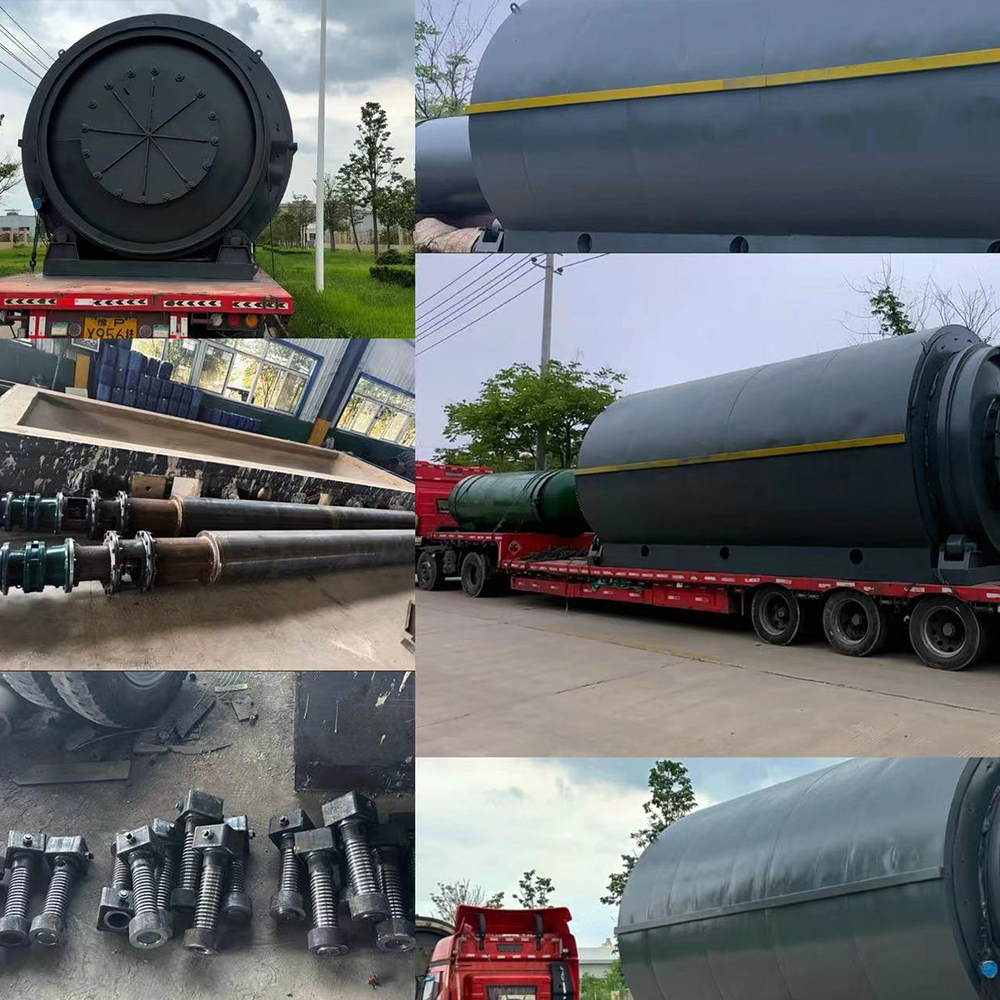
The adoption of pyrolysis reactors across global waste management sectors has accelerated dramatically in recent years, driven by a complex interplay of economic forces that make this thermal decomposition technology increasingly attractive to waste sector operators. Understanding these economic drivers is crucial for industry stakeholders evaluating pyrolysis reactor investments and for policymakers seeking to optimize waste-to-energy initiatives within their jurisdictions.
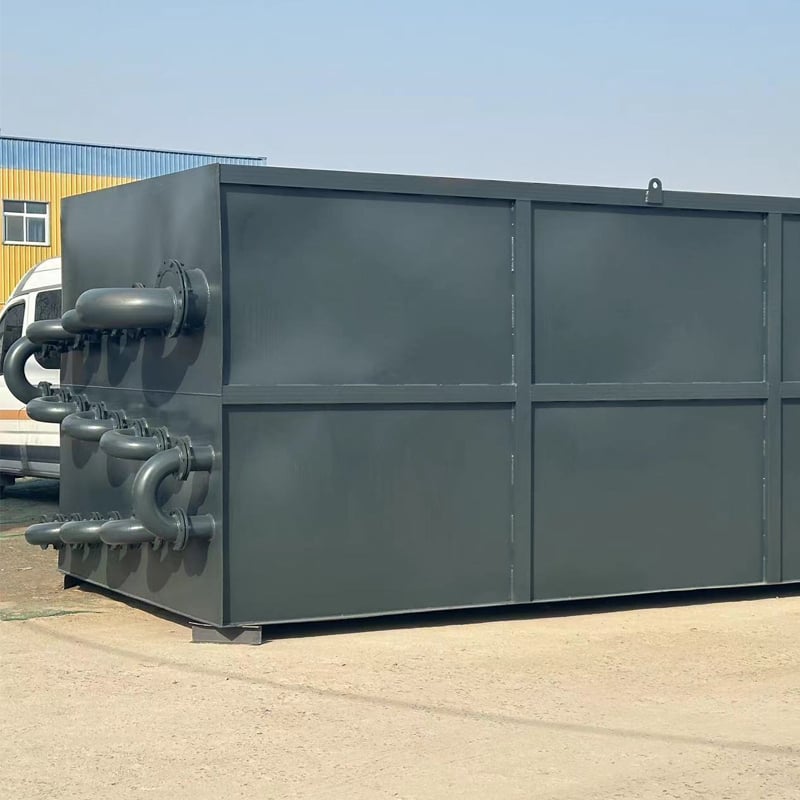
The economic case for pyrolysis reactors extends far beyond simple waste processing costs, encompassing revenue generation from recovered materials, regulatory compliance savings, carbon credit monetization, and long-term operational efficiency gains. These multifaceted economic benefits create compelling business models that transform waste streams from cost centers into profit-generating assets, fundamentally reshaping how waste sector operators approach their business strategies and capital allocation decisions.
Revenue Generation and Resource Recovery Economics
Commodity Output Value Creation
Pyrolysis reactors generate significant economic value by converting waste materials into marketable commodities, including synthetic oils, carbon black, and combustible gases. The synthetic oil produced through pyrolysis processes typically commands market prices between $200-400 per metric ton, depending on quality specifications and regional market conditions. This recovered oil serves as feedstock for petrochemical industries or can be further refined into diesel and gasoline blends, creating multiple revenue streams for operators.
Carbon black recovery represents another substantial economic driver, with high-quality carbon black from pyrolysis reactors selling for $300-600 per metric ton in industrial markets. The global carbon black market demand consistently exceeds supply, providing stable pricing conditions that support long-term investment decisions. Advanced pyrolysis reactors can achieve carbon black recovery rates of 30-35% from tire waste, making this output stream a cornerstone of project economics.
The combustible gas byproduct from pyrolysis reactors serves dual economic purposes: it can be sold directly to industrial users or utilized internally to reduce energy costs for reactor operations. Internal gas utilization typically reduces operational energy costs by 40-60%, while external sales generate additional revenue of $50-80 per metric ton of processed waste material.
Market Price Stability and Demand Forecasting
Economic adoption of pyrolysis reactors benefits from relatively stable commodity markets for recovered products, unlike volatile waste disposal markets that can fluctuate dramatically based on regulatory changes or capacity constraints. The synthetic oil market demonstrates particular resilience, with demand driven by consistent petrochemical industry needs rather than speculative trading activities.
Long-term contracts for carbon black supplies provide additional economic security for pyrolysis reactor operators, with many industrial users preferring sustainable sourcing arrangements over traditional carbon black production methods. These contracts often include price escalation clauses tied to inflation indices, protecting operators from currency devaluation and input cost increases over multi-year periods.
Regional market analysis shows that pyrolysis reactors located near industrial clusters achieve 15-25% higher commodity sale prices due to reduced transportation costs and stronger buyer relationships. This geographic advantage creates economic incentives for strategic facility placement that maximize revenue potential while minimizing logistical expenses.
Cost Avoidance and Operational Efficiency Factors
Landfill Diversion and Disposal Cost Savings
Traditional waste disposal costs continue escalating globally, with landfill tipping fees increasing 8-12% annually in most developed markets. Pyrolysis reactors eliminate these disposal costs entirely while generating revenue from the same waste streams, creating immediate cost-benefit advantages that improve with each fee increase.
Hazardous waste disposal costs present even more compelling economics for pyrolysis reactor adoption, with specialized disposal fees ranging from $500-2000 per metric ton depending on waste classification and treatment requirements. Pyrolysis reactors can process many hazardous organic wastes safely, converting them into non-hazardous outputs while capturing valuable energy content that would otherwise be lost.
Transportation cost elimination represents another significant economic factor, particularly for waste generators located far from approved disposal facilities. Pyrolysis reactors enable on-site or regional waste processing, reducing transportation expenses that can account for 20-30% of total disposal costs in remote locations or areas with limited waste infrastructure.
Energy Cost Reduction and Grid Independence
Energy-intensive industries find pyrolysis reactors particularly attractive due to their ability to generate process heat and electricity from waste materials that would otherwise require costly disposal. The thermal energy recovery from pyrolysis processes can offset 40-70% of facility energy requirements, creating substantial operational cost reductions that compound annually.
Grid independence capabilities of pyrolysis reactors provide economic protection against electricity price volatility and supply disruptions. Industrial facilities operating pyrolysis reactors report 25-35% reductions in annual energy costs, with additional benefits including improved energy security and reduced carbon footprint obligations.
Combined heat and power configurations maximize the economic value of pyrolysis reactor energy outputs, achieving overall thermal efficiencies of 75-85% compared to 35-45% for conventional waste-to-energy technologies. These efficiency gains translate directly into operational cost savings and improved return on investment calculations for potential adopters.
Regulatory Compliance and Financial Incentive Structures
Carbon Credit Monetization and Environmental Markets
Carbon credit markets provide substantial economic incentives for pyrolysis reactor adoption, with projects typically generating 0.8-1.2 tons of CO2 equivalent credits per ton of waste processed. Current carbon credit prices ranging from $15-50 per ton create revenue streams of $12-60 per ton of waste processed, adding significant economic value to project cash flows.
Renewable energy certificate programs offer additional monetization opportunities for pyrolysis reactors that generate electricity from waste-derived gases. These certificates trade at premiums of $10-30 per megawatt-hour in most markets, providing ongoing revenue streams that improve project economics throughout operational lifecycles.
Extended producer responsibility regulations create economic pressure on manufacturers to find sustainable waste management solutions, driving demand for pyrolysis reactor services. These regulatory frameworks often include financial penalties for non-compliance that exceed the cost of pyrolysis processing, making reactor adoption economically inevitable for affected industries.
Government Incentives and Financing Support
Tax incentives for renewable energy and waste-to-energy projects significantly improve pyrolysis reactor economics, with many jurisdictions offering accelerated depreciation schedules, investment tax credits, or production tax credits that reduce effective project costs by 20-40%. These incentives often apply for 10-20 year periods, providing long-term economic benefits that support financing and investment decisions.
Government-backed financing programs reduce capital costs and improve project viability through below-market interest rates and extended repayment terms. Green bonds and sustainability-linked loans provide access to institutional capital at favorable rates, typically 100-200 basis points below conventional project financing costs.
Grant funding for demonstration projects and technology deployment initiatives can cover 15-50% of initial capital requirements for pyrolysis reactors, dramatically improving project returns and reducing investor risk profiles. These programs particularly support smaller operators and emerging market deployments where conventional financing may be less accessible.
Market Dynamics and Competitive Positioning
Waste Management Industry Consolidation
Industry consolidation creates economies of scale that favor large-scale pyrolysis reactor deployments, with major waste management companies investing in reactor fleets to serve multiple markets from centralized facilities. These consolidation trends drive down per-unit processing costs while improving service reliability and geographic coverage for customers.
Vertical integration opportunities allow waste management companies to capture value throughout the waste-to-product chain, from collection through processing to commodity sales. Pyrolysis reactors enable this integration by converting waste streams into products that can be marketed directly to industrial customers or further processed into higher-value materials.
Competitive differentiation through sustainable waste processing capabilities positions operators for premium pricing and preferred vendor status with environmentally conscious customers. Many corporations now require waste management partners to demonstrate circular economy approaches, creating economic advantages for pyrolysis reactor operators over conventional disposal services.
Technology Cost Reduction and Performance Improvement
Advancing pyrolysis reactor technology continues reducing capital and operational costs while improving process efficiency and output quality. Modular reactor designs enable scalable deployments that match waste generation patterns while optimizing capital utilization and operational flexibility.
Automation and process control improvements reduce labor requirements and improve safety performance, lowering operational costs while increasing process reliability and output consistency. These technological advances particularly benefit pyrolysis reactors in high-wage markets where labor costs represent significant operational expenses.
Heat integration and energy recovery optimization increase the economic value extracted from each ton of waste processed, with advanced systems achieving 90-95% energy recovery rates compared to 60-70% for older reactor designs. These efficiency improvements compound over operational lifecycles, creating substantial economic advantages for modern pyrolysis reactor installations.
FAQ
What are the typical payback periods for pyrolysis reactor investments in waste sectors?
Payback periods for pyrolysis reactors typically range from 3-7 years depending on waste feedstock types, local disposal costs, commodity prices, and available incentives. Projects processing high-value waste streams like tires or electronic waste generally achieve faster paybacks, while mixed waste applications may require longer return periods but offer greater volume scalability.
How do fluctuating oil prices impact the economics of pyrolysis reactors?
Oil price volatility affects synthetic oil revenues from pyrolysis reactors, but the impact is often offset by corresponding changes in waste disposal costs and alternative fuel demand. Most pyrolysis reactor projects maintain positive economics even with oil prices 30-40% below long-term averages, due to the cost avoidance benefits and multiple revenue streams that reduce dependence on any single commodity market.
What financing options are available for pyrolysis reactor projects?
Financing options include conventional project finance, equipment leasing, power purchase agreements, waste processing contracts with guaranteed returns, green bonds, and government-backed loans. Many projects utilize blended financing structures that combine multiple sources to optimize cost and risk allocation while maximizing available incentives and tax benefits.
How do carbon pricing policies influence pyrolysis reactor adoption decisions?
Carbon pricing policies create additional economic incentives for pyrolysis reactor adoption by monetizing emission reductions and renewable energy generation. Higher carbon prices generally improve project economics, while carbon price volatility is often managed through long-term contracts or hedge instruments that provide revenue certainty for financing and investment decisions.


 Hot News