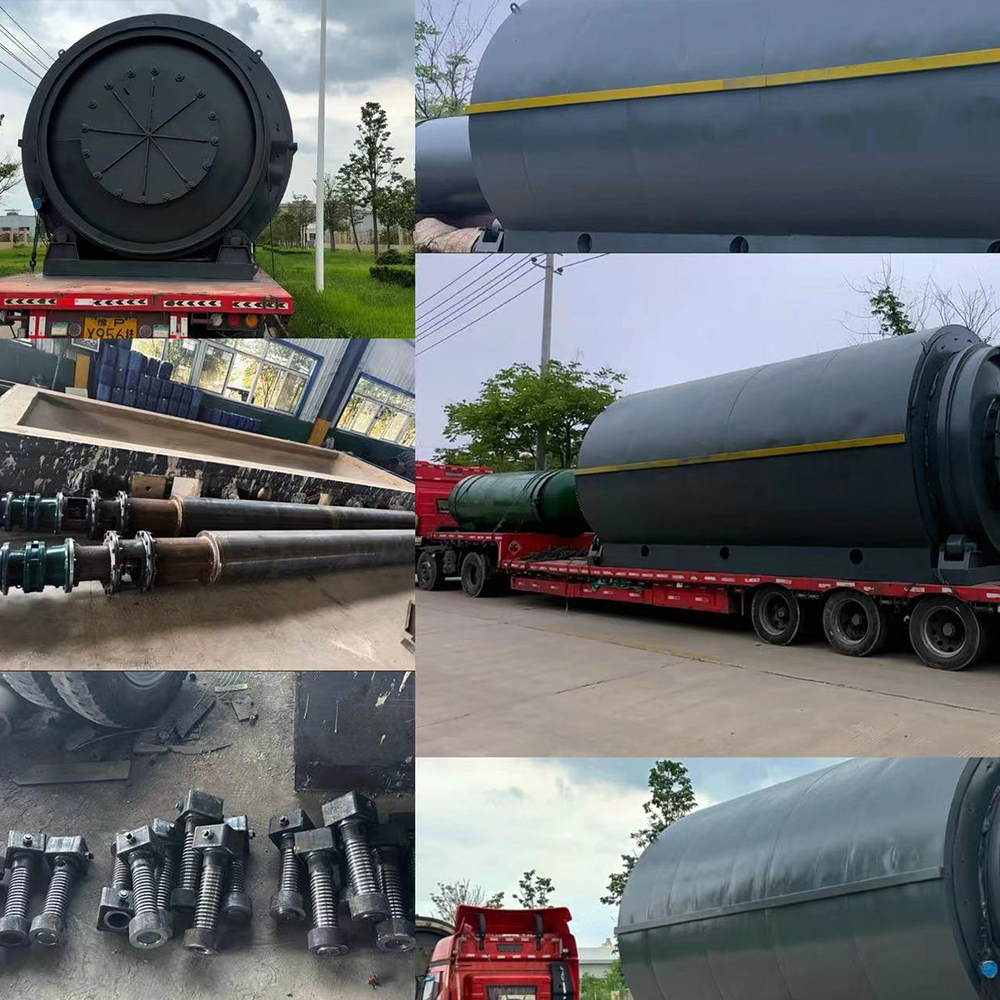
Modern waste management faces unprecedented challenges as global waste generation continues to escalate at alarming rates. Traditional disposal methods like landfilling and incineration are proving inadequate for handling the diverse composition of contemporary solid waste streams. In this context, pyrolysis equipment emerges as a revolutionary technology that transforms waste materials into valuable resources through thermal decomposition processes. This advanced thermal treatment method operates in oxygen-free environments, breaking down organic materials into useful products including fuel oils, gases, and char residues.
The implementation of pyrolysis equipment in waste management systems represents a paradigm shift from linear disposal models to circular economy principles. Unlike conventional waste treatment methods that primarily focus on volume reduction, pyrolysis technology maximizes resource recovery while minimizing environmental impact. This thermal conversion process operates at temperatures ranging from 300 to 900 degrees Celsius, enabling the transformation of various waste types including plastics, tires, biomass, and oil sludge into commercially viable products.
Industrial facilities worldwide are increasingly adopting pyrolysis equipment to address mounting waste management costs and regulatory pressures. The technology offers substantial economic benefits through the production of synthetic fuels, carbon black, and other valuable commodities from waste streams that would otherwise require expensive disposal methods. Furthermore, pyrolysis equipment contributes to greenhouse gas reduction by preventing methane emissions associated with landfill decomposition and reducing reliance on virgin fossil fuel resources.
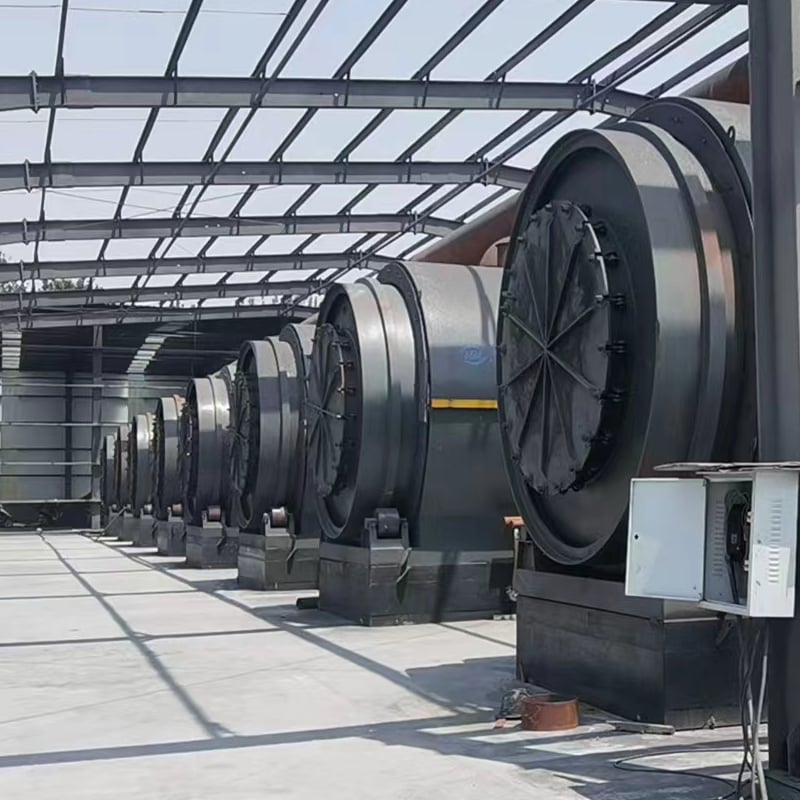
Fundamental Principles of Pyrolysis Technology
Thermal Decomposition Mechanisms
Pyrolysis equipment operates through sophisticated thermal decomposition mechanisms that break molecular bonds in organic materials without combustion. The process involves heating waste materials in controlled environments with minimal or no oxygen presence, preventing traditional burning while facilitating molecular restructuring. This controlled thermal treatment enables the conversion of complex polymer chains and organic compounds into smaller, more valuable molecular structures.
The thermal decomposition process within pyrolysis equipment occurs through several distinct phases, beginning with moisture evaporation at temperatures below 150 degrees Celsius. As temperatures increase, volatile organic compounds begin to release, followed by the breakdown of larger molecular structures. The precise temperature control capabilities of modern pyrolysis equipment ensure optimal conversion efficiency while maintaining product quality standards.
Process Control and Optimization
Advanced pyrolysis equipment incorporates sophisticated control systems that monitor and adjust critical process parameters including temperature, pressure, residence time, and heating rates. These automated systems ensure consistent product quality while maximizing conversion efficiency and minimizing energy consumption. Real-time monitoring capabilities enable operators to optimize performance based on feedstock characteristics and desired output specifications.
Temperature uniformity throughout the reactor chamber represents a critical factor in pyrolysis equipment performance. Modern systems utilize advanced heating technologies including electric heating elements, gas burners, or heat transfer fluids to maintain precise temperature profiles. This controlled heating environment ensures complete thermal decomposition while preventing hotspot formation that could compromise product quality or equipment integrity.
Waste Stream Applications and Compatibility
Plastic Waste Processing
Plastic waste represents one of the most challenging components of modern solid waste streams, with conventional recycling methods proving inadequate for mixed or contaminated plastic materials. Pyrolysis equipment offers an effective solution for processing various plastic types including polyethylene, polypropylene, polystyrene, and mixed plastic waste streams. The thermal treatment process breaks down polymer chains into smaller hydrocarbon molecules that can be converted into fuel oils, waxes, and chemical feedstocks.
The versatility of pyrolysis equipment enables processing of plastic waste that would otherwise be destined for landfills or incineration. Contaminated plastics, multi-layer packaging materials, and mixed plastic streams can all be effectively processed through pyrolysis technology. This capability significantly expands the range of recoverable plastic waste while reducing the burden on traditional recycling infrastructure.
Tire and Rubber Material Recovery
End-of-life tires present significant environmental challenges due to their durability and complex composition of rubber, steel, and textile components. Pyrolysis equipment provides an efficient method for recovering valuable materials from waste tires through thermal decomposition processes. The treatment yields tire-derived oil, carbon black, steel wire, and combustible gases, all of which possess commercial value.
The carbon black recovered through tire pyrolysis equipment maintains properties suitable for various industrial applications including rubber manufacturing, paint production, and ink formulation. Steel components can be easily separated and recycled, while the produced oils serve as alternatives to petroleum-based fuels or chemical feedstocks. This comprehensive material recovery approach maximizes resource utilization while eliminating tire disposal challenges.
Economic Benefits and Resource Recovery Optimization
Revenue Generation Through Product Sales
Pyrolysis equipment transforms waste management from a cost center into a potential revenue generator through the production of marketable commodities. The fuel oils produced through pyrolysis processes typically command prices comparable to conventional heating oils or diesel fuels, providing substantial revenue streams for waste processing facilities. Carbon black recovery adds additional value, particularly in regions with strong industrial demand for this material.
Market analysis indicates that well-operated pyrolysis equipment can achieve payback periods of three to five years depending on feedstock availability, local market conditions, and operational efficiency. The economic viability improves significantly when facilities can secure long-term waste supply agreements and establish reliable product marketing channels. Additionally, carbon credit programs and environmental incentives may provide supplementary revenue streams for pyrolysis equipment operators.
Operational Cost Reduction Strategies
Modern pyrolysis equipment incorporates energy recovery systems that capture and utilize the combustible gases produced during the thermal treatment process. These gases can provide substantial portions of the energy required for system operation, reducing external fuel requirements and lowering operational costs. Heat recovery systems further enhance energy efficiency by capturing waste heat for preheating feedstock materials or generating steam for auxiliary processes.
Automated operation capabilities reduce labor requirements while improving process consistency and safety. Advanced pyrolysis equipment features can operate continuously with minimal operator intervention, reducing staffing costs while maintaining high productivity levels. Preventive maintenance programs and robust equipment design minimize downtime and extend equipment lifespan, further improving economic performance.
Environmental Impact and Sustainability Advantages
Emission Reduction and Air Quality Improvement
Pyrolysis equipment significantly reduces environmental impact compared to traditional waste treatment methods through controlled processing environments and advanced emission control systems. The absence of combustion in pyrolysis processes minimizes the formation of harmful pollutants including dioxins, furans, and nitrogen oxides that are commonly associated with incineration. Modern pyrolysis equipment incorporates sophisticated gas cleaning systems that ensure compliance with stringent environmental regulations.
The implementation of pyrolysis equipment contributes to improved local air quality by eliminating open burning practices and reducing transportation-related emissions associated with waste disposal. Closed-loop processing systems prevent fugitive emissions while capturing and treating all process gases. These environmental benefits make pyrolysis equipment particularly attractive for facilities located in urban or environmentally sensitive areas.
Circular Economy Integration
Pyrolysis equipment plays a crucial role in advancing circular economy principles by transforming waste materials into new products rather than consuming virgin resources. This approach reduces pressure on natural resource extraction while creating sustainable material loops within industrial systems. The technology enables the recovery of valuable resources that would otherwise be lost through conventional disposal methods.
Integration of pyrolysis equipment into existing waste management infrastructure supports the development of industrial symbiosis networks where waste outputs from one process become valuable inputs for another. This interconnected approach maximizes resource utilization efficiency while minimizing overall environmental impact. The flexibility of pyrolysis equipment allows facilities to adapt to changing waste stream compositions and market demands.
Technology Selection and Implementation Considerations
Equipment Sizing and Capacity Planning
Proper sizing of pyrolysis equipment requires careful analysis of available waste streams, processing requirements, and market demand for recovered products. Facilities must consider both current waste generation rates and projected future volumes when selecting equipment capacity. Modular pyrolysis equipment designs offer flexibility for staged implementation and capacity expansion as waste volumes or market opportunities evolve.
Capacity planning must also account for seasonal variations in waste generation and feedstock quality fluctuations that may affect processing efficiency. Oversized pyrolysis equipment may operate inefficiently at partial loads, while undersized systems may create processing bottlenecks. Professional engineering analysis helps optimize equipment selection based on specific site conditions and operational objectives.
Integration with Existing Infrastructure
Successful implementation of pyrolysis equipment requires careful integration with existing waste handling and processing infrastructure. Site preparation must accommodate equipment foundations, utility connections, and material handling systems. Electrical supply requirements for pyrolysis equipment may necessitate power system upgrades, while process water and compressed air systems must meet equipment specifications.
Material handling systems must efficiently deliver feedstock to pyrolysis equipment while managing product outputs including oils, solids, and gases. Storage facilities for both inputs and outputs require appropriate design considerations including fire protection, environmental containment, and material compatibility. Integration planning should also address maintenance access, safety systems, and emergency response procedures.
Future Developments and Innovation Trends
Advanced Process Control Technologies
Emerging technologies in artificial intelligence and machine learning are being integrated into pyrolysis equipment control systems to optimize process performance and predict maintenance requirements. These advanced control systems can automatically adjust operating parameters based on feedstock characteristics and desired product specifications. Predictive analytics help minimize downtime while maximizing production efficiency and product quality.
Remote monitoring capabilities enable centralized oversight of multiple pyrolysis equipment installations, reducing operational costs while improving system reliability. Cloud-based data analytics platforms provide insights into performance trends and optimization opportunities. These technological advances make pyrolysis equipment more accessible to smaller facilities while improving overall industry performance standards.
Enhanced Product Recovery and Purification
Research and development efforts continue to improve product recovery rates and purity levels from pyrolysis equipment operations. Advanced distillation systems and product purification technologies enable the production of higher-grade fuels and chemical feedstocks. These improvements expand market opportunities while increasing revenue potential for pyrolysis equipment operators.
Catalyst development represents another area of significant innovation in pyrolysis equipment technology. Advanced catalysts can improve conversion efficiency while enabling the production of specific target products. These developments make pyrolysis equipment more competitive with traditional chemical processing methods while expanding the range of valuable products that can be recovered from waste streams.
FAQ
What types of waste materials can be processed using pyrolysis equipment?
Pyrolysis equipment can effectively process various organic waste materials including plastic waste, waste tires, biomass, oil sludge, and municipal solid waste. The technology is particularly effective for materials that are difficult to recycle through conventional methods, such as mixed plastics, contaminated materials, and composite products. Different pyrolysis equipment configurations may be optimized for specific waste types to maximize recovery efficiency and product quality.
How does pyrolysis equipment compare to incineration in terms of environmental impact?
Pyrolysis equipment operates in oxygen-free environments, which prevents the formation of many harmful pollutants associated with incineration such as dioxins and furans. The controlled thermal treatment process produces fewer emissions while recovering valuable materials rather than simply destroying them. Additionally, pyrolysis equipment typically requires lower operating temperatures than incinerators, reducing energy consumption and associated environmental impacts.
What are the main products recovered from waste processing using pyrolysis equipment?
The primary products recovered through pyrolysis equipment include fuel oils that can substitute for heating oil or diesel fuel, carbon black suitable for industrial applications, combustible gases that can provide process energy, and steel or other metal components that can be recycled. The specific product mix depends on the feedstock composition and pyrolysis equipment operating conditions. These recovered materials have established market values and provide revenue streams to offset processing costs.
What are the key factors affecting the economic viability of pyrolysis equipment investments?
Economic viability of pyrolysis equipment depends on several factors including feedstock availability and cost, local market prices for recovered products, regulatory environment, and operational efficiency. Facilities with access to consistent waste streams and established product marketing channels typically achieve better financial performance. Government incentives, carbon credit programs, and avoided disposal costs also contribute to overall project economics. Proper equipment selection and operational optimization are essential for achieving target return on investment.



 Hot News