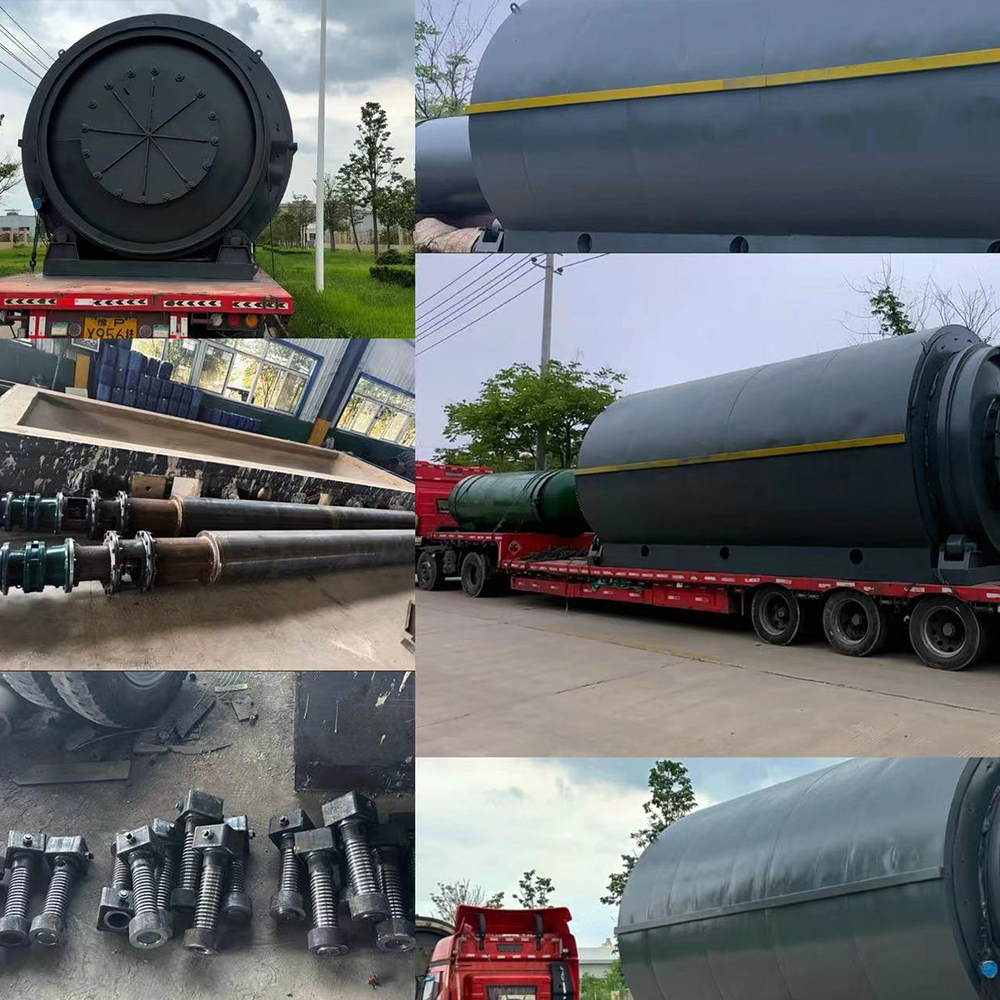
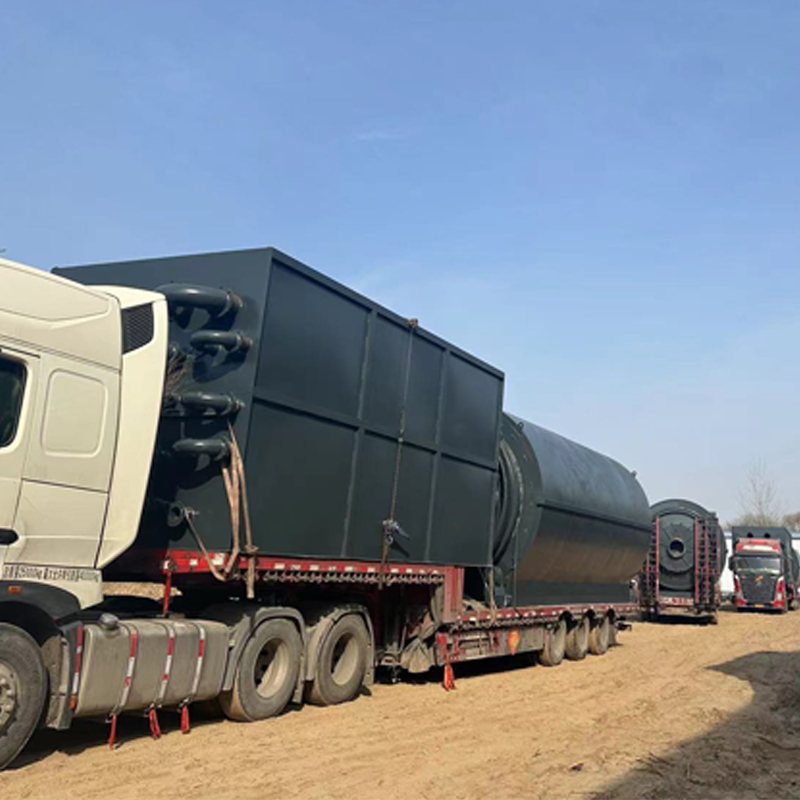
Industrial waste management has reached a critical juncture where traditional disposal methods no longer meet the environmental and economic demands of modern manufacturing. Large-scale pyrolysis equipment emerges as a revolutionary solution, transforming waste materials into valuable resources while addressing sustainability challenges across multiple sectors. This advanced thermal processing technology offers industries an opportunity to convert organic waste streams into useful products, creating circular economy models that benefit both profitability and environmental stewardship.
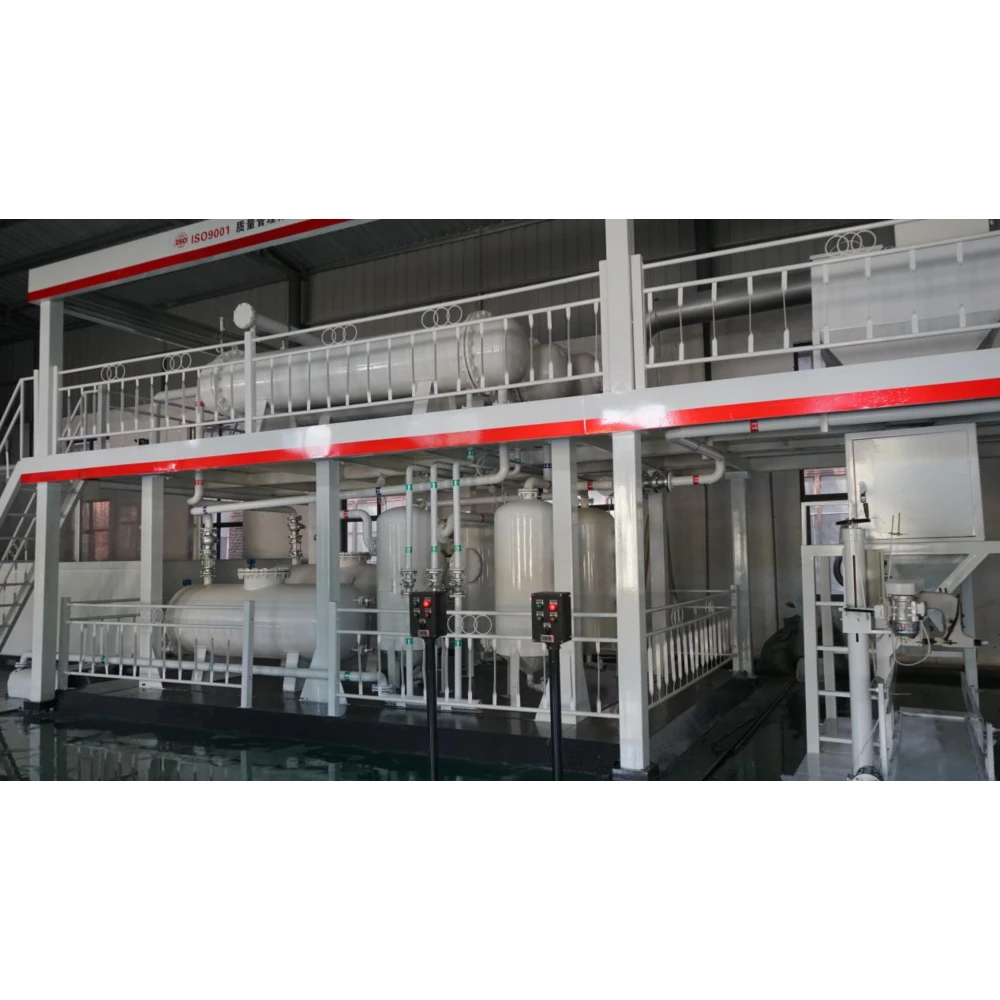
Petroleum and Petrochemical Industry Applications
Waste Oil Recovery and Refinement
The petroleum industry generates substantial quantities of waste oil, sludge, and contaminated materials that traditional disposal methods cannot effectively address. Large-scale pyrolysis equipment provides these companies with an efficient pathway to recover valuable hydrocarbons from waste streams, converting used oils and petroleum sludge back into usable fuel products. This process significantly reduces disposal costs while creating additional revenue streams from materials that would otherwise represent environmental liabilities.
Refineries implementing large-scale pyrolysis equipment report recovery rates exceeding 85% for waste oil processing, transforming thousands of tons of hazardous materials annually. The recovered products include diesel fuel, gasoline fractions, and carbon black, all of which maintain commercial viability and market demand. Advanced control systems ensure consistent product quality while minimizing environmental emissions throughout the thermal decomposition process.
Petrochemical Byproduct Processing
Petrochemical manufacturing creates complex waste streams containing polymer residues, catalyst materials, and organic compounds that resist conventional treatment methods. Large-scale pyrolysis equipment addresses these challenges through controlled thermal cracking, breaking down complex molecules into simpler, more manageable components. The technology enables petrochemical facilities to achieve near-zero waste discharge while recovering valuable chemical precursors from their production processes.
Industrial-scale implementations demonstrate remarkable efficiency in processing polyethylene waste, polypropylene residues, and mixed plastic materials generated during petrochemical production. The pyrolysis process yields synthetic crude oil suitable for further refining, along with valuable gas fractions that can supplement facility energy requirements. This integrated approach transforms waste management from a cost center into a profit-generating operation within petrochemical complexes.
Automotive Manufacturing and Recycling Sector
Tire Recycling Operations
The automotive industry faces mounting pressure to address end-of-life tire disposal, with millions of tires reaching disposal annually worldwide. Large-scale pyrolysis equipment offers tire recycling facilities a comprehensive solution for processing these materials, converting rubber compounds into valuable products including synthetic fuel oils, carbon black, and steel wire recovery. This technology enables the automotive recycling sector to achieve complete tire utilization while meeting stringent environmental regulations.
Modern tire pyrolysis installations process between 20 to 100 tons of waste tires daily, depending on equipment capacity and operational requirements. The thermal decomposition process yields approximately 45% fuel oil, 35% carbon black, and 15% steel wire by weight, with minimal residual waste generation. Carbon black recovered through large-scale pyrolysis equipment meets quality standards for new tire manufacturing, creating a closed-loop recycling system that benefits the entire automotive supply chain.
Automotive Plastic Component Recovery
Vehicle manufacturing generates significant quantities of plastic waste from production processes, including defective components, trimming waste, and mixed polymer materials. Large-scale pyrolysis equipment enables automotive manufacturers to recover valuable hydrocarbons from these waste streams, reducing landfill disposal while creating useful fuel products. The technology particularly excels at processing mixed automotive plastics that traditional mechanical recycling cannot effectively handle.
Automotive facilities implementing large-scale pyrolysis equipment report substantial cost savings through reduced waste disposal fees and recovered fuel value. The process handles complex automotive plastic compositions including polypropylene, polyethylene, and various composite materials used in modern vehicle construction. Advanced emission control systems ensure compliance with automotive industry environmental standards while maximizing resource recovery from manufacturing waste streams.
Chemical and Pharmaceutical Manufacturing
Pharmaceutical Waste Processing
Pharmaceutical manufacturing creates specialized waste streams containing active pharmaceutical ingredients, organic solvents, and complex chemical compounds that require careful handling and disposal. Large-scale pyrolysis equipment provides pharmaceutical companies with a secure, environmentally sound method for processing these materials while ensuring complete destruction of controlled substances. The technology offers superior security compared to traditional incineration methods, with better energy recovery and reduced environmental impact.
The controlled thermal environment within large-scale pyrolysis equipment ensures complete molecular breakdown of pharmaceutical compounds, preventing environmental contamination while recovering useful energy from organic waste components. Pharmaceutical facilities benefit from reduced regulatory compliance costs, enhanced security for controlled substance disposal, and improved sustainability metrics. The technology particularly excels at processing expired medications, production waste, and contaminated packaging materials from pharmaceutical operations.
Chemical Industry Solvent Recovery
Chemical manufacturing operations consume vast quantities of organic solvents that become contaminated during production processes, creating expensive disposal challenges. Large-scale pyrolysis equipment enables chemical companies to recover valuable components from spent solvents while eliminating hazardous waste streams. This approach significantly reduces solvent procurement costs while improving overall manufacturing sustainability and regulatory compliance.
Industrial solvent recovery through large-scale pyrolysis equipment achieves remarkable efficiency levels, with some installations recovering over 90% of useful products from contaminated solvent streams. The process handles complex solvent mixtures including alcohols, ketones, aromatics, and chlorinated compounds commonly used in chemical manufacturing. Advanced distillation systems integrated with pyrolysis equipment enable precise product separation, producing high-purity recovered solvents suitable for direct reuse in manufacturing processes.
Waste Management and Environmental Services
Municipal Solid Waste Processing
Municipal waste management authorities increasingly recognize large-scale pyrolysis equipment as an essential technology for addressing growing solid waste volumes while recovering valuable resources. This technology enables waste management facilities to process mixed municipal waste streams that traditional recycling cannot handle, converting organic waste components into useful fuel products while dramatically reducing landfill requirements. The approach offers superior environmental performance compared to conventional incineration methods.
Large-scale municipal pyrolysis installations typically process 100 to 500 tons of waste daily, depending on population served and waste composition characteristics. The technology effectively handles mixed paper waste, food waste, textiles, and non-recyclable plastic materials commonly found in municipal waste streams. Advanced sorting systems integrated with large-scale pyrolysis equipment maximize resource recovery while ensuring optimal thermal processing efficiency for varying waste compositions.
Industrial Waste Service Providers
Environmental service companies specializing in industrial waste management find large-scale pyrolysis equipment essential for providing comprehensive waste solutions to manufacturing clients. This technology enables service providers to offer complete waste-to-energy solutions that eliminate disposal costs while creating revenue streams from recovered products. The approach particularly benefits companies handling diverse industrial waste streams that require specialized processing capabilities.
Service providers implementing large-scale pyrolysis equipment can accommodate various industrial waste types including contaminated plastics, organic residues, and mixed industrial materials that traditional treatment methods cannot effectively process. The technology enables these companies to offer guaranteed waste diversion from landfills while providing clients with carbon credit opportunities and sustainability reporting benefits. Advanced monitoring systems ensure optimal processing efficiency across varying industrial waste compositions and volumes.
Agriculture and Biomass Processing Industries
Agricultural Residue Utilization
Agricultural operations generate enormous quantities of organic residues including crop stalks, husks, shells, and processing waste that create disposal challenges while representing untapped energy resources. Large-scale pyrolysis equipment enables agricultural processors to convert these materials into valuable biofuels, biochar, and syngas products that enhance both economic and environmental performance. This technology transforms agricultural waste from a liability into a profitable resource stream.
Modern agricultural pyrolysis installations process diverse biomass feedstocks including rice husks, wheat straw, corn stalks, and nut shells with remarkable efficiency. The technology produces high-quality biochar suitable for soil amendment applications, bio-oil for energy generation, and syngas for heating applications. Large-scale pyrolysis equipment designed for agricultural applications incorporates specialized feeding systems to handle varying moisture content and particle sizes typical of agricultural residues.
Forestry and Wood Processing Applications
Wood processing industries including sawmills, furniture manufacturers, and paper mills generate substantial volumes of wood waste, sawdust, and organic residues that require efficient disposal or utilization. Large-scale pyrolysis equipment provides these industries with an effective method for converting wood waste into valuable products including wood vinegar, tar, charcoal, and synthetic gas. This approach eliminates waste disposal costs while creating additional revenue streams from materials traditionally viewed as byproducts.
Forestry operations implementing large-scale pyrolysis equipment achieve impressive resource recovery rates from wood processing waste, with some installations converting over 95% of input materials into useful products. The technology handles various wood waste types including bark, sawdust, wood chips, and mixed forestry residues with consistent processing efficiency. Advanced process control systems optimize product yields based on wood species and moisture content variations typical in forestry operations.
FAQ
What capacity range defines large-scale pyrolysis equipment for industrial applications
Large-scale pyrolysis equipment typically processes between 10 to 100 tons of feedstock material per day, with some installations exceeding 200 tons daily capacity. Industrial-scale systems feature continuous operation capabilities, automated feeding mechanisms, and integrated product recovery systems that enable 24/7 processing efficiency. The equipment capacity selection depends on waste generation rates, available feedstock volumes, and desired product output requirements for specific industrial applications.
How does large-scale pyrolysis equipment compare to traditional waste treatment methods in terms of environmental impact
Large-scale pyrolysis equipment offers superior environmental performance compared to incineration and landfill disposal methods through reduced emissions, energy recovery, and resource conservation. The controlled oxygen-free thermal process minimizes harmful gas formation while maximizing product recovery rates. Studies demonstrate that large-scale pyrolysis equipment reduces greenhouse gas emissions by 60-80% compared to traditional waste disposal methods while generating useful products that offset fossil fuel consumption.
What are the typical payback periods for large-scale pyrolysis equipment investments in industrial settings
Industrial large-scale pyrolysis equipment investments typically achieve payback periods between 3 to 7 years, depending on feedstock availability, product market conditions, and waste disposal cost savings. Facilities processing high-value waste streams such as waste oils or tires often achieve faster payback periods due to premium product recovery values. The investment economics improve significantly when considering avoided disposal costs, carbon credit revenues, and regulatory compliance benefits associated with large-scale pyrolysis equipment implementation.
Which industries should prioritize large-scale pyrolysis equipment adoption for maximum operational benefits
Industries with high-volume organic waste generation including petroleum refining, automotive manufacturing, chemical processing, and municipal waste management achieve maximum benefits from large-scale pyrolysis equipment adoption. These sectors typically generate consistent waste streams with favorable thermal processing characteristics and established markets for recovered products. Agricultural processors and forestry operations also benefit significantly from large-scale pyrolysis equipment due to abundant biomass feedstock availability and diverse product applications for recovered materials.



 Hot News