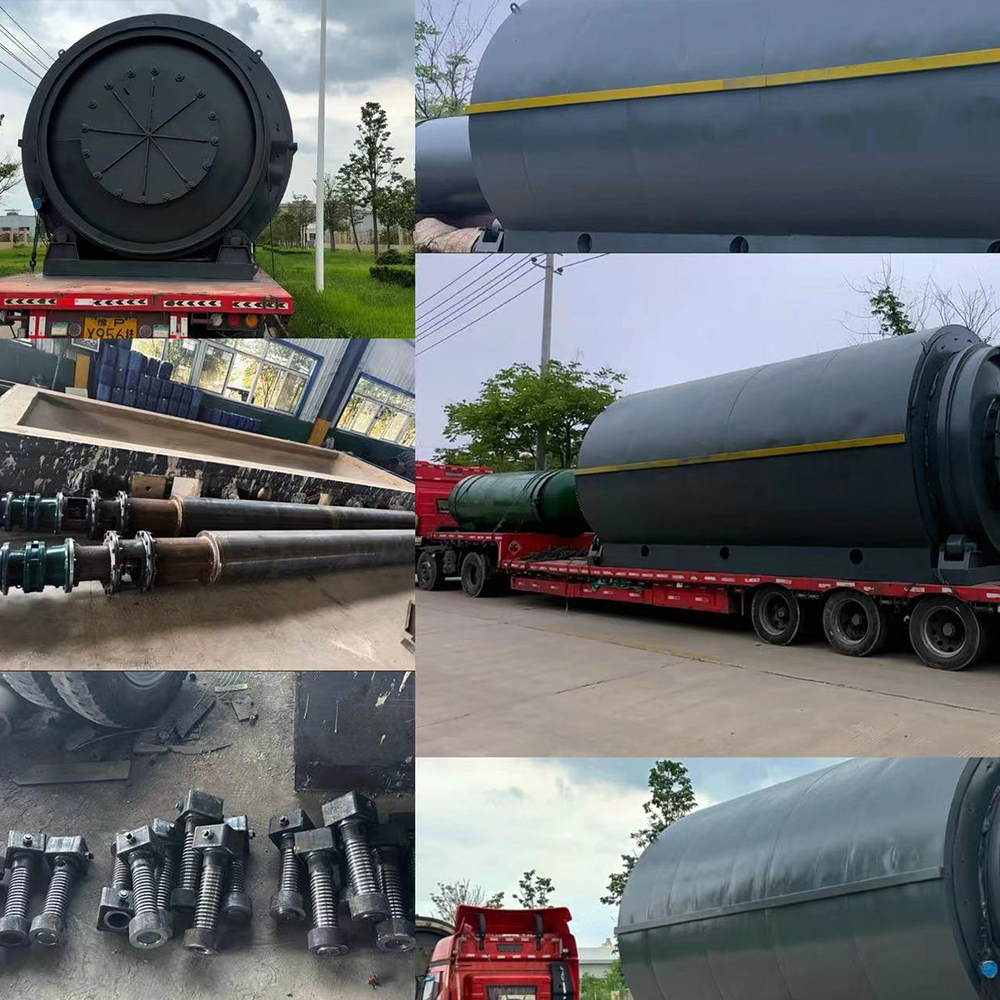
The global challenge of tire waste management has reached critical proportions, with billions of used tires accumulating annually worldwide. Traditional disposal methods often fall short of environmental and economic expectations, leading industries to seek innovative solutions. Modern waste management facilities are increasingly turning to advanced thermal processing technologies that can transform discarded rubber into valuable resources while minimizing environmental impact.
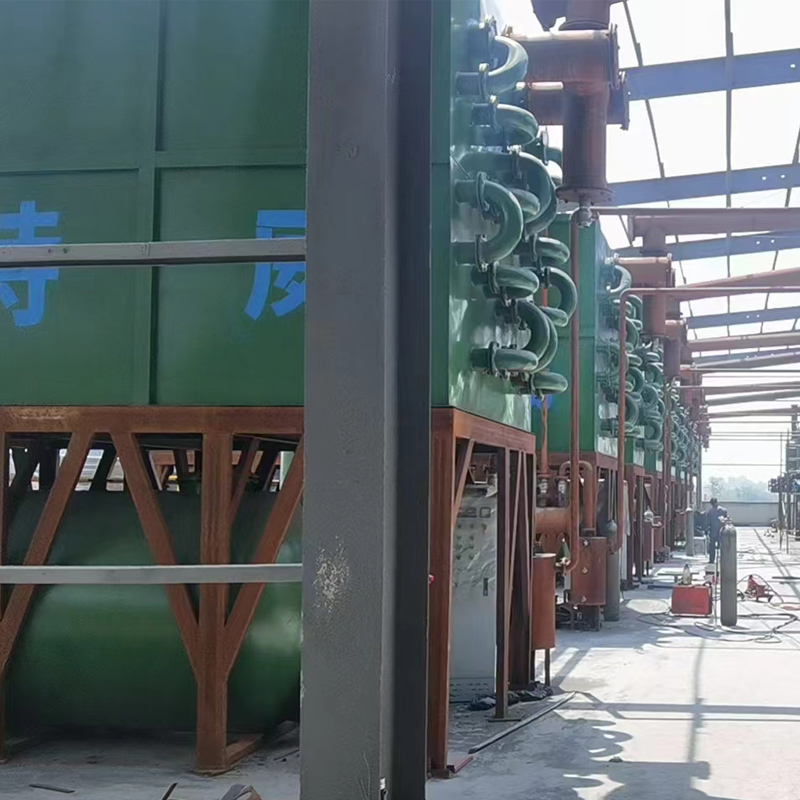
Continuous pyrolysis reactor technology represents a paradigm shift in tire recycling approaches, offering unprecedented efficiency and resource recovery rates. This sophisticated thermal decomposition process operates under controlled conditions, breaking down tire components into commercially viable products including fuel oil, carbon black, and steel wire. The technology addresses both environmental concerns and economic opportunities, creating sustainable revenue streams from what was previously considered problematic waste.
Manufacturing industries across various sectors are recognizing the transformative potential of continuous pyrolysis reactor systems for tire disposal applications. These advanced processing units deliver consistent performance, reduced operational costs, and enhanced environmental compliance compared to traditional disposal methods. The integration of cutting-edge engineering principles ensures optimal heat distribution, precise temperature control, and maximum resource recovery efficiency.
Advanced Reactor Design Principles
Thermal Efficiency Optimization
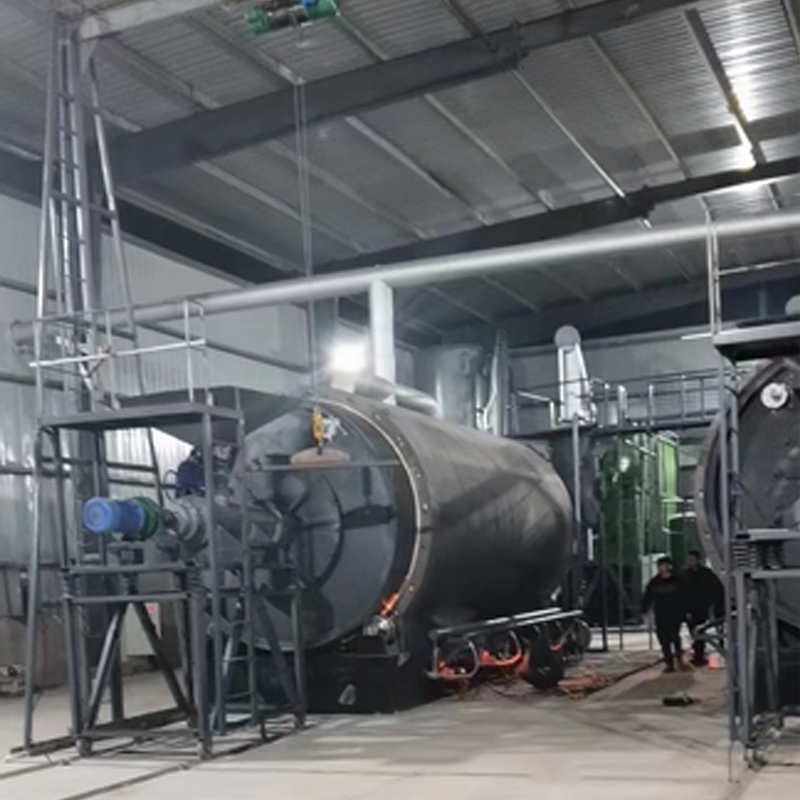
The thermal efficiency of a continuous pyrolysis reactor depends heavily on advanced heat management systems that ensure uniform temperature distribution throughout the processing chamber. Modern reactor designs incorporate multi-zone heating elements, sophisticated insulation materials, and intelligent temperature monitoring systems that maintain optimal operating conditions. These engineering improvements significantly enhance the decomposition process, ensuring complete tire breakdown while minimizing energy consumption.
Heat recovery mechanisms within the reactor system capture and recirculate thermal energy, reducing overall fuel requirements and operational expenses. Advanced thermal management protocols enable precise control over pyrolysis temperatures, typically ranging from 400 to 500 degrees Celsius, ensuring optimal product quality and yield rates. The integration of heat exchangers and thermal recycling systems further enhances energy efficiency, making continuous pyrolysis reactor operations more economically viable.
Material Flow Dynamics
Continuous feeding mechanisms ensure uninterrupted tire processing, eliminating the batch processing limitations of traditional pyrolysis systems. Automated material handling systems transport shredded tire pieces through the reactor at controlled rates, maintaining consistent residence times and processing conditions. These sophisticated feed systems accommodate various tire sizes and compositions, providing operational flexibility for different waste streams.
The reactor chamber design facilitates smooth material flow while preventing blockages and ensuring complete thermal exposure for all tire components. Internal mixing mechanisms promote uniform heat distribution and prevent material agglomeration, maintaining processing efficiency throughout extended operational periods. Advanced conveyor systems and material distribution networks ensure optimal throughput rates while maintaining product quality standards.
Resource Recovery and Product Quality
Fuel Oil Production
The continuous pyrolysis reactor produces high-quality fuel oil through controlled thermal decomposition of tire polymers, generating valuable energy resources from waste materials. This synthetic fuel oil exhibits excellent combustion characteristics and can be utilized in various industrial applications, including heating systems, power generation, and chemical manufacturing processes. The consistent operating conditions of continuous pyrolysis reactor systems ensure uniform fuel oil quality and composition.
Quality control measures throughout the pyrolysis process maintain fuel oil specifications that meet or exceed industry standards for alternative energy sources. Advanced distillation and purification systems integrated into the reactor design remove impurities and enhance fuel characteristics, producing clean-burning oil with minimal environmental impact. The economic value of recovered fuel oil significantly improves the overall profitability of tire recycling operations.
Carbon Black Recovery
Carbon black recovery represents another significant advantage of continuous pyrolysis reactor technology, generating valuable industrial raw materials from tire waste. The thermal decomposition process produces high-grade carbon black with properties suitable for various manufacturing applications, including rubber production, plastics manufacturing, and ink formulation. This recovered carbon black maintains structural integrity and performance characteristics comparable to virgin materials.
Processing parameters within the continuous pyrolysis reactor can be optimized to enhance carbon black quality and yield rates, maximizing resource recovery value. Advanced separation and collection systems ensure pure carbon black recovery without contamination from other pyrolysis products. The commercial value of recovered carbon black contributes significantly to the economic viability of tire recycling operations.
Environmental Impact and Sustainability
Emission Control Systems
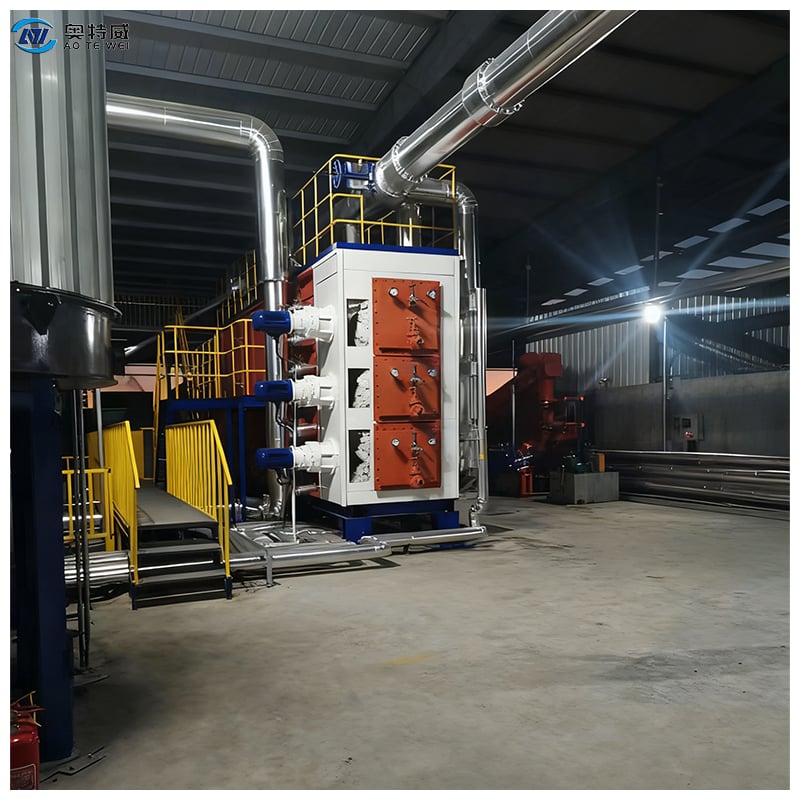
Modern continuous pyrolysis reactor designs incorporate comprehensive emission control systems that minimize environmental impact while maintaining high processing efficiency. Advanced gas cleaning technologies remove harmful compounds from process emissions, ensuring compliance with stringent environmental regulations. Multi-stage filtration systems capture particulate matter and neutralize acidic gases, protecting air quality in surrounding communities.
Thermal oxidation systems within the reactor eliminate organic pollutants and reduce odor emissions, creating environmentally responsible processing conditions. Automated monitoring systems continuously track emission levels and adjust operating parameters to maintain optimal environmental performance. These sophisticated pollution control measures demonstrate the commitment of continuous pyrolysis reactor technology to sustainable waste management practices.
Waste Stream Elimination
The comprehensive processing capabilities of continuous pyrolysis reactor systems virtually eliminate waste streams associated with tire disposal, converting nearly all tire components into valuable products. Steel wire separation systems recover metallic components for recycling, while organic materials undergo complete thermal conversion. This holistic approach minimizes landfill requirements and reduces long-term environmental liabilities.
Resource recovery rates exceeding 85% demonstrate the effectiveness of continuous pyrolysis reactor technology in waste stream elimination. The minimal residual waste generated consists primarily of inert materials that can be safely disposed of or utilized in construction applications. This comprehensive waste processing approach aligns with circular economy principles and sustainable manufacturing practices.
Economic Advantages and Cost Efficiency
Operational Cost Reduction
Continuous pyrolysis reactor operations deliver significant cost advantages over traditional tire disposal methods through reduced transportation expenses, disposal fees, and regulatory compliance costs. The on-site processing capability eliminates the need for expensive waste transportation to remote disposal facilities, while generating revenue from recovered products. Automated operation features minimize labor requirements and reduce ongoing operational expenses.
Energy self-sufficiency capabilities of continuous pyrolysis reactor systems further reduce operational costs through utilization of process-generated gases for heating requirements. This internal energy recycling minimizes external fuel consumption and enhances overall system efficiency. Long-term operational cost projections demonstrate favorable returns on investment for facilities implementing continuous pyrolysis reactor technology.
Revenue Generation Potential
The multiple product streams generated by continuous pyrolysis reactor systems create diverse revenue opportunities that significantly improve project economics. Fuel oil sales, carbon black marketing, and steel wire recovery generate multiple income sources from single waste streams. Market demand for these recovered materials ensures stable pricing and consistent revenue generation potential.
Value-added processing capabilities enable facilities to enhance product specifications and command premium pricing for high-quality recovered materials. Strategic partnerships with industrial consumers of pyrolysis products create long-term revenue stability and growth opportunities. The economic sustainability of continuous pyrolysis reactor operations supports expanded deployment and technology advancement initiatives.
Technical Implementation Considerations
System Integration Requirements
Successful implementation of continuous pyrolysis reactor systems requires careful consideration of site-specific factors including utilities availability, space requirements, and regulatory compliance obligations. Electrical power demands, cooling water supplies, and compressed air systems must be adequately sized to support reactor operations. Professional engineering assessment ensures proper system integration and optimal performance characteristics.
Process control integration connects continuous pyrolysis reactor operations with existing facility management systems, enabling centralized monitoring and control capabilities. Advanced automation features reduce operator training requirements while maintaining safe and efficient processing conditions. Comprehensive system documentation and technical support ensure successful technology deployment and long-term operational success.
Maintenance and Reliability
Continuous pyrolysis reactor systems incorporate robust design features that minimize maintenance requirements and maximize operational reliability. High-temperature resistant materials and advanced engineering principles ensure extended service life under demanding processing conditions. Preventive maintenance protocols maintain optimal performance while minimizing unscheduled downtime events.
Modular component design facilitates maintenance activities and reduces service costs through standardized replacement parts and simplified access procedures. Remote monitoring capabilities enable predictive maintenance strategies that identify potential issues before they impact operations. Comprehensive technical support services ensure continuous pyrolysis reactor systems maintain peak performance throughout their operational lifetime.
FAQ
What types of tires can be processed in a continuous pyrolysis reactor
Continuous pyrolysis reactor systems can process virtually all tire types including passenger vehicle tires, truck tires, motorcycle tires, and industrial tires. The robust design accommodates various rubber compounds, steel belt configurations, and tire sizes without requiring extensive preprocessing. Shredding to appropriate particle sizes is typically the only preparation required before feeding tires into the reactor system.
How does continuous operation differ from batch pyrolysis systems
Continuous pyrolysis reactor technology eliminates the time delays and temperature cycling associated with batch processing systems, resulting in higher throughput rates and improved energy efficiency. Material feeding and product discharge occur simultaneously during continuous operation, maximizing equipment utilization and reducing per-unit processing costs. The consistent operating conditions of continuous systems also produce more uniform product quality compared to batch processing methods.
What safety measures are incorporated in continuous pyrolysis reactor designs
Modern continuous pyrolysis reactor systems include comprehensive safety features including emergency shutdown systems, pressure relief valves, fire suppression systems, and gas detection equipment. Automated safety interlocks prevent unsafe operating conditions while comprehensive monitoring systems provide real-time safety status information. Professional safety training and established emergency procedures ensure safe operation under all conditions.
How long does it take to establish a continuous pyrolysis reactor facility
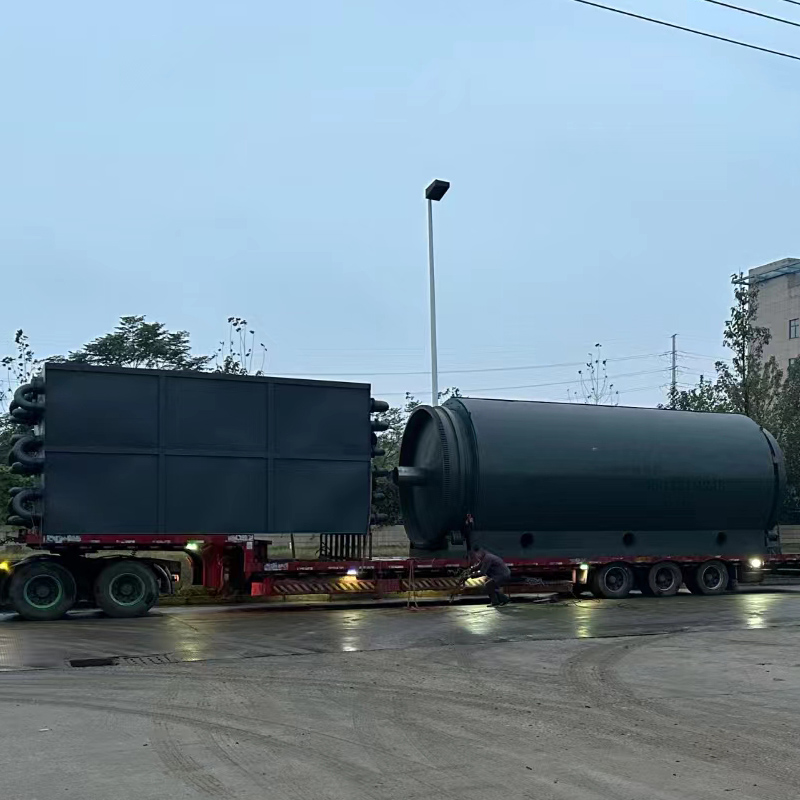
The timeline for establishing a continuous pyrolysis reactor facility typically ranges from 8 to 12 months, depending on site preparation requirements, permitting processes, and equipment customization needs. Initial site assessment and engineering design phases require 2-3 months, while equipment manufacturing and installation typically require 4-6 months. Commissioning and startup activities generally require an additional 2-3 months to achieve full operational capacity.


 Hot News