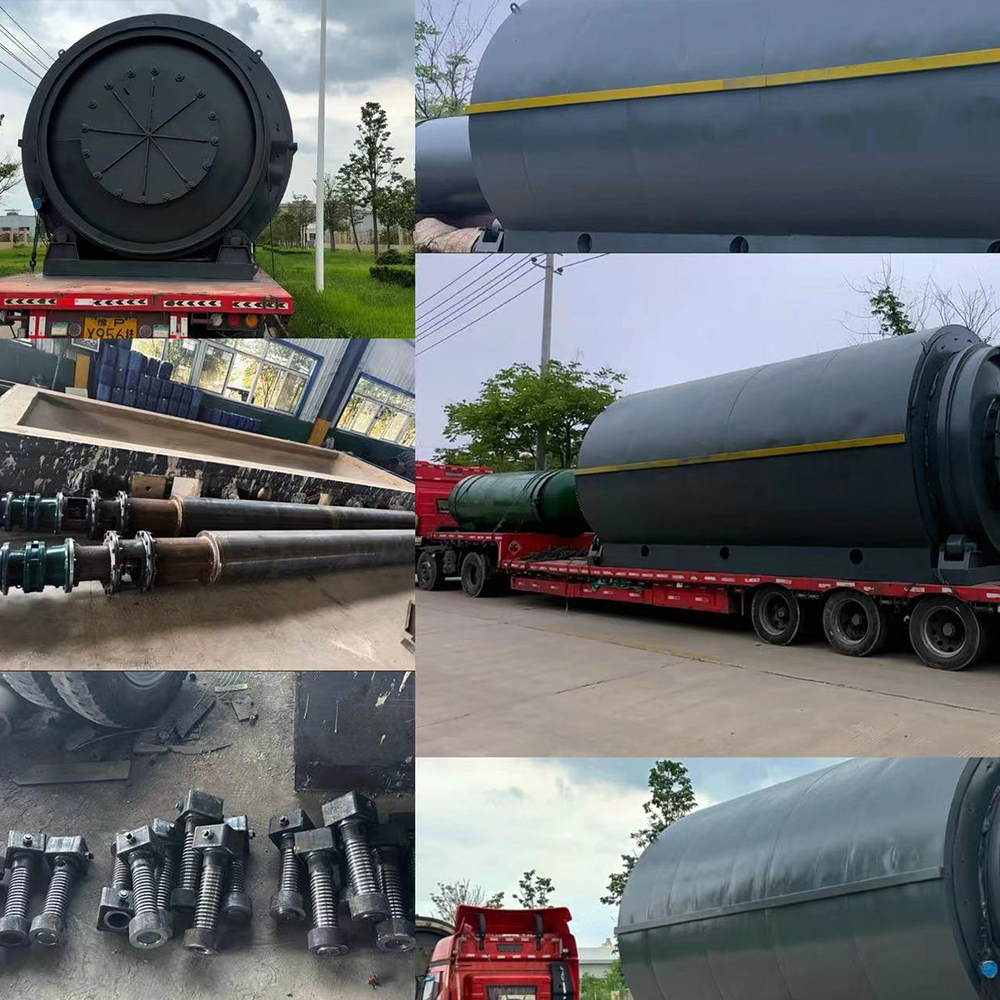
Industrial pyrolysis machine performance depends on a complex interplay of operational variables that determine processing efficiency, output quality, and economic viability. Understanding these critical factors enables facility managers to optimize their thermal decomposition processes while maintaining consistent product yields and minimizing operational disruptions.
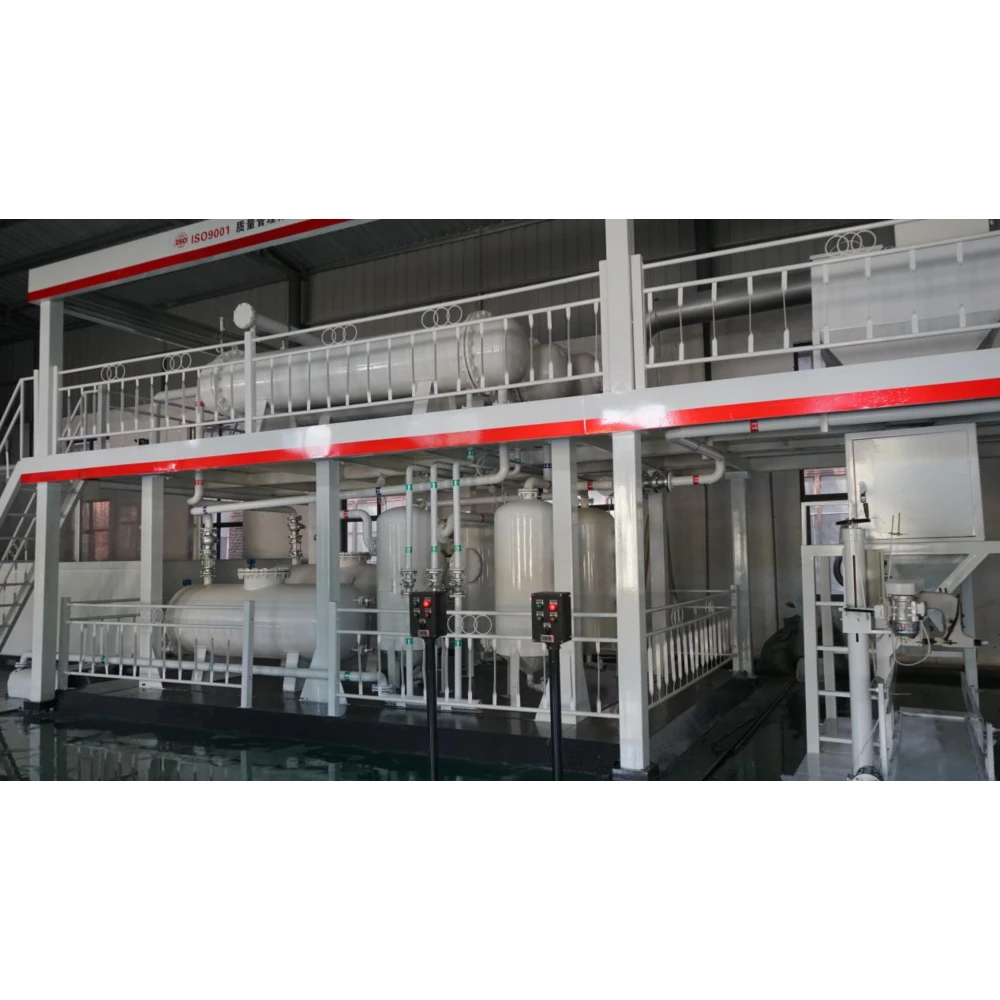
Modern waste processing facilities rely heavily on precise control mechanisms to achieve optimal thermal cracking results. The relationship between temperature management, residence time, and feedstock characteristics directly impacts the overall efficiency of large-scale operations. Operators who master these fundamental principles can significantly enhance their facility's throughput while reducing energy consumption and maintenance requirements.
Scale considerations become particularly important when transitioning from pilot programs to commercial operations. The thermal dynamics that govern small-batch processing may behave differently in continuous high-volume systems, requiring specialized knowledge and equipment modifications. Successful implementation requires careful attention to heat distribution patterns, gas flow management, and automated control systems that maintain consistent processing conditions throughout extended operating cycles.
Temperature Control Systems and Heat Distribution
Optimal Operating Temperature Ranges
Achieving consistent pyrolysis machine performance requires maintaining precise temperature zones throughout the reactor chamber. Most industrial applications operate within 400-600°C ranges, though specific temperatures vary based on feedstock composition and desired product specifications. Temperature fluctuations beyond acceptable tolerances can dramatically reduce conversion efficiency and compromise product quality standards.
Advanced monitoring systems track temperature variations across multiple measurement points, enabling real-time adjustments that prevent thermal hotspots or cold zones. These sophisticated control mechanisms ensure uniform heat distribution while minimizing energy waste through optimized burner management and heat recovery systems. Proper calibration of these monitoring devices becomes essential for maintaining consistent operational parameters.
Heat transfer efficiency directly correlates with reactor design and insulation quality. Modern installations incorporate advanced refractory materials and multi-layer insulation systems that reduce heat loss while protecting equipment from thermal stress. Regular maintenance of these thermal barriers ensures sustained pyrolysis machine performance throughout extended operating periods.
Heat Recovery and Energy Integration
Energy recovery systems capture waste heat from exhaust gases and combustion processes, redirecting thermal energy back into the primary reactor systems. This integration significantly reduces external fuel requirements while improving overall system efficiency. Properly designed heat exchangers can recover up to 80% of waste thermal energy, substantially reducing operational costs.
Thermal integration extends beyond simple heat recovery to include steam generation, preheating systems, and auxiliary process heating. These interconnected systems create synergistic effects that enhance overall facility efficiency while reducing environmental impact. Strategic placement of heat recovery equipment maximizes energy capture without interfering with primary processing operations.
Advanced control algorithms coordinate multiple heat sources and sinks, optimizing energy flow throughout the entire facility. These systems automatically adjust heating profiles based on feedstock properties, ambient conditions, and production targets, ensuring consistent pyrolysis machine performance while minimizing energy consumption.
Feedstock Preparation and Quality Management
Material Preprocessing Requirements
Feedstock consistency plays a crucial role in determining pyrolysis machine performance outcomes. Proper preprocessing removes contaminants, reduces particle sizes to optimal ranges, and eliminates moisture content that could interfere with thermal decomposition processes. Standardized preparation protocols ensure predictable processing behavior and consistent product yields across different material batches.
Contamination screening systems identify and remove problematic materials before they enter the reactor chamber. Metal detection, density separation, and chemical analysis equipment help maintain feedstock quality standards that protect equipment integrity while optimizing conversion efficiency. These quality control measures prevent processing disruptions and extend equipment service life.
Size reduction and homogenization equipment creates uniform feedstock characteristics that promote even heating and consistent decomposition rates. Proper particle size distribution ensures optimal heat transfer while preventing material bridging or channeling within the reactor. Automated sizing equipment maintains consistency without requiring extensive manual intervention.
Moisture Content and Chemical Composition
Excessive moisture content significantly impacts pyrolysis machine performance by requiring additional energy for water evaporation and potentially causing process instabilities. Pre-drying systems reduce moisture levels to acceptable ranges, typically below 5% for most applications. This preprocessing step improves thermal efficiency and product quality while reducing processing time requirements.
Chemical composition analysis guides process optimization by identifying compounds that may require modified operating conditions. Different organic materials decompose at varying temperatures and rates, requiring customized processing parameters for optimal results. Regular compositional testing enables operators to adjust system settings proactively rather than reactively responding to processing issues.
Ash content and inorganic impurities affect heat transfer characteristics and may accumulate within reactor systems over time. Understanding these compositional factors helps operators plan maintenance schedules and optimize cleaning procedures. Some feedstock types may require blending with other materials to achieve ideal processing characteristics.
Reactor Design and Flow Dynamics
Residence Time Optimization
Residence time control determines the extent of thermal decomposition and significantly influences both conversion efficiency and product selectivity. Shorter residence times may result in incomplete conversion, while excessive retention can lead to secondary reactions that reduce valuable product yields. Optimal residence time varies based on feedstock type, temperature profile, and desired product specifications.
Modern reactor designs incorporate adjustable flow control mechanisms that enable fine-tuning of material retention times without requiring system shutdowns. Variable speed conveyors, adjustable weirs, and controlled discharge systems provide operational flexibility that enhances pyrolysis machine performance across different operating conditions. These adjustments accommodate varying feedstock properties and production requirements.
Gas residence time management prevents premature vapor escape while ensuring adequate contact time for complete decomposition. Proper vapor path design maintains optimal contact between hot gases and solid materials, maximizing heat transfer efficiency. Computational fluid dynamics modeling helps optimize reactor geometry for specific applications and operating conditions.
Gas Flow Management and Pressure Control
Controlled atmosphere conditions within reactor chambers influence decomposition pathways and product formation. Inert gas introduction prevents unwanted oxidation reactions while maintaining proper pressure differentials throughout the system. Precise gas flow control ensures consistent processing conditions while facilitating efficient vapor removal and condensation.
Pressure management systems maintain optimal operating conditions while preventing equipment damage from pressure fluctuations. Relief valves, pressure regulators, and automated vent systems protect equipment integrity while maintaining consistent pyrolysis machine performance standards. Regular calibration of pressure monitoring equipment ensures accurate control system responses.
Gas circulation patterns affect heat distribution and mass transfer characteristics within reactor chambers. Properly designed gas injection and extraction systems promote uniform temperature distribution while preventing dead zones that could reduce conversion efficiency. Advanced computational modeling helps optimize gas flow patterns for specific reactor configurations and operating conditions.
Process Monitoring and Control Systems
Real-Time Parameter Monitoring
Comprehensive monitoring systems track critical process variables including temperature profiles, pressure differentials, flow rates, and product quality indicators. Advanced sensor networks provide continuous data streams that enable operators to identify trending issues before they impact pyrolysis machine performance. These monitoring systems form the foundation for predictive maintenance and process optimization strategies.
Data acquisition systems collect and analyze thousands of process measurements per minute, identifying patterns and anomalies that may indicate equipment problems or process deviations. Historical data analysis helps operators understand long-term performance trends and optimize maintenance schedules. Machine learning algorithms can predict equipment failures and recommend preventive actions.
Automated alarm systems alert operators to process deviations that require immediate attention. Configurable alarm thresholds ensure appropriate response prioritization while minimizing false alarms that could desensitize operators to genuine emergencies. Integration with mobile notification systems enables remote monitoring and rapid response capabilities.
Automation and Control Integration
Advanced process control systems automatically adjust operating parameters to maintain optimal processing conditions despite variations in feedstock properties or external conditions. These systems reduce operator workload while improving consistency and reducing the likelihood of human error. Proper automation integration enhances pyrolysis machine performance while reducing labor requirements and improving safety.
Distributed control systems coordinate multiple subsystems including heating, feeding, gas handling, and product recovery operations. Integrated control logic ensures proper sequencing of operations while maintaining safe operating conditions throughout all process phases. These systems enable unmanned operation during overnight or weekend periods while maintaining production continuity.
Predictive control algorithms anticipate process changes and make proactive adjustments to maintain optimal conditions. These advanced systems learn from historical performance data and continuously refine control strategies to improve efficiency and product quality. Integration with enterprise resource planning systems enables production optimization based on market demands and raw material availability.
Maintenance Strategies and Equipment Reliability
Preventive Maintenance Protocols
Systematic maintenance programs preserve equipment integrity and ensure sustained pyrolysis machine performance over extended operating periods. Scheduled inspections, component replacements, and system calibrations prevent unexpected failures that could disrupt production schedules. Proper maintenance documentation enables trend analysis and continuous improvement of maintenance strategies.
Condition monitoring technologies track equipment health parameters including vibration levels, temperature profiles, and wear indicators. These diagnostic tools enable condition-based maintenance strategies that optimize service intervals while minimizing unnecessary interventions. Early detection of developing problems prevents minor issues from escalating into major equipment failures.
Spare parts inventory management ensures critical components remain available when needed while minimizing carrying costs. Strategic partnerships with equipment manufacturers provide access to technical support and genuine replacement parts that maintain original equipment specifications. Proper storage and handling of spare parts preserve their quality and reliability.
Performance Degradation Prevention
Regular cleaning protocols remove accumulating residues and deposits that could impair heat transfer or create flow restrictions. Different cleaning methods suit various types of contamination and equipment materials, requiring careful selection to avoid equipment damage. Automated cleaning systems reduce labor requirements while ensuring consistent cleaning quality.
Corrosion protection measures extend equipment service life in aggressive chemical environments. Appropriate material selection, protective coatings, and chemical inhibitors prevent degradation that could compromise pyrolysis machine performance. Regular inspection of protective systems ensures their continued effectiveness throughout equipment service life.
Thermal stress management prevents equipment damage from repeated heating and cooling cycles. Proper startup and shutdown procedures minimize thermal shock while specialized materials and designs accommodate thermal expansion and contraction. Understanding thermal stress patterns helps operators optimize operating procedures and equipment design specifications.
Product Quality and Yield Optimization
Output Characterization and Specification
Product quality depends heavily on maintaining consistent processing conditions that promote desired chemical reactions while minimizing unwanted side reactions. Regular product testing verifies specification compliance and identifies trends that may indicate process drift or equipment problems. Quality control systems ensure products meet market requirements while maximizing economic value.
Yield optimization balances processing conditions to maximize valuable product recovery while minimizing waste generation. Different products may require varying processing parameters, necessitating flexible operating strategies that accommodate changing market demands. Understanding the relationship between processing conditions and product distribution enables operators to optimize pyrolysis machine performance for specific objectives.
Product separation and purification systems recover valuable components from complex product streams. Advanced separation technologies including distillation, filtration, and chemical treatment enable recovery of high-purity products that command premium market prices. Proper design and operation of these systems significantly impact overall process economics.
Economic Performance Indicators
Energy efficiency metrics quantify the relationship between energy input and valuable product output, providing important indicators of pyrolysis machine performance. Regular efficiency calculations identify opportunities for improvement while tracking long-term performance trends. Comparative analysis against industry benchmarks helps operators understand their competitive position.
Operating cost analysis includes energy consumption, maintenance expenses, labor requirements, and consumable material costs. Understanding cost drivers enables operators to focus improvement efforts on areas with greatest potential impact. Regular cost analysis supports capital investment decisions and operational optimization strategies.
Production rate optimization balances throughput maximization with quality maintenance and equipment longevity. Higher processing rates may reduce unit costs but could compromise product quality or accelerate equipment wear. Finding optimal operating points requires careful consideration of multiple performance factors and their economic implications.
FAQ
What temperature range provides optimal pyrolysis machine performance for most applications
Most industrial pyrolysis applications achieve optimal performance within 400-600°C operating ranges, though specific requirements vary based on feedstock composition and desired product specifications. Temperature control systems must maintain these conditions consistently while preventing harmful fluctuations that could reduce conversion efficiency or compromise product quality standards.
How does feedstock preparation affect overall system performance
Proper feedstock preparation significantly enhances pyrolysis machine performance by ensuring consistent material properties, removing contaminants, and optimizing particle size distribution. Preprocessing steps including moisture reduction, contamination removal, and size standardization create predictable processing conditions that improve conversion efficiency and product quality while reducing equipment wear and maintenance requirements.
What role does automation play in large-scale pyrolysis operations
Advanced automation systems enhance pyrolysis machine performance by maintaining consistent operating conditions, reducing human error, and enabling continuous operation with minimal supervision. Automated control systems adjust processing parameters in real-time based on sensor feedback, ensuring optimal conditions while reducing labor costs and improving safety through reduced human exposure to hazardous conditions.
How can operators maximize energy efficiency in pyrolysis systems
Energy efficiency optimization involves implementing comprehensive heat recovery systems, optimizing temperature profiles, and integrating thermal management strategies throughout the facility. Proper insulation, waste heat recovery, and process integration can reduce external energy requirements by up to 80% while maintaining consistent pyrolysis machine performance standards and reducing operational costs significantly.


 Hot News