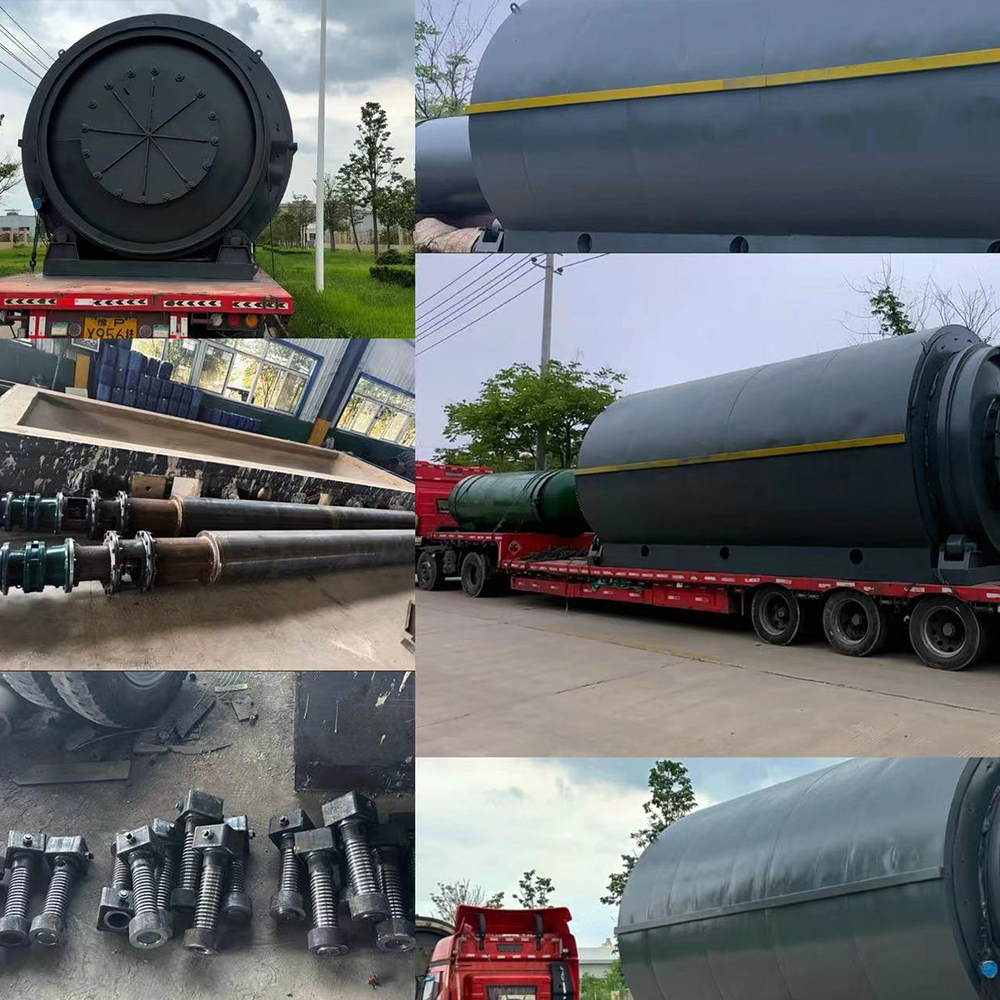
Industrial recycling projects are increasingly turning to plastic pyrolysis as a revolutionary solution for managing waste plastic materials that traditional mechanical recycling cannot effectively process. This thermal decomposition technology breaks down complex polymer chains into valuable hydrocarbons, creating opportunities for circular economy implementation across manufacturing sectors. The growing adoption of plastic pyrolysis reflects its unique ability to handle mixed, contaminated, and multi-layered plastics that would otherwise end up in landfills or incinerators.
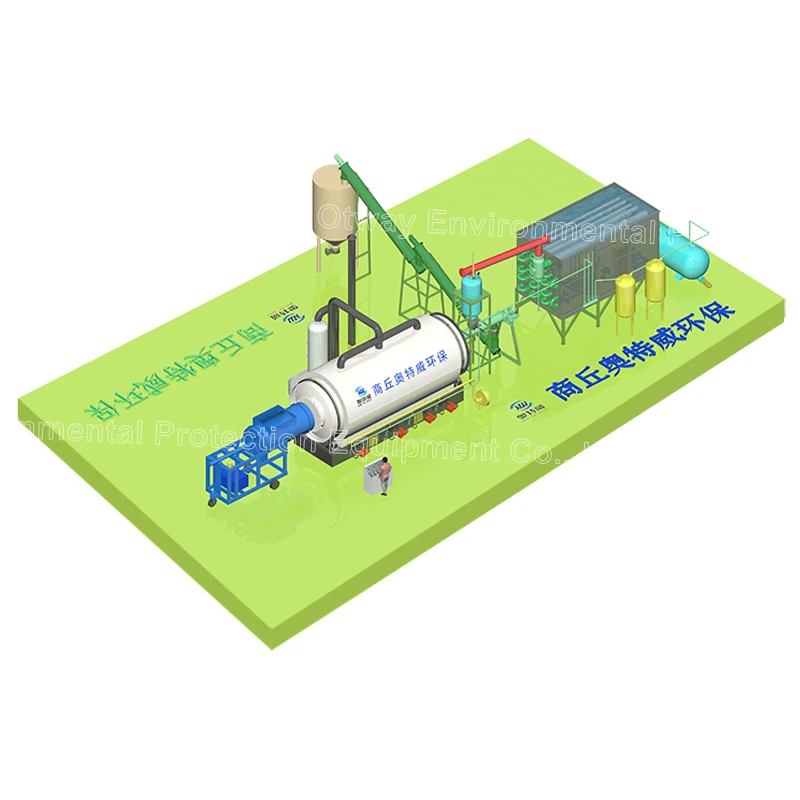
The viability of plastic pyrolysis stems from its capacity to transform waste streams into commercially valuable products while addressing environmental concerns. Unlike conventional waste management approaches, this technology converts plastic waste into synthetic crude oil, carbon black, and combustible gases that can be used as fuel sources or chemical feedstocks. Modern industrial facilities are integrating plastic pyrolysis systems to achieve both waste reduction targets and revenue generation from previously worthless materials.
Economic Fundamentals of Plastic Pyrolysis Technology
Revenue Generation Through Product Diversification
The economic appeal of plastic pyrolysis lies in its ability to generate multiple revenue streams from a single waste processing operation. The primary output, pyrolysis oil, typically commands market prices between $300-600 per ton depending on quality and regional demand. This oil can be refined into diesel fuel, gasoline blendstock, or sold as heating fuel to industrial customers. Carbon black, representing approximately 30-35% of output by weight, serves as a valuable commodity for tire manufacturing, rubber production, and pigment applications.
Syngas production provides additional economic value through on-site energy generation or sale to nearby industrial facilities requiring process heat. Many plastic pyrolysis operations achieve energy self-sufficiency by utilizing syngas for heating requirements, reducing operational costs significantly. The combination of multiple product streams creates economic resilience, allowing operators to adapt to fluctuating market conditions by adjusting product specifications or targeting different customer segments.
Cost Structure Analysis and Profitability Factors
Capital expenditure for plastic pyrolysis facilities varies considerably based on processing capacity, technology sophistication, and automation levels. Entry-level systems processing 5-10 tons daily typically require investments of $200,000-500,000, while larger industrial installations handling 50+ tons daily may exceed $2 million in equipment costs. Operating expenses include feedstock acquisition, utilities, labor, maintenance, and product transportation, typically representing 60-70% of gross revenue in well-managed operations.
Profitability factors include feedstock costs, product quality consistency, operational efficiency, and market access for outputs. Successful plastic pyrolysis operations often establish long-term contracts with waste generators, securing consistent feedstock supplies at favorable rates. Geographic proximity to refineries, chemical plants, or fuel distributors significantly impacts transportation costs and market accessibility, directly affecting overall project economics.
Technical Advantages for Industrial Implementation
Process Flexibility and Feedstock Compatibility
Industrial plastic pyrolysis systems demonstrate remarkable flexibility in processing diverse feedstock types, including polyethylene, polypropylene, polystyrene, and mixed plastic waste streams. This versatility eliminates the costly sorting requirements associated with mechanical recycling, allowing facilities to process contaminated materials, multi-layer packaging, and composite plastics that resist conventional recycling methods. Advanced plastic pyrolysis systems incorporate automated feeding mechanisms and continuous operation capabilities, maximizing throughput while minimizing manual intervention requirements.
The technology accommodates varying moisture content, contamination levels, and particle sizes, reducing preprocessing requirements compared to alternative recycling approaches. Modern systems include advanced temperature control, residence time optimization, and vapor management systems that ensure consistent product quality regardless of feedstock variations. This operational flexibility proves particularly valuable for industrial recycling projects handling diverse waste streams from multiple sources.
Environmental Compliance and Emission Control
Contemporary plastic pyrolysis installations incorporate sophisticated emission control systems meeting stringent environmental regulations across multiple jurisdictions. Advanced gas cleaning technologies, including scrubbers, condensers, and activated carbon filters, ensure minimal atmospheric releases while capturing valuable byproducts. Many systems achieve emission levels significantly below regulatory thresholds, supporting corporate sustainability objectives and community acceptance.
The controlled atmospheric conditions inherent in plastic pyrolysis processes prevent dioxin formation and other toxic compound generation associated with incineration. Closed-loop system designs minimize odor emissions and particulate releases, making the technology suitable for urban and industrial park installations. Environmental monitoring systems provide real-time data on emissions, temperature profiles, and product quality, ensuring consistent regulatory compliance.
Market Dynamics and Industry Adoption
Growing Demand for Circular Economy Solutions
Corporate sustainability mandates and extended producer responsibility regulations are driving increased adoption of plastic pyrolysis technology across manufacturing sectors. Major brands including Unilever, Procter & Gamble, and automotive manufacturers are investing in plastic pyrolysis partnerships to meet recycled content commitments and reduce virgin material consumption. This corporate demand creates stable, long-term markets for pyrolysis outputs while providing feedstock supply guarantees for facility operators.
Government incentives, carbon credits, and waste diversion mandates further enhance the economic attractiveness of plastic pyrolysis projects. Many jurisdictions offer tax credits, grants, or accelerated depreciation for waste-to-energy technologies, improving project returns significantly. The alignment of environmental regulations with economic incentives creates favorable conditions for industrial recycling project development and expansion.
Technology Maturation and Scale Economies
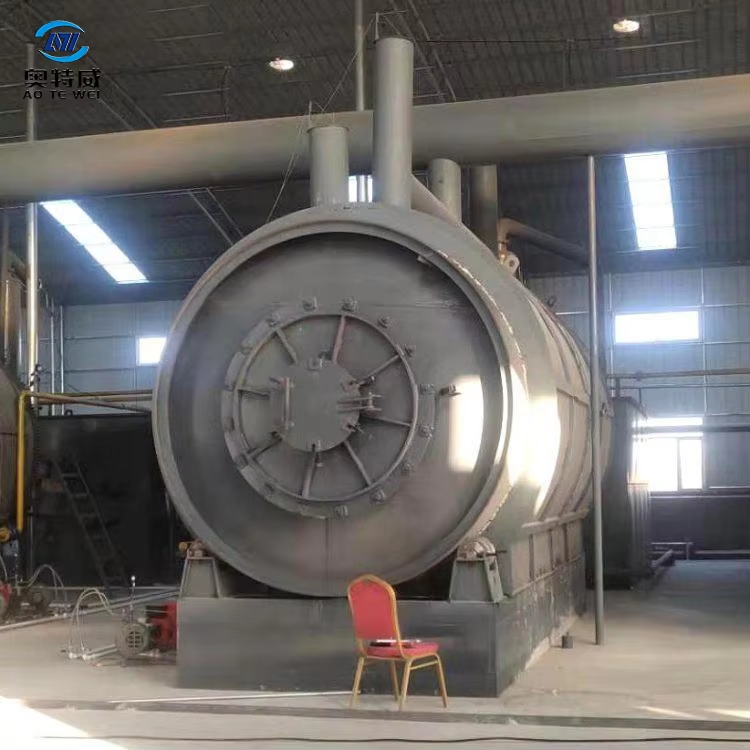
Recent advances in reactor design, process optimization, and automation have significantly improved the commercial viability of plastic pyrolysis systems. Continuous feed systems, improved heat transfer efficiency, and automated product separation reduce operational complexity while increasing throughput capacity. Scale economies emerge as facilities reach processing capacities above 20-30 tons daily, enabling specialized staffing, bulk procurement advantages, and improved product marketing capabilities.
Equipment standardization and modular system designs reduce capital costs while improving reliability and maintenance efficiency. Leading manufacturers now offer turnkey solutions including installation, training, and ongoing technical support, lowering barriers to entry for industrial recycling project developers. The growing network of successful installations provides operational benchmarks and risk mitigation strategies for new project development.
Strategic Implementation Considerations
Site Selection and Infrastructure Requirements
Successful plastic pyrolysis operations require careful consideration of location factors including feedstock availability, utility access, transportation infrastructure, and regulatory environment. Industrial zones with existing waste management infrastructure offer advantages through shared services, skilled workforce availability, and regulatory familiarity. Proximity to plastic waste generators, including packaging manufacturers, retailers, and municipal collection systems, reduces feedstock transportation costs and ensures supply consistency.
Utility requirements include reliable electricity supply, process water access, and natural gas availability for startup operations. Many facilities require 500-1500 kW electrical capacity depending on processing scale and automation levels. Adequate site drainage, fire suppression systems, and emergency response capabilities are essential for operational permits and insurance coverage. Strategic site selection can reduce infrastructure development costs by 20-40% compared to greenfield developments.
Quality Control and Product Standardization
Market acceptance of plastic pyrolysis outputs depends heavily on consistent quality control and product standardization protocols. Successful operations implement comprehensive testing procedures for feedstock characterization, process monitoring, and product certification. Key quality parameters include sulfur content, moisture levels, heating value, and contamination levels that affect downstream processing and end-user applications.
Advanced process control systems monitor reactor temperature, pressure, residence time, and feed rates in real-time, enabling immediate adjustments to maintain product specifications. Laboratory testing capabilities, either on-site or through contracted services, ensure compliance with customer requirements and regulatory standards. Quality certifications and third-party validation enhance market credibility and support premium pricing for high-grade products.
Risk Management and Operational Excellence
Safety Protocols and Process Control
Industrial plastic pyrolysis operations require comprehensive safety management systems addressing fire hazards, pressure vessel operations, and chemical handling procedures. Modern installations incorporate multiple safety systems including emergency shutdown procedures, fire suppression systems, and gas detection networks that automatically trigger protective responses. Regular safety training, equipment maintenance, and emergency response drills ensure consistent safety performance and regulatory compliance.
Process control systems monitor critical parameters continuously, preventing unsafe operating conditions through automated interventions. Redundant safety systems, including backup power supplies, emergency venting, and automatic feed cutoffs, minimize risk exposure during equipment failures or unusual operating conditions. Comprehensive insurance coverage, including environmental liability and business interruption protection, provides additional risk mitigation for project investors.
Financial Risk Mitigation Strategies
Successful plastic pyrolysis projects implement diverse risk mitigation strategies addressing feedstock supply, product markets, and operational performance. Long-term supply agreements with waste generators provide feedstock price stability and volume guarantees, reducing revenue volatility. Diversified product marketing, including multiple customer relationships and flexible product specifications, reduces dependence on single market segments or customers.
Performance guarantees from equipment suppliers, operational insurance coverage, and reserve fund establishment provide financial protection against unexpected costs or performance shortfalls. Many projects structure financing with milestone-based funding releases tied to operational achievements, reducing investor exposure while ensuring adequate capital availability for project completion. Regular financial monitoring and variance analysis enable proactive management of cost overruns or revenue shortfalls.
FAQ
What types of plastic waste can be processed through pyrolysis technology
Plastic pyrolysis systems can process most thermoplastic materials including polyethylene (PE), polypropylene (PP), polystyrene (PS), and mixed plastic waste streams. The technology effectively handles contaminated plastics, multi-layer packaging, and composite materials that cannot be mechanically recycled. However, thermoset plastics, PVC, and heavily chlorinated materials require specialized handling or may not be suitable for standard pyrolysis processes due to equipment corrosion concerns and toxic gas generation.
How does the quality of pyrolysis oil compare to conventional petroleum products
Pyrolysis oil from plastic waste typically has heating values of 8,000-10,000 BTU per pound, comparable to heavy fuel oil or marine bunker fuel. The oil requires refining to meet transportation fuel specifications but can be used directly as industrial heating fuel or chemical feedstock. Quality varies based on feedstock composition and process conditions, with cleaner inputs producing higher-grade outputs suitable for more demanding applications.
What are the typical processing capacities for commercial plastic pyrolysis facilities
Commercial plastic pyrolysis facilities typically process between 5-100 tons of waste plastic daily, with most economically viable operations handling 20-50 tons per day. Smaller systems serve local markets or specialized applications, while larger installations support regional waste management or industrial integration projects. Processing capacity affects capital costs, operational efficiency, and product quality consistency, with economies of scale becoming significant above 30 tons daily throughput.
How long does the payback period typically last for plastic pyrolysis investments
Payback periods for plastic pyrolysis investments typically range from 3-7 years depending on feedstock costs, product pricing, operational efficiency, and financing structure. Projects with secured feedstock supplies, established product markets, and favorable regulatory environments often achieve shorter payback periods. Factors including government incentives, carbon credit revenues, and gate fee income from waste acceptance can significantly improve project economics and reduce payback timelines.


 Hot News