Maximizing Efficiency in Modern Waste-to-Energy Conversion
The industrial landscape is witnessing a remarkable transformation as continuous pyrolysis equipment revolutionizes waste management and resource recovery. This sophisticated technology represents a significant leap forward in converting various waste materials into valuable oil products, offering both environmental and economic benefits. The continuous operation model has become increasingly vital for industries seeking sustainable solutions while maximizing their return on investment.
Modern continuous pyrolysis equipment incorporates advanced features that significantly boost oil production efficiency compared to traditional batch processing methods. By maintaining consistent temperature control and optimal processing conditions, these systems ensure maximum yield while reducing energy consumption and operational costs.
Core Components and Technological Innovation
Advanced Feeding Mechanisms
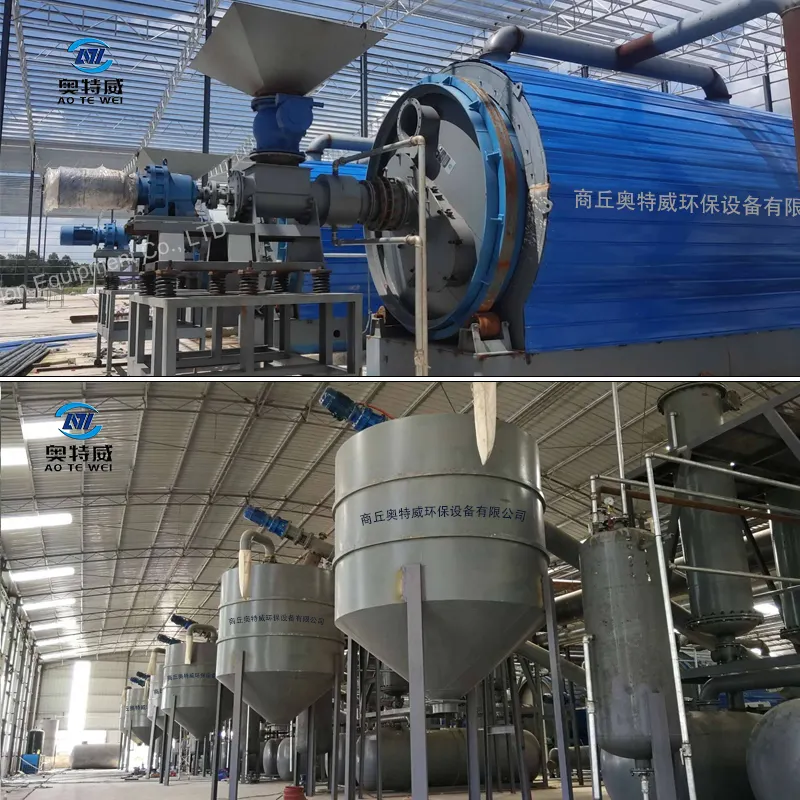
The heart of continuous pyrolysis equipment lies in its sophisticated feeding system. Unlike batch processes, continuous feeders maintain a steady flow of raw materials, ensuring uniform heat distribution and consistent processing conditions. This automated feeding mechanism eliminates manual intervention, reducing labor costs while improving safety standards.
Modern feeding systems incorporate smart sensors and control mechanisms that adjust feed rates based on multiple parameters, including temperature, pressure, and oxygen levels. This real-time optimization ensures maximum material conversion while preventing system overload or underutilization.
Reactor Design Excellence
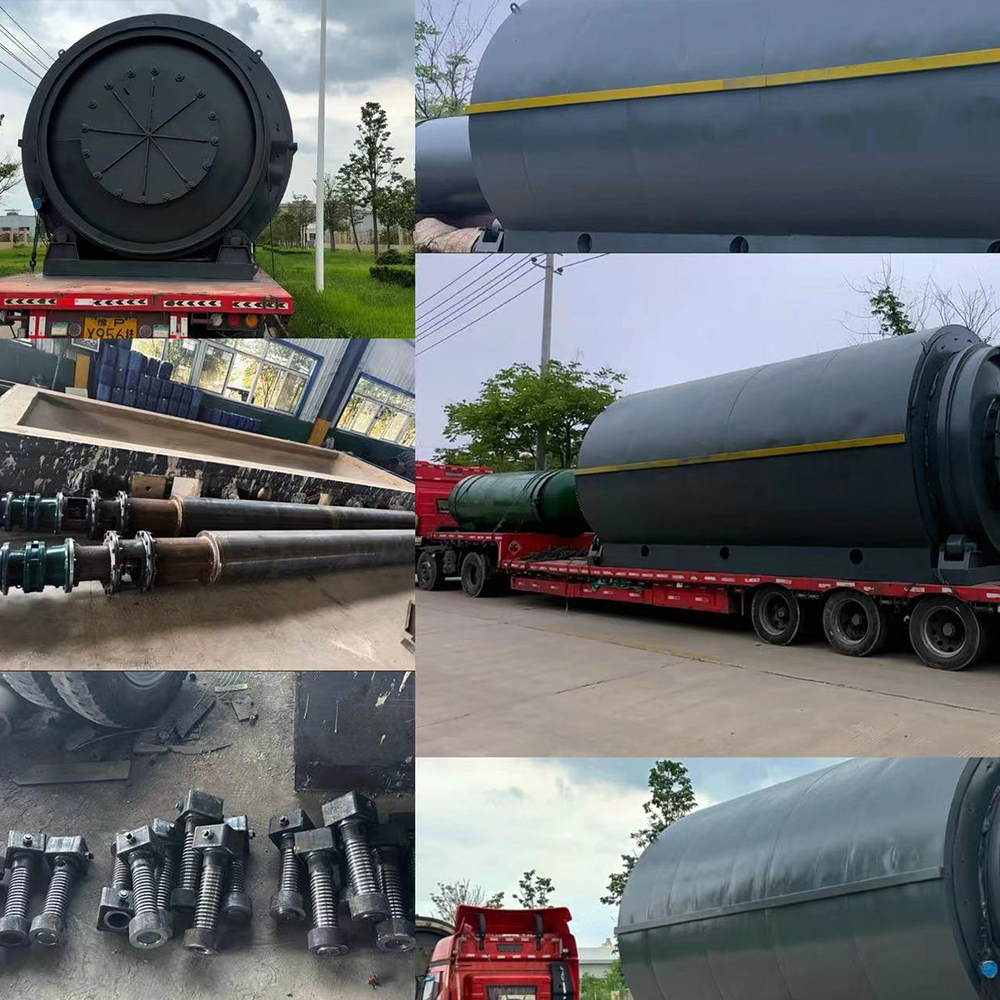
The reactor chamber in continuous pyrolysis equipment features innovative design elements that enhance heat transfer efficiency. Multiple heating zones maintain precise temperature gradients, ensuring complete thermal decomposition of feedstock materials. The reactor's rotating mechanism prevents material adhesion while promoting uniform heat distribution.
Advanced refractory materials line the reactor walls, providing superior thermal insulation and extending equipment lifespan. This sophisticated design minimizes heat loss while maintaining optimal processing temperatures, directly contributing to increased oil yield.
Process Optimization and Control Systems
Temperature Management Protocols
Effective temperature control stands as a crucial factor in maximizing oil yield. Continuous pyrolysis equipment employs multi-zone heating systems with precise temperature monitoring and adjustment capabilities. Advanced thermal sensors provide real-time data, enabling automatic temperature regulation across different processing zones.
The system maintains optimal temperature ranges through sophisticated PID controllers, preventing both overheating and insufficient heating scenarios. This precise control ensures maximum conversion efficiency while protecting the equipment from thermal stress.
Automated Monitoring Solutions
Modern continuous pyrolysis equipment features comprehensive monitoring systems that track multiple operational parameters simultaneously. From pressure levels to gas composition, these automated systems ensure optimal processing conditions while identifying potential issues before they affect production.
Integration with advanced SCADA systems enables remote monitoring and control, allowing operators to optimize performance from centralized control rooms. This level of automation not only improves efficiency but also enhances safety and reduces operational costs.
Yield Enhancement Strategies
Feedstock Preparation Techniques
Proper feedstock preparation plays a vital role in maximizing oil yield. Continuous pyrolysis equipment incorporates pre-treatment systems that ensure optimal particle size and moisture content. Advanced sorting and grinding mechanisms prepare materials for efficient processing, while moisture reduction systems minimize energy consumption during the pyrolysis process.
The equipment's ability to handle various feedstock types while maintaining consistent quality control represents a significant advancement in pyrolysis technology. This versatility enables operators to process different waste streams while maintaining high oil yield rates.
Condensation System Optimization
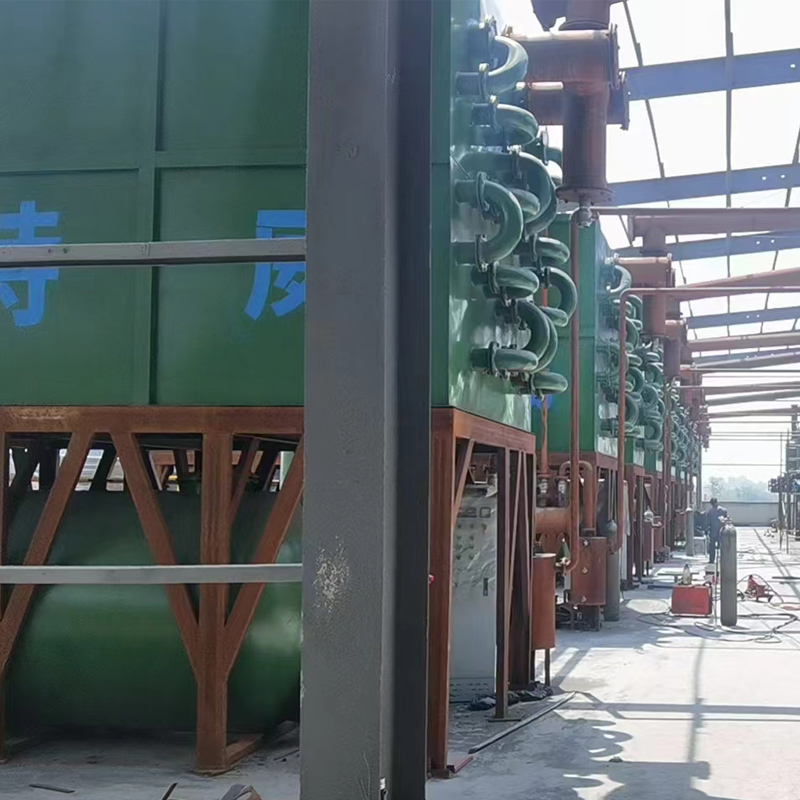
The condensation system in continuous pyrolysis equipment employs multiple stages to maximize oil recovery. Advanced cooling technologies ensure efficient vapor condensation, while sophisticated separation systems effectively segregate different oil fractions. This multi-stage approach significantly improves both yield quantity and quality.
Integration of heat recovery systems further enhances efficiency by utilizing waste heat for preheating feedstock or maintaining optimal processing temperatures. This energy recovery approach contributes to reduced operating costs while improving overall system performance.
Environmental Impact and Sustainability
Emission Control Technologies
Modern continuous pyrolysis equipment incorporates advanced emission control systems that ensure environmental compliance while maintaining high operational efficiency. Sophisticated gas cleaning technologies remove harmful compounds, while thermal oxidizers eliminate remaining volatile organic compounds.
The integration of catalytic converters and scrubbing systems further reduces environmental impact, making continuous pyrolysis an environmentally responsible choice for waste processing and oil production.
Resource Recovery Benefits
Beyond oil production, continuous pyrolysis equipment facilitates the recovery of valuable by-products. Carbon black and steel wire recovery systems operate simultaneously with the main process, maximizing resource utilization. This comprehensive approach to resource recovery enhances the economic viability of pyrolysis operations.
The ability to process multiple waste streams while recovering various valuable products positions continuous pyrolysis as a key technology in circular economy initiatives.
Frequently Asked Questions
What maintenance requirements does continuous pyrolysis equipment have?
Continuous pyrolysis equipment requires regular maintenance including inspection of feeding mechanisms, cleaning of condensation systems, and monitoring of refractory materials. Preventive maintenance schedules typically include daily operational checks, weekly system cleaning, and quarterly comprehensive inspections to ensure optimal performance and longevity.
How does continuous pyrolysis equipment compare to batch processing systems?
Continuous pyrolysis equipment offers several advantages over batch systems, including higher throughput, consistent product quality, improved energy efficiency, and reduced labor requirements. The continuous operation model enables better temperature control and more uniform processing conditions, resulting in superior oil yield and product consistency.
What types of feedstock can continuous pyrolysis equipment process?
Modern continuous pyrolysis equipment can process various feedstock materials including waste tires, plastic waste, biomass, and municipal solid waste. The equipment's versatility allows operators to adjust processing parameters for different materials while maintaining optimal oil yield rates. However, proper feedstock preparation and sorting remain essential for maximum efficiency.



 Hot News