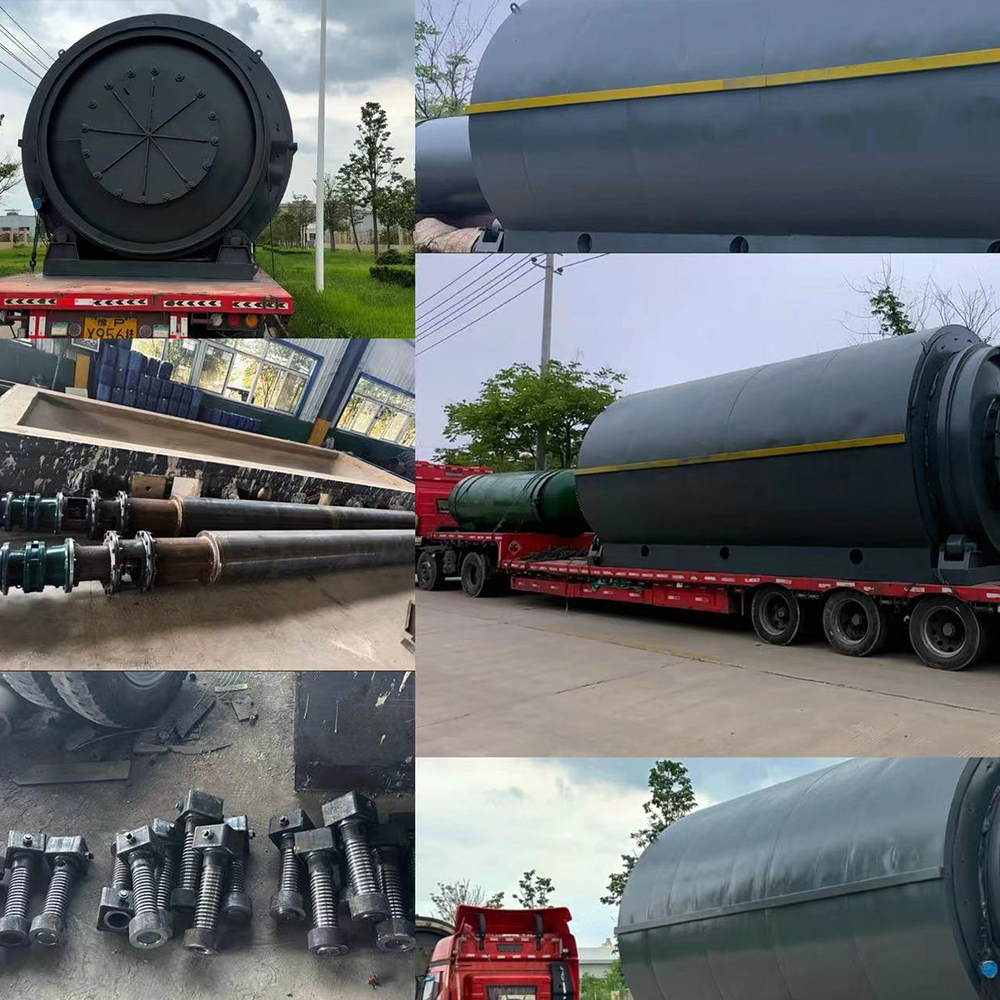
Understanding Modern Oil Purification Technologies
In today's industrial landscape, maintaining oil purity has become increasingly crucial for operational efficiency and environmental sustainability. Oil recycling equipment plays a vital role in this process, offering sophisticated solutions for purifying and extending the life of various industrial oils. From hydraulic systems to transformer oils, the right purification technology can significantly impact both operational costs and environmental footprint.
Essential Components of Advanced Oil Recycling Systems
Filtration Mechanisms and Their Impact
Modern oil recycling equipment incorporates multiple filtration stages to ensure maximum oil purity. The primary filtration system typically includes mechanical filters that remove larger particles and debris. Secondary filters target smaller contaminants, often utilizing microfiber elements capable of capturing particles as small as 1 micron. These sophisticated filtration mechanisms work together to extend oil life and protect valuable machinery.
Vacuum Dehydration Technology
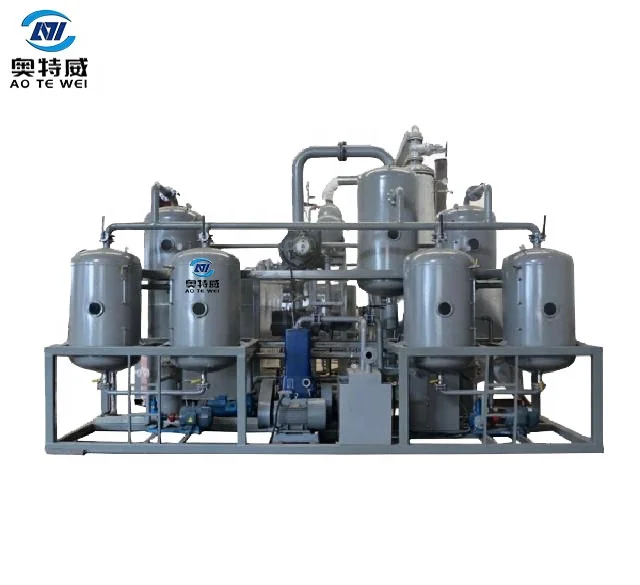
Water contamination poses a significant threat to oil quality. Advanced oil recycling equipment employs vacuum dehydration technology to remove both free and dissolved water. This process creates a vacuum environment where water's boiling point is lowered, allowing for efficient separation without degrading the oil's essential properties. The result is dramatically improved oil quality and extended equipment life.
Thermal Processing Units
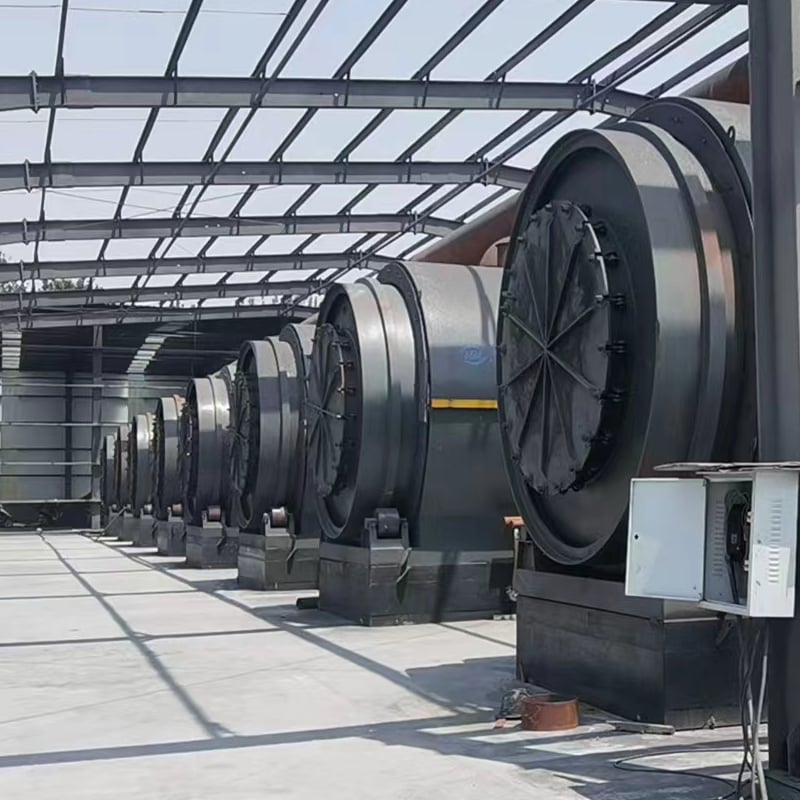
Thermal processing is another crucial component in modern oil recycling equipment. These units carefully heat the oil to optimal temperatures, facilitating the removal of volatile contaminants while preserving the oil's vital characteristics. The precise temperature control ensures effective purification without causing thermal degradation of the oil.
Performance Factors in Oil Recycling Systems
Flow Rate Optimization
The efficiency of oil recycling equipment largely depends on its flow rate capabilities. Modern systems are designed to process large volumes while maintaining thorough purification. The optimal flow rate varies based on oil type and contamination levels, but advanced equipment can adjust processing speeds automatically to ensure consistent results.
Contamination Monitoring Systems
State-of-the-art oil recycling equipment includes sophisticated monitoring systems that continuously assess contamination levels. These systems provide real-time data on particle counts, water content, and other crucial parameters. This information allows operators to optimize the recycling process and ensure consistent oil quality.
Environmental Impact and Sustainability Benefits
Reduced Waste Generation
By effectively recycling industrial oils, modern purification equipment significantly reduces waste generation. This not only minimizes environmental impact but also leads to substantial cost savings. Advanced systems can recover and purify up to 99% of contaminated oil, dramatically reducing the need for disposal and replacement.
Energy Efficiency Considerations
Today's oil recycling equipment is designed with energy efficiency in mind. Modern systems incorporate energy-saving features such as smart controls, efficient heating elements, and optimized processing cycles. These improvements reduce operational costs while minimizing the carbon footprint of oil recycling operations.
Integration and Automation Features
Smart Control Systems
Advanced oil recycling equipment comes equipped with intelligent control systems that automate the purification process. These systems can adjust parameters in real-time based on oil condition and desired outcomes. The automation reduces human error and ensures consistent quality while minimizing operational costs.
Remote Monitoring Capabilities
Modern equipment often includes remote monitoring features that allow operators to track performance and maintain oversight from anywhere. This connectivity enables predictive maintenance, early problem detection, and optimal system performance through data-driven decision making.
Selection Criteria for Oil Recycling Equipment
Capacity Requirements
When selecting oil recycling equipment, capacity is a crucial consideration. The system must handle your current volume requirements while allowing for future growth. Modern equipment offers scalable solutions that can be adapted to changing needs, ensuring long-term value for your investment.
Maintenance and Support Considerations
The best oil recycling equipment combines robust construction with easy maintenance access. Look for systems that offer comprehensive support packages, including regular maintenance schedules, spare parts availability, and technical assistance. This ensures maximum uptime and optimal performance throughout the equipment's lifecycle.
Frequently Asked Questions
What are the key indicators that oil needs recycling?
Oil typically needs recycling when it shows signs of contamination such as cloudiness, unusual odors, or decreased performance. Regular oil analysis can detect increased particle counts, water content, or acid numbers, which are clear indicators that recycling is necessary.
How often should oil recycling equipment be maintained?
Maintenance frequency depends on usage intensity and oil type, but generally, professional inspection is recommended quarterly. Filter replacements and system cleaning should be performed according to manufacturer specifications, typically every 3-6 months for heavily used systems.
What is the average ROI period for industrial oil recycling equipment?
Most facilities see a return on investment within 12-24 months, depending on their oil consumption and current disposal costs. The ROI can be even faster for operations handling large volumes of expensive specialty oils or those facing high disposal fees.



 Hot News