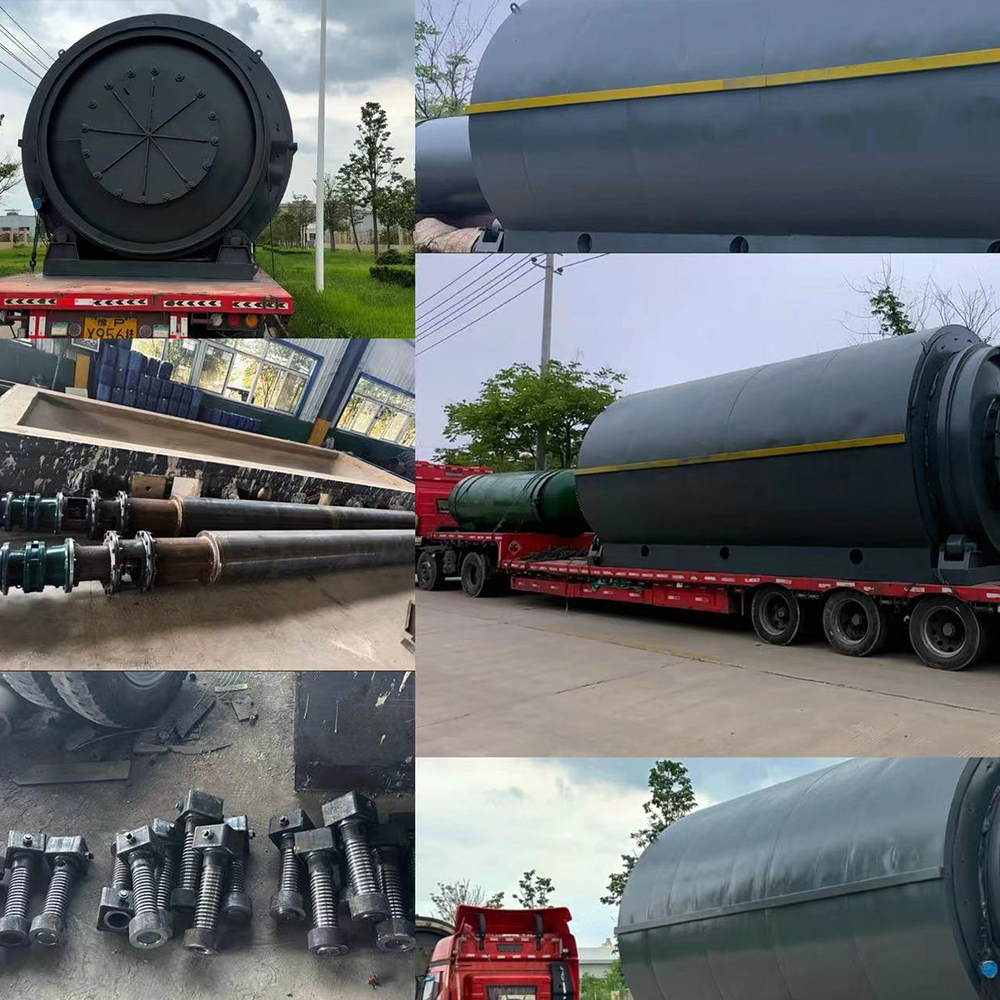
Industrial waste management has evolved dramatically over the past decade, with advanced technologies leading the transformation toward sustainable processing solutions. Among these innovations, pyrolysis machine technology stands out as a revolutionary approach that converts waste materials into valuable resources through controlled thermal decomposition. This sophisticated process operates in oxygen-limited environments, breaking down complex organic compounds into useful byproducts including fuel oils, gases, and carbon black.
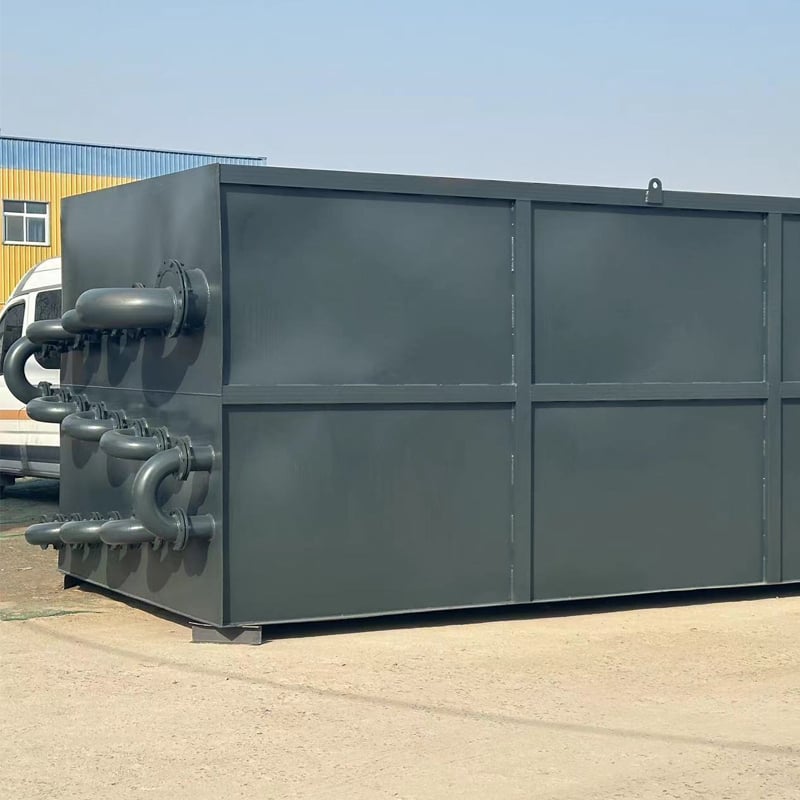
The adoption of pyrolysis machine technology across various industries represents a significant shift toward circular economy principles. Unlike traditional waste disposal methods that often contribute to environmental degradation, pyrolysis offers a sustainable alternative that simultaneously addresses waste management challenges while creating economic value. Industries worldwide are increasingly recognizing the potential of this technology to transform their waste streams into profitable resources.
Tire Manufacturing and Automotive Industries
Waste Tire Processing Applications
The automotive industry generates millions of end-of-life tires annually, creating one of the most challenging waste management scenarios globally. Traditional tire disposal methods, including landfilling and incineration, pose significant environmental risks and regulatory complications. A pyrolysis machine specifically designed for tire processing can convert these rubber waste materials into valuable products including tire-derived oil, carbon black, and steel wire.
Tire pyrolysis operations typically yield approximately 35-45% oil, 30-35% carbon black, and 10-15% steel wire from each ton of processed waste tires. The recovered oil serves as an excellent fuel source for industrial applications, while the carbon black can be reprocessed for use in new tire manufacturing or other rubber products. This closed-loop approach significantly reduces the environmental impact of tire disposal while generating substantial economic returns for processing facilities.
Automotive Manufacturing Waste Streams
Beyond end-of-life tires, automotive manufacturers deal with substantial quantities of rubber and plastic waste generated during production processes. These materials, including rubber trimmings, defective components, and packaging materials, represent significant disposal costs and environmental concerns. Implementing a pyrolysis machine system allows automotive plants to process these waste streams on-site, converting them into useful energy sources for facility operations.
The integration of pyrolysis technology within automotive manufacturing facilities provides multiple operational benefits including reduced waste disposal costs, improved sustainability metrics, and enhanced regulatory compliance. Many leading automotive manufacturers have successfully implemented pyrolysis systems to handle their diverse waste streams, achieving both environmental and economic objectives through innovative waste-to-energy conversion processes.
Plastic Manufacturing and Processing Industries
Post-Consumer Plastic Waste Management
The plastic manufacturing industry faces mounting pressure to address the global plastic waste crisis through innovative recycling and processing technologies. Traditional mechanical recycling methods have limitations, particularly when dealing with mixed plastic waste streams or contaminated materials. Pyrolysis machine technology offers a viable solution for processing various plastic types that cannot be effectively handled through conventional recycling methods.
Plastic pyrolysis systems can process multiple polymer types including polyethylene, polypropylene, polystyrene, and mixed plastic waste. The process typically yields 60-80% liquid fuel oil, 10-20% gas, and 5-15% char, depending on the plastic composition and processing parameters. This technology enables plastic manufacturers to address their waste management challenges while creating valuable secondary products for energy generation or chemical feedstock applications.
Industrial Plastic Processing Operations
Plastic processing facilities generate substantial quantities of production waste including off-specification products, trimming waste, and contaminated materials that cannot be directly recycled. These waste streams represent both disposal costs and lost raw material value for manufacturing operations. A properly designed pyrolysis machine system can effectively process these materials, converting them back into useful hydrocarbon products that can serve various industrial applications.
The implementation of plastic pyrolysis technology within manufacturing facilities provides significant economic advantages through reduced raw material costs and eliminated disposal expenses. Many plastic processors have achieved rapid return on investment through pyrolysis system integration, particularly when dealing with high-volume waste streams that previously required costly external disposal services.
Agriculture and Biomass Processing Sectors
Agricultural Waste Valorization
Agricultural operations worldwide generate enormous quantities of organic waste materials including crop residues, pruning waste, and processing byproducts that traditionally require expensive disposal or burning. The agricultural sector has embraced pyrolysis machine technology as an effective solution for converting these biomass waste streams into valuable products including bio-oil, biochar, and syngas. This approach transforms what was once considered waste into profitable resources while supporting sustainable farming practices.
Biomass pyrolysis operations typically yield different product distributions compared to plastic or tire processing, with biochar representing a particularly valuable output for soil amendment applications. The biochar produced through agricultural waste pyrolysis improves soil fertility, carbon sequestration, and water retention capabilities, providing long-term benefits for farming operations while addressing waste management challenges.
Food Processing Industry Applications
Food processing facilities generate substantial organic waste streams including shells, husks, peels, and other processing residues that require proper management to maintain operational efficiency and regulatory compliance. Traditional disposal methods often involve costly transportation and landfill fees, making pyrolysis machine technology an attractive alternative for on-site waste processing and value recovery.
The food processing industry benefits from pyrolysis technology through reduced waste disposal costs, improved sustainability profiles, and the generation of renewable energy sources for facility operations. Many food processors have successfully implemented pyrolysis systems to handle diverse organic waste streams, achieving significant operational cost savings while enhancing their environmental stewardship credentials.
Municipal Waste Management and Recycling
Municipal Solid Waste Processing
Municipal waste management authorities face increasing pressure to reduce landfill dependency while improving waste processing efficiency and environmental outcomes. The integration of pyrolysis machine technology into municipal waste processing facilities offers a promising approach for handling mixed waste streams that cannot be effectively processed through traditional recycling methods. This technology enables municipalities to extract value from waste materials while significantly reducing landfill requirements.
Municipal pyrolysis operations can process various waste types including mixed plastics, organic materials, and composite waste streams. The process generates multiple valuable outputs including synthetic fuels, process gases, and solid residues that can be further processed or utilized for energy generation. This comprehensive approach to waste valorization supports municipal sustainability goals while creating new revenue streams for waste management operations.
Recycling Facility Integration
Modern recycling facilities increasingly incorporate pyrolysis machine systems to handle residual waste streams that cannot be processed through conventional mechanical recycling methods. This integration allows recycling operations to maximize material recovery rates while minimizing disposal costs for non-recyclable fractions. The technology serves as a complementary process that enhances overall facility efficiency and economic performance.
Recycling facilities utilizing pyrolysis technology can achieve higher overall waste processing rates while generating additional revenue streams from fuel oil and other valuable byproducts. This approach supports the development of more comprehensive waste processing capabilities that address the full spectrum of materials entering recycling facilities.
Chemical and Petrochemical Industries
Process Waste Recovery Systems
Chemical and petrochemical manufacturing operations generate diverse waste streams containing complex organic compounds that require specialized processing approaches. These industries have adopted pyrolysis machine technology to recover valuable hydrocarbons from process waste, spent catalysts, and contaminated materials that would otherwise require expensive hazardous waste disposal services.
The chemical industry benefits from pyrolysis technology through improved waste management efficiency, reduced disposal costs, and the recovery of valuable chemical compounds for reuse in production processes. Many chemical manufacturers have implemented pyrolysis systems to handle specific waste streams, achieving both environmental compliance and economic benefits through innovative waste processing approaches.
Catalyst Regeneration and Recovery
Petrochemical facilities utilize various catalysts in their production processes, many of which become contaminated or deactivated during operation and require regeneration or disposal. Pyrolysis machine technology offers an effective method for catalyst recovery and regeneration, particularly for organic-contaminated catalysts that can be cleaned through controlled thermal treatment processes.
The application of pyrolysis technology in catalyst recovery operations provides significant cost savings compared to catalyst replacement or external regeneration services. This approach extends catalyst life cycles while reducing the environmental impact associated with catalyst disposal and replacement materials procurement.
Electronics and E-Waste Processing
Plastic Component Recovery
The electronics industry generates substantial quantities of plastic waste from manufacturing processes and end-of-life electronic devices. These plastic materials often contain flame retardants and other additives that complicate traditional recycling approaches. Pyrolysis machine technology provides an effective solution for processing electronic plastic waste, recovering valuable hydrocarbons while properly managing problematic additives.
Electronic plastic waste processing through pyrolysis yields high-quality fuel oils that can be utilized for energy generation or as chemical feedstocks. This approach addresses the growing challenge of electronic waste management while creating economic value from materials that would otherwise require costly specialized disposal services.
Cable Wire Processing Applications
Electronic manufacturing and telecommunications industries generate significant quantities of cable waste containing plastic insulation materials and metal conductors. The plastic components of these cables represent a valuable resource that can be effectively processed through pyrolysis technology to recover useful hydrocarbon products while facilitating metal recovery operations.
Cable waste processing through pyrolysis systems enables efficient separation of plastic and metal components while converting the plastic fraction into valuable fuel oils. This integrated approach maximizes material recovery rates while minimizing waste disposal requirements for electronic and telecommunications facilities.
FAQ
What types of materials can be processed using pyrolysis machine technology
Pyrolysis machine systems can effectively process a wide range of organic waste materials including waste tires, various plastic types, biomass materials, food processing waste, and electronic plastic components. The technology is particularly effective for materials that cannot be easily processed through traditional mechanical recycling methods or that contain complex organic compounds suitable for thermal decomposition processes.
How does pyrolysis machine technology compare to traditional waste disposal methods
Unlike traditional disposal methods such as landfilling or incineration, pyrolysis machine technology converts waste materials into valuable products including fuel oils, gases, and solid residues. This approach provides economic returns while reducing environmental impact, making it a more sustainable alternative to conventional waste management practices. The process also operates in controlled environments with lower emissions compared to open burning or uncontrolled incineration.
What are the typical product yields from pyrolysis machine operations
Product yields from pyrolysis machine operations vary depending on the input material types and processing parameters. Tire pyrolysis typically yields 35-45% oil, 30-35% carbon black, and 10-15% steel wire. Plastic pyrolysis generally produces 60-80% liquid fuel oil, 10-20% gas, and 5-15% char. Biomass pyrolysis yields vary more significantly based on material composition but typically produce bio-oil, biochar, and syngas in proportions suitable for various applications.
What industries benefit most from implementing pyrolysis machine technology
Industries that generate large volumes of organic waste materials benefit most from pyrolysis machine implementation, including tire manufacturing, plastic processing, automotive, agriculture, food processing, municipal waste management, chemical manufacturing, and electronics sectors. These industries typically achieve rapid return on investment through reduced disposal costs and revenue generation from recovered products, making pyrolysis technology an attractive waste management solution.



 Hot News