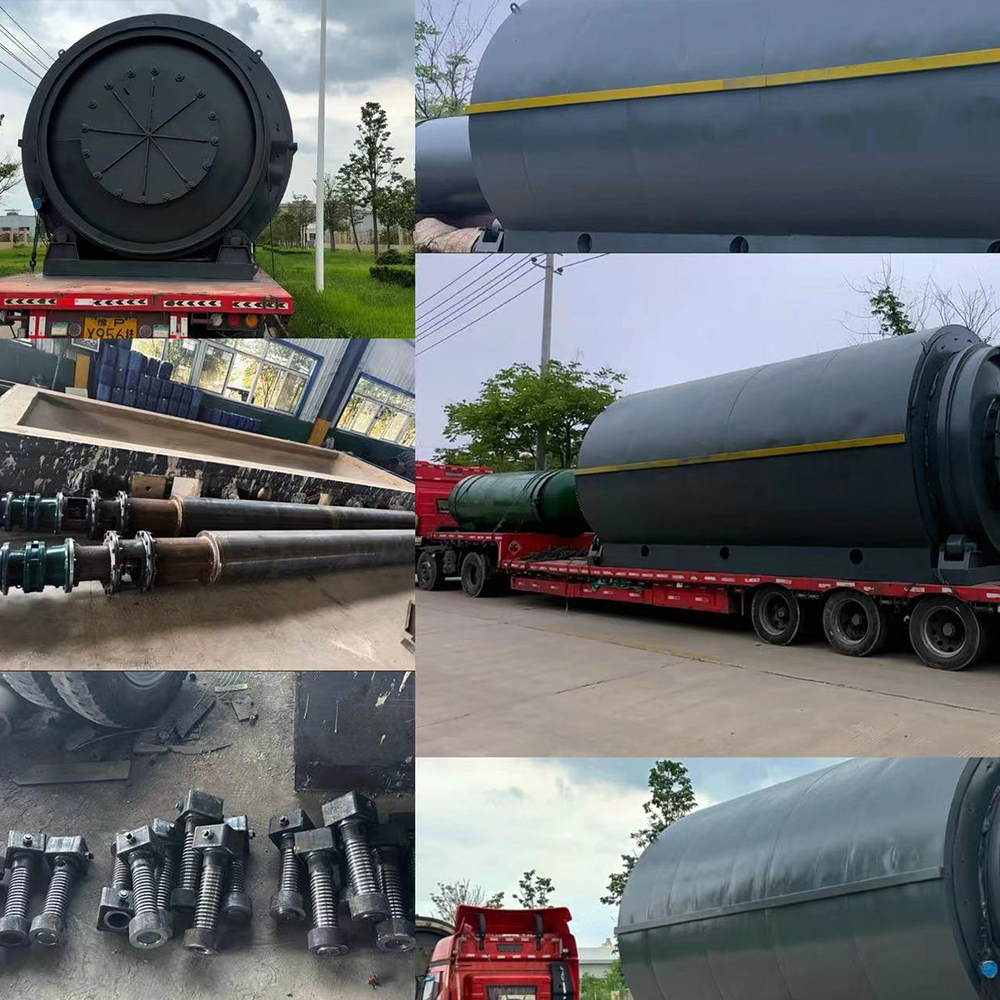
Industrial waste recovery has emerged as one of the most pressing challenges facing modern manufacturing and processing industries. As global environmental regulations tighten and resource scarcity becomes increasingly apparent, companies are seeking innovative solutions to transform waste streams into valuable resources. Pyrolysis reactors represent a revolutionary technology that addresses these dual challenges by converting organic waste materials into useful products through controlled thermal decomposition processes. This advanced technology enables industries to achieve significant waste reduction while simultaneously creating new revenue streams from previously discarded materials.
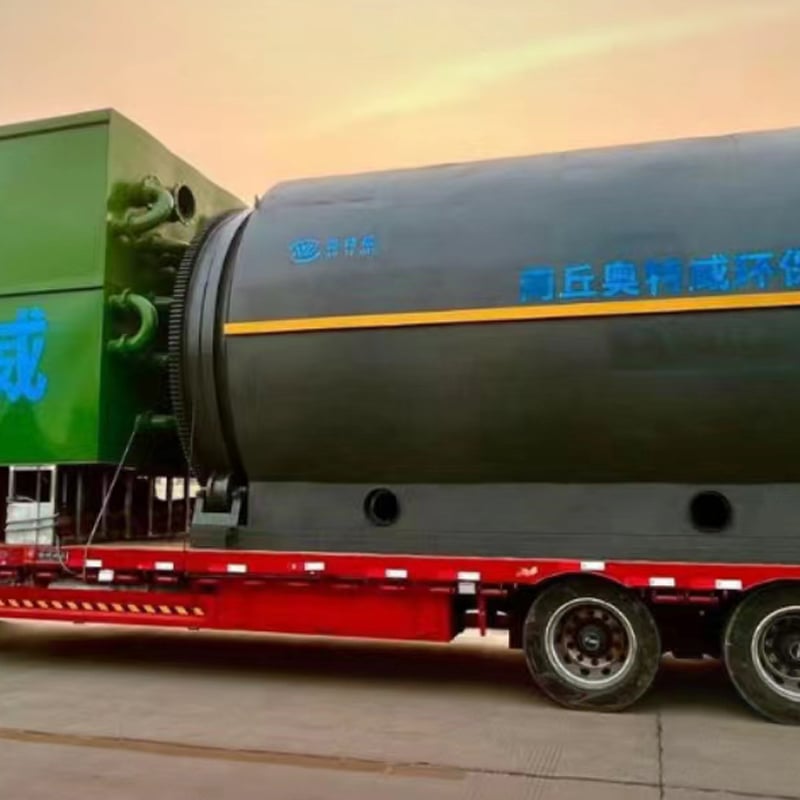
The implementation of pyrolysis reactors in industrial settings has demonstrated remarkable success across diverse sectors, from plastic waste processing to agricultural residue management. These sophisticated systems operate under carefully controlled conditions, utilizing precise temperature and atmospheric controls to break down complex organic molecules into simpler, more valuable compounds. The resulting products often include synthetic oils, gases, and carbon-based materials that can serve as feedstock for other industrial processes or as alternative energy sources. This circular approach to waste management represents a fundamental shift from traditional disposal methods toward sustainable resource recovery practices.
Understanding Pyrolysis Technology and Its Industrial Applications
Fundamental Principles of Pyrolysis Process
Pyrolysis reactors operate on the principle of thermal decomposition in the absence of oxygen, creating an environment where organic materials undergo molecular breakdown at elevated temperatures. This controlled process typically occurs between 400 and 800 degrees Celsius, depending on the specific feedstock and desired output products. The absence of oxygen prevents combustion, allowing for the systematic breakdown of complex polymers and organic compounds into smaller, more manageable molecules. This precise control over the thermal environment enables operators to optimize product yields and quality while minimizing unwanted byproducts.
The technology behind modern pyrolysis reactors incorporates advanced heating systems, precise temperature monitoring, and sophisticated gas management capabilities. These systems utilize various heating methods, including direct heating through combustion of produced gases, indirect heating through external heat sources, or hybrid approaches that combine multiple heating strategies. The reactor design itself varies considerably based on application requirements, with options ranging from fixed-bed systems suitable for batch processing to continuous-flow reactors designed for high-volume industrial operations. Each configuration offers distinct advantages in terms of processing capacity, product quality, and operational efficiency.
Industrial Waste Stream Compatibility
Different types of industrial waste streams require specific considerations when selecting appropriate pyrolysis reactors for optimal processing results. Plastic waste, one of the most common feedstocks, includes various polymer types such as polyethylene, polypropylene, and polystyrene, each requiring different processing parameters to achieve maximum conversion efficiency. The heterogeneous nature of mixed plastic waste streams presents unique challenges that advanced reactor designs address through sophisticated sorting and preprocessing capabilities. These systems can handle contaminated materials and mixed feedstocks while maintaining consistent output quality.
Agricultural and forestry waste streams present another significant opportunity for pyrolysis reactor applications, encompassing materials such as crop residues, wood chips, sawdust, and other biomass materials. These organic feedstocks typically contain varying moisture content and mineral constituents that influence processing parameters and product characteristics. Modern pyrolysis reactors incorporate preprocessing capabilities to address these variables, including moisture reduction systems and ash management features. The versatility of these systems enables facilities to process seasonal waste streams while maintaining consistent operational parameters throughout varying input conditions.
Economic Benefits and Resource Recovery Potential
Revenue Generation Through Product Diversification
The implementation of pyrolysis reactors creates multiple revenue streams through the production of valuable commodities from waste materials that previously represented disposal costs. Synthetic oils produced through pyrolysis processes can serve as feedstock for chemical manufacturing, fuel production, or as direct heating fuel for industrial applications. These oils typically exhibit heating values comparable to conventional petroleum products while offering cost advantages due to their waste-derived origin. The consistent quality and composition of pyrolysis oils make them attractive alternatives for industries seeking to reduce dependence on volatile commodity markets.
Gas products generated during pyrolysis operations provide immediate energy value that can offset operational costs and reduce facility energy consumption. These gases, primarily composed of hydrogen, methane, and other light hydrocarbons, can fuel the pyrolysis process itself or power additional facility operations. Many installations achieve energy self-sufficiency through effective gas capture and utilization systems, eliminating external energy costs while maintaining optimal processing conditions. The carbon char residue from pyrolysis operations presents additional value opportunities as activated carbon, soil amendment, or industrial carbon applications.
Cost Reduction and Operational Efficiency
Pyrolysis reactors significantly reduce waste disposal costs while eliminating the long-term liabilities associated with traditional waste management approaches. Landfill disposal fees, transportation costs, and regulatory compliance expenses can represent substantial ongoing operational burdens that pyrolysis technology effectively eliminates. The on-site processing capability reduces logistics complexity while providing immediate waste volume reduction that can approach 80-90% depending on feedstock characteristics. This dramatic volume reduction creates additional capacity within existing waste management infrastructure.
The operational efficiency of modern pyrolysis reactors enables continuous processing with minimal operator intervention, reducing labor costs while maintaining consistent output quality. Automated control systems monitor critical parameters and adjust operating conditions to optimize performance while ensuring safe operation. These systems incorporate predictive maintenance capabilities that minimize unplanned downtime and extend equipment service life. The integration of advanced process control technology enables facilities to achieve optimal energy efficiency while maximizing product recovery rates.
Environmental Impact and Regulatory Compliance
Emission Control and Environmental Protection
Modern pyrolysis reactors incorporate comprehensive emission control systems that ensure compliance with stringent environmental regulations while minimizing atmospheric impacts. Advanced gas cleaning technologies remove particulates, acid gases, and organic compounds from process exhaust streams before atmospheric release. These systems typically achieve emission levels well below regulatory limits while maintaining cost-effective operation through efficient design and reliable performance. The closed-loop nature of pyrolysis processing minimizes fugitive emissions and reduces the overall environmental footprint of waste management operations.
The elimination of open burning and uncontrolled decomposition through proper pyrolysis reactor implementation significantly reduces greenhouse gas emissions associated with waste management. Methane and carbon dioxide emissions from landfills represent major contributors to global warming, making pyrolysis an attractive alternative for environmentally conscious organizations. The carbon sequestration potential of char products provides additional environmental benefits by creating stable carbon forms that resist atmospheric release. These environmental advantages align with corporate sustainability goals while providing measurable impacts for environmental reporting requirements.
Regulatory Compliance and Permitting Considerations
Pyrolysis reactors must comply with various environmental regulations covering air emissions, waste handling, and industrial safety requirements. The permitting process typically involves comprehensive environmental impact assessments and detailed operational planning to ensure regulatory compliance throughout the equipment lifecycle. Modern reactor designs incorporate features specifically developed to meet or exceed regulatory requirements while maintaining operational flexibility for changing compliance landscapes. The proactive approach to regulatory compliance reduces permitting timelines and ensures long-term operational viability.
Industrial facilities implementing pyrolysis technology often discover that these systems help achieve broader environmental compliance goals beyond waste management requirements. The reduction in waste generation, energy consumption, and transportation requirements contributes to overall facility environmental performance metrics. Many jurisdictions offer incentives for waste-to-energy technologies, including tax credits, grants, or expedited permitting processes that improve project economics. The alignment between pyrolysis technology and environmental policy objectives creates favorable regulatory environments for implementation.
Technology Selection and Implementation Strategies
Reactor Design and Capacity Considerations
Selecting appropriate pyrolysis reactors requires careful analysis of feedstock characteristics, processing volumes, and desired output products to ensure optimal system performance and economic viability. Batch processing systems offer flexibility for varying waste streams and lower capital investment requirements, making them suitable for facilities with moderate waste generation rates or diverse feedstock types. Continuous processing systems provide higher throughput capacity and improved operational efficiency for facilities with consistent, high-volume waste streams. The choice between these approaches significantly impacts both capital and operating costs while influencing product quality and operational complexity.
Reactor sizing must account for future growth projections and seasonal variations in waste generation to ensure adequate processing capacity throughout the operational lifecycle. Undersized systems create bottlenecks that limit waste processing capability and reduce economic benefits, while oversized systems result in higher capital costs and reduced operational efficiency. Many successful installations utilize modular designs that enable capacity expansion through additional reactor units rather than complete system replacement. This approach provides operational flexibility while minimizing initial capital requirements and implementation risks.
Integration with Existing Operations
Successful pyrolysis reactor implementation requires careful integration with existing waste management and production operations to maximize efficiency and minimize disruption. Feedstock preparation systems must accommodate existing waste handling procedures while ensuring consistent input quality for optimal pyrolysis performance. Material handling equipment, storage facilities, and preprocessing capabilities all require coordination to create seamless operational workflows. The integration process often reveals opportunities for broader operational improvements beyond waste management applications.
Utility integration represents another critical consideration, particularly regarding energy supply, cooling water, and waste heat recovery opportunities. Pyrolysis reactors can often utilize waste heat from existing processes to reduce energy consumption while providing thermal energy for other facility operations. Electrical integration must accommodate variable power demands during startup, normal operation, and shutdown procedures. The comprehensive approach to utility integration maximizes operational synergies while reducing overall facility energy consumption and operational costs.
FAQ
What types of waste materials can pyrolysis reactors process effectively
Pyrolysis reactors can effectively process a wide variety of organic waste materials including mixed plastics, rubber products, biomass waste, agricultural residues, and municipal solid waste components. The key requirement is that materials contain organic compounds that can undergo thermal decomposition. Different waste types may require specific preprocessing or parameter adjustments to optimize conversion efficiency and product quality. Mixed waste streams are often acceptable, though sorting and preparation can improve overall system performance and product value.
How do pyrolysis reactors compare to other waste treatment technologies
Pyrolysis reactors offer several advantages over traditional waste treatment methods, including higher resource recovery rates, lower environmental impact, and greater operational flexibility. Compared to incineration, pyrolysis produces valuable liquid and gaseous products while generating fewer emissions and requiring less complex pollution control equipment. Unlike mechanical recycling, pyrolysis can handle contaminated or degraded materials while producing high-quality output products. The technology also provides better economics than landfilling by creating revenue streams while eliminating disposal costs.
What are the typical maintenance requirements for industrial pyrolysis reactors
Industrial pyrolysis reactors require regular maintenance including periodic cleaning of heat transfer surfaces, inspection of refractory materials, and replacement of wear components such as seals and gaskets. Most systems incorporate automated monitoring and control systems that reduce maintenance requirements while providing early warning of potential issues. Preventive maintenance programs typically include quarterly inspections, annual overhauls, and periodic replacement of consumable components. Proper maintenance scheduling minimizes unplanned downtime while extending equipment service life and maintaining optimal performance.
How long does it take to implement a pyrolysis reactor system
Implementation timelines for pyrolysis reactors vary depending on system complexity, permitting requirements, and site preparation needs, but typically range from 12 to 24 months from initial planning to commercial operation. The permitting and design phase often represents the longest component, requiring 6-12 months depending on local regulatory requirements and project complexity. Equipment manufacturing and installation typically require 6-9 months, while commissioning and startup testing add another 2-3 months. Proper project planning and early stakeholder engagement can significantly reduce overall implementation timelines while ensuring regulatory compliance and optimal system performance.



 Hot News