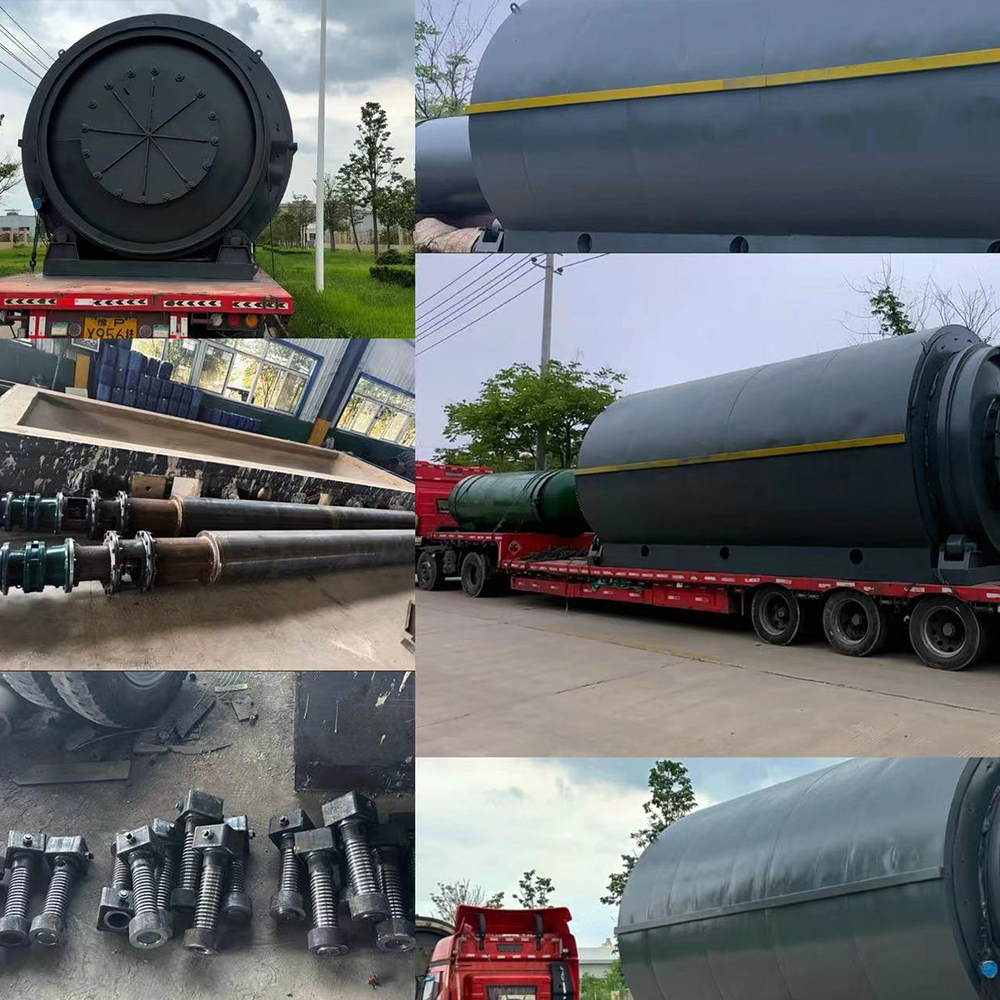
Understanding the operational costs associated with pyrolysis equipment is crucial for investors considering this rapidly growing waste-to-energy technology. Modern pyrolysis systems transform waste materials like plastic, tires, and biomass into valuable products including fuel oil, carbon black, and syngas. The financial viability of these operations depends heavily on accurate cost projections that encompass energy consumption, maintenance requirements, labor expenses, and raw material processing fees.
Energy Consumption and Utility Costs
Heating and Temperature Control Requirements
The primary operational expense for most pyrolysis equipment involves maintaining the high temperatures necessary for thermal decomposition processes. Industrial pyrolysis systems typically operate between 400-800°C, requiring substantial energy input to achieve and maintain these temperatures. Natural gas, diesel fuel, or electricity serve as common heating sources, with costs varying significantly based on local utility rates and fuel availability.
Energy efficiency improvements in modern pyrolysis equipment have reduced consumption patterns compared to older generation systems. Advanced insulation materials, heat recovery systems, and automated temperature controls contribute to lower operational costs by minimizing heat loss and optimizing fuel utilization. Investors should factor in regional energy prices and potential fluctuations when calculating long-term operational expenses.
Electrical Power and Auxiliary Systems
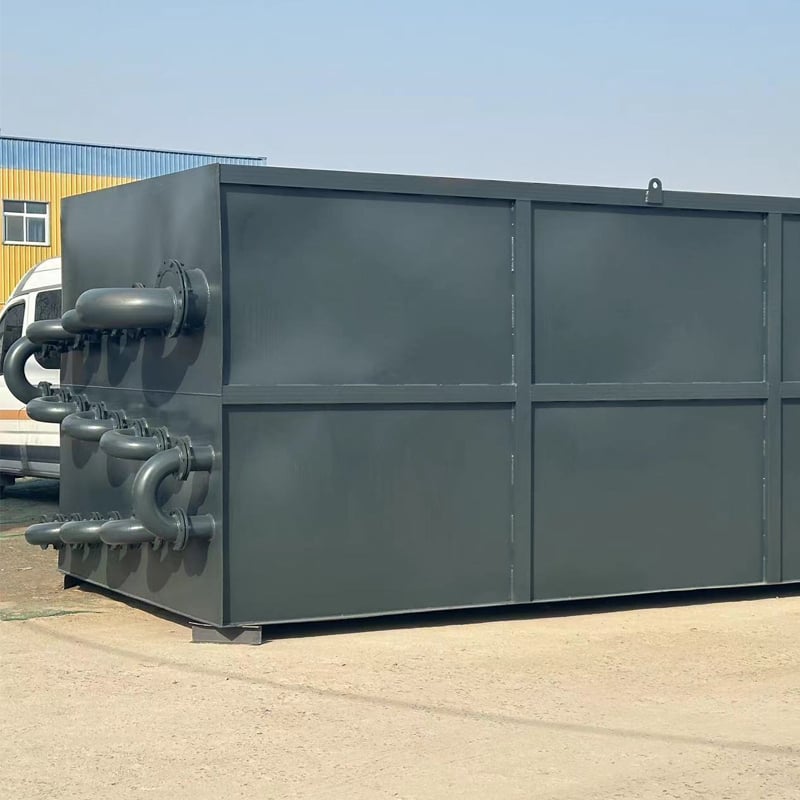
Beyond heating requirements, pyrolysis equipment demands electrical power for various auxiliary systems including conveyor belts, cooling fans, pumps, and control systems. These electrical loads typically represent 15-25% of total energy costs, depending on the system design and automation level. Variable frequency drives and energy-efficient motors help minimize electrical consumption while maintaining operational performance.
Backup power systems and uninterruptible power supplies may be necessary for continuous operation, particularly in regions with unstable electrical grids. These additional power infrastructure investments impact both capital and operational costs, requiring careful consideration during the planning phase.
Maintenance and Equipment Lifecycle Costs
Preventive Maintenance Programs
Establishing comprehensive preventive maintenance schedules is essential for maximizing the lifespan and efficiency of pyrolysis equipment. Regular inspections, component replacements, and system calibrations prevent costly breakdowns while ensuring consistent output quality. Typical maintenance costs range from 3-8% of initial equipment investment annually, depending on operational intensity and system complexity.
Critical maintenance activities include reactor cleaning, catalyst replacement, seal and gasket inspections, and thermal system calibration. High-temperature components experience thermal cycling stress that necessitates periodic replacement to maintain operational safety and efficiency. Professional maintenance contracts often provide cost predictability while ensuring access to specialized technical expertise.
Spare Parts Inventory and Replacement Components
Maintaining adequate spare parts inventory is crucial for minimizing downtime and production losses. Essential spare components for pyrolysis equipment include reactor internals, heat exchangers, pumps, valves, and control system components. Strategic inventory management balances carrying costs against the risk of extended downtime due to component failures.
Original equipment manufacturer partnerships often provide favorable pricing for genuine replacement parts while ensuring compatibility and performance standards. Third-party suppliers may offer cost savings for certain components, though quality verification and warranty considerations must be evaluated carefully.
Labor and Operational Personnel Costs
Skilled Operator Requirements
Operating pyrolysis equipment safely and efficiently requires trained personnel familiar with thermal processing systems, safety protocols, and product quality standards. Skilled operators command competitive wages reflecting their specialized knowledge and the critical nature of their responsibilities. Training programs and certification requirements add to personnel costs but ensure safe and productive operations.
Automation levels in modern pyrolysis equipment have reduced manual labor requirements compared to earlier generation systems. However, human oversight remains essential for system monitoring, quality control, and emergency response procedures. Shift coverage requirements for continuous operations multiply labor costs across multiple work periods.
Technical Support and Engineering Services
Access to technical support and engineering services is vital for troubleshooting complex issues and optimizing system performance. On-site technical services, remote monitoring capabilities, and engineering consultation fees contribute to operational expenses while providing valuable expertise for maximizing equipment productivity and reliability.
Training investments for internal technical staff can reduce long-term dependence on external services while building organizational capabilities. However, highly specialized issues may still require manufacturer support or independent engineering services, particularly for process optimization and equipment upgrades.
Raw Material Processing and Handling Costs
Feedstock Preparation and Quality Control
Preparing feedstock materials for pyrolysis equipment processing involves sorting, cleaning, shredding, and quality testing activities that generate operational costs. Contaminated or improperly prepared materials can reduce efficiency, damage equipment, or compromise product quality, making thorough preparation essential despite associated expenses.
Quality control laboratories and testing equipment represent ongoing operational expenses for monitoring feedstock composition and ensuring consistent processing conditions. Regular testing helps optimize operating parameters while identifying potential issues before they impact production or equipment performance.
Material Handling and Storage Systems
Efficient material handling systems minimize labor costs while ensuring consistent feedstock supply to pyrolysis equipment. Conveyor systems, storage silos, and automated feeding mechanisms require maintenance, energy, and occasional replacement, contributing to operational expense calculations.
Storage facility costs include building maintenance, security systems, and environmental controls necessary for preserving feedstock quality and meeting regulatory requirements. Proper storage prevents material degradation that could negatively impact pyrolysis equipment performance and product yields.
Environmental Compliance and Waste Management
Emission Control Systems
Environmental regulations require pyrolysis equipment operations to implement emission control systems that capture and treat gaseous byproducts. These systems include scrubbers, filters, and monitoring equipment that require ongoing maintenance, consumables replacement, and periodic testing to ensure compliance with air quality standards.
Regulatory compliance monitoring involves regular emissions testing, reporting activities, and potential permit renewal fees that contribute to operational costs. Environmental consulting services may be necessary for maintaining compliance and adapting to evolving regulations in the pyrolysis equipment sector.
Byproduct Management and Disposal
Managing solid byproducts and waste streams from pyrolysis equipment operations requires appropriate handling, storage, and disposal procedures. While many byproducts like carbon black have commercial value, some residual materials may require specialized disposal methods that generate ongoing costs.
Water treatment systems for cooling circuits and cleaning operations add operational expenses through chemical consumption, filter replacements, and discharge monitoring requirements. Proper waste management protocols ensure regulatory compliance while minimizing environmental impact and associated liability risks.
Insurance and Risk Management Costs
Property and Equipment Insurance
Comprehensive insurance coverage protects pyrolysis equipment investments against fire, equipment breakdown, and other operational risks. Insurance premiums reflect the perceived risk levels associated with thermal processing operations and can vary significantly based on safety systems, maintenance records, and operational experience.
Business interruption insurance provides financial protection against revenue losses during equipment downtime or facility repairs. Premium costs depend on coverage limits, deductible levels, and the insurer's assessment of operational risks specific to pyrolysis equipment facilities.
Safety Systems and Risk Mitigation
Safety system maintenance and testing represent essential operational costs for pyrolysis equipment facilities. Fire suppression systems, gas detection equipment, emergency shutdown systems, and personal protective equipment require regular inspection, testing, and replacement to maintain effectiveness.
Safety training programs, emergency response procedures, and regulatory compliance activities contribute to operational expenses while reducing accident risks and potential liability exposures. These investments in safety infrastructure and training typically reduce insurance costs while protecting personnel and assets.
FAQ
What are the typical annual operational costs as a percentage of initial equipment investment
Annual operational costs for pyrolysis equipment typically range from 20-35% of the initial capital investment, depending on system complexity, automation level, and local operating conditions. Energy costs usually represent the largest component, followed by maintenance, labor, and consumables. Efficient operations with proper maintenance can achieve costs toward the lower end of this range.
How do energy costs vary between different feedstock types in pyrolysis operations
Energy requirements vary significantly based on feedstock moisture content, composition, and processing characteristics. Dry materials like waste plastics generally require less energy than high-moisture biomass feedstocks. Tire pyrolysis often achieves favorable energy balances due to the high energy content of rubber materials, while mixed waste streams may require additional energy for processing variable compositions.
What factors most significantly impact maintenance costs for pyrolysis systems
Operating temperature, throughput capacity, and feedstock contamination levels most significantly influence maintenance costs for pyrolysis equipment. Higher temperatures accelerate component wear, while abrasive or corrosive materials increase replacement frequencies. Continuous operation schedules typically require more intensive maintenance compared to batch processing systems, though they often achieve better overall cost efficiency.
How can operators minimize operational costs while maintaining product quality
Optimizing operational costs requires balancing energy efficiency, preventive maintenance, and feedstock quality management. Implementing heat recovery systems, maintaining consistent feedstock quality, and following recommended maintenance schedules help minimize costs while preserving product standards. Regular system optimization and operator training investments typically provide positive returns through improved efficiency and reduced downtime.


 Hot News