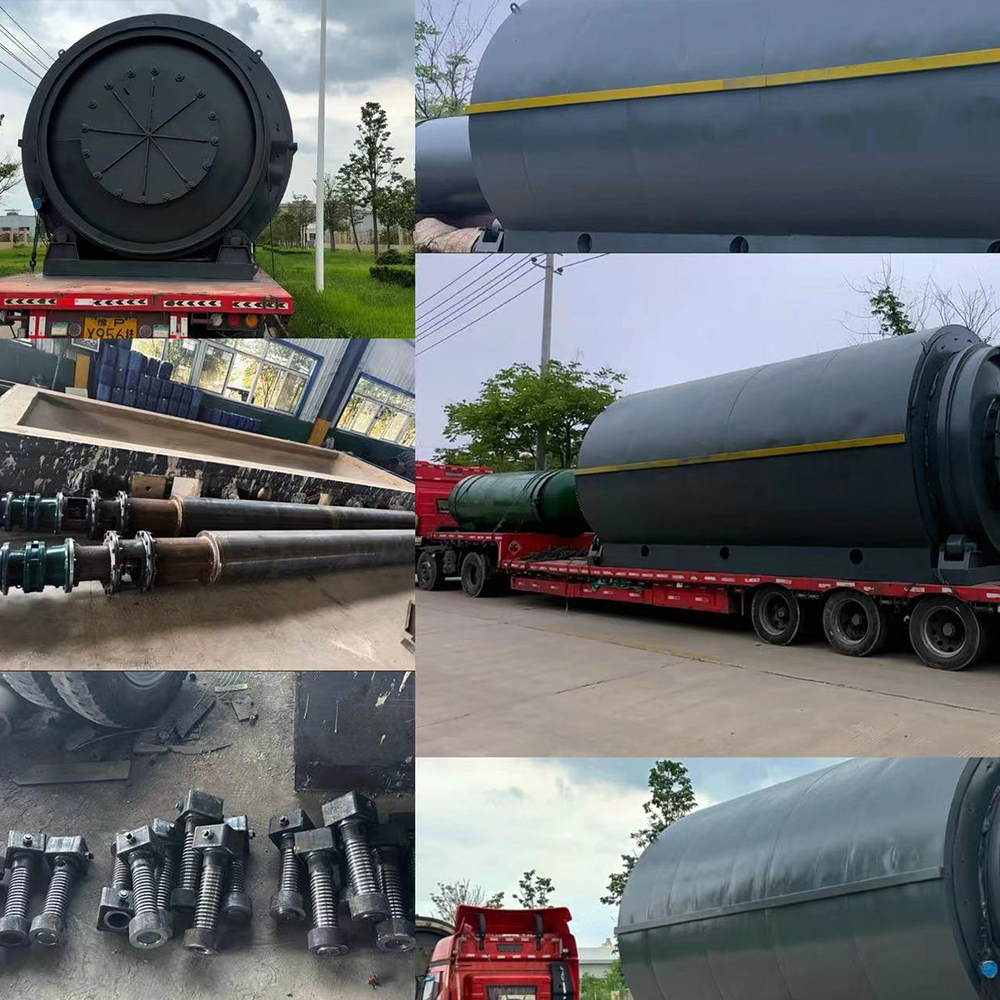
Modern pyrolysis equipment represents a breakthrough technology in waste management, offering sustainable solutions for processing tire, plastic, and hazardous waste streams. This thermal decomposition process operates in an oxygen-free environment, transforming complex waste materials into valuable byproducts including fuel oil, carbon black, and combustible gas. The versatility and efficiency of contemporary pyrolysis equipment make it an essential technology for industries seeking environmentally responsible waste processing methods while generating economic value from previously discarded materials.
Understanding Pyrolysis Technology Fundamentals
Thermal Decomposition Process
Pyrolysis equipment utilizes controlled thermal decomposition to break down organic materials at temperatures ranging from 300°C to 900°C without oxygen presence. This process fundamentally alters the molecular structure of waste materials, converting long-chain polymers into shorter hydrocarbon compounds. The absence of oxygen prevents combustion, allowing for precise control over the chemical reactions and product formation. Advanced pyrolysis equipment incorporates sophisticated temperature control systems, ensuring optimal processing conditions for different waste stream compositions.
The thermal decomposition mechanism varies depending on the feedstock material and operational parameters. Waste tires undergo depolymerization, breaking down rubber compounds into recoverable hydrocarbons and solid carbon residue. Plastic materials experience chain scission, where polymer bonds break to form smaller molecular fragments that can be condensed into liquid fuels. Modern pyrolysis equipment design accommodates these varying decomposition characteristics through adjustable heating zones and residence time controls.
Equipment Design Principles
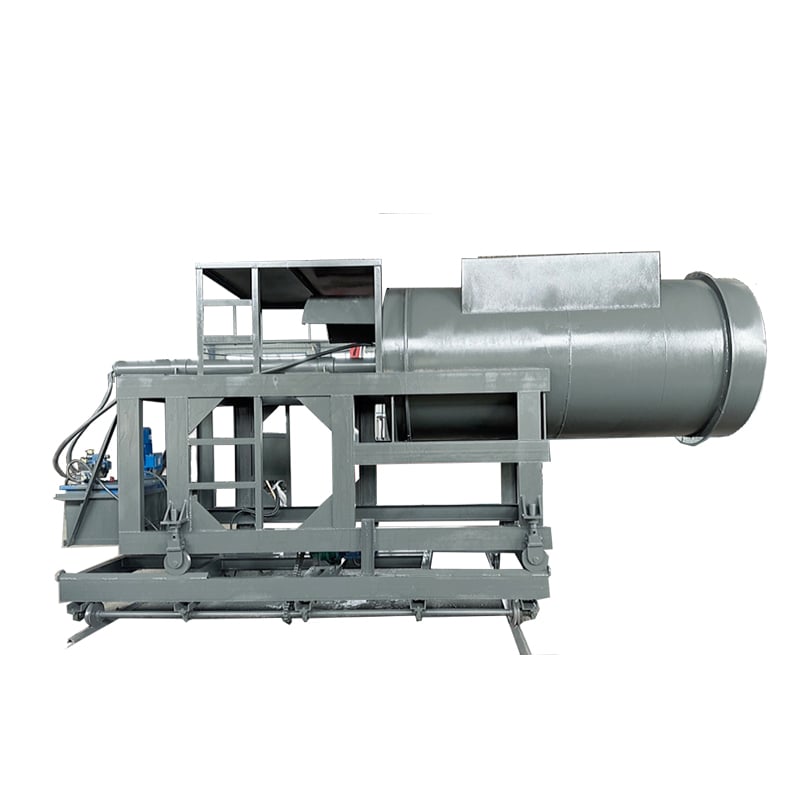
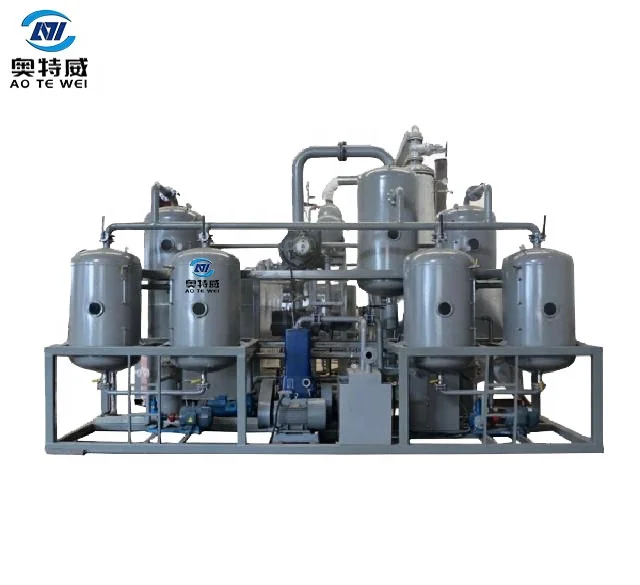
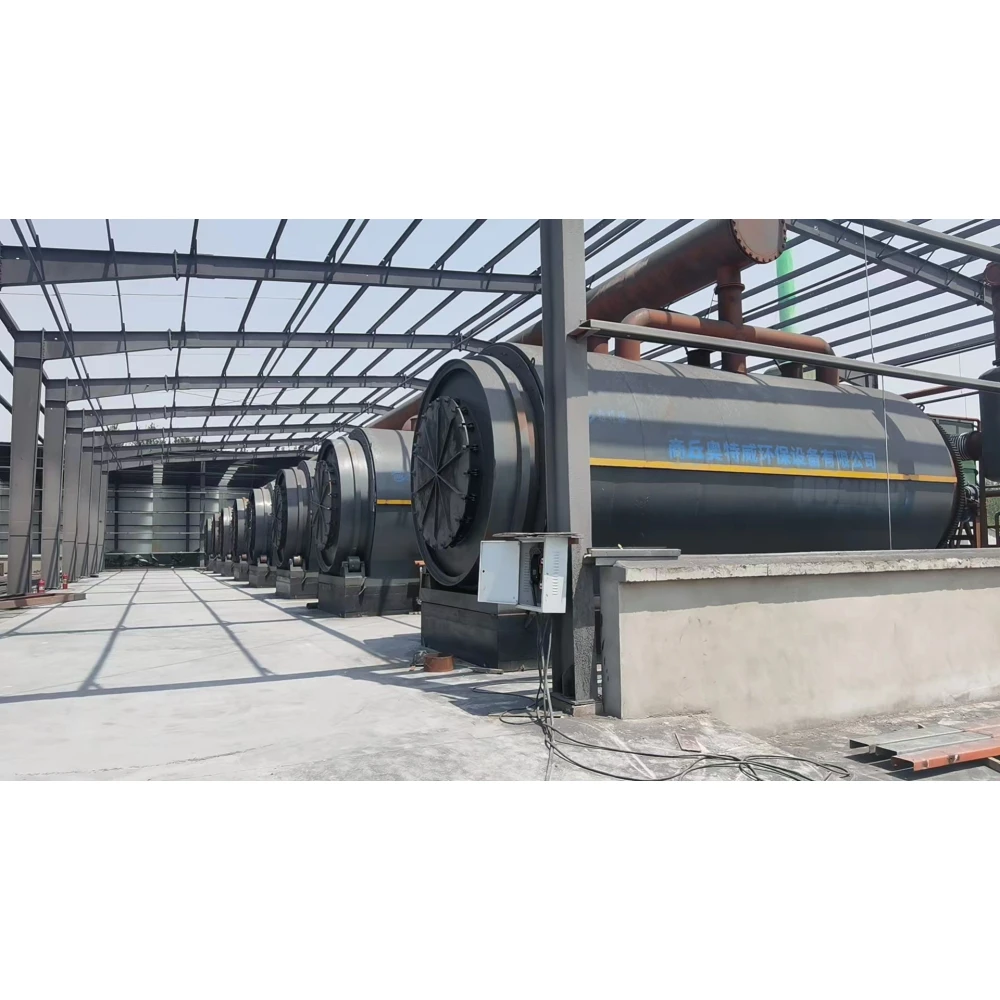
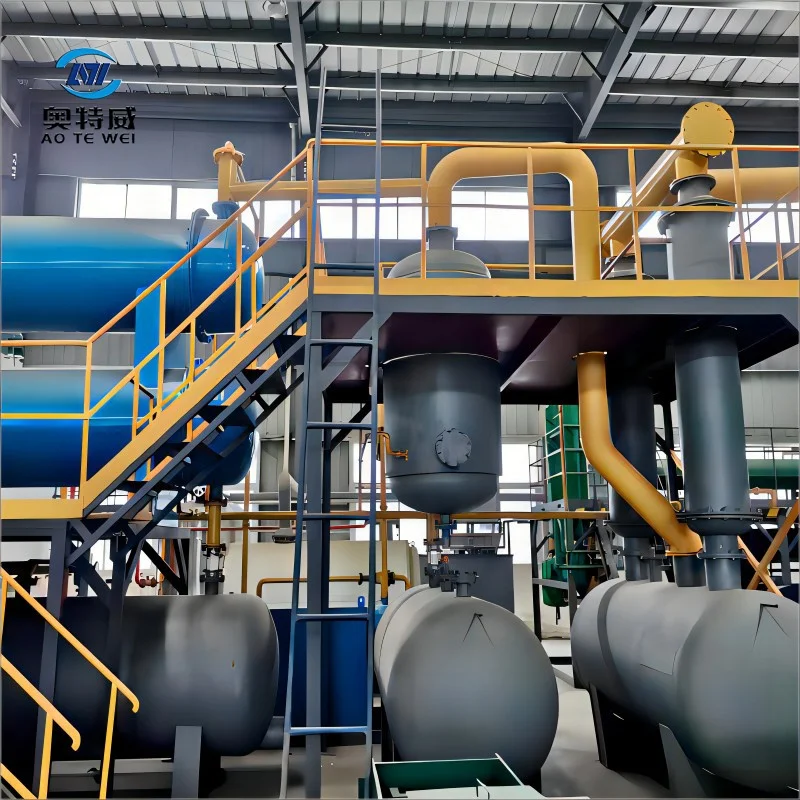
Contemporary pyrolysis equipment incorporates several key design elements that enhance processing efficiency and safety. The reactor vessel serves as the primary processing chamber, constructed from high-temperature resistant materials capable of withstanding thermal cycling and corrosive environments. Heat distribution systems ensure uniform temperature profiles throughout the reactor, preventing hot spots that could damage equipment or compromise product quality. Automated feeding mechanisms allow continuous operation while maintaining the oxygen-free atmosphere essential for proper pyrolysis reactions.
Safety systems integrated into modern pyrolysis equipment include emergency shutdown protocols, pressure relief mechanisms, and gas monitoring systems. These features protect both operators and equipment from potentially hazardous conditions during processing operations. The modular design of advanced systems allows for scalability, enabling facilities to expand processing capacity based on waste stream availability and market demand for recovered products.
Tire Waste Processing Applications
Rubber Decomposition Mechanisms
Waste tire processing through pyrolysis equipment involves the thermal breakdown of complex rubber compounds, including natural rubber, synthetic rubber, and various additives used in tire manufacturing. The process typically operates at temperatures between 400°C and 500°C, optimizing the conversion of rubber polymers into recoverable products. Steel wire and fabric reinforcement materials are separated during processing, creating additional revenue streams from material recovery. The controlled atmosphere within the pyrolysis equipment prevents oxidation, maximizing the yield of valuable hydrocarbon products.
The tire decomposition process generates approximately 40-45% liquid fuel, 30-35% carbon black, and 10-15% combustible gas by weight. These yield ratios make tire processing through pyrolysis equipment economically attractive for waste management operations. The recovered fuel oil possesses heating values comparable to conventional diesel fuel, making it suitable for industrial heating applications or further refining into transportation fuels. Carbon black recovered from tire pyrolysis finds applications in rubber manufacturing, paint production, and construction materials.
Product Recovery Systems
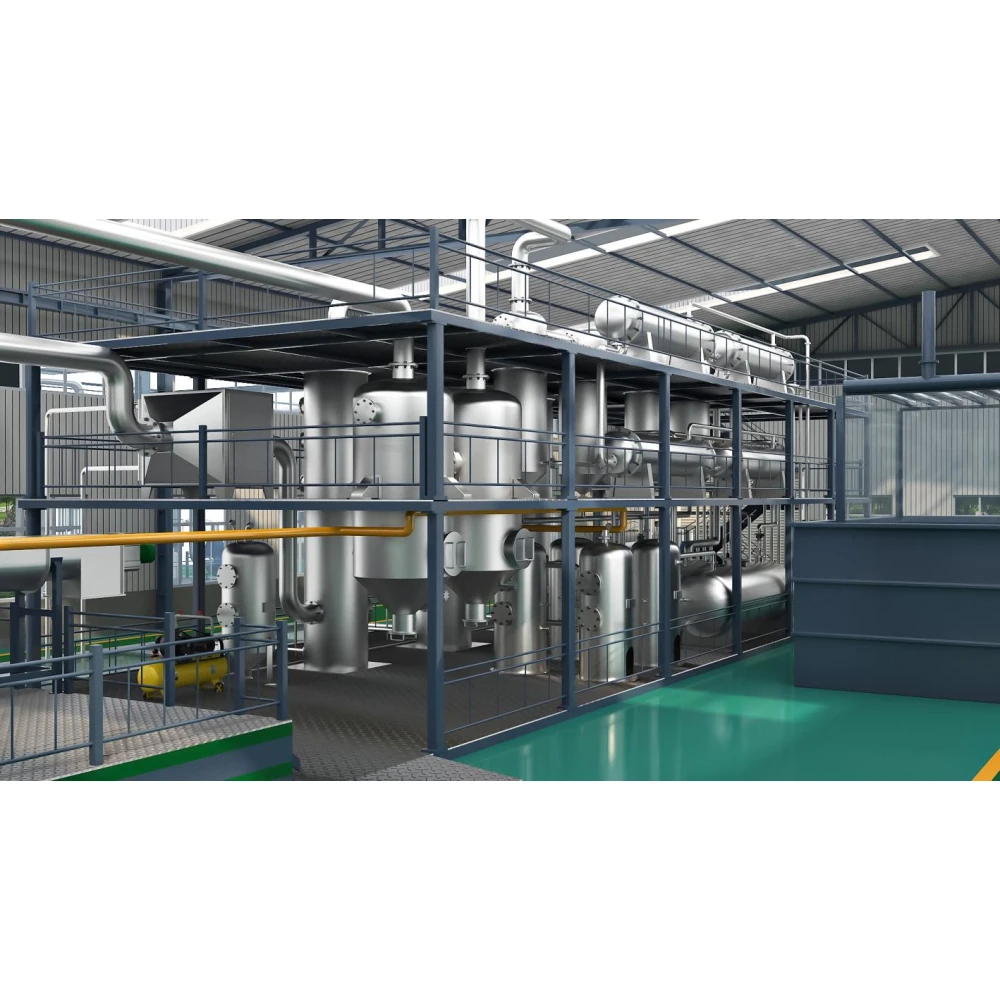
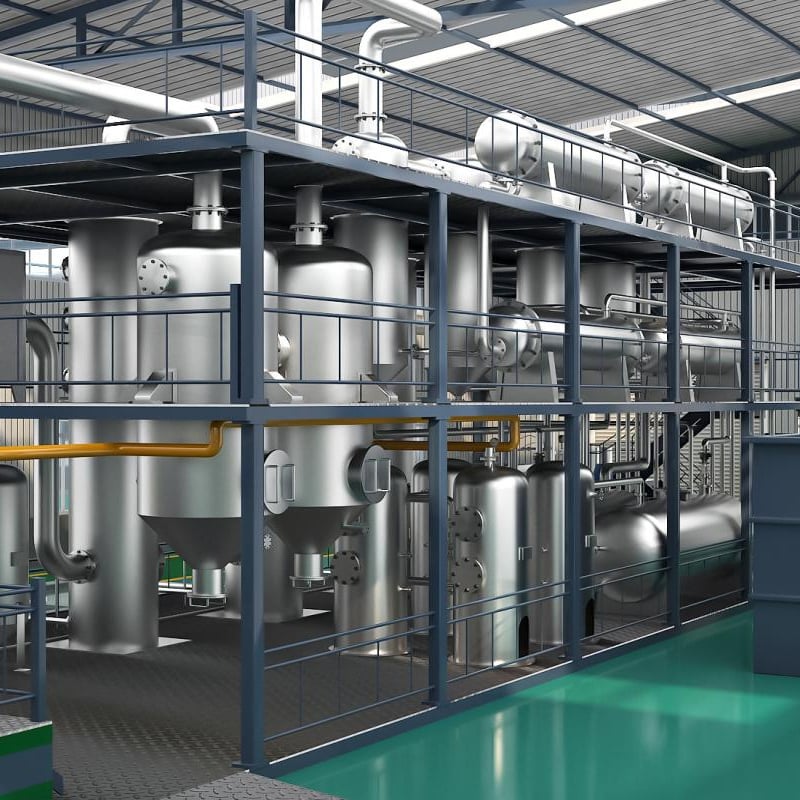
Effective product recovery requires specialized systems integrated with the main pyrolysis equipment to separate and purify different output streams. Condensation systems cool and collect vaporized hydrocarbons, converting them into liquid fuel products. Gas cleaning equipment removes impurities from non-condensable gases, preparing them for use as process fuel or energy generation. Carbon black handling systems collect and process solid residue, often including magnetic separation to recover steel wire for recycling.
Quality control measures ensure recovered products meet industry specifications and regulatory requirements. Advanced pyrolysis equipment incorporates real-time monitoring systems that track temperature, pressure, and composition parameters throughout the recovery process. This data enables operators to optimize processing conditions for maximum product quality and yield. Automated sampling and testing equipment provides continuous quality assurance, ensuring consistent product specifications for end-user applications.
Plastic Waste Stream Management
Polymer Processing Capabilities
Different plastic types require specific processing conditions within pyrolysis equipment to achieve optimal conversion rates and product quality. Polyethylene and polypropylene, common in packaging applications, decompose readily at moderate temperatures around 350-450°C, producing high-quality liquid fuels. Polystyrene processing occurs at slightly higher temperatures, generating aromatic compounds valuable for chemical industry applications. Mixed plastic waste streams present processing challenges that advanced pyrolysis equipment addresses through adaptive control systems and flexible operating parameters.
The heterogeneous nature of plastic waste requires preprocessing systems integrated with the main pyrolysis equipment to handle contamination and foreign materials. Shredding and washing systems prepare plastic feedstock by removing labels, adhesives, and other contaminants that could interfere with the thermal process. Density separation techniques remove heavier materials like metals and glass, ensuring consistent feedstock quality for optimal pyrolysis equipment performance.
Contamination Management
Plastic waste contamination poses significant challenges for pyrolysis equipment operation, requiring sophisticated handling and treatment systems. Organic contamination from food residues or chemical additives can affect product quality and create operational issues within the processing equipment. Advanced cleaning systems remove these contaminants through washing, thermal treatment, or chemical processing before materials enter the main pyrolysis reactor.
Inorganic contamination, including metals, glass, and mineral fillers, requires mechanical separation systems to prevent damage to pyrolysis equipment and ensure product purity. Magnetic separators remove ferrous materials, while density separation and optical sorting systems remove other contaminants. These preprocessing systems integrate seamlessly with modern pyrolysis equipment, creating comprehensive waste processing solutions that handle real-world contaminated feedstocks.
Hazardous Waste Treatment Solutions
Medical and Chemical Waste Processing
Specialized pyrolysis equipment designed for hazardous waste treatment incorporates enhanced safety systems and emission control technology to handle medical, pharmaceutical, and chemical waste streams. These systems operate under strict regulatory oversight, ensuring complete destruction of hazardous compounds while preventing environmental contamination. The controlled atmosphere and high-temperature processing effectively destroy pathogens, pharmaceuticals, and toxic chemicals that traditional disposal methods cannot adequately address.
Medical waste processing through pyrolysis equipment eliminates infectious materials while recovering energy value from plastic components in medical devices and packaging. The process destroys biological contaminants at molecular levels, creating sterile output products suitable for material recovery or energy generation. Pharmaceutical waste treatment ensures complete destruction of active compounds, preventing environmental contamination and drug resistance development in biological systems.
Environmental Compliance Systems
Hazardous waste pyrolysis equipment incorporates advanced emission control systems to meet stringent environmental regulations governing toxic waste treatment. Multi-stage gas cleaning systems remove particulates, acid gases, and trace organic compounds from process emissions. Continuous emission monitoring systems track pollutant levels in real-time, ensuring compliance with regulatory limits and providing documentation for environmental reporting requirements.
Secondary containment systems protect against potential spills or releases during hazardous waste processing operations. These systems include lined processing areas, emergency response equipment, and automated shutdown systems that activate during abnormal operating conditions. Regular monitoring and testing protocols ensure the ongoing effectiveness of environmental protection systems integrated with the pyrolysis equipment.
Operational Efficiency Optimization
Process Control Systems
Modern pyrolysis equipment incorporates sophisticated process control systems that optimize operational efficiency through real-time monitoring and automated adjustments. Temperature controllers maintain precise thermal conditions throughout the reactor, adapting to variations in feedstock composition and processing requirements. Pressure management systems ensure safe operation while maximizing throughput and product quality. These automated systems reduce operator workload while improving consistency and safety in pyrolysis operations.
Data acquisition systems collect operational parameters from throughout the pyrolysis equipment, creating comprehensive performance records for analysis and optimization. Machine learning algorithms analyze historical data to predict optimal operating conditions for different waste stream compositions. This predictive capability enables operators to maximize efficiency while minimizing energy consumption and maintenance requirements.
Maintenance and Reliability Programs
Preventive maintenance programs ensure reliable operation of pyrolysis equipment while minimizing unplanned downtime and repair costs. Regular inspection schedules identify potential issues before they develop into major problems, extending equipment lifespan and maintaining processing efficiency. Predictive maintenance technologies monitor equipment condition through vibration analysis, thermal imaging, and oil analysis, providing early warning of developing problems.
Spare parts management programs ensure critical components remain available when needed, reducing downtime during maintenance operations. Standardized maintenance procedures and training programs ensure consistent maintenance quality across different operators and shifts. These programs contribute significantly to the long-term reliability and economic performance of pyrolysis equipment installations.
Economic Benefits and Market Applications
Revenue Generation Opportunities
Pyrolysis equipment operations generate revenue through multiple product streams while providing waste management services to industrial and municipal clients. Liquid fuel products command premium prices in energy markets, particularly in regions with limited petroleum refining capacity. Carbon black recovery creates additional revenue opportunities in manufacturing industries requiring reinforcing agents for rubber and plastic products. Steel and other metal recovery from tire processing provides supplementary income streams.
Waste processing fees represent another significant revenue source for pyrolysis equipment operators, particularly when handling hazardous or difficult-to-dispose waste materials. These fees often exceed the costs of conventional disposal methods while providing superior environmental outcomes. The combination of product sales and processing fees creates robust economic foundations for pyrolysis operations.
Market Demand Drivers
Growing environmental regulations and corporate sustainability initiatives drive increasing demand for advanced waste processing solutions like pyrolysis equipment. Landfill restrictions and incineration limitations create market opportunities for alternative waste treatment technologies. Carbon reduction mandates and circular economy policies further enhance the attractiveness of pyrolysis technology for waste stream management.
Energy security concerns and volatile petroleum markets increase demand for alternative fuel sources produced by pyrolysis equipment. Recovered fuels provide local energy sources that reduce dependence on imported petroleum products while creating economic benefits in regional markets. These market drivers support continued growth in pyrolysis technology adoption across diverse industrial sectors.
FAQ
What types of waste materials can pyrolysis equipment effectively process
Pyrolysis equipment can effectively process various organic waste materials including waste tires, mixed plastics, biomass, medical waste, and certain hazardous chemicals. The equipment handles different polymer types such as polyethylene, polypropylene, polystyrene, and rubber compounds. Each material type may require specific temperature and residence time conditions for optimal conversion. Modern systems offer flexibility to process mixed waste streams while maintaining product quality and operational efficiency.
How does pyrolysis equipment compare to traditional waste disposal methods
Pyrolysis equipment offers significant advantages over traditional waste disposal methods including landfilling and incineration. Unlike landfills, pyrolysis creates valuable products while eliminating long-term environmental liabilities. Compared to incineration, pyrolysis operates at lower temperatures with better emission control and higher energy recovery rates. The process generates multiple revenue streams through product recovery rather than simply disposing of waste materials, making it economically superior to conventional methods.
What safety considerations apply to pyrolysis equipment operations
Safety considerations for pyrolysis equipment include proper handling of high-temperature processes, management of combustible gases, and protection against potential equipment failures. Operators must be trained in emergency procedures, personal protective equipment use, and gas detection systems. Regular maintenance programs prevent equipment failures that could create safety hazards. Environmental monitoring ensures emissions remain within acceptable limits and do not pose risks to surrounding communities.
How much space and infrastructure does pyrolysis equipment require
Space requirements for pyrolysis equipment vary based on processing capacity and waste stream types but typically require 2-5 acres for complete facilities including preprocessing, main processing, and product storage areas. Infrastructure needs include electrical power, cooling water, compressed air, and waste heat recovery systems. Access roads must accommodate feedstock delivery and product shipment vehicles. Environmental permits and regulatory compliance may require additional buffer zones around processing facilities.


 Hot News