Crude Oil Processing Plant: Advanced Refining Technology for Maximum Yield and Efficiency

Get a Free Quote

Our representative will contact you soon.
Email
WhatsApp / Mobile
Name
Company Name
Message
0/1000

crude oil processing plant

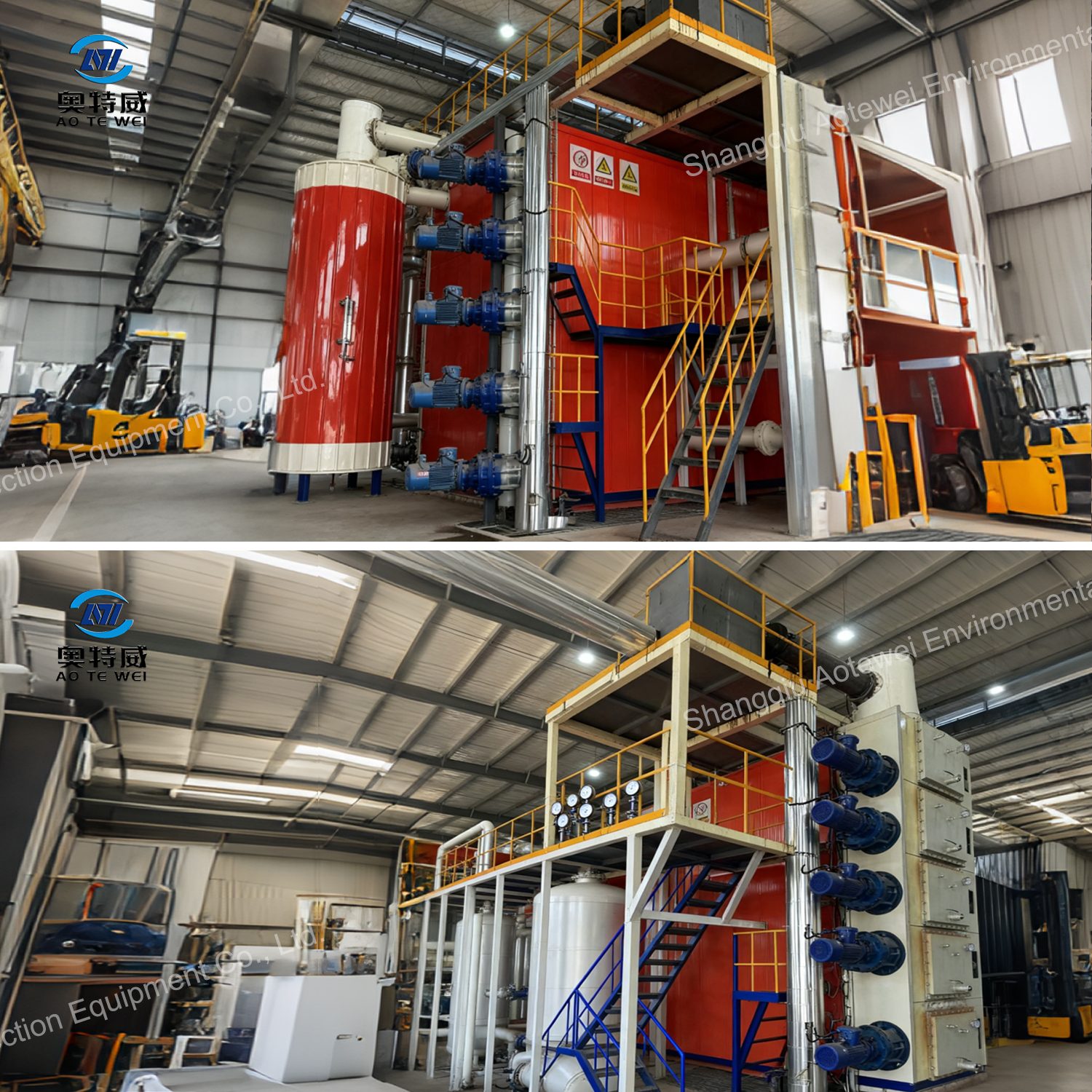
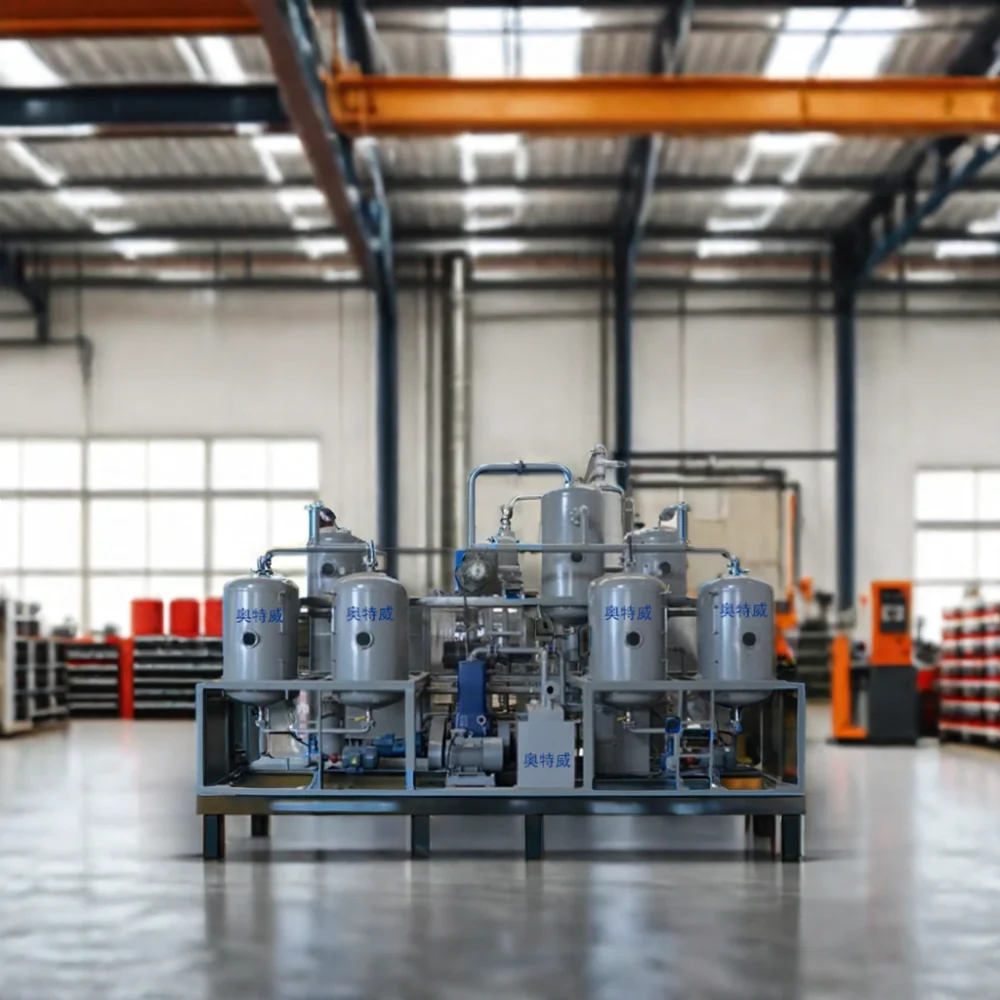
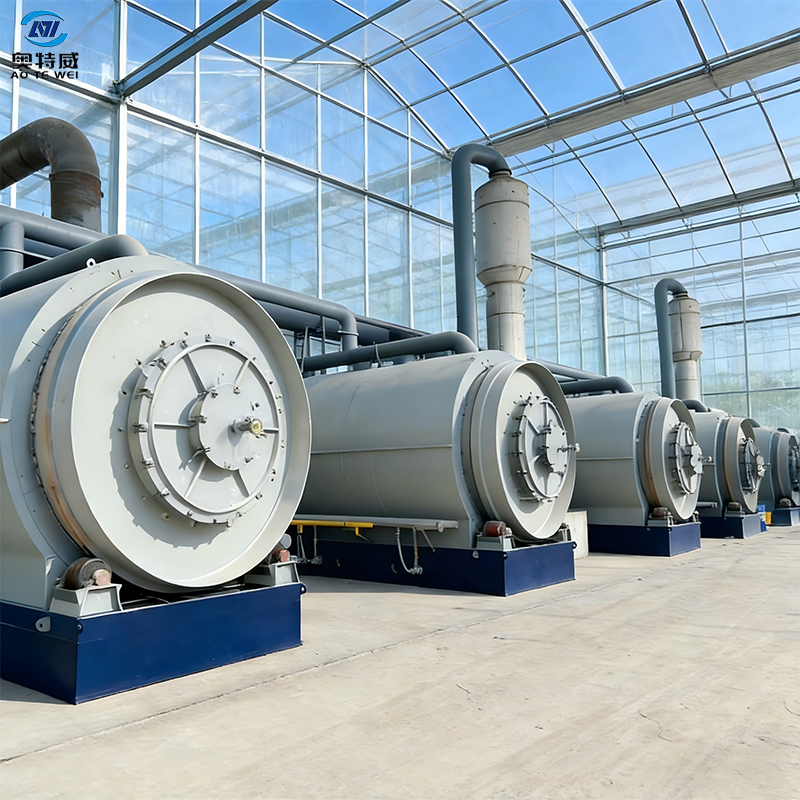
A crude oil processing plant is an industrial facility designed to transform raw crude oil extracted from the earth into a wide range of usable petroleum products. These plants serve as the backbone of the global energy supply chain, converting unrefined hydrocarbons into fuels, lubricants, petrochemical feedstocks, and other essential materials that power modern civilization. The primary function of a crude oil processing plant is to separate, refine, and upgrade crude oil through a series of carefully controlled physical and chemical processes. At its core, the facility employs atmospheric and vacuum distillation units to fractionate crude oil into distinct components based on their boiling points. These fractions include liquefied petroleum gas, naphtha, kerosene, diesel, heavy fuel oil, and residual bitumen, each destined for specific downstream applications. Beyond basic distillation, a modern crude oil processing plant integrates advanced conversion technologies such as fluid catalytic cracking, hydrocracking, and coking units. These systems break down heavier, less valuable fractions into lighter, higher-value products, significantly improving the overall yield of gasoline and diesel. Hydrotreating and desulfurization units further refine these streams by removing sulfur, nitrogen, and other contaminants, ensuring that finished products meet stringent environmental and quality standards. Technologically, today's crude oil processing plant incorporates real-time process monitoring systems, advanced process control software, and energy integration strategies that minimize waste and reduce operational costs. Heat exchanger networks recover thermal energy across multiple process streams, while flare gas recovery systems capture and reuse gases that would otherwise be vented or burned. These plants are engineered for scalability, allowing operators to adjust throughput and product slates in response to market demand. Applications of a crude oil processing plant span transportation fuels, aviation fuel, heating oil, asphalt for road construction, feedstocks for plastics and chemicals, and specialty lubricants. Whether serving a regional market or supplying a global network, the crude oil processing plant remains an indispensable asset in the energy and petrochemical industries.

New Products

Choosing the right crude oil processing plant gives your operation a clear edge in a competitive market. Here is a straightforward look at the practical benefits you can expect when you invest in a well-designed facility. First, a crude oil processing plant dramatically increases the value of every barrel you process. Raw crude oil has limited direct use, but once it passes through a processing plant, it becomes gasoline, diesel, jet fuel, lubricants, and chemical feedstocks. Each of these finished products commands a significantly higher market price than unrefined crude. This value multiplication is the most direct financial benefit the plant delivers, and it starts from day one of operation. Second, the plant gives you control over your product mix. Market prices for different petroleum products shift constantly. A flexible crude oil processing plant lets you adjust your output to favor whichever products are most profitable at any given time. When gasoline margins are strong, you can push more naphtha through your reforming units. When diesel demand spikes, you can optimize your distillation and hydrocracking operations accordingly. This adaptability protects your revenue stream against market volatility. Third, modern crude oil processing plants are built with energy efficiency in mind. Heat integration systems recover thermal energy from hot process streams and use it to preheat incoming feed, cutting your fuel consumption substantially. Lower energy use means lower operating costs, and it also reduces your carbon footprint, which matters increasingly to regulators and customers alike. Fourth, the plant supports long-term supply security. By processing your own crude oil on-site, you reduce dependence on third-party refiners and the logistical risks that come with transporting finished products over long distances. You control the timeline, the quality, and the delivery schedule. Fifth, a crude oil processing plant creates jobs and builds local industrial capacity. Skilled operators, engineers, maintenance technicians, and logistics personnel all find employment around a functioning plant. This economic multiplier effect strengthens the communities where these facilities operate and builds goodwill with local governments and stakeholders. Sixth, compliance with environmental regulations becomes more manageable when you own the processing infrastructure. You can install the specific desulfurization, wastewater treatment, and emissions control systems that your regulatory environment requires, rather than relying on a third party whose compliance standards may not align with yours. Seventh, the plant enhances your negotiating position with crude oil suppliers. When you have the capacity to process multiple crude grades, you are not locked into purchasing a single type of crude. You can source from different suppliers and select the most cost-effective feedstock available, giving you leverage in procurement negotiations. Eighth, a well-maintained crude oil processing plant has a long operational lifespan, often exceeding thirty years with proper upkeep. This longevity means your capital investment continues generating returns well into the future, making it one of the most durable assets in the energy sector. In summary, a crude oil processing plant delivers financial, operational, strategic, and social benefits that compound over time, making it a foundational investment for any serious player in the energy industry.

Tips And Tricks

Company Updates Factory Audit Video | On-site Shooting of Aotewei Environmental Protection Equipment, Transparently Showing Manufacturing Strength

08

Apr

Company Updates Factory Audit Video | On-site Shooting of Aotewei Environmental Protection Equipment, Transparently Showing Manufacturing Strength

To further improve supply chain transparency and optimize the factory audit experience for domestic and overseas customers, Shangqiu Aotewei Environmental Protection Equipment Co., Ltd. has recently completed a comprehensive update of its factory aud...
View More

Get a Free Quote

Our representative will contact you soon.
Email
WhatsApp / Mobile
Name
Company Name
Message
0/1000

crude oil processing plant

Advanced Distillation Technology for Maximum Product Recovery

Advanced Distillation Technology for Maximum Product Recovery

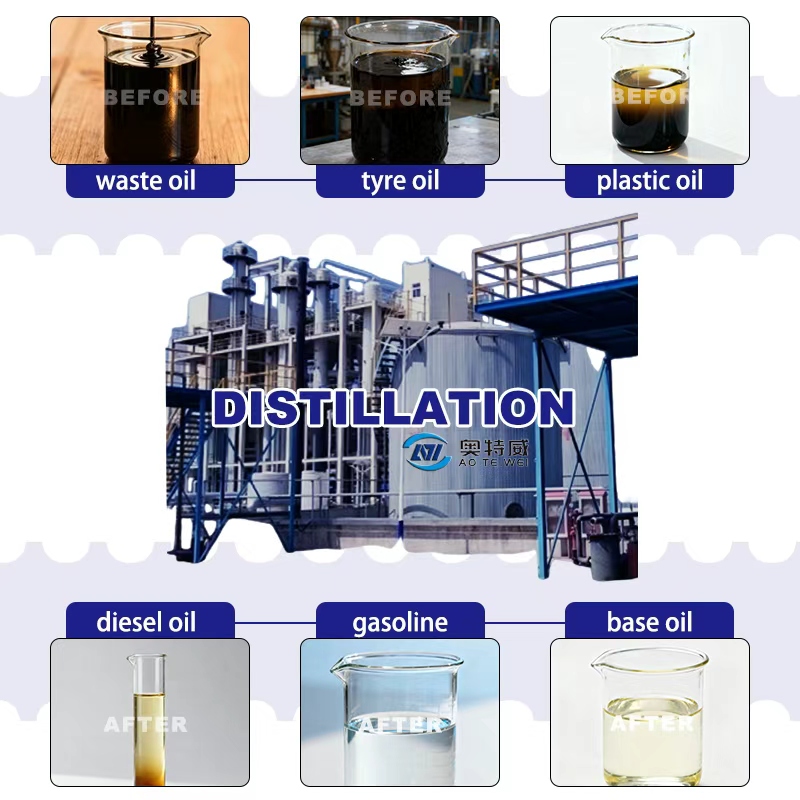
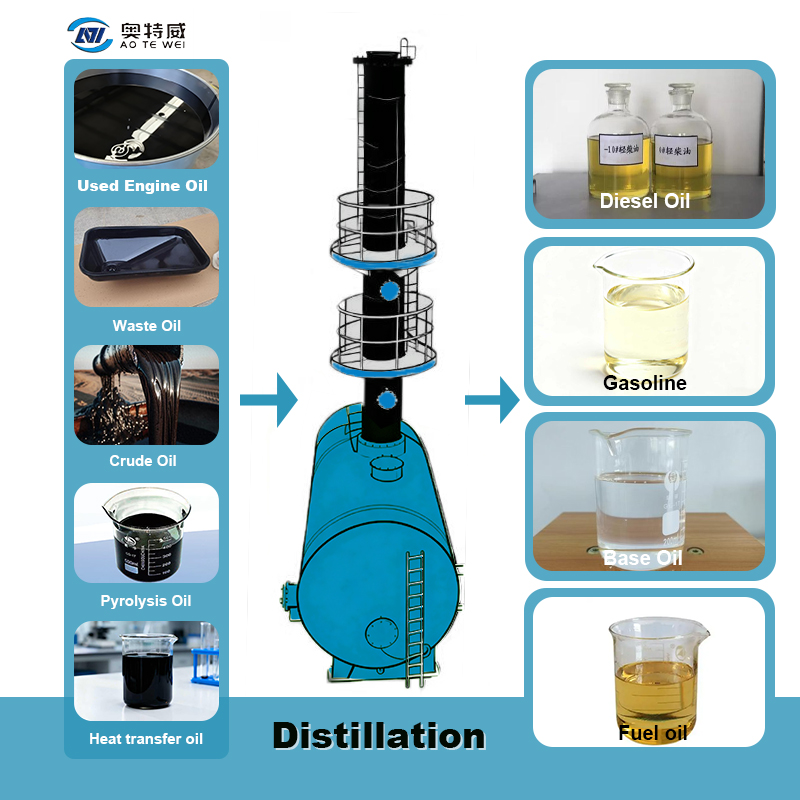
At the heart of every efficient crude oil processing plant lies its distillation system, and the technology embedded in this stage determines how much value you extract from every barrel of crude. Modern distillation units in a crude oil processing plant are engineered to achieve the highest possible separation efficiency, ensuring that each hydrocarbon fraction is recovered cleanly and directed to the appropriate downstream process. The atmospheric distillation column operates at near-ambient pressure and separates crude oil into fractions ranging from light gases at the top to heavy atmospheric residue at the bottom. The design of the column internals, including the tray spacing, downcomer geometry, and packing materials, is optimized through rigorous simulation to minimize energy consumption while maximizing throughput. What this means in practice is that you recover more usable product from the same volume of crude, directly improving your margin on every barrel processed. The vacuum distillation unit takes the heavy residue from the atmospheric column and processes it under reduced pressure, allowing heavier hydrocarbons to vaporize at lower temperatures without thermal cracking. This step recovers valuable gas oil fractions that would otherwise remain locked in the residue, feeding them into downstream conversion units such as hydrocracking or fluid catalytic cracking. The result is a higher yield of high-value middle distillates and lighter products. Temperature control across the distillation train is managed by a network of heat exchangers that recover energy from hot product streams and use it to preheat the incoming crude feed. This heat integration strategy reduces the fuel load on the crude furnace, cutting operating costs and lowering emissions simultaneously. Advanced process control systems continuously monitor column temperatures, pressures, and flow rates, making real-time adjustments that keep the distillation operation running at peak efficiency even as crude quality varies. For operators of a crude oil processing plant, this level of technological sophistication translates directly into competitive advantage. You process more crude, recover more product, spend less on energy, and maintain consistent product quality, all of which strengthen your position in the market and improve the return on your capital investment.
Integrated Conversion Units That Unlock Hidden Value in Heavy Fractions

Integrated Conversion Units That Unlock Hidden Value in Heavy Fractions

One of the most powerful features of a well-configured crude oil processing plant is its ability to convert low-value heavy fractions into premium products through integrated conversion technology. Without these units, a significant portion of every barrel processed would end up as heavy fuel oil or residue, products that sell at a steep discount to crude oil itself. With conversion units in place, that same material becomes gasoline, diesel, and jet fuel, products that sell at a substantial premium. Fluid catalytic cracking is the workhorse of this conversion process. It takes heavy gas oil from the distillation units and cracks the large hydrocarbon molecules into smaller, lighter ones using a fluidized catalyst at high temperature. The output is a rich stream of gasoline-range hydrocarbons, light cycle oil, and slurry oil, along with valuable light gases that can be used as fuel or petrochemical feedstocks. The catalyst is continuously regenerated within the unit, maintaining activity and allowing the process to run without interruption. Hydrocracking complements fluid catalytic cracking by processing heavier feeds under high hydrogen pressure in the presence of a catalyst. This process produces exceptionally clean middle distillates, including ultra-low-sulfur diesel and jet fuel, with very high yields. Because hydrocracking operates under hydrogen-rich conditions, the products are naturally low in sulfur and aromatics, meeting the tightest fuel quality specifications without additional treating. Coking units handle the heaviest, most refractory residues that other conversion processes cannot economically treat. Delayed coking thermally cracks these residues into lighter products and petroleum coke, a solid carbon product used in aluminum smelting and power generation. This ensures that virtually no part of the crude barrel is wasted. For the owner of a crude oil processing plant, integrated conversion capability means you are not at the mercy of the heavy fuel oil market. You control your product slate, you maximize the value of every fraction, and you build a more resilient and profitable operation that can adapt to changing market conditions and crude quality variations.
Robust Environmental and Quality Control Systems Built for Compliance and Reputation

Robust Environmental and Quality Control Systems Built for Compliance and Reputation

Operating a crude oil processing plant in today's regulatory environment requires more than just efficient processing. It demands a comprehensive approach to environmental protection and product quality assurance that satisfies regulators, customers, and the communities surrounding your facility. The environmental and quality control systems built into a modern crude oil processing plant are not afterthoughts. They are core components of the facility design, integrated from the ground up to ensure that your operation meets current standards and is prepared for future regulatory requirements. Hydrotreating units are the primary tool for sulfur removal across the product slate. These reactors use hydrogen and a catalyst to convert sulfur compounds in naphtha, kerosene, diesel, and other streams into hydrogen sulfide, which is then captured and converted to elemental sulfur in a sulfur recovery unit. The result is a portfolio of finished products that meet ultra-low-sulfur specifications required in most major markets. Producing compliant fuels is not just a regulatory obligation. It is a commercial necessity, because non-compliant products face rejection at the point of sale and can expose your business to significant financial penalties. Wastewater treatment systems manage the aqueous streams generated throughout the crude oil processing plant, removing hydrocarbons, suspended solids, and dissolved contaminants before discharge. Closed-loop cooling water systems minimize freshwater consumption, while vapor recovery units capture light hydrocarbon emissions from storage tanks and loading operations, reducing both environmental impact and product loss. Continuous emissions monitoring systems track stack emissions in real time, providing the data needed to demonstrate compliance and identify any process upsets before they become regulatory incidents. Product quality laboratories staffed by trained analysts perform routine testing on all product streams, verifying that specifications for density, viscosity, flash point, sulfur content, and other parameters are consistently met. Automated sampling systems ensure that test samples are representative of actual production, giving you confidence in the quality data you report to customers and regulators. For investors and operators of a crude oil processing plant, these systems protect your license to operate, preserve your reputation with customers, and reduce the financial risk associated with non-compliance. They are not a cost center. They are a strategic investment in the long-term sustainability of your business.

Get a Free Quote

Our representative will contact you soon.
Email
WhatsApp / Mobile
Name
Company Name
Message
0/1000
Newsletter
Please Leave A Message With Us