Mixed Municipal Plastic Waste to Fuel Technology - Convert Waste into Valuable Energy Resources

Get a Free Quote

Our representative will contact you soon.
Email
WhatsApp / Mobile
Name
Company Name
Message
0/1000

mixed municipal plastic waste to fuel

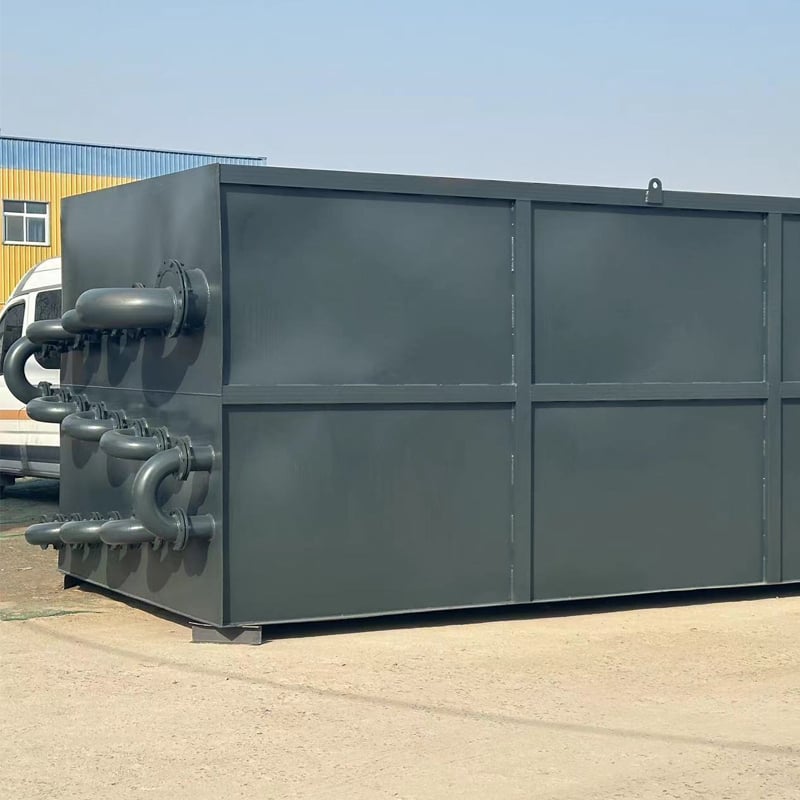
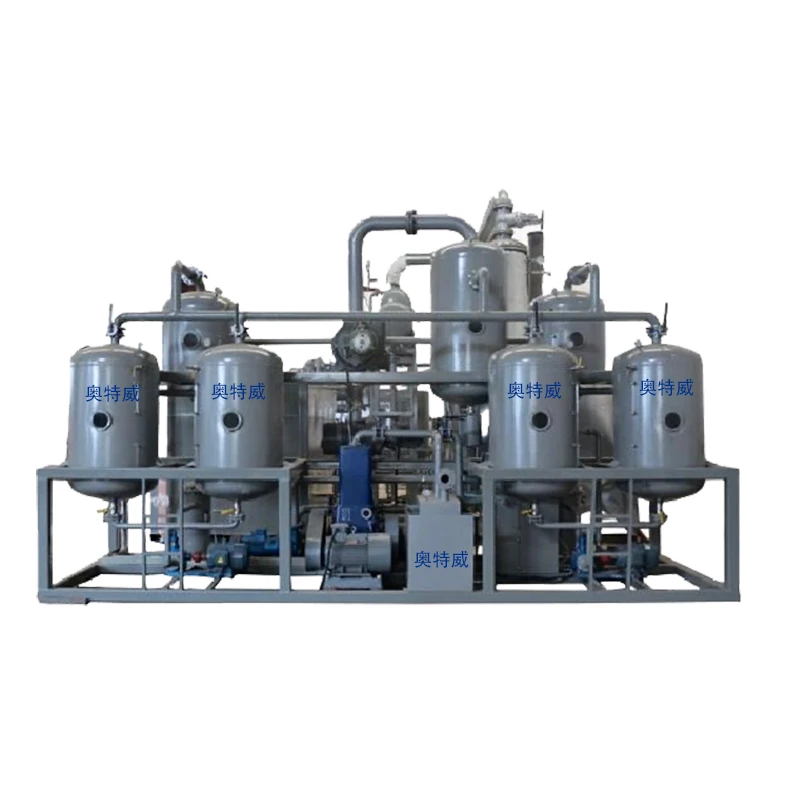
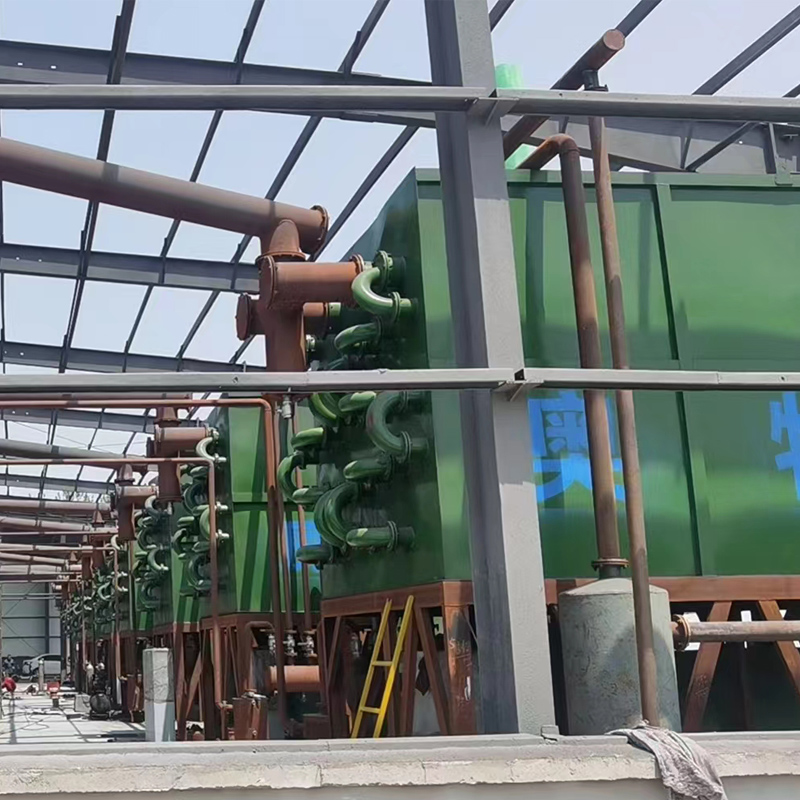
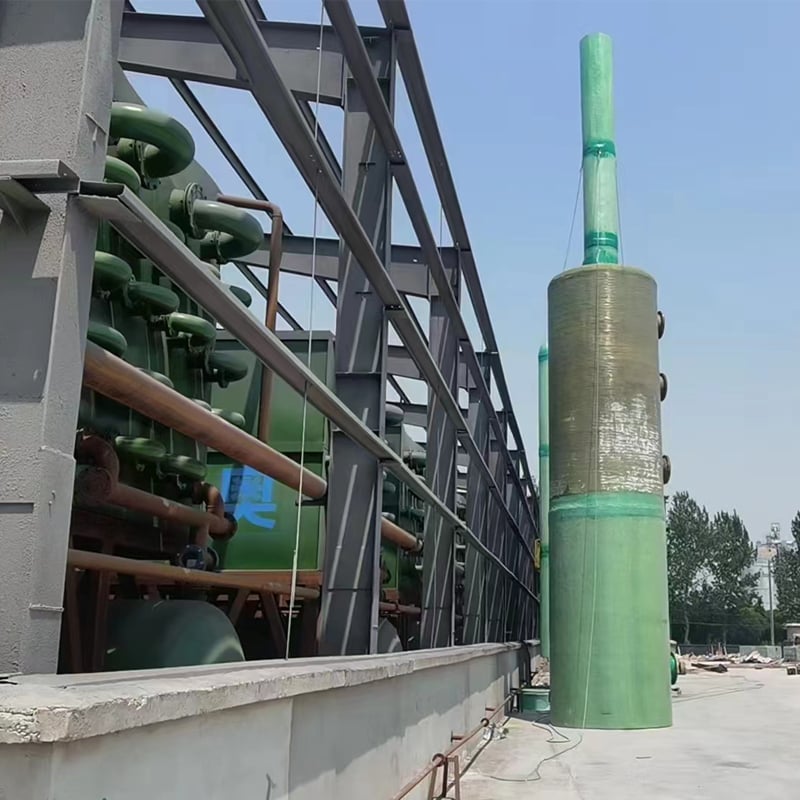
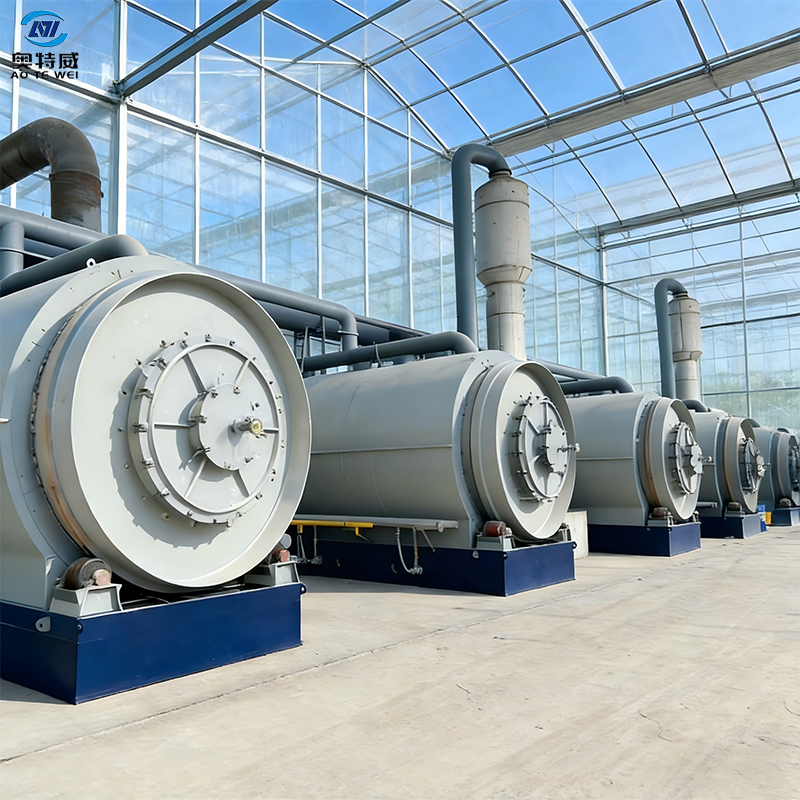
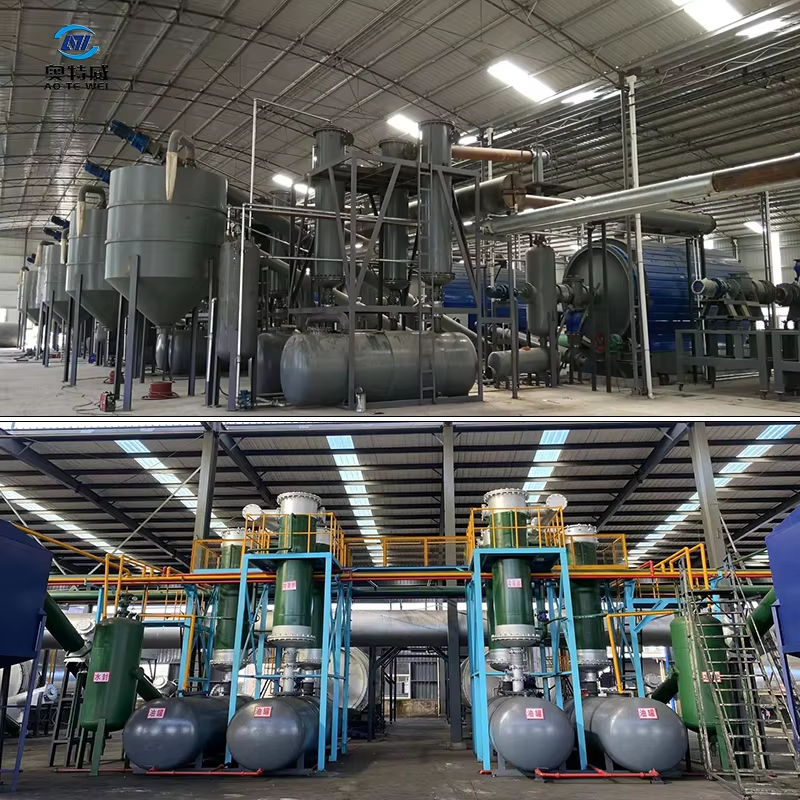
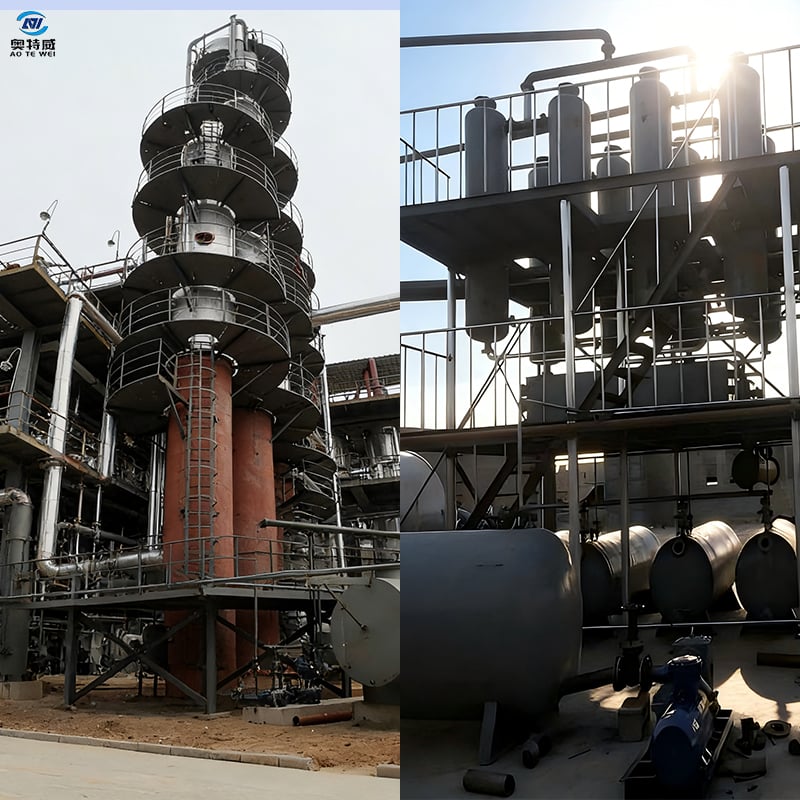
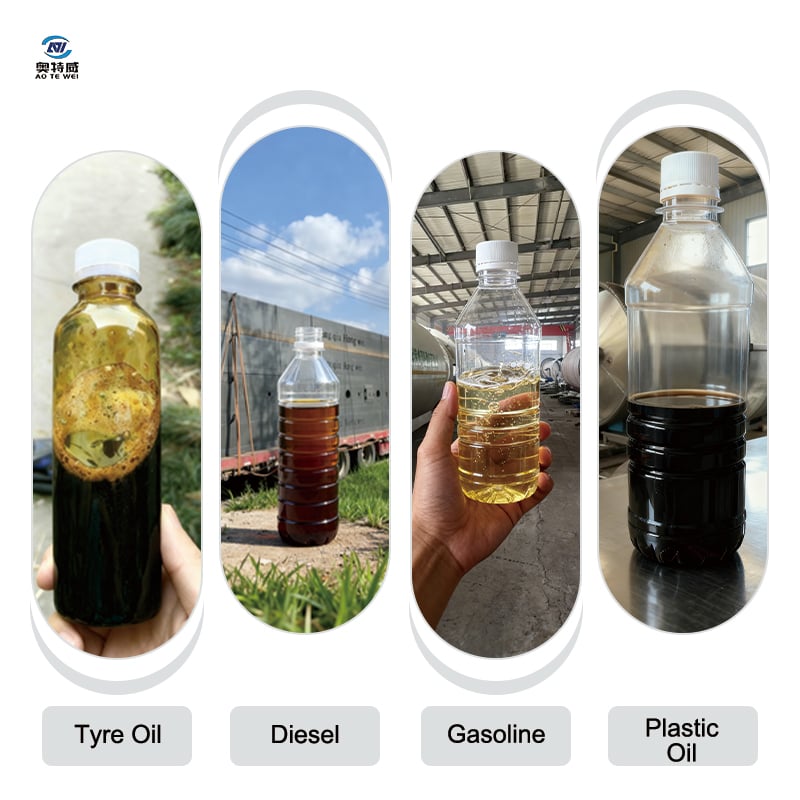
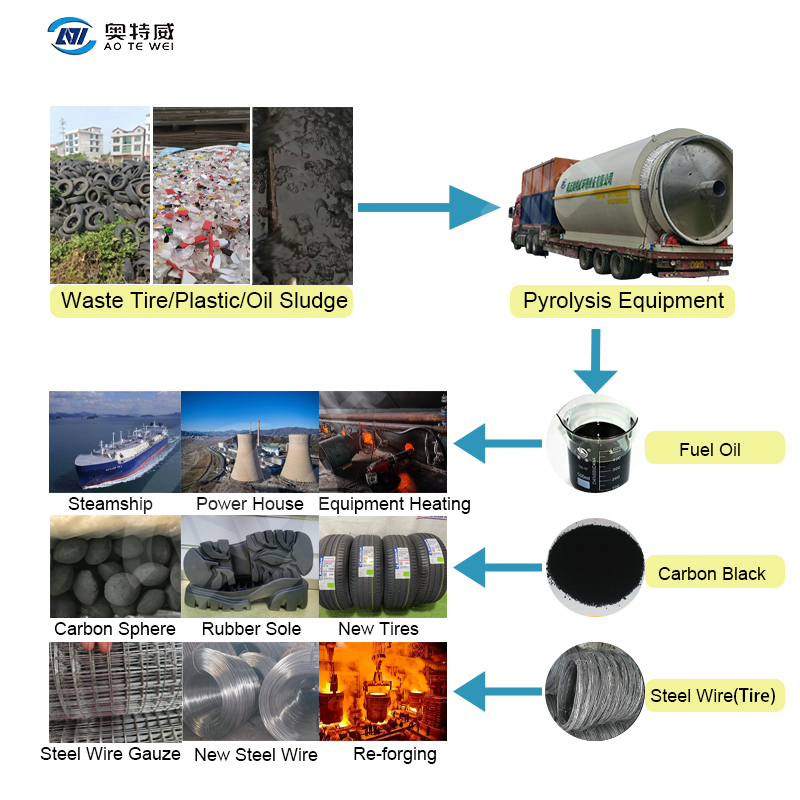
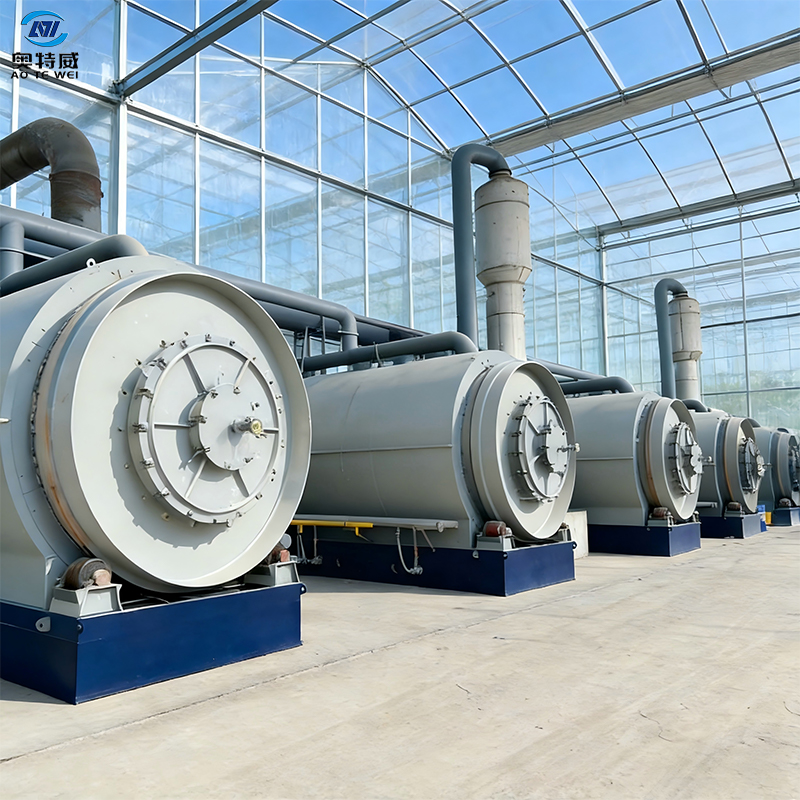
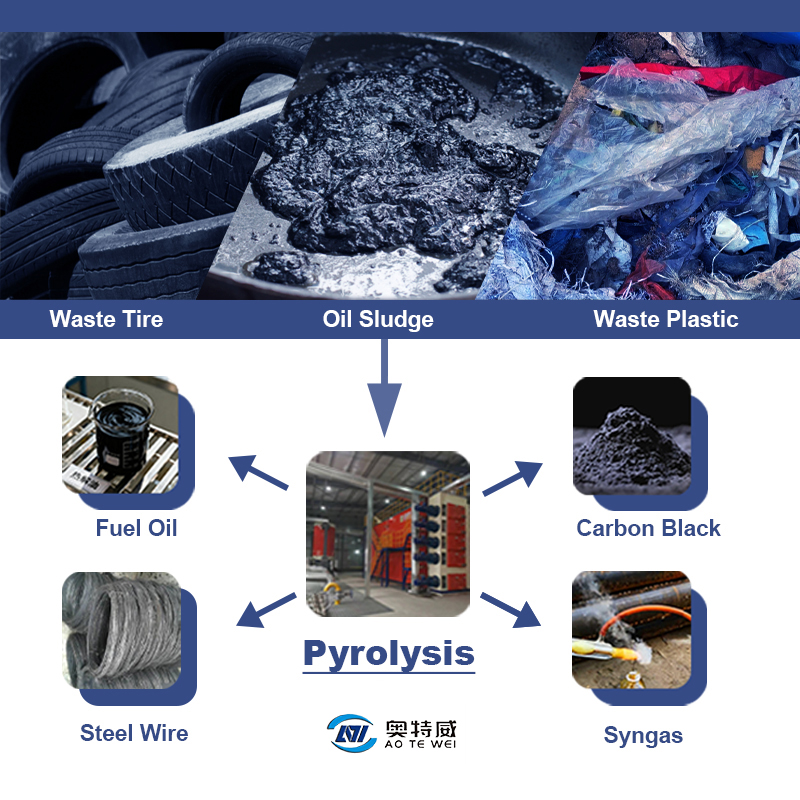
Mixed municipal plastic waste to fuel technology represents a groundbreaking solution to one of modern society's most pressing environmental challenges. This innovative conversion process transforms discarded plastic materials collected from households and commercial establishments into valuable liquid fuels that can power vehicles, generators, and industrial equipment. The technology addresses the dual crisis of overwhelming plastic pollution and fossil fuel dependency by creating a circular economy where waste becomes a resource. Municipal plastic waste typically includes polyethylene, polypropylene, polystyrene, and other polymer materials that accumulate in landfills and oceans. Through advanced thermochemical processes, these materials undergo molecular restructuring to produce diesel, gasoline, or other hydrocarbon fuels. The main function centers on waste valorization, converting materials with negative environmental impact into energy sources with practical commercial value. Technological features include sophisticated sorting systems that separate suitable plastics from contaminants, pre-processing units that shred and clean materials, reactor chambers where pyrolysis or gasification occurs at controlled temperatures, condensation systems that capture vapors and convert them to liquids, and purification stages that refine the output to meet fuel quality standards. Applications span multiple sectors including transportation fuel production, industrial heating requirements, power generation facilities, and chemical feedstock manufacturing. Municipalities benefit from reduced landfill burden while creating revenue streams from waste materials. The process typically operates at temperatures between 300 to 900 degrees Celsius depending on the specific technology employed, with residence times varying from minutes to hours. Modern facilities incorporate emission control systems ensuring environmental compliance, automated monitoring for process optimization, and safety protocols protecting workers and surrounding communities. This technology fundamentally reimagines waste management infrastructure by integrating energy recovery with environmental protection objectives.

New Product Releases

The advantages of mixed municipal plastic waste to fuel technology deliver tangible benefits that transform how communities manage resources and generate value from materials previously considered worthless. First, this approach drastically reduces the volume of plastic accumulating in landfills by up to ninety percent, extending landfill lifespan and decreasing the need for new disposal sites that consume valuable land and create environmental hazards. Communities save substantial money on waste transportation and landfill tipping fees while generating revenue from fuel sales. Second, the technology produces high-quality liquid fuels with energy content comparable to petroleum-derived products, offering a practical alternative energy source that requires minimal modification to existing engines and equipment. This fuel can power municipal vehicle fleets, agricultural machinery, backup generators, and industrial operations, reducing dependency on imported petroleum and enhancing energy security. Third, environmental benefits extend beyond waste reduction as the process prevents plastic pollution from entering waterways and oceans where it harms marine ecosystems and enters food chains. By intercepting plastic before environmental release, the technology protects wildlife, preserves natural habitats, and reduces microplastic contamination. Fourth, economic advantages include job creation across collection, sorting, processing, and distribution operations, stimulating local economies and providing employment opportunities in green technology sectors. Fifth, the carbon footprint often proves lower than traditional plastic disposal methods and virgin fuel production when properly managed, contributing to climate change mitigation strategies. Sixth, operational flexibility allows facilities to process mixed plastic streams without extensive sorting requirements, reducing preprocessing costs and complexity compared to mechanical recycling that demands material purity. Seventh, the technology handles contaminated plastics and multi-layer materials that mechanical recycling cannot process, capturing value from waste streams previously destined only for disposal. Eighth, communities achieve waste management targets and sustainability goals while demonstrating environmental leadership and attracting investment in green infrastructure. Ninth, energy produced locally reduces transportation costs and supply chain vulnerabilities associated with imported fuels. Tenth, the technology scales from small community operations to large regional facilities, accommodating different population sizes and waste generation rates with appropriate equipment configurations.

Practical Tips

Company Updates Factory Audit Video | On-site Shooting of Aotewei Environmental Protection Equipment, Transparently Showing Manufacturing Strength

08

Apr

Company Updates Factory Audit Video | On-site Shooting of Aotewei Environmental Protection Equipment, Transparently Showing Manufacturing Strength

To further improve supply chain transparency and optimize the factory audit experience for domestic and overseas customers, Shangqiu Aotewei Environmental Protection Equipment Co., Ltd. has recently completed a comprehensive update of its factory aud...
View More

Get a Free Quote

Our representative will contact you soon.
Email
WhatsApp / Mobile
Name
Company Name
Message
0/1000

mixed municipal plastic waste to fuel

Waste Volume Reduction and Resource Recovery

Waste Volume Reduction and Resource Recovery

The mixed municipal plastic waste to fuel technology delivers exceptional waste volume reduction capabilities that revolutionize municipal waste management strategies while simultaneously recovering valuable energy resources from materials that would otherwise pollute environments for centuries. Plastic waste constitutes a growing proportion of municipal solid waste streams, with many communities struggling to manage the increasing volumes generated by modern consumption patterns. Traditional disposal methods either bury these materials in landfills where they persist for hundreds of years without decomposing, or incinerate them producing emissions and requiring energy input without recovering maximum value. This conversion technology addresses both problems by reducing plastic waste volume by eighty-five to ninety-five percent depending on the specific materials processed and technology configuration employed. The dramatic volume reduction immediately alleviates pressure on limited landfill capacity, extending operational lifespans of existing facilities and postponing or eliminating the need for costly new landfill development. Communities avoid the political, environmental, and financial challenges associated with siting new disposal facilities, which often face significant public opposition and regulatory hurdles. Beyond volume reduction, the technology transforms waste into valuable fuel products that generate revenue streams and offset processing costs. Each ton of mixed municipal plastic waste to fuel conversion produces approximately 600 to 850 liters of liquid fuel depending on plastic composition and process efficiency, representing significant energy content that previously went unrealized. This resource recovery aspect fundamentally changes the economic equation of waste management, converting cost centers into potential profit generators. Municipalities can utilize produced fuels for their own operations, powering vehicle fleets, equipment, and facilities, directly reducing fuel procurement expenses. Alternatively, they can sell fuels to commercial markets, generating revenue that offsets waste management costs or funds other municipal services. The technology particularly benefits communities in remote or island locations where waste disposal options are limited and fuel importation costs are high.
Environmental Protection and Pollution Prevention

Environmental Protection and Pollution Prevention

Environmental protection represents a fundamental advantage of mixed municipal plastic waste to fuel technology, addressing multiple pollution pathways while contributing to broader sustainability objectives that concern governments, businesses, and citizens worldwide. Plastic pollution has emerged as one of the most visible and concerning environmental crises, with millions of tons entering oceans annually, forming massive accumulations in gyres, breaking down into microplastics that permeate ecosystems, and causing documented harm to marine life, birds, and terrestrial animals. By intercepting plastic waste before it enters natural environments, this conversion technology prevents pollution at the source, protecting waterways, coastlines, and marine ecosystems from contamination. The environmental benefits extend beyond immediate pollution prevention to include greenhouse gas reduction compared to alternative disposal methods. When plastic waste accumulates in landfills, it often releases methane and other gases during decomposition of organic materials mixed with plastics, contributing to climate change. Landfill leachate can also carry plastic additives and breakdown products into groundwater, creating contamination risks. Waste to fuel conversion occurs in controlled environments with emission management systems that capture and treat process gases, preventing uncontrolled releases. The fuel products themselves offer environmental advantages when substituting for virgin petroleum fuels, as they utilize carbon already in circulation rather than extracting additional fossil carbon from underground reserves. Life cycle assessments often demonstrate favorable environmental profiles for mixed municipal plastic waste to fuel systems compared to landfilling or conventional incineration, particularly when displacing petroleum diesel or gasoline. The technology also addresses the problem of materials that cannot feasibly undergo mechanical recycling, including contaminated plastics, multi-layer packaging, films, and mixed polymer products. These materials represent a significant portion of municipal plastic waste and would otherwise have no recovery pathway. By providing a viable outlet for these challenging materials, waste to fuel technology complements mechanical recycling, creating a comprehensive waste management strategy that maximizes resource recovery across all plastic types.
Energy Independence and Economic Development

Energy Independence and Economic Development

The energy independence and economic development advantages of mixed municipal plastic waste to fuel technology create compelling value propositions for communities seeking to enhance local resilience while building sustainable economies. Energy security concerns affect nations and communities worldwide as geopolitical instability, supply disruptions, and price volatility impact fuel availability and cost. Local fuel production from municipal plastic waste provides communities with a measure of energy independence, reducing reliance on external suppliers and creating buffers against supply chain disruptions. This proves particularly valuable for remote communities, islands, and regions with limited access to refineries or distribution infrastructure where fuel transportation adds significant costs. Producing fuel locally from waste materials that would otherwise require disposal expense transforms the economic calculation, converting a cost into an asset. The technology creates multiple economic development opportunities beginning with facility construction and equipment installation that employs engineers, construction workers, and specialized technicians. Ongoing operations require trained personnel for waste collection, sorting, processing, maintenance, quality control, and distribution, creating stable employment opportunities in green technology sectors. These positions often pay competitive wages and provide skills transferable across energy and environmental industries, supporting workforce development objectives. The economic multiplier effects extend throughout communities as employees spend wages locally and facilities purchase supplies and services from regional vendors. Mixed municipal plastic waste to fuel facilities can anchor broader industrial ecology initiatives, potentially supplying fuel to local businesses at competitive prices, supporting agricultural operations, or powering transportation networks. Communities may structure projects as public-private partnerships, municipal enterprises, or cooperatives depending on local circumstances and objectives, maintaining flexibility in governance and revenue distribution. The technology also attracts investment in green infrastructure, positioning communities as environmental leaders and innovation hubs. Grant funding, impact investment, and green bonds increasingly support waste to energy projects that demonstrate environmental and social benefits alongside financial returns. Successfully operating facilities provide proof of concept and operational data that can attract additional investment in complementary technologies or expanded capacity.

Get a Free Quote

Our representative will contact you soon.
Email
WhatsApp / Mobile
Name
Company Name
Message
0/1000
Newsletter
Please Leave A Message With Us