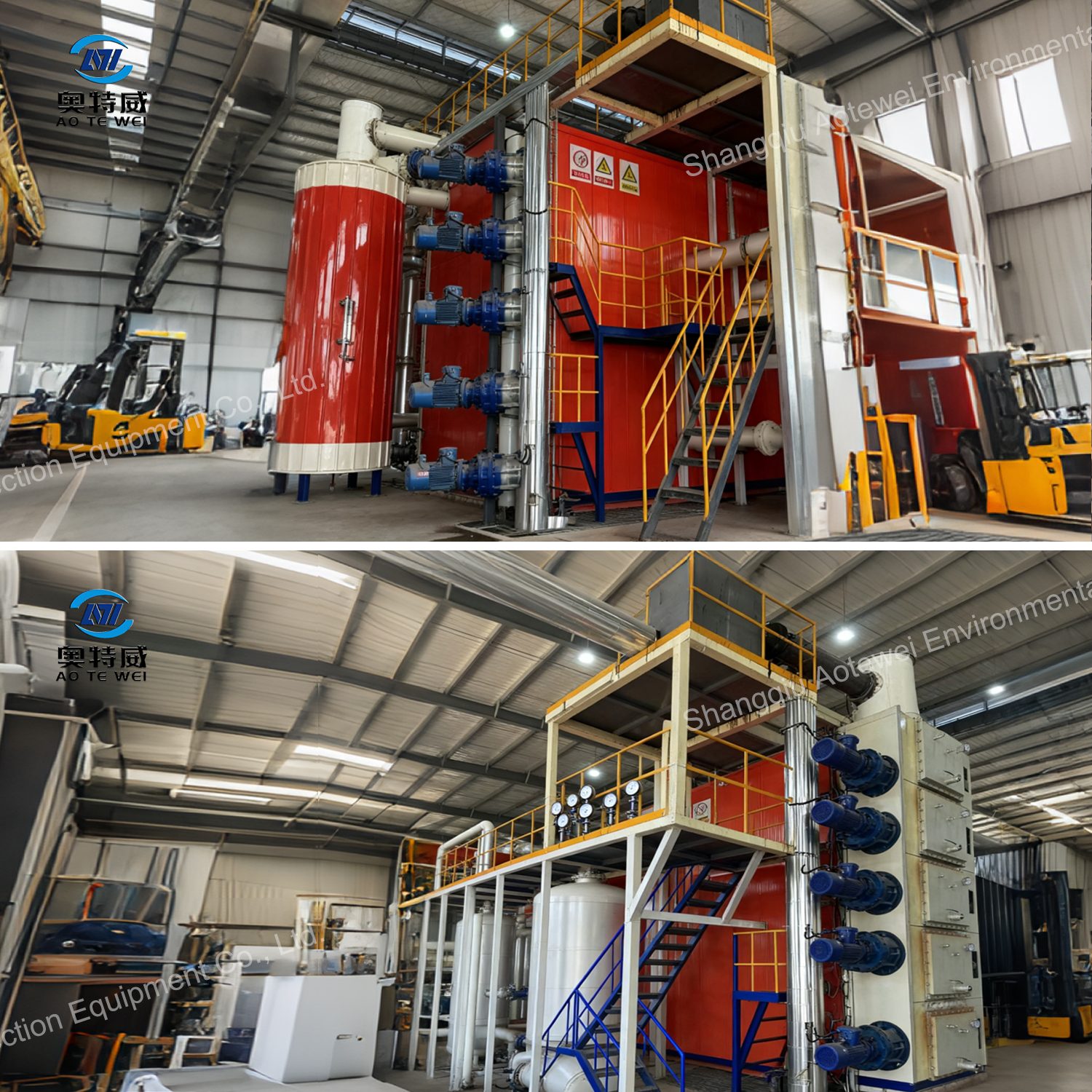
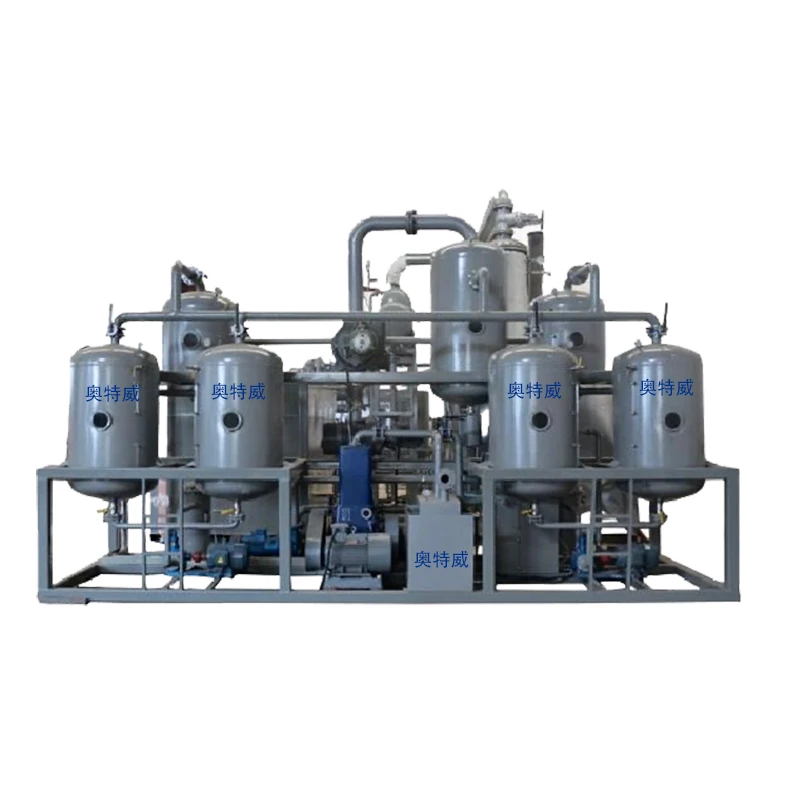
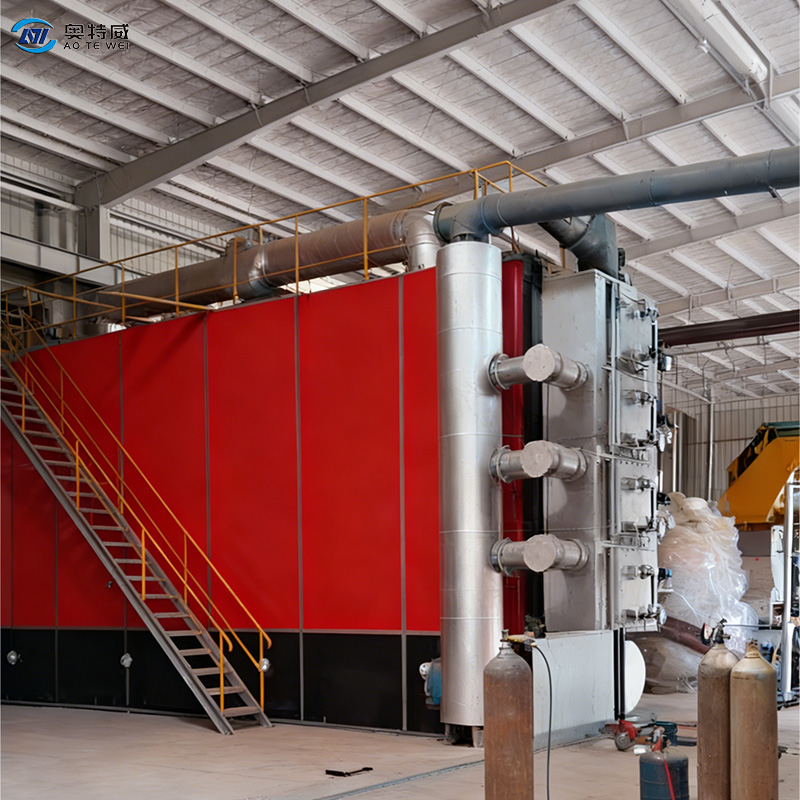
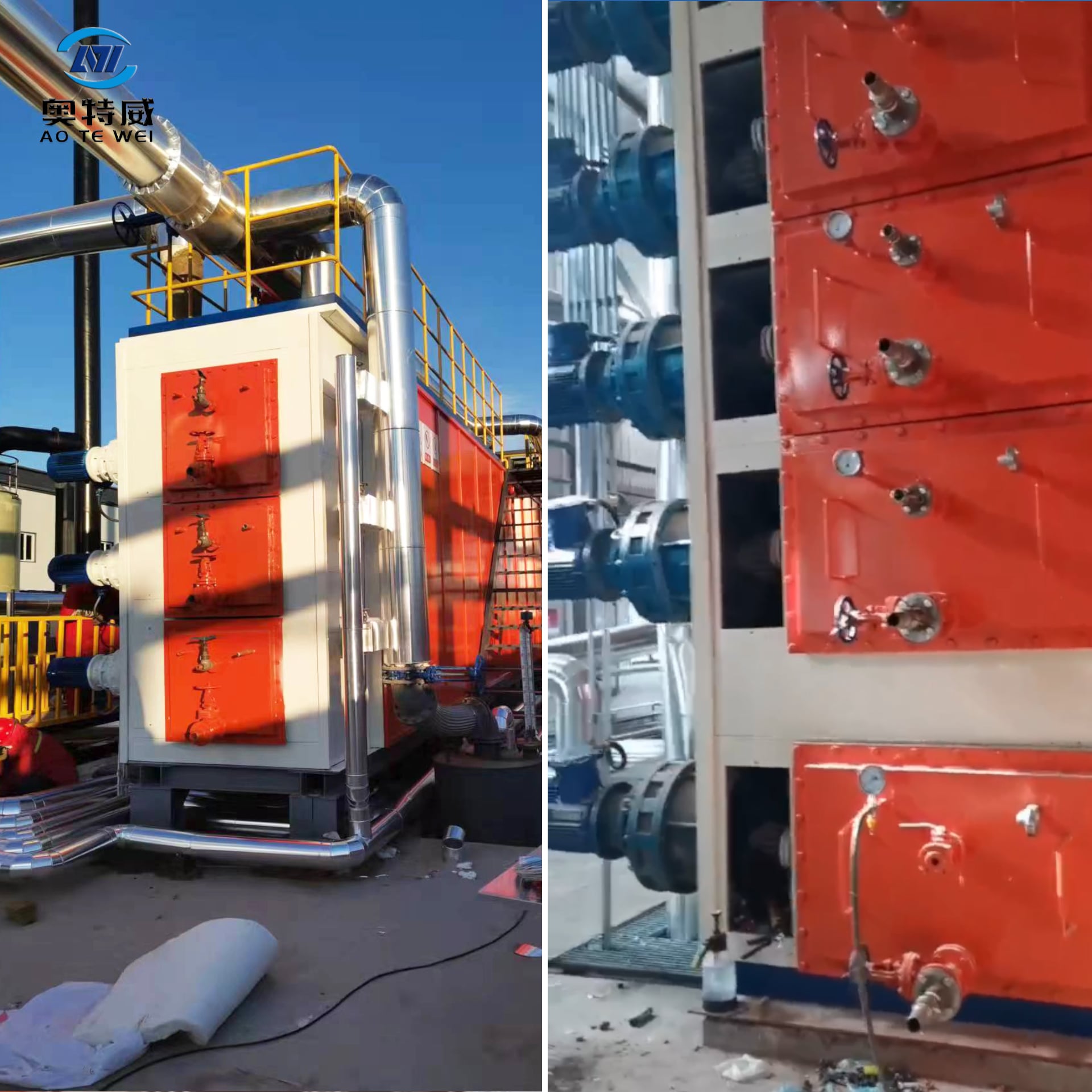
Professional Plastic Scrap Recycling Solutions - Advanced Technology for Sustainable Waste Management

Get a Free Quote

Our representative will contact you soon.
Email
WhatsApp / Mobile
Name
Company Name
Message
0/1000

plastic scrap recycling

Plastic scrap recycling represents a transformative industrial process that converts discarded plastic materials into reusable raw materials, addressing both environmental concerns and resource efficiency challenges. This sophisticated system encompasses collection, sorting, cleaning, processing, and regeneration of plastic waste into high-quality pellets or flakes suitable for manufacturing new products. The main functions of plastic scrap recycling include waste reduction, resource conservation, and the creation of circular economy opportunities within manufacturing sectors. Modern plastic scrap recycling facilities utilize advanced machinery such as shredders, granulators, washing systems, extrusion lines, and pelletizing equipment to handle various polymer types including polyethylene, polypropylene, polyethylene terephthalate, and polyvinyl chloride. Technological features of contemporary plastic scrap recycling systems incorporate automated sorting mechanisms using optical sensors and artificial intelligence algorithms that identify different plastic types with remarkable accuracy. These intelligent systems significantly improve processing efficiency while reducing contamination rates. The washing and purification stages employ multi-stage filtration and hot-washing technologies that remove contaminants, labels, adhesives, and residual substances, ensuring the output material meets stringent quality standards. Extrusion and pelletizing components operate at precisely controlled temperatures and pressures, transforming cleaned plastic flakes into uniform pellets with consistent physical properties. Applications of plastic scrap recycling span numerous industries including packaging manufacturing, automotive component production, construction materials, textile fibers, furniture manufacturing, and consumer goods production. Environmental applications extend to creating sustainable alternatives for traditional materials, reducing landfill dependency, and decreasing carbon emissions associated with virgin plastic production. The versatility of plastic scrap recycling technology enables processors to handle both post-consumer waste from households and post-industrial scrap from manufacturing facilities, creating comprehensive solutions for plastic waste management across the entire supply chain.

New Product Recommendations

Plastic scrap recycling delivers substantial economic benefits by transforming waste materials into valuable commodities, reducing raw material procurement costs for manufacturers. Companies implementing plastic scrap recycling systems experience significant savings on material expenses, as recycled plastic typically costs considerably less than virgin resin while maintaining comparable performance characteristics. This cost advantage directly improves profit margins and enhances competitive positioning in price-sensitive markets. Environmental advantages constitute another compelling reason to adopt plastic scrap recycling, as these systems dramatically reduce the volume of plastic waste entering landfills and oceans. By diverting plastic scrap from disposal sites, recycling operations contribute to cleaner ecosystems and healthier communities. The energy consumption required for plastic scrap recycling is substantially lower compared to producing new plastic from petroleum-based feedstocks, resulting in reduced greenhouse gas emissions and a smaller carbon footprint. Businesses embracing plastic scrap recycling enhance their corporate social responsibility profiles, appealing to environmentally conscious consumers and meeting increasingly stringent regulatory requirements. Operational flexibility represents a key practical benefit, as modern plastic scrap recycling equipment handles diverse plastic types and contamination levels, adapting to varying feedstock conditions without extensive reconfiguration. This adaptability ensures consistent productivity regardless of input material variations, maintaining steady output quality and production rates. Quality assurance capabilities built into contemporary plastic scrap recycling systems guarantee that recycled materials meet demanding specifications for mechanical strength, appearance, and processing characteristics. Manufacturers can confidently incorporate recycled content into their products without compromising performance or aesthetic standards. Supply chain resilience improves when companies integrate plastic scrap recycling into their operations, reducing dependence on volatile virgin material markets and mitigating supply disruption risks. Local recycling capabilities provide greater control over material sourcing and inventory management. Job creation and economic development follow the establishment of plastic scrap recycling facilities, generating employment opportunities in collection, sorting, processing, quality control, and logistics sectors. These positions support local economies while building skilled workforce capacity. Market demand for recycled plastic continues growing as consumer preferences shift toward sustainable products, creating expanding business opportunities for companies offering recycled materials. Brand reputation enhancement occurs naturally when businesses demonstrate genuine commitment to sustainability through plastic scrap recycling initiatives, fostering customer loyalty and attracting partnership opportunities with like-minded organizations.

Practical Tips

Company Updates Factory Audit Video | On-site Shooting of Aotewei Environmental Protection Equipment, Transparently Showing Manufacturing Strength

08

Apr

Company Updates Factory Audit Video | On-site Shooting of Aotewei Environmental Protection Equipment, Transparently Showing Manufacturing Strength

To further improve supply chain transparency and optimize the factory audit experience for domestic and overseas customers, Shangqiu Aotewei Environmental Protection Equipment Co., Ltd. has recently completed a comprehensive update of its factory aud...
View More

Get a Free Quote

Our representative will contact you soon.
Email
WhatsApp / Mobile
Name
Company Name
Message
0/1000

plastic scrap recycling

Advanced Automation Technology Maximizing Processing Efficiency

Advanced Automation Technology Maximizing Processing Efficiency

The integration of advanced automation technology within plastic scrap recycling systems revolutionizes how facilities process waste materials, delivering unprecedented levels of efficiency, consistency, and quality control. Modern plastic scrap recycling operations deploy sophisticated sensor-based sorting systems equipped with near-infrared spectroscopy, color recognition cameras, and density separation technologies that automatically identify and segregate different plastic types at remarkable speeds. These intelligent sorting mechanisms process thousands of pounds of mixed plastic waste per hour, achieving separation accuracy rates exceeding ninety-five percent while minimizing manual labor requirements and human error. The automation extends throughout the entire plastic scrap recycling workflow, from initial material handling through final pellet production. Programmable logic controllers coordinate machinery operations, optimizing processing parameters in real-time based on feedstock characteristics and desired output specifications. Temperature regulation, feed rates, screen changeover timing, and cooling cycles adjust automatically to maintain optimal conditions, ensuring consistent product quality regardless of input material variations. Automated quality monitoring systems continuously analyze output characteristics using inline sensors that measure melt flow index, density, moisture content, and contamination levels. When deviations from target specifications occur, the system automatically adjusts processing parameters or alerts operators, preventing off-specification material from entering finished product streams. This continuous monitoring capability dramatically reduces waste and rework while maintaining stringent quality standards demanded by end-users. The productivity gains achieved through automation in plastic scrap recycling are substantial, with modern facilities processing two to three times more material compared to conventional manual operations. Labor costs decrease significantly as fewer workers accomplish greater throughput, while workplace safety improves by reducing human exposure to potentially hazardous tasks. Maintenance efficiency benefits from predictive analytics embedded within automated plastic scrap recycling systems, which monitor equipment performance metrics and identify potential failures before breakdowns occur. This proactive maintenance approach minimizes unplanned downtime, extends equipment lifespan, and reduces repair costs. The data collection capabilities inherent in automated systems provide valuable business intelligence, enabling operators to track production metrics, identify optimization opportunities, and demonstrate compliance with environmental regulations and customer quality requirements.
Environmental Impact Reduction Creating Sustainable Solutions

Environmental Impact Reduction Creating Sustainable Solutions

Plastic scrap recycling stands as a cornerstone solution for addressing the global plastic pollution crisis, delivering measurable environmental benefits that extend far beyond simple waste diversion. Every ton of plastic processed through recycling systems prevents approximately two tons of carbon dioxide equivalent emissions compared to virgin plastic production, contributing significantly to climate change mitigation efforts. The environmental advantages of plastic scrap recycling begin with dramatic reductions in petroleum consumption, as recycled plastic requires no crude oil extraction or refining. This conservation of fossil resources preserves finite natural reserves while avoiding the environmental degradation associated with oil exploration, drilling, and transportation. Water conservation represents another critical environmental benefit, as plastic scrap recycling consumes substantially less water than virgin polymer production. Traditional plastic manufacturing requires extensive water usage for cooling and processing, whereas recycling operations utilize efficient closed-loop water systems that minimize consumption and eliminate discharge of contaminated wastewater into natural waterways. Marine ecosystem protection directly results from effective plastic scrap recycling implementation, as proper collection and processing prevent plastic waste from entering rivers, lakes, and oceans where it persists for centuries, harming aquatic life and contaminating food chains. Communities establishing comprehensive plastic scrap recycling programs report measurable reductions in plastic pollution levels in local environments. Landfill space preservation constitutes a practical environmental advantage particularly valuable in densely populated regions where disposal capacity is limited and expensive. Plastic materials occupy substantial landfill volume and resist decomposition for hundreds of years, creating long-term environmental liabilities. Recycling these materials eliminates this burden while recovering their inherent value. Air quality improvements result from plastic scrap recycling adoption, as the process generates significantly fewer airborne emissions compared to incineration or virgin plastic production. The reduced energy requirements of recycling translate directly to decreased combustion of fossil fuels for electricity generation, lowering particulate matter, sulfur dioxide, and nitrogen oxide emissions that contribute to respiratory health problems. Biodiversity protection connects to plastic scrap recycling through reduced pollution and habitat preservation. Wildlife populations suffer devastating impacts from plastic waste accumulation in natural environments, with countless species experiencing ingestion, entanglement, and habitat degradation. Effective recycling systems address these threats at their source.
Economic Value Generation Through Circular Economy Integration

Economic Value Generation Through Circular Economy Integration

Plastic scrap recycling creates substantial economic value by transforming waste streams into profitable revenue sources while simultaneously reducing disposal costs, embodying the principles of circular economy that prioritize resource efficiency and continuous material utilization. Forward-thinking businesses recognize plastic scrap recycling as a strategic investment rather than an operational expense, capturing financial returns through multiple channels including material sales, tipping fees, disposal cost avoidance, and enhanced market positioning. The revenue potential from recycled plastic sales continues expanding as market demand intensifies driven by corporate sustainability commitments, consumer preferences, and regulatory mandates requiring recycled content in manufactured products. Companies producing high-quality recycled pellets from plastic scrap recycling operations command premium pricing, particularly for food-grade and technical-grade materials meeting rigorous purity standards. Market analysis indicates steady price appreciation for quality recycled plastics, creating favorable long-term investment prospects. Cost avoidance represents an equally important economic dimension, as businesses generating substantial plastic waste traditionally face significant disposal expenses through landfill tipping fees, transportation costs, and regulatory compliance burdens. Implementing plastic scrap recycling infrastructure eliminates these ongoing expenses while potentially generating income from materials previously considered worthless. Manufacturing operations integrating plastic scrap recycling into production workflows achieve additional cost savings by substituting expensive virgin resins with economical recycled materials without compromising product performance. This raw material cost reduction directly improves manufacturing margins, enhancing competitiveness in price-sensitive markets. Supply chain optimization emerges as a strategic economic advantage when companies establish in-house or partnership-based plastic scrap recycling capabilities, gaining greater control over material sourcing, pricing stability, and inventory management. Reduced dependence on external suppliers mitigates exposure to commodity price volatility and supply disruptions that can severely impact production continuity and profitability. The employment multiplier effect associated with plastic scrap recycling infrastructure development generates broader economic benefits throughout communities, creating jobs across collection, processing, equipment maintenance, transportation, and quality assurance functions. These positions typically offer competitive wages and skills development opportunities, contributing to local economic prosperity. Government incentives, tax credits, and grant programs supporting plastic scrap recycling initiatives further enhance economic returns, improving project financial viability and accelerating payback periods. Many jurisdictions offer substantial financial support recognizing the environmental and economic benefits these operations deliver. Brand value enhancement constitutes an intangible yet significant economic advantage, as companies demonstrating authentic sustainability commitment through plastic scrap recycling attract customer loyalty, command premium pricing, and access growing market segments prioritizing environmental responsibility.

Get a Free Quote

Our representative will contact you soon.
Email
WhatsApp / Mobile
Name
Company Name
Message
0/1000
Newsletter
Please Leave A Message With Us