Plastic Pyrolysis Technology: Convert Waste Plastic Into Fuel and Recover Value

Get a Free Quote

Our representative will contact you soon.
Email
WhatsApp / Mobile
Name
Company Name
Message
0/1000

plastic pyrolysis technology

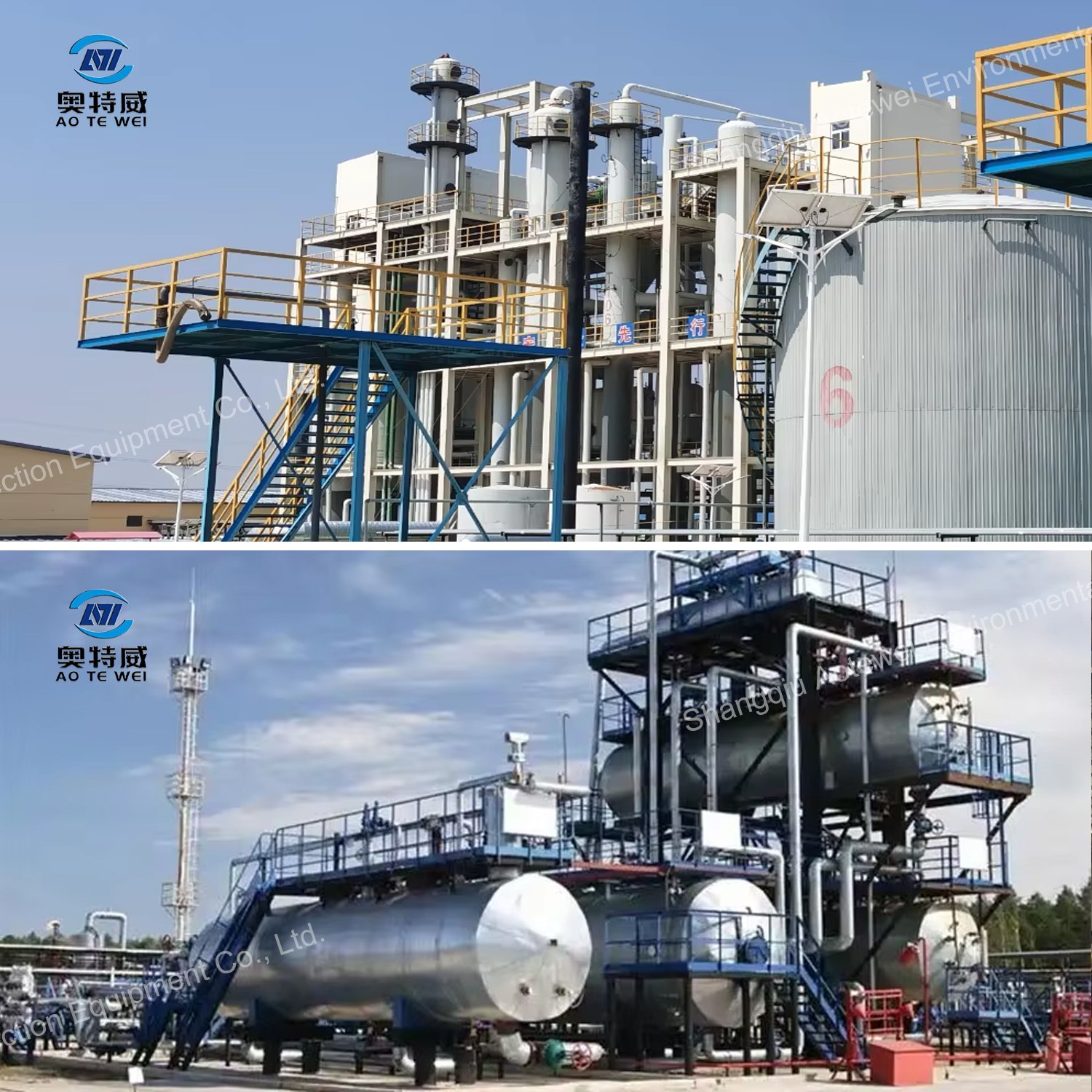
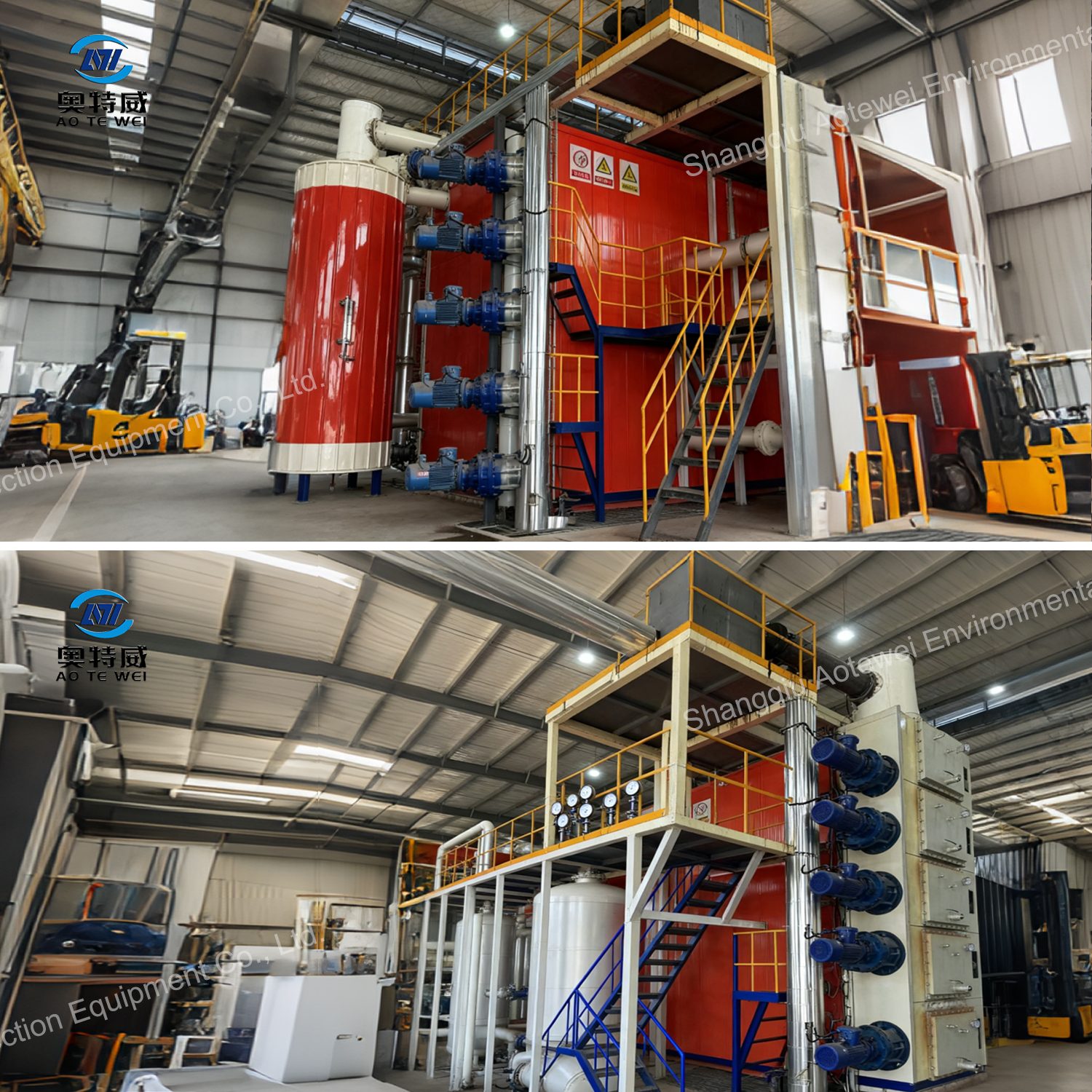
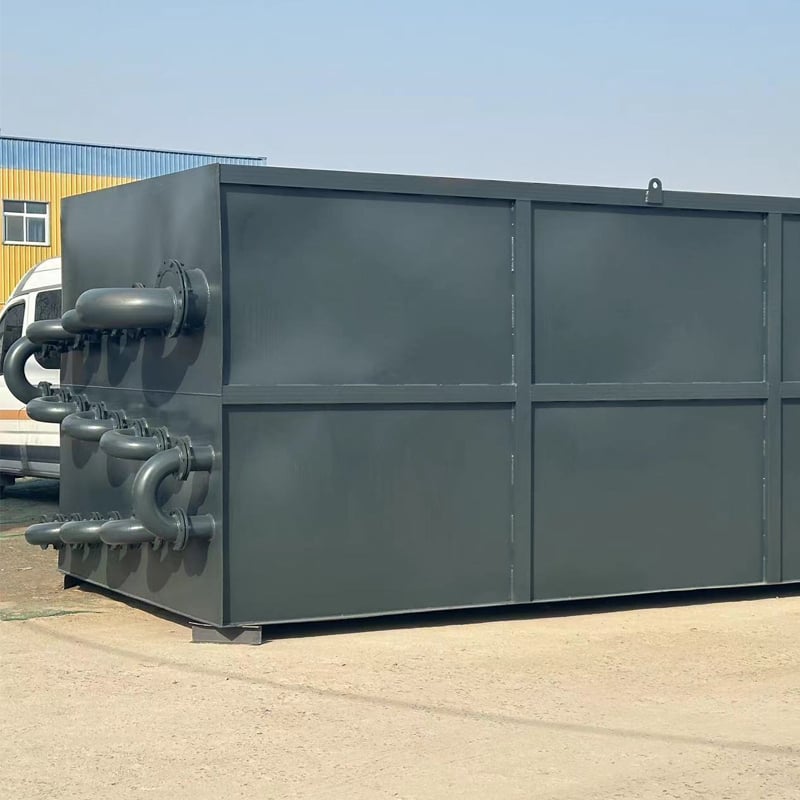
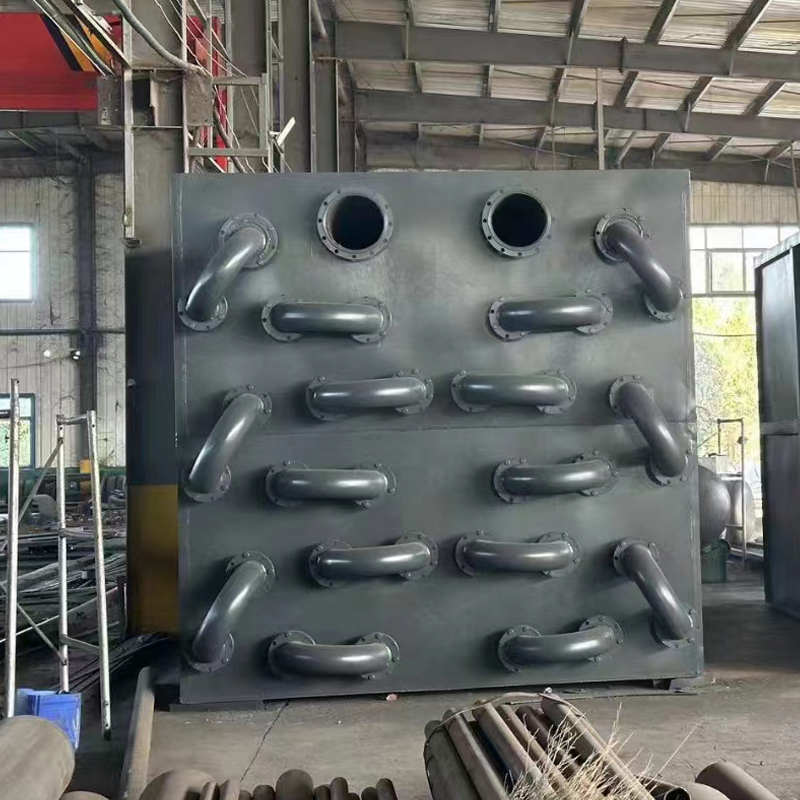
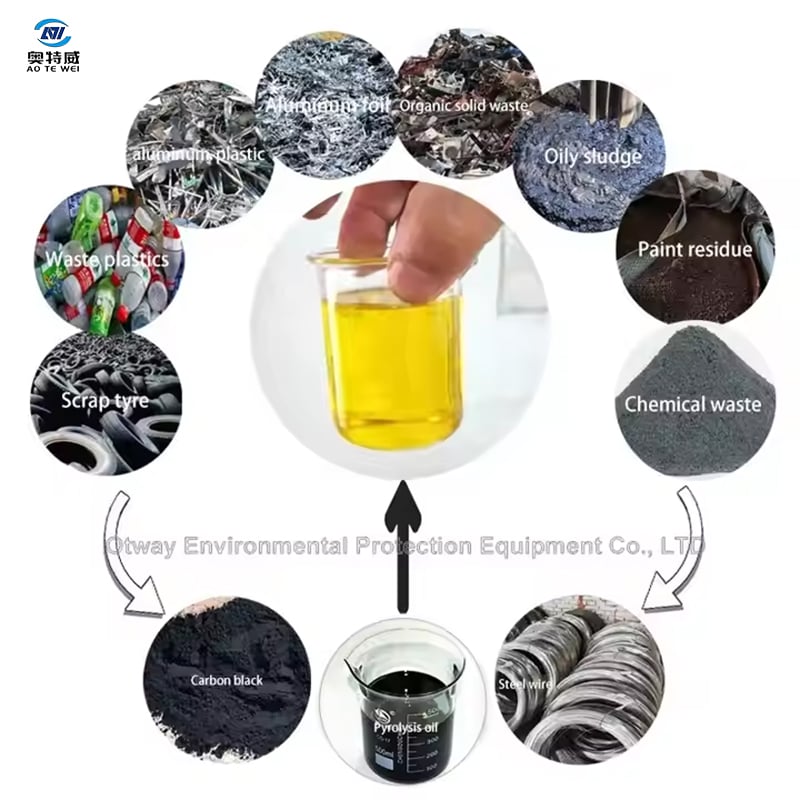
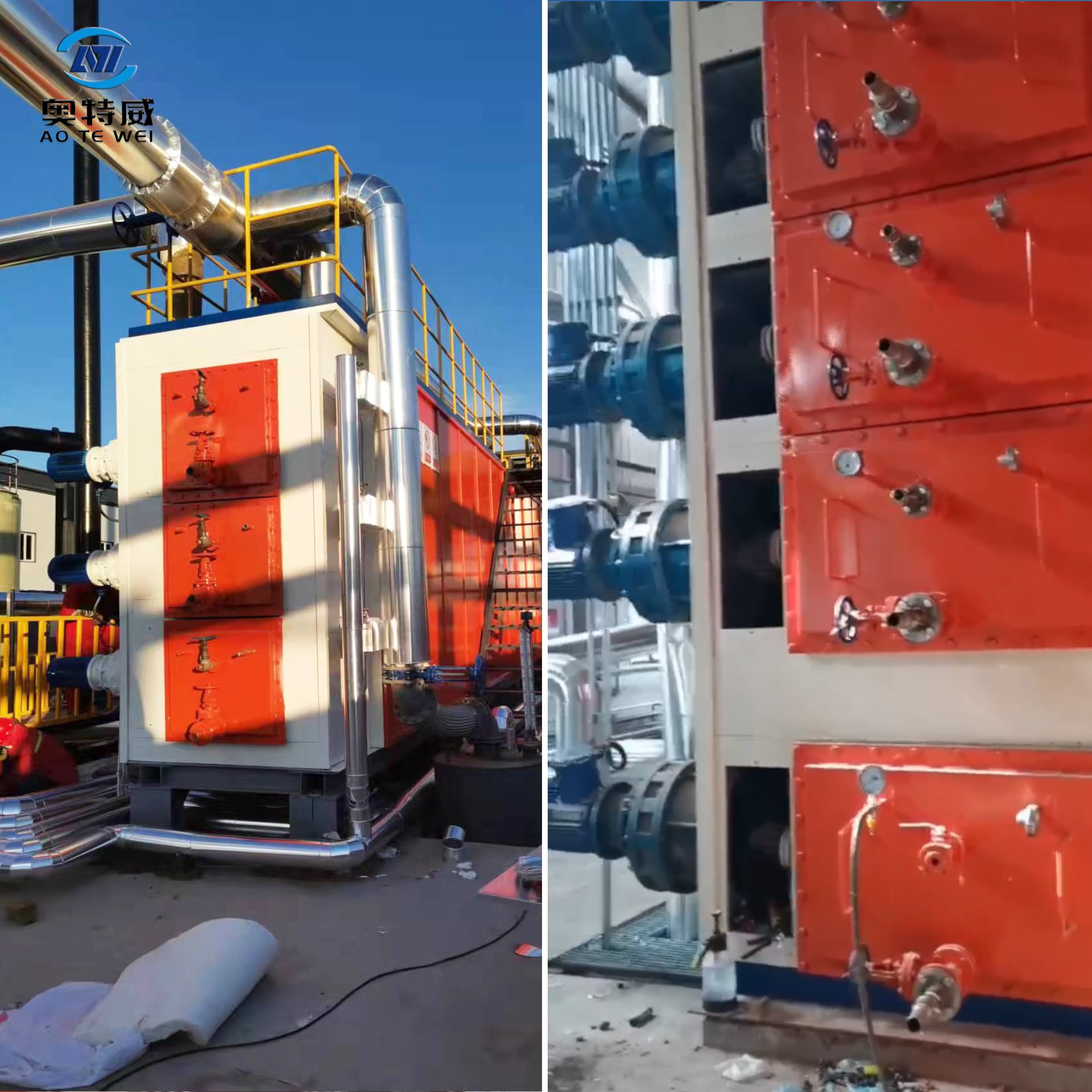
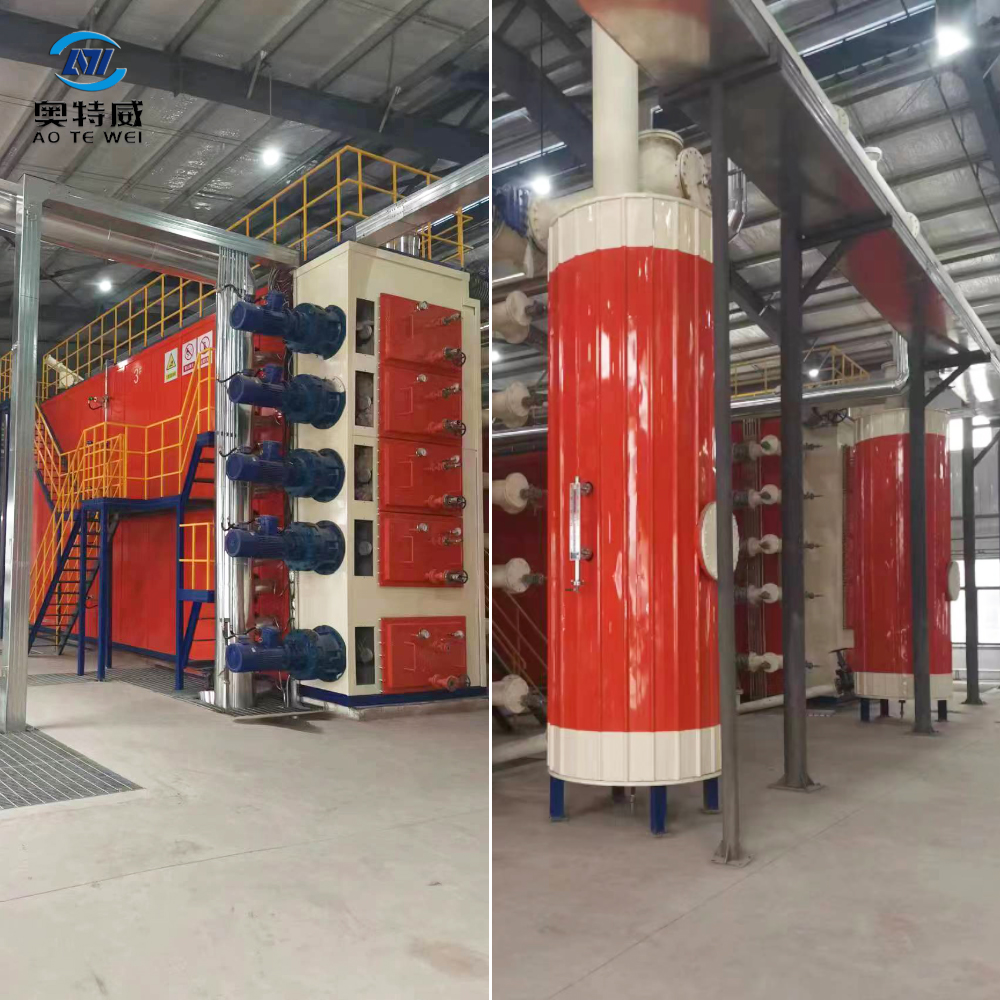
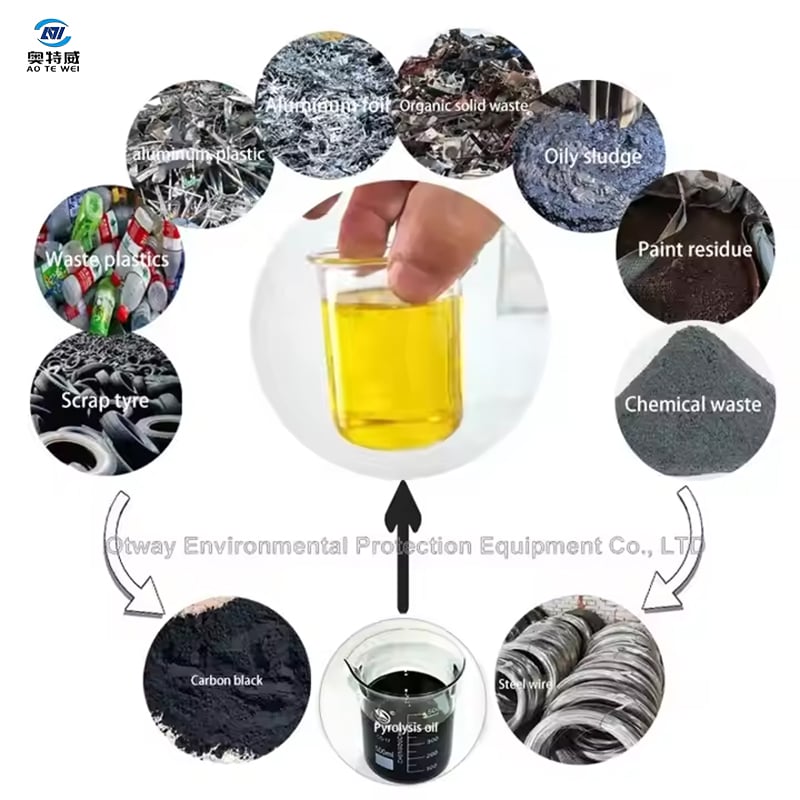
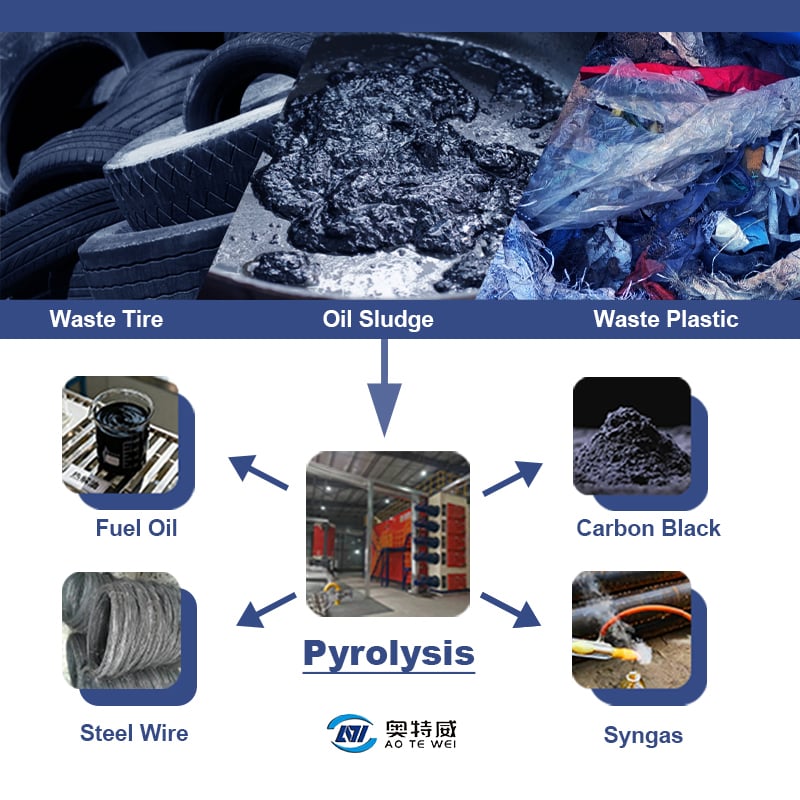
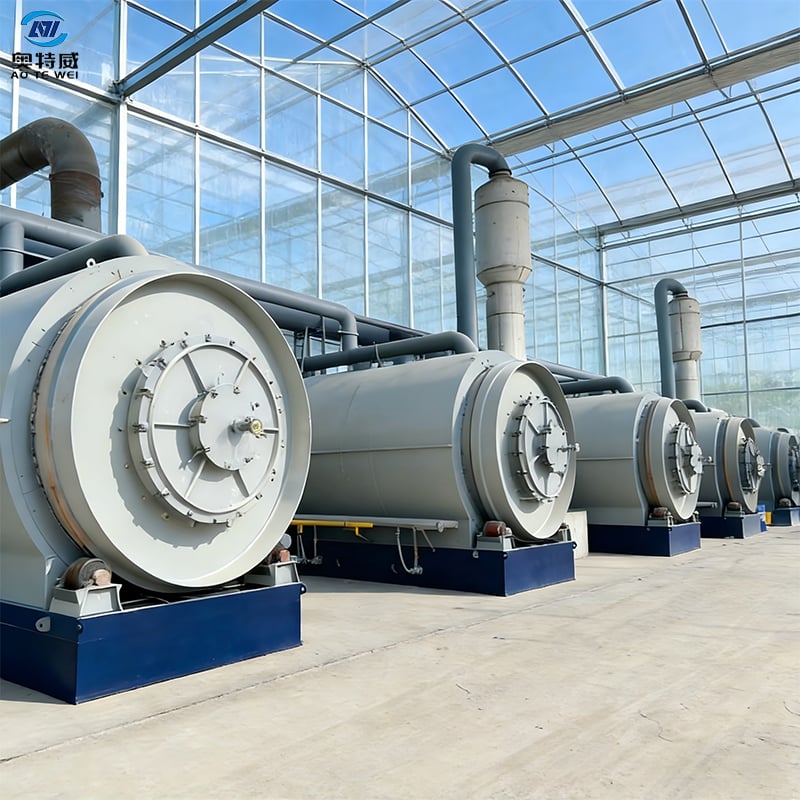
Plastic pyrolysis technology is a cutting-edge thermochemical process that converts waste plastic materials into valuable fuel products, including pyrolysis oil, combustible gas, and carbon black. By applying controlled heat in an oxygen-free or low-oxygen environment, this technology breaks down the long polymer chains found in plastics into shorter hydrocarbon molecules, effectively reversing the original manufacturing process. The result is a suite of usable energy products that can be sold, refined, or reused across multiple industries. Plastic pyrolysis technology addresses one of the most pressing environmental challenges of our time: the global plastic waste crisis. With millions of tons of plastic discarded every year, traditional disposal methods such as landfilling and incineration are no longer sustainable. Pyrolysis offers a scientifically proven alternative that not only diverts plastic from landfills but also recovers embedded energy value from materials that would otherwise be wasted. The core mechanism of plastic pyrolysis technology involves feeding shredded or pre-processed plastic feedstock into a sealed reactor vessel. The reactor is gradually heated to temperatures typically ranging from 300 to 500 degrees Celsius. As the plastic melts and vaporizes, the resulting gases pass through a condensation system where they are cooled and converted into liquid pyrolysis oil. Non-condensable gases are captured and often recycled back into the heating system to reduce fuel consumption, while the solid residue, known as carbon black, is collected for further processing or direct sale. Modern plastic pyrolysis technology systems are engineered for continuous or batch operation, depending on the scale and requirements of the facility. Advanced safety systems, automated feeding mechanisms, and real-time monitoring controls ensure stable, efficient, and compliant operation. The technology is compatible with a wide range of plastic types, including polyethylene, polypropylene, polystyrene, and mixed plastic waste streams. Applications span waste management facilities, industrial recycling plants, energy recovery operations, and chemical feedstock production, making plastic pyrolysis technology a versatile and commercially viable solution for the circular economy.

New Product Recommendations

Plastic pyrolysis technology gives businesses and communities a practical, profitable way to deal with plastic waste that traditional recycling simply cannot handle. Here is why more operators, investors, and municipalities are choosing this approach over conventional waste disposal methods. First, plastic pyrolysis technology turns a liability into an asset. Waste plastic that would otherwise cost money to transport and landfill becomes a raw material that generates revenue. The pyrolysis oil produced can be sold directly as industrial fuel or further refined into diesel and gasoline equivalents. Carbon black, another output, finds ready buyers in the rubber, paint, and construction industries. The combustible gas generated during the process is typically fed back into the system to power the reactor itself, cutting external fuel costs significantly. This means operators can run a largely self-sustaining process while still generating sellable products. Second, the technology works with plastic that conventional recycling rejects. Mixed plastics, contaminated packaging, agricultural films, and multi-layer materials are notoriously difficult to recycle mechanically. Plastic pyrolysis technology accepts these materials without the need for extensive sorting or cleaning, dramatically lowering pre-processing costs and expanding the range of feedstocks a facility can accept. This flexibility makes it far easier to source consistent volumes of input material, which is critical for maintaining steady production and revenue. Third, plastic pyrolysis technology reduces environmental liability. Sending plastic to landfill carries long-term costs, including potential regulatory penalties, site remediation obligations, and reputational risk. Pyrolysis eliminates these concerns by processing waste on-site or at a dedicated facility, producing outputs that are fully utilized rather than buried. Emissions from modern pyrolysis systems are managed through scrubbing and filtration equipment, keeping operations within environmental compliance standards. Fourth, the technology scales to fit different business sizes. Whether you are operating a small community recycling center or a large industrial waste processing plant, plastic pyrolysis technology can be configured to match your throughput requirements. Modular system designs allow operators to start with a single reactor unit and expand capacity as demand grows, protecting initial capital investment while leaving room for future growth. Fifth, operating costs remain predictable and manageable. Because the process recycles its own combustible gas as fuel, energy input costs are kept low. Automated controls reduce the need for large operating teams, and routine maintenance schedules are straightforward. Spare parts are widely available, and system suppliers typically offer training and technical support to keep downtime minimal. Sixth, plastic pyrolysis technology positions businesses ahead of tightening regulations. Governments worldwide are introducing stricter rules on plastic disposal, landfill usage, and carbon emissions. Investing in pyrolysis now means your operation is already aligned with the direction policy is heading, reducing the risk of costly compliance upgrades later. In summary, plastic pyrolysis technology delivers real, measurable value: it converts waste into revenue, accepts difficult feedstocks, lowers environmental risk, scales with your business, keeps operating costs down, and future-proofs your operation against regulatory change. These are not abstract benefits. They are practical outcomes that directly improve the financial and operational performance of any waste management or recycling business.

Tips And Tricks

Company Updates Factory Audit Video | On-site Shooting of Aotewei Environmental Protection Equipment, Transparently Showing Manufacturing Strength

08

Apr

Company Updates Factory Audit Video | On-site Shooting of Aotewei Environmental Protection Equipment, Transparently Showing Manufacturing Strength

To further improve supply chain transparency and optimize the factory audit experience for domestic and overseas customers, Shangqiu Aotewei Environmental Protection Equipment Co., Ltd. has recently completed a comprehensive update of its factory aud...
View More

Get a Free Quote

Our representative will contact you soon.
Email
WhatsApp / Mobile
Name
Company Name
Message
0/1000

plastic pyrolysis technology

Versatile Feedstock Compatibility: Process More Plastic Types Than Conventional Recycling

Versatile Feedstock Compatibility: Process More Plastic Types Than Conventional Recycling

One of the most commercially significant advantages of plastic pyrolysis technology is its ability to process a wide and diverse range of plastic feedstocks that mechanical recycling systems simply cannot handle. Conventional recycling infrastructure is designed primarily for clean, single-stream plastics such as PET bottles or HDPE containers. The moment plastic becomes contaminated, mixed with other materials, or composed of multi-layer laminates, it is typically rejected from the recycling stream and sent to landfill. Plastic pyrolysis technology changes this equation entirely. The thermochemical nature of the pyrolysis process means that the reactor does not require plastics to be sorted by resin type or thoroughly cleaned before processing. Polyethylene, polypropylene, polystyrene, ABS, and mixed plastic waste streams can all be fed into the system, either individually or in combination. Agricultural films coated in soil and residue, post-consumer packaging with food contamination, industrial plastic offcuts, and even carpet backing materials have all been successfully processed using plastic pyrolysis technology. This feedstock flexibility has a direct and positive impact on the economics of operating a pyrolysis facility. Sourcing clean, sorted plastic is expensive and logistically complex. By accepting a broader range of input materials, operators can secure feedstock from a wider network of suppliers, including municipal waste collectors, industrial manufacturers, and agricultural operations. This increases the volume of material available for processing, reduces per-unit feedstock acquisition costs, and makes it easier to maintain consistent production levels throughout the year. The ability to process difficult feedstocks also positions plastic pyrolysis technology as a critical complement to existing recycling infrastructure. Rather than competing with mechanical recycling, pyrolysis handles the materials that fall outside the scope of conventional systems, effectively extending the reach of the circular economy. Waste management companies that integrate plastic pyrolysis technology into their operations can offer a more comprehensive service to clients, accepting a broader range of plastic waste and diverting more material from landfill. From a regulatory and sustainability reporting perspective, the versatility of plastic pyrolysis technology also delivers value. Businesses and municipalities under pressure to increase diversion rates and reduce landfill dependency can use pyrolysis to process residual plastic streams that would otherwise count against their recycling targets. This makes plastic pyrolysis technology not just a processing tool but a strategic asset for organizations committed to measurable environmental performance.
High-Value Output Products: Convert Waste Plastic Into Marketable Fuel and Materials

High-Value Output Products: Convert Waste Plastic Into Marketable Fuel and Materials

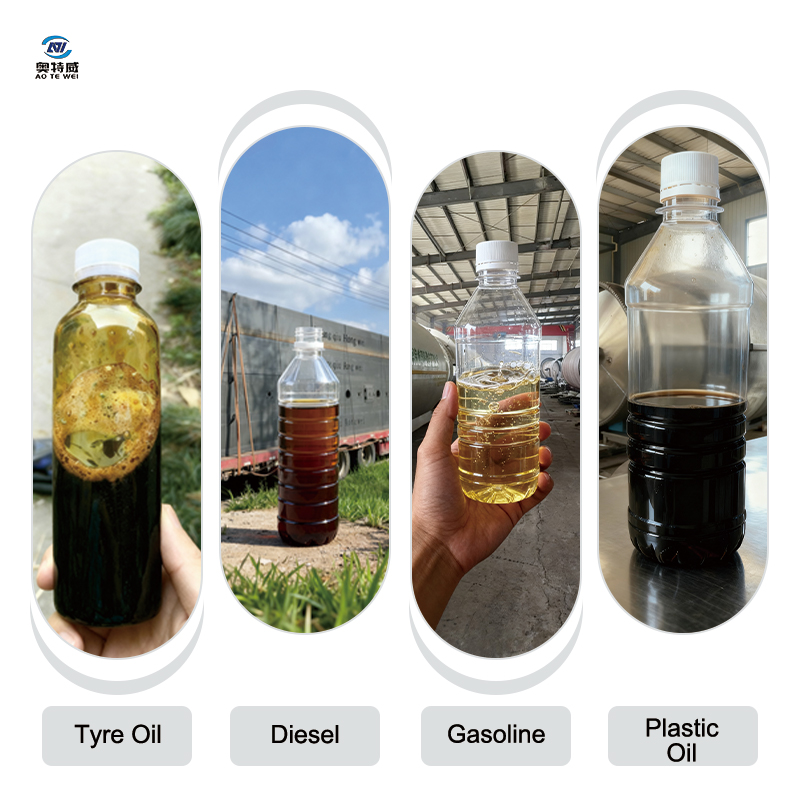
Plastic pyrolysis technology does not simply dispose of waste. It transforms it into a portfolio of commercially valuable products that can generate consistent revenue streams for facility operators. Understanding the nature and market value of these outputs is essential for evaluating the financial case for investing in plastic pyrolysis technology. The primary output of the pyrolysis process is pyrolysis oil, a dark liquid hydrocarbon fuel that closely resembles heavy fuel oil or crude oil in its composition. Depending on the plastic feedstock used and the operating conditions of the reactor, pyrolysis oil yields typically range from 40 to 70 percent of the input material by weight. This oil can be sold directly to industrial users as a substitute for conventional fuel oil in boilers, furnaces, and generators. Alternatively, it can be further refined through distillation to produce diesel-grade fuel, which commands a higher market price and opens access to transportation fuel markets. The second major output is combustible gas, which is generated during the cracking process as lighter hydrocarbon fractions that do not condense into liquid form. Rather than venting or flaring this gas, well-designed plastic pyrolysis technology systems capture it and route it back into the reactor heating system. This self-fueling capability significantly reduces the external energy input required to run the process, lowering operating costs and improving the overall energy efficiency of the facility. In some configurations, surplus gas can be used to generate electricity for on-site consumption or export. The third output is carbon black, a solid residue that remains after the organic content of the plastic has been volatilized. Raw carbon black from pyrolysis has established markets in the rubber compounding, pigment, and construction industries. With additional processing and activation, it can be upgraded to higher-value activated carbon products used in water treatment and air purification applications. The combination of these three output streams means that plastic pyrolysis technology offers operators multiple revenue channels from a single waste input. This diversification of income reduces dependence on any single product market and provides a buffer against price fluctuations. For investors and project developers, the multi-product nature of plastic pyrolysis technology strengthens the financial model and supports a more robust return on investment calculation.
Environmentally Responsible Operation: Meet Compliance Standards and Reduce Landfill Dependency

Environmentally Responsible Operation: Meet Compliance Standards and Reduce Landfill Dependency

As environmental regulations tighten and public scrutiny of waste management practices intensifies, plastic pyrolysis technology offers operators a credible, compliant, and demonstrably responsible pathway for handling plastic waste. The environmental credentials of plastic pyrolysis technology rest on several interconnected pillars that together make a compelling case for adoption. The most immediate environmental benefit is landfill diversion. Every ton of plastic processed through a pyrolysis system is a ton that does not enter a landfill. Landfills are a significant source of greenhouse gas emissions, particularly methane, and they represent a long-term liability for the communities and operators responsible for managing them. By converting plastic waste into usable products, plastic pyrolysis technology eliminates the need for landfill disposal and the associated environmental and financial costs. Modern plastic pyrolysis technology systems are designed with emissions control as a core engineering priority. Flue gases generated during the heating process pass through multi-stage treatment systems that include scrubbers, condensers, and filtration units. These systems remove particulates, acid gases, and other pollutants before any emissions are released to atmosphere, ensuring that operations remain within the limits set by environmental regulators. Continuous emissions monitoring equipment can be integrated into the control system to provide real-time compliance data and alert operators to any deviations from permitted levels. The closed-loop design of plastic pyrolysis technology also minimizes liquid waste generation. Process water is typically recycled within the system, and the solid carbon black residue is a dry, stable material that is straightforward to handle and store. This contrasts favorably with some alternative waste treatment technologies that generate significant volumes of contaminated wastewater or hazardous ash requiring specialist disposal. From a carbon accounting perspective, plastic pyrolysis technology offers a more favorable profile than incineration. While both processes recover energy from waste plastic, pyrolysis operates at lower temperatures and in the absence of oxygen, which means combustion does not occur within the reactor itself. The energy recovery happens downstream, when the oil and gas products are used as fuel, giving operators and their clients greater flexibility in how and where the energy value is utilized and reported. For businesses operating under corporate sustainability commitments or responding to investor ESG requirements, plastic pyrolysis technology provides tangible, quantifiable environmental outcomes that can be reported with confidence.

Get a Free Quote

Our representative will contact you soon.
Email
WhatsApp / Mobile
Name
Company Name
Message
0/1000
Newsletter
Please Leave A Message With Us