Waste Plastic Pyrolysis Machine - Advanced Technology for Sustainable Plastic Recycling and Energy Recovery

Get a Free Quote

Our representative will contact you soon.
Email
WhatsApp / Mobile
Name
Company Name
Message
0/1000

waste plastic pyrolysis machine

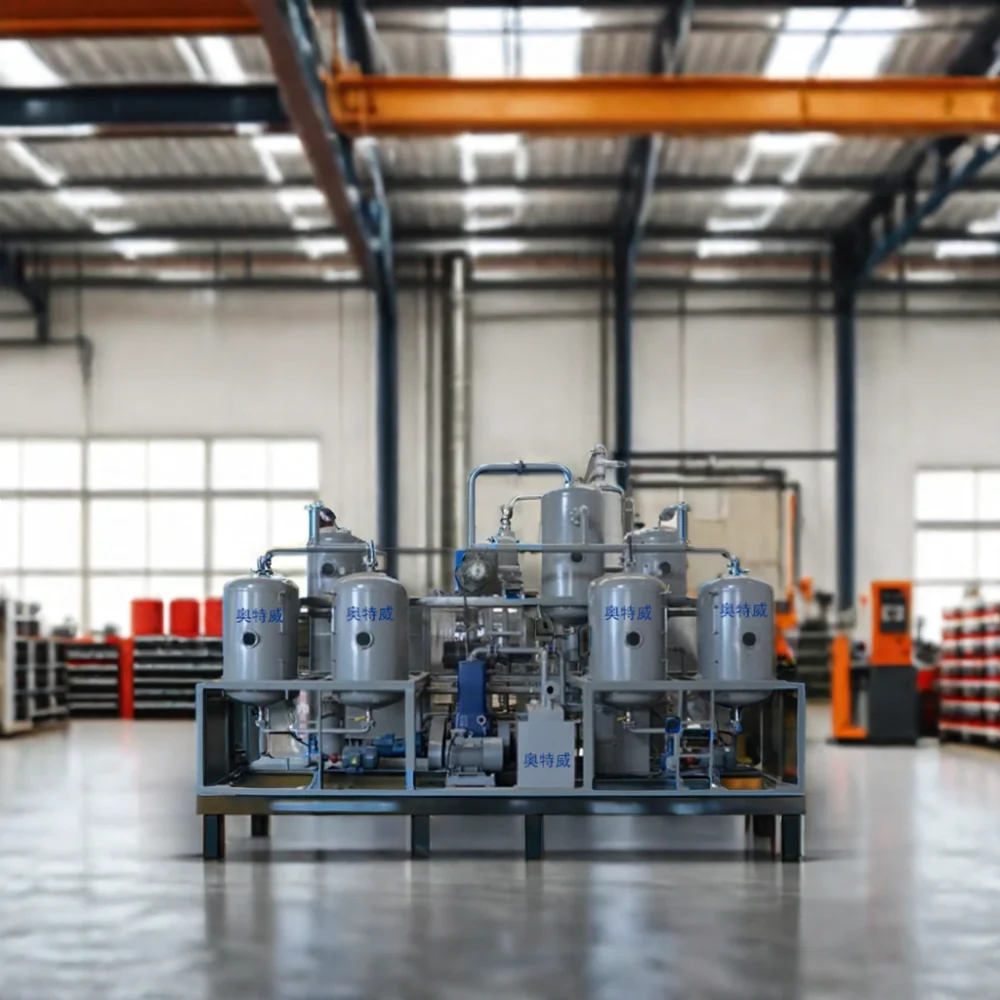
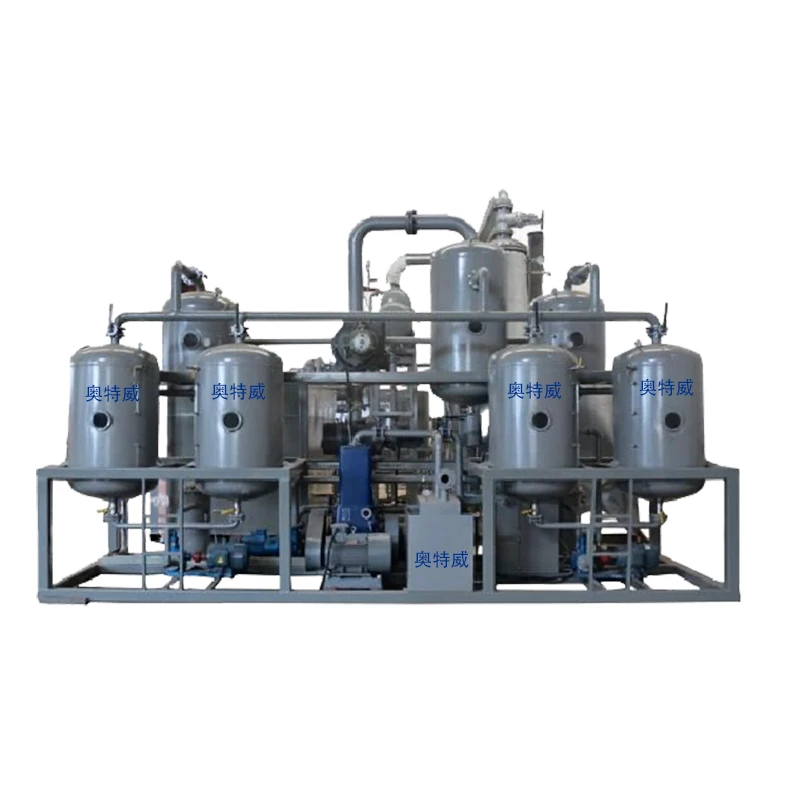
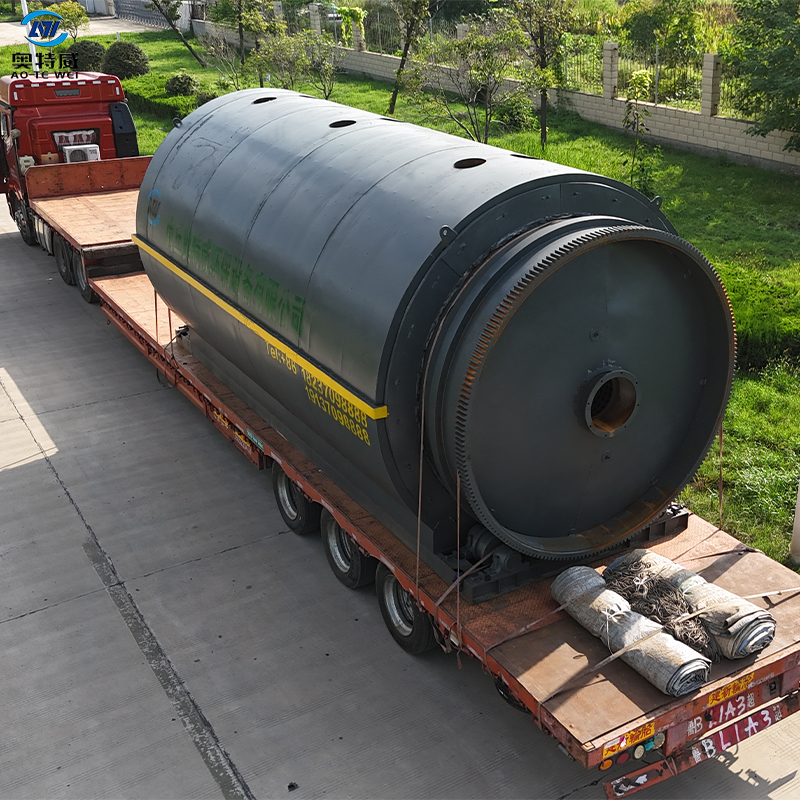
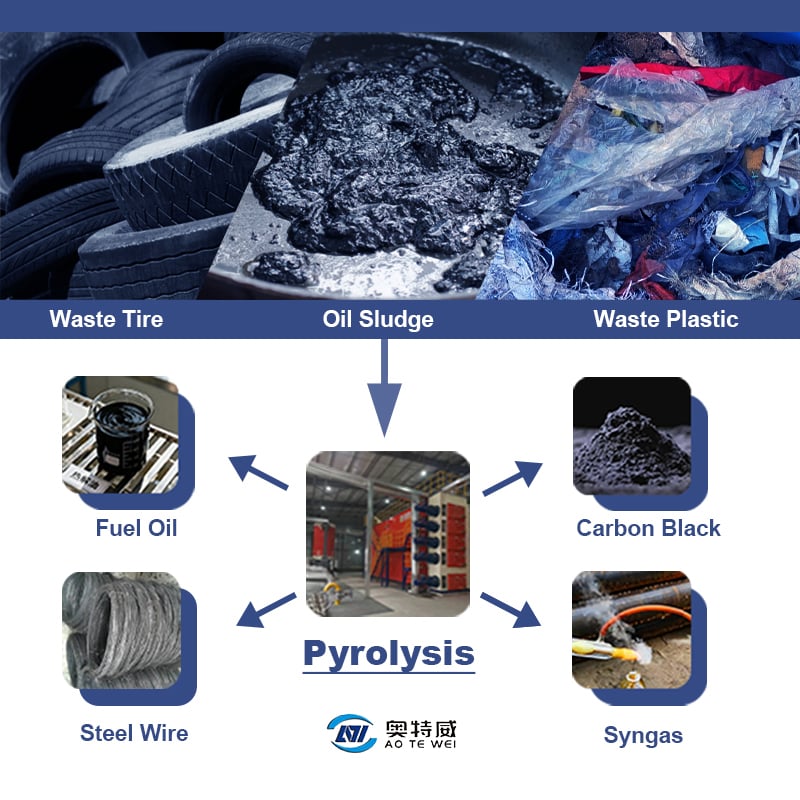
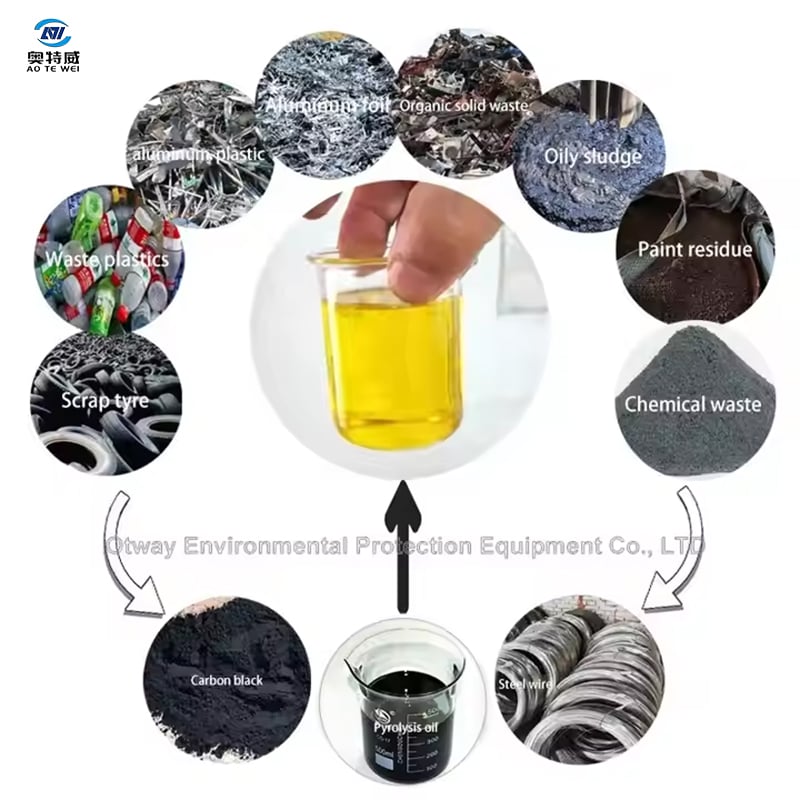
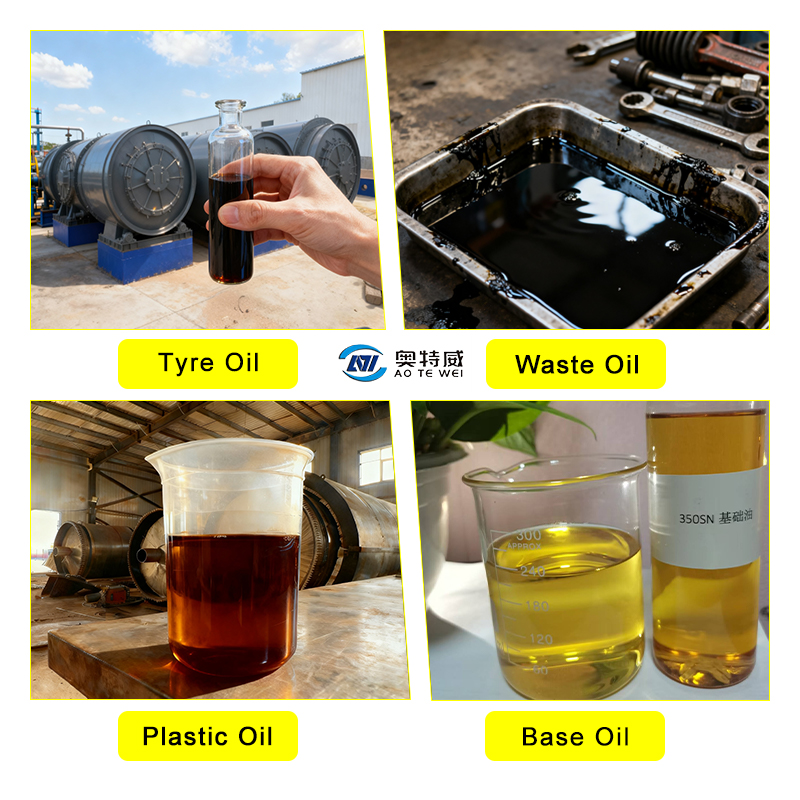
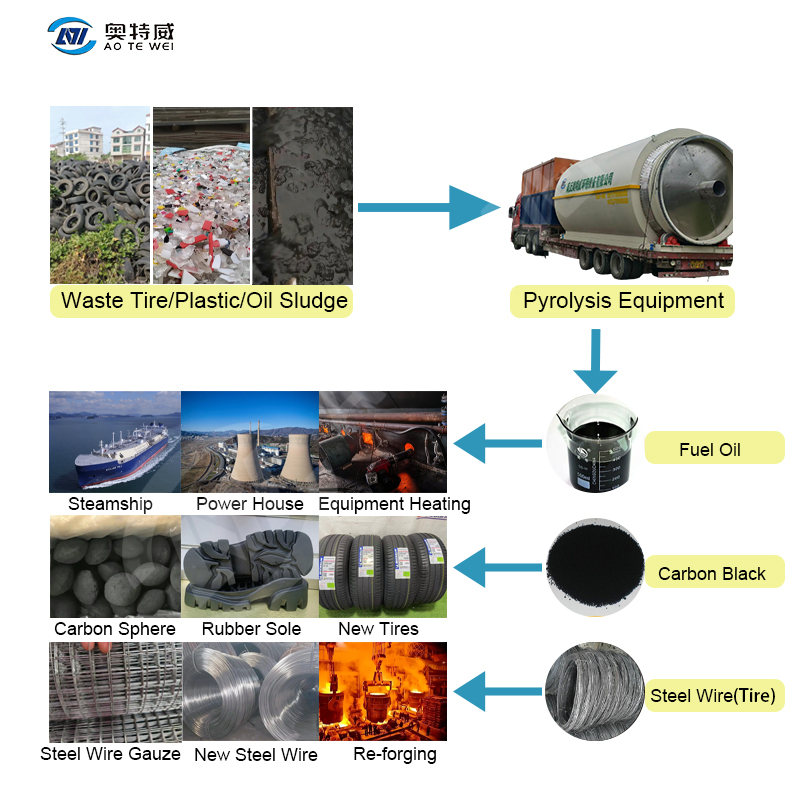
The waste plastic pyrolysis machine represents a groundbreaking solution for converting discarded plastic materials into valuable energy resources. This advanced equipment utilizes thermal decomposition technology to break down plastic waste in an oxygen-free environment, transforming it into usable products such as fuel oil, carbon black, and combustible gas. The primary function of this innovative system is to address the growing environmental crisis caused by plastic pollution while simultaneously creating economic value from materials that would otherwise end up in landfills or oceans. The waste plastic pyrolysis machine operates through a carefully controlled heating process that converts long-chain polymer molecules into shorter hydrocarbon chains, effectively reversing the original plastic manufacturing process. Technological features of this equipment include automated feeding systems, precise temperature control mechanisms, advanced cooling systems, and comprehensive safety protocols. The machine can process various types of plastic waste, including polyethylene, polypropylene, polystyrene, and mixed plastic materials. Modern waste plastic pyrolysis machines incorporate sophisticated monitoring systems that track operational parameters in real-time, ensuring optimal conversion efficiency and product quality. These systems typically include multiple processing stages: pre-treatment and sorting, shredding or pelletizing, pyrolysis reactor heating, vapor condensation, residue collection, and emission control. The applications of waste plastic pyrolysis technology span numerous industries and sectors. Municipalities use these machines to manage plastic waste streams, reducing landfill dependency and generating revenue from recovered materials. Recycling facilities integrate this technology to handle non-recyclable plastics that cannot be processed through conventional mechanical recycling methods. Industrial operations employ waste plastic pyrolysis machines to convert their plastic by-products into on-site energy sources, reducing disposal costs and improving sustainability credentials. Environmental remediation projects utilize this equipment to clean up plastic-contaminated sites and waterways. The output products serve multiple purposes: pyrolysis oil can substitute for diesel fuel in generators and boilers, carbon black finds applications in tire manufacturing and construction materials, and syngas powers the pyrolysis process itself or generates electricity.

Popular Products

Investing in a waste plastic pyrolysis machine delivers substantial environmental and economic benefits that address both immediate operational needs and long-term sustainability goals. First and foremost, this technology solves the pressing problem of plastic waste accumulation by converting unusable materials into profitable products. Instead of paying disposal fees to send plastic waste to landfills, businesses and municipalities can generate revenue from fuel oil, carbon black, and gas products. The financial returns typically offset the initial equipment investment within two to three years of continuous operation, making this a sound business decision. The waste plastic pyrolysis machine significantly reduces carbon footprint compared to traditional waste management methods. Burning plastic in incinerators releases harmful emissions and greenhouse gases, while landfilling creates long-term environmental hazards as plastics take centuries to decompose. Pyrolysis technology processes materials in a controlled, enclosed system with emission filtration, minimizing environmental impact. The recovered fuel oil reduces dependency on petroleum extraction, further contributing to environmental conservation. Operational flexibility represents another major advantage. These machines can process mixed plastic waste without requiring extensive sorting or cleaning, saving labor costs and time. The equipment adapts to varying input materials and can handle contaminated plastics that other recycling methods reject. This versatility makes the waste plastic pyrolysis machine suitable for diverse applications, from small-scale operations processing several tons daily to large industrial facilities handling dozens of tons. Energy efficiency stands as a key practical benefit. Modern systems incorporate heat recovery mechanisms that capture thermal energy from the pyrolysis process and redirect it to maintain reactor temperatures. This self-sustaining design minimizes external energy consumption, reducing operating costs substantially. Some advanced models achieve energy neutrality, requiring no additional fuel input after initial startup. The automation features of contemporary waste plastic pyrolysis machines reduce labor requirements and human error. Operators can monitor and control the entire process through digital interfaces, receiving alerts for any parameter deviations. This automation ensures consistent product quality and safe operation while minimizing staffing needs. Maintenance requirements remain manageable with proper operation, and most components demonstrate long service lives. The compact footprint of these machines allows installation in relatively small spaces, making them accessible to businesses with limited real estate. Mobile units provide even greater flexibility, enabling deployment at temporary sites or remote locations. The technology creates local employment opportunities in waste collection, equipment operation, and product distribution. Communities benefit from reduced plastic pollution, cleaner environments, and new economic activities. Businesses enhance their environmental credentials, meeting increasingly stringent regulations and consumer expectations for sustainable practices. The waste plastic pyrolysis machine transforms a liability into an asset, turning waste disposal challenges into profit opportunities while contributing to circular economy principles.

Tips And Tricks

Company Updates Factory Audit Video | On-site Shooting of Aotewei Environmental Protection Equipment, Transparently Showing Manufacturing Strength

08

Apr

Company Updates Factory Audit Video | On-site Shooting of Aotewei Environmental Protection Equipment, Transparently Showing Manufacturing Strength

To further improve supply chain transparency and optimize the factory audit experience for domestic and overseas customers, Shangqiu Aotewei Environmental Protection Equipment Co., Ltd. has recently completed a comprehensive update of its factory aud...
View More

Get a Free Quote

Our representative will contact you soon.
Email
WhatsApp / Mobile
Name
Company Name
Message
0/1000

waste plastic pyrolysis machine

Advanced Continuous Feed Technology for Maximum Efficiency

Advanced Continuous Feed Technology for Maximum Efficiency

The waste plastic pyrolysis machine incorporates cutting-edge continuous feed technology that revolutionizes how plastic waste gets processed, delivering unprecedented operational efficiency and productivity. Traditional batch processing systems require operators to stop the entire operation, cool down the reactor, remove residue, reload new material, and reheat the system before resuming production. This cyclical process wastes significant time and energy while limiting daily processing capacity. Continuous feed systems eliminate these inefficiencies by enabling non-stop operation where plastic waste enters the reactor continuously while processed residue exits simultaneously. This technological advancement transforms the economics of plastic waste conversion by maximizing equipment utilization rates and minimizing energy consumption per unit of processed material. The continuous feeding mechanism employs specialized screw conveyors or hydraulic ram systems that introduce plastic materials into the reactor chamber while maintaining an oxygen-free environment. This engineering challenge requires sophisticated airlock designs and pressure management systems that prevent atmospheric oxygen from entering the pyrolysis zone where it could cause combustion rather than controlled thermal decomposition. The result is a seamless material flow that maintains optimal reactor temperatures and processing conditions throughout extended operating periods. Operators can run the waste plastic pyrolysis machine for weeks or months continuously with only scheduled maintenance interruptions, dramatically increasing annual processing volumes. The economic implications prove substantial. Continuous operation reduces per-ton processing costs by distributing fixed expenses across larger output volumes. Energy efficiency improves because the system maintains stable temperatures rather than repeatedly heating and cooling. Labor productivity increases as workers focus on monitoring and optimization rather than manual loading and unloading cycles. The technology also ensures more consistent product quality because processing parameters remain stable rather than fluctuating through batch cycles. Temperature variations that occur during batch heating and cooling can affect the molecular composition of output products, creating quality inconsistencies. Continuous systems maintain precise thermal profiles, producing uniform fuel oil with predictable properties and carbon black with consistent particle characteristics. This reliability makes output products more marketable and valuable. Furthermore, continuous feed technology accommodates varying input materials more effectively. As different plastic types enter the system, advanced controls adjust processing parameters automatically to optimize conversion efficiency. This adaptability means operators need not sort plastics as rigorously, reducing pre-processing costs and handling mixed waste streams that would challenge batch systems. The waste plastic pyrolysis machine with continuous feed capability represents the pinnacle of current pyrolysis technology, offering businesses and municipalities the most cost-effective and environmentally responsible solution for plastic waste management.
Comprehensive Safety Systems Ensuring Reliable Operations

Comprehensive Safety Systems Ensuring Reliable Operations

Safety constitutes the paramount concern in any industrial process involving high temperatures and flammable materials, and the waste plastic pyrolysis machine addresses this imperative through multiple redundant safety systems that protect personnel, equipment, and surrounding environments. Understanding that pyrolysis involves heating plastic materials to temperatures exceeding 400 degrees Celsius in sealed reactors creates obvious hazards if not properly managed. Manufacturers have developed sophisticated safety protocols and automated protective mechanisms that monitor critical parameters continuously and intervene instantly when deviations occur. The multi-layered safety architecture begins with pressure relief systems that prevent dangerous pressure buildup inside the reactor chamber. As plastic materials decompose into gaseous products, internal pressure increases. Precision pressure sensors track these changes in real-time, and if pressure approaches predetermined safe limits, automatic relief valves open to vent excess gas safely. These redundant pressure management systems include primary relief valves, secondary backup valves, and emergency rupture discs as final failsafe mechanisms. Temperature monitoring represents another critical safety dimension. The waste plastic pyrolysis machine incorporates multiple temperature sensors positioned throughout the reactor, heating zones, and condensation systems. If temperatures exceed safe operating ranges, automated controls reduce heating intensity or activate cooling systems. Emergency shutdown protocols engage if temperature anomalies persist, safely halting operations before equipment damage or hazardous conditions develop. Fire suppression systems provide additional protective layers. Although pyrolysis occurs in oxygen-free environments where combustion cannot happen, external fires could potentially start from electrical faults, hydraulic fluid leaks, or other sources. Automatic fire detection sensors trigger suppression systems that deploy foam, carbon dioxide, or other appropriate extinguishing agents depending on the fire type. These systems activate within seconds of detecting flames or excessive heat, containing incidents before they escalate. Gas detection equipment continuously samples air quality around the waste plastic pyrolysis machine, identifying any leaks of combustible or toxic gases immediately. When sensors detect gas concentrations approaching concerning levels, alarm systems alert operators while automated ventilation systems increase airflow to disperse accumulated gases. Evacuation protocols ensure personnel can exit safely if conditions deteriorate. Structural integrity features include reactor vessels constructed from specialized steel alloys that maintain strength at high temperatures and resist corrosion from pyrolysis byproducts. Regular inspection protocols and non-destructive testing verify ongoing structural soundness. Thermal insulation protects external surfaces, preventing accidental contact burns while improving energy efficiency. Electrical systems incorporate ground fault protection, circuit breakers, and isolation switches. Control panels meet international safety standards with emergency stop buttons prominently positioned for immediate access. Interlock systems prevent unsafe operating sequences, such as starting heating elements before confirming proper material loading or attempting to open access ports while the reactor remains pressurized. Comprehensive operator training programs ensure personnel understand safety procedures, recognize warning signs, and respond appropriately to abnormal conditions. These multi-faceted safety systems make the waste plastic pyrolysis machine suitable for operation in diverse settings while maintaining exemplary safety records.
Environmental Emission Control Delivering Clean Operations

Environmental Emission Control Delivering Clean Operations

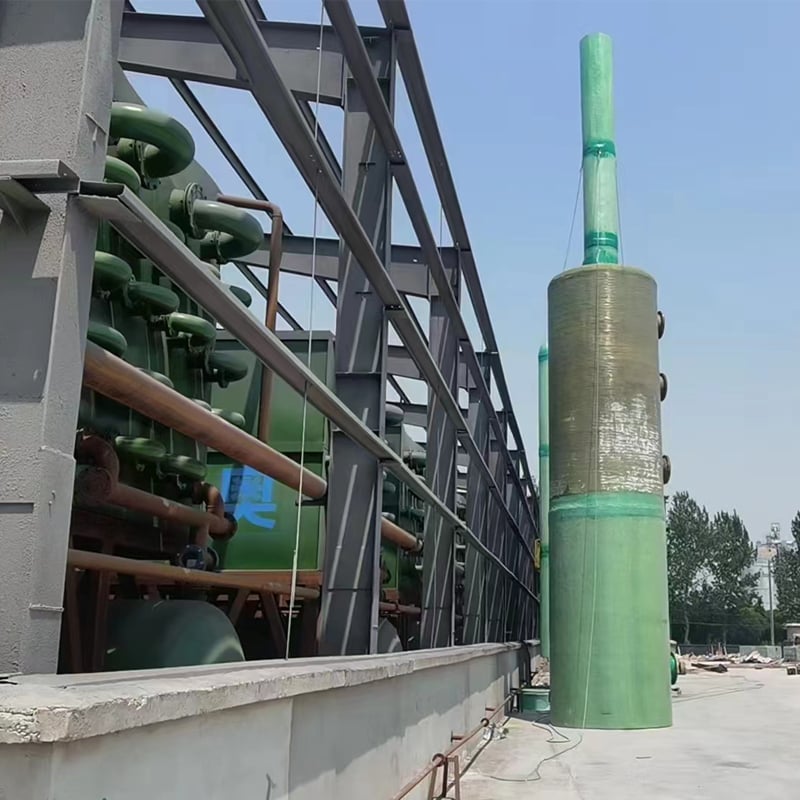
Environmental responsibility extends beyond simply processing plastic waste; it encompasses ensuring that the waste plastic pyrolysis machine operates without creating secondary pollution through atmospheric emissions or water contamination. Recognizing that public acceptance and regulatory compliance depend on demonstrating clean operations, manufacturers have developed comprehensive emission control systems that capture, treat, and neutralize virtually all potential pollutants generated during the pyrolysis process. These sophisticated environmental protection mechanisms transform what could be a polluting industrial process into an environmentally sound waste management solution. The emission control architecture begins with understanding what byproducts pyrolysis generates. During thermal decomposition, plastic materials release various gaseous compounds including light hydrocarbons, sulfur compounds from certain plastic additives, and trace amounts of other organic and inorganic substances. Without proper treatment, these emissions could contribute to air pollution and create nuisance odors. The waste plastic pyrolysis machine addresses these concerns through multi-stage gas treatment systems that progressively purify emissions before atmospheric release. Initial treatment occurs through condensation systems that cool pyrolysis vapors, causing heavier hydrocarbons to liquify into fuel oil while lighter gases continue to the next treatment stage. This condensation process recovers valuable products while removing the majority of potential pollutants from the gas stream. The remaining non-condensable gases then pass through scrubbing systems where chemical solutions or activated carbon filters remove acidic compounds, sulfur species, and other contaminants. Water-based scrubbers use alkaline solutions to neutralize acidic gases, while dry scrubbing systems employ specialized filter media that chemically react with pollutants, converting them into stable, harmless compounds. Advanced waste plastic pyrolysis machines incorporate multiple scrubbing stages using different treatment media to address various pollutant types comprehensively. After chemical treatment, gases may undergo additional filtration through activated carbon beds that adsorb trace organic compounds and odor-causing molecules. These carbon filters provide final polishing, ensuring emissions meet or exceed regulatory standards for air quality. Regular monitoring of emission composition verifies system effectiveness, and filter replacement schedules maintain optimal performance. The cleaned syngas often returns to fuel the pyrolysis heating system, creating a closed-loop process that minimizes both emissions and external energy requirements. This circular design exemplifies sustainable engineering where waste products become energy resources. Excess syngas that cannot be consumed internally undergoes safe flaring if combustion is necessary, or storage for later use. Water used in cooling and scrubbing systems circulates in closed loops rather than discharging to the environment. Treatment systems remove contaminants from process water, allowing continuous reuse with minimal freshwater consumption and zero wastewater discharge. This approach conserves water resources while eliminating potential water pollution. Solid residues including carbon black and any non-decomposed materials exit the waste plastic pyrolysis machine through sealed collection systems that prevent dust emissions. These materials typically possess commercial value or can be safely disposed through conventional means. The comprehensive environmental controls demonstrate that the waste plastic pyrolysis machine represents truly clean technology that addresses plastic pollution without creating alternative environmental problems, making it acceptable in even environmentally sensitive locations and satisfying the most stringent regulatory requirements.

Get a Free Quote

Our representative will contact you soon.
Email
WhatsApp / Mobile
Name
Company Name
Message
0/1000
Newsletter
Please Leave A Message With Us