Plastic Recycling Factory: Advanced Solutions for Sustainable Material Recovery

Get a Free Quote

Our representative will contact you soon.
Email
WhatsApp / Mobile
Name
Company Name
Message
0/1000

plastic recycling factory

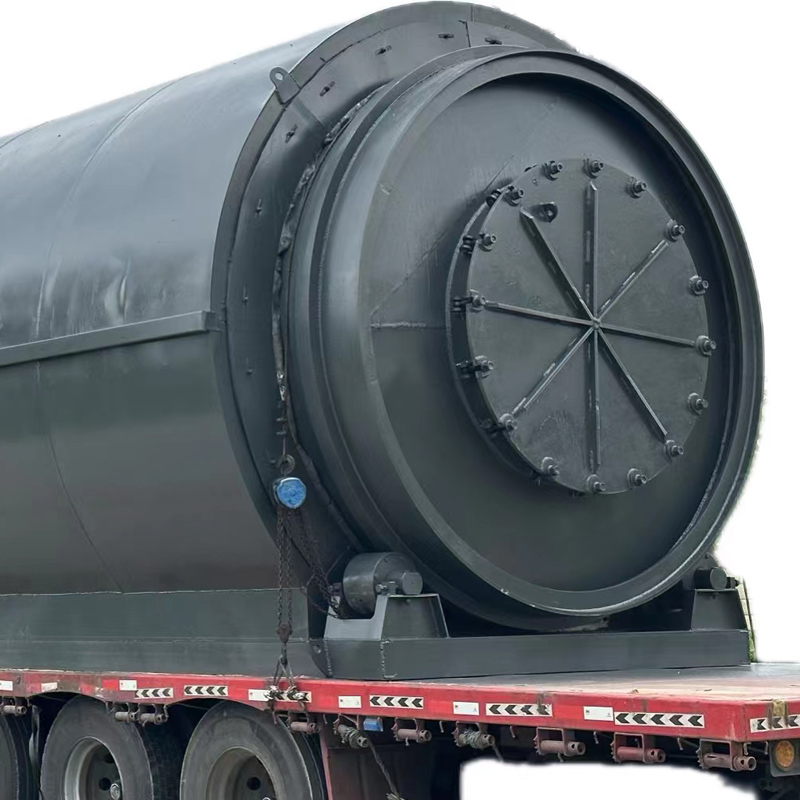
A plastic recycling factory is a specialized industrial facility designed to collect, sort, process, and transform waste plastic materials into reusable raw materials or finished products. These facilities play a critical role in the global effort to reduce plastic pollution, conserve natural resources, and support a circular economy. By converting discarded plastics back into valuable inputs for manufacturing, a plastic recycling factory bridges the gap between waste management and sustainable production. The main functions of a plastic recycling factory include the intake and sorting of mixed plastic waste, cleaning and decontamination, mechanical or chemical processing, pelletizing or reforming, and quality control before distribution. Advanced sorting technologies such as near-infrared spectroscopy, optical sensors, and automated conveyor systems allow the factory to separate different types of plastics, including PET, HDPE, PVC, LDPE, PP, and PS, with high precision and speed. Technological features found in a modern plastic recycling factory often include shredders, granulators, extruders, washing lines, and drying systems. Some facilities also incorporate chemical recycling technologies such as pyrolysis and depolymerization, which break plastics down to their molecular components for higher-purity outputs. These innovations allow the plastic recycling factory to handle a broader range of contaminated or mixed plastic streams that traditional mechanical recycling cannot process effectively. The applications of output materials from a plastic recycling factory are wide-ranging. Recycled plastic pellets and flakes are used in packaging, construction materials, automotive parts, textiles, agricultural films, and consumer goods. Some high-grade recycled resins re-enter food-grade packaging supply chains after meeting strict regulatory standards. As governments worldwide tighten regulations on single-use plastics and landfill disposal, the plastic recycling factory has become an essential infrastructure component for municipalities, brands, and manufacturers seeking compliant and sustainable material sourcing solutions.

Popular Products

Running or partnering with a plastic recycling factory delivers real, measurable benefits that go far beyond environmental goodwill. Here is a straightforward look at what a plastic recycling factory actually does for the businesses and communities that use it. First, it cuts material costs. Recycled plastic is consistently less expensive than virgin plastic resin. When manufacturers source materials from a plastic recycling factory, they reduce their dependence on petroleum-based feedstocks, which are subject to volatile global oil prices. This price stability gives businesses a competitive edge and makes long-term production planning more predictable. Second, it opens new revenue streams. Waste plastic that would otherwise go to landfill becomes a sellable commodity when processed through a plastic recycling factory. Municipalities, retailers, and industrial producers can monetize their plastic waste instead of paying disposal fees. This shift from cost center to profit center is one of the most compelling reasons businesses invest in or partner with a plastic recycling factory. Third, it helps companies meet sustainability targets. Brands across every sector are under growing pressure from consumers, investors, and regulators to demonstrate responsible sourcing and waste reduction. A plastic recycling factory provides documented, traceable recycled content that companies can use to meet recycled content mandates, earn eco-certifications, and report credibly on their environmental performance. Fourth, it creates local jobs and strengthens communities. A plastic recycling factory employs workers across a range of skill levels, from machine operators and quality inspectors to logistics coordinators and process engineers. These are stable, local jobs that support regional economies and reduce the social costs associated with waste mismanagement. Fifth, it reduces environmental liability. Improper plastic disposal exposes businesses and municipalities to regulatory fines, cleanup costs, and reputational damage. Routing plastic waste through a certified plastic recycling factory ensures compliant handling and provides a clear chain of custody that protects all parties involved. Sixth, it supports supply chain resilience. Sourcing recycled materials from a domestic or regional plastic recycling factory reduces exposure to international supply chain disruptions. Companies that diversify their material inputs with recycled content are better positioned to maintain production continuity during global shortages or trade disruptions. Seventh, it accelerates product innovation. Working closely with a plastic recycling factory gives manufacturers early access to new recycled material grades and formulations. This collaboration drives product development, enabling companies to launch sustainable product lines faster and with greater confidence in material performance. Taken together, these advantages make the plastic recycling factory not just an environmental asset but a smart business investment for any organization serious about efficiency, compliance, and long-term growth.

Tips And Tricks

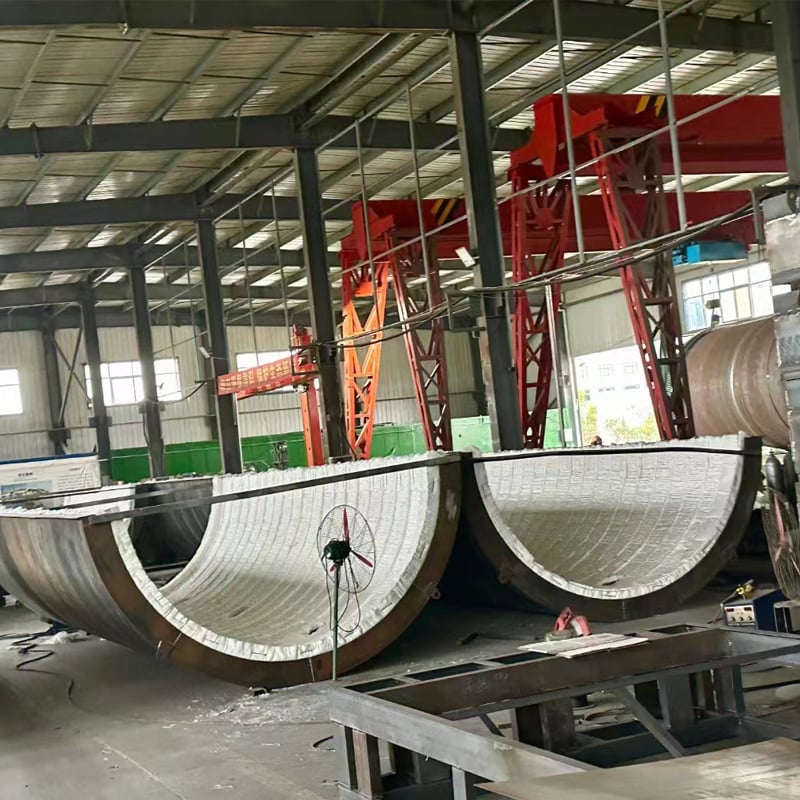
Company Updates Factory Audit Video | On-site Shooting of Aotewei Environmental Protection Equipment, Transparently Showing Manufacturing Strength

08

Apr

Company Updates Factory Audit Video | On-site Shooting of Aotewei Environmental Protection Equipment, Transparently Showing Manufacturing Strength

To further improve supply chain transparency and optimize the factory audit experience for domestic and overseas customers, Shangqiu Aotewei Environmental Protection Equipment Co., Ltd. has recently completed a comprehensive update of its factory aud...
View More

Get a Free Quote

Our representative will contact you soon.
Email
WhatsApp / Mobile
Name
Company Name
Message
0/1000

plastic recycling factory

Advanced Sorting and Processing Technology That Maximizes Material Recovery

Advanced Sorting and Processing Technology That Maximizes Material Recovery

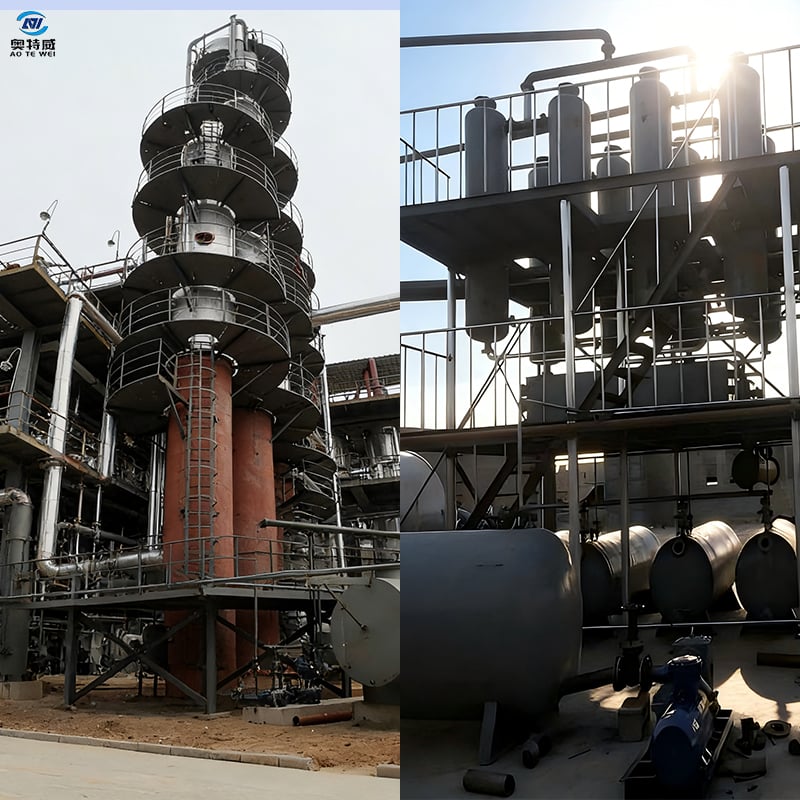
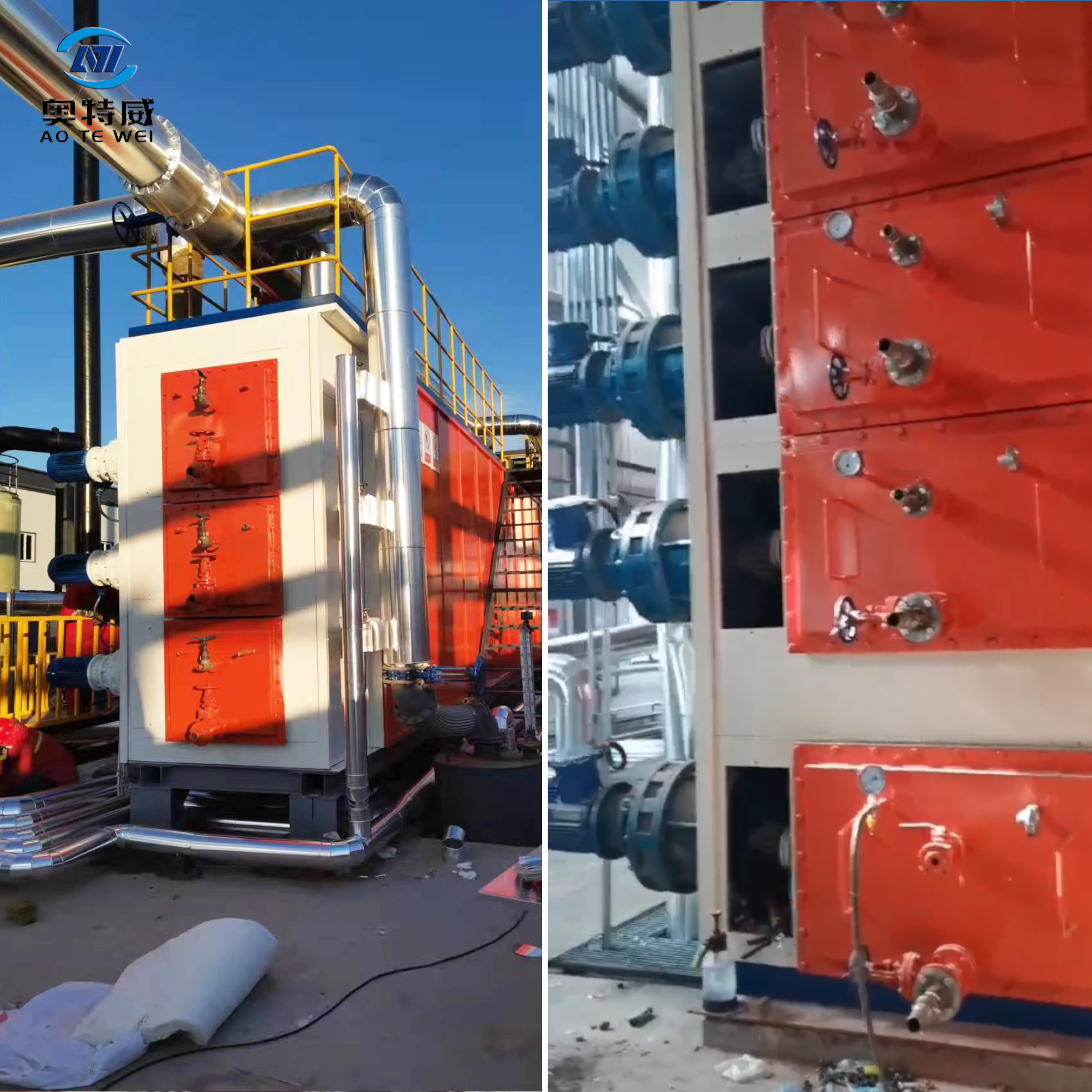
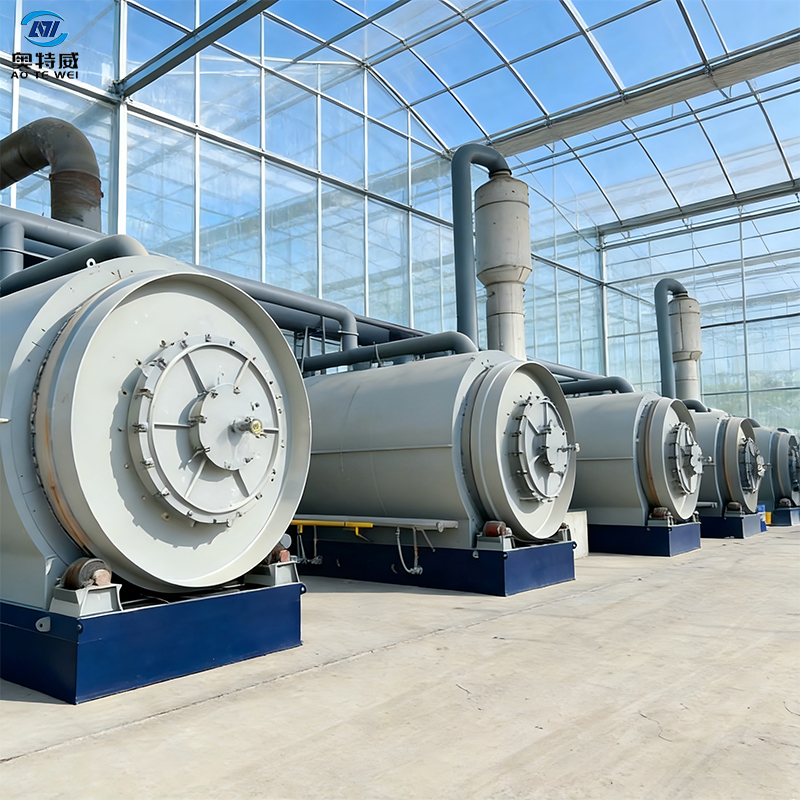
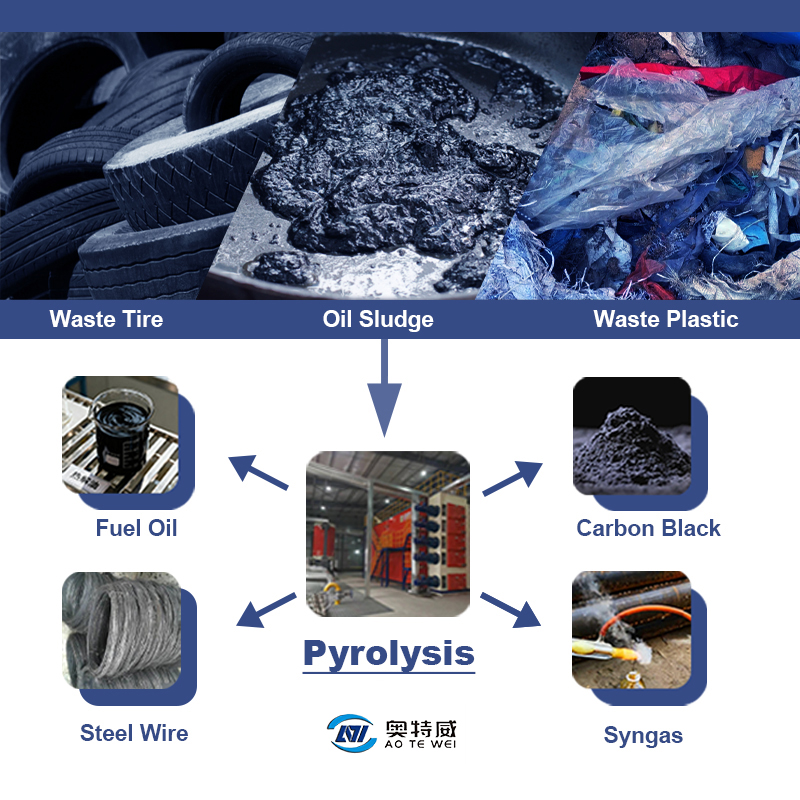
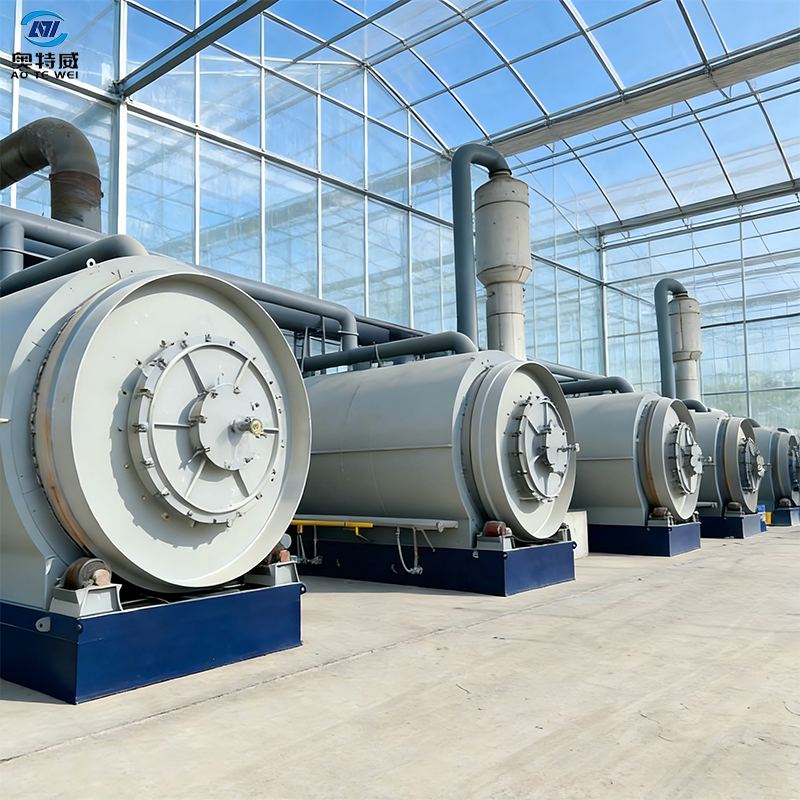
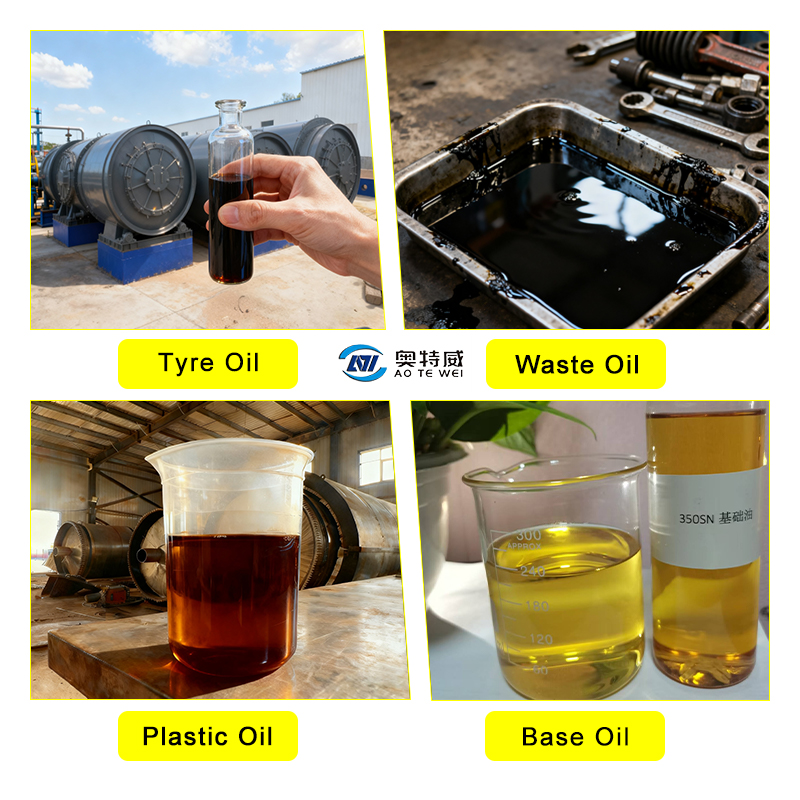
One of the most significant differentiators of a high-performance plastic recycling factory is the sophistication of its sorting and processing technology. In the past, plastic recycling was limited by the inability to efficiently separate different resin types, colors, and contamination levels. Today, a modern plastic recycling factory deploys a layered technology stack that dramatically increases the purity and volume of recovered materials. At the front end, automated conveyor systems feed incoming plastic waste through a series of pre-sorting stations where large contaminants, metals, and non-plastic materials are removed. Near-infrared spectroscopy scanners then identify the molecular signature of each plastic item in real time, allowing robotic arms and air jets to sort materials by resin type at speeds no human workforce could match. This level of precision means that a plastic recycling factory can process mixed waste streams that previously had no viable recycling pathway. Once sorted, materials move through industrial shredders and granulators that reduce them to uniform flake or pellet sizes. Washing lines equipped with friction washers, float-sink tanks, and centrifugal dryers remove labels, adhesives, food residue, and other surface contaminants. The result is a clean, consistent feedstock ready for extrusion or further processing. For more challenging materials, advanced plastic recycling factories integrate chemical recycling units. Pyrolysis systems thermally decompose plastics into hydrocarbon oils and gases that can be refined into new plastic precursors or used as fuel. Depolymerization reactors break certain plastics, such as PET and nylon, back into their original monomers, enabling true closed-loop recycling with no loss of material quality. For customers, this technological depth means higher-quality recycled output, greater material diversity, and the ability to recycle plastics that competitors cannot handle. It also means lower rejection rates, fewer processing losses, and more consistent supply of recycled resin, all of which translate directly into cost savings and supply chain reliability for downstream manufacturers and brands.
Scalable Operations Designed to Grow With Your Business Needs

Scalable Operations Designed to Grow With Your Business Needs

A well-designed plastic recycling factory is not a fixed, one-size-fits-all operation. It is a scalable system built to adapt as input volumes grow, material mixes change, and market demands evolve. This scalability is one of the most practical and underappreciated advantages that a plastic recycling factory offers to its partners and customers. Scalability starts with modular equipment design. Leading plastic recycling factories configure their processing lines in modules, meaning individual units such as shredders, washers, extruders, and pelletizers can be added, upgraded, or reconfigured without shutting down the entire facility. This approach protects the initial capital investment while allowing the factory to expand capacity incrementally as business volumes increase. For customers, this means they can start with a smaller processing contract and scale up as their recycling volumes grow, without needing to find a new supplier or renegotiate infrastructure agreements. Operational flexibility also extends to the types of plastics a factory can handle. A scalable plastic recycling factory invests in multi-resin processing capability, allowing it to shift focus between material types based on market conditions and customer needs. When demand for recycled PET rises, the factory can allocate more capacity to that stream. When a customer needs a custom blend of recycled HDPE and PP, the factory can accommodate that specification without major retooling. Digital integration further enhances scalability. Modern plastic recycling factories use manufacturing execution systems and real-time data dashboards to monitor throughput, quality metrics, energy consumption, and equipment performance across every stage of the process. This visibility allows plant managers to identify bottlenecks, optimize scheduling, and make data-driven decisions that keep operations running at peak efficiency even as volumes and complexity increase. For businesses evaluating long-term partnerships, the scalability of a plastic recycling factory is a critical factor. It signals that the facility is built for growth, not just current capacity, and that it can serve as a reliable, long-term partner as sustainability commitments and recycling mandates become more demanding over time.
Certified Compliance and Transparent Traceability for Responsible Sourcing

Certified Compliance and Transparent Traceability for Responsible Sourcing

In today's regulatory and commercial environment, it is not enough for a plastic recycling factory to simply process plastic waste. It must also provide customers with documented proof that the recycling was done correctly, legally, and in accordance with applicable environmental and quality standards. Certified compliance and transparent traceability are therefore core value propositions of any reputable plastic recycling factory. Compliance begins with environmental permitting. A certified plastic recycling factory operates under permits issued by national and regional environmental authorities, covering air emissions, wastewater discharge, noise levels, and hazardous waste handling. These permits are not just legal formalities. They represent ongoing commitments to operating within defined environmental limits and submitting to regular inspections and audits. For customers, sourcing from a permitted plastic recycling factory eliminates the risk of being associated with non-compliant waste handling, which can trigger regulatory penalties and reputational damage. Quality certification adds another layer of assurance. Many plastic recycling factories pursue ISO 9001 quality management certification, ISO 14001 environmental management certification, and industry-specific standards such as the Global Recycled Standard or ISCC PLUS for circular economy claims. These certifications require third-party audits and continuous improvement processes that keep the factory accountable to internationally recognized benchmarks. Traceability systems within a plastic recycling factory track the journey of each material batch from intake through processing to final output. Digital chain-of-custody records document the origin of input materials, the processing steps applied, the quality test results, and the destination of finished recycled resin. This documentation is essential for brands that need to substantiate recycled content claims in product labeling, sustainability reports, and regulatory filings. For procurement teams and sustainability officers, partnering with a plastic recycling factory that offers certified compliance and full traceability simplifies due diligence, accelerates supplier approval processes, and provides the credible evidence needed to meet corporate sustainability commitments with confidence.

Get a Free Quote

Our representative will contact you soon.
Email
WhatsApp / Mobile
Name
Company Name
Message
0/1000
Newsletter
Please Leave A Message With Us