Polystyrene Foam Recycling Solutions: Efficient EPS Waste Processing Technology

Get a Free Quote

Our representative will contact you soon.
Email
WhatsApp / Mobile
Name
Company Name
Message
0/1000

polystyrene foam recycling

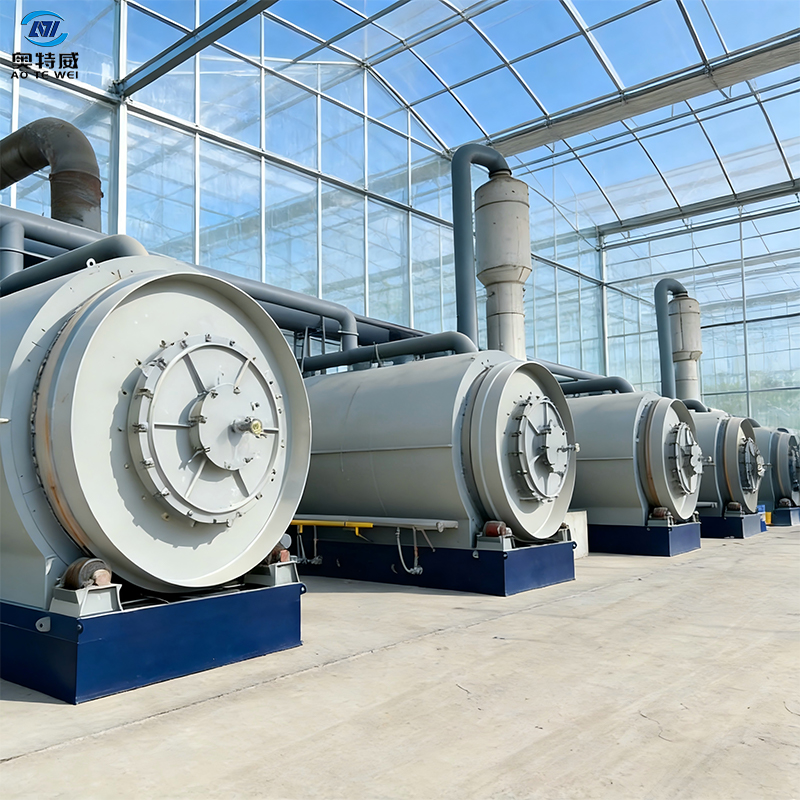
Polystyrene foam recycling is a critical process that transforms discarded expanded polystyrene (EPS) materials into reusable raw resources, reducing environmental waste and supporting a circular economy. As one of the most widely used packaging and insulation materials in the world, polystyrene foam presents a significant disposal challenge due to its low density, large volume, and resistance to natural decomposition. Polystyrene foam recycling addresses these challenges head-on by employing advanced mechanical, thermal, and chemical technologies to process and repurpose this material efficiently. The main function of polystyrene foam recycling is to compress, melt, or dissolve EPS waste into compact, manageable forms that can be reintroduced into manufacturing supply chains. Technologies used in polystyrene foam recycling include cold compaction, hot melting (extrusion), and solvent-based dissolution systems. Cold compaction machines physically compress foam into dense blocks without heat, making them easier to transport and store. Hot melt extruders apply heat to liquefy the foam, producing solid ingots or pellets that manufacturers can use to create new plastic products. Solvent-based systems dissolve EPS using specific chemical agents, recovering the polystyrene in a purified form suitable for high-quality applications. These technological features make polystyrene foam recycling adaptable to a wide range of operational scales, from small retail collection points to large industrial processing facilities. Applications of polystyrene foam recycling span numerous industries. Recycled polystyrene is used in the production of picture frames, crown molding, coat hangers, rulers, and various plastic components. It also finds application in construction materials such as insulation boards and decorative trims. In the packaging industry, recycled EPS is reprocessed into new foam products, closing the loop on material use. By integrating polystyrene foam recycling into waste management strategies, businesses and municipalities can significantly cut landfill contributions, lower carbon footprints, and generate value from materials that would otherwise be discarded. This process is not only environmentally responsible but also economically viable, making it an essential component of modern sustainable waste management.

New Products

Polystyrene foam recycling delivers a wide range of practical benefits that matter to businesses, municipalities, waste haulers, and environmentally conscious organizations. Understanding these advantages helps decision-makers see why investing in polystyrene foam recycling equipment and programs makes strong operational and financial sense. First, polystyrene foam recycling dramatically reduces waste volume. EPS foam is made up of roughly 98 percent air, which means it takes up enormous amounts of space in bins, trucks, and landfills. When you process foam through a recycling system, you can reduce its volume by up to 90 times. That means fewer collection trips, lower hauling costs, and significantly less pressure on landfill capacity. For businesses that generate large quantities of foam packaging, this volume reduction translates directly into measurable cost savings on waste disposal. Second, polystyrene foam recycling creates a recoverable material with real market value. Processed EPS, whether in the form of compressed blocks or melted ingots, can be sold to manufacturers who use it as a raw material for new products. This turns a waste liability into a revenue-generating asset. Companies that set up foam recycling programs often find that the income from selling recycled material helps offset the cost of the recycling equipment over time. Third, polystyrene foam recycling supports regulatory compliance and corporate sustainability goals. Governments around the world are tightening restrictions on foam disposal, and many regions are moving toward outright bans on landfilling EPS. By adopting polystyrene foam recycling practices, businesses stay ahead of regulations and avoid potential fines or operational disruptions. At the same time, demonstrating a commitment to recycling strengthens brand reputation and appeals to customers who prioritize environmental responsibility. Fourth, polystyrene foam recycling is operationally flexible. Modern recycling systems are available in a range of sizes and configurations, from compact units suitable for a single retail store to high-capacity industrial machines designed for large distribution centers or municipal collection programs. This scalability means that organizations of any size can find a polystyrene foam recycling solution that fits their space, budget, and volume requirements without overcommitting resources. Fifth, polystyrene foam recycling contributes to broader environmental goals. EPS foam does not biodegrade in any meaningful timeframe, and when it ends up in the environment, it breaks into small particles that contaminate soil and waterways. By diverting foam from landfills and the open environment, polystyrene foam recycling helps protect ecosystems, reduce plastic pollution, and conserve the petroleum-based resources used to manufacture virgin polystyrene. Taken together, these advantages make polystyrene foam recycling a smart, practical, and forward-looking choice for any organization dealing with foam waste on a regular basis.

Latest News

Company Updates Factory Audit Video | On-site Shooting of Aotewei Environmental Protection Equipment, Transparently Showing Manufacturing Strength

08

Apr

Company Updates Factory Audit Video | On-site Shooting of Aotewei Environmental Protection Equipment, Transparently Showing Manufacturing Strength

To further improve supply chain transparency and optimize the factory audit experience for domestic and overseas customers, Shangqiu Aotewei Environmental Protection Equipment Co., Ltd. has recently completed a comprehensive update of its factory aud...
View More

Get a Free Quote

Our representative will contact you soon.
Email
WhatsApp / Mobile
Name
Company Name
Message
0/1000

polystyrene foam recycling

Advanced Volume Reduction Technology That Cuts Costs and Simplifies Logistics

Advanced Volume Reduction Technology That Cuts Costs and Simplifies Logistics

One of the most compelling features of modern polystyrene foam recycling systems is their ability to achieve dramatic volume reduction through precision-engineered compression and melting technology. Because expanded polystyrene is composed almost entirely of air, raw foam waste is extraordinarily bulky relative to its actual material weight. A single truckload of loose EPS foam may contain only a small fraction of actual polystyrene by mass, meaning that without processing, businesses are essentially paying to transport and store air. Polystyrene foam recycling systems solve this problem by using either cold compaction or thermal extrusion to collapse the foam structure and produce dense, uniform output blocks or ingots. Cold compaction systems use mechanical pressure to crush foam into tightly bound blocks without applying heat. These blocks are stable, easy to stack, and can be stored or shipped efficiently. Thermal extrusion systems go further by melting the foam entirely, producing solid polystyrene ingots with a density many times greater than the original material. In both cases, the volume reduction achieved through polystyrene foam recycling can reach ratios of 50:1 to 90:1, meaning that what once filled an entire warehouse corner can be reduced to a compact pallet of processed material. This transformation has immediate and tangible cost implications. Waste hauling fees drop because fewer pickups are needed. Storage space is freed up for productive use. Transportation costs for moving processed material to end markets are a fraction of what it would cost to move raw foam. For high-volume foam generators such as appliance retailers, electronics distributors, fish processors, and food packaging companies, these savings accumulate quickly and can represent a significant reduction in overall waste management expenditure. Beyond cost, the logistical simplicity that polystyrene foam recycling introduces is a major operational benefit. Processed foam blocks and ingots are uniform in shape and size, making them straightforward to handle, inventory, and ship. This predictability supports better planning and more efficient use of labor and equipment throughout the waste management workflow. Investing in polystyrene foam recycling technology with strong volume reduction capability is therefore not just an environmental decision but a sound business strategy that pays dividends across multiple areas of operations.
Closed-Loop Material Recovery That Generates Revenue From Waste

Closed-Loop Material Recovery That Generates Revenue From Waste

Polystyrene foam recycling does more than eliminate a disposal problem. It transforms a material that most organizations treat as a pure cost into a commodity with genuine market value. This shift from waste liability to recoverable resource is one of the most powerful economic arguments for adopting polystyrene foam recycling at scale. When EPS foam is processed through a recycling system, the output, whether compressed blocks from a cold compactor or solid ingots from a hot melt extruder, is a form of secondary polystyrene that manufacturers actively seek as a raw material input. Producers of plastic goods including picture frames, decorative moldings, hangers, stationery items, and construction trim regularly purchase recycled polystyrene because it offers a cost-effective alternative to virgin resin. The quality of recycled polystyrene produced through modern polystyrene foam recycling equipment is consistently high enough to meet the specifications of these downstream applications, making it a reliable and in-demand commodity. For organizations that generate foam waste in significant quantities, establishing a polystyrene foam recycling program creates a new revenue stream that directly offsets operational costs. The income from selling processed EPS material can contribute to recovering the capital investment in recycling equipment, reducing the net cost of the program over its operational life. In some high-volume scenarios, the revenue generated through polystyrene foam recycling can exceed the cost of collection and processing, effectively making the program self-sustaining or even profitable. This closed-loop model also aligns with the principles of the circular economy, a framework that is increasingly influencing procurement decisions, investor expectations, and regulatory policy around the world. Companies that demonstrate active participation in material recovery and reuse through polystyrene foam recycling are better positioned to meet environmental, social, and governance (ESG) reporting requirements and to attract partnerships with sustainability-focused clients and suppliers. The ability to turn foam waste into a marketable product is not a theoretical benefit. It is a practical, measurable outcome that polystyrene foam recycling delivers consistently, making it one of the most financially compelling reasons to invest in a structured foam waste management program.
Scalable and Versatile Systems Designed for Real-World Operational Environments

Scalable and Versatile Systems Designed for Real-World Operational Environments

A major strength of contemporary polystyrene foam recycling technology is its adaptability to diverse operational contexts. Unlike some waste processing solutions that require large dedicated facilities or specialized infrastructure, polystyrene foam recycling systems are engineered to fit into the environments where foam waste is actually generated, from retail back rooms and distribution warehouses to municipal collection depots and industrial manufacturing plants. This versatility begins with equipment design. Polystyrene foam recycling machines are available across a wide spectrum of sizes and processing capacities. Compact tabletop or floor-standing cold compactors can handle the foam output of a single store or small business, processing material on-site without requiring significant floor space or utility connections. Mid-range systems serve medium-volume generators such as regional distributors, appliance dealers, or food processing operations, offering higher throughput while remaining practical for standard commercial environments. At the industrial end of the spectrum, high-capacity polystyrene foam recycling lines integrate conveyor feeding, automated compression or extrusion, and output handling systems capable of processing several tons of foam per day, meeting the demands of large-scale collection programs or manufacturing facilities. Beyond size, polystyrene foam recycling systems accommodate a variety of foam types and contamination levels. EPS foam arrives in many forms, including packaging blocks, loose fill peanuts, fish boxes, food service containers, and construction insulation boards. Advanced polystyrene foam recycling equipment is designed to handle this diversity, with adjustable settings and robust construction that can manage varying densities, shapes, and surface conditions. Some systems incorporate pre-processing steps such as shredding or cleaning to prepare mixed or contaminated foam streams for efficient recycling. The operational simplicity of modern polystyrene foam recycling equipment is another key advantage. Intuitive controls, low maintenance requirements, and reliable performance reduce the burden on operators and minimize downtime. Training staff to use polystyrene foam recycling systems is straightforward, and ongoing support from equipment suppliers ensures that organizations can maintain consistent processing performance over the long term. This combination of scalability, versatility, and ease of operation makes polystyrene foam recycling accessible and practical for virtually any organization committed to responsible foam waste management.

Get a Free Quote

Our representative will contact you soon.
Email
WhatsApp / Mobile
Name
Company Name
Message
0/1000
Newsletter
Please Leave A Message With Us