Products of Pyrolysis of Plastics: Fuel Oil, Syngas and Char Solutions

Get a Free Quote

Our representative will contact you soon.
Email
WhatsApp / Mobile
Name
Company Name
Message
0/1000

products of pyrolysis of plastics

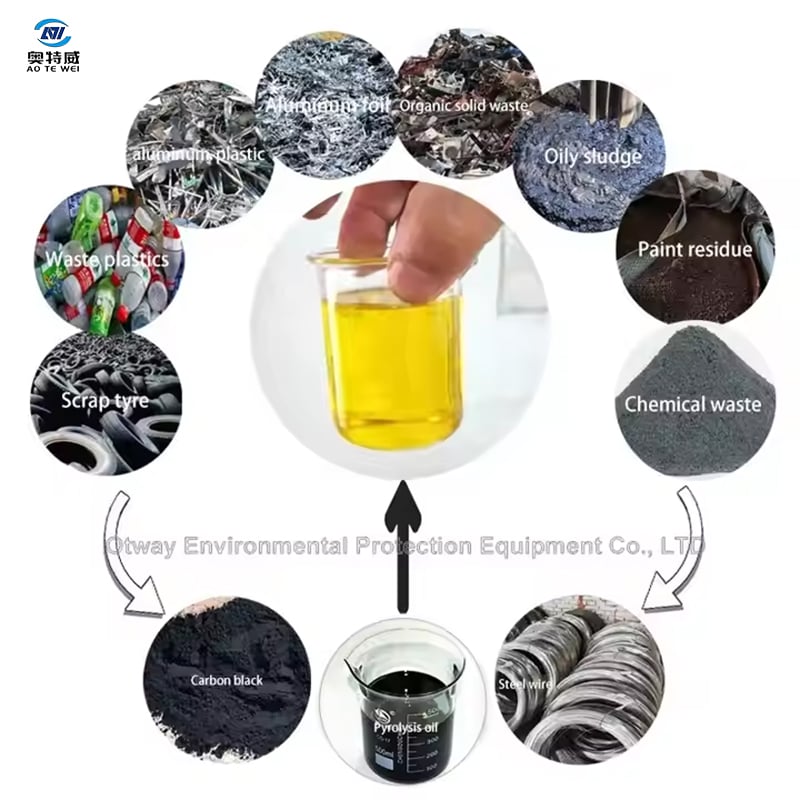
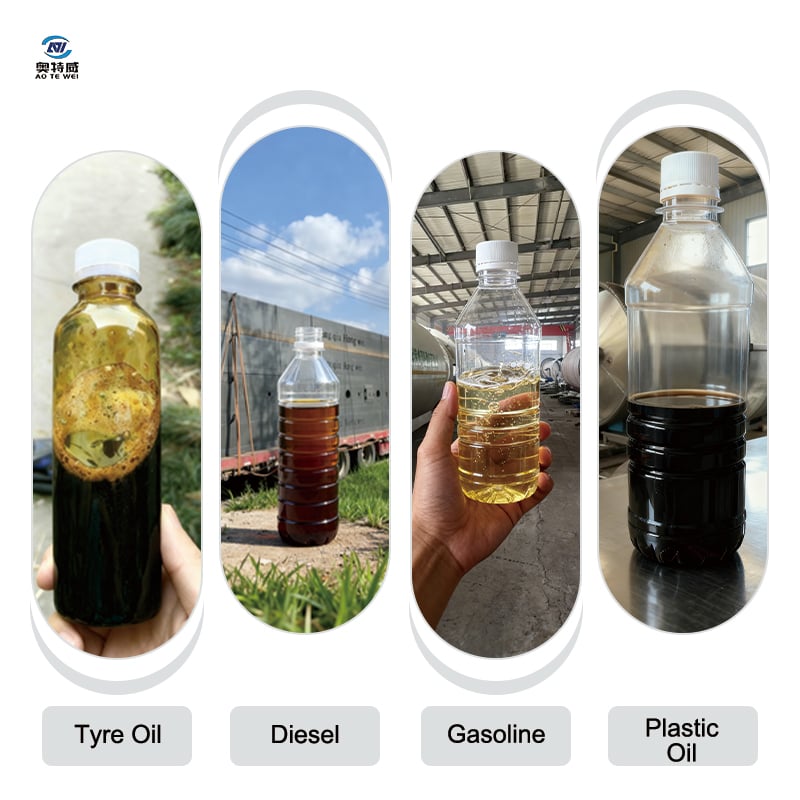
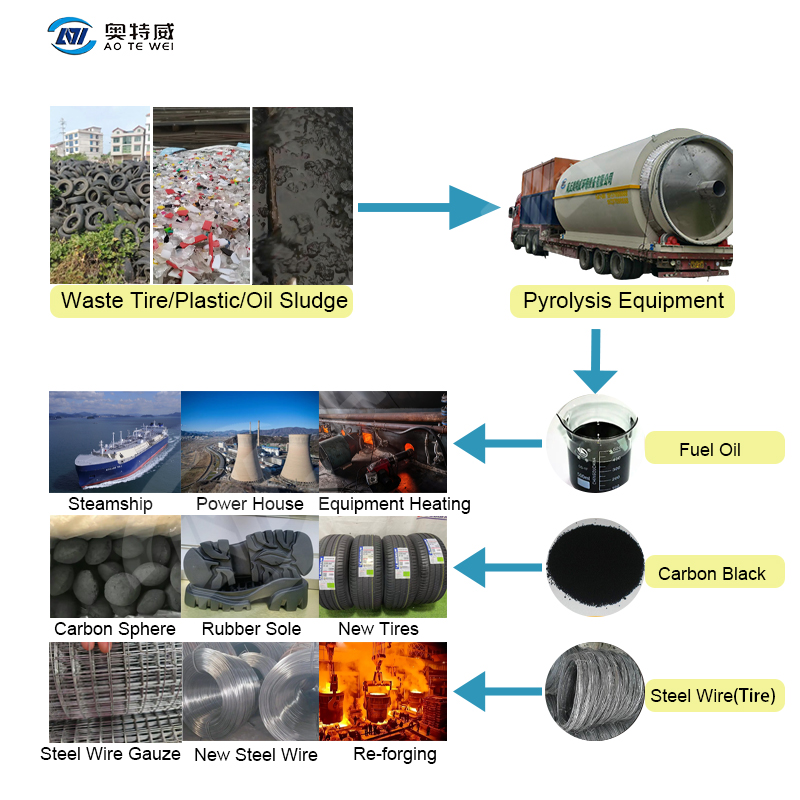
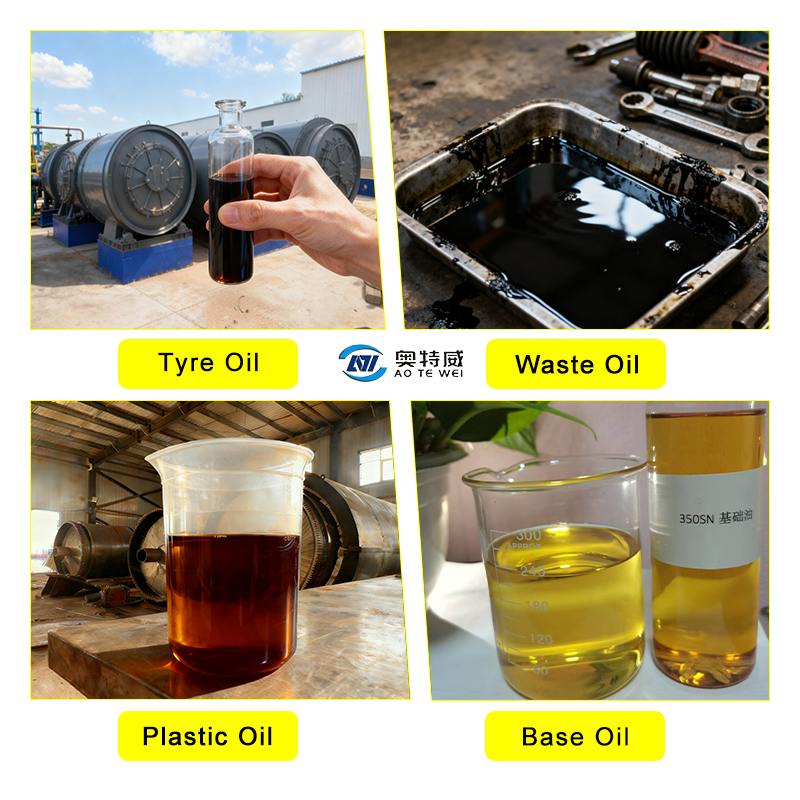
The products of pyrolysis of plastics represent a transformative category of materials and fuels derived from the thermal decomposition of plastic waste in the absence of oxygen. This advanced recycling process converts discarded plastics into three primary outputs: pyrolysis oil, syngas, and char. Each of these products of pyrolysis of plastics carries distinct properties and serves a wide range of industrial and commercial purposes, making the technology a cornerstone of modern circular economy strategies. Pyrolysis oil, often referred to as plastic-derived fuel oil, is the most commercially significant of the products of pyrolysis of plastics. It closely resembles conventional diesel or heavy fuel oil in its chemical composition and energy content, making it suitable for direct use in industrial furnaces, generators, and marine engines, or as a feedstock for further refining into transportation fuels. The oil typically has a high calorific value, ranging from 40 to 45 MJ per kilogram, which positions it as a competitive alternative to fossil-derived fuels. Syngas, the gaseous fraction among the products of pyrolysis of plastics, is a mixture primarily composed of hydrogen, methane, carbon monoxide, and carbon dioxide. This combustible gas can be used to power the pyrolysis reactor itself, significantly improving the overall energy efficiency of the system, or it can be fed into gas engines and turbines to generate electricity. In some advanced configurations, syngas is further processed into hydrogen fuel or synthetic natural gas. Char, the solid residue produced alongside the other products of pyrolysis of plastics, contains carbon black and inorganic ash. Depending on the quality of the input plastic and the process temperature, char can be refined into carbon black for use in rubber manufacturing, tire production, and pigment applications, or it can serve as a solid fuel or soil amendment. The technological features of pyrolysis systems include continuous feeding mechanisms, precise temperature control, catalytic enhancement options, and integrated condensation units that maximize oil yield. These systems are engineered to handle mixed plastic waste streams, including polyethylene, polypropylene, polystyrene, and ABS, broadening the scope of recoverable products of pyrolysis of plastics across diverse waste management scenarios.

New Product Recommendations

The products of pyrolysis of plastics deliver real, measurable value to businesses, municipalities, and industries that are looking for smarter ways to handle plastic waste while generating usable resources. Here is a straightforward look at why these outputs matter and what they can do for you. First, you turn a waste problem into a revenue stream. Plastic waste costs money to collect, transport, and dispose of. When you process that waste through pyrolysis, you get pyrolysis oil, syngas, and char, all of which have market value. The oil alone can be sold as industrial fuel or refined further into diesel-grade products. Instead of paying to get rid of plastic, you start earning from it. That shift in economics is one of the most compelling reasons businesses invest in pyrolysis technology. Second, the products of pyrolysis of plastics reduce your dependence on virgin fossil fuels. Pyrolysis oil performs comparably to conventional fuel oil in many industrial applications. Factories, shipping operations, and power plants can substitute a portion of their fuel supply with pyrolysis-derived oil, cutting procurement costs and reducing exposure to volatile crude oil prices. This is a practical energy security benefit that does not require you to overhaul your existing equipment. Third, you actively reduce plastic pollution. Every ton of plastic that goes through pyrolysis is a ton that does not end up in a landfill, incinerator, or ocean. The products of pyrolysis of plastics give that material a second life with tangible utility. For companies with sustainability commitments or regulatory pressure to reduce waste, this is a direct and verifiable way to demonstrate environmental responsibility. Fourth, the char produced as one of the products of pyrolysis of plastics has its own set of practical uses. Refined char can replace commercial carbon black in rubber compounding and coating applications, offering a cost-effective raw material for manufacturers. Lower-grade char can be used as a solid fuel or blended into construction materials, ensuring that virtually nothing from the process goes to waste. Fifth, pyrolysis systems can run largely on the syngas they produce. This self-sustaining energy loop lowers operating costs significantly. You are not buying large amounts of external fuel to run the reactor because the process feeds itself. That efficiency translates directly into better margins for operators. Sixth, the products of pyrolysis of plastics support compliance with increasingly strict waste regulations. Governments around the world are tightening rules on plastic disposal and landfill use. Having a pyrolysis-based processing capability positions your operation ahead of those requirements rather than scrambling to catch up. Seventh, the technology scales to fit different operation sizes. Whether you run a small municipal waste facility or a large industrial recycling plant, pyrolysis systems can be configured to match your throughput needs. The products of pyrolysis of plastics remain consistent in quality across different scales, giving you predictable outputs you can plan around. In summary, the products of pyrolysis of plastics are not just byproducts of a recycling process. They are functional, sellable, and strategically valuable outputs that help businesses cut costs, generate income, meet environmental goals, and stay ahead of regulatory change. The practical benefits are concrete and accessible, regardless of the size or sector of your operation.

Practical Tips

Company Updates Factory Audit Video | On-site Shooting of Aotewei Environmental Protection Equipment, Transparently Showing Manufacturing Strength

08

Apr

Company Updates Factory Audit Video | On-site Shooting of Aotewei Environmental Protection Equipment, Transparently Showing Manufacturing Strength

To further improve supply chain transparency and optimize the factory audit experience for domestic and overseas customers, Shangqiu Aotewei Environmental Protection Equipment Co., Ltd. has recently completed a comprehensive update of its factory aud...
View More

Get a Free Quote

Our representative will contact you soon.
Email
WhatsApp / Mobile
Name
Company Name
Message
0/1000

products of pyrolysis of plastics

High-Yield Pyrolysis Oil: A Versatile Fuel Source Derived from Plastic Waste

High-Yield Pyrolysis Oil: A Versatile Fuel Source Derived from Plastic Waste

Among all the products of pyrolysis of plastics, pyrolysis oil stands out as the most economically significant and widely applicable output. This dark, energy-dense liquid is produced when plastic waste is thermally cracked at temperatures typically ranging from 300 to 550 degrees Celsius in an oxygen-free environment. The result is a hydrocarbon-rich oil that shares many characteristics with conventional petroleum-derived fuels, making it immediately useful across a broad range of industrial settings without requiring extensive infrastructure changes. The calorific value of pyrolysis oil generally falls between 40 and 45 megajoules per kilogram, which is comparable to standard diesel and heavy fuel oil. This energy density makes it a practical substitute for fossil fuels in industrial boilers, rotary kilns, cement plants, steel mills, and marine diesel engines. Operators can blend pyrolysis oil with conventional fuel or use it as a standalone energy source, depending on their equipment specifications and regulatory environment. One of the most valuable aspects of this particular product among the products of pyrolysis of plastics is its potential for further upgrading. Through hydrotreatment and distillation, raw pyrolysis oil can be refined into transportation-grade diesel, naphtha, or even feedstock for petrochemical production. This upgrading pathway significantly increases the market value of the oil and opens doors to premium end markets that demand higher purity and tighter specifications. From a supply chain perspective, pyrolysis oil offers a degree of energy independence that is increasingly attractive in a world of fluctuating crude oil prices. Facilities that generate their own pyrolysis oil from waste plastic can stabilize a portion of their fuel costs and reduce procurement risk. For waste management companies, the oil represents a direct monetization channel for materials that would otherwise require costly disposal. The quality and yield of pyrolysis oil depend on several factors, including the type of plastic feedstock, the reactor temperature profile, the residence time of vapors, and whether catalysts are used. Polyethylene and polypropylene tend to produce the highest oil yields, often exceeding 80 percent by weight, while mixed or contaminated plastics may yield less. Advanced pyrolysis systems incorporate real-time monitoring and automated controls to optimize these variables continuously, ensuring consistent oil quality batch after batch. For potential customers evaluating the products of pyrolysis of plastics, pyrolysis oil represents the clearest and most immediate return on investment. It is a tangible, sellable product with established demand in industrial fuel markets, and its production directly offsets the cost of plastic waste management while contributing to a more sustainable energy mix.
Syngas and Char: Maximizing Value from Every Component of the Pyrolysis Process

Syngas and Char: Maximizing Value from Every Component of the Pyrolysis Process

A complete understanding of the products of pyrolysis of plastics requires looking beyond pyrolysis oil to the other two outputs that the process generates: syngas and char. These co-products are often underestimated, but they play a critical role in making pyrolysis operations economically viable and environmentally efficient. Syngas, short for synthesis gas, is the non-condensable gaseous fraction that rises from the reactor during pyrolysis. It is a mixture of combustible gases, primarily hydrogen, methane, ethylene, and carbon monoxide, with smaller amounts of carbon dioxide and other light hydrocarbons. The exact composition of syngas varies depending on the plastic feedstock and the operating temperature, but its heating value is typically sufficient to sustain the pyrolysis reactor itself. This self-fueling capability is one of the most operationally significant features of the products of pyrolysis of plastics as a system. By routing syngas back into the reactor burner, operators dramatically reduce or even eliminate the need for external fuel inputs, lowering operating costs and improving the overall energy balance of the facility. Beyond internal use, syngas can be directed to gas engines or turbines to generate electricity, which can power the facility or be sold back to the grid. In more advanced configurations, syngas undergoes further processing through water-gas shift reactions and purification to produce high-purity hydrogen, a fuel with growing demand in clean energy applications. This positions syngas as a forward-looking product among the products of pyrolysis of plastics, with value that is likely to increase as hydrogen economies develop globally. Char, the solid residue left in the reactor after pyrolysis, is the third major product and one that deserves serious commercial attention. When high-quality plastic feedstocks are used and the process is well-controlled, the resulting char contains significant concentrations of carbon black, a material with established industrial demand. Carbon black is used extensively in rubber compounding, tire manufacturing, ink production, and as a pigment in coatings and plastics. Substituting virgin carbon black with pyrolysis-derived char can reduce raw material costs for manufacturers while diverting waste from landfills. Lower-grade char, produced from mixed or contaminated plastics, still has utility as a solid fuel with a reasonable calorific value, or as an additive in construction materials such as asphalt and cement composites. Some research applications are also exploring char as a soil amendment to improve carbon sequestration and agricultural productivity. The combined value of syngas and char ensures that the products of pyrolysis of plastics deliver a near-zero-waste outcome. Every kilogram of plastic that enters the reactor contributes to one or more usable outputs, maximizing resource recovery and minimizing disposal costs. For operators and investors, this comprehensive value capture across all three product streams is what makes pyrolysis a financially and environmentally compelling solution.
Advanced Process Technology: How Modern Pyrolysis Systems Optimize Product Quality and Yield

Advanced Process Technology: How Modern Pyrolysis Systems Optimize Product Quality and Yield

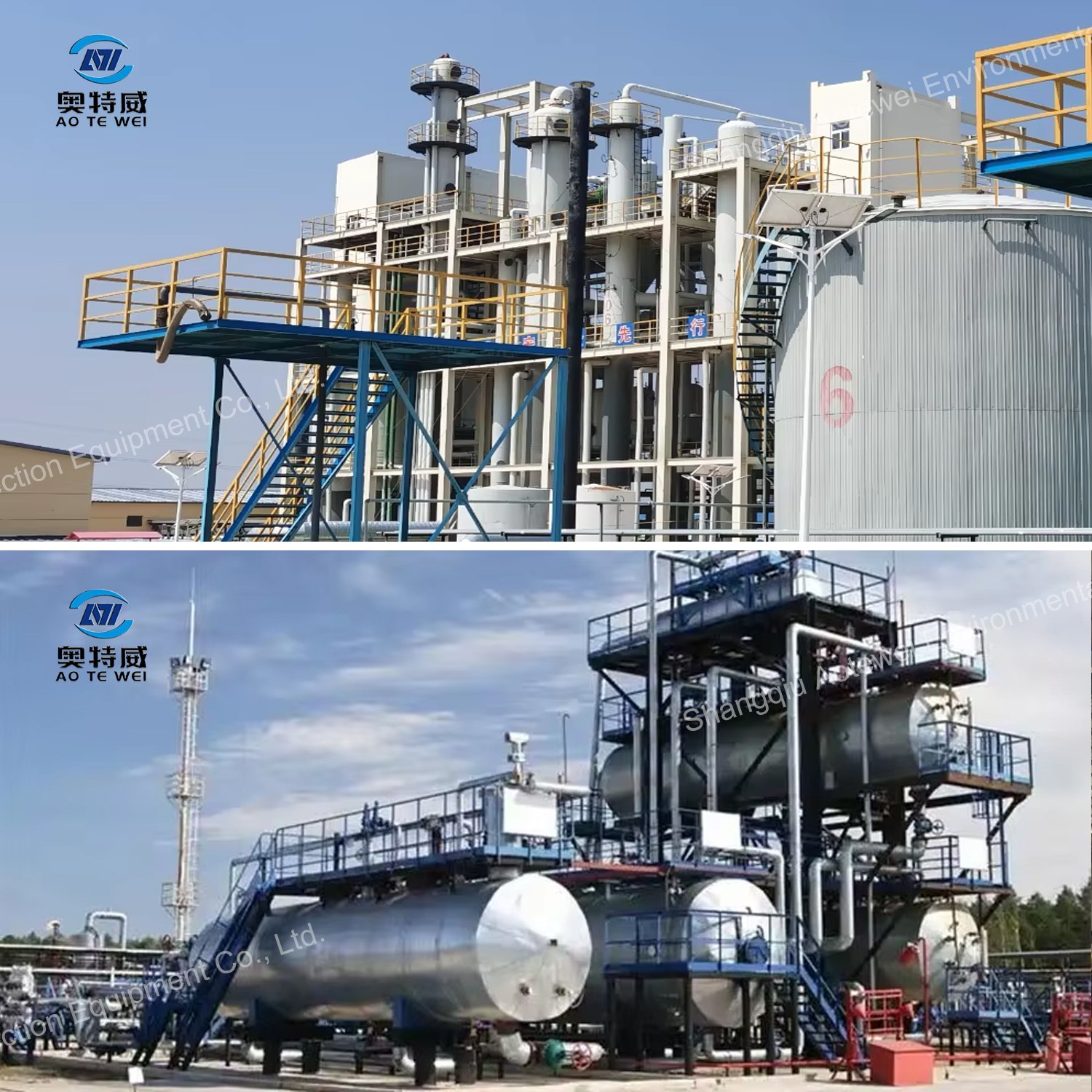
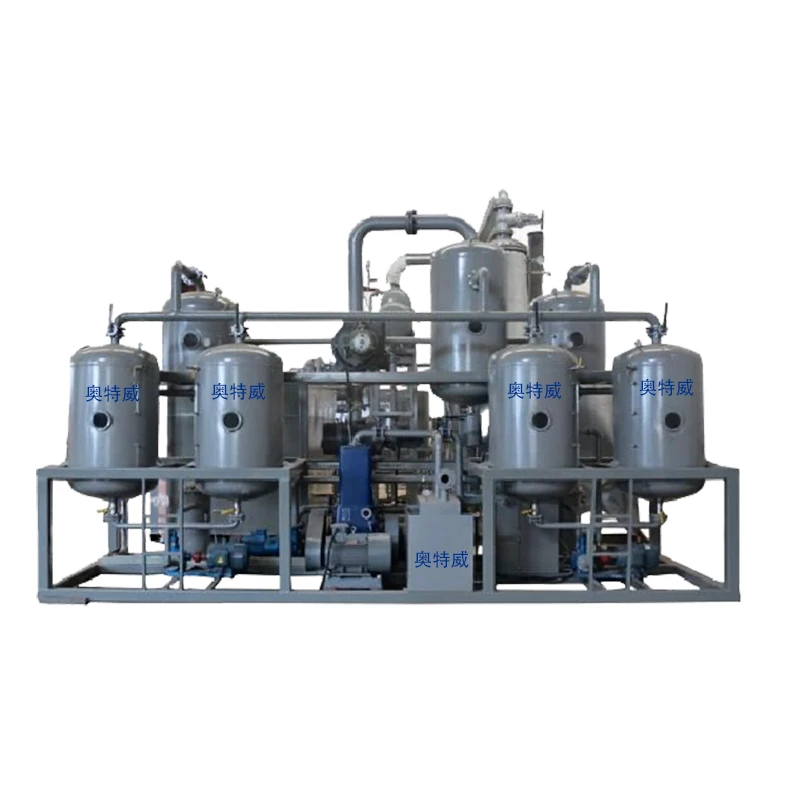
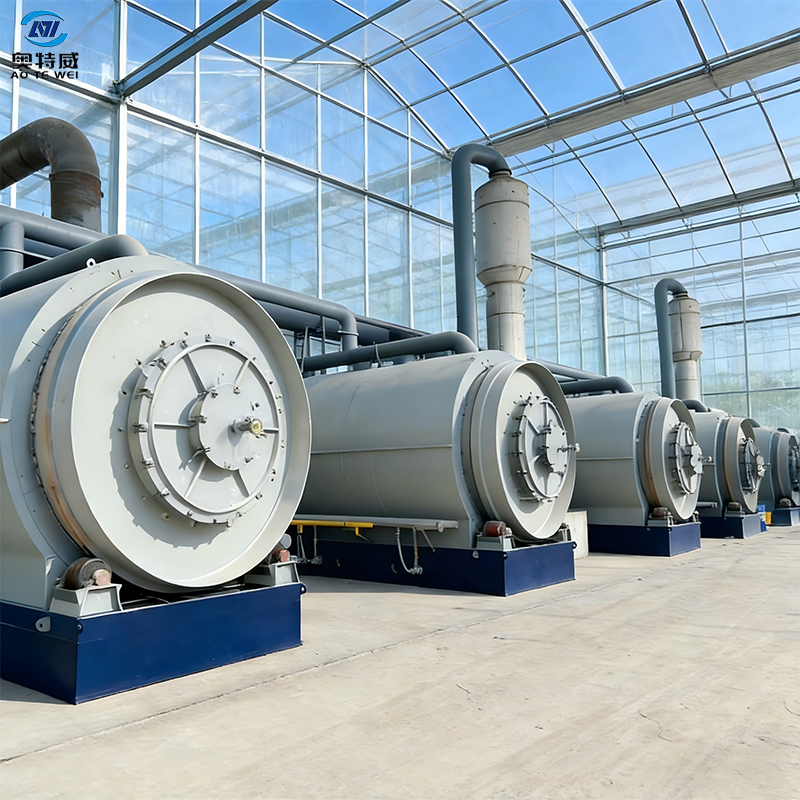
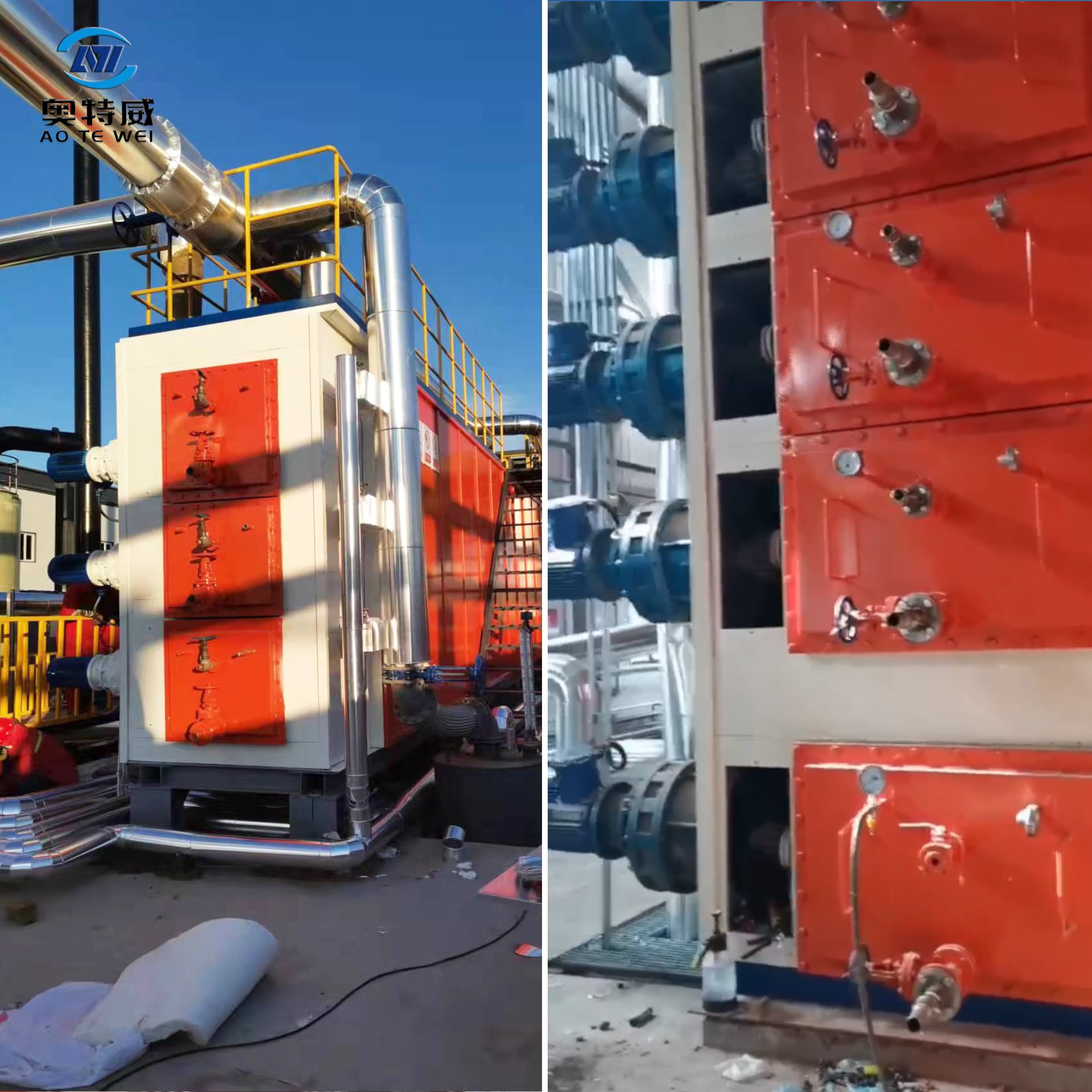
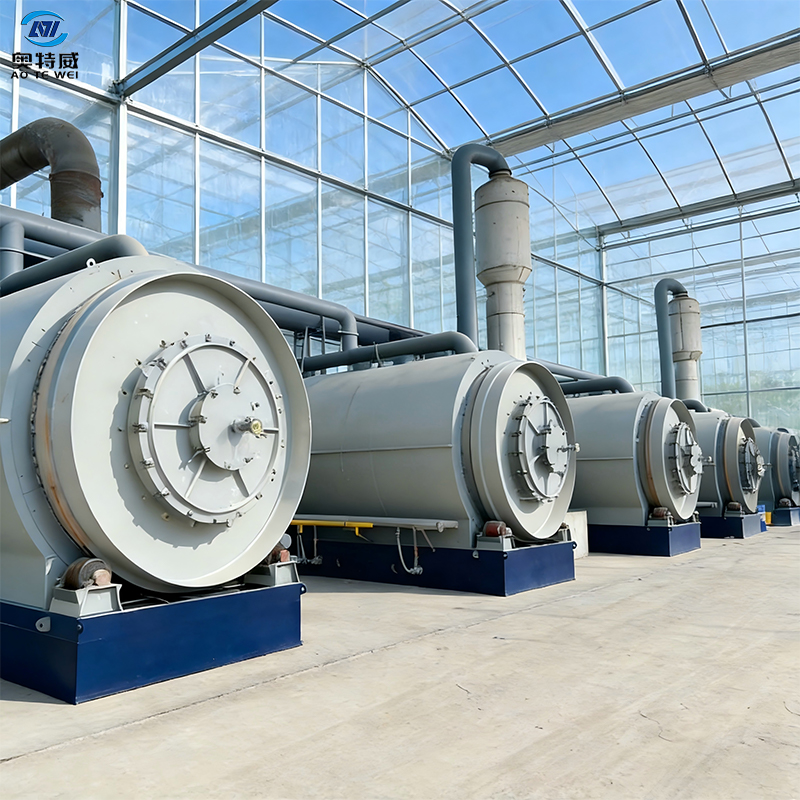
The quality, consistency, and commercial value of the products of pyrolysis of plastics are directly tied to the sophistication of the technology used to produce them. Modern pyrolysis systems have evolved significantly from early batch reactors into highly engineered, continuous-feed platforms that incorporate precise thermal management, catalytic enhancement, and integrated downstream processing to maximize output quality across all three product streams. At the heart of any pyrolysis system is the reactor, where plastic feedstock is heated in the absence of oxygen to initiate thermal cracking. The design of the reactor, whether rotary kiln, screw conveyor, fluidized bed, or fixed bed, determines how uniformly heat is applied to the feedstock, how efficiently vapors are removed, and how easily the system handles different types of plastic waste. Continuous-feed reactors, in particular, offer significant advantages over batch systems by maintaining stable operating conditions, reducing downtime, and enabling higher throughput, all of which contribute to more consistent products of pyrolysis of plastics. Temperature control is one of the most critical variables in the process. Different plastics crack at different temperatures, and the temperature profile within the reactor directly influences the ratio of oil, syngas, and char produced. Lower temperatures tend to favor higher oil yields, while higher temperatures shift the balance toward syngas. Advanced systems use programmable logic controllers and real-time sensor feedback to maintain precise temperature profiles, allowing operators to tune the process toward their preferred product mix based on current market demand. Catalytic pyrolysis represents a significant technological advancement in the production of products of pyrolysis of plastics. By introducing catalysts such as zeolites, alumina, or proprietary formulations into the reactor or downstream vapor stream, operators can improve oil quality, narrow the hydrocarbon distribution, reduce unwanted compounds, and increase the proportion of lighter, more valuable fractions. Catalytic systems also tend to operate at lower temperatures than purely thermal systems, reducing energy consumption and extending equipment life. The condensation and separation system downstream of the reactor is equally important. Vapor from the reactor passes through a series of condensers that cool and collect the oil fraction while allowing non-condensable syngas to pass through for combustion or further processing. Multi-stage condensation systems can separate the oil into different fractions with distinct properties, enabling more targeted product applications and higher selling prices. Integrated gas cleaning systems remove particulates, sulfur compounds, and other contaminants from the syngas before it is used or sold, ensuring compliance with emissions standards and protecting downstream equipment. Safety systems, including pressure relief valves, inert gas purging, and automated shutdown protocols, are built into modern pyrolysis platforms to protect operators and ensure regulatory compliance. For customers evaluating the products of pyrolysis of plastics as a business opportunity, the technology platform is not just a background consideration. It is the foundation that determines whether the operation will be profitable, compliant, and scalable. Investing in a well-engineered system with proven performance data is the most reliable path to consistent, high-value outputs from plastic waste.

Get a Free Quote

Our representative will contact you soon.
Email
WhatsApp / Mobile
Name
Company Name
Message
0/1000
Newsletter
Please Leave A Message With Us