Small Scale Crude Oil Refinery: Compact, Efficient, and Built for Independent Fuel Production

Get a Free Quote

Our representative will contact you soon.
Email
WhatsApp / Mobile
Name
Company Name
Message
0/1000

small scale crude oil refinery

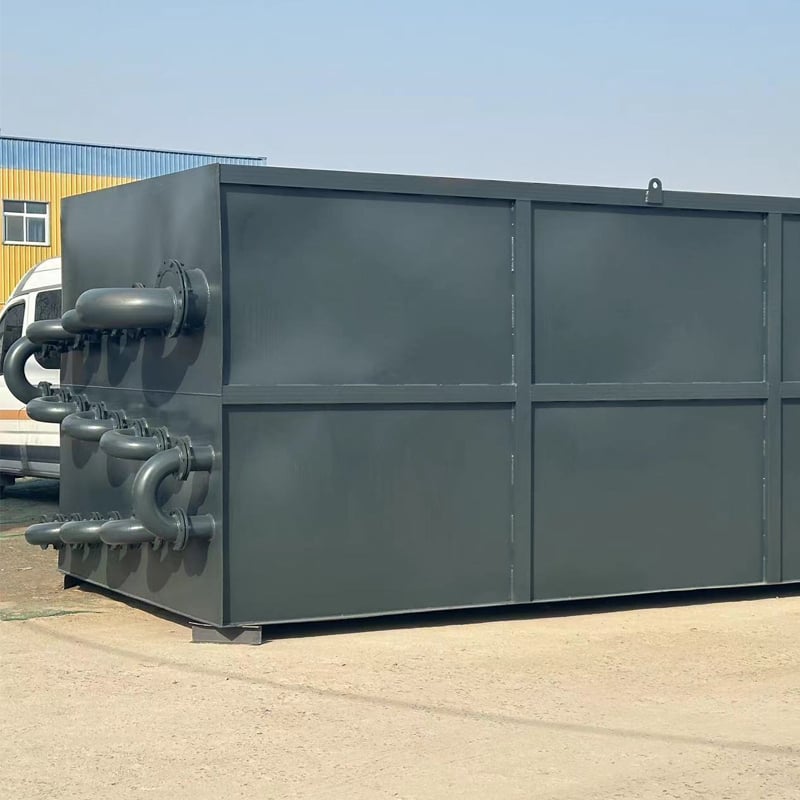
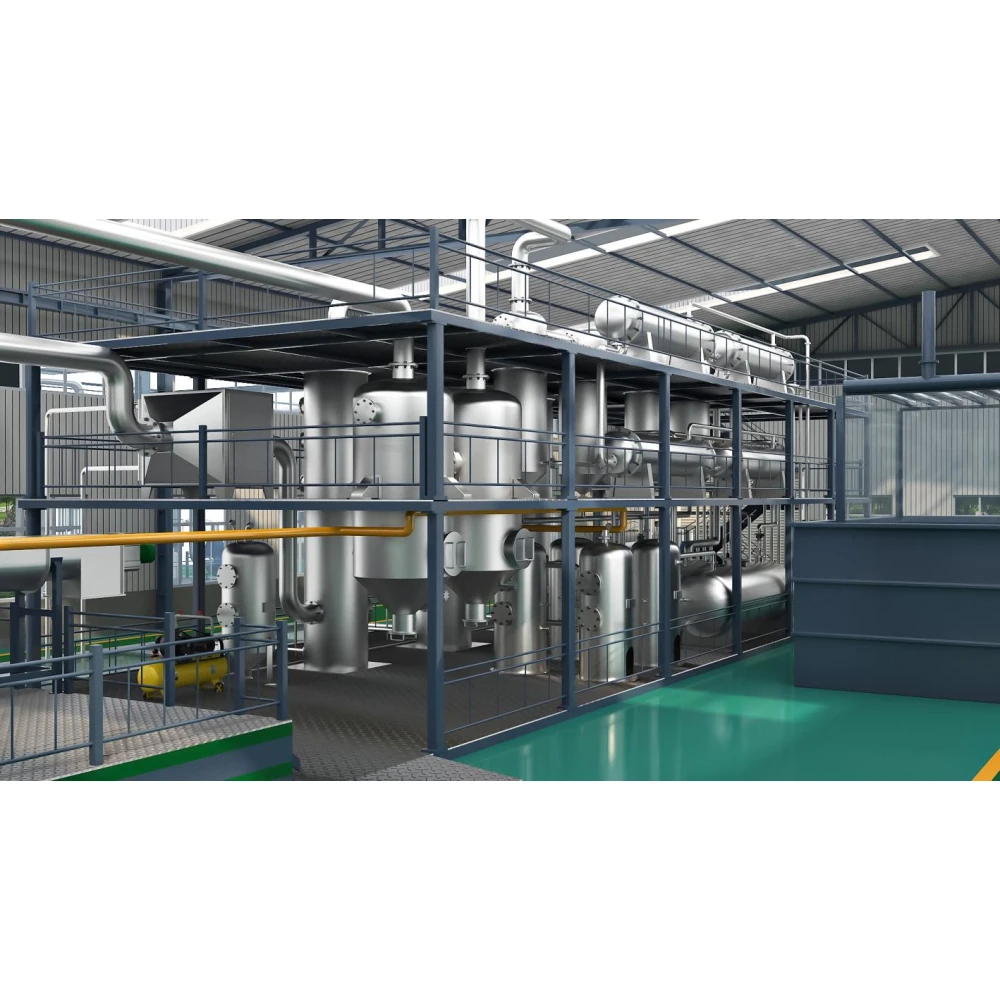
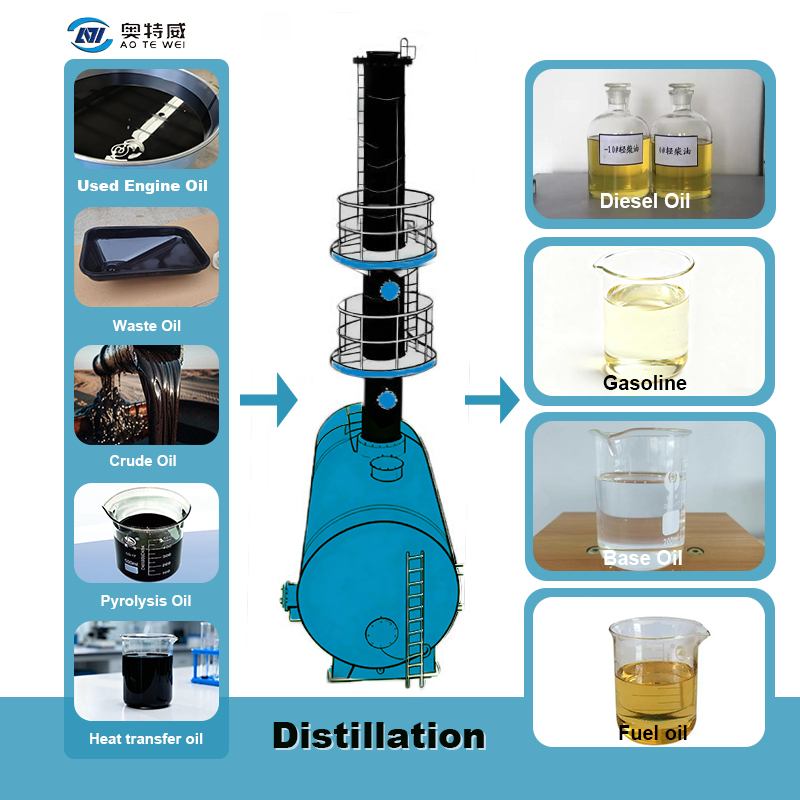
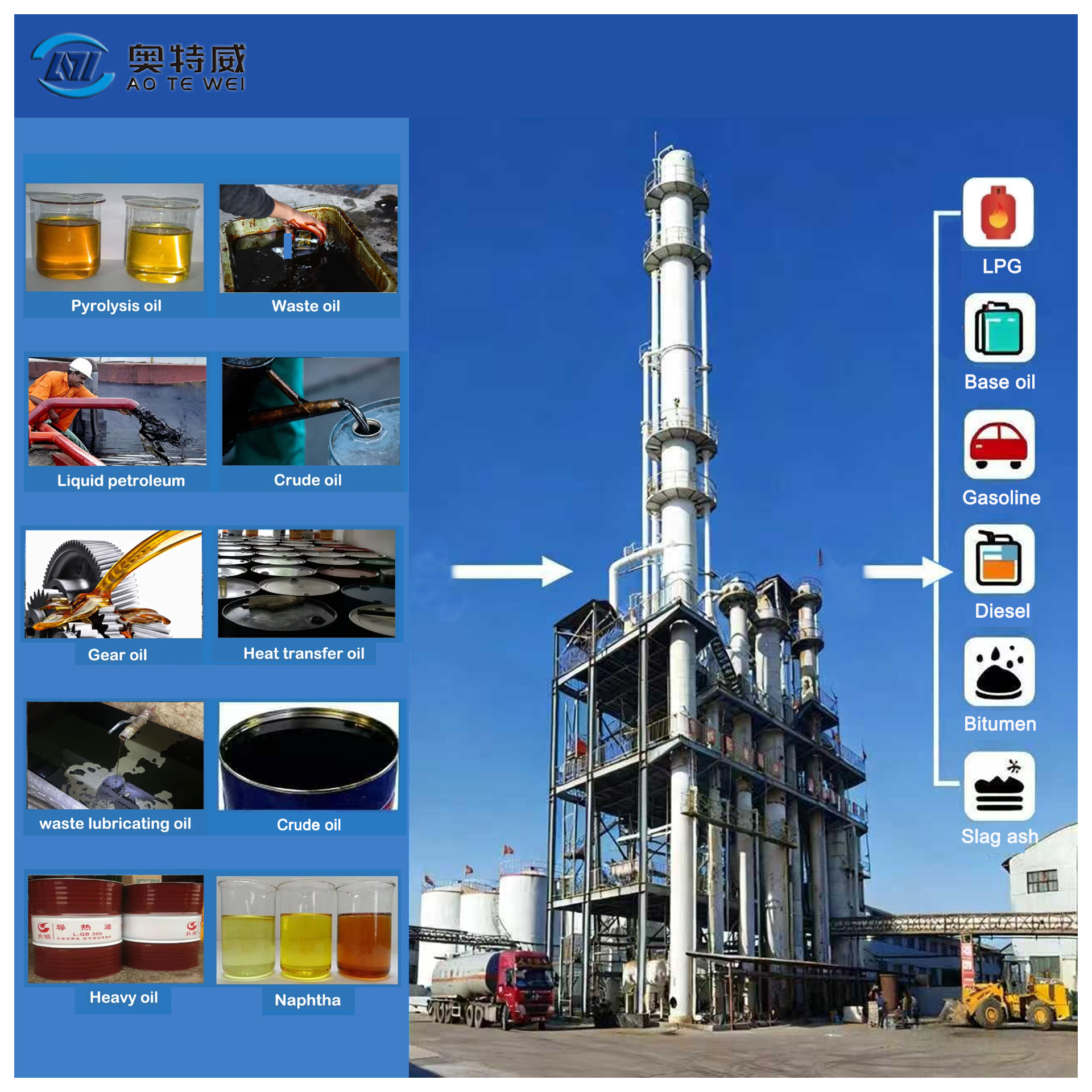
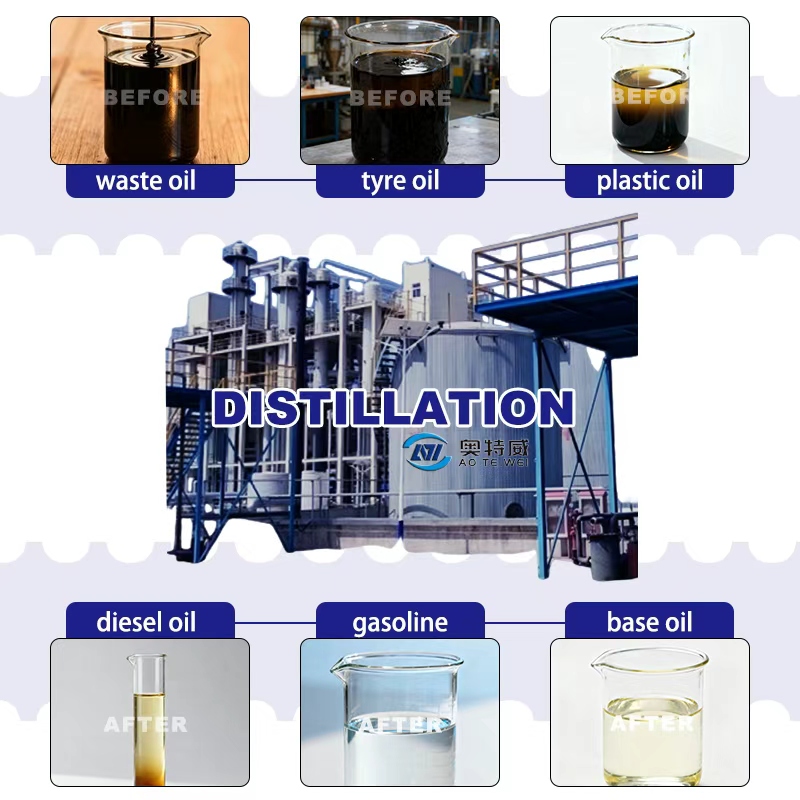
A small scale crude oil refinery is a compact, fully functional petroleum processing facility designed to convert raw crude oil into usable refined products such as diesel, gasoline, kerosene, and fuel oil. Unlike large industrial refineries that require massive capital investment and extensive infrastructure, a small scale crude oil refinery is engineered to deliver efficient, reliable output within a significantly reduced footprint. These systems are purpose-built for operators who need localized refining capacity without the overhead costs associated with full-scale industrial plants. The core function of a small scale crude oil refinery is to separate crude oil into its component fractions through a process known as atmospheric distillation. Crude oil is heated in a furnace and fed into a distillation column, where different hydrocarbon fractions are separated based on their boiling points. The resulting products are then collected, treated, and stored for distribution or direct use. Technologically, modern small scale crude oil refinery units incorporate advanced process control systems, automated safety shutoffs, heat exchange optimization, and modular design principles. These features allow operators to maintain consistent product quality while minimizing energy consumption and operational waste. Many units also include secondary treatment stages such as hydrotreating or desulfurization to meet regional fuel quality standards. The applications of a small scale crude oil refinery span a wide range of industries and geographies. They are widely used in remote oil-producing regions where transporting crude to distant refineries is cost-prohibitive. Mining operations, agricultural zones, military logistics, and off-grid industrial sites all benefit from on-site refining capability. Developing nations with emerging oil sectors frequently deploy small scale crude oil refinery systems to build domestic fuel supply chains without waiting for large refinery infrastructure to come online. In summary, a small scale crude oil refinery combines practical engineering with economic efficiency, making it an indispensable tool for decentralized energy production and fuel self-sufficiency across diverse operational environments.

Popular Products

A small scale crude oil refinery gives you direct control over your fuel supply, and that changes everything about how you plan and operate your business. Instead of depending on external suppliers, fluctuating market prices, or long delivery schedules, you produce your own refined fuel on demand. That kind of independence is not just convenient, it is a genuine competitive advantage. The first practical benefit is cost reduction. When you refine crude oil on-site using a small scale crude oil refinery, you eliminate the middlemen, the transport fees, and the price markups that come with buying finished fuel products. Over time, the savings compound significantly, especially for operations that consume large volumes of diesel or kerosene on a daily basis. Many operators recover their initial investment within a relatively short period simply by cutting their fuel procurement costs. The second benefit is location flexibility. A small scale crude oil refinery is designed to be deployed in places where large refineries simply cannot go. Whether you are operating in a remote oilfield, a landlocked agricultural region, or an island territory, you can set up a compact refinery close to your crude oil source and your end users. This eliminates the logistical burden of moving crude over long distances and reduces the risk of supply chain disruptions. Third, a small scale crude oil refinery gives you product flexibility. You can adjust your output mix based on what your operation actually needs. If you need more diesel for heavy equipment, you configure the unit accordingly. If kerosene demand rises seasonally, you adapt. This level of responsiveness is simply not available when you are buying fuel from a third-party supplier. Fourth, these systems are scalable. You can start with a smaller throughput capacity and expand as your operation grows. This means you are not locked into a fixed infrastructure investment from day one. You grow your refining capacity in step with your actual demand, which keeps your capital allocation efficient and your risk exposure manageable. Fifth, operating a small scale crude oil refinery builds internal technical capability within your organization. Your team learns the refining process, develops maintenance skills, and gains a deeper understanding of fuel quality management. That knowledge becomes a long-term organizational asset. Finally, having your own small scale crude oil refinery strengthens your negotiating position with crude oil suppliers. When you are buying crude rather than finished fuel, you are working in a different part of the supply chain, often at better price points. Combined with the operational benefits already described, this makes a small scale crude oil refinery one of the most strategically sound investments available to energy-intensive businesses and independent fuel producers today.

Tips And Tricks

Company Updates Factory Audit Video | On-site Shooting of Aotewei Environmental Protection Equipment, Transparently Showing Manufacturing Strength

08

Apr

Company Updates Factory Audit Video | On-site Shooting of Aotewei Environmental Protection Equipment, Transparently Showing Manufacturing Strength

To further improve supply chain transparency and optimize the factory audit experience for domestic and overseas customers, Shangqiu Aotewei Environmental Protection Equipment Co., Ltd. has recently completed a comprehensive update of its factory aud...
View More

Get a Free Quote

Our representative will contact you soon.
Email
WhatsApp / Mobile
Name
Company Name
Message
0/1000

small scale crude oil refinery

Modular Design That Adapts to Your Operation

Modular Design That Adapts to Your Operation

One of the most valuable features of a small scale crude oil refinery is its modular architecture. Unlike traditional refinery construction, which requires years of planning, permitting, and on-site civil engineering, a modular small scale crude oil refinery arrives in pre-fabricated sections that can be assembled quickly and efficiently at your chosen location. This design philosophy fundamentally changes the economics and logistics of setting up a refining operation. Each module in a small scale crude oil refinery is engineered to perform a specific function, whether that is crude preheating, atmospheric distillation, product separation, or effluent treatment. Because these modules are built and tested in a controlled factory environment before shipment, the quality and reliability of each component is verified before it ever reaches your site. This reduces the risk of costly on-site rework and accelerates the path from installation to first production. The modular approach also means that a small scale crude oil refinery can be relocated if your operational needs change. If a crude oil source is depleted or a new opportunity emerges in a different region, the refinery can be disassembled, transported, and reassembled at the new location. This mobility is a significant advantage over fixed infrastructure, which represents a sunk cost the moment it is built. Scalability is another dimension of the modular design benefit. You can begin operations with a core processing unit and add capacity modules as your throughput requirements grow. This staged investment approach allows you to match your capital expenditure to your actual production needs rather than committing to maximum capacity from the outset. For businesses operating in uncertain or evolving markets, this flexibility is not just convenient, it is financially prudent. The modular design of a small scale crude oil refinery also simplifies maintenance. Individual modules can be isolated, serviced, or replaced without shutting down the entire system. This minimizes downtime and keeps your operation running productively even during scheduled maintenance cycles. For operators in remote locations where technical support may be limited, the ability to swap out a module rather than perform complex in-situ repairs is a practical and time-saving advantage that directly impacts your bottom line.
Advanced Process Control for Consistent Fuel Quality

Advanced Process Control for Consistent Fuel Quality

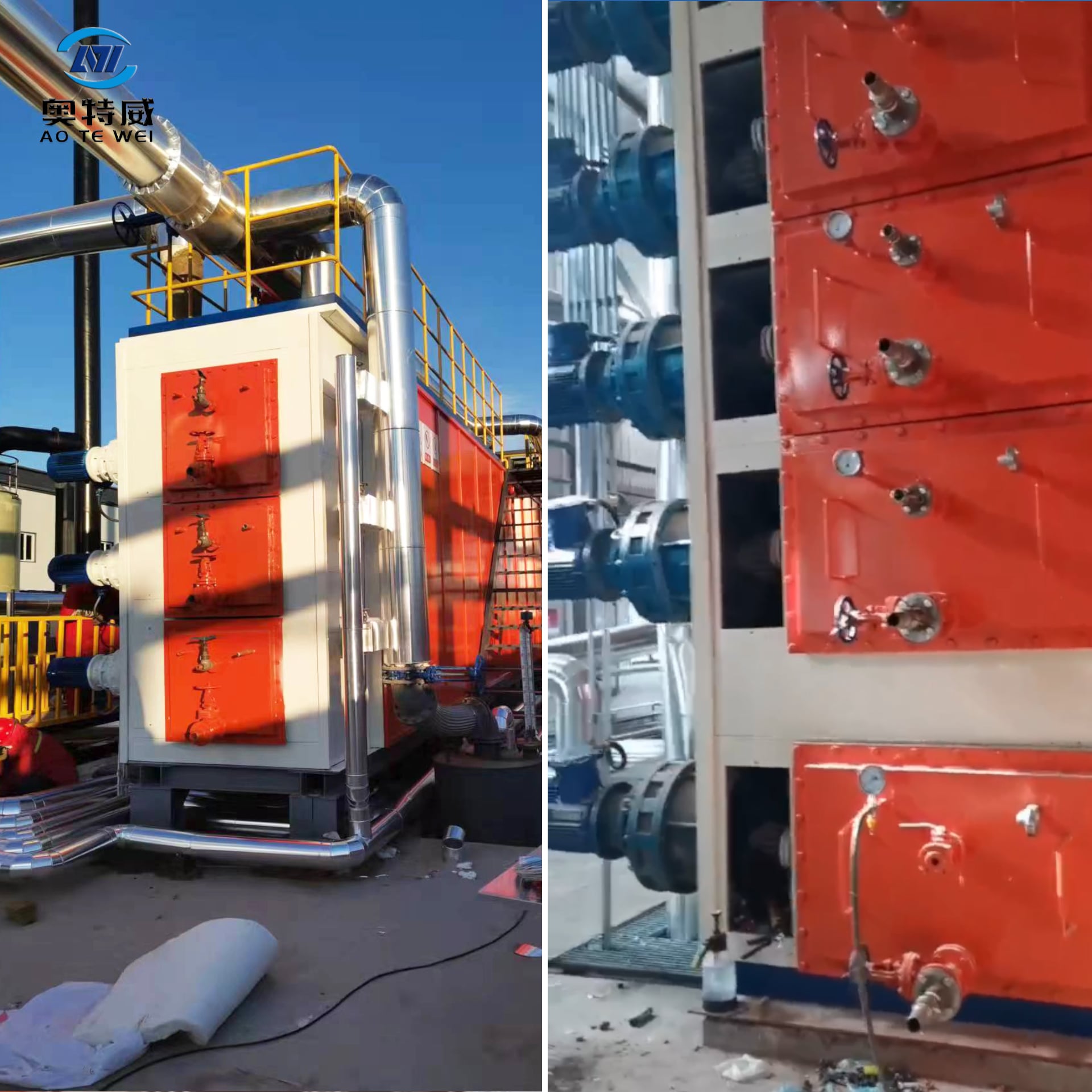
Producing refined fuel products that meet quality standards is not just a regulatory requirement, it is a commercial necessity. Customers, equipment manufacturers, and end users all depend on consistent fuel specifications. A modern small scale crude oil refinery addresses this need through integrated advanced process control systems that monitor, adjust, and optimize every stage of the refining process in real time. The process control system in a small scale crude oil refinery continuously tracks key operating parameters including temperature profiles across the distillation column, flow rates of crude feed and product streams, pressure levels throughout the system, and the composition of output fractions. When any parameter drifts outside its target range, the control system makes automatic adjustments to bring it back into specification. This closed-loop control reduces the dependence on manual operator intervention and minimizes the risk of off-spec product reaching storage or distribution. For operators who are new to refining, this level of automation is particularly valuable. The system essentially guides the operation within safe and productive parameters, reducing the learning curve and lowering the risk of costly errors during the early stages of operation. Experienced operators benefit equally, because the automation frees them to focus on higher-level decisions rather than routine monitoring tasks. The advanced process control system in a small scale crude oil refinery also generates detailed operational data logs. These logs are invaluable for performance analysis, troubleshooting, and regulatory compliance reporting. Over time, the data allows operators to identify optimization opportunities, reduce energy consumption, and improve product yield from each barrel of crude processed. Heat integration is another area where process control technology delivers measurable value. By capturing and recycling heat from hot product streams to preheat incoming crude feed, a small scale crude oil refinery significantly reduces its fuel consumption for the furnace. This not only lowers operating costs but also reduces emissions, which is increasingly important as environmental regulations tighten across global markets. In short, the advanced process control capabilities built into a modern small scale crude oil refinery give operators the tools they need to produce quality fuel reliably, operate efficiently, and meet the compliance requirements of their specific market, all without requiring a large specialized engineering team on-site.
Economic Viability for Independent and Emerging Market Operators

Economic Viability for Independent and Emerging Market Operators

The financial case for investing in a small scale crude oil refinery is compelling, particularly for independent operators and businesses in emerging markets where access to refined fuel is expensive, unreliable, or both. Understanding the economic structure of a small scale crude oil refinery helps potential customers see why this investment delivers strong returns across a wide range of operating contexts. The fundamental economic advantage of a small scale crude oil refinery is the margin between crude oil input costs and refined product output value. Crude oil, particularly from smaller or stranded fields, is often available at a significant discount to benchmark prices because the seller lacks access to major pipeline or export infrastructure. A small scale crude oil refinery allows you to capture that discount and convert it into refined products that command full market value in your local or regional market. This spread between input cost and output value is the core profit engine of the refining business, and a small scale crude oil refinery puts that engine within reach of operators who could never justify the capital cost of a conventional refinery. Capital expenditure for a small scale crude oil refinery is a fraction of what a large refinery requires. This lower entry cost means that the payback period is shorter and the financial risk is proportionally smaller. For businesses that are evaluating energy investments, the combination of lower upfront cost, faster payback, and ongoing operational savings makes a small scale crude oil refinery an attractive option compared to alternatives such as long-term fuel supply contracts or generator-based power systems. Operating costs for a small scale crude oil refinery are also manageable. Modern units are designed for energy efficiency, and the modular maintenance approach described elsewhere keeps servicing costs predictable. Labor requirements are modest compared to large refineries, and the automated control systems reduce the need for large specialized operating teams. For operators in regions where skilled labor is scarce or expensive, this is a meaningful practical advantage. Beyond the direct financial returns, a small scale crude oil refinery creates broader economic value for the communities and industries it serves. By producing fuel locally, it reduces the foreign exchange burden of importing refined products, supports local employment, and strengthens energy security at the regional level. For governments and development organizations evaluating energy infrastructure investments, these broader economic benefits add further weight to the case for supporting small scale crude oil refinery deployment in underserved markets.

Get a Free Quote

Our representative will contact you soon.
Email
WhatsApp / Mobile
Name
Company Name
Message
0/1000
Newsletter
Please Leave A Message With Us