synthetic rubber pyrolysis
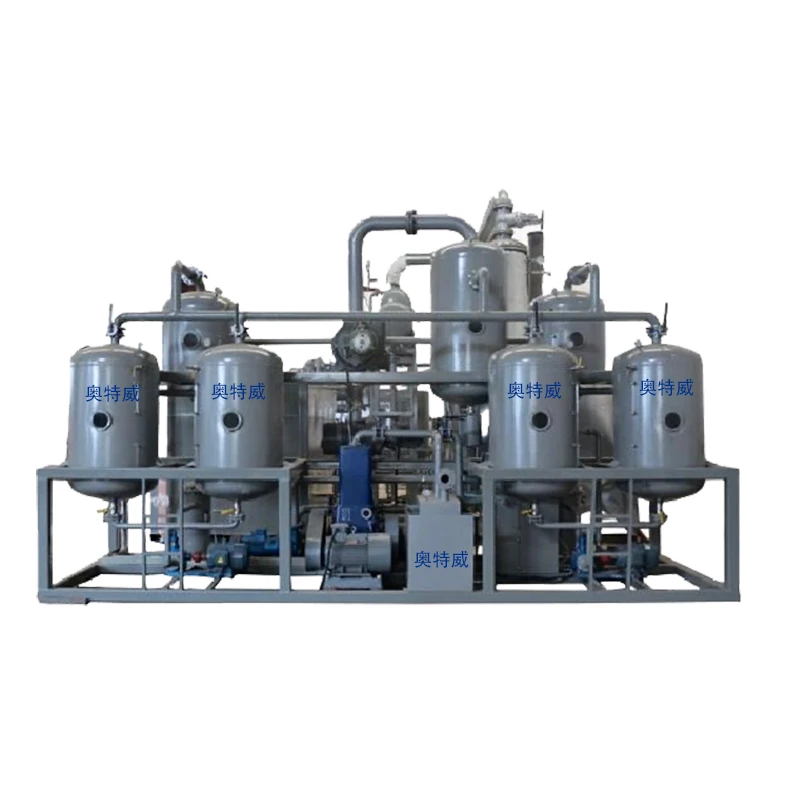
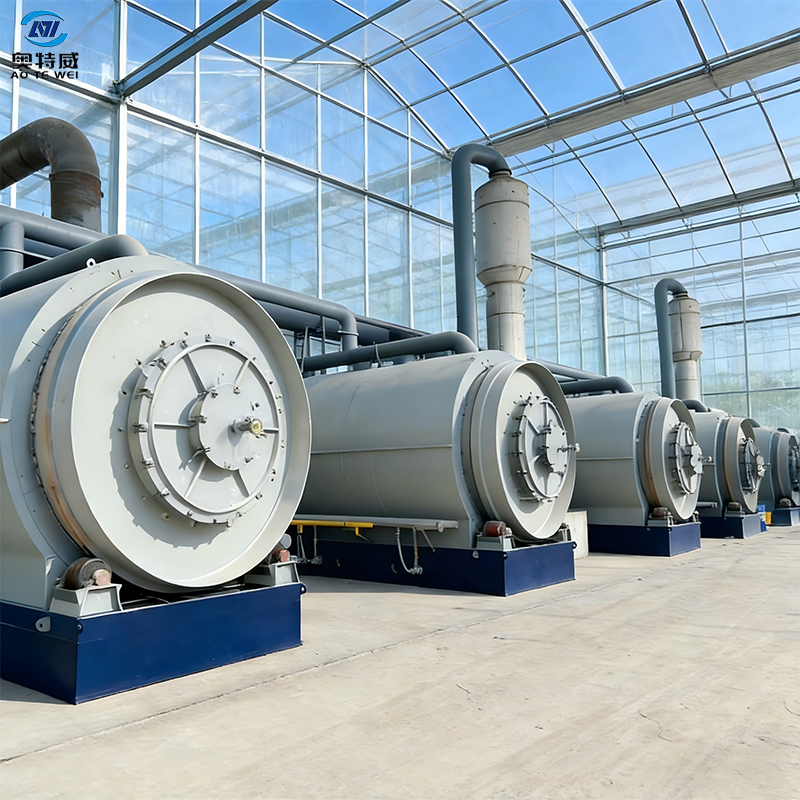
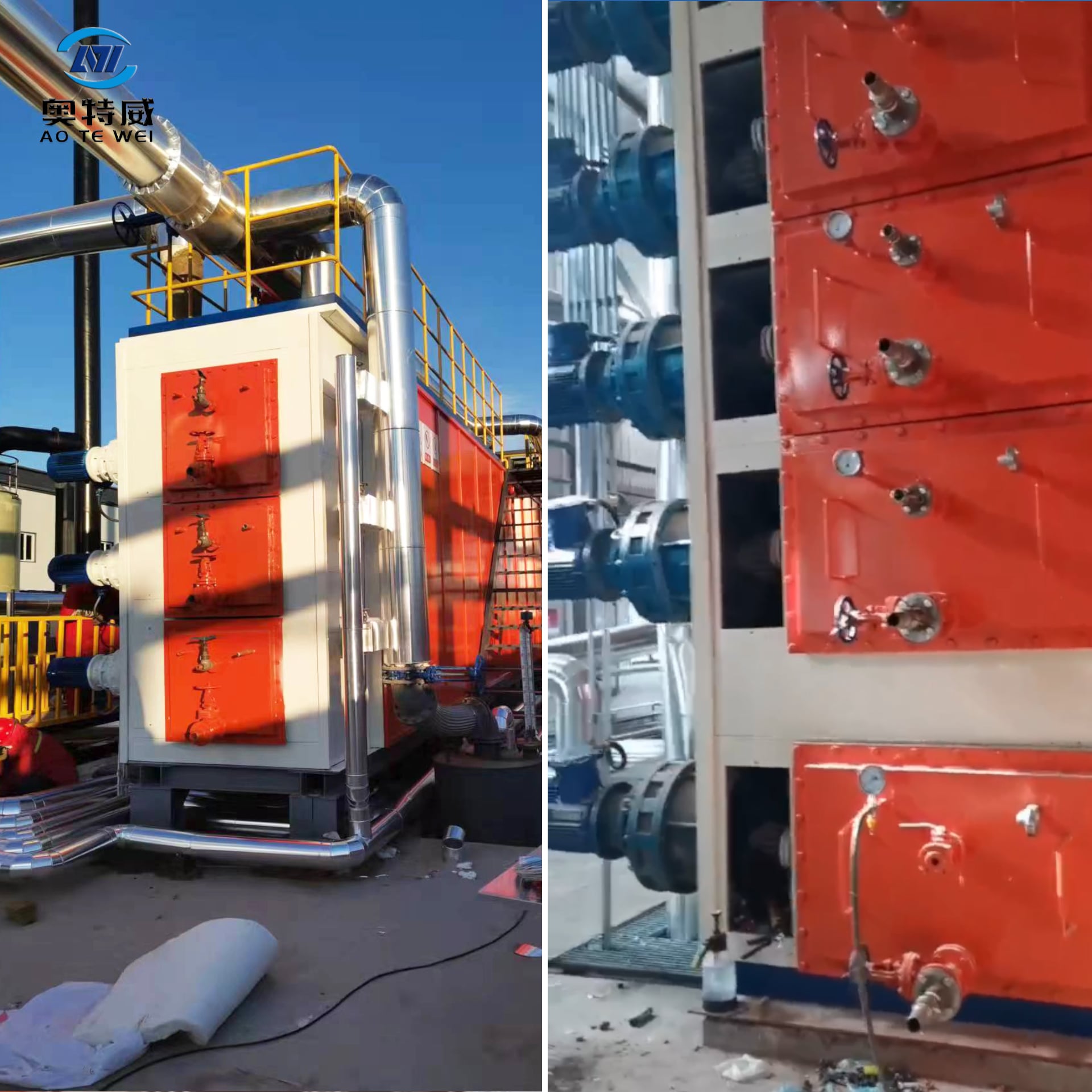
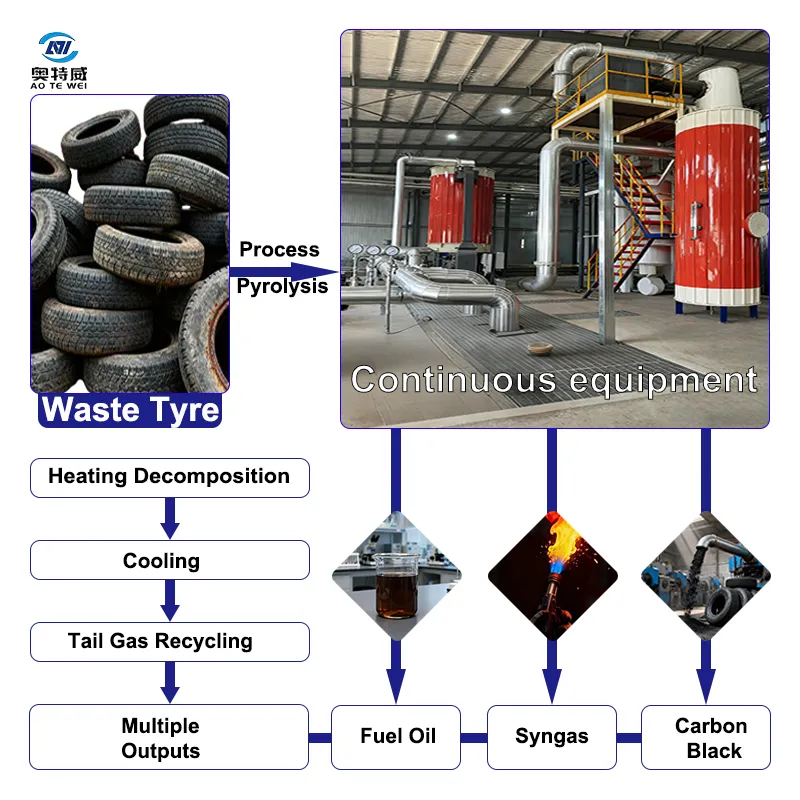
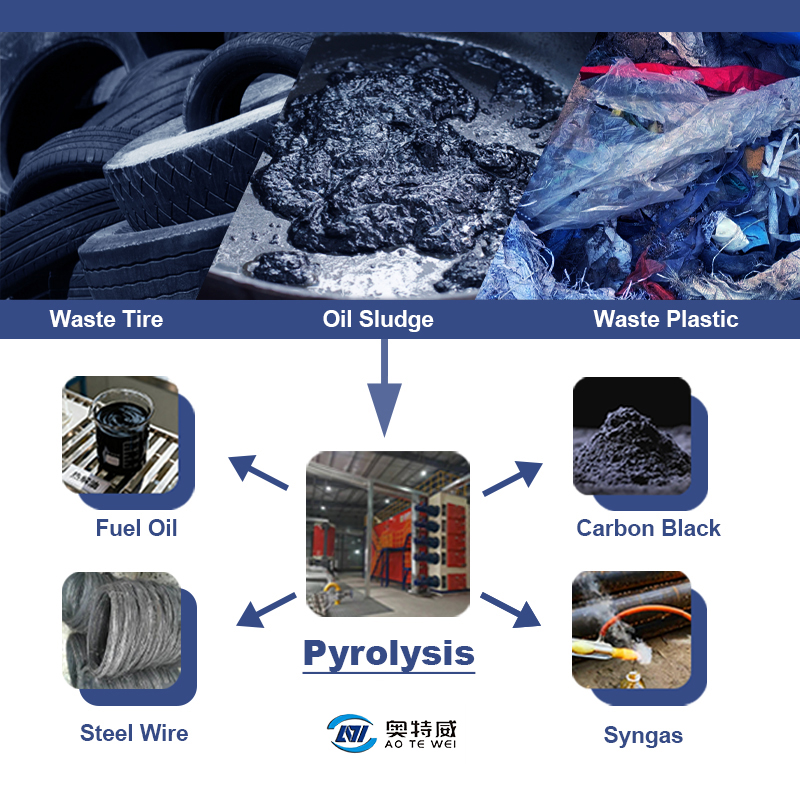
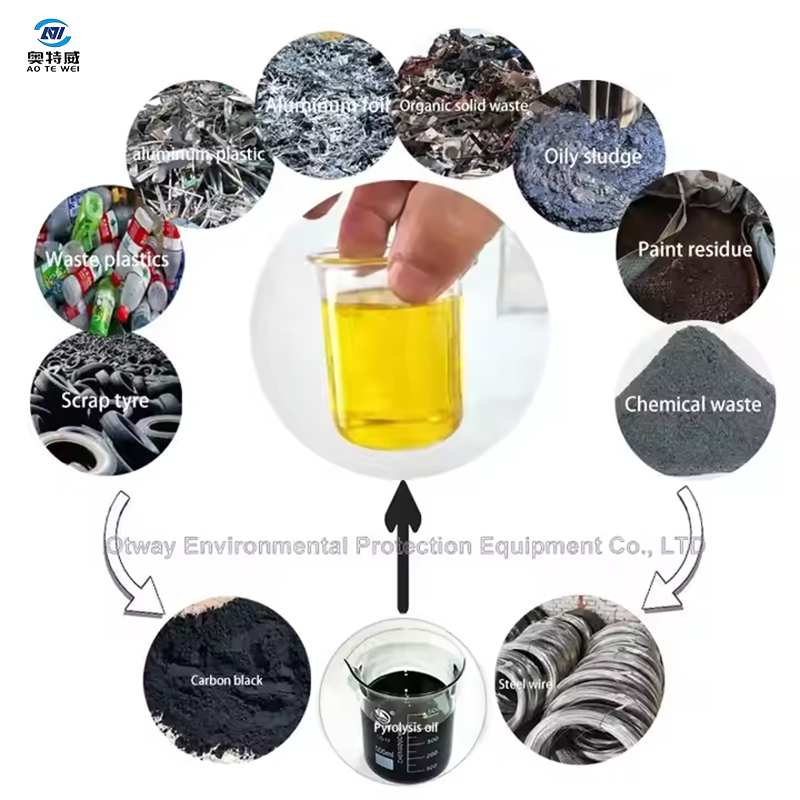
Synthetic rubber pyrolysis represents an innovative thermal decomposition process that transforms waste rubber materials into valuable products through controlled heating in oxygen-free environments. This advanced technology breaks down polymer chains in synthetic rubber, converting them into useful outputs including oils, gases, and carbon char. Synthetic rubber pyrolysis operates by subjecting scrap rubber to temperatures between 400 and 900 degrees Celsius, facilitating molecular breakdown without combustion. The process captures volatile organic compounds that condense into pyrolytic oils suitable for fuel applications or chemical feedstocks. Synthetic rubber pyrolysis technology features multiple design variations, including batch reactors, continuous rotary kilns, and fluidized bed systems, each optimized for different throughput requirements and feedstock types. The technological features include automated temperature control, vapor condensation systems, and gas recovery mechanisms that maximize product yield while minimizing environmental impact. Applications of synthetic rubber pyrolysis span diverse industries, including waste management, energy production, chemical manufacturing, and resource recovery. Organizations utilize synthetic rubber pyrolysis to manage massive volumes of discarded tires and industrial rubber waste that would otherwise burden landfills. The produced oils serve as alternative fuels in power generation, heating systems, and industrial furnaces, reducing dependence on conventional petroleum products. Chemical manufacturers employ pyrolytic outputs as raw materials for creating new polymers, lubricants, and specialty chemicals. Steel mills and cement facilities increasingly adopt synthetic rubber pyrolysis oil as supplementary fuel, achieving cost savings while supporting circular economy objectives.