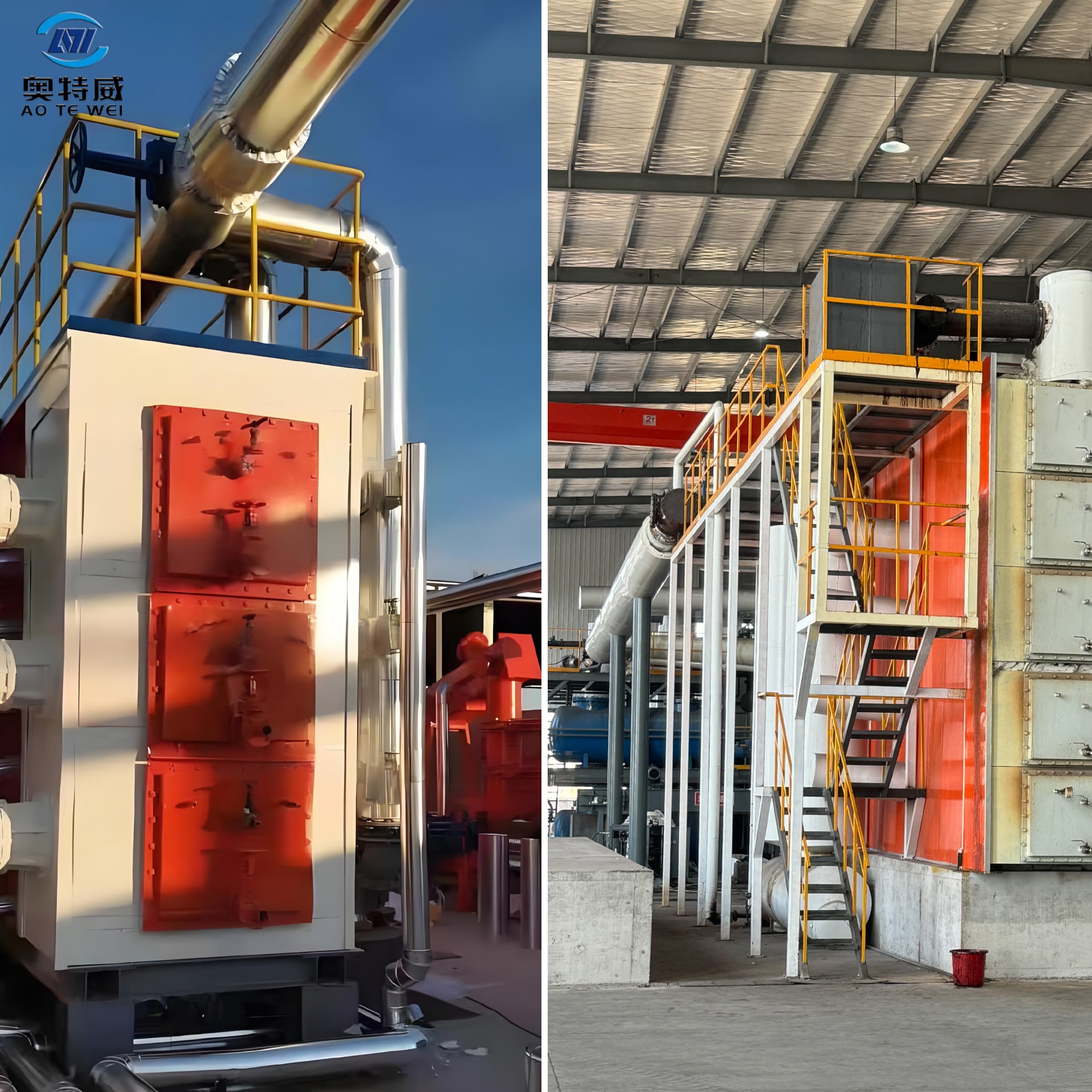
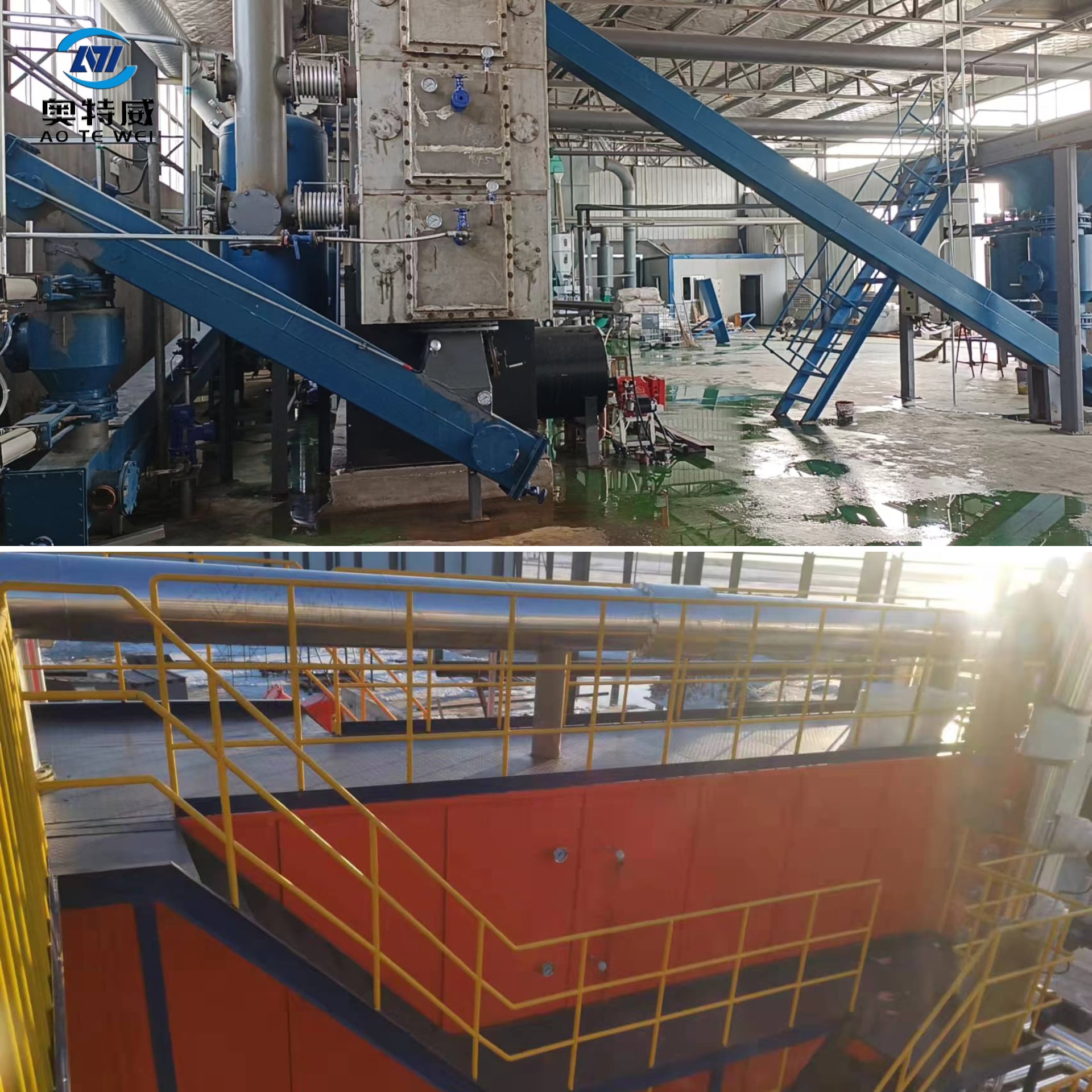
rubber pyrolysis
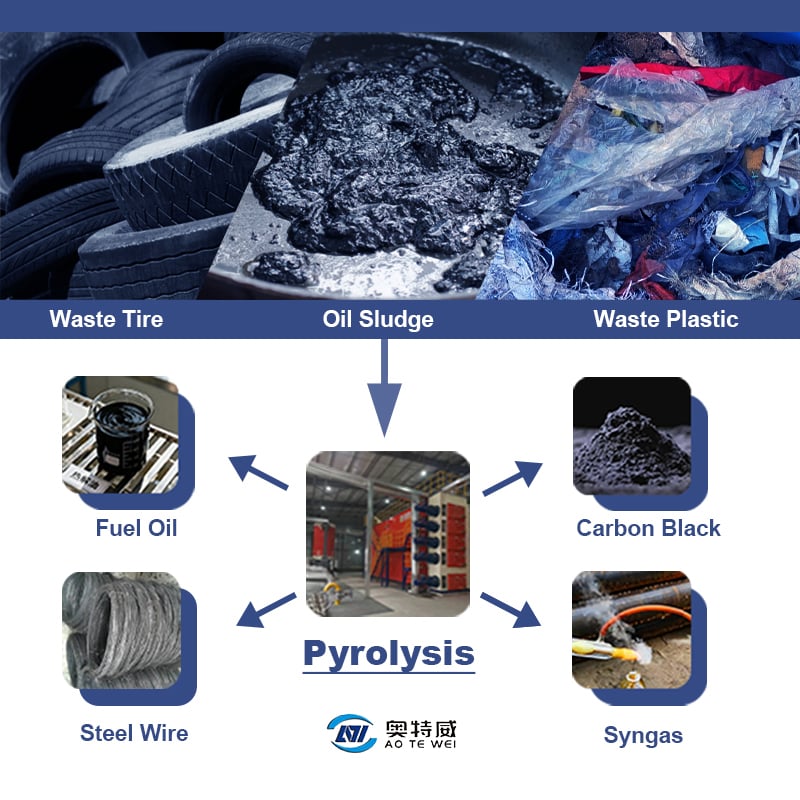
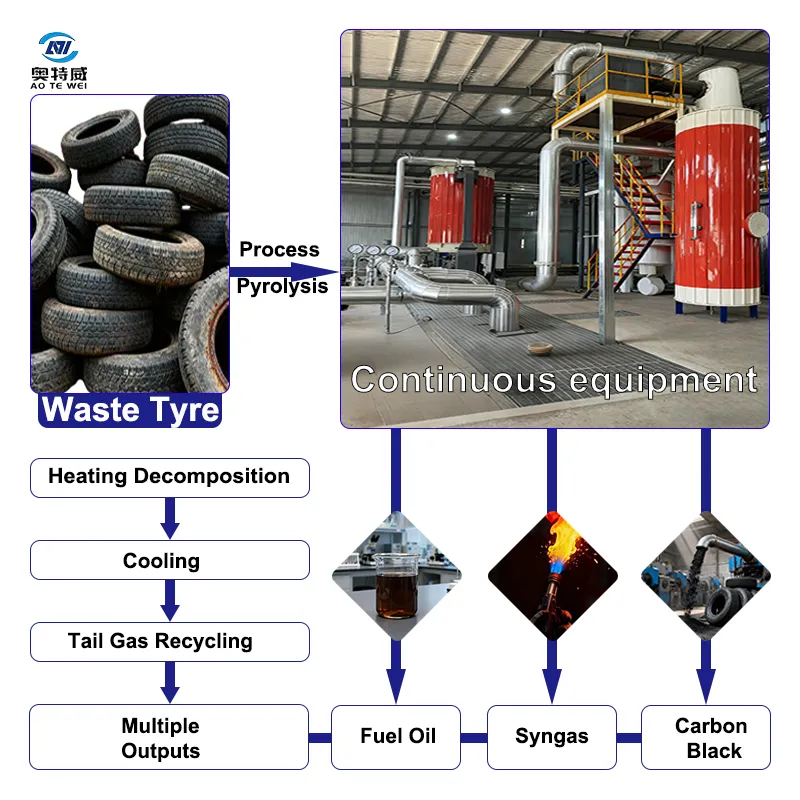
Rubber pyrolysis is an advanced thermal decomposition process that converts waste rubber materials into valuable products through heating in an oxygen-free environment. This innovative technology breaks down complex rubber polymers into simpler chemical compounds, producing pyrolysis oil, carbon black, and combustible gases. Rubber pyrolysis represents a sustainable solution for managing end-of-life tires and rubber waste that would otherwise accumulate in landfills.
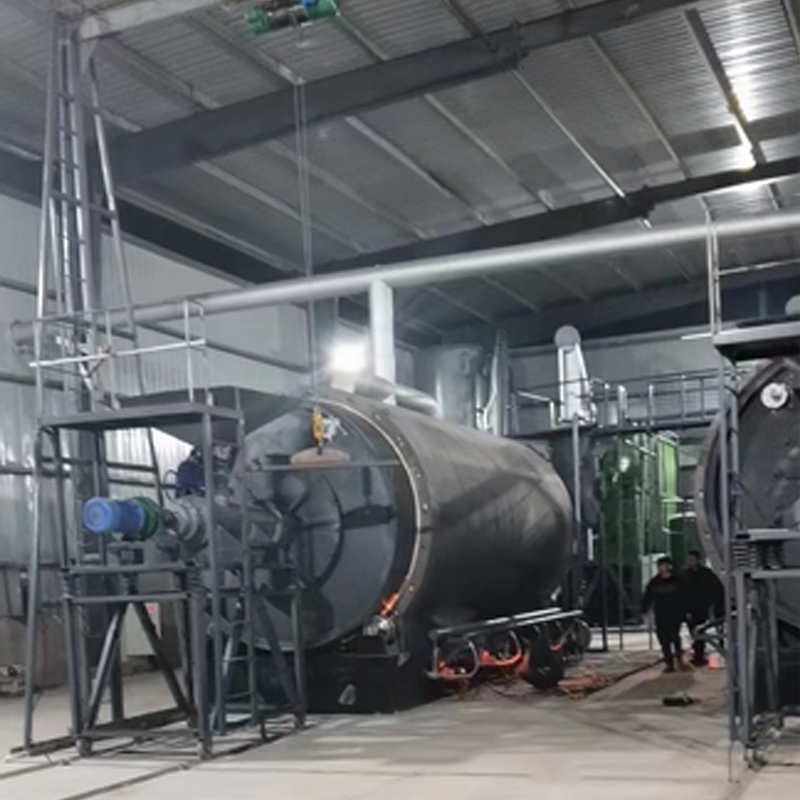
The main functions of rubber pyrolysis include waste recycling, resource recovery, and environmental remediation. The process operates by subjecting rubber materials to high temperatures, typically between 400 and 800 degrees Celsius, without oxygen exposure. This controlled thermal breakdown transforms unusable rubber into commercially valuable products.
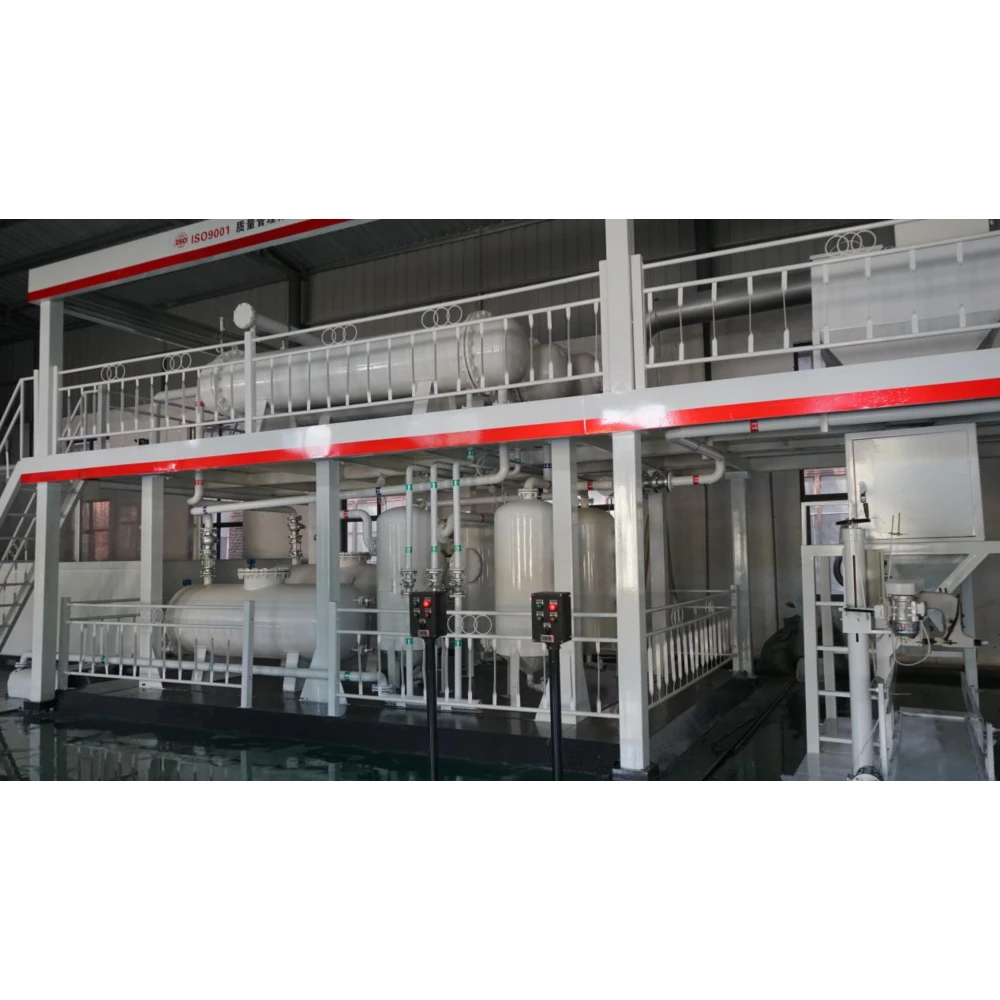
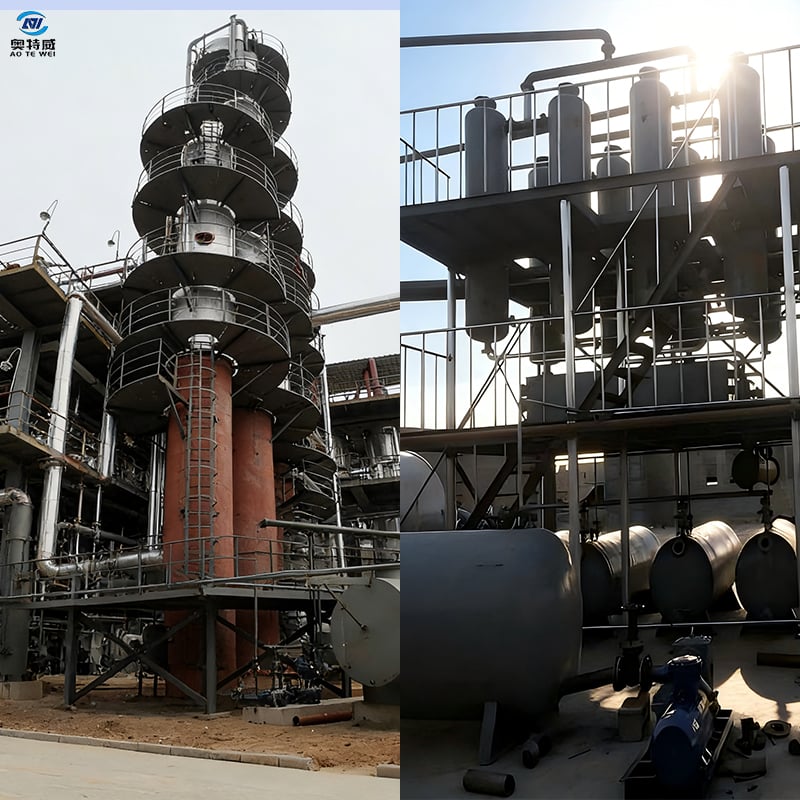
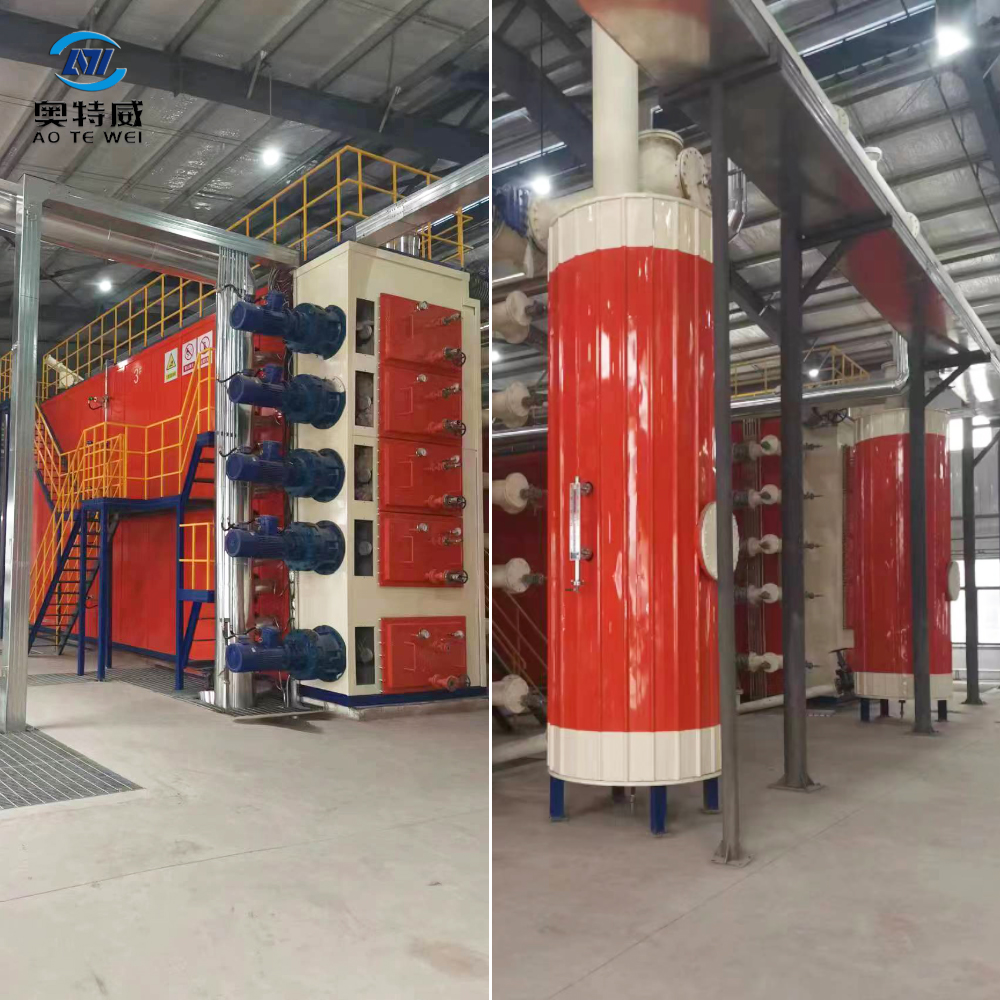
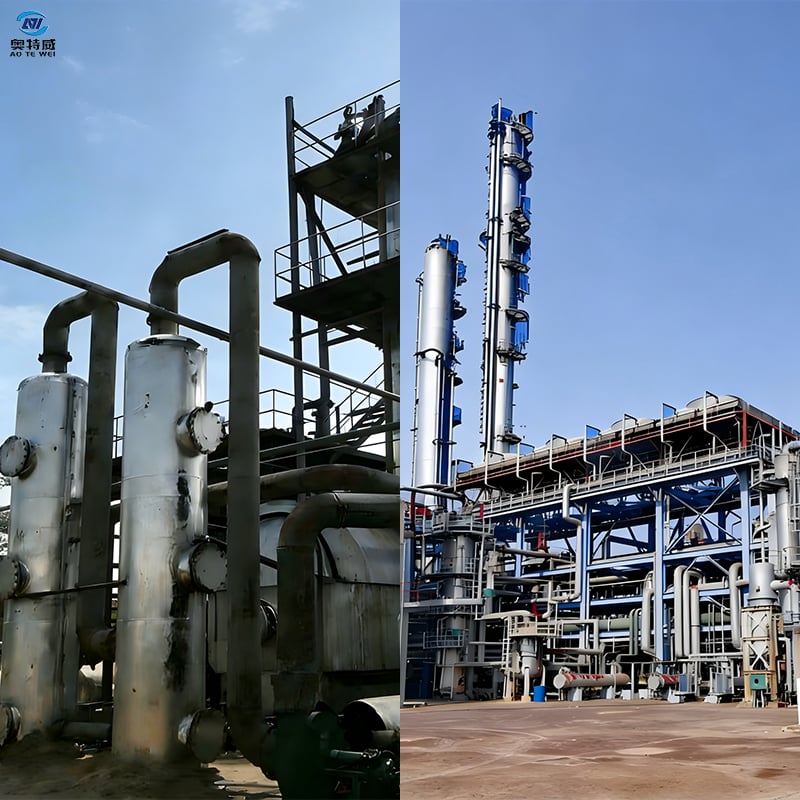
Technological features of rubber pyrolysis include sophisticated temperature control systems, advanced condensation technology, and efficient separation mechanisms. Modern rubber pyrolysis equipment incorporates automated feed systems and real-time monitoring capabilities. These technological advancements ensure consistent product quality and maximize conversion efficiency.
Applications of rubber pyrolysis extend across multiple industries. The pyrolysis oil obtained serves as fuel or feedstock for chemical production. Carbon black recovered through rubber pyrolysis finds use in tire manufacturing, ink production, and plastic compounding. The combustible gases generated can power the pyrolysis system itself or serve as energy sources. This comprehensive approach to rubber pyrolysis demonstrates its versatility and economic viability, making it an essential technology for sustainable waste management and circular economy development.