Distillation in Refinery: Complete Guide to Petroleum Separation Technology and Efficiency

Get a Free Quote

Our representative will contact you soon.
Email
WhatsApp / Mobile
Name
Company Name
Message
0/1000

distillation in refinery

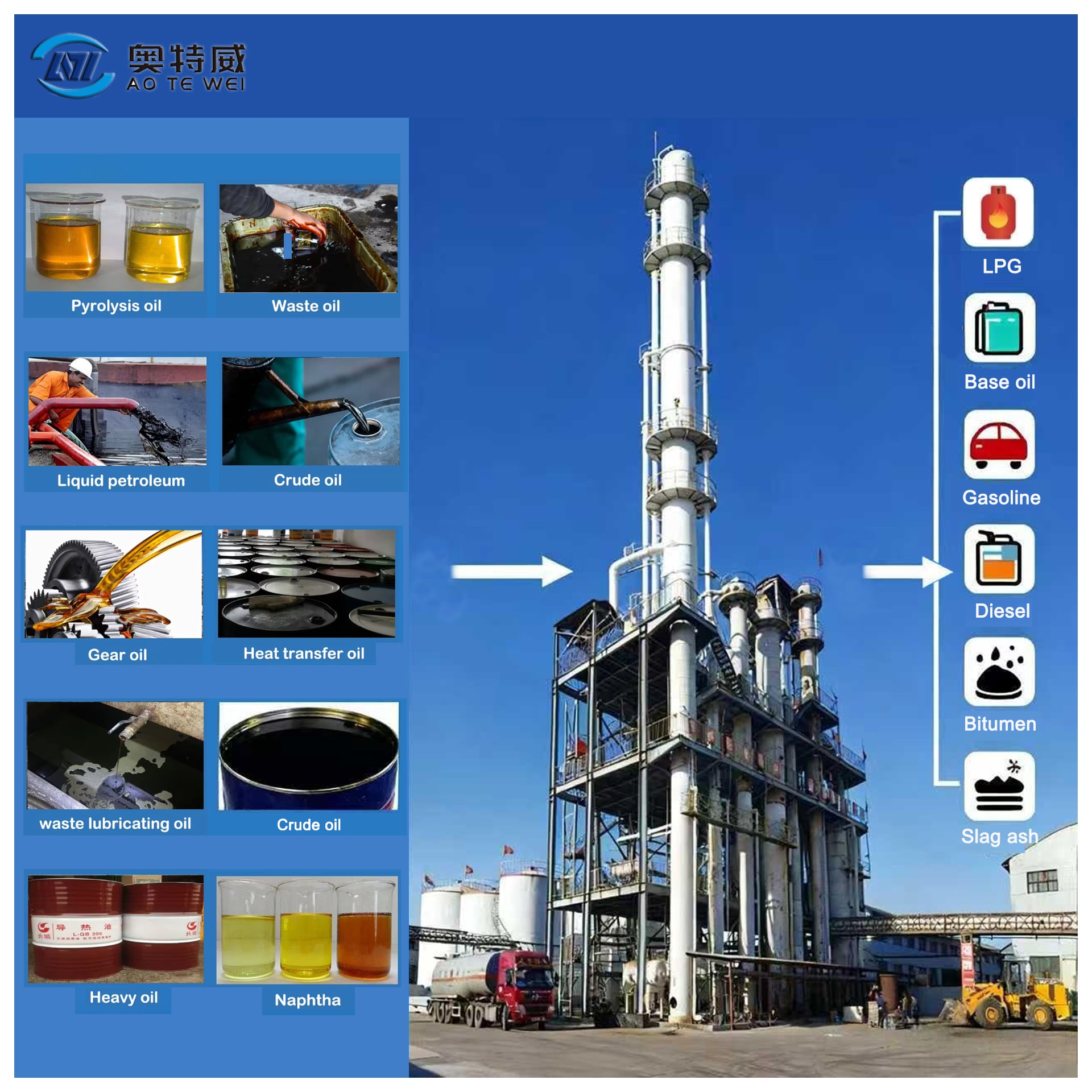
Distillation in refinery represents the foundational separation process that transforms crude oil into valuable petroleum products used throughout modern society. This complex thermal separation technique operates on the principle that different hydrocarbon compounds possess distinct boiling points, enabling their systematic separation into usable fractions. The distillation in refinery process begins when crude oil enters a furnace where it is heated to temperatures exceeding 400 degrees Celsius, converting the liquid mixture into vapor form. This vaporized crude then enters a tall distillation column, also called a fractionating tower, where the magic of separation occurs through carefully controlled temperature gradients. The main functions of distillation in refinery operations include separating crude oil into various fractions such as gasoline, diesel, kerosene, jet fuel, heating oil, and residual fuel oils. Each fraction has specific molecular weight ranges and boiling point characteristics that determine its position within the distillation column. The technological features of distillation in refinery systems incorporate advanced automation, precise temperature control mechanisms, pressure management systems, and sophisticated monitoring equipment that ensures optimal separation efficiency. Modern refinery distillation units utilize multiple trays or packing materials inside the column to maximize contact between rising vapors and descending liquids, enhancing the separation process. The applications of distillation in refinery extend across transportation fuels, petrochemical feedstocks, industrial solvents, lubricating oils, asphalt for road construction, and numerous other petroleum-based products essential to contemporary life. Atmospheric distillation typically handles the initial separation, while vacuum distillation processes heavier fractions at reduced pressures to prevent thermal decomposition. The distillation in refinery infrastructure often includes multiple columns operating in series, with some refineries featuring complex configurations that maximize product yield and quality while minimizing energy consumption and environmental impact through heat integration systems.

New Product Recommendations

The distillation in refinery offers numerous practical benefits that directly impact operational efficiency and profitability for petroleum processing facilities. First and foremost, this proven technology maximizes the value extracted from every barrel of crude oil by separating it into multiple marketable products rather than leaving it as a single undifferentiated substance. This product diversification creates multiple revenue streams and allows refineries to respond flexibly to changing market demands for different petroleum fractions. The energy efficiency of distillation in refinery has improved dramatically through decades of engineering refinement, with modern units recovering and reusing heat throughout the process to minimize fuel consumption and reduce operational costs significantly. Refineries implementing advanced distillation systems report energy savings of twenty to thirty percent compared to older technologies, translating directly into enhanced profit margins and competitive advantages. The reliability of distillation in refinery equipment contributes to consistent production schedules with minimal unplanned downtime, ensuring steady supply to customers and reducing the financial impact of production interruptions. Modern distillation columns can operate continuously for three to five years between scheduled maintenance shutdowns, providing exceptional operational continuity. The scalability of distillation in refinery technology allows facilities to process volumes ranging from small specialty refineries handling five thousand barrels daily to massive integrated complexes processing over five hundred thousand barrels per day, accommodating diverse business models and market positions. Environmental benefits emerge from optimized distillation in refinery operations that reduce emissions, minimize waste generation, and improve overall process sustainability through better separation precision and reduced energy intensity. The flexibility of distillation systems enables refineries to adjust product slate composition based on seasonal demand variations, crude oil quality changes, and market price differentials, optimizing economic returns throughout varying business conditions. Quality control advantages stem from the ability to precisely manage cut points between different fractions, ensuring each product meets stringent specifications for end-use applications while minimizing off-specification material that requires reprocessing. Investment in modern distillation in refinery infrastructure yields long-term returns through decades of productive operation, with well-maintained columns serving reliably for forty years or more before requiring major replacement, making this technology highly cost-effective over its operational lifetime. The standardization of distillation equipment and operating procedures facilitates workforce training, maintenance planning, and technology transfer between facilities, reducing operational complexity and supporting consistent performance across multiple sites for integrated refining companies.

Practical Tips

Company Updates Factory Audit Video | On-site Shooting of Aotewei Environmental Protection Equipment, Transparently Showing Manufacturing Strength

08

Apr

Company Updates Factory Audit Video | On-site Shooting of Aotewei Environmental Protection Equipment, Transparently Showing Manufacturing Strength

To further improve supply chain transparency and optimize the factory audit experience for domestic and overseas customers, Shangqiu Aotewei Environmental Protection Equipment Co., Ltd. has recently completed a comprehensive update of its factory aud...
View More

Get a Free Quote

Our representative will contact you soon.
Email
WhatsApp / Mobile
Name
Company Name
Message
0/1000

distillation in refinery

Superior Separation Efficiency Maximizes Product Value

Superior Separation Efficiency Maximizes Product Value

The distillation in refinery achieves exceptional separation efficiency that directly translates into maximum economic value from crude oil feedstocks, representing a critical competitive advantage for modern petroleum processing operations. This superior performance stems from sophisticated column internals designed through decades of fluid dynamics research and practical operating experience in demanding industrial environments. The heart of this efficiency lies in the precise control of temperature profiles throughout the distillation column, where each tray or packing section maintains specific thermal conditions that favor the separation of particular hydrocarbon ranges. Advanced distillation in refinery systems incorporate high-performance trays with specially designed caps, valves, or bubble configurations that maximize vapor-liquid contact while minimizing pressure drop and entrainment issues that compromise separation quality. The efficiency gains translate into sharper separation between adjacent products, reducing the overlap zones where valuable lighter fractions mix with heavier materials, thereby increasing the yield of premium products like gasoline and diesel that command higher market prices. Modern computational fluid dynamics modeling allows engineers to optimize every aspect of distillation column design before construction, predicting flow patterns, identifying potential bottlenecks, and ensuring that the installed equipment will deliver specified separation performance under varying operational conditions. The economic impact of improved distillation in refinery efficiency becomes evident when considering that even a one percent improvement in gasoline yield from a medium-sized refinery can generate millions of dollars in additional annual revenue, making efficiency optimization a top priority for refinery management. This separation excellence extends beyond the main atmospheric column to include vacuum distillation units that further process heavy residues, sophisticated side-strippers that purify intermediate fractions, and specialized columns that produce specific products like aviation kerosene with extremely tight boiling range specifications. The reliability of this separation efficiency under varying crude oil qualities provides refineries with flexibility to source feedstocks opportunistically, processing discounted heavy or sour crudes while still producing the full range of required products at specification quality. Investment in high-efficiency distillation in refinery technology pays dividends throughout the facility's operational life, as the incremental yield improvements compound annually to deliver substantial cumulative economic benefits that far exceed the initial capital investment, making this technology upgrade one of the most financially attractive options available to refinery operators seeking to enhance competitiveness and profitability in increasingly challenging market conditions.
Advanced Process Control Ensures Consistent Quality Output

Advanced Process Control Ensures Consistent Quality Output

The implementation of advanced process control systems in distillation in refinery operations revolutionizes product consistency, operational stability, and overall plant performance through real-time optimization and predictive adjustments that maintain ideal operating conditions despite varying inputs and external disturbances. These sophisticated control systems represent the integration of multiple technologies including distributed control systems, advanced regulatory controllers, multivariable predictive algorithms, and artificial intelligence components that work synergistically to manage the complex interactions within distillation columns where dozens of variables influence product quality simultaneously. The distillation in refinery benefits tremendously from these control advances because the separation process involves inherently dynamic behavior with significant time delays, nonlinear responses, and interactive effects between different control loops that challenge conventional control approaches. Modern advanced process control platforms continuously monitor hundreds of process measurements including temperatures at multiple column locations, pressure differentials across trays, flow rates of feeds and products, composition analyzers providing real-time quality data, and heat exchanger performance indicators, synthesizing this information to make intelligent control decisions every few seconds. The practical benefits for refinery operators include reduced product quality variations that minimize off-specification production requiring expensive reprocessing or discounted sales, improved energy efficiency through optimal heat distribution and reboiler duty management, and enhanced throughput capacity by safely operating closer to equipment constraints without risking process upsets. The predictive capabilities of advanced controllers managing distillation in refinery units enable proactive responses to anticipated disturbances such as crude oil quality changes, allowing smooth transitions that maintain product specifications throughout feed switches that previously caused significant quality excursions requiring hours of stabilization. Operator workload decreases substantially when advanced process control manages the routine optimization and disturbance rejection tasks, allowing skilled personnel to focus on higher-value activities such as strategic planning, troubleshooting complex issues, and implementing continuous improvement initiatives rather than constantly adjusting setpoints to chase moving targets. The economic value delivered by advanced control of distillation in refinery processes typically shows payback periods measured in months rather than years, with documented benefits including two to five percent energy reduction, one to three percent yield improvement on valuable products, and fifty percent reduction in product quality variations, collectively generating millions in annual value for typical installations. Integration with real-time optimization layers enables distillation units to automatically adjust operating strategies as market conditions change, shifting product distributions toward higher-value outputs when price differentials favor such changes, providing refineries with unprecedented agility in responding to market opportunities. The reliability improvements from advanced process control reduce the frequency of emergency shutdowns and process upsets that disrupt production schedules and potentially damage equipment, contributing to the exceptional operational continuity that characterizes world-class distillation in refinery installations.
Environmental Sustainability Through Optimized Resource Utilization

Environmental Sustainability Through Optimized Resource Utilization

The environmental sustainability advantages of modern distillation in refinery operations extend far beyond basic regulatory compliance, encompassing comprehensive resource optimization, emissions reduction, waste minimization, and energy conservation initiatives that position responsible refineries as environmental stewards while simultaneously reducing operational costs and enhancing long-term business viability. The fundamental contribution of efficient distillation in refinery processes to environmental protection begins with maximizing the utilization of crude oil resources, ensuring that virtually every molecule finds valuable application rather than being wasted or flared, thereby reducing the overall environmental footprint per unit of useful product delivered to society. Energy integration represents a cornerstone of sustainable distillation operations, with modern facilities implementing extensive heat exchanger networks that capture thermal energy from hot product streams to preheat incoming crude oil, reducing the fuel consumption in furnaces by thirty to forty percent compared to non-integrated designs and proportionally decreasing carbon dioxide emissions associated with energy generation. The distillation in refinery contributes to air quality improvements through precise separation that produces cleaner-burning fuels with reduced sulfur content, lower aromatic concentrations, and optimized volatility characteristics that minimize evaporative emissions and combustion pollutants when consumers use these transportation fuels. Water conservation initiatives in modern distillation facilities include closed-loop cooling systems, condensate recovery programs, and advanced water treatment technologies that dramatically reduce freshwater withdrawal and wastewater discharge compared to historical practices, addressing the growing global concern about water resource sustainability in industrial operations. The reduction of greenhouse gas emissions from distillation in refinery operations benefits from multiple improvement pathways including enhanced energy efficiency, fuel switching to lower-carbon energy sources, waste heat recovery for power generation, and integration with emerging carbon capture technologies that some forward-thinking refineries are implementing to achieve dramatic emissions reductions. Waste minimization strategies focus on reducing the generation of spent catalysts, contaminated maintenance materials, and process residues through extended catalyst life programs, improved maintenance practices, and innovative processing technologies that convert problematic waste streams into useful products rather than materials requiring expensive disposal. The circular economy principles increasingly guide distillation in refinery operations, with facilities recovering and recycling materials throughout the process, implementing by-product synergies with adjacent chemical plants, and exploring innovative uses for traditionally low-value heavy residues such as asphalt production and specialized industrial applications. Biodiversity protection measures at refinery sites incorporating responsible distillation operations include habitat preservation, stormwater management systems that prevent contamination of surrounding ecosystems, and comprehensive spill prevention programs that safeguard soil and groundwater quality. The transparency and reporting practices of environmentally responsible refineries demonstrate their commitment to sustainability through detailed public disclosure of emissions, resource consumption, waste generation, and continuous improvement metrics that allow stakeholders to track environmental performance trends over time. Investment in sustainable distillation in refinery technology delivers multiple benefits including reduced regulatory compliance costs, enhanced corporate reputation, improved community relations, and better positioning for future regulatory requirements, while the operational efficiencies inherent in environmental optimization typically generate positive financial returns that make sustainability initiatives economically attractive rather than purely cost centers requiring justification based solely on compliance obligations.

Get a Free Quote

Our representative will contact you soon.
Email
WhatsApp / Mobile
Name
Company Name
Message
0/1000
Newsletter
Please Leave A Message With Us