التخلص من الإطارات وإعادة تدويرها
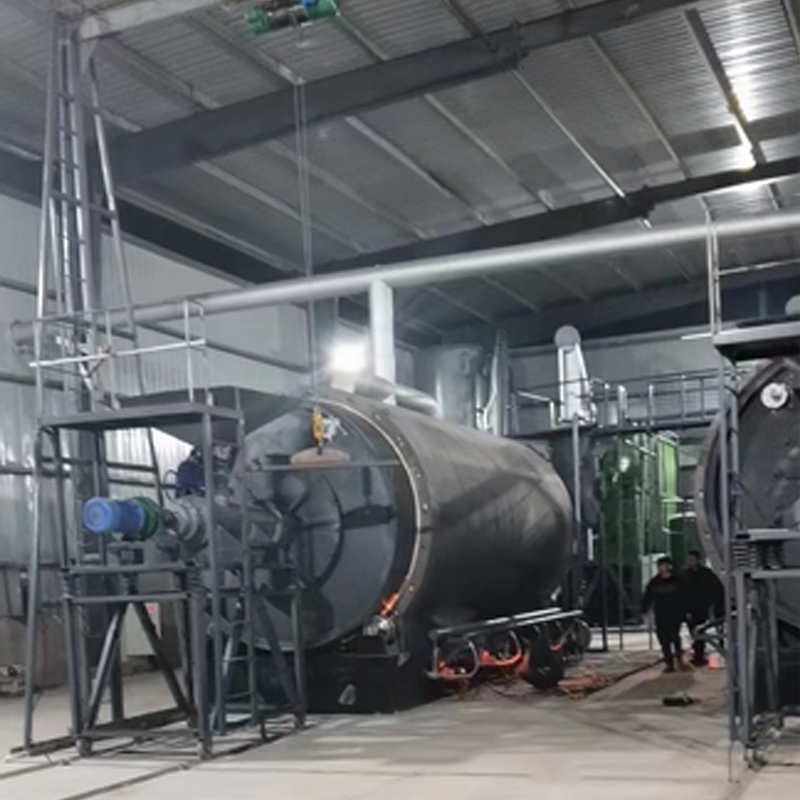
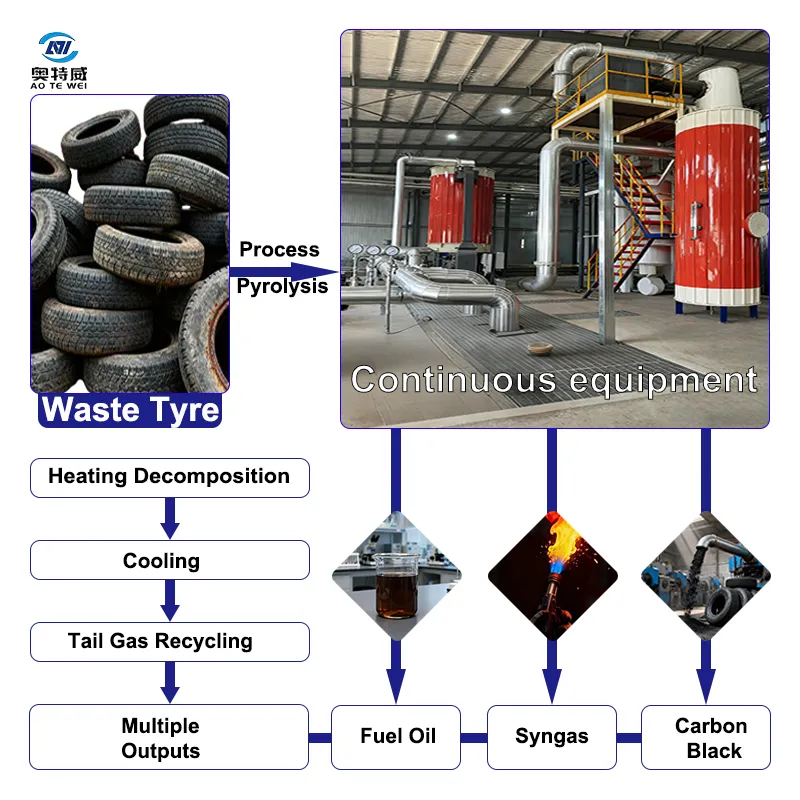
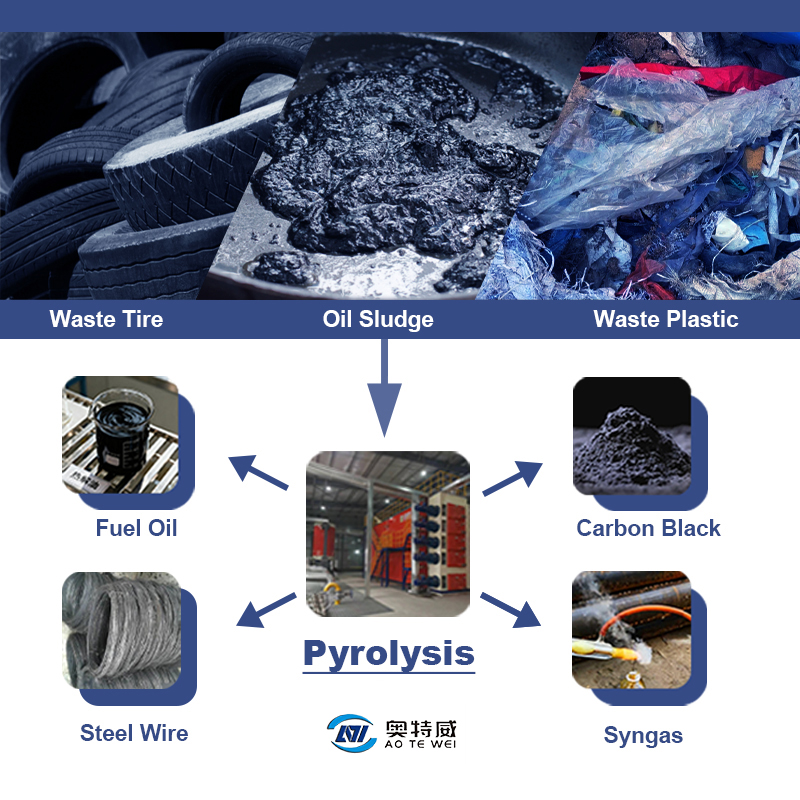
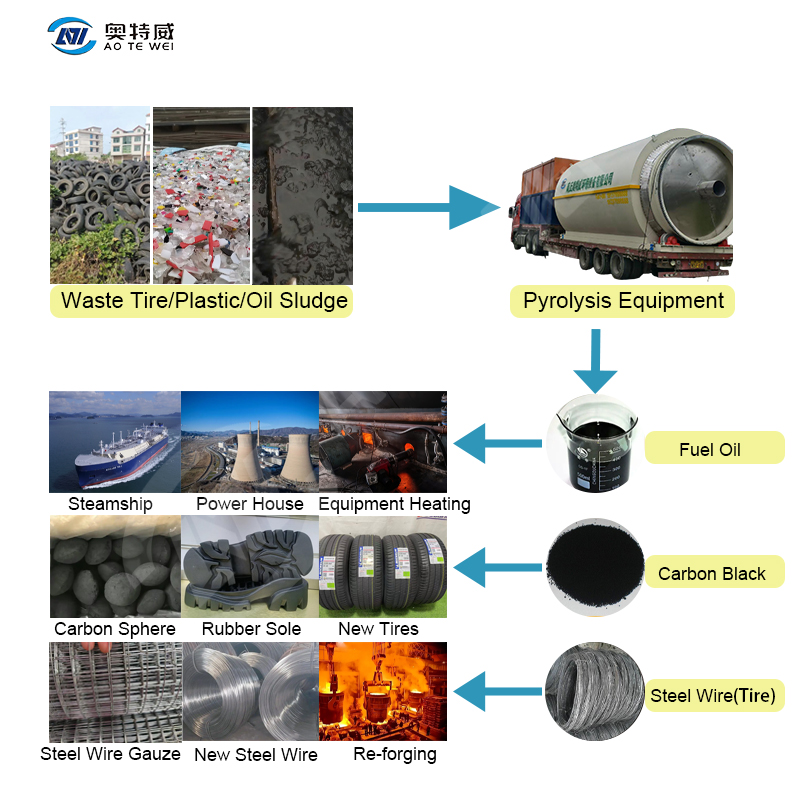
يُعَدُّ التخلُّص من الإطارات وإعادة تدويرها حلاًّ شاملاً لإدارة الإطارات المستهلكة بطريقة مسؤولة ومستدامة. ويحوِّل هذا العمليّة الإطارات المُهمَلة إلى موارد ذات قيمةٍ عاليةٍ عبر أساليب تكنولوجية متقدِّمة وممارسات بيئية مثلى. وتستخدم مرافق التخلُّص من الإطارات وإعادة تدويرها أحدث المعدّات لتفكيك مواد المطاط إلى مكونات قابلة لإعادة الاستخدام، مثل مطاط التفتّت والصلب والألياف النسيجية. ومن أبرز المهام التي تؤدّيها هذه المرافق جمع الإطارات البالية، وتصنيفها بحسب حالتها، ثم معالجتها عبر آلات متخصّصة تفصل بين المواد المختلفة. وتستعين عمليّات التخلُّص من الإطارات وإعادة تدويرها الحديثة بتقنيات التقطيع والطحن والفصل لتعظيم نسب استرجاع المواد. ويمكن لهذه المرافق معالجة آلاف الإطارات يوميًّا، وتحويلها إلى منتجات تُستخدَم في أسطح ملاعب الأطفال والممرّات الرياضية وبناء الطرق والتطبيقات الصناعية. كما يسهم التخلُّص من الإطارات وإعادة تدويرها في معالجة تحديّات بيئية بالغة الأهمية، إذ يمنع وصول الإطارات إلى المكبات حيث تستهلك مساحات شاسعة وتُشكّل خطرًا كبيرًا لنشوب الحرائق. ومن أبرز السمات التكنولوجية لأنظمة التخلُّص من الإطارات وإعادة تدويرها المعاصرة الآليات الآلية لفرز الإطارات، وأجهزة القطع الدقيقة، والفواصل المغناطيسية لاستخلاص الصلب، وأنظمة التصنيف الهوائي المتقدِّمة. وتمتد تطبيقات التخلُّص من الإطارات وإعادة تدويرها عبر قطاعات صناعية عديدة، بدءًا من تطوير البنية التحتية ووصولًا إلى تصنيع المنتجات الاستهلاكية. وباعتماد برامج التخلُّص من الإطارات وإعادة تدويرها، تقلّل المجتمعات من آثارها البيئية السلبية في الوقت الذي تخلق فيه فرصًا اقتصاديةً من خلال بيع المواد المعاد تدويرها وتوفير الوظائف. وهكذا يحوّل هذا النهج المستدام تحديّ إدارة النفايات إلى فرصةٍ حقيقيةٍ لاقتصاد دائري.