Tire Disposal and Recycling Solutions: Sustainable Processing for End-of-Life Tires

Get a Free Quote

Our representative will contact you soon.
Email
WhatsApp / Mobile
Name
Company Name
Message
0/1000

tire disposal and recycling

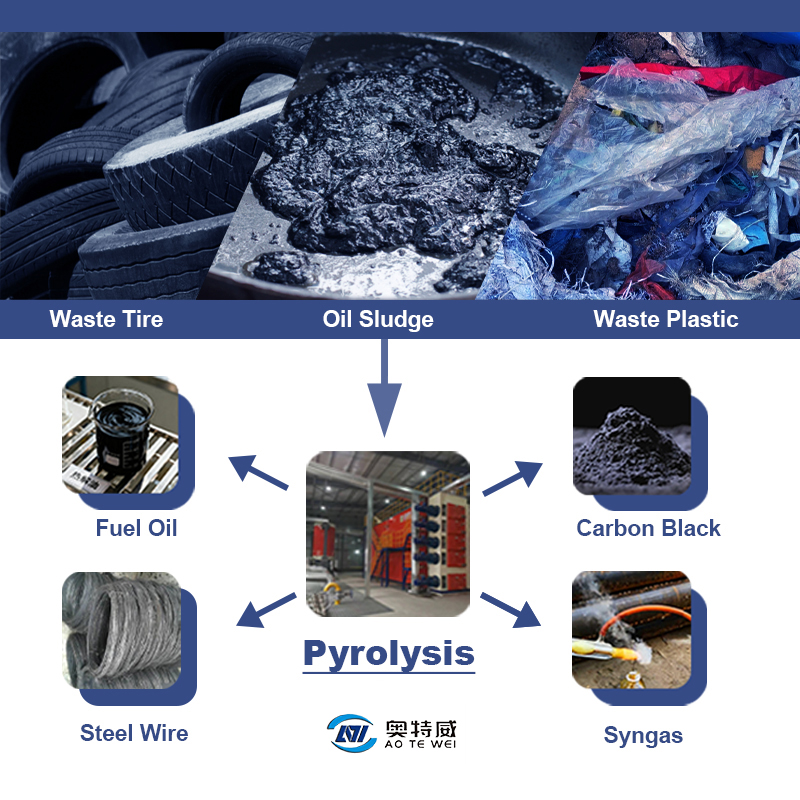
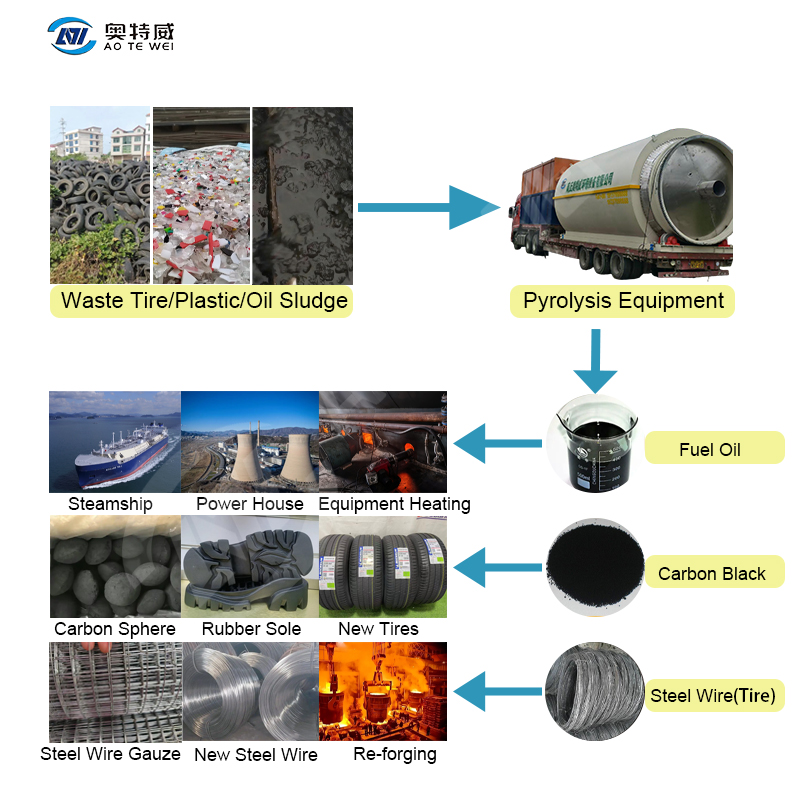
Tire disposal and recycling represents one of the most critical environmental and industrial challenges of the modern era. Every year, billions of tires reach the end of their usable life, creating a massive waste stream that demands responsible, efficient, and innovative management solutions. Tire disposal and recycling systems are designed to transform what was once considered a persistent environmental hazard into a valuable resource, closing the loop on the tire lifecycle and delivering measurable benefits to industries, communities, and the planet. At its core, tire disposal and recycling involves the collection, processing, and conversion of end-of-life tires into reusable materials. The main functions of these systems include shredding, granulating, and devulcanizing rubber, as well as separating steel wire and fiber components for independent recovery. Advanced pyrolysis technology further breaks down tire materials at high temperatures in oxygen-free environments, producing fuel oil, carbon black, and combustible gas as valuable byproducts. These technological features make modern tire disposal and recycling operations highly versatile and economically attractive. Crumb rubber produced through mechanical processing finds applications in playground surfaces, athletic tracks, road construction, and molded rubber products. Recovered steel is melted down and reintroduced into the steel supply chain, reducing the demand for virgin ore. Pyrolysis-derived fuel oil serves as an industrial energy source, while carbon black is reused in manufacturing processes. The applications of tire disposal and recycling span construction, transportation, sports infrastructure, energy production, and consumer goods manufacturing. Regulatory frameworks in many countries now mandate proper tire disposal and recycling practices, pushing businesses and municipalities to adopt certified processing solutions. Whether operating at a small regional facility or a large-scale industrial plant, tire disposal and recycling technology delivers consistent performance, environmental compliance, and resource recovery that supports a circular economy model built for long-term sustainability.

New Product Releases

Tire disposal and recycling delivers a wide range of practical benefits that matter to businesses, municipalities, and communities looking for smarter ways to handle end-of-life tires. Here is a straightforward look at why investing in tire disposal and recycling makes sense on every level. First, it keeps tires out of landfills. Tires are bulky, non-biodegradable, and take up enormous space in waste facilities. When you use a proper tire disposal and recycling process, you divert that material away from landfills entirely. This reduces tipping fees, extends landfill life, and helps organizations meet waste diversion targets set by local and national regulations. Second, it turns waste into revenue. Tire disposal and recycling does not just eliminate a problem, it creates value. Crumb rubber sells into markets for sports surfaces, playground equipment, and road construction materials. Recovered steel wire goes straight back into the steel supply chain. Pyrolysis oil generated during thermal processing serves as a fuel source for industrial operations. These recovered materials generate income streams that offset processing costs and can even make tire disposal and recycling a profitable operation over time. Third, it reduces environmental liability. Stockpiled tires are a fire hazard and a breeding ground for mosquitoes and other pests. Illegal tire dumps create serious public health risks and expose property owners to significant legal and financial liability. A reliable tire disposal and recycling program eliminates stockpiles, removes that liability, and demonstrates a clear commitment to environmental responsibility that regulators and communities recognize and reward. Fourth, it supports regulatory compliance. Governments around the world are tightening rules around tire waste management. Businesses that handle tires, whether as retailers, fleet operators, or manufacturers, face growing pressure to document proper disposal. Partnering with a certified tire disposal and recycling operation gives you the documentation and chain-of-custody records you need to stay compliant without administrative headaches. Fifth, it creates jobs and supports local economies. Tire disposal and recycling facilities employ workers in collection, processing, quality control, and logistics. These are stable, skilled positions that contribute to local tax bases and support community economic development. Choosing tire disposal and recycling over landfill disposal keeps those economic benefits local rather than paying for waste storage that produces nothing. Sixth, it conserves natural resources. Every ton of rubber recovered through tire disposal and recycling reduces the demand for virgin natural rubber and synthetic petroleum-based rubber. Every kilogram of steel recovered means less iron ore needs to be mined and processed. These resource savings compound over time, reducing the environmental footprint of industries that depend on rubber and steel as primary inputs. Seventh, it builds brand reputation. Consumers, investors, and business partners increasingly evaluate companies on their environmental performance. A documented tire disposal and recycling program signals that your organization takes sustainability seriously, which strengthens relationships with stakeholders who care about responsible resource management. The practical benefits of tire disposal and recycling are clear, measurable, and accessible to any organization willing to make the commitment.

Practical Tips

Company Updates Factory Audit Video | On-site Shooting of Aotewei Environmental Protection Equipment, Transparently Showing Manufacturing Strength

08

Apr

Company Updates Factory Audit Video | On-site Shooting of Aotewei Environmental Protection Equipment, Transparently Showing Manufacturing Strength

To further improve supply chain transparency and optimize the factory audit experience for domestic and overseas customers, Shangqiu Aotewei Environmental Protection Equipment Co., Ltd. has recently completed a comprehensive update of its factory aud...
View More

Get a Free Quote

Our representative will contact you soon.
Email
WhatsApp / Mobile
Name
Company Name
Message
0/1000

tire disposal and recycling

Advanced Pyrolysis Technology Transforms Tires Into Valuable Energy Resources

Advanced Pyrolysis Technology Transforms Tires Into Valuable Energy Resources

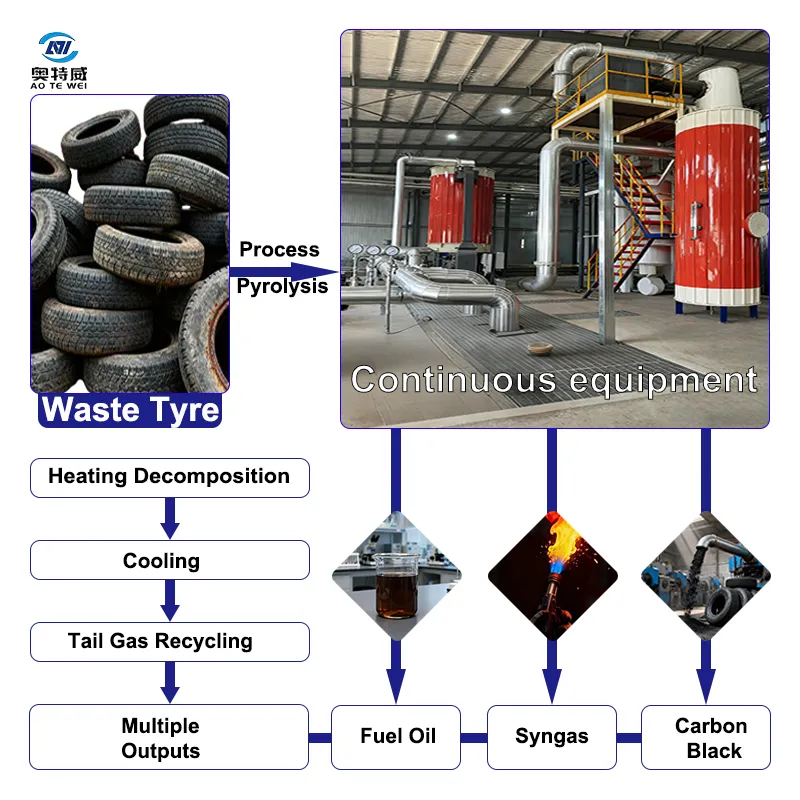
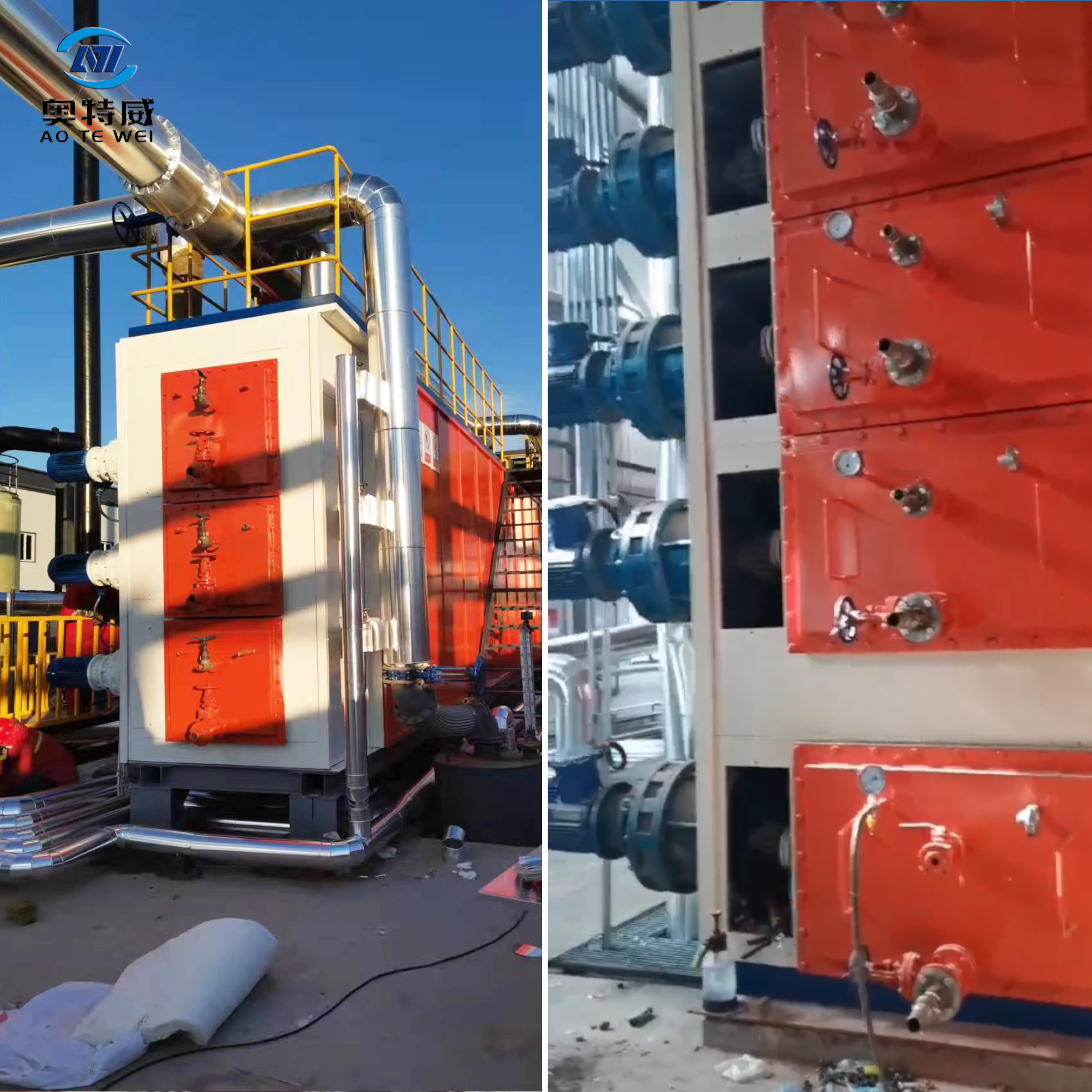
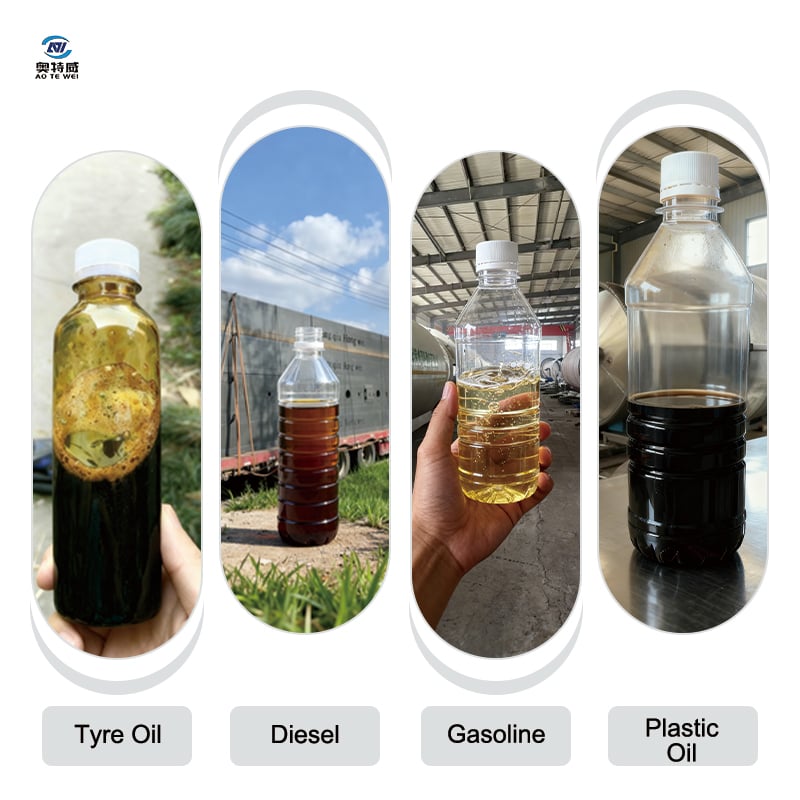
One of the most powerful features of modern tire disposal and recycling is the use of pyrolysis technology, a thermal decomposition process that breaks down end-of-life tires in a high-temperature, oxygen-free environment. This approach goes far beyond simple shredding or landfill diversion. It fundamentally transforms waste rubber into three distinct and commercially valuable outputs: fuel oil, carbon black, and combustible gas. Each of these products has real market demand, making pyrolysis-based tire disposal and recycling one of the most economically compelling waste management investments available today. The fuel oil produced through pyrolysis typically accounts for 40 to 50 percent of the tire's original weight. This oil has a calorific value comparable to diesel and can be used directly as an industrial fuel in boilers, furnaces, and generators, or further refined into higher-grade petroleum products. For facilities with high energy demands, integrating pyrolysis into a tire disposal and recycling operation can significantly reduce purchased energy costs, creating a self-sustaining energy loop that improves overall operational efficiency. Carbon black, another major output, represents roughly 30 to 35 percent of the processed tire mass. While pyrolysis-derived carbon black requires additional processing to match the specifications of virgin carbon black, it serves effectively as a reinforcing agent in rubber manufacturing, a pigment in inks and coatings, and a raw material in construction products. As demand for sustainable and recycled inputs grows across manufacturing sectors, recovered carbon black from tire disposal and recycling operations is gaining wider acceptance and commanding stronger market prices. The combustible gas generated during pyrolysis is typically recycled back into the system to fuel the heating process itself, reducing external energy input and lowering operating costs. This closed-loop energy design makes pyrolysis-based tire disposal and recycling highly efficient and environmentally responsible. For businesses evaluating tire disposal and recycling solutions, pyrolysis technology offers a compelling combination of waste elimination, resource recovery, and energy generation that no other processing method can match at scale.
High-Efficiency Mechanical Processing Delivers Premium Crumb Rubber for Multiple Industries

High-Efficiency Mechanical Processing Delivers Premium Crumb Rubber for Multiple Industries

Mechanical processing is the backbone of tire disposal and recycling operations worldwide, and modern systems have reached a level of precision and throughput that makes crumb rubber production faster, cleaner, and more profitable than ever before. The process begins with primary shredding, where whole tires are fed into industrial shredders that reduce them to large chips. These chips then pass through secondary granulators that progressively reduce particle size, with steel wire and fiber separated at each stage using magnetic separators and air classifiers. The result is clean, consistent crumb rubber available in a range of mesh sizes to meet the specific requirements of different end markets. The quality of crumb rubber produced through advanced tire disposal and recycling systems directly determines its market value and application range. Fine mesh crumb rubber, typically 40 mesh and finer, is used in the production of new rubber products, adhesives, and coatings where surface area and reactivity matter. Medium mesh crumb rubber finds its way into athletic tracks, artificial turf infill, and playground safety surfaces, where its energy absorption and durability properties are highly valued. Coarser grades serve road construction applications, where crumb rubber modified asphalt delivers longer pavement life, better skid resistance, and reduced road noise compared to conventional asphalt mixes. The steel wire recovered during mechanical tire disposal and recycling processing is baled and sold to steel mills, where it is melted and recast into new steel products. This recovery stream adds a direct revenue component to the operation and ensures that no part of the tire goes to waste. Fiber recovered from the separation process can be used as a fuel supplement or as a raw material in composite building products. For operators running tire disposal and recycling facilities, mechanical processing systems offer scalable capacity, low maintenance requirements, and the flexibility to serve multiple output markets simultaneously, making them a reliable foundation for any serious recycling business.
Comprehensive Compliance and Traceability Systems Protect Your Business and the Environment

Comprehensive Compliance and Traceability Systems Protect Your Business and the Environment

Regulatory compliance is one of the most pressing concerns for any organization involved in tire disposal and recycling, and for good reason. Improper tire disposal carries significant legal penalties, reputational damage, and environmental consequences that can affect communities for decades. Modern tire disposal and recycling operations address this challenge head-on by integrating comprehensive compliance management and traceability systems that document every step of the process, from tire collection through final material disposition. These systems generate the chain-of-custody records, weight tickets, material certifications, and disposal manifests that regulators, auditors, and corporate sustainability teams require. For fleet operators, tire retailers, and manufacturers who generate large volumes of end-of-life tires, partnering with a certified tire disposal and recycling facility means you receive documentation that proves your tires were handled responsibly. This protects you from liability in the event of an environmental audit or legal dispute, and it gives you the data you need to report accurately on your waste diversion rates and recycled content metrics. Extended producer responsibility programs in many jurisdictions require tire manufacturers and importers to fund and document tire disposal and recycling activities. Compliance systems built into modern recycling operations make it straightforward to meet these obligations and demonstrate performance to program administrators. Beyond regulatory protection, traceability in tire disposal and recycling builds trust with customers and stakeholders who increasingly demand transparency in supply chain sustainability. Companies that can show verified data on how their tire waste is managed gain a competitive advantage in markets where environmental performance is a purchasing criterion. Investing in tire disposal and recycling with robust compliance infrastructure is not just about avoiding penalties. It is about building a sustainable business practice that protects your organization, supports environmental goals, and positions you as a responsible operator in an industry where accountability is becoming the standard rather than the exception.

Get a Free Quote

Our representative will contact you soon.
Email
WhatsApp / Mobile
Name
Company Name
Message
0/1000
Newsletter
Please Leave A Message With Us