
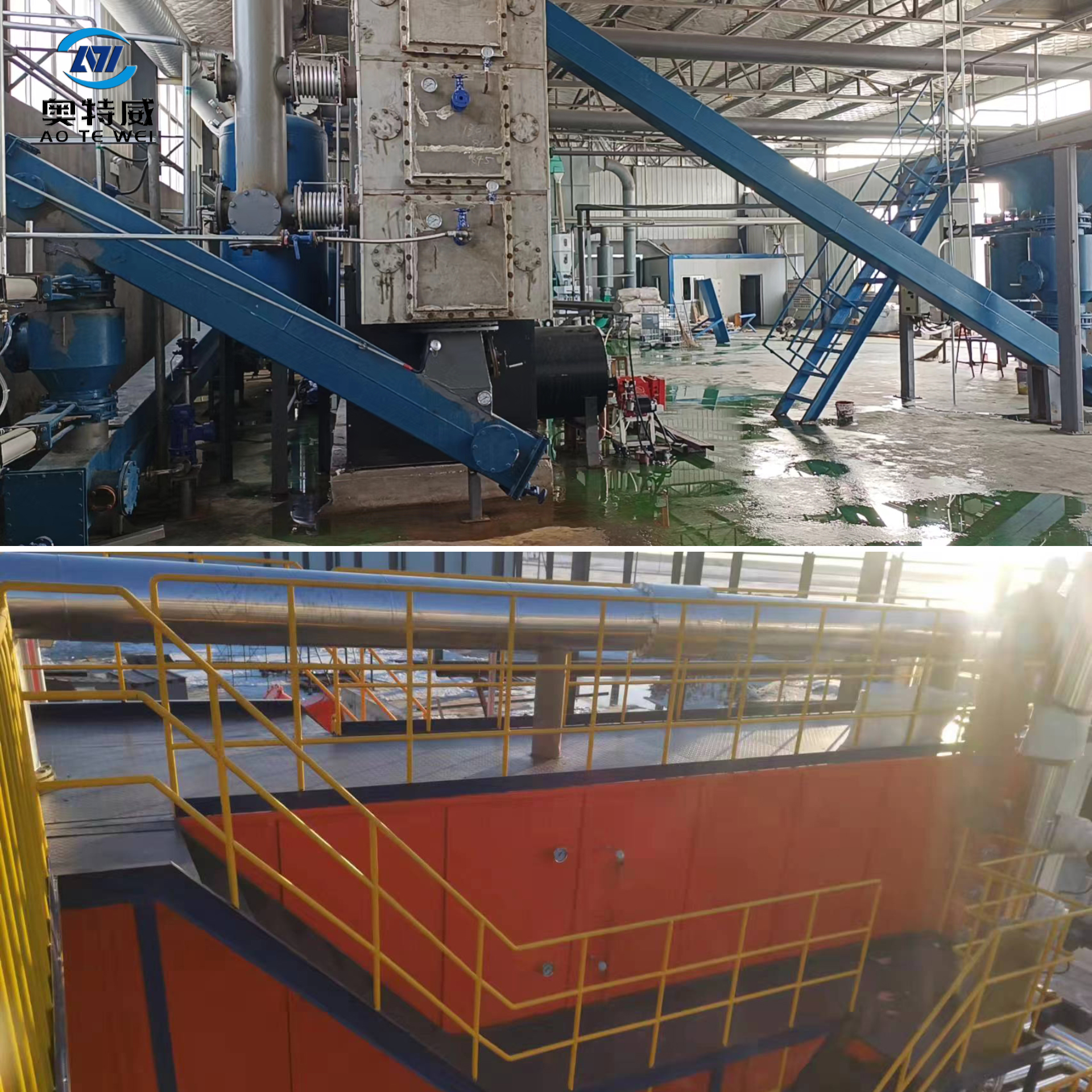
Every year, billions of waste tires accumulate across the globe, creating a serious environmental challenge that traditional disposal methods cannot adequately address. Landfilling tires is increasingly banned in many regions, and open burning releases toxic pollutants into the atmosphere. Tire pyrolysis has emerged as one of the most technically sound and commercially promising solutions, offering a pathway to transform what would otherwise be a persistent waste problem into a source of valuable, reusable fuel products. Understanding exactly how this process works is essential for industries, municipalities, and investors seeking sustainable waste management alternatives.
The science behind tire pyrolysis is rooted in thermochemical decomposition — breaking down complex rubber polymers using high heat in an oxygen-free environment. Unlike combustion, this method does not burn the tires; it dismantles them at a molecular level to recover distinct material streams, most notably pyrolysis fuel oil, combustible gas, carbon black, and steel wire. Each of these output streams has real commercial value, making tire pyrolysis not just an environmental solution but also a viable industrial business. This article explains the full conversion mechanism, from raw tire input to refined fuel output, so you can understand precisely how the process delivers results.
The Fundamental Science of Tire Pyrolysis
Thermochemical Decomposition Without Combustion
Tire pyrolysis operates on the principle of pyrolysis, which literally means 'decomposition by fire.' However, the defining characteristic is that this decomposition occurs in a sealed reactor vessel where oxygen is absent or severely restricted. Without oxygen, the rubber in waste tires cannot combust; instead, the applied heat — typically ranging from 300°C to 550°C depending on the system and target outputs — causes the long polymer chains in vulcanized rubber to break apart into shorter hydrocarbon molecules.
This breakdown is a thermally driven cracking reaction. As the temperature inside the reactor rises, the sulfur cross-links and carbon-carbon bonds that give rubber its elasticity and durability begin to sever. The result is a spectrum of hydrocarbon fragments with varying chain lengths and molecular weights. Lighter fractions vaporize immediately and rise out of the reactor as pyrolysis gas, while medium-weight fractions condense into liquid fuel oil when cooled, and heavier residues remain as solid carbon black char. The steel reinforcement wires in the tires remain largely intact and are recovered separately.
The oxygen-free atmosphere is what distinguishes tire pyrolysis from incineration. Incineration converts organic material into carbon dioxide, water vapor, and ash, destroying any potential fuel value. Pyrolysis preserves the chemical energy locked in rubber's hydrocarbon structure and redirects it into usable fuel products, making it fundamentally more efficient in terms of energy and resource recovery.
The Chemical Composition of Waste Tires and Its Role in Output Quality
To understand what tire pyrolysis can produce, it helps to understand what tires are made of. A typical passenger car tire contains approximately 47% rubber (both natural and synthetic), 22% carbon black (as a reinforcing filler), 15% steel wire, and various chemical additives including sulfur, zinc oxide, and processing oils. Truck and off-road tires have higher steel and natural rubber content, which influences both the processing parameters and the yield profile of the pyrolysis outputs.
Synthetic rubber, primarily styrene-butadiene rubber (SBR), is a polymer derived from petroleum, which explains why tire pyrolysis can recover hydrocarbon fuels from tire material so effectively. When SBR and other rubber components are thermally cracked, they yield hydrocarbons that closely resemble components found in conventional diesel and fuel oil. Natural rubber, on the other hand, tends to produce higher yields of limonene, a chemical with applications in industrial solvents and cleaning products, adding further economic diversity to the pyrolysis output stream.
The ratio of inputs — rubber versus carbon black versus steel — directly affects how much fuel oil, gas, and solid residue the pyrolysis plant will generate per ton of input material. Operators who understand this chemistry are better positioned to optimize their reactor temperature profiles, residence times, and condensation systems to maximize yield and product quality from each batch or continuous feed of waste tires.
The Step-by-Step Conversion Process Inside a Pyrolysis Plant
Tire Preparation and Feeding
Before waste tires enter a tire pyrolysis reactor, they typically require some degree of size reduction. Whole tires can be processed in certain large batch reactor designs, but most commercial plants benefit from shredding tires into chips or strips ranging from a few centimeters to around 50 millimeters in size. Smaller feed particles expose more surface area to heat, which generally improves reaction efficiency and reduces processing time within the reactor.
In continuous or semi-continuous tire pyrolysis systems, the shredded tire material is fed into the reactor through sealed feeding mechanisms — such as screw conveyors or sealed hopper systems — that prevent ambient air from entering the reaction chamber. Maintaining an airtight feed system is critical because any oxygen intrusion could cause localized combustion, which would both compromise fuel quality and create uncontrolled exothermic reactions. Proper feeding system design is therefore one of the important engineering considerations in any commercial pyrolysis installation.
Some advanced systems also perform a pre-drying or pre-heating step to remove surface moisture from the tire chips before they enter the main reaction zone. Moisture consumes heat energy and can interfere with the condensation system downstream, so removing it early improves overall plant thermal efficiency and helps maintain a cleaner, higher-quality pyrolysis oil output.
The Reactor Stage: Heat Application and Vapor Generation
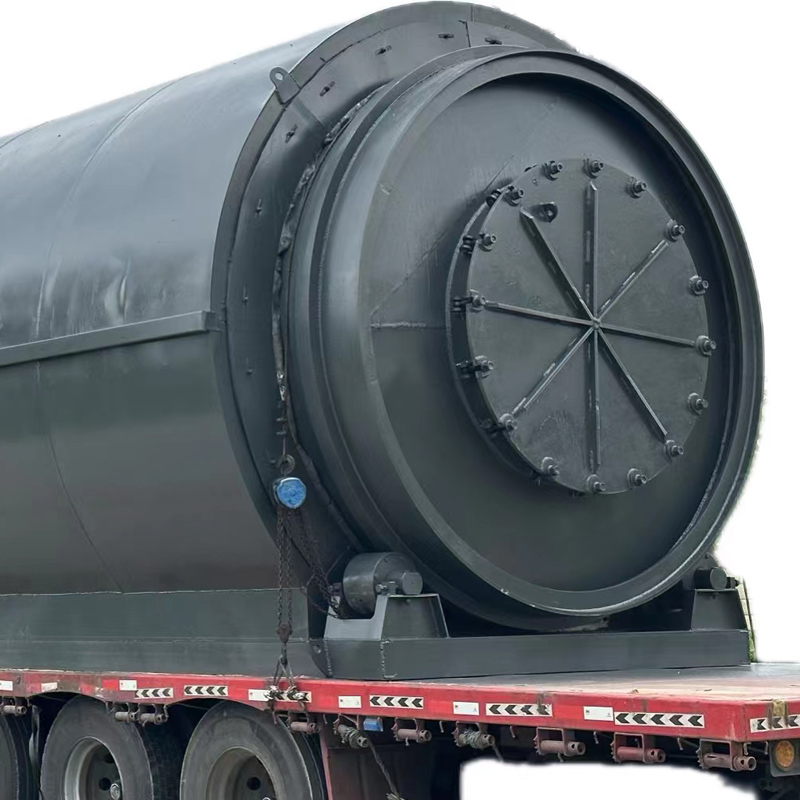
The reactor is the heart of any tire pyrolysis plant. Inside the sealed, oxygen-free chamber, tire material is exposed to progressively increasing temperatures. The reactor is heated externally — typically using combustion of a portion of the non-condensable pyrolysis gas generated by the process itself — creating an energy-efficient self-sustaining loop once the system reaches steady-state operation. This self-fueling capability is one of the economic advantages of well-designed tire pyrolysis systems.
As temperatures climb through the 300°C–550°C range, different fractions of the rubber polymer begin to decompose at different temperature thresholds. Light hydrocarbon gases are released first, followed by the heavier oil vapors. A rotating or agitated reactor design helps ensure that tire chips are evenly exposed to heat, preventing cold spots where unreacted material might accumulate and hot spots where the char might begin to combust or fuse together, which could impair solid residue extraction.
The residence time inside the reactor — meaning how long the material is subjected to pyrolysis temperatures — is carefully controlled. Too short a residence time results in incomplete conversion and lower oil yields, while excessively long residence times can crack the oil vapors further into lighter, less valuable gas fractions. Experienced operators of tire pyrolysis plants calibrate residence time alongside temperature profiles to achieve the optimal balance between oil yield, gas yield, and carbon black quality for their specific market requirements.
Condensation and Fuel Oil Recovery
The hot mixed vapors exiting the reactor pass into a condensation system where the pyrolysis fuel oil is recovered. The condensation system typically uses a series of cooled tubes or chambers where the oil vapors cool below their dew point and condense into liquid form, draining into collection tanks. The efficiency of this condensation stage directly determines the fuel oil yield of the entire tire pyrolysis operation, making it a critical subsystem that deserves careful engineering attention.
A standard commercial tire pyrolysis plant can recover between 40% and 55% of the input tire weight as fuel oil, depending on tire composition, reactor temperature, and condensation system design. This pyrolysis oil — sometimes called tire-derived fuel (TDF) or recycled fuel oil (RFO) — has a calorific value similar to conventional diesel or heavy fuel oil, making it suitable for use in industrial boilers, heavy machinery, cement kilns, and power generation equipment after appropriate quality control checks.
Non-condensable gases that pass through the condensation system without liquefying are collected separately. These gases — primarily methane, hydrogen, and light C2–C4 hydrocarbons — have a significant calorific value and are typically recycled back to the reactor burner as fuel, dramatically reducing the plant's external energy input costs. In larger installations, surplus gas may be used to generate electricity on-site.
The Reusable Products Generated by Tire Pyrolysis
Pyrolysis Fuel Oil and Its Applications
Pyrolysis fuel oil is the primary and most commercially significant product of the tire pyrolysis process. It is a dark, viscous liquid with a complex hydrocarbon composition, typically containing aromatic compounds, olefins, and paraffins derived from the original rubber polymer chains. Its sulfur content varies depending on the sulfur level originally present in the waste tire feedstock, which is an important consideration when evaluating downstream applications and regulatory compliance.
In its raw form, pyrolysis fuel oil is widely used as a substitute for heavy fuel oil in industrial heating applications — cement rotary kilns, brick kilns, glass furnaces, and industrial steam boilers are among the most common end users. For applications requiring diesel-like fuel, the raw oil can be subjected to further distillation or refining processes that separate lighter fractions suitable for use in generators and certain heavy-duty engines. This upgrading step adds cost but significantly broadens the marketable range of outputs from a tire pyrolysis facility.
The versatility of pyrolysis fuel oil as an energy carrier is a major economic driver for the adoption of tire pyrolysis technology. Unlike some alternative waste-to-energy technologies that produce only electricity or heat, pyrolysis delivers a tangible, storable, and transportable liquid fuel commodity that can be sold into established fuel markets, giving plant operators multiple revenue streams and pricing flexibility.
Carbon Black, Steel, and Gas as Co-Products
Beyond fuel oil, tire pyrolysis generates carbon black as a solid residue, constituting approximately 30%–35% of the input tire weight. The recovered carbon black, sometimes referred to as carbon black char or recovered carbon black (rCB), retains significant reinforcing and pigmenting properties. It can be sold directly to industries requiring a low-cost carbon black substitute — rubber compounding, construction waterproofing materials, and certain plastic applications are typical markets. With additional activation or processing, its quality can be upgraded to approach that of virgin carbon black grades, which commands substantially higher market prices.
The steel wire recovered from tire pyrolysis reactors represents typically 10%–15% of input weight. Because the pyrolysis environment is reducing rather than oxidizing, the steel emerges in relatively clean condition — free of rubber contamination and with minimal surface oxidation — making it straightforward to sell to scrap metal dealers or directly to steel recyclers. Steel wire recovery adds a modest but consistent revenue stream that contributes to the overall economic viability of the plant.
The combustible pyrolysis gas fraction, while partially recycled as reactor fuel, can also be cleaned and stored for external sale where infrastructure and regulations permit. In well-optimized systems, the integrated use of pyrolysis gas as process fuel is so effective that the plant requires minimal external energy inputs beyond initial startup, which significantly improves the plant's operating cost structure and carbon footprint compared to energy-intensive alternative waste treatment technologies.
Selecting and Operating a Tire Pyrolysis System
Key Design Considerations for Commercial Plants
When evaluating a tire pyrolysis plant for commercial deployment, the fundamental design choices center on reactor type, processing mode, and capacity scale. Batch reactors process a fixed load of tire material per cycle, offering simplicity and lower initial investment but requiring cooling and reloading time between batches, which limits throughput. Continuous and semi-continuous reactor designs allow ongoing feeding and discharge, enabling higher daily processing volumes and more consistent fuel oil quality — important considerations for operations aiming to process significant tonnages of waste tires.
The tire pyrolysis plant design should incorporate effective sealing systems throughout — reactor, feeding mechanism, discharge system, and gas piping — to prevent air infiltration and ensure operator safety. Emission control systems are equally important: the pyrolysis gas circuit, condensation system, and any flue gas treatment equipment must meet local environmental standards for volatile organic compound (VOC) emissions and particulate matter before a plant can receive operating permits in most jurisdictions.
Process monitoring and control systems — temperature sensors, pressure gauges, automated feed rate controllers, and safety interlocks — determine how reliably and safely the plant operates on a day-to-day basis. More sophisticated control systems reduce dependence on manual intervention, improve output consistency, and provide the operating data needed to optimize performance and troubleshoot issues proactively, all of which are significant advantages in a commercial production environment.
Operational Economics and Commercial Viability
The commercial case for tire pyrolysis rests on the intersection of waste tire tipping fees (payments received to accept waste tires), the market value of fuel oil and co-products, and the plant's operating costs. In many markets, waste tire generators — including tire retailers, vehicle fleets, and recyclers — pay a disposal fee to have their tires collected and processed, which provides a baseline income stream for the pyrolysis plant operator even before any products are sold.
Fuel oil prices fluctuate with broader energy markets, so prudent operators develop diverse customer relationships across industrial fuel buyers, refinery feedstock markets, and direct fuel users to maintain pricing leverage. Carbon black sales, steel scrap revenues, and potentially gas-to-power revenues layer additional income onto the fuel oil foundation, creating a multi-stream business model that is more resilient to any single commodity price movement than simpler waste processing approaches.
Operational efficiency — measured in terms of fuel oil yield per ton of input, energy self-sufficiency, and maintenance downtime — is the primary lever operators can use to improve profitability once the plant is commissioned. Regular calibration of reactor temperature profiles, maintenance of condensation system heat exchangers, and disciplined feedstock quality control are the practical tools that separate high-performing tire pyrolysis operations from underperforming ones in real-world industrial settings.
FAQ
What percentage of a waste tire can be converted into fuel oil through tire pyrolysis?
A well-operated tire pyrolysis plant typically converts between 40% and 55% of the input tire weight into pyrolysis fuel oil. The exact yield depends on the type of tires processed (passenger car versus truck tires), the reactor temperature profile, and the efficiency of the condensation system. The remaining mass is recovered as carbon black (30%–35%), steel wire (10%–15%), and non-condensable combustible gas (5%–10%), all of which have commercial value and contribute to the plant's overall revenue.
Is pyrolysis fuel oil from tire pyrolysis safe to use in industrial equipment?
Pyrolysis fuel oil produced by tire pyrolysis is widely used in industrial boilers, cement kilns, and heating furnaces and is generally accepted by equipment designed for heavy fuel oil grades. For use in diesel engines or more sensitive equipment, the oil may need to undergo further distillation or refining to remove heavier fractions and reduce sulfur content. Users should always conduct fuel quality analysis and consult equipment manufacturers' specifications before using pyrolysis oil in any application requiring tighter fuel tolerances.
How does tire pyrolysis differ from simply burning waste tires for energy?
Tire pyrolysis and combustion are fundamentally different thermochemical processes. Combustion requires oxygen and converts tire material into heat energy, carbon dioxide, water vapor, and residual ash — destroying the hydrocarbon value in the rubber. Tire pyrolysis excludes oxygen, which means the chemical energy stored in the tire polymers is preserved and redirected into liquid fuel oil, combustible gas, and recoverable solid materials. This makes pyrolysis significantly more resource-efficient and economically productive than direct combustion or co-processing in incinerators.
What types of tires can be processed in a tire pyrolysis plant?
Most commercial tire pyrolysis plants can process a wide range of tire types, including passenger car tires, light truck tires, heavy-duty commercial vehicle tires, off-road and agricultural tires, and motorcycle tires. Each tire type has a slightly different rubber-to-steel-to-carbon-black ratio, which influences yield profiles and product quality. Operators typically characterize their feedstock mix and adjust reactor parameters accordingly. Steel-belted radial tires are the most common feedstock globally and are well-suited to standard pyrolysis plant configurations.
Table of Contents
- The Fundamental Science of Tire Pyrolysis
- The Step-by-Step Conversion Process Inside a Pyrolysis Plant
- The Reusable Products Generated by Tire Pyrolysis
- Selecting and Operating a Tire Pyrolysis System
-
FAQ
- What percentage of a waste tire can be converted into fuel oil through tire pyrolysis?
- Is pyrolysis fuel oil from tire pyrolysis safe to use in industrial equipment?
- How does tire pyrolysis differ from simply burning waste tires for energy?
- What types of tires can be processed in a tire pyrolysis plant?