
The plastic recycling industry has grown into a significant economic sector, yet many operators struggle to achieve consistent profit margins. Understanding what drives profitability in plastic recycling is essential for anyone planning to enter or expand within this market. From raw material sourcing to final product pricing, every stage of the plastic recycling process carries financial implications that operators must manage carefully to stay competitive and profitable.
Plastic recycling operations face a unique combination of cost pressures, technological requirements, and market dependencies that directly shape their bottom line. Whether a business runs a simple mechanical plastic recycling line or an advanced pyrolysis-based plastic recycling facility, the fundamental profitability drivers remain consistent. This article examines the major factors that determine whether a plastic recycling operation thrives or merely survives.
Feedstock Quality and Supply Chain Management
How Input Material Affects Plastic Recycling Margins
One of the most influential factors in any plastic recycling operation is the quality and consistency of incoming feedstock. Mixed or contaminated plastic recycling inputs require additional sorting, washing, and preprocessing steps, each of which adds cost. When a plastic recycling facility receives clean, pre-sorted materials, processing throughput increases, energy consumption per unit drops, and overall yield improves. Operators who build reliable, long-term supply partnerships with waste collectors, municipalities, and industrial sources gain a competitive edge in managing input costs.
Feedstock pricing is another variable that directly affects plastic recycling profitability. In periods of high demand for recycled raw materials, collectors may charge more for sorted plastic waste, compressing the plastic recycling operator's margin. Building storage capacity and negotiating forward supply agreements helps stabilize input costs. A well-managed plastic recycling supply chain can significantly reduce the financial volatility that many smaller operators experience.
Material Yield and Output Value in Plastic Recycling
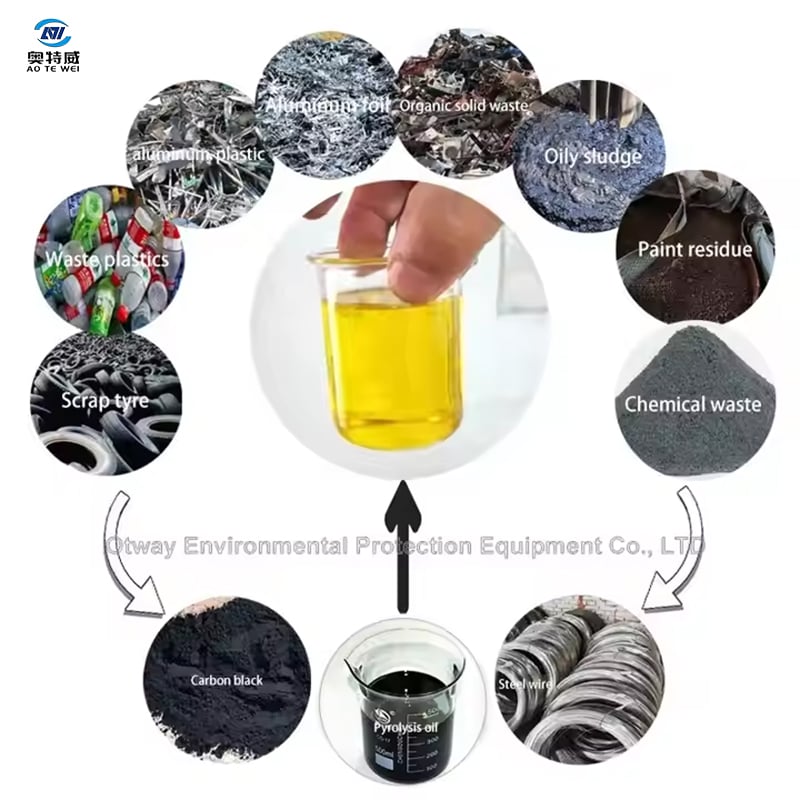
The ratio of usable output to input material — often called the plastic recycling yield rate — is a direct profitability lever. Higher yield rates mean more sellable product from the same volume of feedstock. In pyrolysis-based plastic recycling, the yield of fuel oil, carbon black, and gas depends heavily on the composition of the input material and the efficiency of the processing equipment. Operators who invest in accurate material sorting before processing tend to achieve higher and more consistent plastic recycling yield rates, improving revenue per ton processed.
Technology Selection and Operational Efficiency
Equipment Quality and Its Role in Plastic Recycling Cost Control
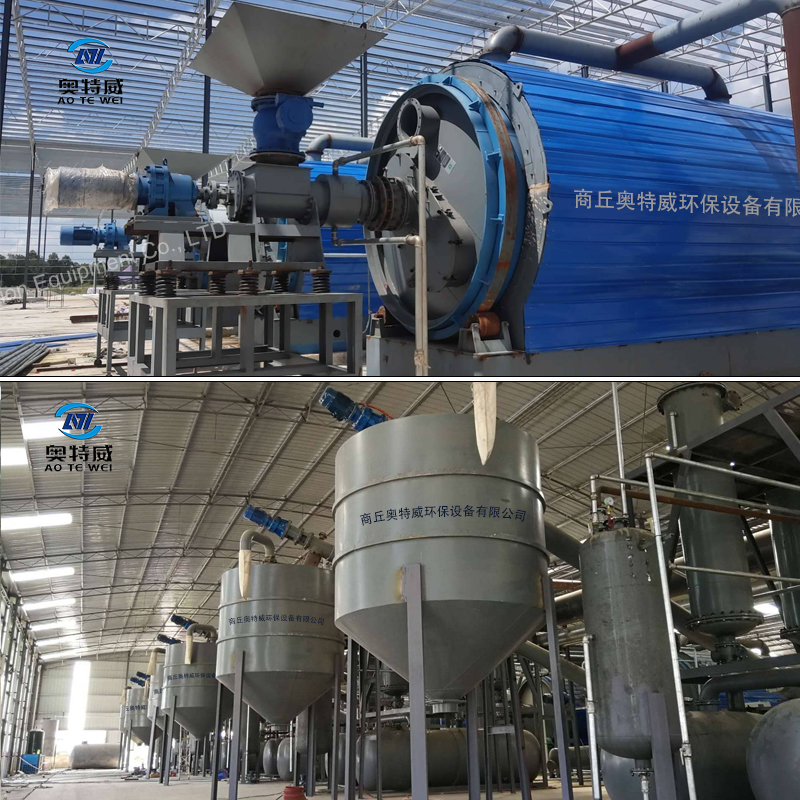
The choice of technology is perhaps the single most impactful long-term decision in plastic recycling profitability. High-efficiency equipment reduces energy consumption, lowers labor requirements, and minimizes downtime. For example, a plastic recycling plant equipped with automated PLC controls, durable core components, and optimized heat recovery systems operates at a substantially lower cost per ton than older, manually operated alternatives. Technology that maintains consistent operational temperatures and pressures also reduces the risk of equipment failure, which can cause costly production halts in any plastic recycling facility.
Energy is one of the largest operating expenses in plastic recycling. Facilities that process material through thermal or chemical methods, such as pyrolysis, must carefully manage fuel inputs relative to energy output. Modern plastic recycling systems designed with internal energy recycling — where gas produced during processing is fed back as fuel — can dramatically cut external energy costs. This closed-loop energy design is a feature that distinguishes highly profitable plastic recycling plants from those with poor energy economics.
Maintenance Strategy and Uptime Optimization
Operational uptime directly translates into plastic recycling revenue. A facility that runs at high capacity for more hours per year processes more material and generates more income from the same fixed asset base. Preventive maintenance programs that monitor component wear, schedule timely replacements, and train operators to detect early warning signs are essential to plastic recycling operational efficiency. High-quality plastic recycling equipment with robust core components — including reliable motors, pumps, and gearboxes — reduces unplanned downtime and extends the productive life of the facility.
Market Conditions and Output Product Pricing
Understanding End-Market Demand for Plastic Recycling Outputs
Profitability in plastic recycling is heavily tied to the market value of output products. For mechanical plastic recycling, this means the price buyers are willing to pay for recycled pellets or flakes. For pyrolysis-based plastic recycling, key outputs include fuel oil, carbon black, and combustible gas, each with its own market pricing cycle. When global commodity prices for virgin plastic are high, recycled plastic alternatives command better prices, boosting plastic recycling revenue. Conversely, when oil prices drop, the fuel oil produced by pyrolysis plastic recycling becomes less attractive to buyers, compressing margins.
Diversifying the output customer base is a proven strategy for protecting plastic recycling profitability against market fluctuations. Operators who sell to multiple industries — such as construction, agriculture, textiles, and fuel blending — are less exposed to single-market downturns. Building direct relationships with end-users rather than relying on intermediaries also improves the net price received per ton of plastic recycling output, directly improving the margin profile of the operation.
Regulatory Compliance and Its Financial Impact on Plastic Recycling
Regulatory requirements for plastic recycling operations vary significantly by region and affect both capital expenditure and ongoing operating costs. Emissions standards, wastewater treatment requirements, and waste handling licenses all represent compliance costs that must be factored into plastic recycling financial planning. Facilities that invest proactively in compliant equipment and processes avoid costly fines, operational shutdowns, and reputational damage. In markets where governments actively support plastic recycling through subsidies, tax incentives, or preferential procurement policies, compliant operators can access meaningful financial benefits that improve overall profitability.
FAQ
What is the biggest cost driver in plastic recycling operations?
Energy and feedstock costs are typically the two largest expenses in plastic recycling. Efficient equipment that minimizes energy consumption per ton processed, combined with a reliable supply of clean input material, has the greatest positive impact on plastic recycling margins.
How does equipment technology affect plastic recycling profitability?
Advanced plastic recycling equipment with automated controls, energy recovery systems, and durable core components reduces operational costs, increases throughput, and improves yield rates. These improvements directly increase the profitability of a plastic recycling facility over its operational lifetime.
Can small-scale plastic recycling operations be profitable?
Yes, small-scale plastic recycling can be profitable when operators carefully manage feedstock sourcing, choose efficient processing technology, and identify strong local markets for their output products. Profitability depends more on operational discipline and market access than on facility size alone.