Professional Car Tire Recycling Solutions - Sustainable Waste Management & Material Recovery

Get a Free Quote

Our representative will contact you soon.
Email
WhatsApp / Mobile
Name
Company Name
Message
0/1000

car tire recycling

Car tire recycling represents a comprehensive solution for managing end-of-life tires through systematic collection, processing, and transformation into valuable materials and products. This environmental initiative addresses the growing challenge of tire waste by converting discarded tires into reusable resources rather than allowing them to accumulate in landfills or illegal dumping sites. The car tire recycling process encompasses multiple stages, beginning with tire collection from automotive service centers, dealerships, and consumers, followed by sorting to separate different tire types and remove contaminants. Advanced mechanical processing then breaks down the tires into constituent materials including rubber granules, steel wire, and textile fibers. The main functions of car tire recycling include environmental protection by preventing soil and water contamination, resource conservation through material recovery, and energy production via tire-derived fuel applications. Technological features of modern car tire recycling systems include automated sorting equipment, cryogenic freezing methods for easier material separation, devulcanization processes that restore rubber to near-virgin quality, and pyrolysis technology that thermally decomposes tires in oxygen-free environments to produce oil, gas, and carbon black. These recycling facilities utilize sophisticated grinding mills, magnetic separators, and screening systems to achieve precise material separation and quality control. Applications of recycled tire materials span numerous industries, with rubber crumb used in playground surfaces, athletic tracks, rubberized asphalt for roads, and molded products like floor mats and landscaping mulch. Steel recovered from tires serves metallurgical industries, while textile fibers find use in insulation and reinforcement materials. The car tire recycling industry continues evolving with innovations in chemical recycling methods, improved efficiency in material separation, and expanded markets for recycled tire products, making it an essential component of circular economy strategies and sustainable waste management practices worldwide.

New Products

Car tire recycling delivers substantial environmental benefits by preventing millions of tires from entering landfills each year, where they would occupy valuable space for centuries without decomposing naturally. By diverting these tires from waste streams, recycling operations eliminate breeding grounds for disease-carrying mosquitoes and reduce fire hazards associated with tire stockpiles that can burn for months, releasing toxic smoke and pollutants into the atmosphere. The process creates significant economic value by transforming waste into profitable products, generating revenue streams from rubber crumb sales, recovered steel, and tire-derived fuel that replaces more expensive traditional fuels in cement kilns and power plants. Businesses implementing car tire recycling programs benefit from reduced disposal costs compared to traditional waste management methods, while also meeting increasingly stringent environmental regulations and corporate sustainability targets. Communities gain access to safer playground surfaces and sports facilities constructed with recycled rubber, which offers superior shock absorption compared to traditional materials, reducing injury risks for children and athletes. The car tire recycling industry creates stable employment opportunities across collection, processing, and manufacturing sectors, contributing to local economic development while addressing environmental challenges. Resource conservation represents another critical advantage, as recycling recovers approximately 75 percent of a tire's weight in reusable materials, reducing dependence on virgin raw materials and the energy-intensive processes required to produce them. Manufacturing products from recycled tire materials typically consumes less energy than creating equivalent items from new resources, resulting in lower carbon emissions and reduced environmental footprint. Property owners and municipalities appreciate the durability of products made from recycled tires, which resist weathering, cracking, and degradation better than many conventional materials, providing long-term value and reduced maintenance costs. The versatility of recycled tire materials enables innovation across multiple industries, from construction and landscaping to automotive manufacturing and consumer goods, creating diverse market opportunities and driving technological advancement. Car tire recycling supports circular economy principles by keeping materials in productive use longer, minimizing waste generation, and closing resource loops that traditionally ended in disposal. Farmers and agricultural operations benefit from using shredded tire materials for livestock bedding, drainage systems, and erosion control applications that prove more cost-effective and durable than traditional alternatives.

Practical Tips

Company Updates Factory Audit Video | On-site Shooting of Aotewei Environmental Protection Equipment, Transparently Showing Manufacturing Strength

08

Apr

Company Updates Factory Audit Video | On-site Shooting of Aotewei Environmental Protection Equipment, Transparently Showing Manufacturing Strength

To further improve supply chain transparency and optimize the factory audit experience for domestic and overseas customers, Shangqiu Aotewei Environmental Protection Equipment Co., Ltd. has recently completed a comprehensive update of its factory aud...
View More

Get a Free Quote

Our representative will contact you soon.
Email
WhatsApp / Mobile
Name
Company Name
Message
0/1000

car tire recycling

Advanced Processing Technology Ensures Maximum Material Recovery

Advanced Processing Technology Ensures Maximum Material Recovery

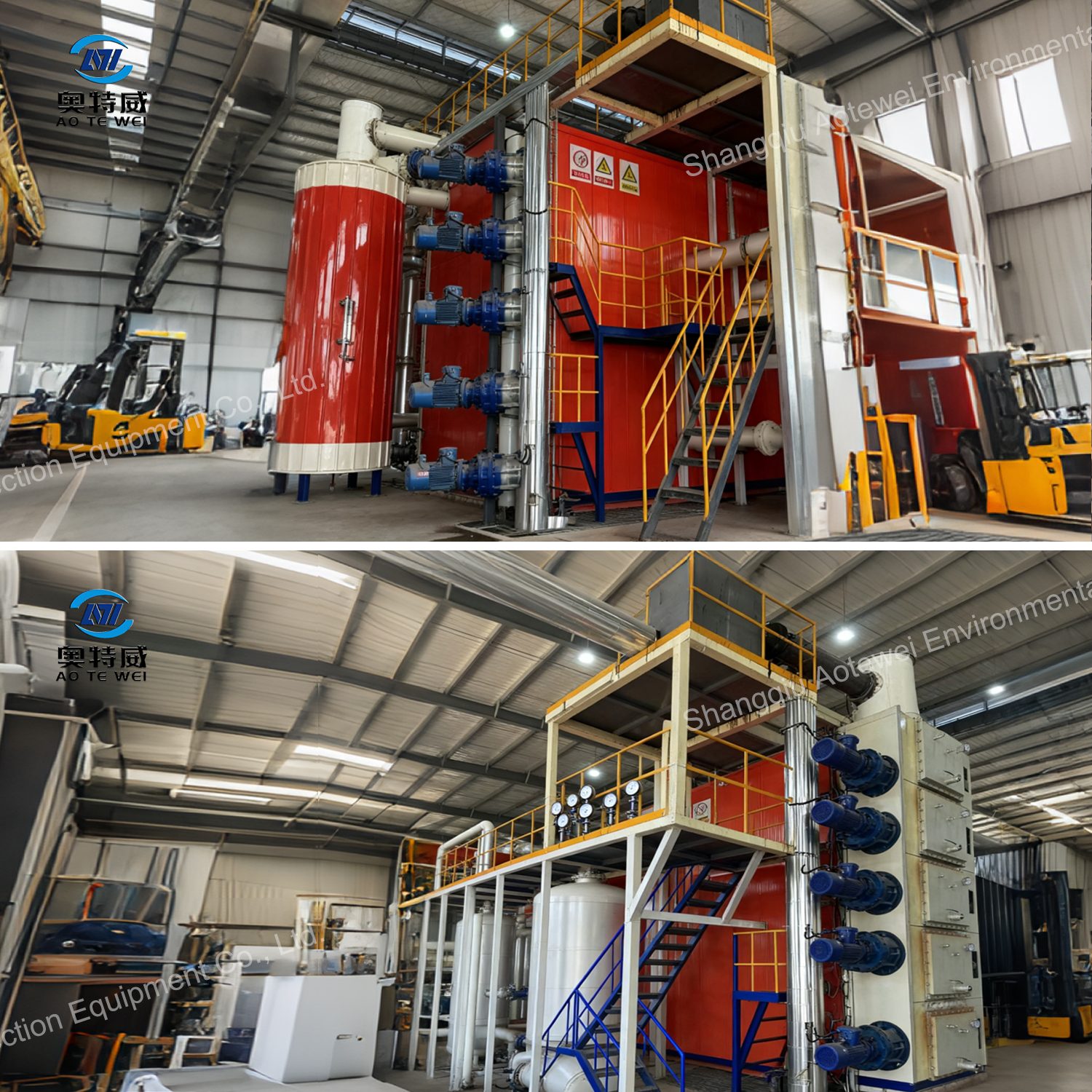
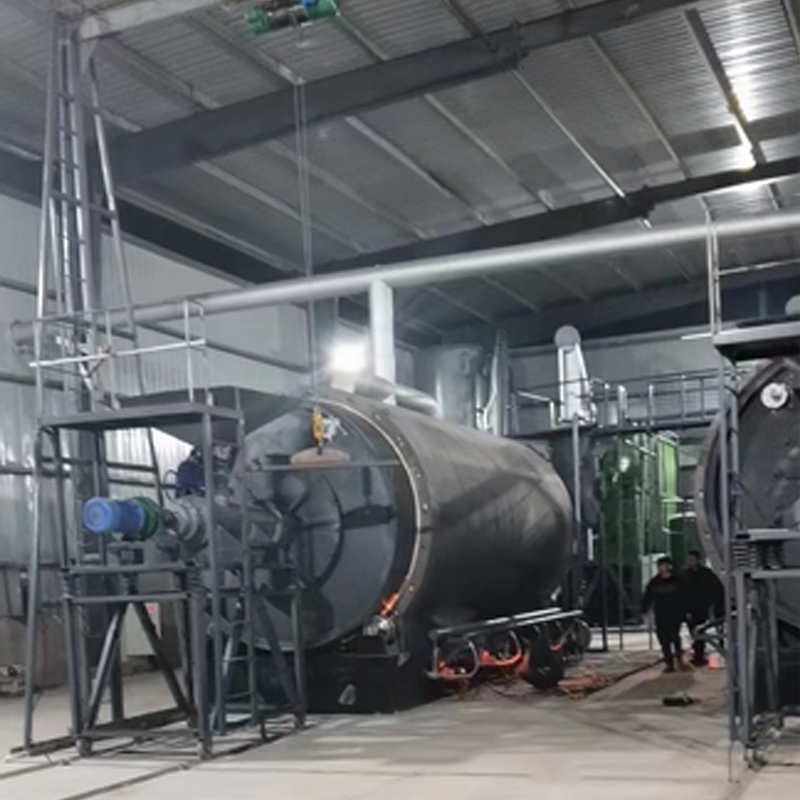
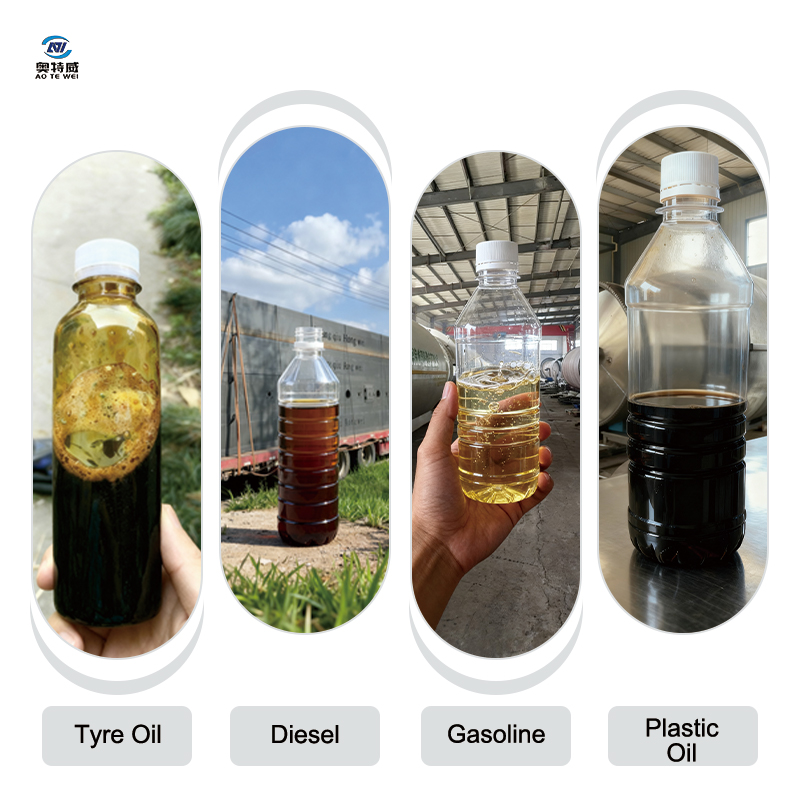
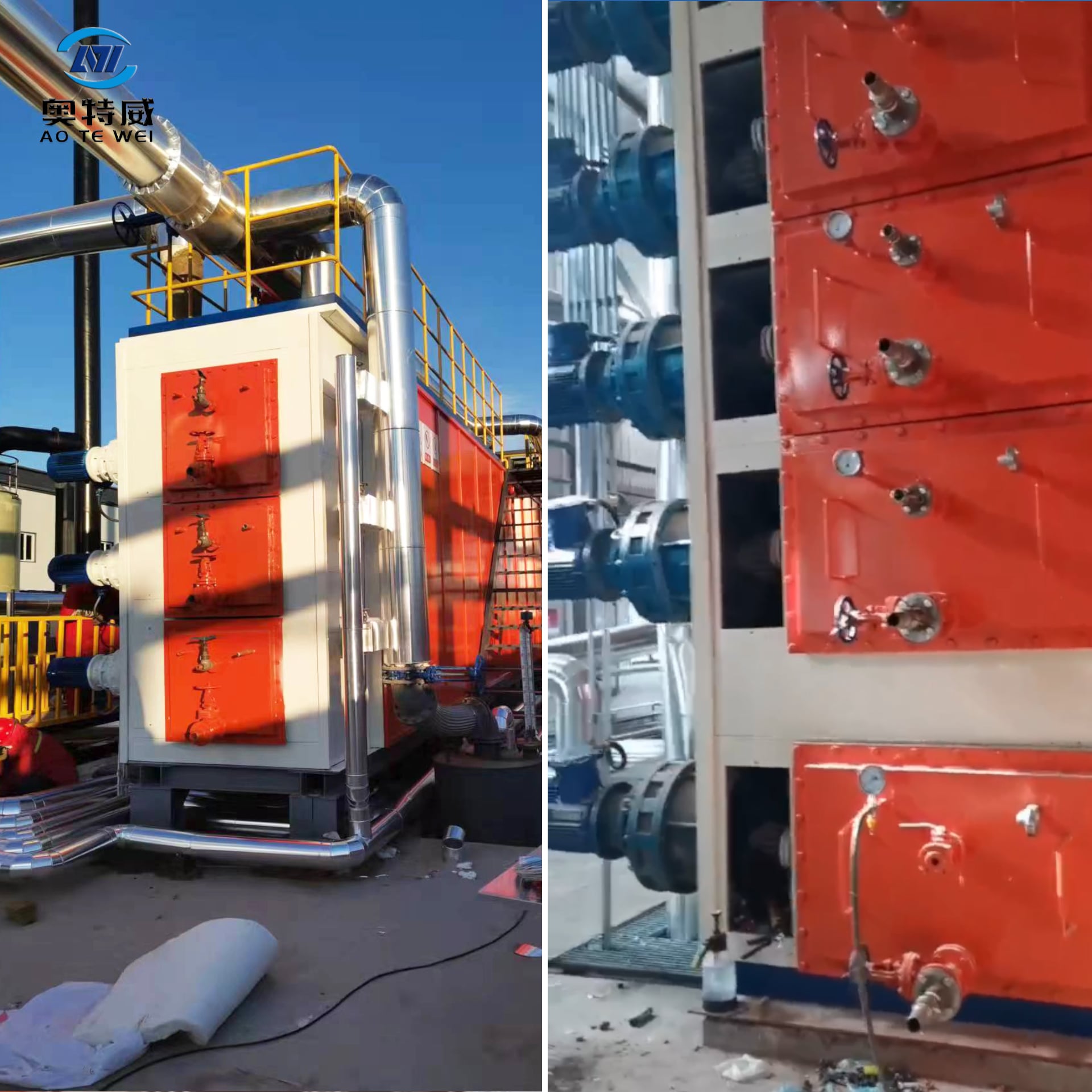
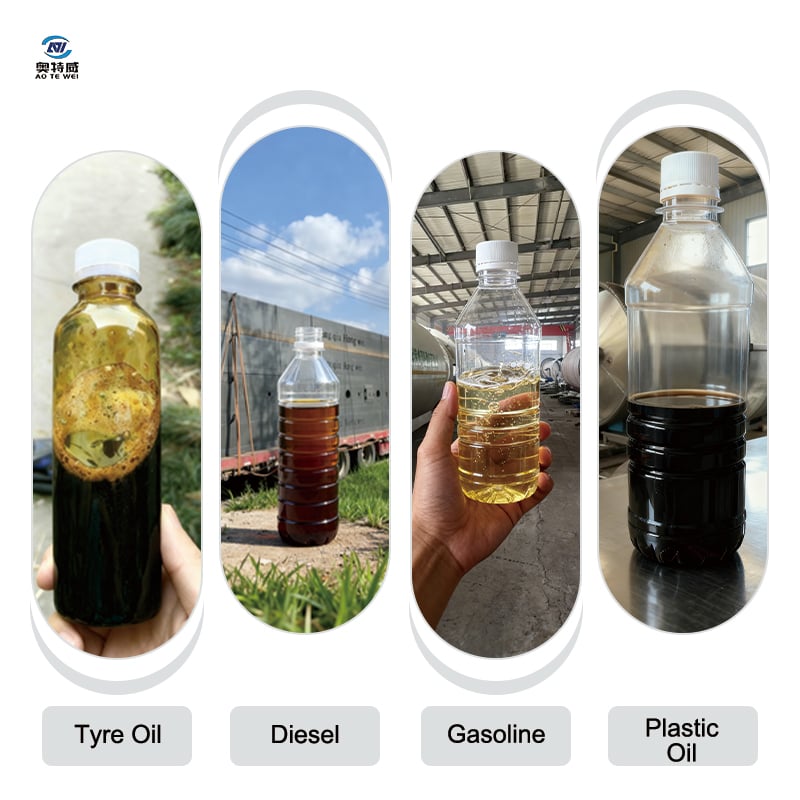
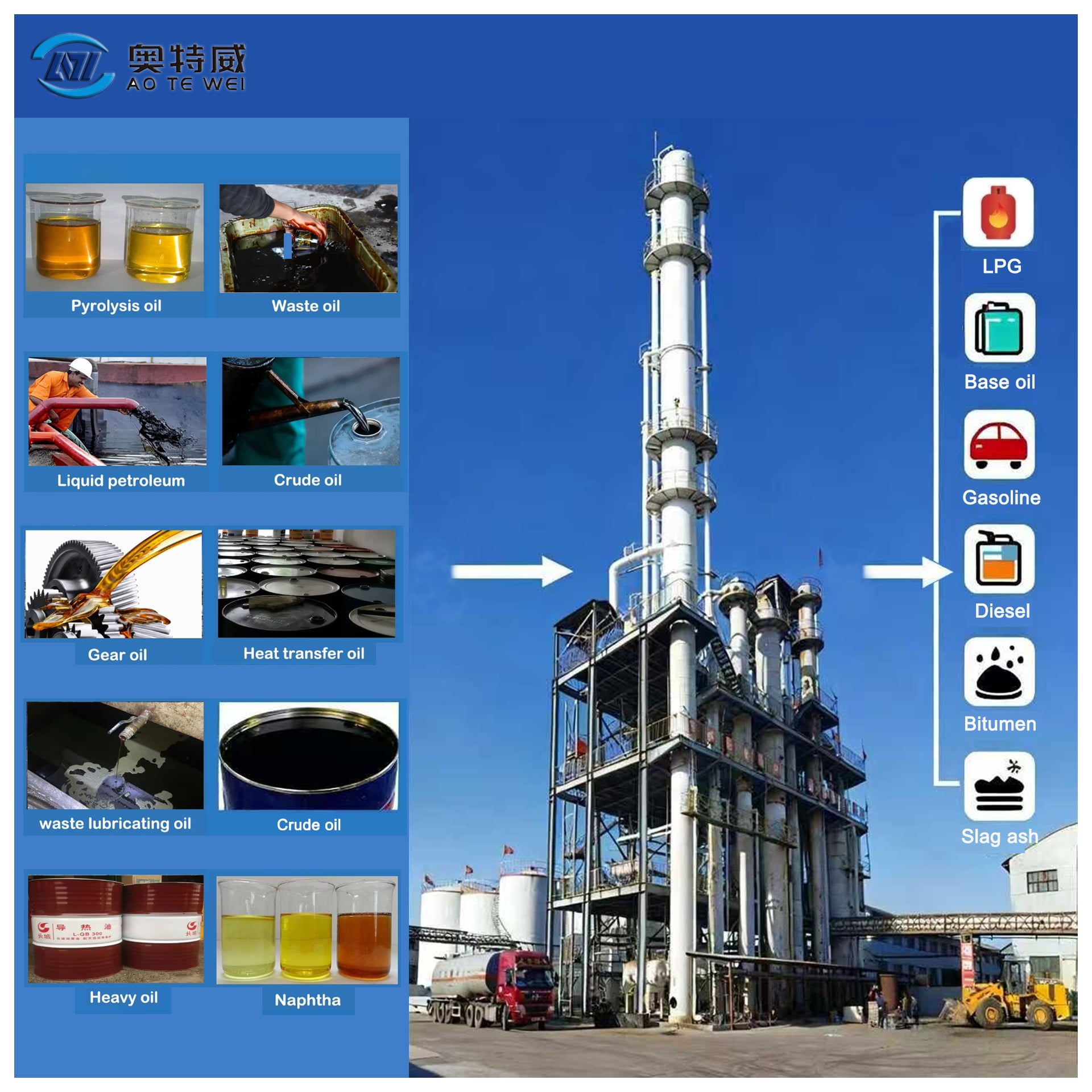
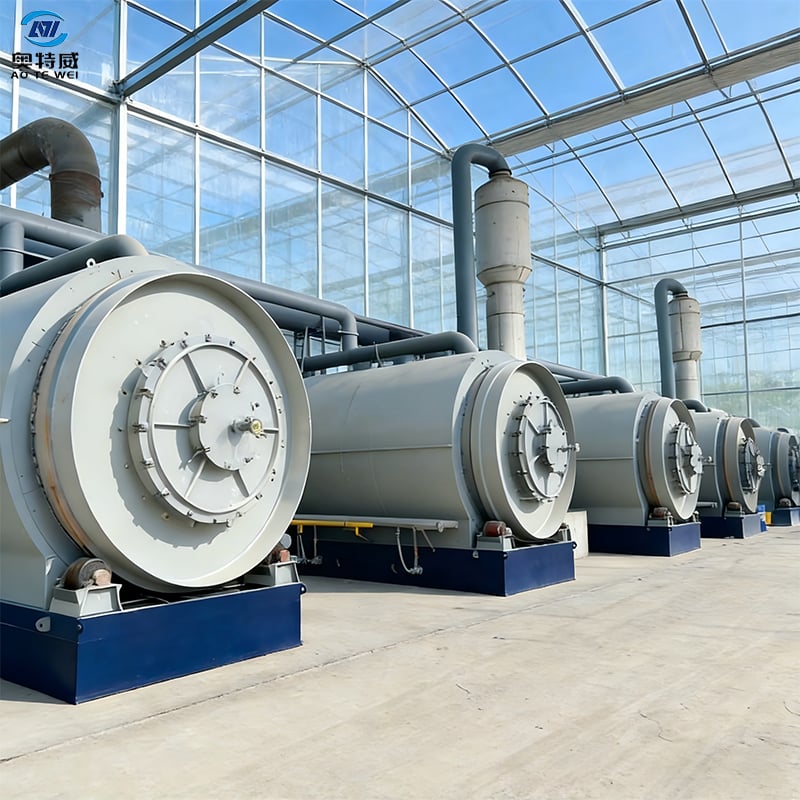
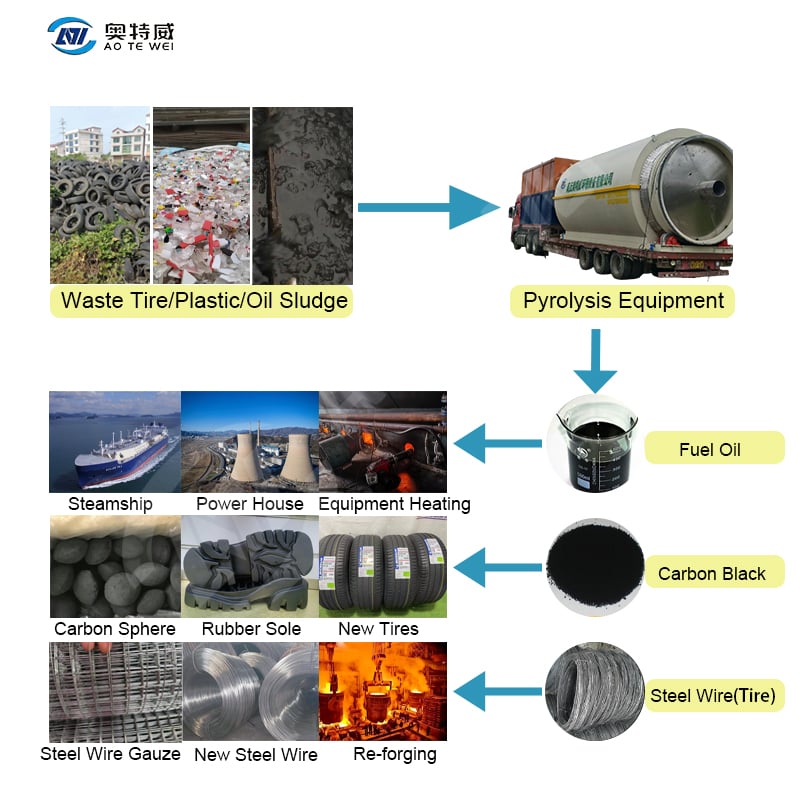
Modern car tire recycling facilities employ cutting-edge processing technology that maximizes material recovery while maintaining high quality standards for recycled products. The processing journey begins with automated inspection systems that use sensors and imaging technology to identify tire types, sizes, and conditions, ensuring optimal sorting for downstream processing stages. Mechanical shredding equipment featuring hardened steel blades and powerful hydraulic systems breaks down whole tires into progressively smaller pieces, with primary shredders reducing tires to large chunks and secondary granulators creating uniform rubber particles. Magnetic separation systems extract steel belts and bead wires with precision, recovering valuable ferrous metals that account for approximately 15 percent of tire weight and can be sold to steel mills for reprocessing into new products. Liberation equipment employing cryogenic freezing technology uses liquid nitrogen to make rubber brittle at extremely low temperatures, facilitating cleaner separation of rubber from embedded steel and textile components. Screen classification systems sort processed materials into multiple size grades, from coarse rubber chips measuring several centimeters to fine rubber powder under one millimeter, each grade serving specific industrial applications and commanding different market values. Fiber separation units remove textile components through air classification and specialized screening, recovering polyester and nylon materials that find applications in automotive parts, insulation products, and composite materials. Advanced car tire recycling operations increasingly incorporate devulcanization technology that breaks sulfur cross-links in vulcanized rubber, partially restoring elastic properties and enabling recycled rubber to substitute for virgin rubber in manufacturing new tires and other products. This chemical process significantly expands market opportunities for recycled materials by improving their performance characteristics. Pyrolysis systems represent another technological advancement, heating shredded tires in oxygen-free chambers at controlled temperatures to produce valuable outputs including pyrolysis oil usable as industrial fuel, syngas for energy generation, carbon black for pigments and reinforcement applications, and steel for metal recycling. Quality control measures throughout car tire recycling facilities include particle size analysis, contaminant detection, and material composition testing to ensure recycled products meet industry specifications and customer requirements. Automated control systems monitor processing parameters, optimize equipment performance, and minimize energy consumption while maximizing throughput, making operations economically viable and environmentally sustainable.
Environmental Protection Through Comprehensive Waste Management

Environmental Protection Through Comprehensive Waste Management

Car tire recycling provides essential environmental protection by implementing comprehensive waste management strategies that address multiple ecological challenges simultaneously. Approximately one billion tires reach the end of their useful life globally each year, and without proper recycling infrastructure, these tires pose significant environmental threats through illegal dumping, landfill accumulation, and tire pile fires that release harmful pollutants. Recycling operations prevent ground contamination by keeping tire materials out of soil where they would otherwise leach chemicals and heavy metals into groundwater systems, potentially affecting drinking water supplies and aquatic ecosystems. The process eliminates stagnant water collection inside discarded tires, removing prime breeding habitats for mosquitoes that transmit diseases including dengue fever, Zika virus, and West Nile virus, thereby protecting public health in communities worldwide. By processing tires through controlled mechanical and thermal methods, car tire recycling facilities prevent uncontrolled tire fires that can burn for extended periods, producing thick black smoke containing particulate matter, carbon monoxide, sulfur dioxide, and toxic organic compounds that harm air quality and human respiratory health. The carbon footprint reduction achieved through car tire recycling proves substantial, as manufacturing products from recycled tire materials requires significantly less energy than producing equivalent items from virgin petroleum-based resources, resulting in lower greenhouse gas emissions per unit of output. Utilizing tire-derived fuel in industrial processes displaces coal and other fossil fuels, offering comparable energy content while providing economic value for materials that would otherwise require costly disposal. Material recovery through recycling conserves petroleum resources, as each recycled tire saves approximately seven gallons of oil that would be needed to produce virgin rubber, contributing to energy security and reduced environmental impact from oil extraction and refining. Car tire recycling supports biodiversity preservation by reducing demand for natural rubber harvested from plantations that often replace diverse forest ecosystems, helping maintain habitat for endangered species. The rubberized asphalt produced from recycled tires improves road surfaces while reducing traffic noise pollution by several decibels compared to conventional pavement, enhancing quality of life in urban areas. Permeable surfaces made with recycled tire materials facilitate stormwater management by allowing water infiltration, reducing runoff that carries pollutants into waterways and helping prevent flooding during heavy rainfall events.
Diverse Applications Creating Economic Value Across Industries

Diverse Applications Creating Economic Value Across Industries

Car tire recycling generates remarkable economic value by supplying diverse industries with cost-effective, high-performance materials that serve as sustainable alternatives to conventional products. The rubber crumb produced through tire recycling finds extensive application in sports and recreation facilities, where it provides superior shock absorption and durability for synthetic turf fields, running tracks, and playground surfaces that protect athletes and children from impact injuries while withstanding heavy use and weather exposure for decades. Civil engineering projects increasingly specify recycled tire materials for lightweight fill applications in road construction, where shredded tires reduce soil pressure on weak foundations, improve drainage characteristics, and cost less than traditional aggregate materials while solving disposal challenges. Rubberized asphalt incorporating recycled tire rubber enhances pavement performance by increasing flexibility, reducing cracking from thermal expansion and contraction, extending road service life by years, and decreasing maintenance costs for transportation agencies managing extensive road networks. Manufacturing industries utilize recycled tire rubber in molded and extruded products including automotive floor mats, mud flaps, dock bumpers, railroad crossing pads, and livestock stall mats that leverage rubber's resilience, weather resistance, and durability characteristics. The construction sector employs shredded tire materials as drainage layers beneath foundations and retaining walls, in septic system leach fields, and as lightweight backfill behind bridge abutments, where the material's properties reduce settling and improve long-term structural performance. Landscaping applications for recycled tire mulch provide weed suppression, moisture retention, and decorative ground cover that resists decomposition, eliminates annual replacement costs associated with organic mulches, and comes in various colors to enhance aesthetic appeal in commercial and residential settings. Energy-intensive industries including cement manufacturing and pulp and paper production increasingly adopt tire-derived fuel as a cost-effective energy source that delivers high BTU value comparable to coal while helping these facilities meet sustainability objectives and reduce fuel expenses. Steel mills purchase recovered tire wire and bead steel as valuable scrap metal feedstock, remelting these materials into new steel products and demonstrating the circular flow of resources through car tire recycling systems. Innovative applications continue emerging as researchers and manufacturers discover new uses for recycled tire materials in sound barriers along highways, impact-absorbing surfaces in livestock facilities, erosion control products for slopes and shorelines, and even components in 3D printing filaments. The economic multiplier effect of car tire recycling extends beyond direct material sales to include equipment manufacturing, transportation services, and downstream product fabrication, creating interconnected business ecosystems that generate employment and tax revenue while solving environmental challenges.

Get a Free Quote

Our representative will contact you soon.
Email
WhatsApp / Mobile
Name
Company Name
Message
0/1000
Newsletter
Please Leave A Message With Us