Complete Tyre Recycling Solution - Advanced Waste Tyre Processing Technology for Profitable Material Recovery

Get a Free Quote

Our representative will contact you soon.
Email
WhatsApp / Mobile
Name
Company Name
Message
0/1000

tyre recycling solution

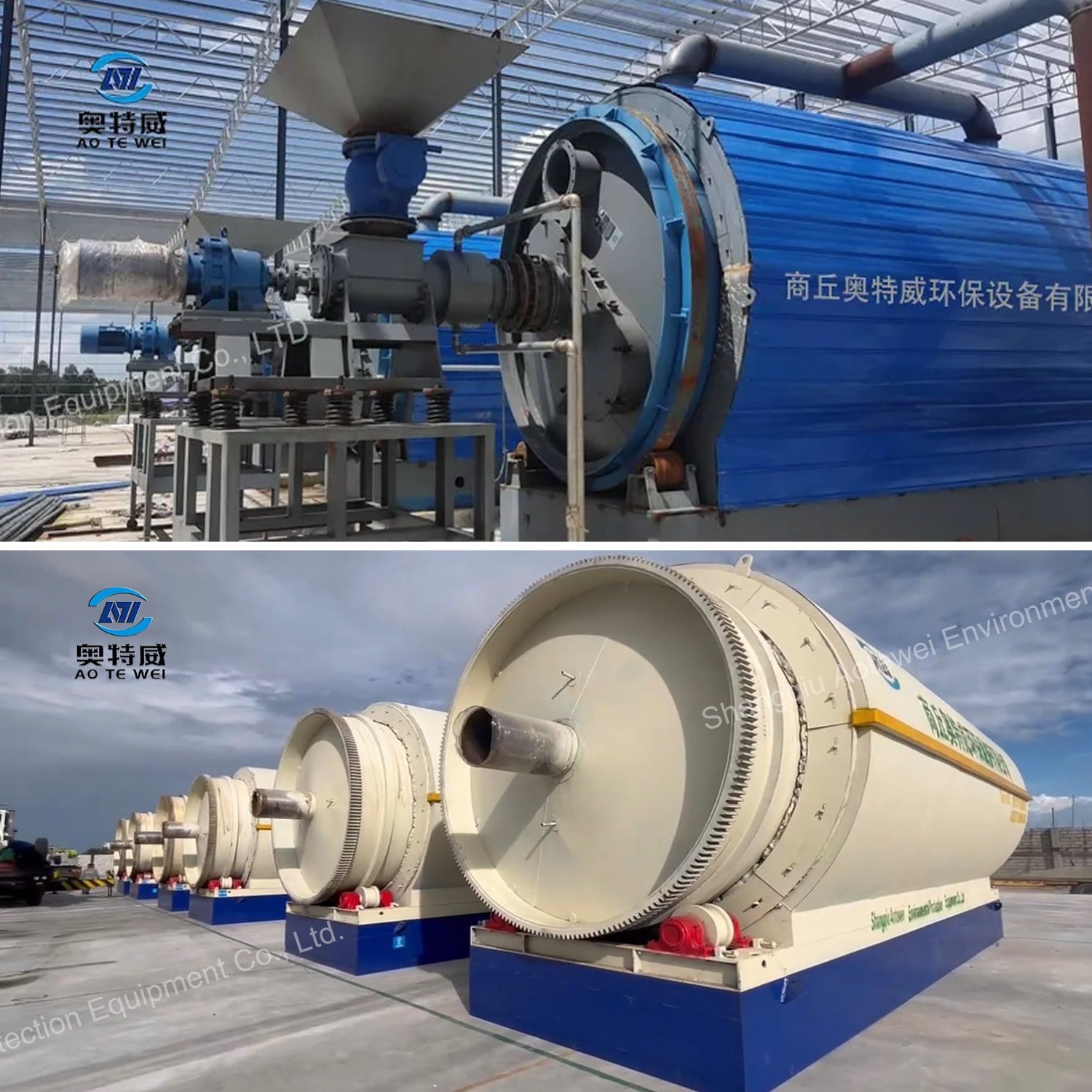
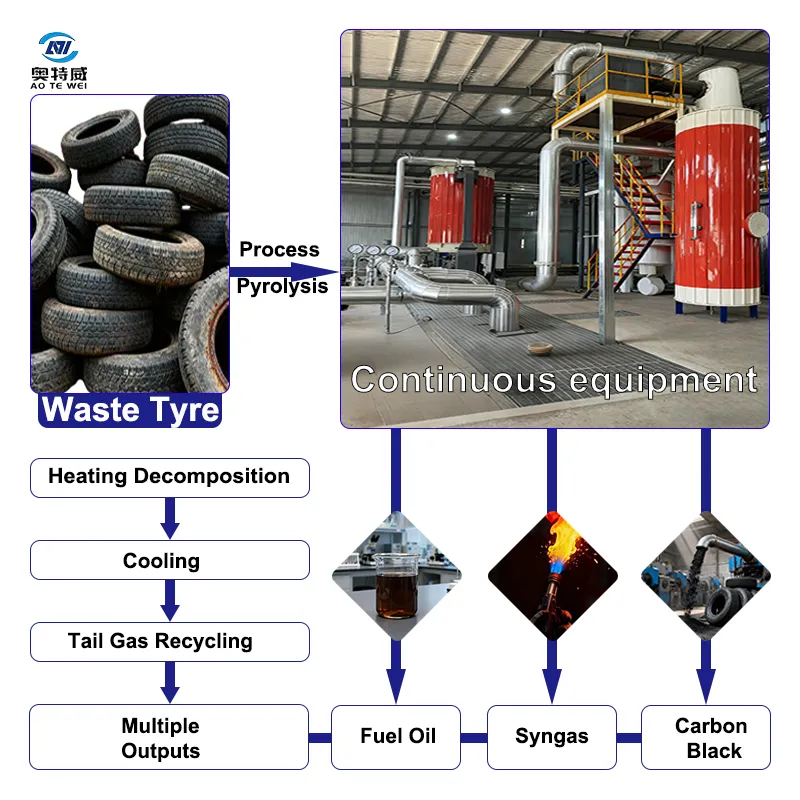
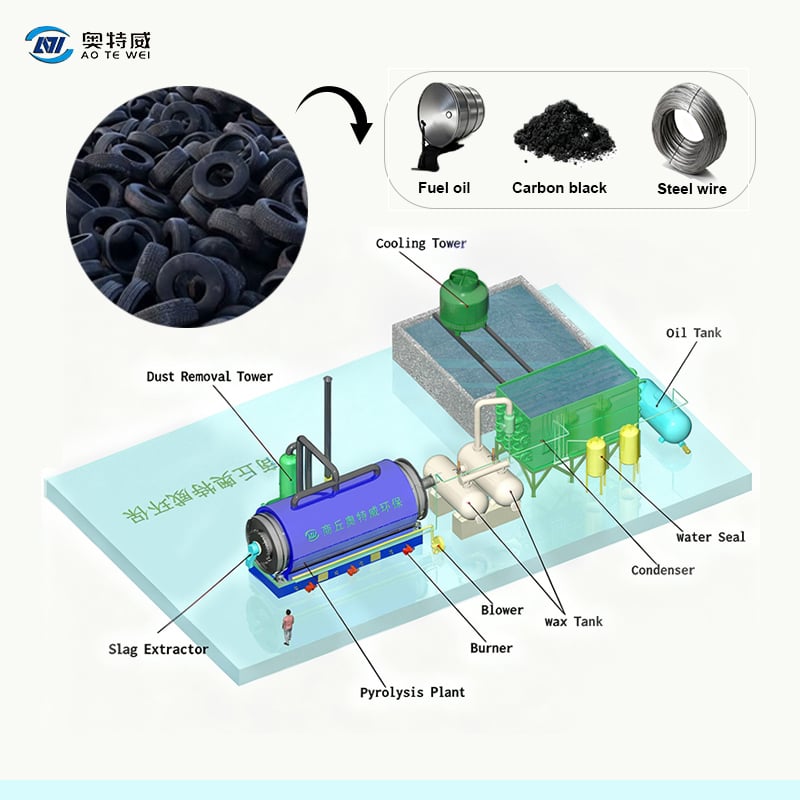
The tyre recycling solution represents a comprehensive system designed to transform waste tyres into valuable resources through advanced processing technology. This innovative approach addresses the growing environmental challenge of tyre disposal while creating profitable opportunities for businesses. The core function of this tyre recycling solution involves collecting end-of-life tyres and processing them through multiple stages to recover usable materials including rubber granules, steel wire, and textile fibers. The system employs sophisticated machinery that can handle various tyre sizes from passenger vehicles to large industrial equipment. Modern tyre recycling solutions incorporate automated feeding mechanisms that efficiently move tyres through the processing line, reducing manual labor requirements and increasing throughput. The technological framework includes primary shredding units that break down whole tyres into smaller pieces, followed by secondary granulation systems that further refine the material into specific particle sizes. Magnetic separation technology extracts steel components with precision, while air classification systems remove textile fibers, ensuring high purity of the final rubber product. The tyre recycling solution features dust collection and filtration systems that maintain clean working environments and comply with environmental regulations. Temperature control mechanisms prevent material degradation during processing, preserving the quality of recovered rubber. Advanced control panels allow operators to monitor and adjust processing parameters in real-time, optimizing efficiency and product quality. Applications for this tyre recycling solution span multiple industries including construction where recycled rubber serves as playground surfacing and athletic track materials, automotive manufacturing that utilizes reclaimed rubber in new products, and civil engineering projects requiring rubberized asphalt for road construction. The steel recovered through this process finds applications in metallurgical industries, while textile fibers can be used in insulation materials and composite products. This comprehensive tyre recycling solution effectively transforms environmental liabilities into economic assets through systematic material recovery and processing.

Popular Products

Implementing a tyre recycling solution delivers substantial financial returns by converting waste materials into sellable products that generate consistent revenue streams. Businesses operating this system benefit from multiple income sources as rubber granules command premium prices in various markets, steel wire maintains steady demand in manufacturing sectors, and textile fibers attract buyers in insulation industries. The operational costs remain manageable because automated processing requires minimal workforce intervention, reducing labor expenses significantly while maintaining high production volumes. Energy consumption stays relatively low compared to traditional manufacturing processes, helping companies control utility bills and improve profit margins. The tyre recycling solution eliminates expensive landfill fees that businesses previously paid for waste disposal, transforming a cost center into a profit generator. Environmental benefits create additional value as companies enhance their corporate reputation by demonstrating commitment to sustainability, attracting environmentally conscious customers and partners who prefer working with responsible businesses. Regulatory compliance becomes straightforward because the tyre recycling solution meets government standards for waste management, helping operators avoid penalties and maintain operating licenses without complications. The system requires minimal maintenance due to robust construction and quality components that withstand continuous operation, reducing downtime and repair costs over the equipment lifespan. Space efficiency represents another practical advantage as modern tyre recycling solutions feature compact designs that fit within existing facilities without requiring extensive building modifications or expensive property expansions. Processing flexibility allows operators to handle different tyre types and sizes, maximizing equipment utilization and adapting to changing market conditions without investing in additional machinery. Quick return on investment typically occurs within reasonable timeframes as revenue from recycled materials accumulates steadily, making the tyre recycling solution financially attractive for both established companies and new entrepreneurs. Market demand for recycled rubber continues growing as industries increasingly adopt sustainable practices and governments mandate recycled content in products, ensuring long-term business viability. The scalable nature of this tyre recycling solution permits businesses to start with basic configurations and expand capacity as operations grow, avoiding excessive initial capital requirements while preserving future growth options. Safety features protect workers through emergency stop mechanisms, protective guards, and automated systems that minimize human exposure to hazardous processing areas, reducing accident risks and insurance costs. Technical support from equipment manufacturers ensures smooth operations as specialists provide training, troubleshooting assistance, and spare parts access, minimizing operational disruptions and maintaining consistent production levels.

Tips And Tricks

Company Updates Factory Audit Video | On-site Shooting of Aotewei Environmental Protection Equipment, Transparently Showing Manufacturing Strength

08

Apr

Company Updates Factory Audit Video | On-site Shooting of Aotewei Environmental Protection Equipment, Transparently Showing Manufacturing Strength

To further improve supply chain transparency and optimize the factory audit experience for domestic and overseas customers, Shangqiu Aotewei Environmental Protection Equipment Co., Ltd. has recently completed a comprehensive update of its factory aud...
View More

Get a Free Quote

Our representative will contact you soon.
Email
WhatsApp / Mobile
Name
Company Name
Message
0/1000

tyre recycling solution

Advanced Automated Processing Technology

Advanced Automated Processing Technology

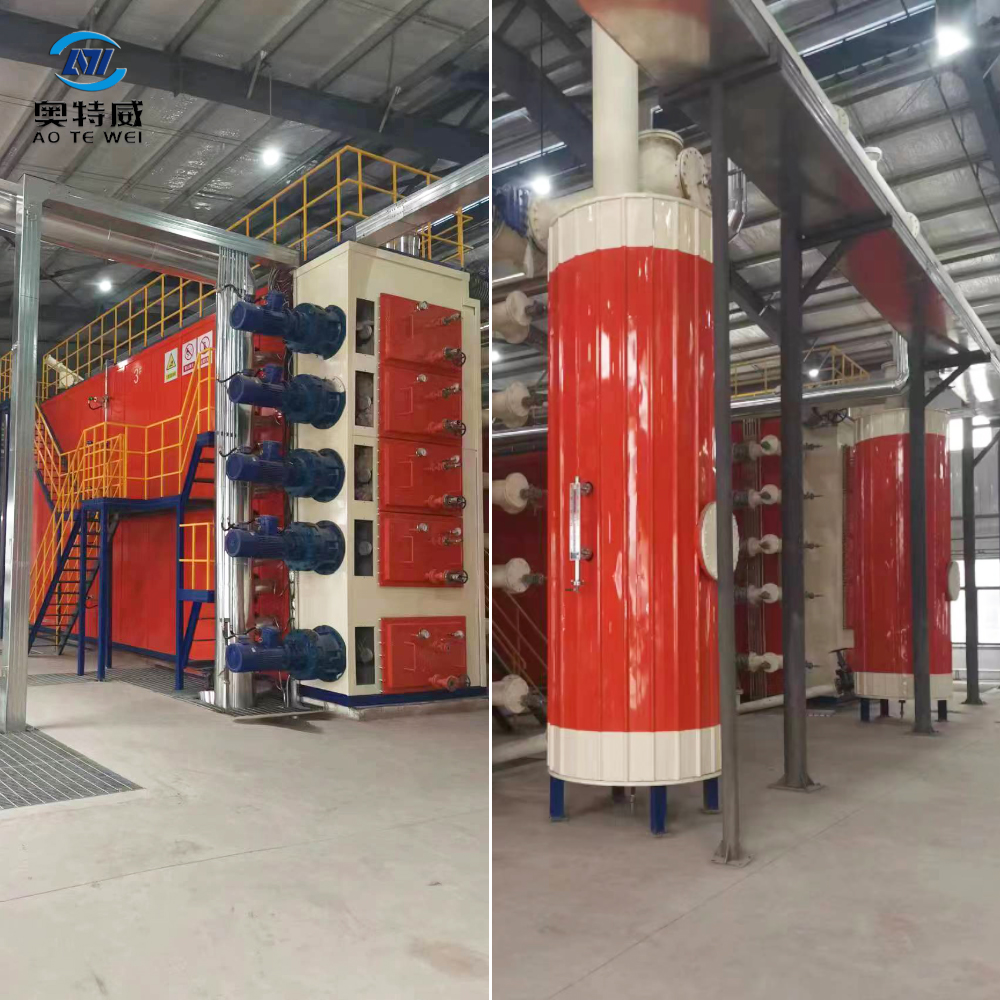
The tyre recycling solution incorporates cutting-edge automated processing technology that revolutionizes how businesses handle waste tyre management and material recovery operations. This sophisticated system eliminates the inefficiencies associated with manual processing methods by implementing intelligent machinery that performs complex tasks with minimal human intervention. The automated feeding mechanism represents a cornerstone of this technology, utilizing sensor-based systems that detect tyre sizes and adjust processing parameters automatically to optimize throughput and material quality. Conveyor systems transport materials seamlessly between processing stages, maintaining continuous workflow that maximizes production capacity while reducing bottlenecks that typically plague manual operations. The primary shredding unit employs hydraulic-powered blades engineered from hardened steel alloys that slice through reinforced tyre structures effortlessly, handling heavy-duty industrial tyres with the same efficiency as standard passenger vehicle tyres. Intelligent controls monitor blade wear and alert operators when maintenance becomes necessary, preventing unexpected failures that could halt production. Secondary granulation equipment refines materials into precise particle sizes through adjustable screens and grinding mechanisms that accommodate diverse market requirements, from coarse rubber chunks for landscaping applications to fine powder for manufacturing processes. The magnetic separation component utilizes powerful electromagnets positioned strategically throughout the processing line to extract steel wire with exceptional efficiency, achieving separation rates exceeding industry standards while maintaining high rubber purity levels. Air classification technology employs precisely calibrated airflow patterns that separate lightweight textile fibers from denser rubber particles, ensuring clean final products that meet stringent quality specifications demanded by industrial buyers. The comprehensive dust collection network captures airborne particles at every processing stage, protecting worker health while preventing environmental contamination and maintaining compliance with air quality regulations. Programmable logic controllers form the operational brain of this tyre recycling solution, enabling operators to create custom processing profiles for different tyre types and desired output specifications through intuitive touchscreen interfaces. Real-time monitoring displays provide instant feedback on production metrics including throughput rates, material recovery percentages, and equipment performance indicators, empowering management to make data-driven decisions that enhance operational efficiency. Safety interlocks automatically shut down equipment if protective guards open or emergency conditions arise, demonstrating the system's commitment to protecting workers while maintaining production integrity. This advanced automation reduces labor requirements by up to seventy percent compared to traditional methods, allowing businesses to allocate human resources to value-added activities while machines handle repetitive processing tasks reliably and consistently.
Superior Material Recovery and Quality Output

Superior Material Recovery and Quality Output

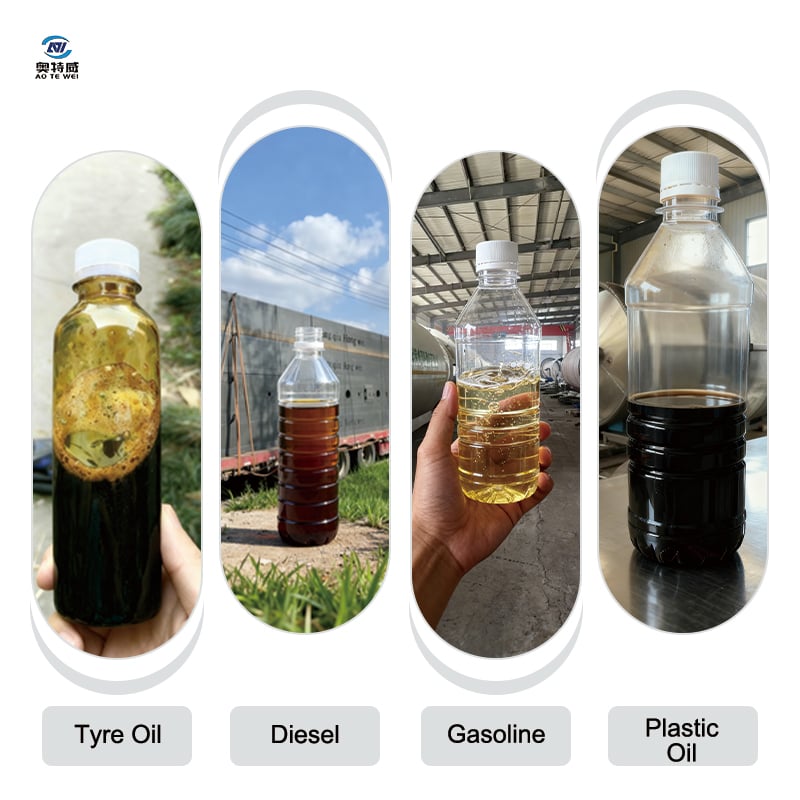
The tyre recycling solution excels in extracting maximum value from waste tyres through superior material recovery processes that yield exceptionally pure products commanding premium market prices. This comprehensive recovery system addresses every component within discarded tyres, ensuring nothing valuable ends up as waste while generating diverse product streams that appeal to multiple industries. Rubber granule production achieves outstanding purity levels exceeding ninety-five percent through meticulous separation processes that remove contaminating materials systematically. The graduated sizing system produces rubber particles ranging from coarse aggregates measuring twenty millimeters down to fine powders approaching mesh sizes suitable for precision manufacturing applications. This versatility enables operators of the tyre recycling solution to target specific market segments that offer optimal pricing, adjusting production parameters to meet changing demand patterns without equipment modifications. Quality control mechanisms embedded throughout the processing line automatically sample output materials at regular intervals, analyzing particle size distribution and contamination levels to ensure consistent product specifications that satisfy demanding industrial customers. Steel wire recovery represents another profit center where the tyre recycling solution demonstrates exceptional performance, extracting metallic components with minimal rubber adhesion that reduces processing requirements for steel buyers. The recovered steel maintains structural integrity suitable for remelt applications in foundries and steel mills, commanding prices comparable to other scrap metal sources while providing recyclers with reliable revenue streams. Textile fiber extraction yields clean synthetic materials free from rubber contamination, creating opportunities to supply insulation manufacturers and composite material producers who value these recovered fibers as sustainable alternatives to virgin materials. The tyre recycling solution maximizes overall recovery rates typically achieving ninety-eight percent material reclamation from input tyres, meaning only two percent becomes unusable residue requiring disposal. This exceptional efficiency translates directly into profitability as businesses capture value from virtually every gram of processed material. Product consistency remains paramount as industrial buyers require reliable specifications for their manufacturing processes, and the tyre recycling solution delivers this consistency through precise control systems that maintain stable processing conditions regardless of input tyre variations. Rubber granules produced by this system find ready markets in playground surfacing applications where safety standards demand specific particle sizes and shock absorption properties, athletic track construction requiring durable weather-resistant materials, and automotive parts manufacturing seeking cost-effective rubber compounds. The quality output generated by this tyre recycling solution enables operators to establish long-term supply contracts with major industrial consumers, providing business stability and predictable cash flow that supports growth planning and investment strategies. Testing capabilities integrated within advanced systems allow operators to verify product specifications independently, building customer confidence and reducing disputes over material quality. Environmental benefits amplify as high recovery rates minimize residual waste requiring landfill disposal, reducing environmental impact while lowering operating costs associated with waste management.
Comprehensive Economic and Environmental Benefits

Comprehensive Economic and Environmental Benefits

The tyre recycling solution delivers compelling economic advantages that transform waste management from a cost burden into a profitable business opportunity while simultaneously addressing critical environmental challenges facing communities worldwide. Financial returns begin accumulating immediately as operators sell recovered materials into established markets with consistent demand, creating multiple revenue streams that diversify income sources and reduce business risk. Rubber granules generate substantial income as construction companies, playground installers, and athletic facility developers purchase these materials continuously for ongoing projects, providing steady sales volumes that support reliable cash flow projections. Steel wire sales contribute additional revenue as scrap metal dealers and steel producers maintain constant appetite for quality ferrous materials, offering transparent pricing tied to commodity markets that enables accurate financial forecasting. Textile fiber sales supplement income streams by supplying manufacturers seeking sustainable material sources, tapping into growing markets for environmentally responsible products. The tyre recycling solution eliminates tipping fees and landfill charges that previously represented pure expenses, converting these costs into profit opportunities through material valorization. Operational efficiency keeps running costs manageable as automated systems minimize labor requirements, reducing payroll expenses while maintaining high production volumes that maximize revenue per employee. Energy consumption remains reasonable because mechanical processing requires less power than thermal or chemical treatment alternatives, controlling utility costs that significantly impact profitability margins. Maintenance expenses stay predictable through robust equipment design and readily available spare parts, preventing unexpected repair costs that disrupt budgets and operations. Market demand continues expanding as government regulations increasingly mandate recycled content in products ranging from asphalt pavements to consumer goods, creating growing opportunities for tyre recycling solution operators. Environmental benefits extend beyond waste reduction as the recycling process consumes significantly less energy than manufacturing virgin rubber, reducing carbon footprints and supporting corporate sustainability goals. Communities benefit from decreased illegal dumping as legitimate recycling operations provide responsible disposal alternatives, improving public health by eliminating mosquito breeding sites and fire hazards associated with tyre stockpiles. Water conservation advantages emerge because recycling processes require minimal water compared to natural rubber production that demands extensive irrigation for rubber tree plantations. Air quality improvements result from preventing tyre incineration that releases toxic compounds and particulates into atmospheres, protecting respiratory health in surrounding populations. Land preservation occurs as recycling reduces demand for new rubber plantations that often replace natural forests and diverse ecosystems, supporting biodiversity conservation efforts globally. The tyre recycling solution positions businesses as environmental leaders within their communities, generating positive publicity and brand recognition that attracts customers who prioritize sustainability in their purchasing decisions. Government incentives and grants frequently support recycling initiatives, providing financial assistance that reduces initial investment requirements and improves project economics for operators implementing this solution. Long-term business sustainability becomes achievable as the endless supply of waste tyres ensures consistent feedstock availability while growing environmental awareness guarantees continued market demand for recycled products.

Get a Free Quote

Our representative will contact you soon.
Email
WhatsApp / Mobile
Name
Company Name
Message
0/1000
Newsletter
Please Leave A Message With Us