tire processing
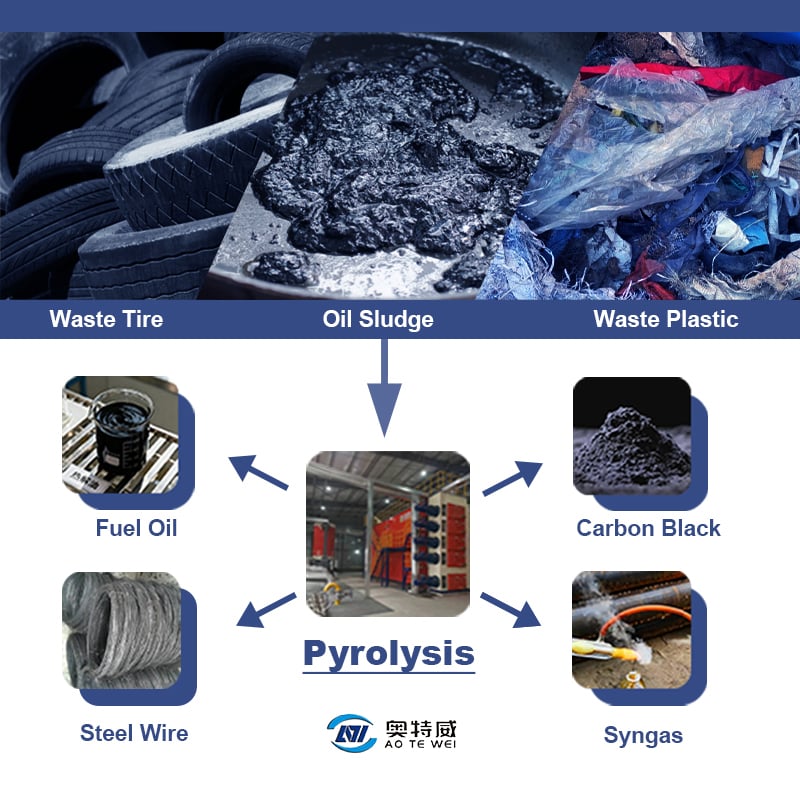
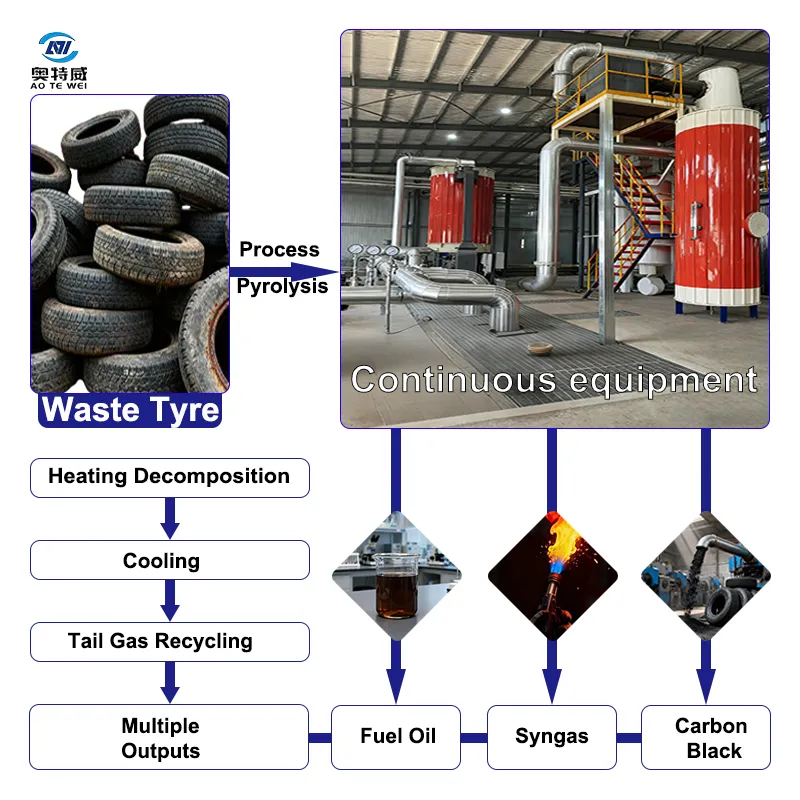
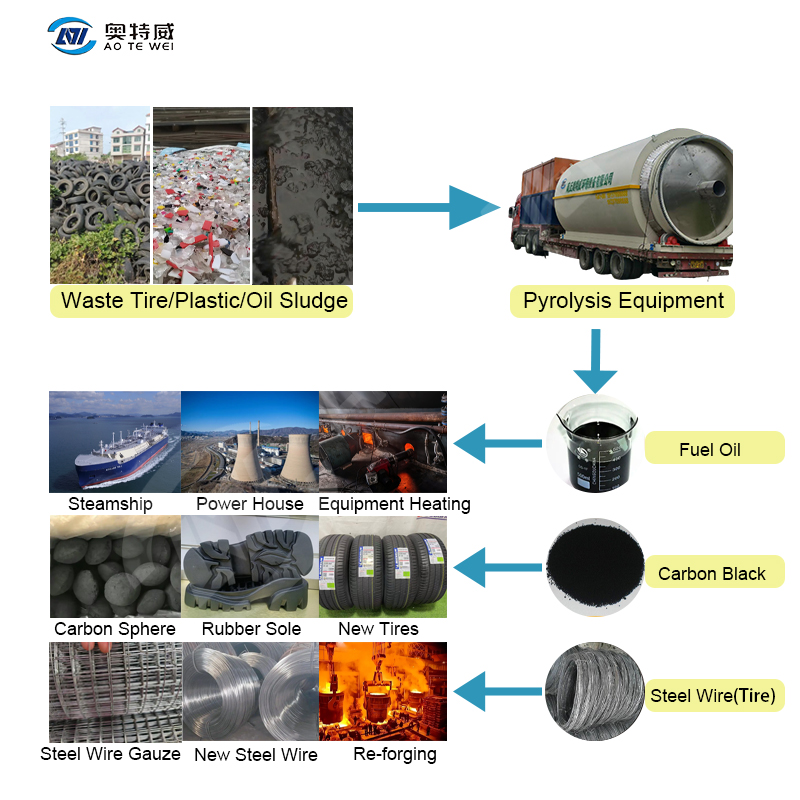
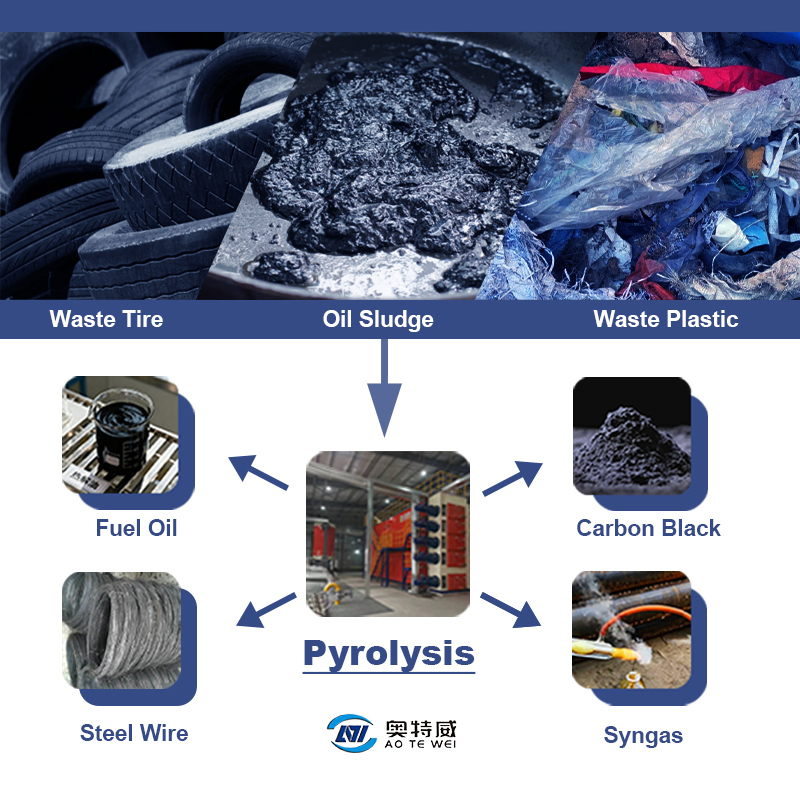
Tire processing represents a comprehensive approach to recycling and repurposing used tires into valuable materials and products. The tire processing industry focuses on transforming waste tires into useful components through mechanical, chemical, and thermal methods. This essential process addresses environmental challenges while creating sustainable resources for multiple industries.
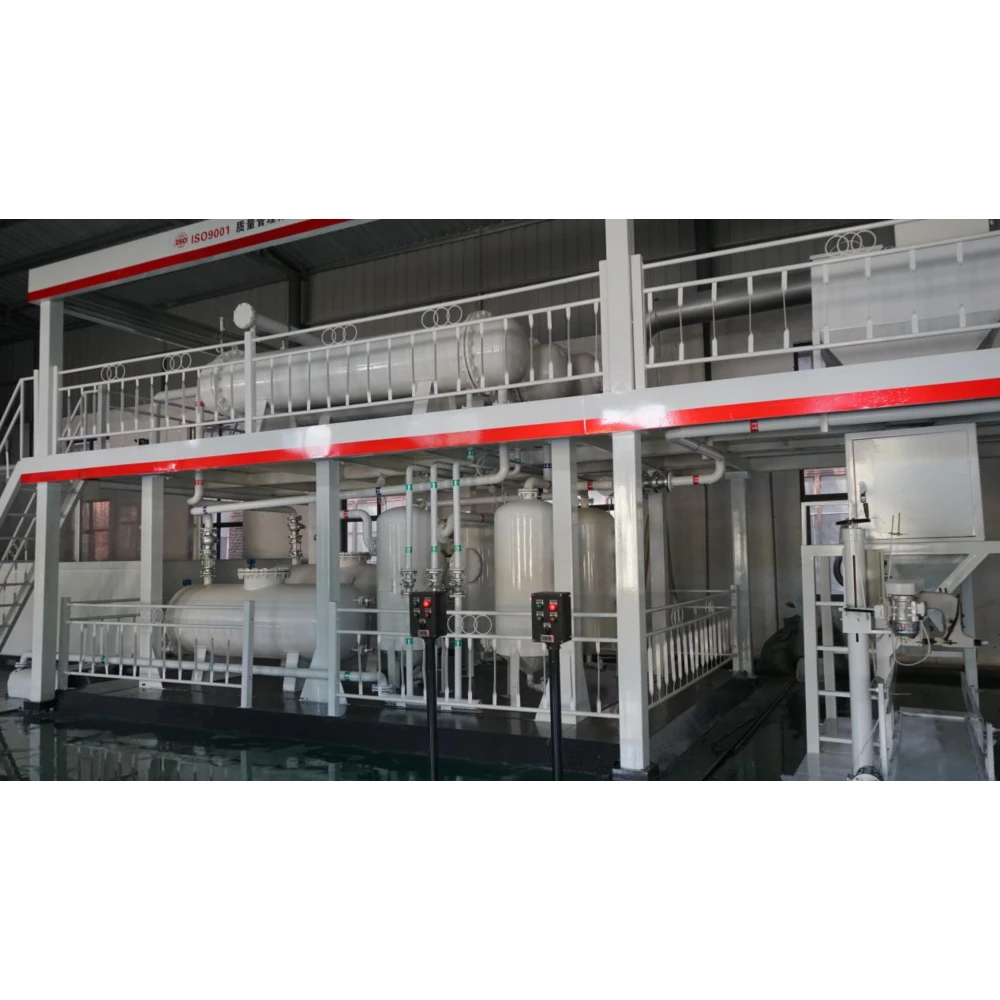
The main functions of tire processing include shredding, grinding, and separating tires into their fundamental components: rubber, steel, and textile fibers. Modern tire processing facilities employ advanced machinery to break down tires efficiently, reducing them to granules and powder suitable for various applications. Tire processing technology has evolved significantly, featuring automated sorting systems, dust control mechanisms, and quality monitoring equipment that ensures consistent output standards.
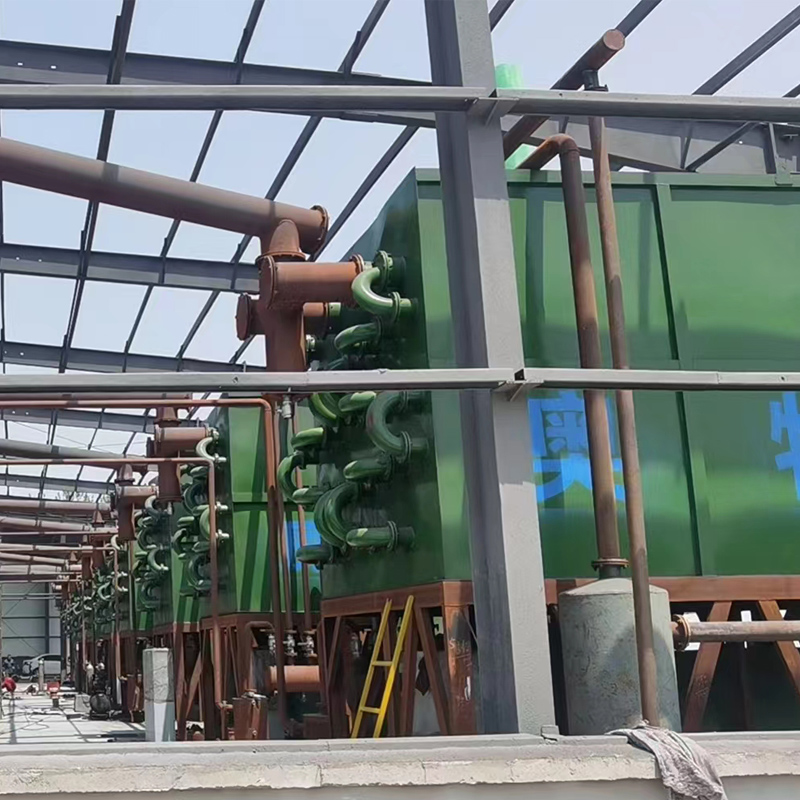
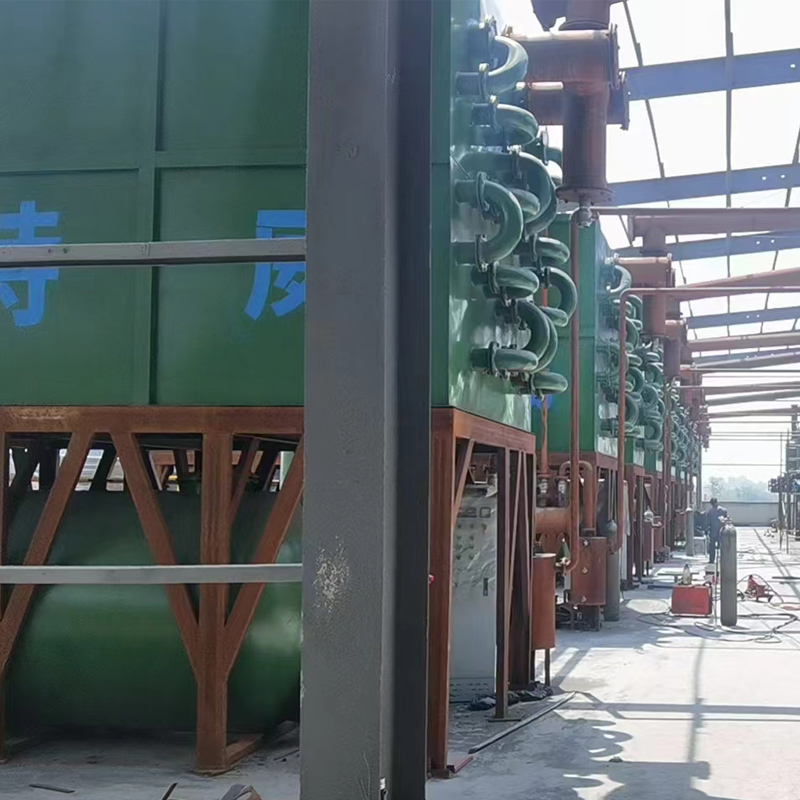
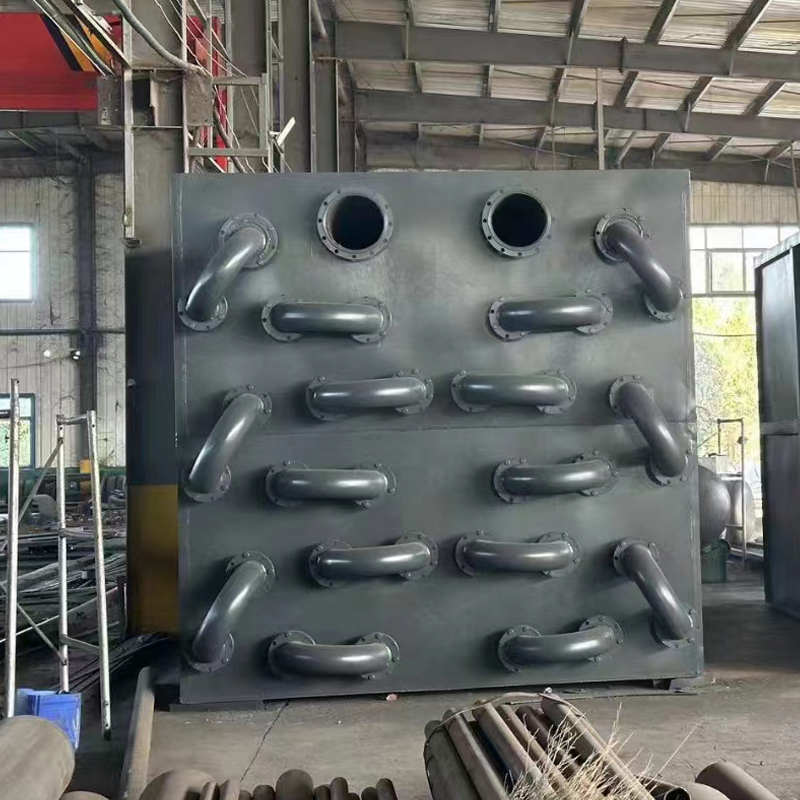
Technologically, tire processing incorporates specialized equipment designed for safety and efficiency. Cryogenic grinding methods cool tires before processing, while ambient grinding techniques work at room temperature. Advanced tire processing systems integrate conveyor networks, magnetic separators, and size classification equipment to maximize material recovery rates and product quality.
Applications for tire processing materials span numerous industries. Recycled rubber from tire processing finds use in playground surfaces, athletic tracks, and sports courts. The rubber crumb produced through tire processing serves the asphalt and construction sectors, while rubber powder enhances various manufacturing processes. Steel and fiber components recovered during tire processing support manufacturing and industrial applications, creating a circular economy that reduces landfill waste and conserves natural resources effectively.