Waste Rubber Recycling Systems: Advanced Technology for Maximum Resource Recovery

Get a Free Quote

Our representative will contact you soon.
Email
WhatsApp / Mobile
Name
Company Name
Message
0/1000

waste rubber recycling

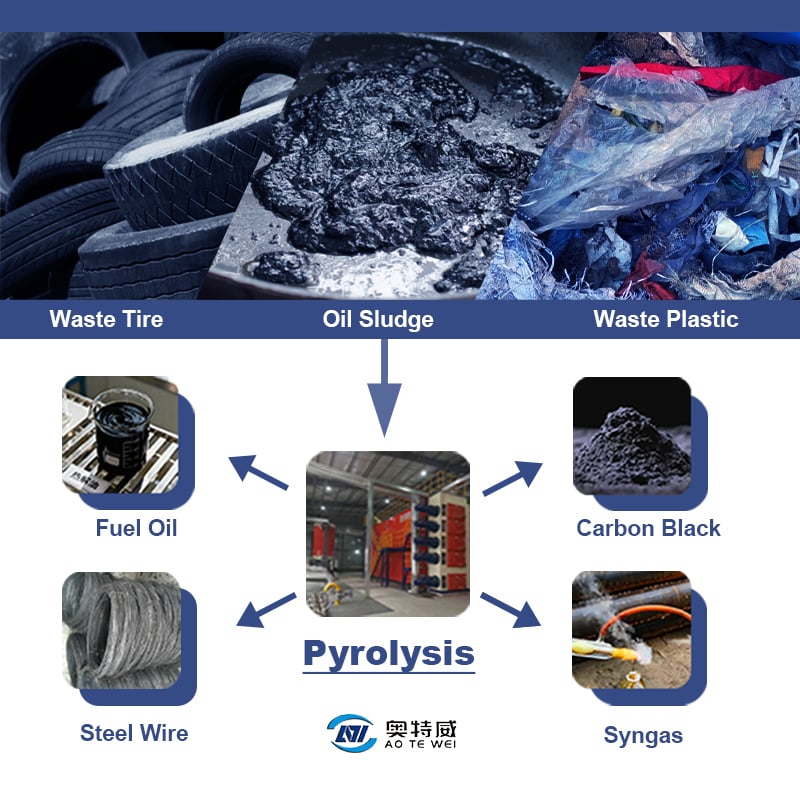
Waste rubber recycling is a critical industrial process that transforms discarded rubber materials, including used tires, industrial rubber components, and post-consumer rubber goods, into valuable raw materials and finished products. As global rubber consumption continues to rise, the need for efficient and sustainable waste rubber recycling systems has never been more urgent. This process addresses both environmental challenges and resource scarcity by recovering usable materials from rubber waste that would otherwise end up in landfills or be incinerated, causing significant ecological damage. The core function of waste rubber recycling involves breaking down vulcanized rubber through mechanical, thermal, or chemical methods to produce reclaimed rubber, rubber powder, carbon black, and fuel oil. Mechanical shredding and granulation systems reduce rubber into fine particles, while pyrolysis technology applies high-temperature thermal decomposition to extract carbon black and combustible oils. Devulcanization processes restore the elasticity of rubber, making it suitable for reuse in manufacturing. These technological features make waste rubber recycling a versatile and multi-output industrial solution. Modern waste rubber recycling facilities are equipped with advanced sorting systems, cryogenic grinding units, and automated pyrolysis reactors that ensure high throughput and consistent product quality. The integration of digital monitoring and process control technologies further enhances operational efficiency and safety. Applications of waste rubber recycling span a wide range of industries. Reclaimed rubber is used in the production of new tires, shoe soles, conveyor belts, and automotive parts. Rubber powder serves as a raw material for sports surfaces, playground flooring, road asphalt modification, and waterproofing membranes. Carbon black recovered through pyrolysis is reused in rubber and plastic manufacturing, while the fuel oil generated can power industrial boilers or be refined further. Waste rubber recycling thus plays a pivotal role in the circular economy, reducing dependence on virgin rubber and petroleum-based materials while minimizing environmental pollution.

New Products

Waste rubber recycling delivers a wide range of practical benefits that make it an attractive investment for businesses, municipalities, and industrial operators looking to reduce costs, meet environmental standards, and generate new revenue streams. Here is a clear breakdown of what waste rubber recycling actually does for you. First, it cuts raw material costs significantly. Reclaimed rubber and rubber powder produced through waste rubber recycling cost far less than virgin natural rubber or synthetic rubber. Manufacturers who incorporate recycled rubber into their production lines reduce their dependence on expensive imported materials and protect themselves from volatile commodity price swings. This translates directly into lower production costs and stronger profit margins. Second, waste rubber recycling opens up new revenue channels. The process generates multiple sellable outputs, including rubber granules, rubber powder, carbon black, and pyrolysis oil. Each of these products has an established market. Rubber granules go into sports tracks and playground surfaces. Carbon black is sold back to rubber and plastic manufacturers. Pyrolysis oil is used as industrial fuel. A single waste rubber recycling operation can generate income from several product streams simultaneously, improving overall return on investment. Third, it helps businesses stay compliant with environmental regulations. Governments around the world are tightening restrictions on rubber waste disposal. Landfilling tires is banned or heavily penalized in many countries. Businesses that invest in waste rubber recycling avoid fines, reduce liability, and demonstrate corporate responsibility, which strengthens their reputation with customers, partners, and regulators. Fourth, waste rubber recycling reduces operational waste disposal costs. Instead of paying to haul rubber waste to landfills or licensed disposal facilities, companies can process it on-site or through a recycling partner and recover value from what was previously a cost center. Fifth, the technology is scalable and adaptable. Whether you operate a small tire shop, a large manufacturing plant, or a municipal waste management facility, waste rubber recycling systems can be sized and configured to match your volume and budget. Modular equipment designs allow you to start small and expand capacity as your operation grows. Sixth, recycled rubber products perform well in real-world applications. Rubber powder and reclaimed rubber meet the performance requirements of many industrial and consumer applications, including road construction, waterproofing, athletic surfaces, and automotive components. Customers who use recycled rubber products get reliable performance at a lower price point. Seventh, waste rubber recycling supports sustainability goals that matter to your stakeholders. Investors, corporate clients, and end consumers increasingly favor businesses that demonstrate measurable environmental impact. Adopting waste rubber recycling gives you a concrete, quantifiable sustainability story to tell. In summary, waste rubber recycling is not just an environmental obligation. It is a practical business strategy that lowers costs, generates revenue, ensures compliance, and builds long-term competitive advantage.

Tips And Tricks

Company Updates Factory Audit Video | On-site Shooting of Aotewei Environmental Protection Equipment, Transparently Showing Manufacturing Strength

08

Apr

Company Updates Factory Audit Video | On-site Shooting of Aotewei Environmental Protection Equipment, Transparently Showing Manufacturing Strength

To further improve supply chain transparency and optimize the factory audit experience for domestic and overseas customers, Shangqiu Aotewei Environmental Protection Equipment Co., Ltd. has recently completed a comprehensive update of its factory aud...
View More

Get a Free Quote

Our representative will contact you soon.
Email
WhatsApp / Mobile
Name
Company Name
Message
0/1000

waste rubber recycling

Advanced Pyrolysis Technology Maximizes Resource Recovery from Waste Rubber

Advanced Pyrolysis Technology Maximizes Resource Recovery from Waste Rubber

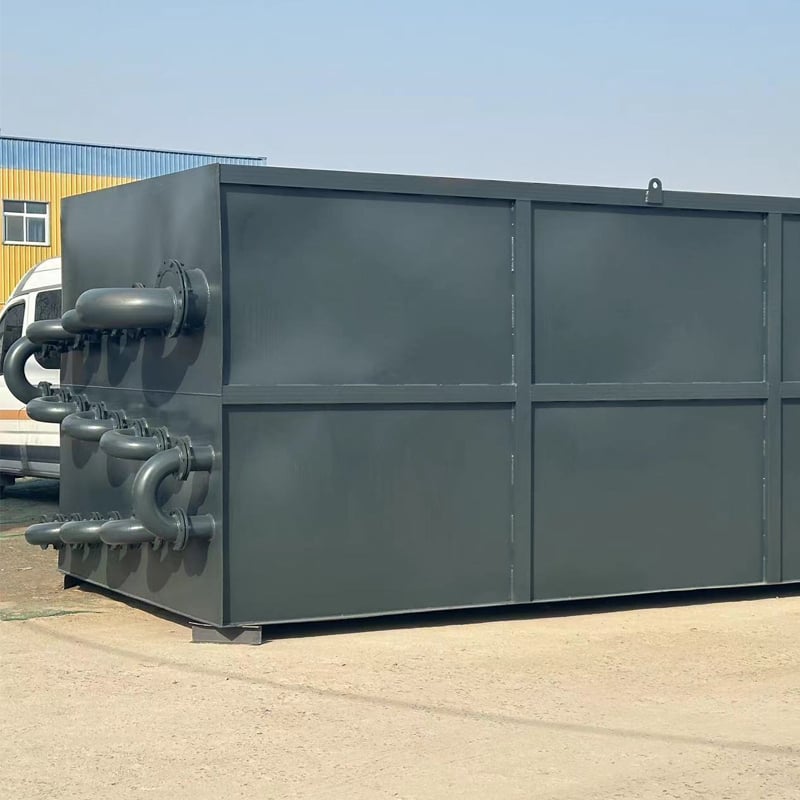
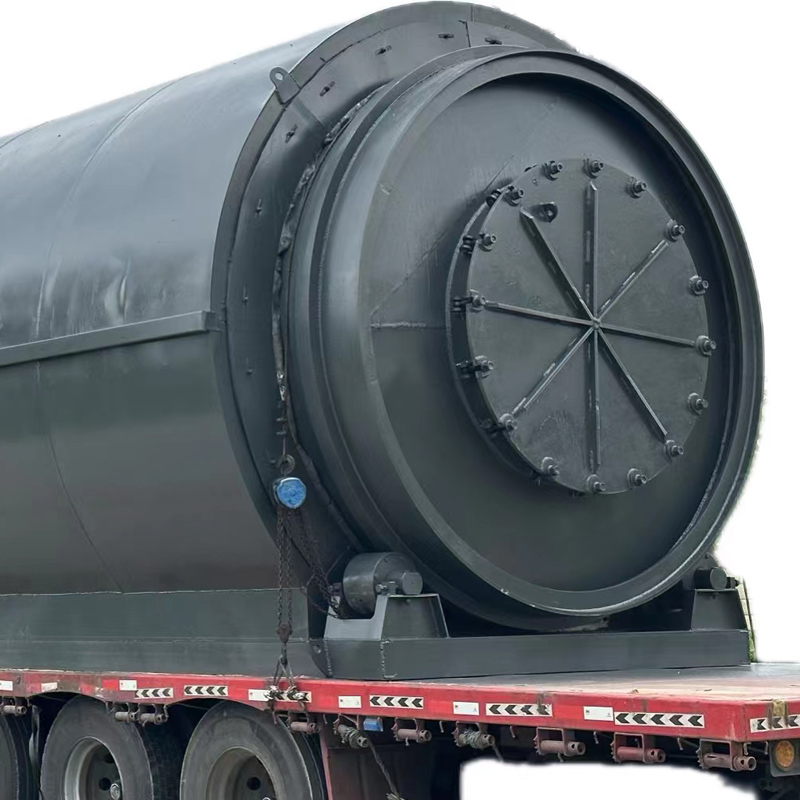
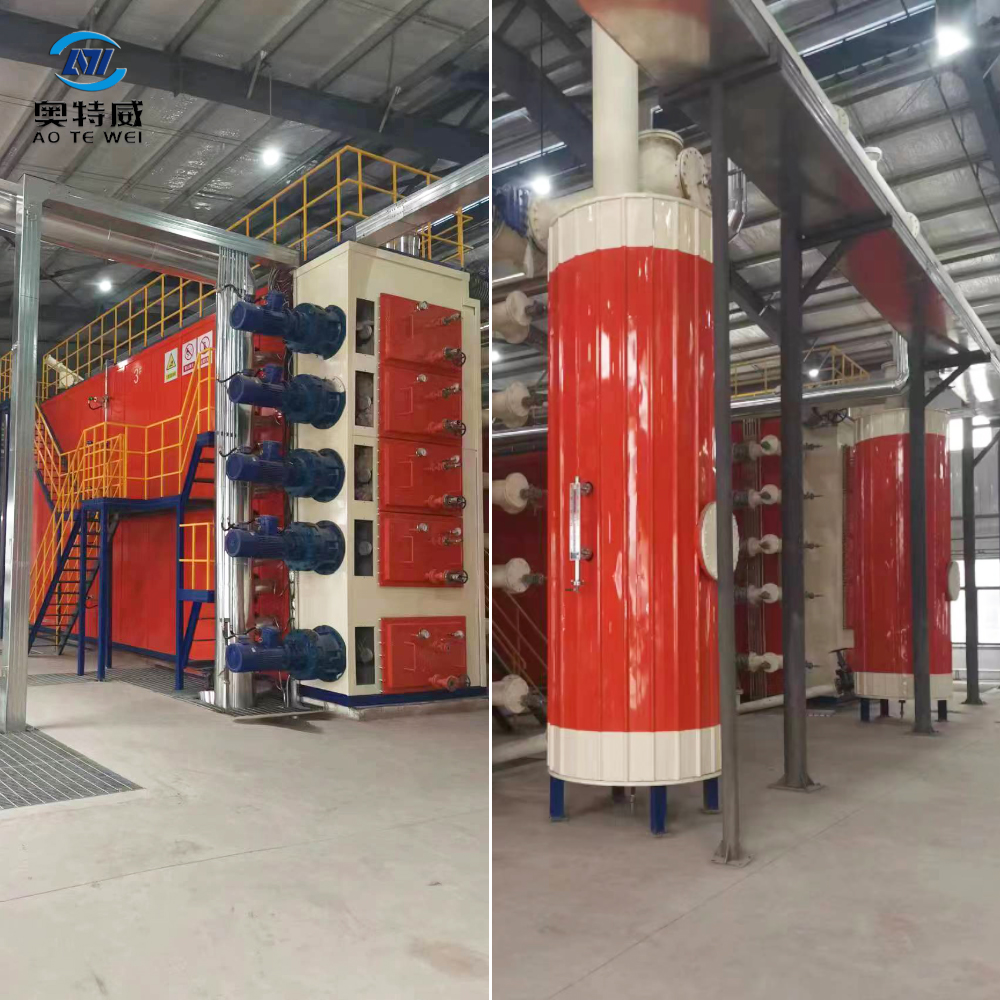
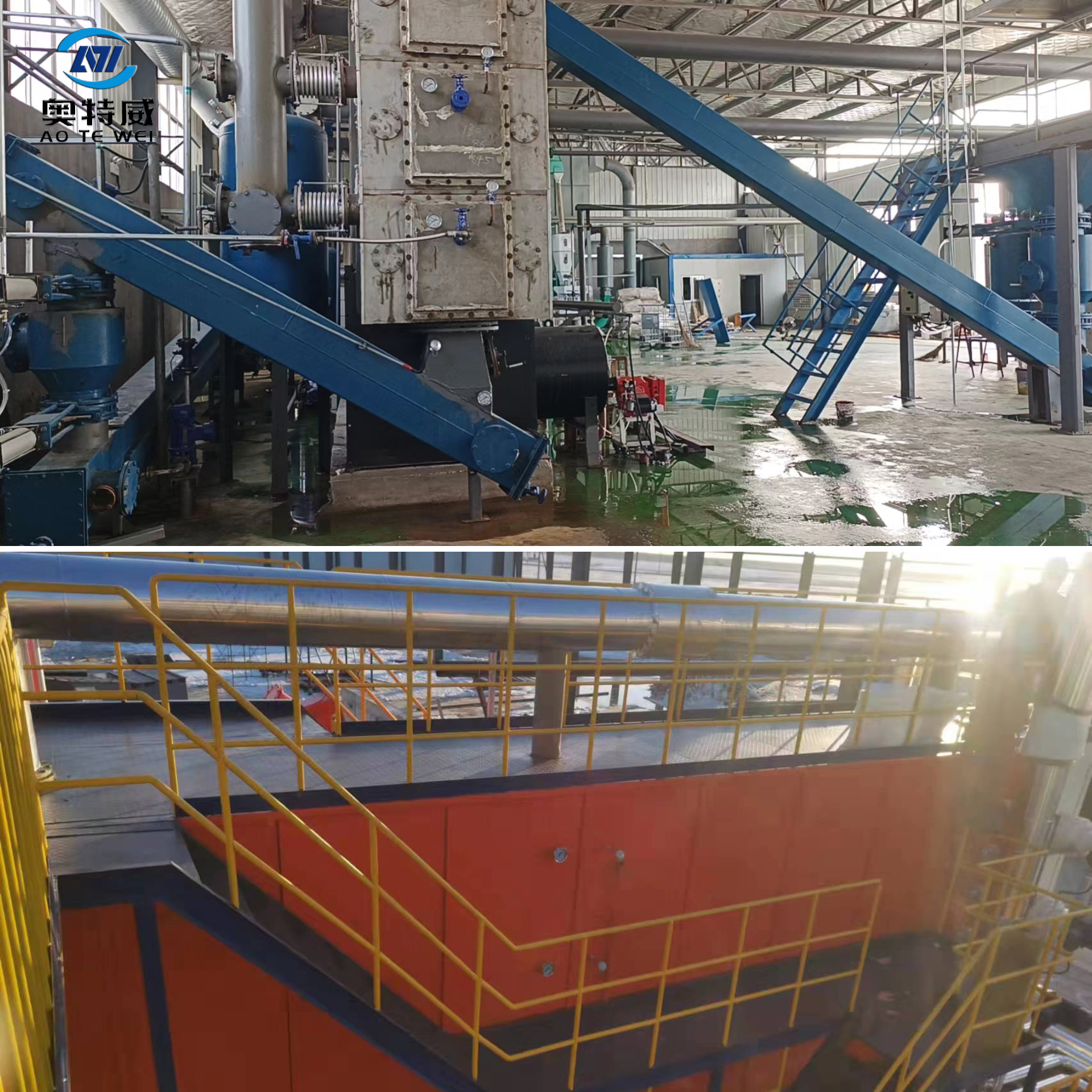
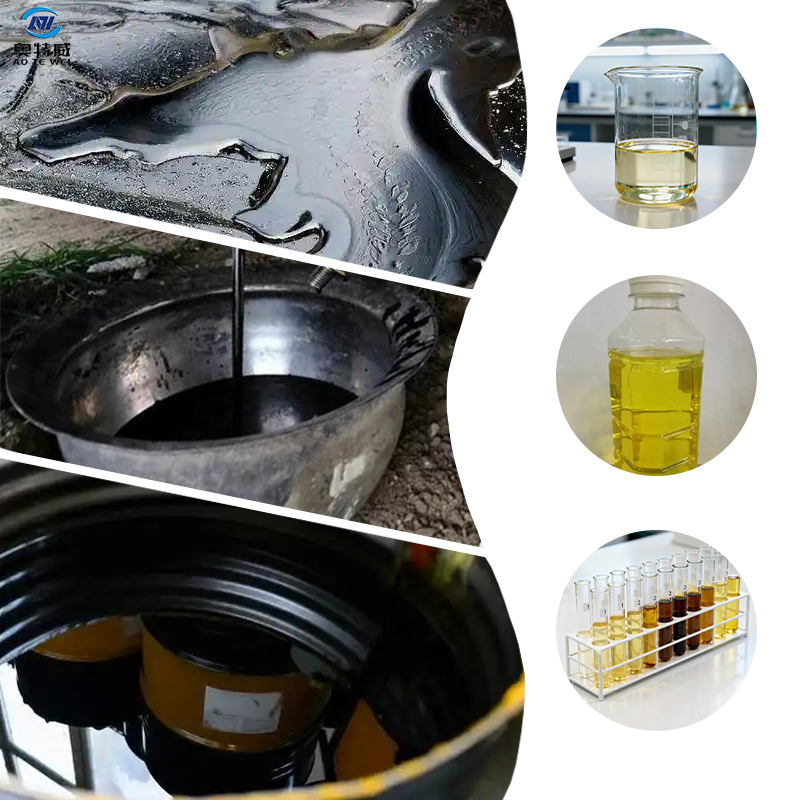
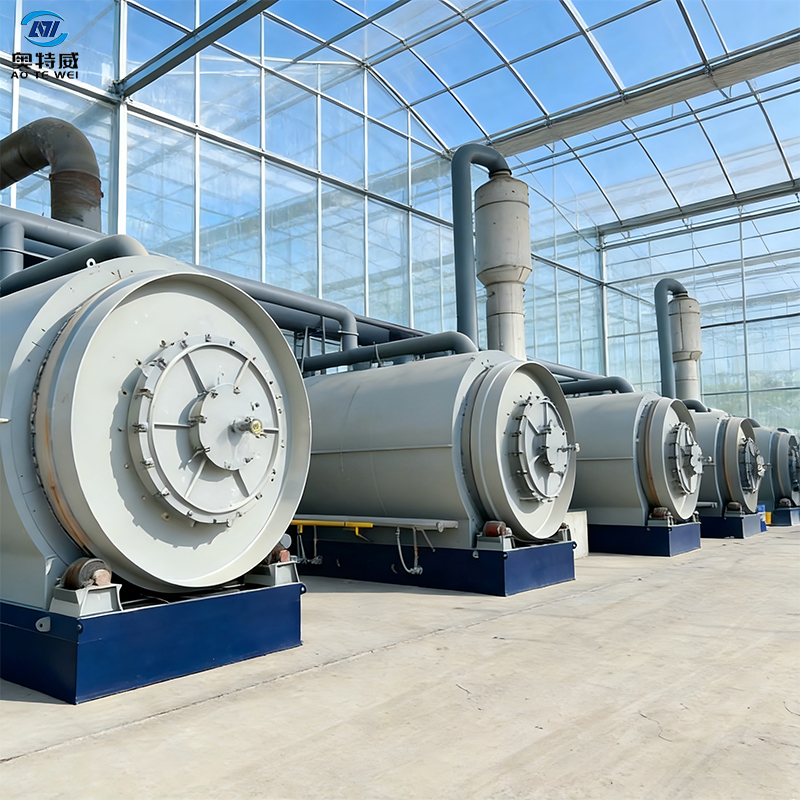
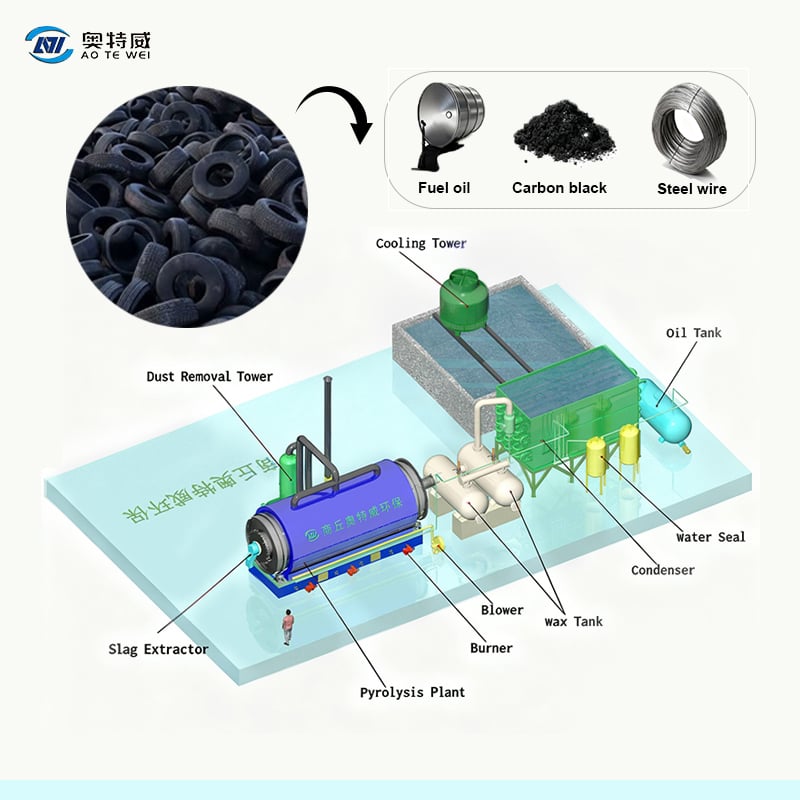
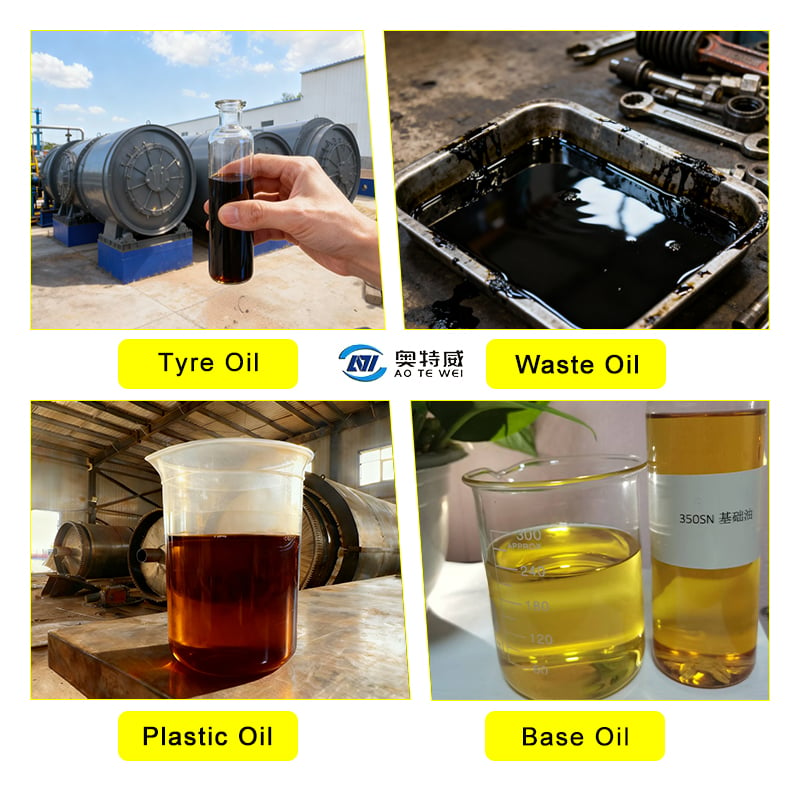
One of the most powerful features of modern waste rubber recycling is the use of advanced pyrolysis technology to extract maximum value from rubber waste that cannot be mechanically processed into usable granules or powder. Pyrolysis is a thermal decomposition process that breaks down rubber materials at high temperatures in the absence of oxygen, converting them into three primary outputs: carbon black, pyrolysis oil, and combustible gas. This technology transforms what would otherwise be a disposal problem into a multi-product revenue opportunity, making it a cornerstone of high-efficiency waste rubber recycling operations. The pyrolysis systems used in leading waste rubber recycling facilities are engineered for continuous or batch operation, depending on the scale and nature of the input material. Continuous pyrolysis reactors offer higher throughput and lower labor costs per ton of processed rubber, making them ideal for large-scale operations handling significant volumes of waste tires and industrial rubber scrap. Batch systems offer greater flexibility for smaller operations or those processing a diverse mix of rubber waste types. The carbon black recovered through pyrolysis in waste rubber recycling is a commercially valuable material used as a reinforcing agent in rubber products, a pigment in inks and coatings, and a raw material in plastic manufacturing. While recovered carbon black requires further processing to meet the specifications of premium applications, it commands a solid market price and represents a significant portion of the revenue generated by waste rubber recycling through pyrolysis. Pyrolysis oil produced during waste rubber recycling has a calorific value comparable to diesel fuel and can be used directly as industrial boiler fuel, sold to refineries for further processing, or blended with other fuels. This oil output alone can offset a substantial portion of the energy costs associated with running a waste rubber recycling facility, improving the overall economics of the operation. The combustible gas generated as a byproduct of pyrolysis is typically recycled back into the system to fuel the reactor itself, further reducing external energy consumption and operating costs. Modern waste rubber recycling pyrolysis systems also incorporate emission control equipment, including condensers, scrubbers, and filtration units, to ensure that the process meets environmental standards and does not release harmful pollutants into the atmosphere. This makes pyrolysis-based waste rubber recycling a responsible and regulation-compliant choice for operators in markets with strict environmental oversight.
High-Efficiency Mechanical Grinding Produces Premium Rubber Powder for Diverse Markets

High-Efficiency Mechanical Grinding Produces Premium Rubber Powder for Diverse Markets

Mechanical grinding is the foundation of rubber powder production in waste rubber recycling, and the quality of the grinding system directly determines the commercial value of the end product. Modern waste rubber recycling facilities use a combination of ambient temperature granulation and cryogenic grinding to produce rubber powder across a wide range of particle sizes, from coarse granules to ultra-fine mesh powder, each suited to different market applications. Ambient temperature granulation in waste rubber recycling uses a series of shredders, granulators, and mills to progressively reduce rubber into smaller particles. Steel wire and fiber are separated from the rubber at each stage using magnetic separators and air classifiers, ensuring that the final rubber powder is clean and free of contaminants. This process is energy-efficient and well-suited to high-volume production of coarse and medium-grade rubber powder used in applications such as road asphalt modification, rubber tiles, and molded rubber products. Cryogenic grinding takes waste rubber recycling to a higher level of refineness by using liquid nitrogen to freeze rubber to extremely low temperatures before grinding. At cryogenic temperatures, rubber becomes brittle and fractures cleanly, producing smooth-surfaced particles with consistent size distribution. This results in a higher-quality rubber powder that is suitable for demanding applications such as high-performance sports surfaces, premium waterproofing membranes, and specialty rubber compounds where surface area and particle uniformity are critical. The ability to produce fine rubber powder through cryogenic grinding significantly expands the addressable market for waste rubber recycling operators and commands a higher selling price per ton compared to coarser grades. Rubber powder produced through waste rubber recycling is used extensively in road construction, where it is blended into asphalt to improve flexibility, durability, and resistance to cracking. Studies have shown that rubberized asphalt roads last longer and require less maintenance than conventional asphalt, making rubber powder a cost-effective additive for road builders and municipal infrastructure programs. This creates a large and growing demand channel for waste rubber recycling output. Sports and recreational surface applications represent another major market for rubber powder from waste rubber recycling. Running tracks, gym floors, playground surfaces, and artificial turf infill all rely on rubber granules and powder for their shock-absorbing and safety properties. The consistent quality and performance of mechanically ground rubber powder from waste rubber recycling makes it a preferred material for surface manufacturers and installers worldwide.
Scalable and Integrated Waste Rubber Recycling Systems Deliver Long-Term Operational Value

Scalable and Integrated Waste Rubber Recycling Systems Deliver Long-Term Operational Value

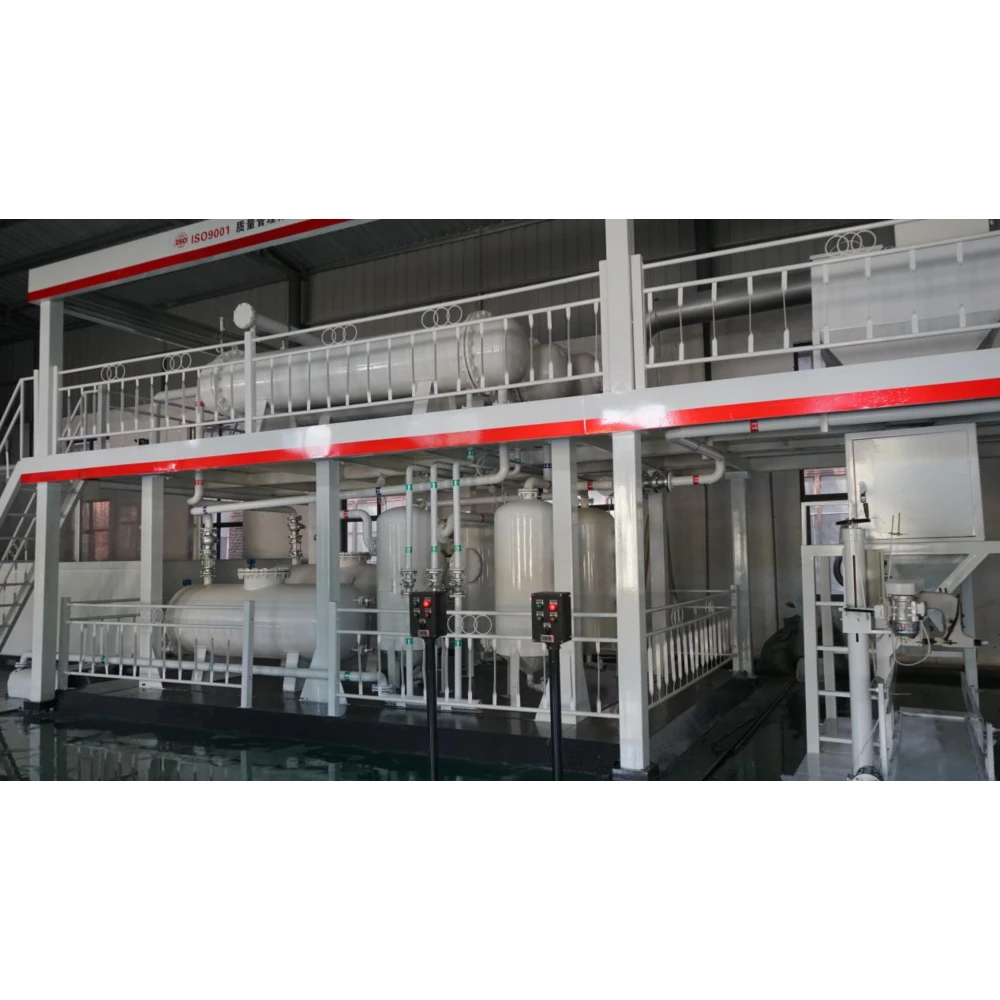
The long-term success of any waste rubber recycling operation depends not just on the quality of individual machines but on the design and integration of the entire processing system. Leading waste rubber recycling equipment providers offer fully integrated, scalable system solutions that combine shredding, granulation, separation, grinding, and pyrolysis into a cohesive production line tailored to the specific needs and capacity requirements of each customer. Scalability is one of the most important practical advantages of modern waste rubber recycling systems. Businesses entering the recycling market for the first time can start with a compact, modular system that processes a manageable volume of rubber waste and generates immediate returns. As the business grows and more rubber feedstock becomes available, additional processing modules can be integrated into the existing line without requiring a complete system overhaul. This modular approach to waste rubber recycling reduces the initial capital investment required to enter the market and allows operators to grow their capacity in line with their revenue and market development. System integration in waste rubber recycling also means that material handling, dust collection, noise reduction, and emission control are all engineered as part of the overall system design rather than added as afterthoughts. This results in a cleaner, safer, and more efficient operation that is easier to manage and maintain. Automated conveying systems move material between processing stages without manual intervention, reducing labor costs and minimizing the risk of contamination or product loss. The control systems used in advanced waste rubber recycling lines provide real-time monitoring of key process parameters, including feed rates, temperatures, motor loads, and product quality indicators. Operators can adjust process settings remotely and receive alerts when parameters fall outside acceptable ranges, enabling proactive maintenance and minimizing unplanned downtime. This level of process visibility and control is essential for maintaining consistent product quality and maximizing the productivity of a waste rubber recycling facility. After-sales support and technical service are also critical components of the value delivered by a complete waste rubber recycling system. Reputable equipment suppliers provide installation supervision, operator training, spare parts supply, and ongoing technical assistance to ensure that their customers achieve and maintain optimal performance throughout the operational life of the system. For businesses investing in waste rubber recycling, this support infrastructure reduces operational risk and accelerates the path to profitability.

Get a Free Quote

Our representative will contact you soon.
Email
WhatsApp / Mobile
Name
Company Name
Message
0/1000
Newsletter
Please Leave A Message With Us