Professional Engine Oil Recycling Plant - Advanced Waste Oil Recovery and Purification Systems

Get a Free Quote

Our representative will contact you soon.
Email
WhatsApp / Mobile
Name
Company Name
Message
0/1000

engine oil recycling plant

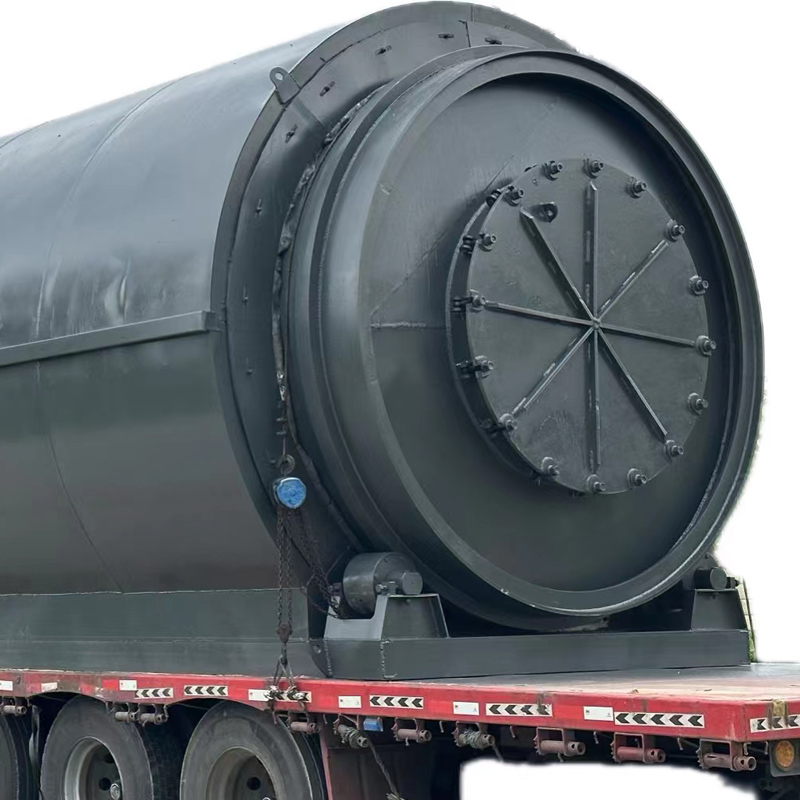
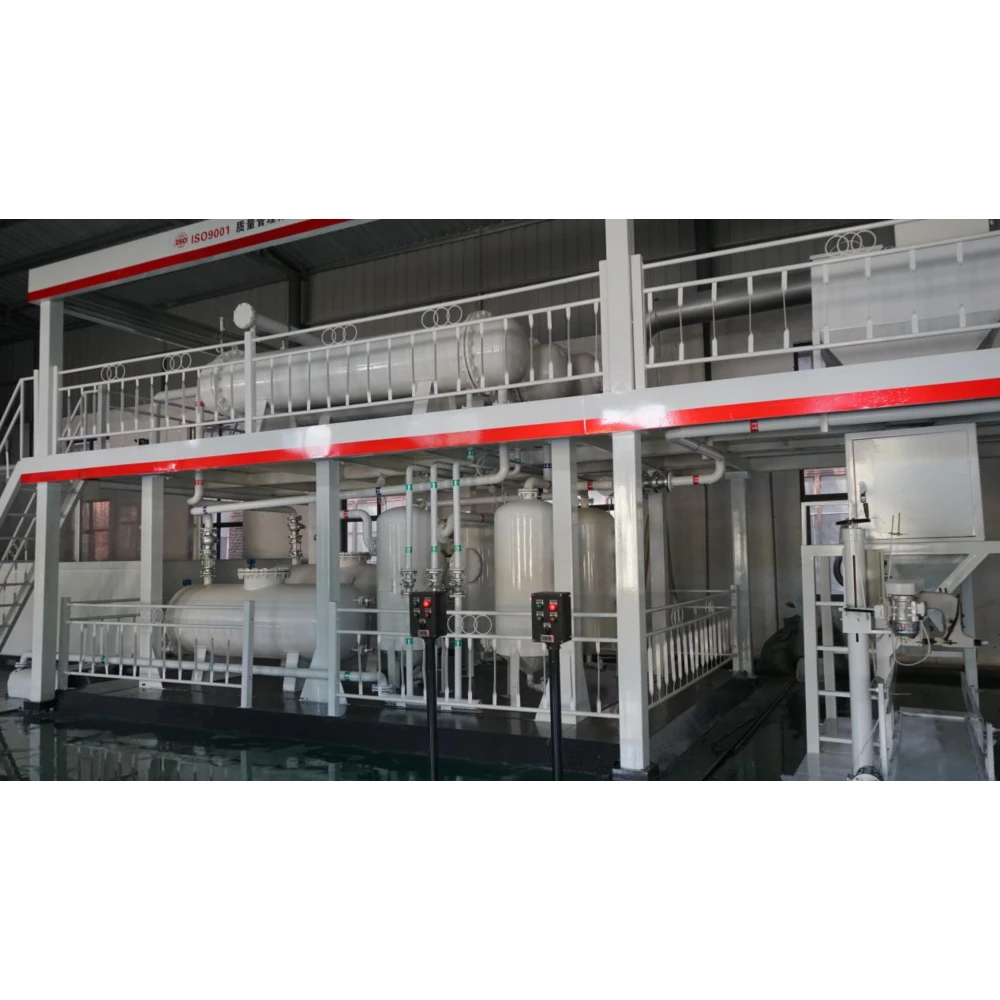
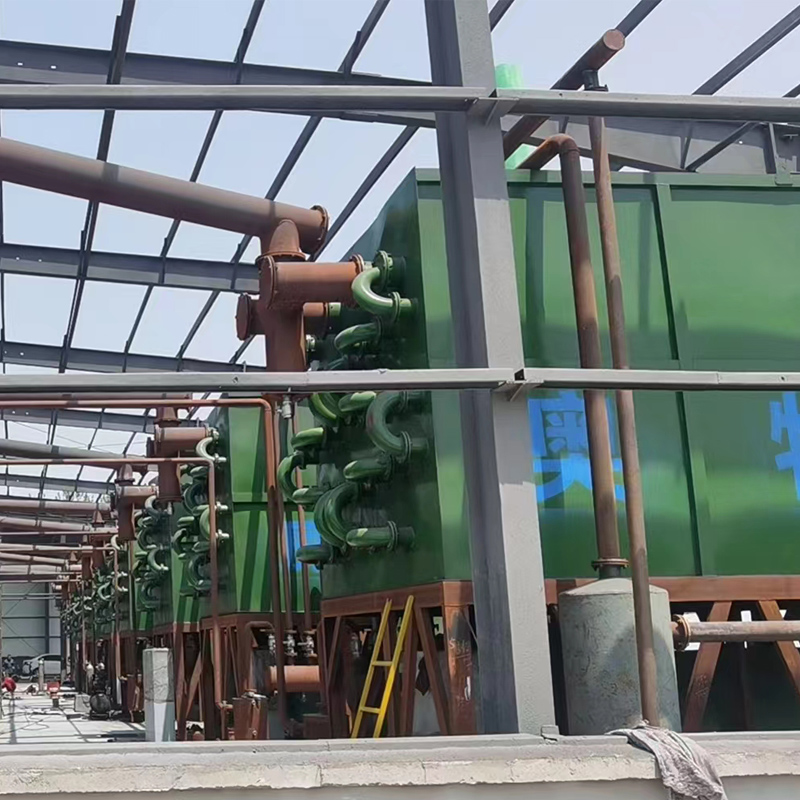
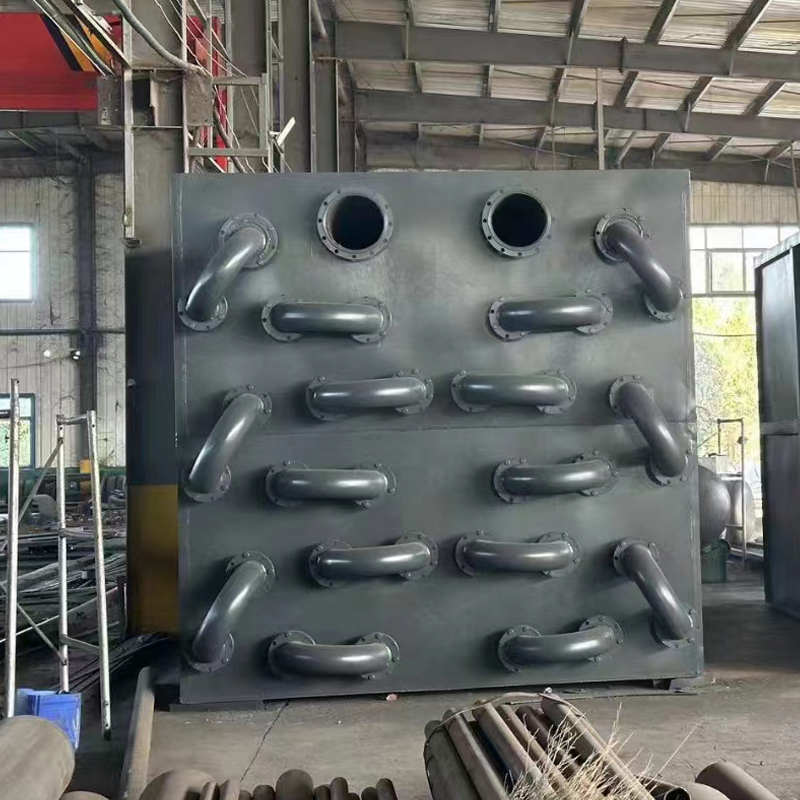
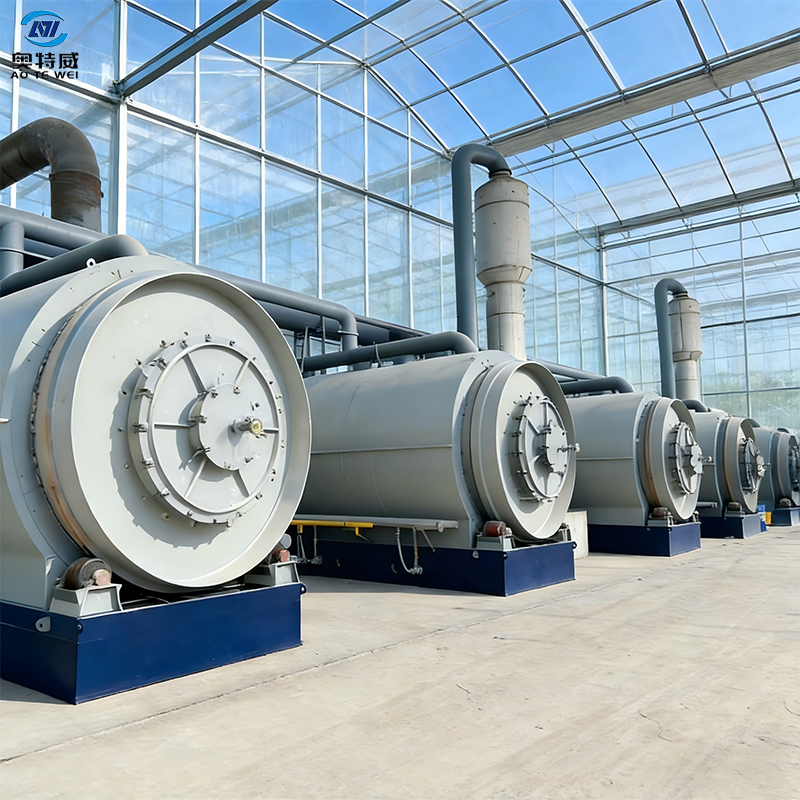
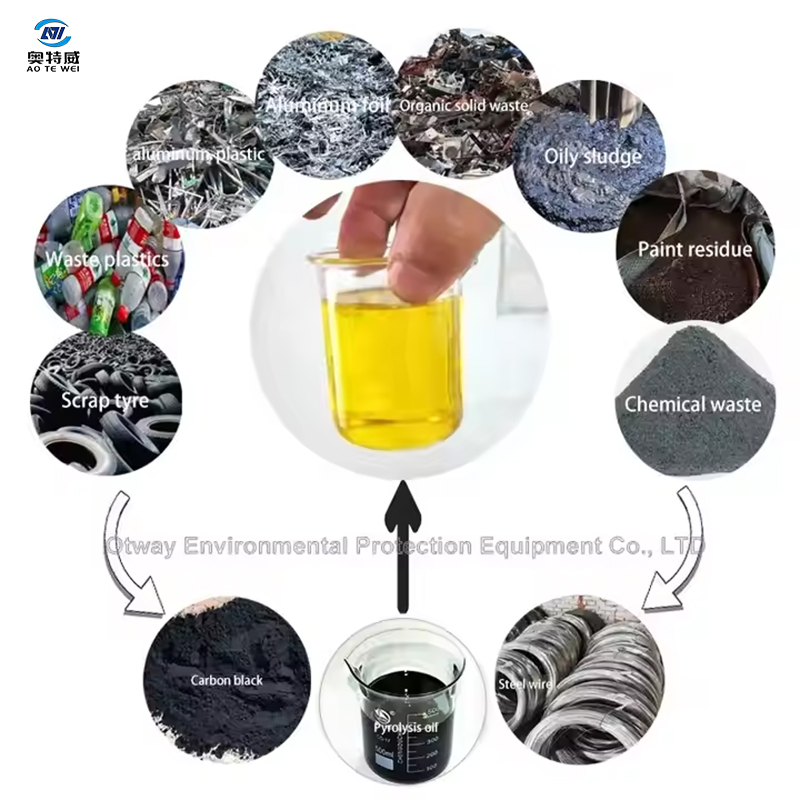
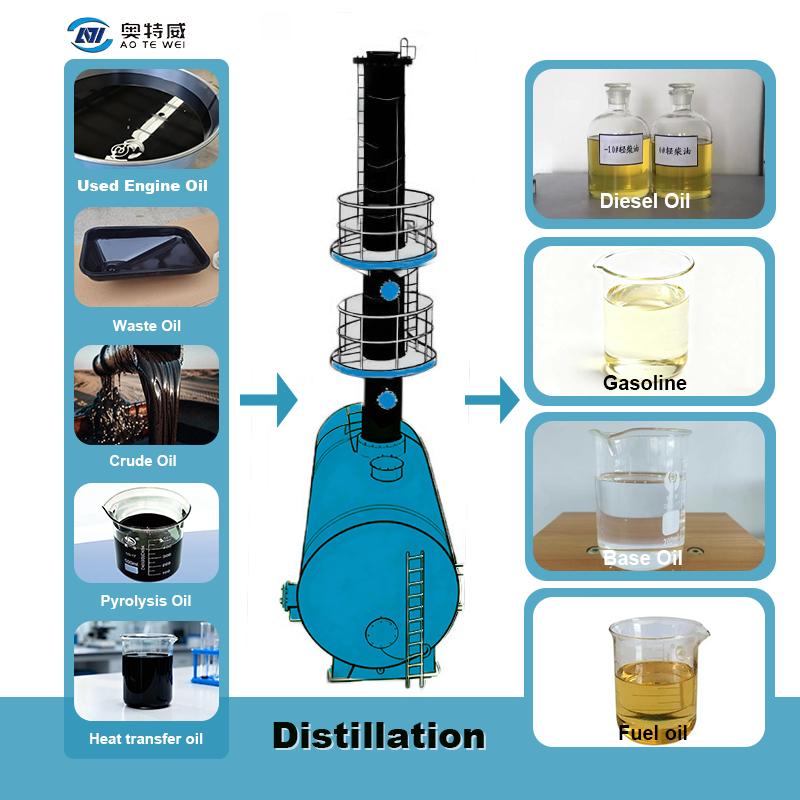
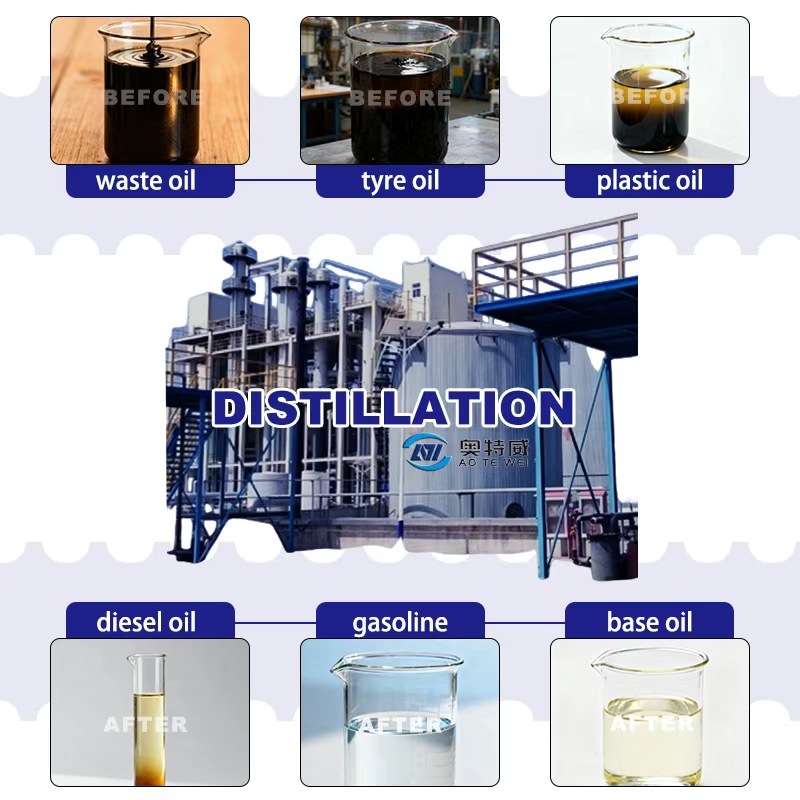
An engine oil recycling plant represents a sophisticated industrial facility designed to restore used lubricating oils to their original quality or convert them into valuable petroleum products. This specialized processing system addresses the growing environmental concern of waste oil disposal while creating economic opportunities through resource recovery. The engine oil recycling plant utilizes advanced purification technologies to remove contaminants, additives breakdown products, water content, and harmful particles from spent engine oils. Through systematic treatment stages, these facilities transform dark, contaminated waste oil into clean, reusable lubricants or fuel products. The main functions encompass collection and storage of used oils, preliminary filtration to remove solid particles, chemical treatment for contaminant separation, vacuum distillation for molecular refinement, and final polishing to achieve specified quality standards. Modern engine oil recycling plant installations incorporate automation systems that monitor processing parameters continuously, ensuring consistent output quality. The technological features include multi-stage filtration units, heating systems for viscosity control, vacuum chambers for moisture removal, catalytic treatment vessels, and sophisticated testing laboratories. These plants typically process various oil types including automotive engine oils, industrial hydraulic fluids, transmission oils, and gear lubricants. The application scope extends across automotive service centers, industrial manufacturing complexes, marine operations, mining facilities, and dedicated waste management companies. Environmental regulations increasingly mandate proper disposal of used oils, making the engine oil recycling plant an essential infrastructure component. The processing capacity ranges from small-scale units handling several hundred liters daily to large industrial installations processing thousands of gallons hourly. Investment in this technology supports circular economy principles by extending petroleum resource utilization and reducing dependency on virgin oil production.

New Products

Investing in an engine oil recycling plant delivers substantial financial returns while supporting environmental responsibility. The primary advantage lies in converting waste material into profitable products, creating revenue streams from materials previously considered disposal costs. Businesses operating these facilities reduce their raw material expenses significantly since recycled oil costs considerably less than purchasing new petroleum products. The processing technology recovers approximately 70 to 85 percent of usable oil from waste inputs, representing impressive material efficiency. Environmental benefits include preventing soil and water contamination that occurs when used oil is improperly discarded, as a single gallon of waste oil can contaminate one million gallons of groundwater. The engine oil recycling plant eliminates this pollution risk while reducing carbon emissions associated with crude oil extraction and refining. Energy consumption during recycling proves substantially lower compared to producing new lubricants from crude petroleum, typically requiring 50 percent less energy. Regulatory compliance becomes straightforward since these facilities meet environmental protection standards and help clients fulfill their waste management obligations. Companies gain competitive advantages by promoting their sustainability credentials, appealing to environmentally conscious customers and partners. The engine oil recycling plant creates local employment opportunities, requiring skilled operators, maintenance technicians, laboratory analysts, and logistics personnel. Operational flexibility allows facilities to adjust processing methods based on input material characteristics and market demand for specific output products. Quality control measures ensure recycled oils meet or exceed industry specifications, making them suitable for demanding applications. The technology provides energy independence benefits by reducing reliance on imported petroleum products and strengthening domestic resource security. Market demand remains consistently strong as automotive and industrial sectors generate continuous supplies of used oil requiring proper management. Installation costs are recovered relatively quickly through operational savings and product sales, typically within three to five years depending on capacity and market conditions. The engine oil recycling plant also offers scalability, allowing operators to expand capacity gradually as business grows and customer base expands. Additionally, these facilities contribute to corporate social responsibility goals, helping organizations demonstrate genuine environmental commitment beyond mere compliance.

Latest News

Company Updates Factory Audit Video | On-site Shooting of Aotewei Environmental Protection Equipment, Transparently Showing Manufacturing Strength

08

Apr

Company Updates Factory Audit Video | On-site Shooting of Aotewei Environmental Protection Equipment, Transparently Showing Manufacturing Strength

To further improve supply chain transparency and optimize the factory audit experience for domestic and overseas customers, Shangqiu Aotewei Environmental Protection Equipment Co., Ltd. has recently completed a comprehensive update of its factory aud...
View More

Get a Free Quote

Our representative will contact you soon.
Email
WhatsApp / Mobile
Name
Company Name
Message
0/1000

engine oil recycling plant

Advanced Purification Technology Ensures Superior Product Quality

Advanced Purification Technology Ensures Superior Product Quality

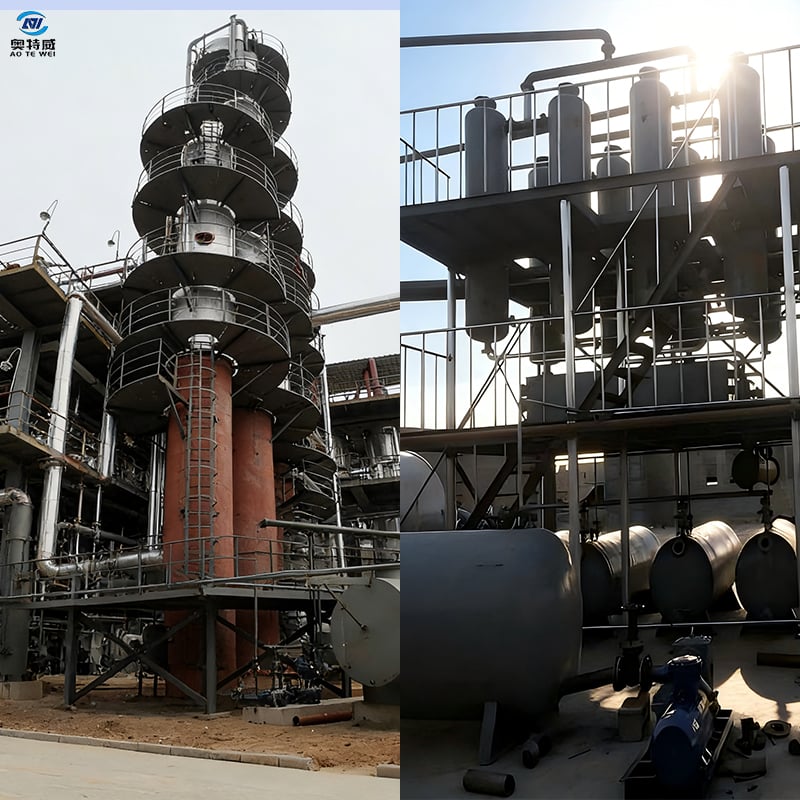
The engine oil recycling plant employs cutting-edge purification systems that guarantee exceptional output quality matching virgin oil specifications. At the core of this technological advantage lies a multi-stage treatment process beginning with mechanical separation where centrifugal forces remove solid contaminants, metal particles, and sludge accumulated during oil usage. Following initial cleaning, the system implements chemical treatment phases where carefully selected additives neutralize acidic compounds formed through combustion byproducts and oxidation processes. This chemical conditioning prepares the oil for subsequent refinement stages while protecting equipment from corrosive damage. The vacuum distillation component represents the most critical purification phase, operating under reduced pressure to lower boiling points and enable precise fractional separation of hydrocarbon molecules. This sophisticated process separates light fractions, base oil components, and heavy residues with remarkable accuracy, allowing targeted recovery of specific petroleum products. Temperature control throughout distillation remains absolutely critical, with advanced monitoring systems maintaining optimal conditions within narrow tolerances. The engine oil recycling plant incorporates molecular filtration using specialized membranes and adsorbent materials that capture microscopic impurities missed by conventional filtering. Clay treatment or hydrofinishing processes follow distillation, polishing the recycled oil to remove remaining color bodies and trace contaminants while stabilizing the final product against oxidation. Automated quality testing equipment continuously analyzes viscosity, flash point, pour point, and chemical composition, ensuring every batch meets stringent specifications before packaging. The technological sophistication extends to waste stream management, where even byproducts from purification undergo treatment for safe disposal or secondary utilization. Modern engine oil recycling plant installations feature closed-loop systems that minimize environmental emissions and maximize resource recovery efficiency. Operators benefit from user-friendly control interfaces providing real-time data visualization, predictive maintenance alerts, and production optimization recommendations. This technological excellence translates directly into competitive advantages through consistent product quality, reduced processing costs, and enhanced customer confidence in recycled lubricants.
Economic Viability Through Multiple Revenue Streams and Cost Savings

Economic Viability Through Multiple Revenue Streams and Cost Savings

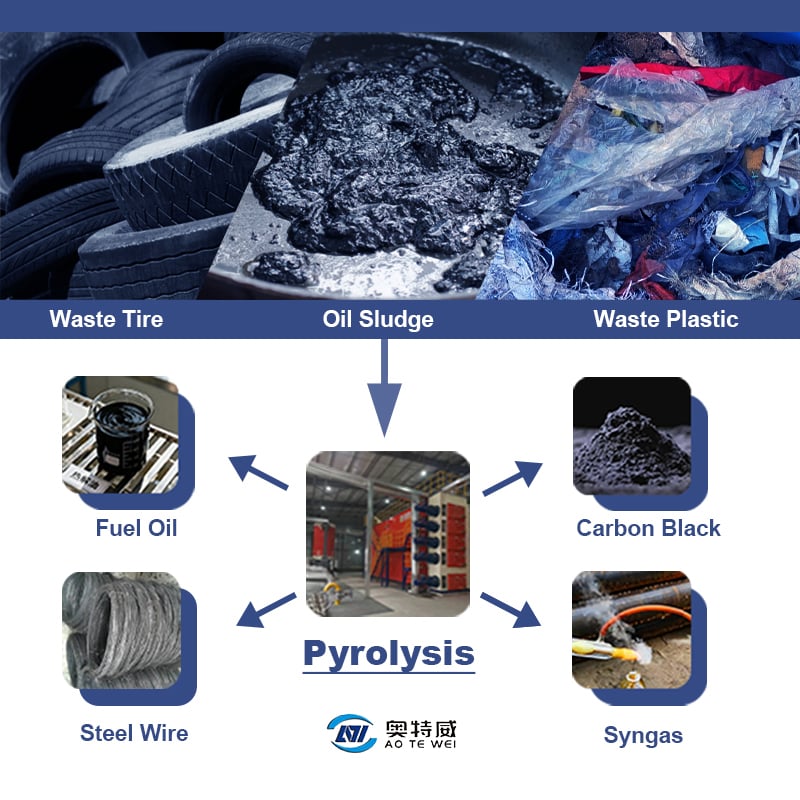
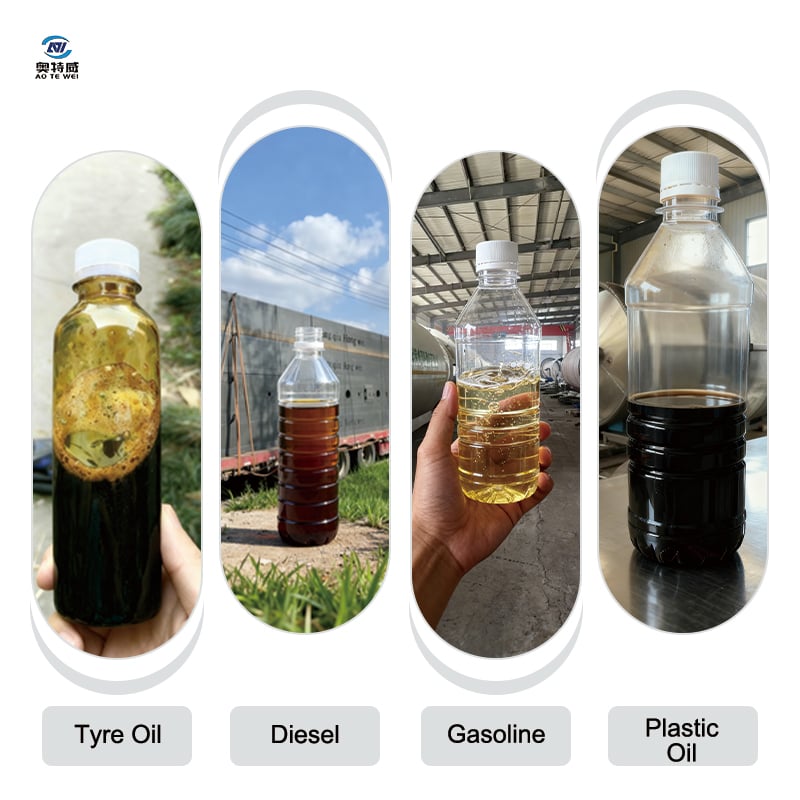
The financial attractiveness of an engine oil recycling plant stems from its ability to generate multiple income sources while dramatically reducing operational expenses. Primary revenue originates from selling recycled base oils to lubricant blenders, automotive service providers, and industrial facilities seeking cost-effective alternatives to virgin products. These recycled oils typically sell at 30 to 50 percent below virgin oil prices while maintaining comparable performance characteristics, creating strong market demand and healthy profit margins. Secondary income streams include processing fees charged to waste oil generators who require compliant disposal services, transforming a customer's liability into your facility's asset. Many engine oil recycling plant operations diversify further by producing fuel oil from heavier fractions unsuitable for lubricant applications, supplying energy to cement kilns, power plants, and industrial boilers. The byproduct materials including recovered additives and metallic residues also possess market value when properly processed and marketed to specialty chemical companies or metal recyclers. Cost advantages accumulate throughout operations since feedstock acquisition often involves minimal or negative costs when collection services are provided to oil generators. Transportation logistics can be optimized by establishing strategic collection networks that reduce fuel expenses and vehicle wear while ensuring steady material supply. Processing costs remain manageable due to relatively low energy requirements compared to virgin oil refining, with many facilities implementing heat recovery systems that further reduce utility expenses. Labor costs scale efficiently since automated systems handle routine operations, requiring smaller workforces than comparable manufacturing facilities. The engine oil recycling plant benefits from favorable regulatory frameworks in many jurisdictions, including tax incentives, expedited permitting, and sometimes direct subsidies supporting environmental industries. Market stability provides reliable long-term returns since used oil generation correlates with overall economic activity and vehicle populations, both exhibiting steady growth trends. Capital equipment in modern facilities demonstrates impressive longevity with proper maintenance, often operating effectively for 15 to 20 years before major overhauls become necessary. Financial modeling consistently shows attractive return on investment metrics, with well-managed engine oil recycling plant operations achieving payback periods of three to five years and internal rates of return exceeding 20 percent annually.
Environmental Leadership and Regulatory Compliance Advantages

Environmental Leadership and Regulatory Compliance Advantages

Operating an engine oil recycling plant positions businesses as environmental leaders while ensuring comprehensive regulatory compliance across multiple jurisdictions. The ecological benefits begin with preventing catastrophic environmental damage that occurs when used oil enters ecosystems through improper disposal, leaking storage containers, or illegal dumping. Research confirms that recycling used oil prevents release of heavy metals including lead, cadmium, chromium, and arsenic that accumulate during engine operation and pose severe health risks when entering water supplies or food chains. The engine oil recycling plant actively contributes to circular economy principles by keeping valuable petroleum resources in productive use rather than consuming virgin materials extracted through environmentally intensive drilling and refining processes. Carbon footprint reduction represents another significant environmental advantage, with lifecycle assessments demonstrating that recycled oil production generates 60 to 80 percent fewer greenhouse gas emissions compared to virgin lubricant manufacturing. Water conservation benefits are equally impressive since petroleum refining consumes vast quantities of freshwater for cooling and processing, whereas oil recycling requires minimal water inputs. Air quality improvements result from eliminating open burning of waste oil, a practice still occurring in many regions that releases toxic fumes, particulate matter, and persistent organic pollutants. The facility design incorporates emissions control systems including vapor recovery units, scrubbers, and catalytic converters that capture and treat any air discharges, ensuring compliance with stringent air quality standards. Wastewater treatment systems process any liquid effluents to remove oil residues and contaminants before discharge, meeting or exceeding environmental protection requirements. The engine oil recycling plant documentation and reporting capabilities satisfy regulatory agencies requiring detailed records of waste oil handling, processing volumes, and final product disposition. Many jurisdictions offer preferential treatment for recycling facilities including streamlined permitting processes, reduced inspection frequencies, and qualification for environmental certification programs. Corporate customers increasingly require their suppliers to demonstrate environmental responsibility through third-party certifications and sustainability reporting, making partnership with an engine oil recycling plant valuable for their compliance obligations. Community relations benefit substantially as these facilities represent visible environmental stewardship rather than merely waste disposal operations, enhancing corporate reputation and social license to operate. The long-term sustainability of petroleum-dependent industries depends partly on effective recycling infrastructure, positioning these plants as essential contributors to energy security and resource conservation strategies.

Get a Free Quote

Our representative will contact you soon.
Email
WhatsApp / Mobile
Name
Company Name
Message
0/1000
Newsletter
Please Leave A Message With Us