oil distillation
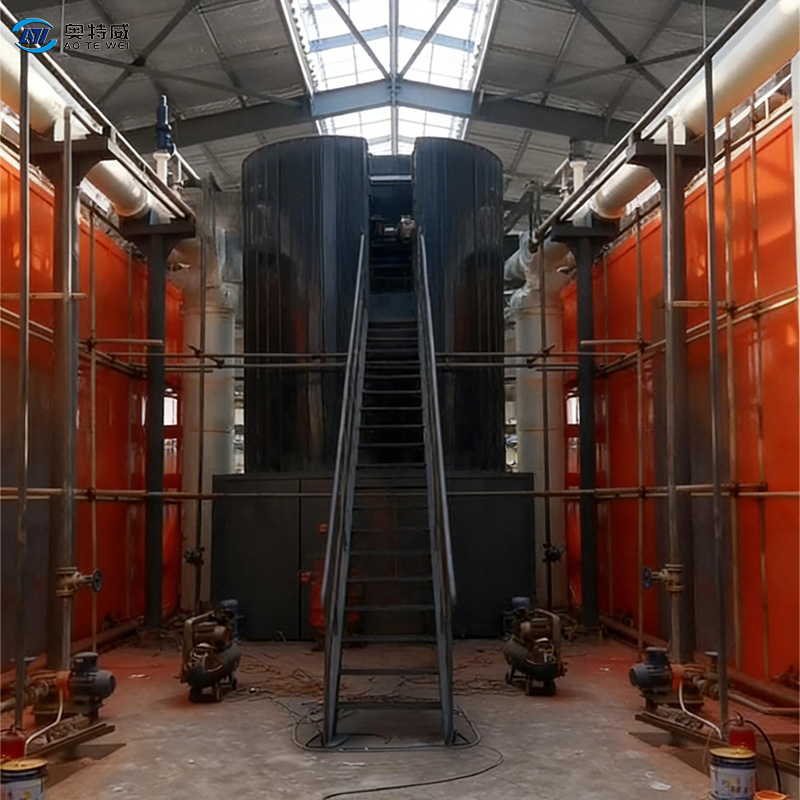
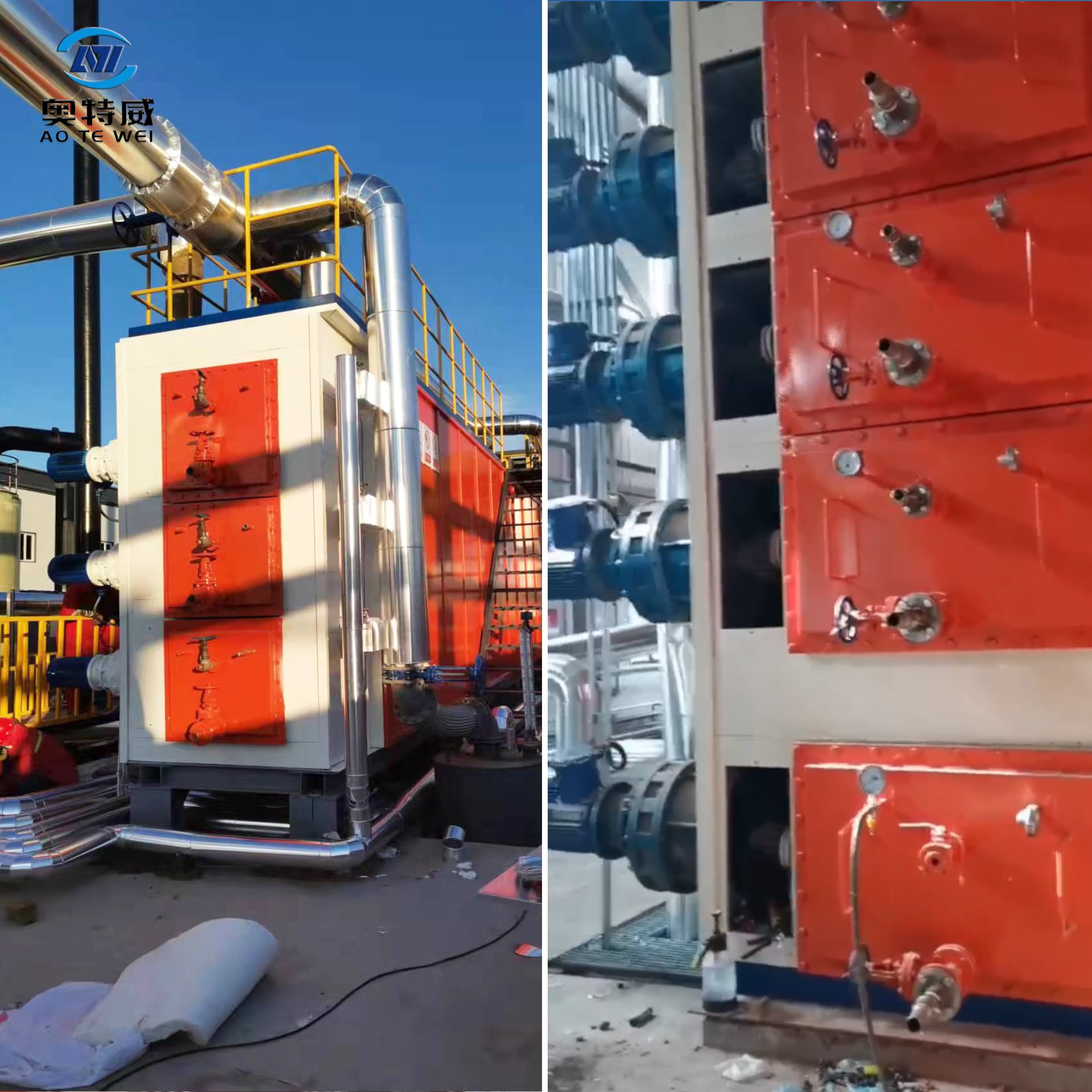
Oil distillation is a fundamental process in the petroleum industry that separates crude oil into various valuable products based on their boiling points. The oil distillation process works by heating crude oil and feeding it into a fractionating column where different hydrocarbons separate into distinct layers. This separation occurs because heavier molecules settle at the bottom while lighter molecules rise to the top, creating multiple product streams that include gasoline, diesel, kerosene, and fuel oil.
The main functions of oil distillation involve converting raw crude oil into usable refined products that power industries and households worldwide. Oil distillation technology operates through fractional distillation, where temperature gradients create optimal separation conditions. The process maintains precise control over heating and cooling zones throughout the distillation column.
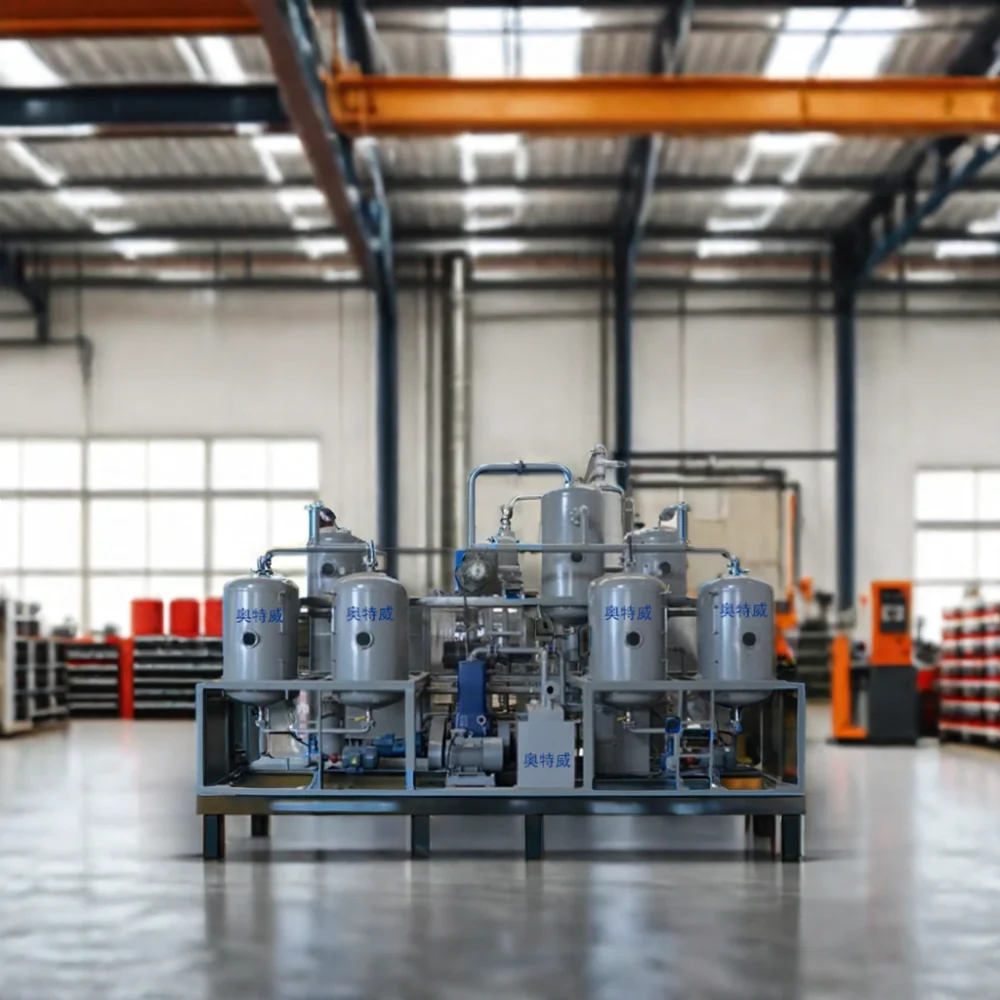
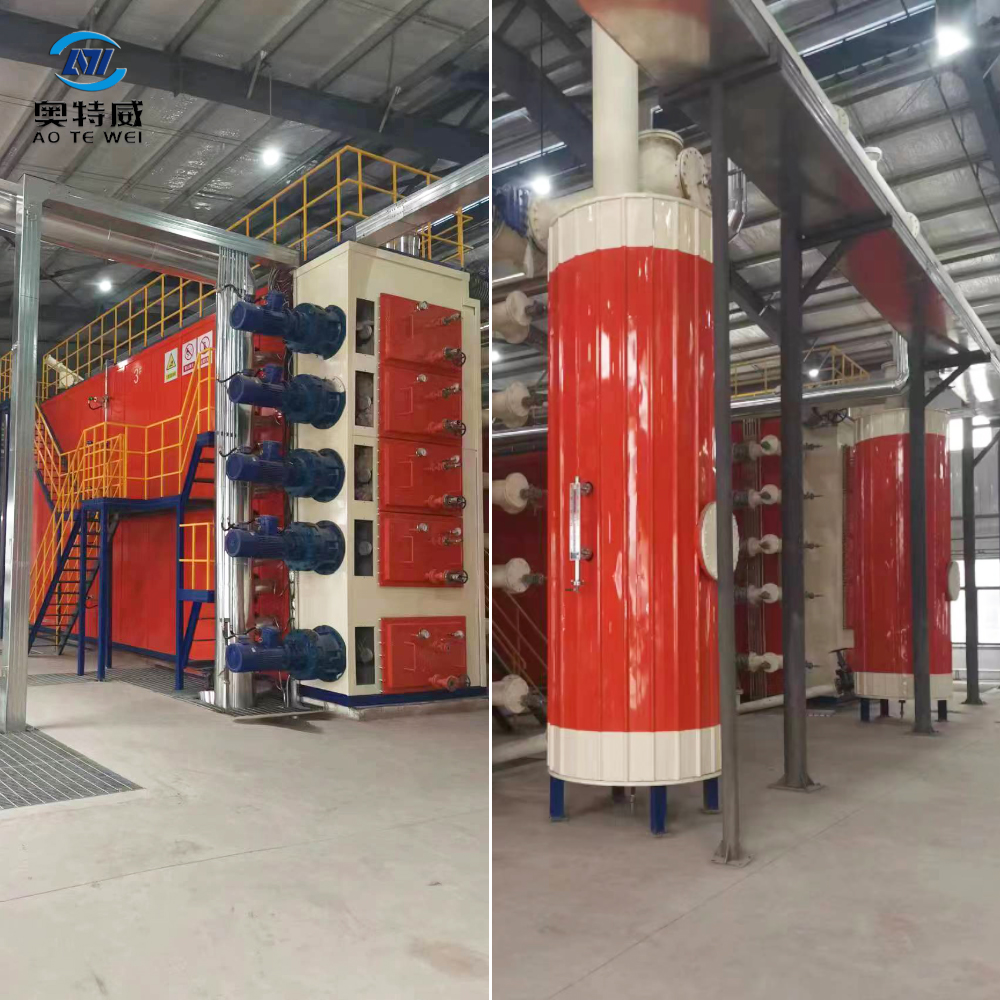
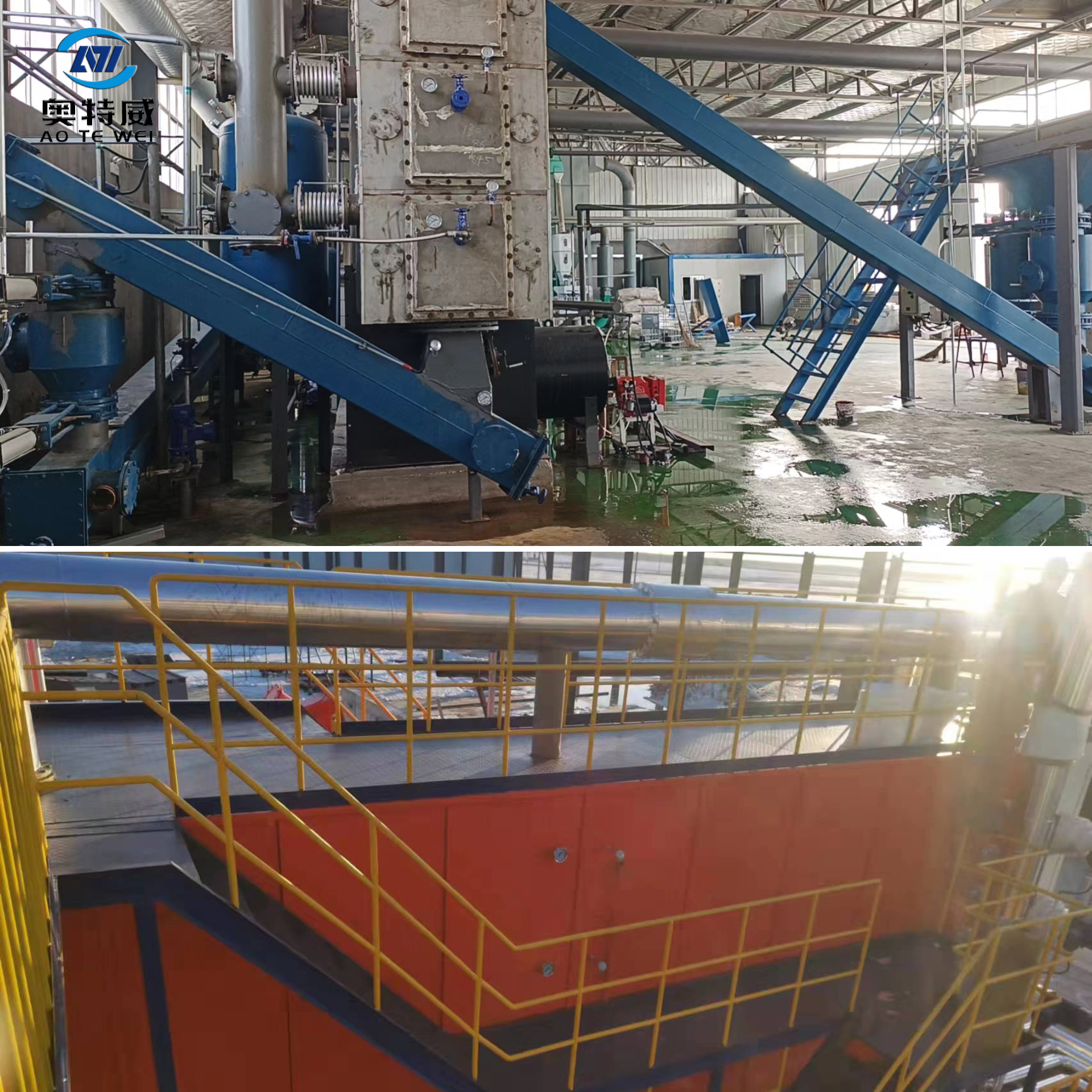
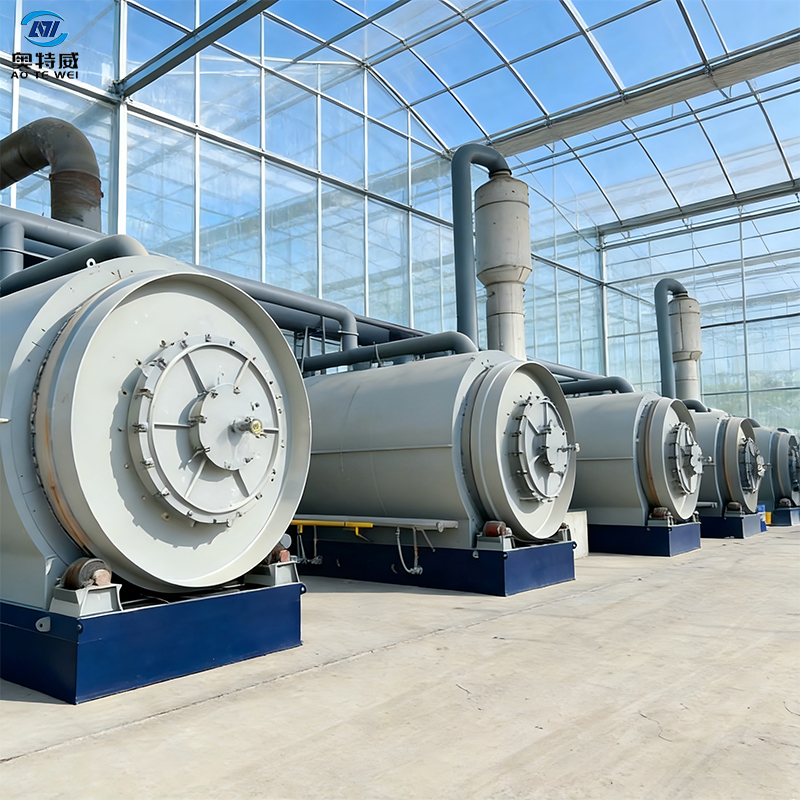
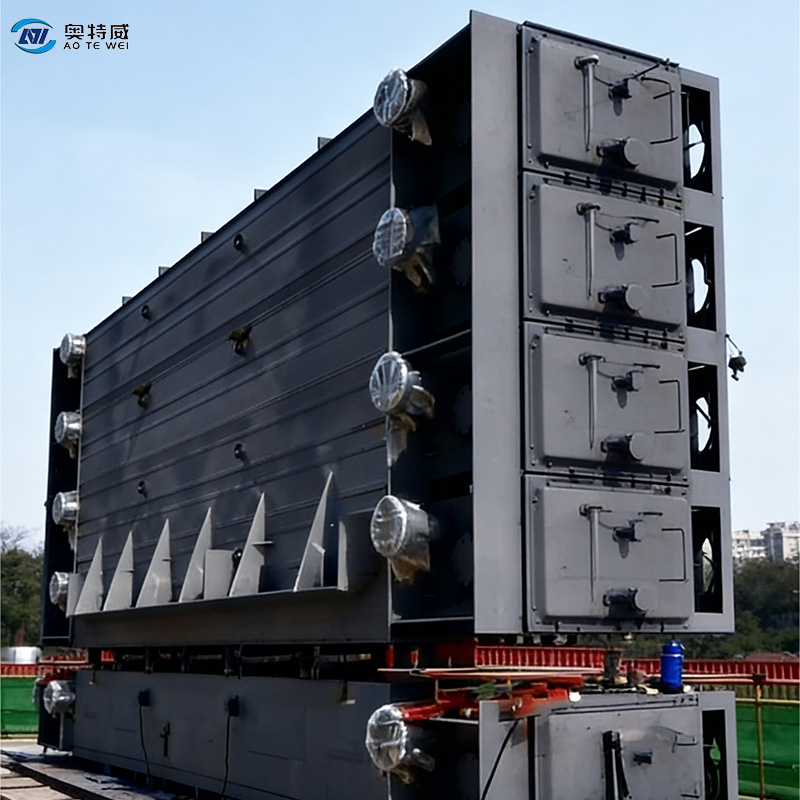
Key technological features of oil distillation equipment include advanced heat exchangers, temperature regulation systems, and multi-stage separation chambers. Modern oil distillation units incorporate automation and monitoring systems that track product quality in real-time. These systems ensure consistent output and minimize waste during the refining process.
Applications of oil distillation extend across numerous sectors including transportation, manufacturing, electricity generation, and chemical production. Oil distillation processes power global energy infrastructure and supply chains. Refineries depend on sophisticated oil distillation technology to meet diverse consumer and industrial demands for petroleum-based products.