Crude Oil Atmospheric Distillation Process

Get a Free Quote

Our representative will contact you soon.
Email
WhatsApp / Mobile
Name
Company Name
Message
0/1000

crude oil atmospheric distillation

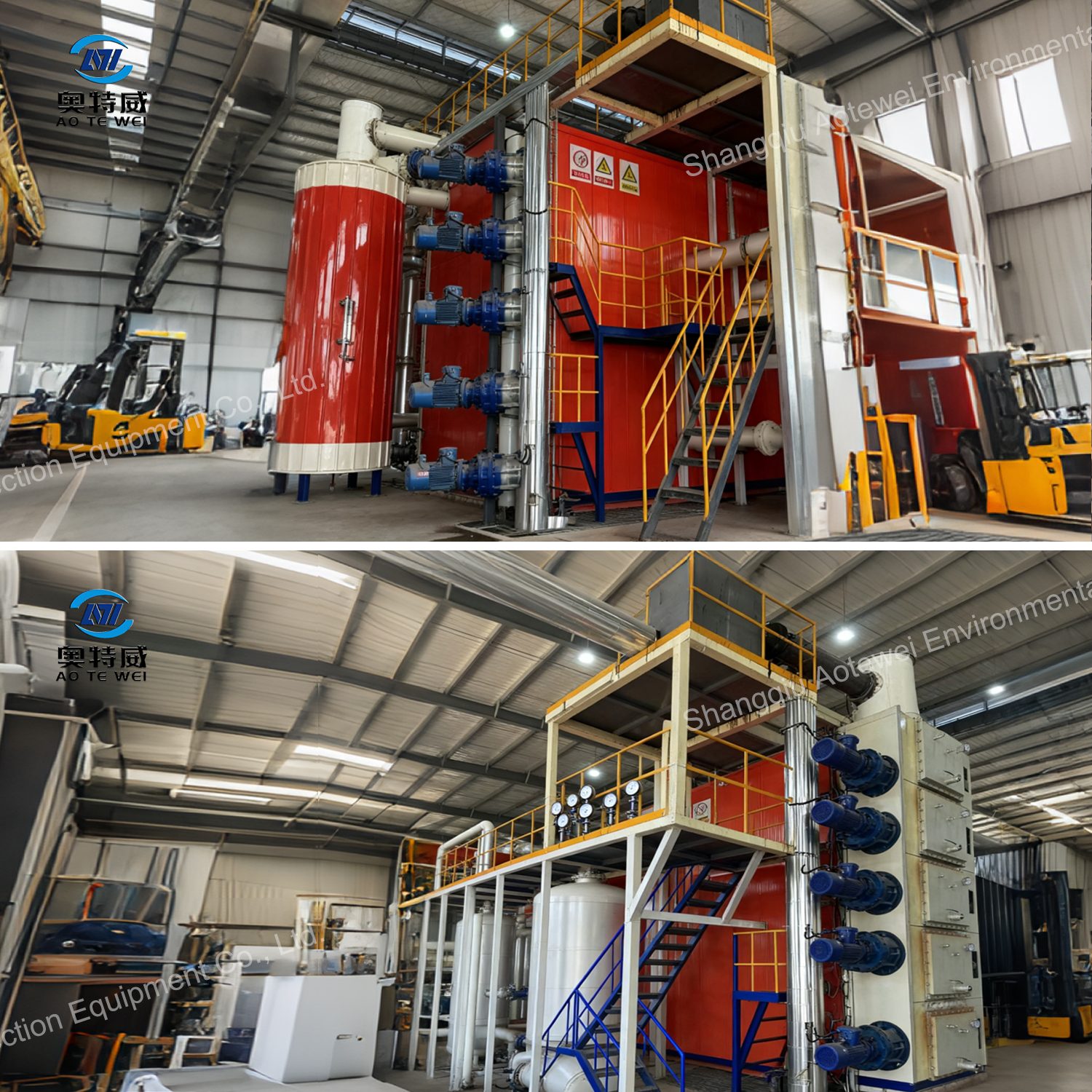
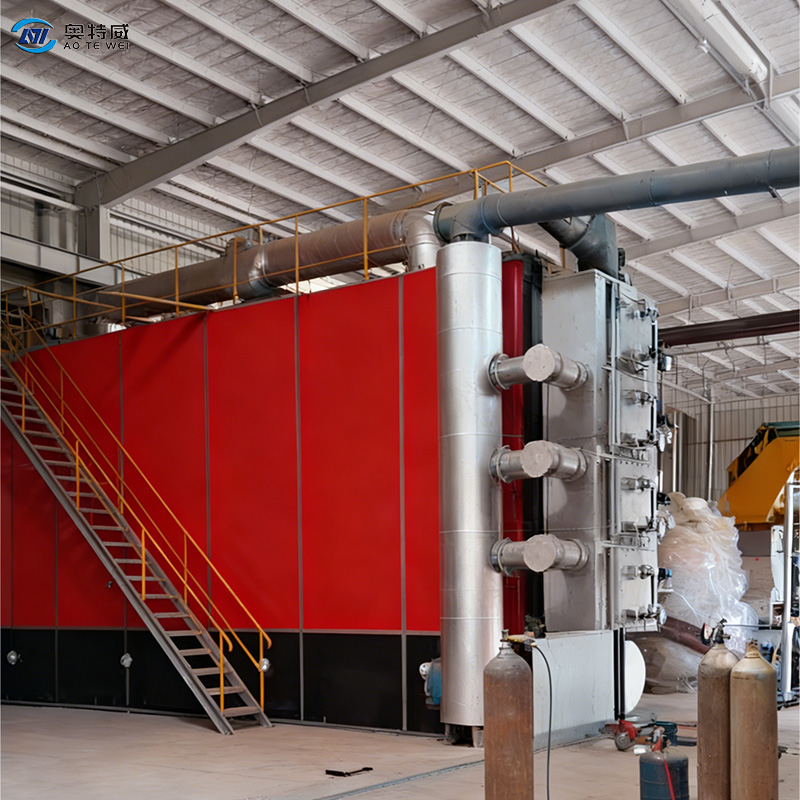
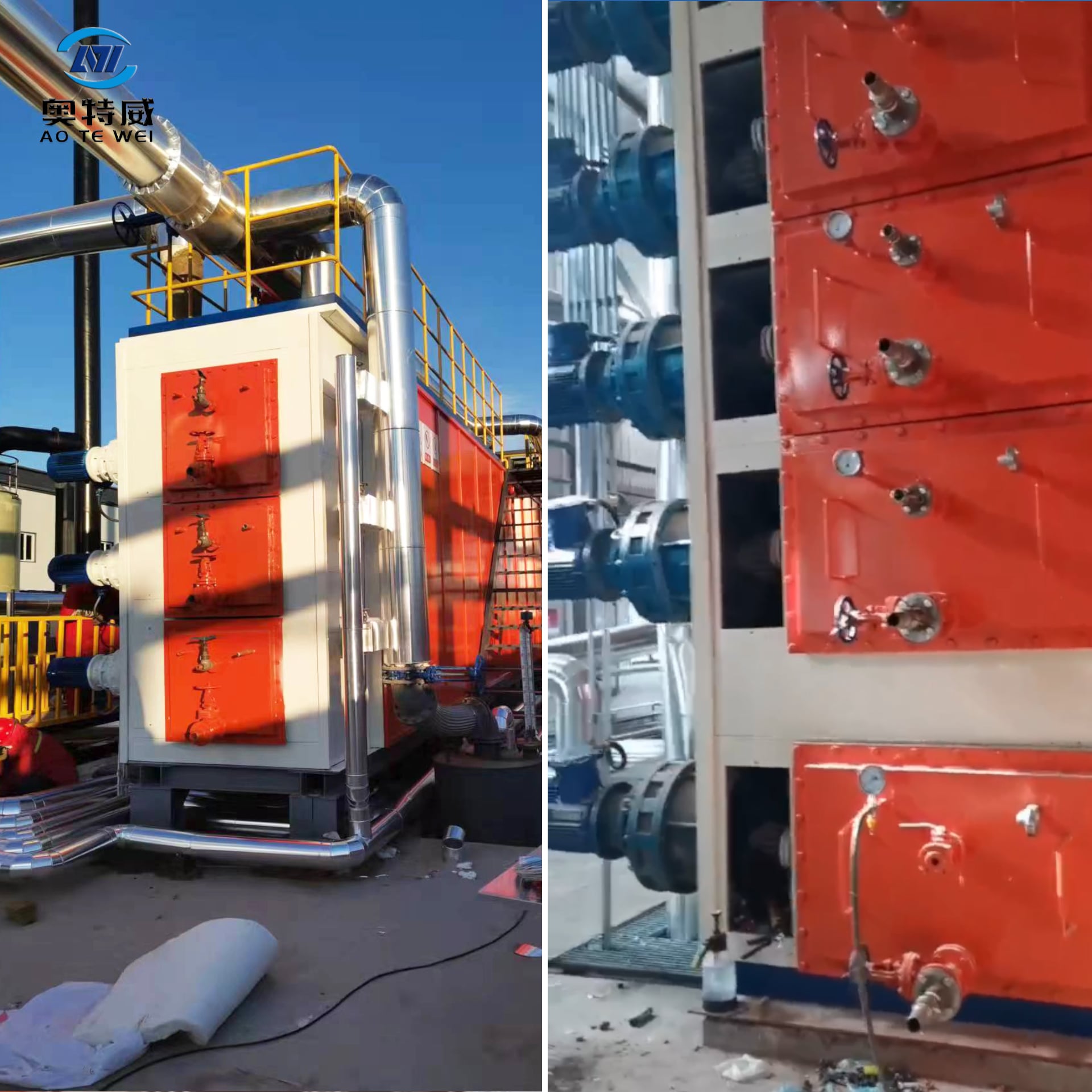
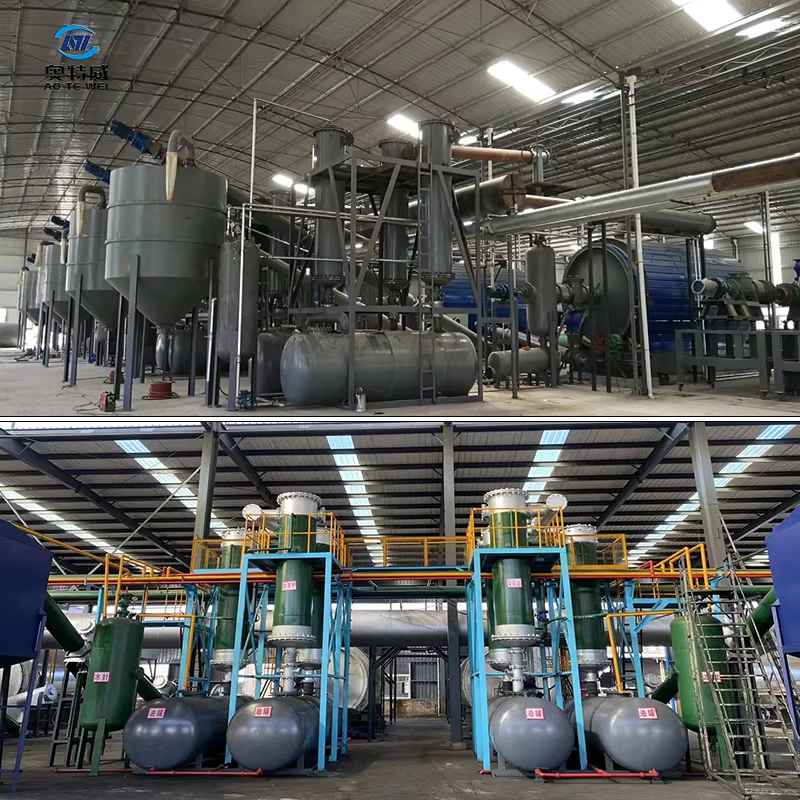
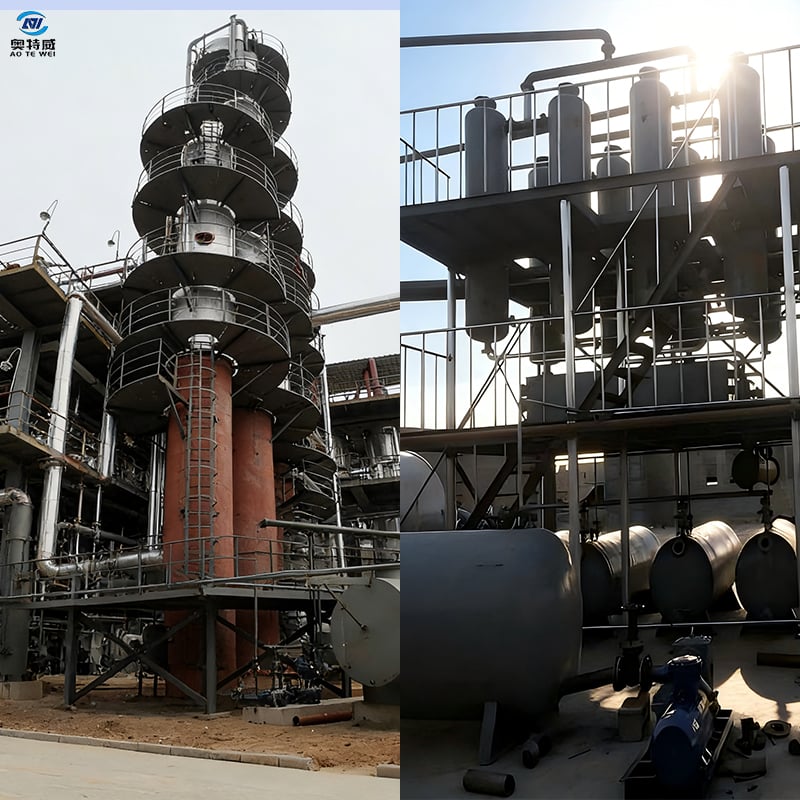
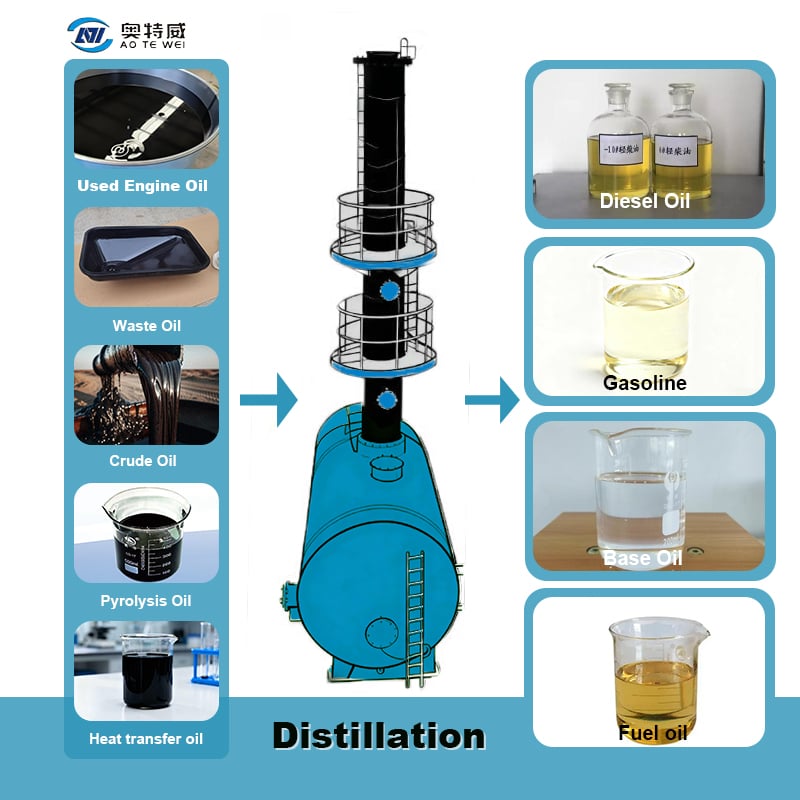
Crude oil atmospheric distillation represents a fundamental process in modern petroleum refining that separates crude oil into distinct product fractions based on boiling points. This crude oil atmospheric distillation unit operates at atmospheric pressure, making it an essential first stage in any refinery. The process involves heating crude oil to approximately 350-400 degrees Celsius, then introducing the heated oil into a fractionating column where various components separate according to their volatility. The main functions of crude oil atmospheric distillation include producing key petroleum products such as liquefied petroleum gas, gasoline, diesel, and fuel oil. Each fraction exits the distillation tower at different heights, with lighter components rising to the top and heavier ones settling at the bottom. This crude oil atmospheric distillation technology features advanced control systems that maintain optimal temperature and pressure conditions throughout the separation process. Technological features include efficient heat exchangers, precise temperature monitoring systems, and specialized fractionating columns designed for maximum separation efficiency. Modern crude oil atmospheric distillation units incorporate automation and real-time analytics to optimize product quality and yield. Applications span across all petroleum refineries worldwide, from small independent operations to large integrated facilities. The process serves as the foundation for downstream refining operations, directly influencing the quality and quantity of finished petroleum products available to consumers globally.

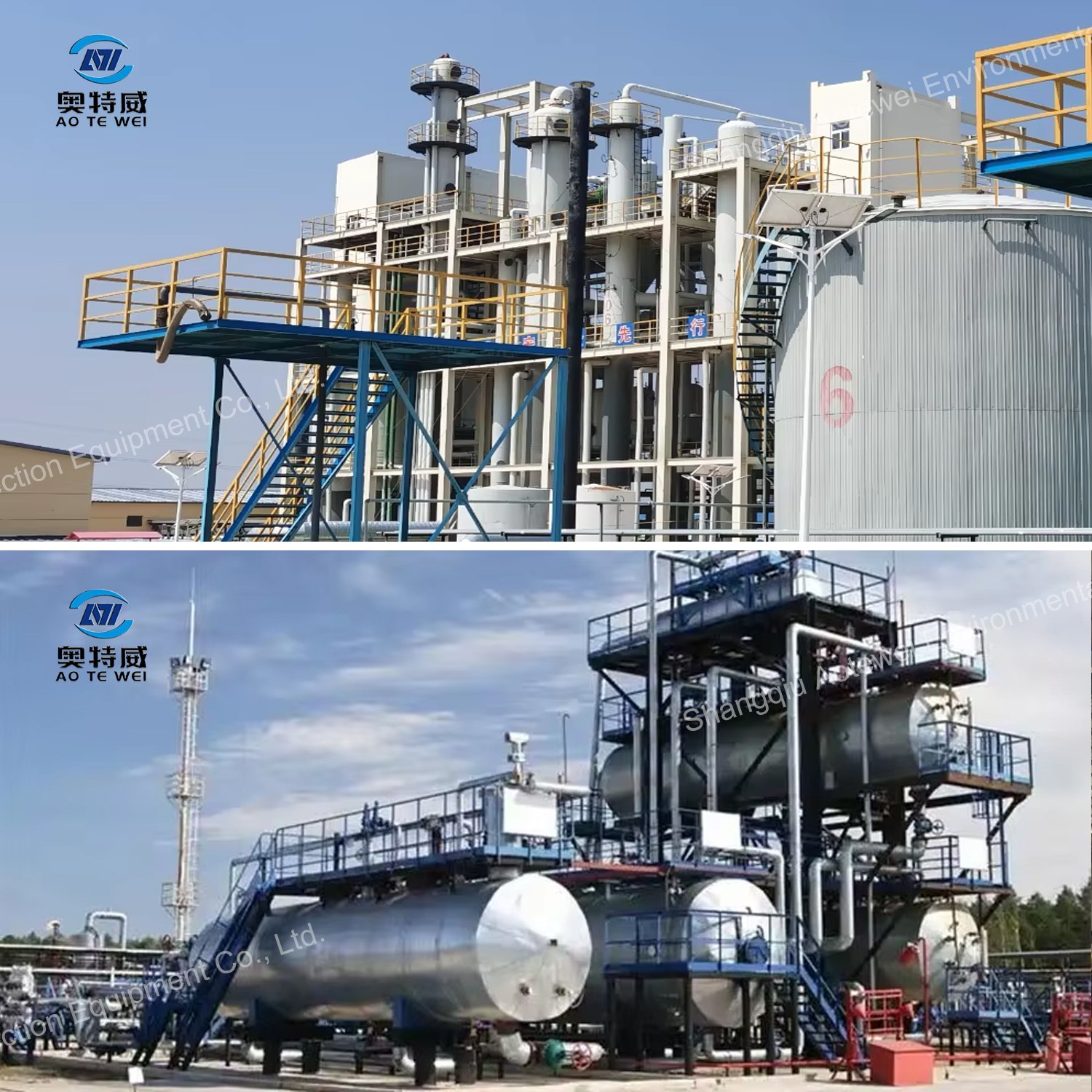
New Products

Crude oil atmospheric distillation delivers substantial operational and economic benefits that make it indispensable to petroleum refining operations. The primary advantage lies in its ability to economically separate crude oil into valuable product streams without requiring expensive high-pressure equipment, as crude oil atmospheric distillation operates at standard atmospheric conditions. This straightforward approach reduces capital investment and maintenance costs significantly. Operational efficiency represents another critical benefit. Crude oil atmospheric distillation processes large crude oil volumes continuously, maximizing throughput while maintaining consistent product quality. Refineries achieve better crude oil atmospheric distillation performance through predictable separation patterns, enabling reliable production planning and scheduling. The process requires minimal specialized chemicals or additives, reducing operational complexity and environmental concerns. For potential customers, crude oil atmospheric distillation provides immediate practical value through product versatility. A single refinery unit produces multiple saleable products simultaneously, including gasoline, diesel, heating oil, and petrochemical feedstocks. This diversified output maximizes revenue potential from each barrel processed. Application suitability extends across different crude oil types, from light to heavy crudes, making crude oil atmospheric distillation adaptable to changing market conditions and feedstock availability. Decision-useful context shows that crude oil atmospheric distillation offers superior return on investment compared to alternative processing methods. The technology has proven reliability spanning decades, with established supply chains for replacement parts and technical expertise readily available. Energy efficiency improvements in modern crude oil atmospheric distillation designs reduce operational costs while meeting environmental standards. These combined advantages make it the preferred choice for refineries seeking balanced performance, profitability, and operational stability in today's competitive energy market.

Latest News

How does oil distillation improve purity and usability of recycled oil products?

01

Sep

How does oil distillation improve purity and usability of recycled oil products?

Oil distillation represents one of the most effective methods for restoring the quality and usability of recycled oil products in modern industrial operations. As environmental regulations tighten and resource costs rise, the ability to recycle used ...
View More
Why do recycling plants rely on pyrolysis reactor technology for energy recovery?

01

Sep

Why do recycling plants rely on pyrolysis reactor technology for energy recovery?

Modern recycling plants face mounting pressure to recover maximum value from waste streams while maintaining environmental compliance. The pyrolysis reactor has emerged as a critical technology for achieving this balance, transforming discarded mater...
View More
Can a pyrolysis plant support environmentally friendly recycling business models?

30

Jul

Can a pyrolysis plant support environmentally friendly recycling business models?

The global push toward circular economy principles has created significant demand for innovative recycling solutions, and the pyrolysis plant stands at the forefront of this transformation. A pyrolysis plant processes waste materials through high-tem...
View More
How does rubber recycling contribute to eco-friendly industrial development goals?

01

Sep

How does rubber recycling contribute to eco-friendly industrial development goals?

Rubber recycling has emerged as a critical pillar in achieving eco-friendly industrial development goals across manufacturing, construction, and transportation sectors. As global industries face mounting pressure to reduce environmental impact and ad...
View More

Get a Free Quote

Our representative will contact you soon.
Email
WhatsApp / Mobile
Name
Company Name
Message
0/1000

crude oil atmospheric distillation

Efficient Multi-Product Separation

Efficient Multi-Product Separation

Crude oil atmospheric distillation excels at simultaneously producing multiple valuable petroleum products from a single feedstock stream. The fractionating column design in crude oil atmospheric distillation separates crude oil into distinct layers based on molecular weight and boiling characteristics. This sophisticated separation technology recovers light gasoline components, middle distillates for diesel production, and heavy fuel oil fractions in one integrated process. The efficiency of crude oil atmospheric distillation directly translates to higher product yields and reduced waste streams. Refineries maximize profitability by obtaining premium-quality products suitable for various market applications. The continuous separation mechanism ensures consistent quality standards across all product streams produced by crude oil atmospheric distillation units, meeting stringent industry specifications and regulatory requirements.
Cost-Effective Atmospheric Operation

Cost-Effective Atmospheric Operation

Operating at atmospheric pressure provides crude oil atmospheric distillation with significant economic advantages over high-pressure alternatives. The crude oil atmospheric distillation process eliminates expensive pressure vessel requirements, substantially reducing capital expenditures for new facilities. Maintenance expenses remain low because crude oil atmospheric distillation equipment experiences less stress from pressure cycling and corrosion. This operational simplicity means lower staffing requirements and fewer specialized technical personnel needed for crude oil atmospheric distillation management. Energy consumption proves favorable, as crude oil atmospheric distillation requires heating rather than pressurization, utilizing waste heat efficiently from downstream refining operations. The cost structure of crude oil atmospheric distillation makes it financially attractive for refineries of all sizes, from large international operations to smaller regional facilities. Lower operational costs directly improve refinery margins and competitiveness in commodity petroleum markets.
Proven Reliability and Adaptability

Proven Reliability and Adaptability

Crude oil atmospheric distillation technology demonstrates decades of proven performance across diverse refining environments worldwide. Modern crude oil atmospheric distillation units feature advanced automation and monitoring systems that maintain optimal operating parameters continuously. This crude oil atmospheric distillation design adapts flexibly to changing crude oil feedstock characteristics, market demands, and product specifications. Refineries successfully process various crude oils through crude oil atmospheric distillation units without requiring major equipment modifications. The standardized crude oil atmospheric distillation process benefits from extensive technical knowledge and established industry best practices, ensuring consistent results. Emergency systems and redundant controls integrated into crude oil atmospheric distillation installations provide operational security and minimize downtime. Replacement parts availability for crude oil atmospheric distillation equipment remains excellent due to the technology's widespread adoption globally, supporting long-term facility reliability and continuous production.

Get a Free Quote

Our representative will contact you soon.
Email
WhatsApp / Mobile
Name
Company Name
Message
0/1000
Newsletter
Please Leave A Message With Us