Medical Waste Pyrolysis Equipment: Safe, Efficient, and Compliant Waste Treatment Solutions

Get a Free Quote

Our representative will contact you soon.
Email
WhatsApp / Mobile
Name
Company Name
Message
0/1000

medical waste pyrolysis equipment

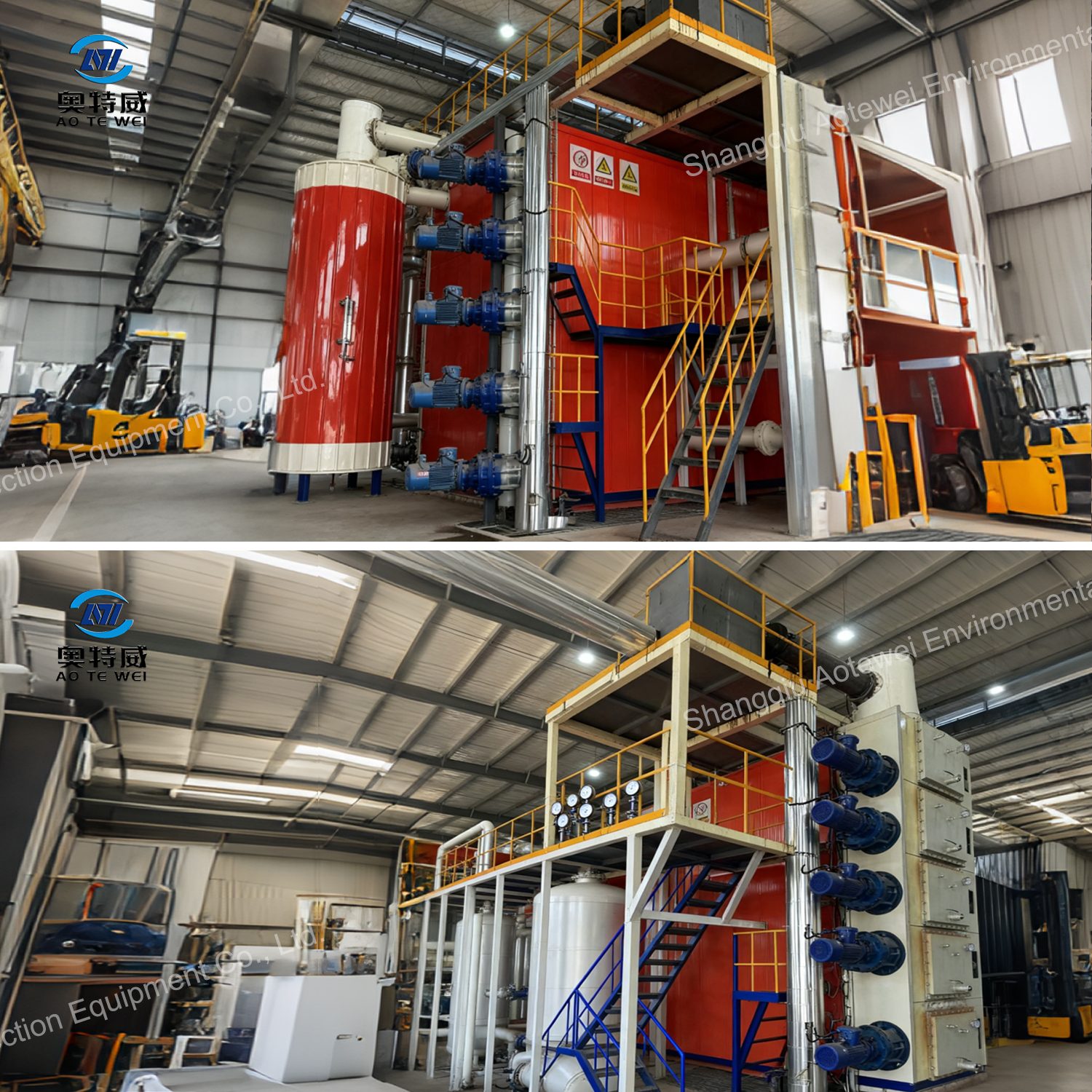
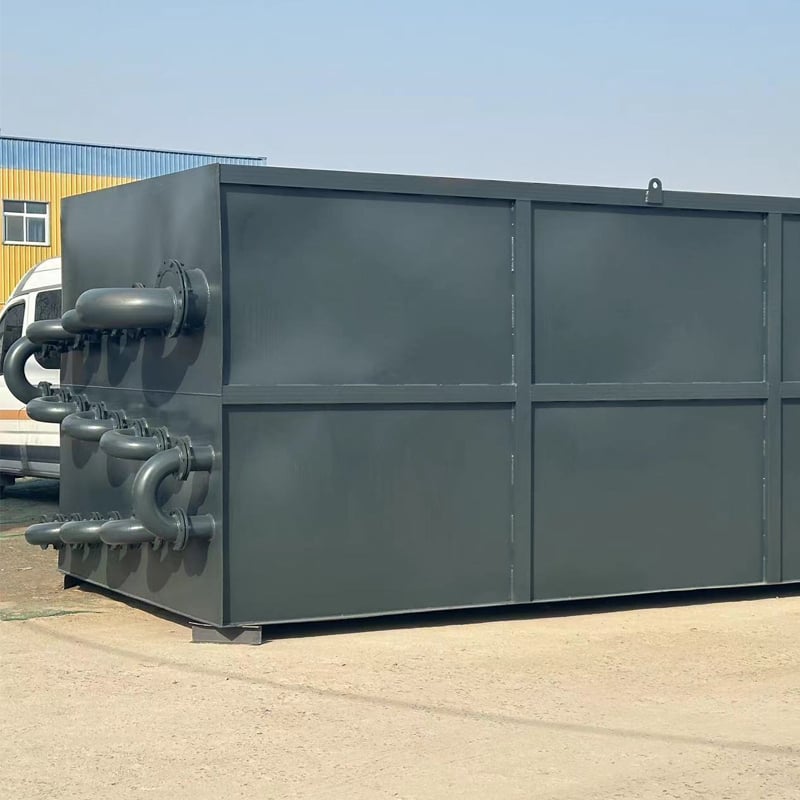
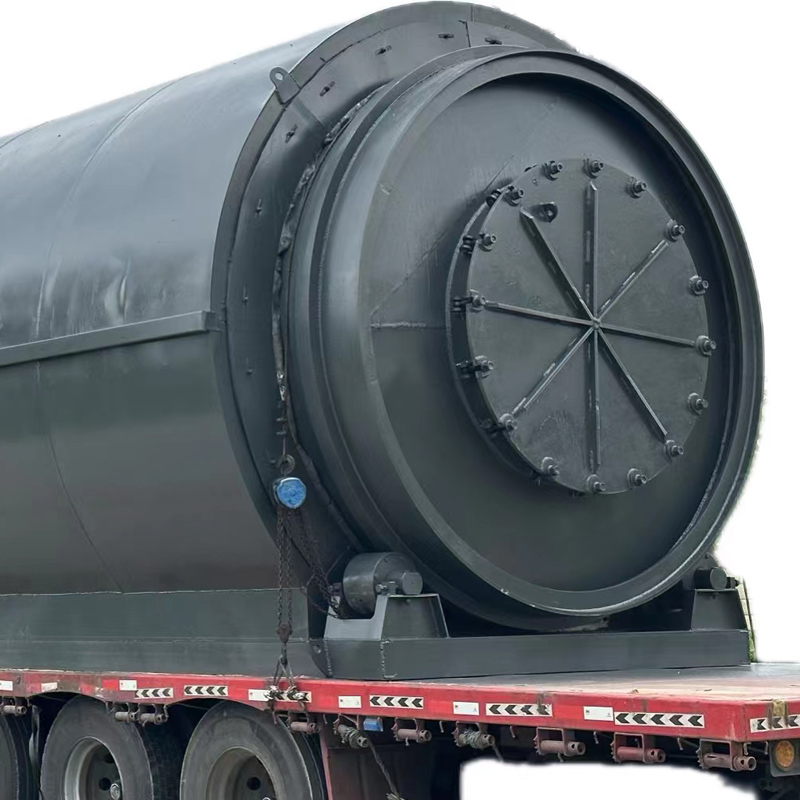
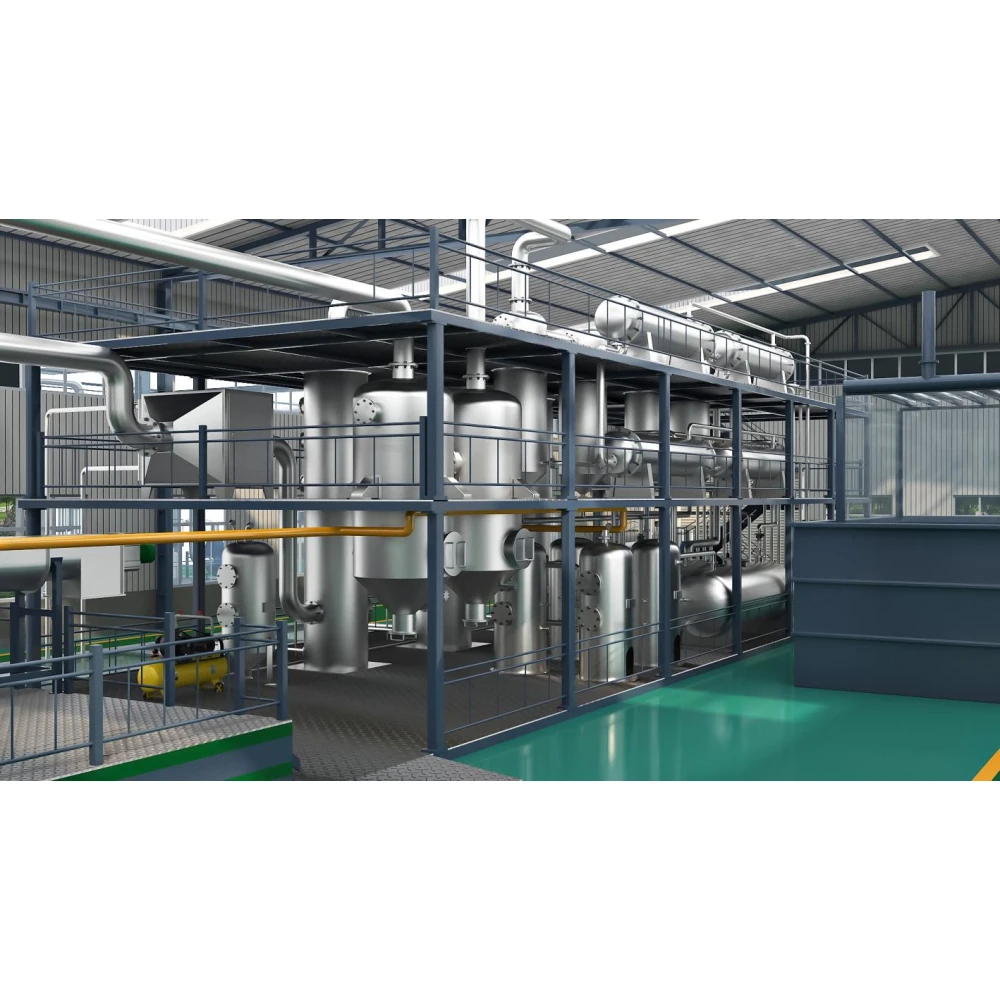
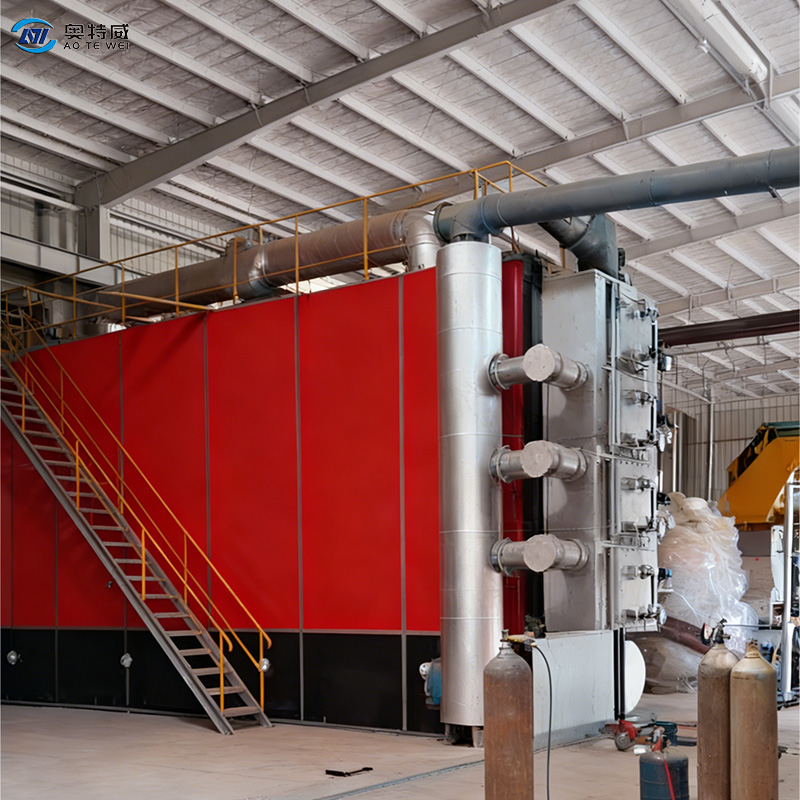
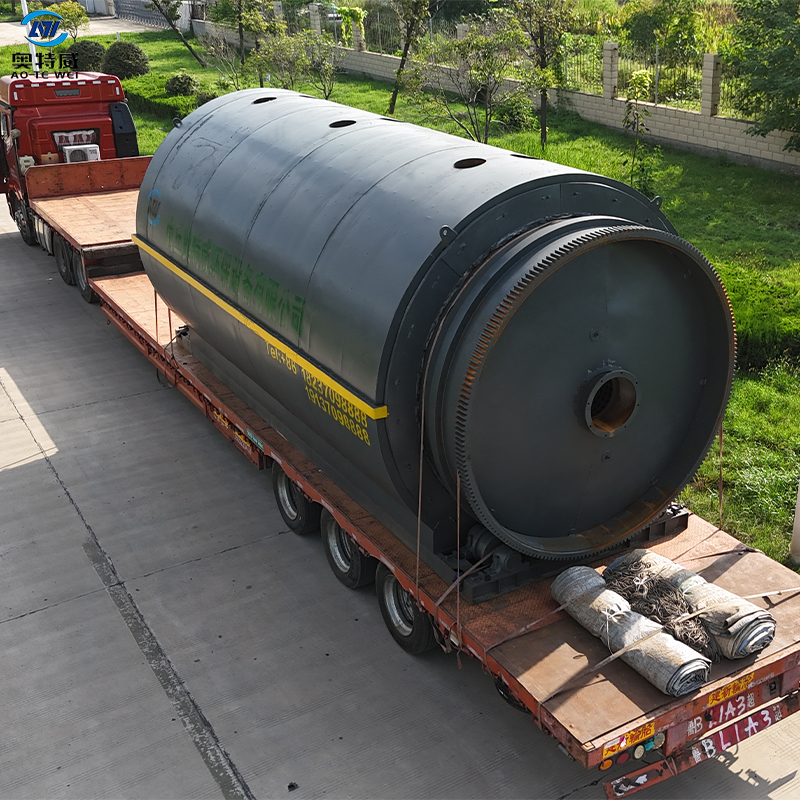
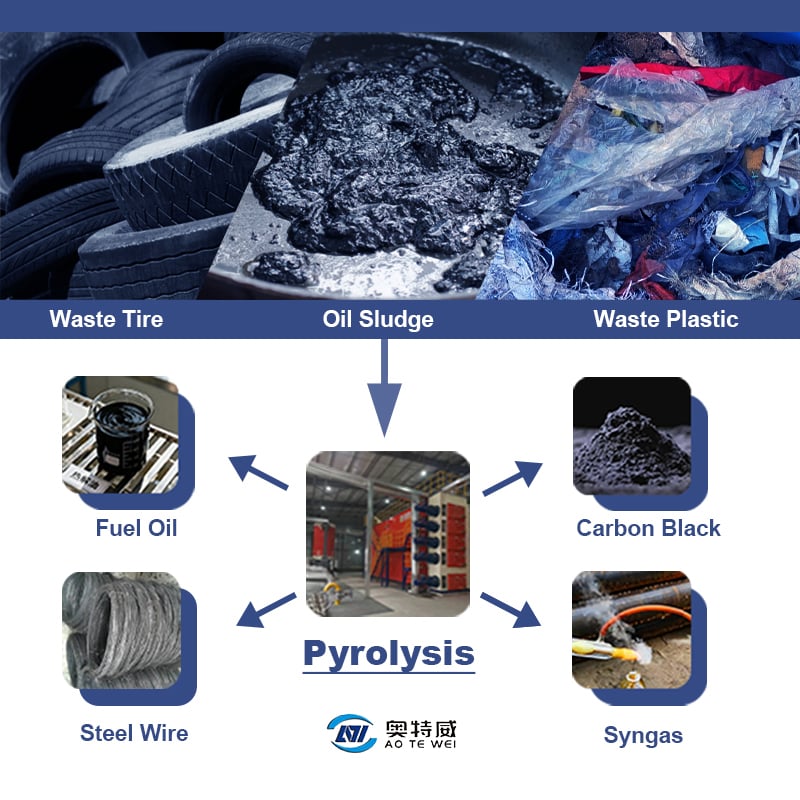
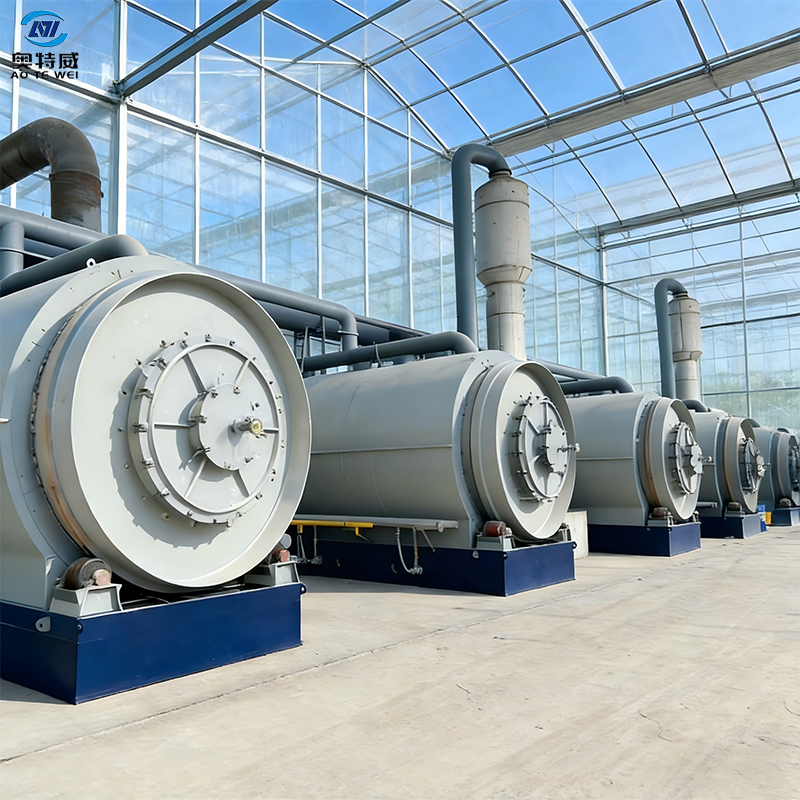
Medical waste pyrolysis equipment represents a breakthrough in the safe and efficient treatment of hazardous healthcare waste. As hospitals, clinics, laboratories, and pharmaceutical facilities generate increasing volumes of infectious and potentially dangerous materials, the need for reliable, environmentally responsible disposal solutions has never been greater. Medical waste pyrolysis equipment addresses this challenge by converting waste into manageable byproducts through a controlled thermal decomposition process conducted in the absence of oxygen. This technology ensures that pathogens, toxic compounds, and biohazardous materials are thoroughly neutralized, eliminating the risk of contamination and disease transmission. The core function of medical waste pyrolysis equipment is to thermally break down organic materials at high temperatures, typically ranging from 400 to 900 degrees Celsius, without combustion. This process produces three primary outputs: pyrolysis gas, bio-oil, and solid char. These byproducts can be further processed or utilized as energy sources, making the system not only a waste treatment solution but also a resource recovery platform. The equipment is engineered with advanced sealing systems, automated feeding mechanisms, and real-time temperature monitoring to ensure consistent performance and operator safety. From a technological standpoint, medical waste pyrolysis equipment incorporates multi-stage gas purification systems that capture and neutralize harmful emissions before they are released into the atmosphere. Dioxins, furans, and other toxic gases are treated through catalytic converters and scrubbing towers, ensuring compliance with international environmental standards. The modular design of modern medical waste pyrolysis equipment allows facilities to scale operations according to their specific waste volumes, offering flexibility for small clinics and large hospital networks alike. Applications span across hospitals, veterinary clinics, research institutions, pharmaceutical manufacturers, and municipal healthcare waste management programs. The equipment is particularly valuable in regions where landfill space is limited or where strict environmental regulations prohibit open burning or untreated disposal. By investing in medical waste pyrolysis equipment, organizations demonstrate a commitment to public health, environmental stewardship, and regulatory compliance, positioning themselves as responsible members of the healthcare community.

Popular Products

Medical waste pyrolysis equipment gives healthcare facilities a practical, proven way to handle dangerous waste without putting people or the planet at risk. Here is a straightforward look at why this technology delivers real value to the organizations that use it. First, it destroys pathogens completely. Medical waste often contains bacteria, viruses, and other infectious agents that can cause serious illness if they reach the environment. Medical waste pyrolysis equipment heats waste to temperatures that no pathogen can survive, so the output is safe to handle and dispose of without special precautions. This protects workers, communities, and ecosystems from exposure to infectious materials. Second, it cuts disposal costs over time. Outsourcing medical waste removal to third-party contractors is expensive, and those costs rise every year. When a facility operates its own medical waste pyrolysis equipment, it takes control of that expense. The upfront investment pays back through reduced hauling fees, lower liability insurance premiums, and the ability to recover energy from the pyrolysis gas and oil produced during treatment. Many facilities report significant savings within the first few years of operation. Third, it meets strict environmental regulations without extra effort. Governments around the world are tightening the rules on medical waste disposal, and penalties for non-compliance are steep. Medical waste pyrolysis equipment is built to meet or exceed current emission standards, with integrated gas cleaning systems that remove harmful compounds before anything leaves the stack. Facilities that use this equipment spend less time worrying about inspections and more time focused on patient care. Fourth, it reduces waste volume dramatically. Pyrolysis shrinks the physical mass of medical waste by up to 90 percent, which means far less material needs to be transported or stored. Smaller waste volumes lower transportation costs, reduce the risk of spills or accidents during handling, and free up valuable on-site storage space. Fifth, it supports sustainability goals. Healthcare organizations are under growing pressure from regulators, patients, and the public to operate in environmentally responsible ways. Medical waste pyrolysis equipment converts waste into usable energy byproducts, reducing reliance on fossil fuels and lowering the overall carbon footprint of waste management operations. This makes it easier for facilities to report genuine progress on sustainability targets. Sixth, it is reliable and easy to operate. Modern medical waste pyrolysis equipment is designed for continuous or batch operation with minimal manual intervention. Automated controls, remote monitoring capabilities, and straightforward maintenance schedules mean that staff can run the system efficiently without specialized engineering knowledge. Downtime is minimized, and the equipment is built to handle the full range of medical waste types, from sharps and plastics to organic tissue and pharmaceutical packaging. Seventh, it protects staff and the surrounding community. By treating waste on-site or in a controlled facility, medical waste pyrolysis equipment eliminates the risks associated with transporting infectious materials through populated areas. Workers who handle the treated output face far lower health risks than those dealing with untreated medical waste, and neighboring communities benefit from cleaner air and reduced contamination risk.

Latest News

Company Updates Factory Audit Video | On-site Shooting of Aotewei Environmental Protection Equipment, Transparently Showing Manufacturing Strength

08

Apr

Company Updates Factory Audit Video | On-site Shooting of Aotewei Environmental Protection Equipment, Transparently Showing Manufacturing Strength

To further improve supply chain transparency and optimize the factory audit experience for domestic and overseas customers, Shangqiu Aotewei Environmental Protection Equipment Co., Ltd. has recently completed a comprehensive update of its factory aud...
View More

Get a Free Quote

Our representative will contact you soon.
Email
WhatsApp / Mobile
Name
Company Name
Message
0/1000

medical waste pyrolysis equipment

Complete Pathogen Elimination Through High-Temperature Thermal Processing

Complete Pathogen Elimination Through High-Temperature Thermal Processing

One of the most critical requirements in medical waste management is the absolute destruction of infectious agents. Medical waste pyrolysis equipment achieves this through sustained high-temperature thermal processing that leaves no viable pathogens in the treated output. Unlike shredding, autoclaving, or chemical treatment methods that may only reduce pathogen loads, pyrolysis subjects waste to temperatures between 400 and 900 degrees Celsius in an oxygen-free environment. At these temperatures, the molecular structures of bacteria, viruses, prions, and other biological hazards are completely broken down. There is no possibility of reactivation or mutation because the organic compounds that make up these agents are fully decomposed into simpler, inert molecules. This level of sterilization is particularly important for waste streams that include sharps contaminated with bloodborne pathogens, cultures and stocks from laboratory settings, pathological waste from surgical procedures, and pharmaceutical waste that may contain antibiotic-resistant organisms. Healthcare facilities that process this type of waste face serious legal and ethical obligations to ensure it is rendered harmless before final disposal. Medical waste pyrolysis equipment fulfills those obligations with a level of certainty that no other technology can match at comparable scale. The value this brings to potential customers goes beyond regulatory compliance. It provides peace of mind. Facility managers, infection control officers, and environmental health and safety teams can document and verify treatment outcomes through temperature logs, process records, and third-party testing of treated residues. This documentation is invaluable during regulatory audits, insurance reviews, and public health inspections. It also protects the organization from liability in the event of a disease outbreak or environmental contamination incident. Furthermore, the on-site nature of medical waste pyrolysis equipment means that infectious materials never leave the facility in an untreated state. This eliminates the chain of custody risks associated with third-party waste haulers, where accidents, spills, or improper handling can expose the originating facility to significant legal and reputational damage. For hospitals, research institutions, and pharmaceutical manufacturers handling high-risk biological materials, this level of control is not just a convenience but a fundamental operational requirement. Investing in medical waste pyrolysis equipment is therefore an investment in the safety of every person who works in or lives near the facility.
Energy Recovery and Resource Efficiency That Offset Operational Costs

Energy Recovery and Resource Efficiency That Offset Operational Costs

Medical waste pyrolysis equipment does not simply destroy waste. It transforms waste into valuable resources that can be fed back into facility operations, creating a circular economy model that reduces both costs and environmental impact. During the pyrolysis process, organic materials in the waste stream are thermally decomposed into three recoverable outputs: pyrolysis gas, bio-oil, and solid char. Each of these byproducts has practical applications that translate directly into financial savings for the operating facility. Pyrolysis gas, which is generated continuously during operation, can be captured and used as fuel to sustain the pyrolysis process itself, significantly reducing the external energy input required to run the equipment. In larger installations, surplus gas can be directed to generators that produce electricity for use elsewhere in the facility. Bio-oil produced by medical waste pyrolysis equipment can be refined and used as a substitute for conventional fuel oil in heating systems or industrial burners. The solid char residue, once tested and confirmed to be free of hazardous compounds, can be used as a construction material additive or safely landfilled at a fraction of the cost of untreated medical waste disposal. The financial implications of this resource recovery capability are substantial. A mid-sized hospital generating several tons of medical waste per day can offset a meaningful portion of its energy costs by capturing and utilizing the byproducts of pyrolysis. Over a five to ten year equipment lifecycle, these savings can amount to hundreds of thousands of dollars, making the return on investment for medical waste pyrolysis equipment highly attractive compared to ongoing third-party disposal contracts. Beyond the direct financial benefits, the resource recovery aspect of medical waste pyrolysis equipment supports the broader sustainability commitments that healthcare organizations are increasingly expected to demonstrate. Reducing waste sent to landfill, lowering energy consumption from external sources, and minimizing the carbon footprint of waste management operations are all outcomes that resonate with patients, regulators, investors, and the communities that healthcare facilities serve. For organizations that publish sustainability reports or participate in green certification programs, the measurable environmental benefits of medical waste pyrolysis equipment provide concrete data points that strengthen their environmental credentials and differentiate them from competitors who rely on less responsible disposal methods.
Regulatory Compliance and Emission Control Built Into Every System

Regulatory Compliance and Emission Control Built Into Every System

Operating in the healthcare sector means navigating a complex and constantly evolving landscape of environmental and public health regulations. Medical waste pyrolysis equipment is engineered from the ground up to help facilities meet these requirements without the need for costly retrofits or ongoing compliance consulting. The emission control systems integrated into modern medical waste pyrolysis equipment represent some of the most advanced pollution prevention technology available in the waste treatment industry. When organic materials are thermally decomposed, the gases produced can include dioxins, furans, hydrogen chloride, sulfur dioxide, nitrogen oxides, and particulate matter. Left untreated, these emissions pose serious risks to air quality and human health. Medical waste pyrolysis equipment addresses this through a multi-stage gas treatment train that typically includes a secondary combustion chamber to ensure complete burnout of organic compounds, a quench tower to rapidly cool gases and prevent dioxin reformation, an activated carbon injection system to adsorb trace organic pollutants, a fabric filter or electrostatic precipitator to capture particulate matter, and a wet scrubber to neutralize acid gases. This comprehensive approach ensures that emissions from medical waste pyrolysis equipment consistently meet or exceed the standards set by regulatory bodies in the United States, European Union, and other major jurisdictions. For facility operators, this means that running the equipment does not require constant monitoring for compliance breaches or expensive stack testing to satisfy regulators. The system is designed to perform within permitted limits as a matter of standard operation. The compliance benefits extend beyond air emissions. Medical waste pyrolysis equipment also addresses the regulatory requirements around waste tracking, treatment verification, and residue disposal. Automated data logging systems record process parameters for every treatment cycle, creating an auditable trail that satisfies the documentation requirements of environmental agencies and healthcare regulators. This built-in compliance infrastructure reduces the administrative burden on facility staff and provides a defensible record in the event of regulatory scrutiny. For healthcare organizations operating in multiple jurisdictions or planning to expand into new markets, the adaptability of medical waste pyrolysis equipment to different regulatory frameworks is a significant advantage that simplifies compliance management across the entire organization.

Get a Free Quote

Our representative will contact you soon.
Email
WhatsApp / Mobile
Name
Company Name
Message
0/1000
Newsletter
Please Leave A Message With Us