PP Plastic Recycling Solutions: Sustainable Polypropylene Processing & Applications

Get a Free Quote

Our representative will contact you soon.
Email
WhatsApp / Mobile
Name
Company Name
Message
0/1000

pp plastic recycling

PP plastic recycling represents a critical solution in modern waste management and environmental protection efforts. Polypropylene, commonly known as PP plastic, is one of the most widely used thermoplastic polymers globally, found in everything from food containers and automotive parts to textiles and medical devices. The pp plastic recycling process involves collecting, sorting, cleaning, and reprocessing discarded polypropylene materials to create new products, reducing the need for virgin plastic production. This circular approach to material management addresses growing environmental concerns while providing economic benefits to businesses and communities. The technological framework of pp plastic recycling encompasses several sophisticated stages. Initially, collection systems gather PP waste from residential, commercial, and industrial sources. Advanced sorting technologies, including near-infrared spectroscopy and optical sensors, identify and separate PP materials from other plastic types based on their unique molecular signatures. Following separation, the materials undergo thorough cleaning processes to remove contaminants, labels, and residues. The cleaned PP plastics are then shredded into flakes or pellets, melted, and extruded into recycled polypropylene granules. These granules serve as raw materials for manufacturing new products with properties comparable to virgin materials. The applications of pp plastic recycling span numerous industries. Automotive manufacturers incorporate recycled PP into interior components, battery cases, and underbody panels. The packaging industry utilizes recycled polypropylene for non-food containers, storage bins, and industrial packaging solutions. Construction sectors benefit from recycled PP in pipes, fittings, and building materials. Textile manufacturers transform recycled PP into fibers for carpets, upholstery, and outdoor fabrics. The versatility of recycled polypropylene enables its integration into diverse product lines while maintaining quality standards. As environmental regulations tighten and consumer awareness grows, pp plastic recycling continues evolving with improved technologies and expanded processing capabilities, making it an indispensable component of sustainable manufacturing and waste reduction strategies worldwide.

New Product Recommendations

Choosing pp plastic recycling delivers substantial environmental and economic advantages that benefit businesses, communities, and the planet. From a cost perspective, recycling polypropylene significantly reduces material expenses compared to purchasing virgin plastics. Manufacturing processes using recycled PP consume considerably less energy, with studies showing energy savings of up to 88 percent compared to producing new plastic from petroleum. This energy efficiency translates directly into lower production costs and reduced carbon footprints for companies committed to sustainable practices. Businesses implementing pp plastic recycling programs often discover new revenue streams by selling collected materials to recycling facilities or by reducing waste disposal fees that burden operational budgets. The environmental benefits prove equally compelling. Each ton of PP plastic recycled prevents approximately 1.5 tons of carbon dioxide emissions from entering the atmosphere. By diverting polypropylene waste from landfills and incinerators, recycling preserves valuable landfill space and prevents harmful pollutants from contaminating soil and groundwater. Ocean pollution, a growing global crisis, sees meaningful reduction when PP plastic recycling rates increase, as less plastic waste enters waterways and marine ecosystems. The conservation of petroleum resources stands as another critical advantage, since producing virgin PP requires substantial crude oil extraction. Recycling existing materials decreases dependence on fossil fuels and supports energy independence initiatives. Companies embracing pp plastic recycling strengthen their brand reputation and appeal to environmentally conscious consumers who increasingly base purchasing decisions on corporate sustainability practices. Market research consistently shows that businesses demonstrating genuine environmental commitment enjoy enhanced customer loyalty and competitive advantages. Regulatory compliance becomes simpler as governments worldwide implement stricter plastic waste regulations and extended producer responsibility laws. Organizations with established recycling programs position themselves ahead of regulatory curves, avoiding potential penalties and adapting smoothly to evolving environmental standards. The quality of recycled PP continues improving through technological advancements, enabling manufacturers to produce items meeting rigorous performance specifications. Modern recycling processes yield materials suitable for demanding applications previously reserved for virgin plastics. Supply chain resilience improves when companies incorporate pp plastic recycling, as recycled materials provide alternatives during petroleum price volatility or supply disruptions. Local recycling infrastructure creates employment opportunities in collection, sorting, processing, and manufacturing sectors, contributing to community economic development. The versatility of recycled polypropylene allows businesses to maintain product quality while demonstrating environmental stewardship, creating win-win scenarios where profitability aligns with sustainability goals.

Practical Tips

Company Updates Factory Audit Video | On-site Shooting of Aotewei Environmental Protection Equipment, Transparently Showing Manufacturing Strength

08

Apr

Company Updates Factory Audit Video | On-site Shooting of Aotewei Environmental Protection Equipment, Transparently Showing Manufacturing Strength

To further improve supply chain transparency and optimize the factory audit experience for domestic and overseas customers, Shangqiu Aotewei Environmental Protection Equipment Co., Ltd. has recently completed a comprehensive update of its factory aud...
View More

Get a Free Quote

Our representative will contact you soon.
Email
WhatsApp / Mobile
Name
Company Name
Message
0/1000

pp plastic recycling

Advanced Processing Technology Ensures Superior Quality Output

Advanced Processing Technology Ensures Superior Quality Output

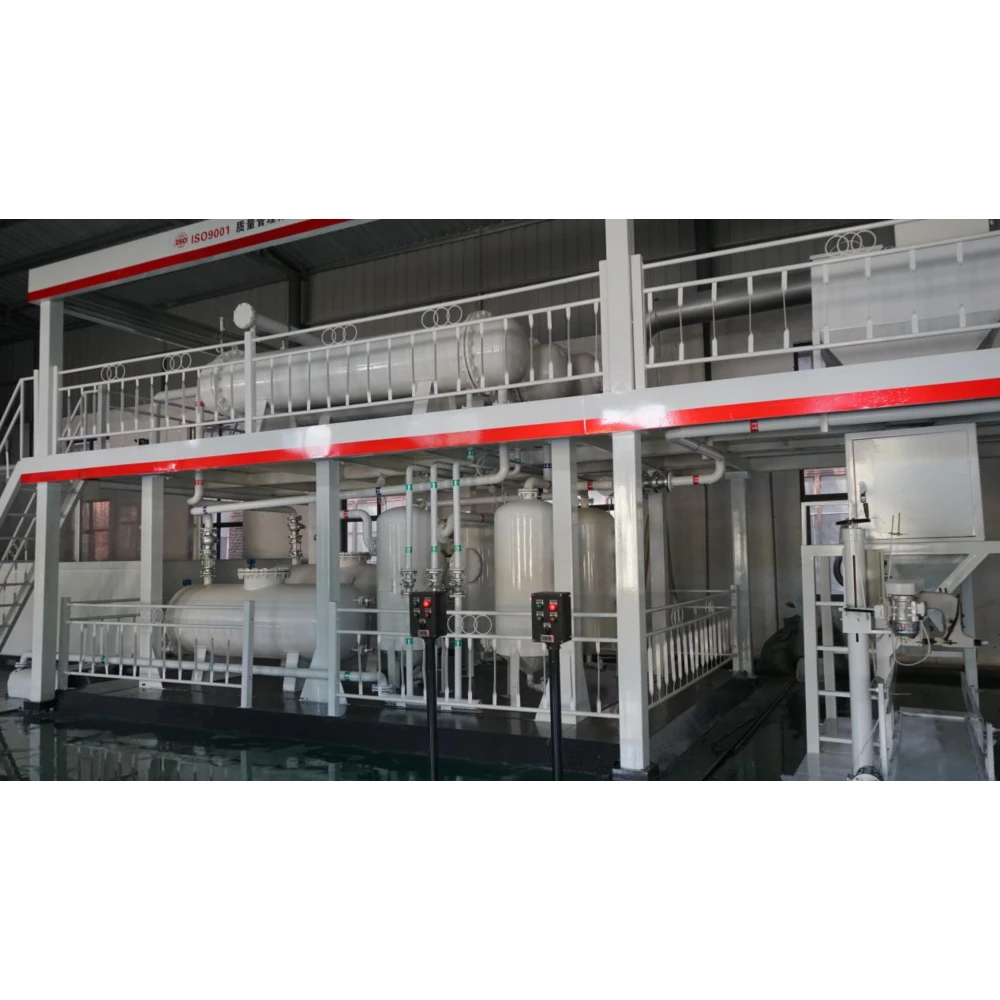
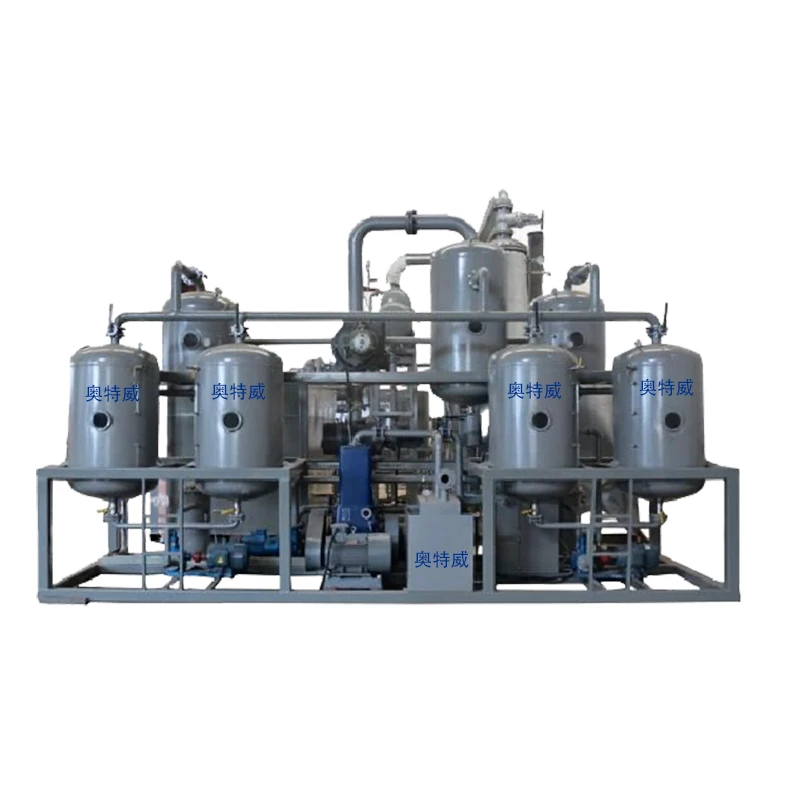
The technological sophistication behind modern pp plastic recycling sets it apart from conventional waste processing methods, delivering consistently high-quality materials suitable for demanding manufacturing applications. State-of-the-art recycling facilities employ multi-stage processing systems that transform discarded polypropylene into premium-grade raw materials. The journey begins with intelligent sorting mechanisms utilizing artificial intelligence and machine learning algorithms to identify PP plastics with remarkable accuracy, distinguishing them from polyethylene, polystyrene, and other polymer types that might compromise batch purity. These automated systems achieve sorting precision exceeding 98 percent, ensuring that only genuine polypropylene enters subsequent processing stages. Once sorted, the materials undergo intensive washing procedures involving hot water baths, friction washers, and chemical treatment stations that eliminate contaminants ranging from food residues to adhesive labels. This thorough cleaning process proves essential for producing recycled materials suitable for applications requiring strict hygiene standards. Following purification, industrial shredders reduce the cleaned PP plastic into uniform flakes measuring between 8 and 12 millimeters, creating optimal particle sizes for efficient melting and extrusion. The innovation continues with advanced extrusion technology that melts the PP flakes at precisely controlled temperatures, typically between 220 and 250 degrees Celsius, preventing thermal degradation while ensuring complete homogenization. Filtration systems within the extruders remove any remaining microscopic impurities, guaranteeing material purity. The molten polypropylene then passes through underwater pelletizing systems that create uniform granules with consistent size distribution, critical for automated manufacturing processes. Quality control laboratories test samples from each batch, measuring melt flow index, tensile strength, impact resistance, and color consistency to verify specifications match customer requirements. Some facilities incorporate additive systems that introduce stabilizers, colorants, or property-enhancing compounds during extrusion, allowing customization of recycled PP characteristics for specific applications. The result of this comprehensive technological approach is recycled polypropylene that performs comparably to virgin materials in most applications while offering cost advantages and environmental benefits. Manufacturers can confidently specify recycled PP for products ranging from automotive components to consumer goods, knowing that advanced processing technology has delivered materials meeting their performance criteria and quality standards.
Circular Economy Model Creates Sustainable Resource Loops

Circular Economy Model Creates Sustainable Resource Loops

The pp plastic recycling framework exemplifies circular economy principles by transforming waste materials into valuable resources, creating closed-loop systems that minimize environmental impact while maximizing economic value. Unlike the traditional linear economy model of take-make-dispose, pp plastic recycling establishes perpetual material cycles where polypropylene products never become waste but instead serve as feedstock for new manufacturing. This paradigm shift fundamentally changes how businesses and consumers view plastic materials, recognizing their ongoing value rather than treating them as disposable items. The circular approach begins with conscious product design, where manufacturers create PP items with end-of-life recycling in mind, avoiding complex multi-material constructions or chemical additives that complicate recycling processes. When consumers finish using these products, collection systems channel them back into recycling streams rather than landfills. Processing facilities then regenerate the materials, and manufacturers incorporate recycled PP into new products, completing the cycle. This continuous loop conserves natural resources by reducing the need for petroleum extraction and refining, operations that generate significant greenhouse gas emissions and environmental disruption. Every kilogram of recycled polypropylene substituting for virgin plastic prevents approximately 1.9 kilograms of crude oil consumption, a substantial resource conservation achievement when scaled across industries. The economic implications prove equally significant, as circular systems create value at multiple points: collection operations generate employment and income for waste management workers, processing facilities add value through material transformation, and manufacturers benefit from cost-effective raw materials. Communities implementing comprehensive pp plastic recycling programs witness economic development through local recycling infrastructure investments, creating jobs that cannot be outsourced and strengthening regional economies. The environmental resilience built through circular systems becomes increasingly important as climate change and resource scarcity intensify. Businesses participating in pp plastic recycling demonstrate adaptability and forward-thinking management, positioning themselves favorably for future market conditions where resource efficiency and sustainability will likely determine competitive success. Corporate sustainability reports increasingly highlight circular economy participation as key performance indicators, reflecting investor and stakeholder interest in long-term environmental responsibility. The social dimensions of circular pp plastic recycling extend beyond economics and environment, fostering community engagement and environmental awareness that strengthen civic bonds and collective action toward sustainability goals.
Versatile Applications Across Multiple Industry Sectors

Versatile Applications Across Multiple Industry Sectors

The remarkable versatility of recycled polypropylene enables its integration across numerous industry sectors, demonstrating that pp plastic recycling delivers practical solutions for diverse manufacturing needs without compromising performance or quality. In the automotive industry, recycled PP has become a preferred material for numerous components, with major manufacturers incorporating it into bumpers, interior trim panels, door linings, dashboard components, battery cases, and underbody shields. The automotive sector particularly values recycled polypropylene for its excellent impact resistance, lightweight properties that improve fuel efficiency, and cost advantages that reduce vehicle production expenses. Vehicle manufacturers report that recycled PP components perform identically to those made from virgin materials while contributing to corporate sustainability targets and meeting increasingly stringent environmental regulations governing vehicle production. The packaging industry represents another major consumer of recycled polypropylene, utilizing it for storage containers, industrial packaging, garden furniture, and non-food contact applications where recycled materials provide ideal solutions. Manufacturers create durable storage bins, organizing systems, and transport containers from recycled PP, products that capitalize on the material's strength, chemical resistance, and moisture impermeability. The construction sector increasingly specifies recycled polypropylene for pipes, drainage systems, geotextiles, and composite building materials, applications where durability and weather resistance prove essential. Recycled PP pipes offer corrosion resistance superior to metal alternatives while costing less than virgin plastic options, making them economically attractive for infrastructure projects. Textile manufacturers transform recycled PP into fibers suitable for carpets, rugs, outdoor fabrics, and geotextiles, creating products with excellent stain resistance and durability. These PP fibers demonstrate colorfastness and wear resistance comparable to virgin materials while appealing to environmentally conscious consumers. The consumer goods sector incorporates recycled polypropylene into household items, garden equipment, outdoor furniture, and recreational products, capitalizing on its weather resistance and easy maintenance characteristics. Manufacturers produce everything from flower pots to children's toys using recycled PP, demonstrating the material's safety and versatility. Industrial applications include pallets, crates, material handling equipment, and warehouse storage systems made from recycled polypropylene, products that withstand heavy use while reducing procurement costs. The breadth of applications continues expanding as processing technologies improve and manufacturers gain confidence in recycled PP performance, creating growing markets that support pp plastic recycling infrastructure development and encourage increased collection and processing capacity investments worldwide.

Get a Free Quote

Our representative will contact you soon.
Email
WhatsApp / Mobile
Name
Company Name
Message
0/1000
Newsletter
Please Leave A Message With Us