HDPE Recycling to Oil Technology: Convert Plastic Waste Into Valuable Fuel Products

Get a Free Quote

Our representative will contact you soon.
Email
WhatsApp / Mobile
Name
Company Name
Message
0/1000

hdpe recycling to oil

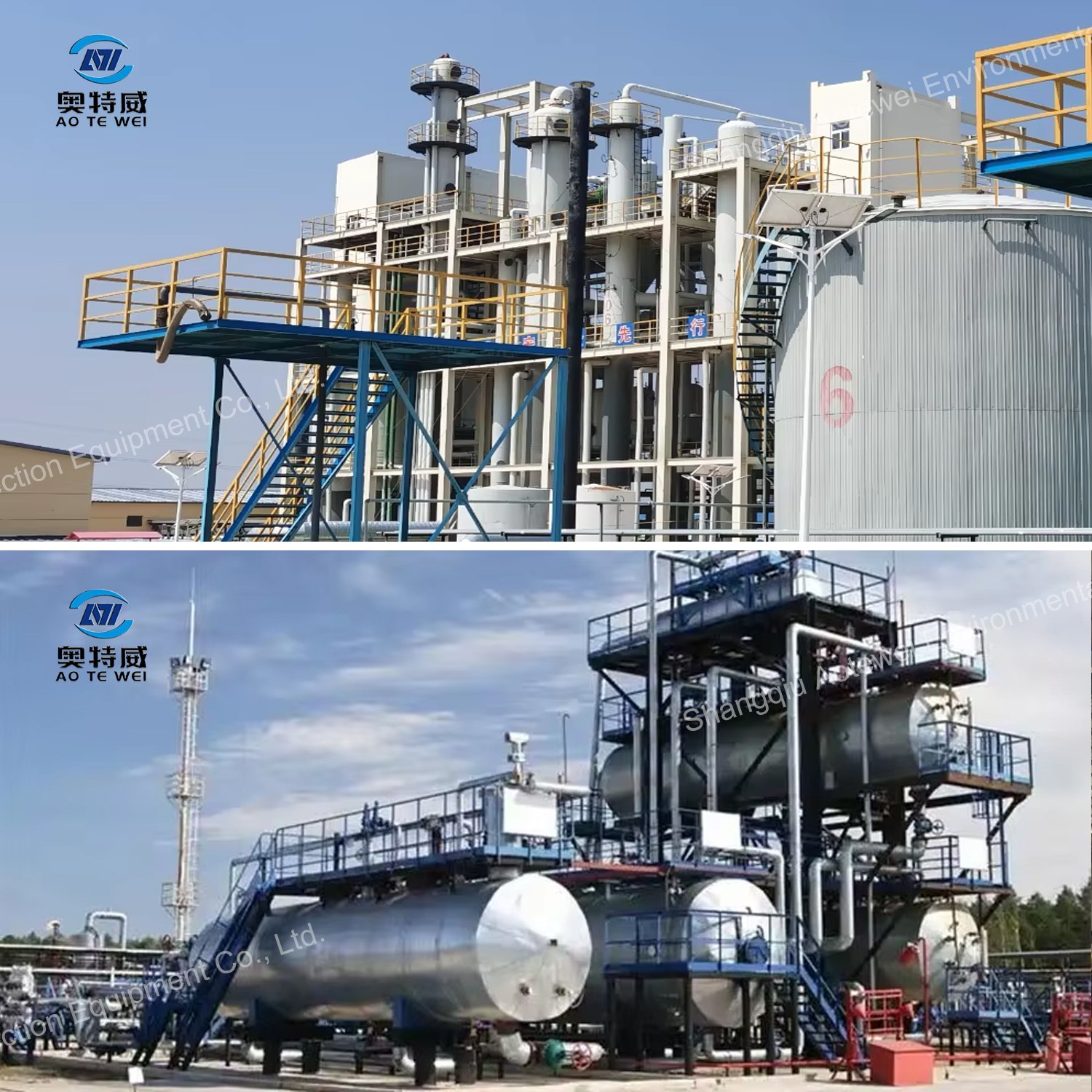
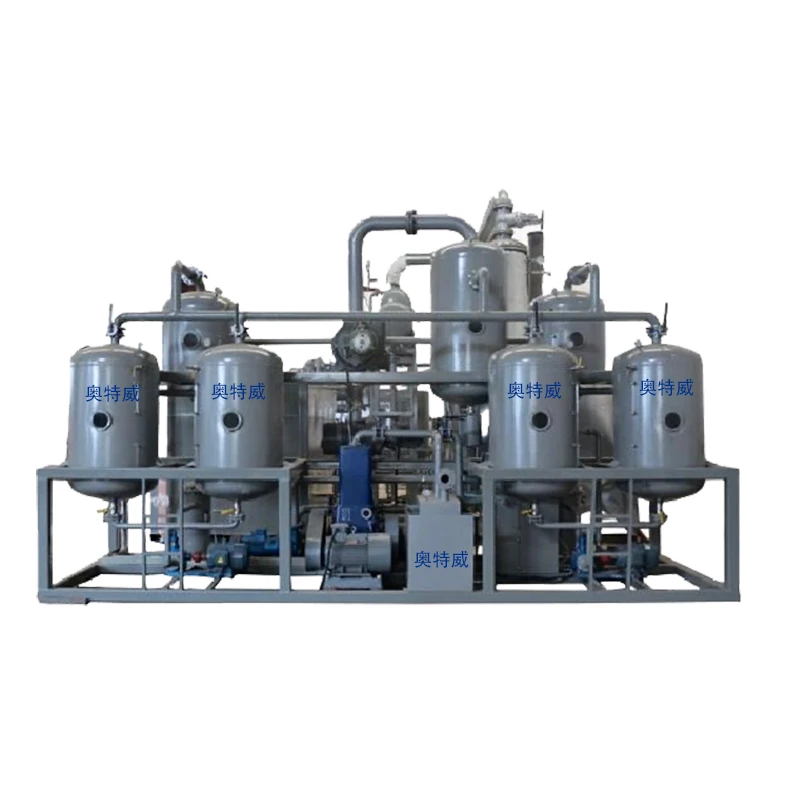
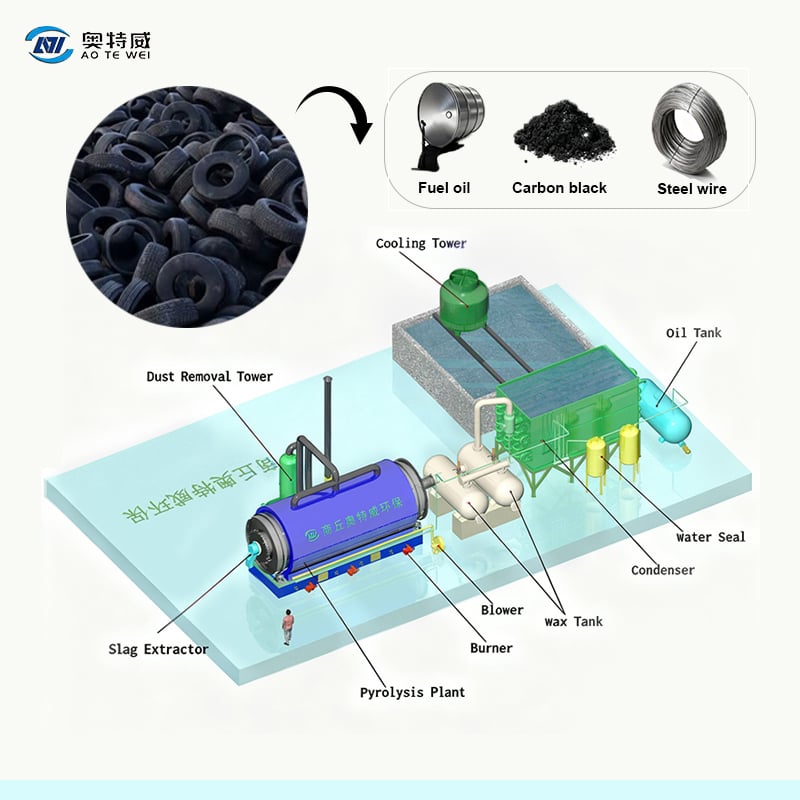
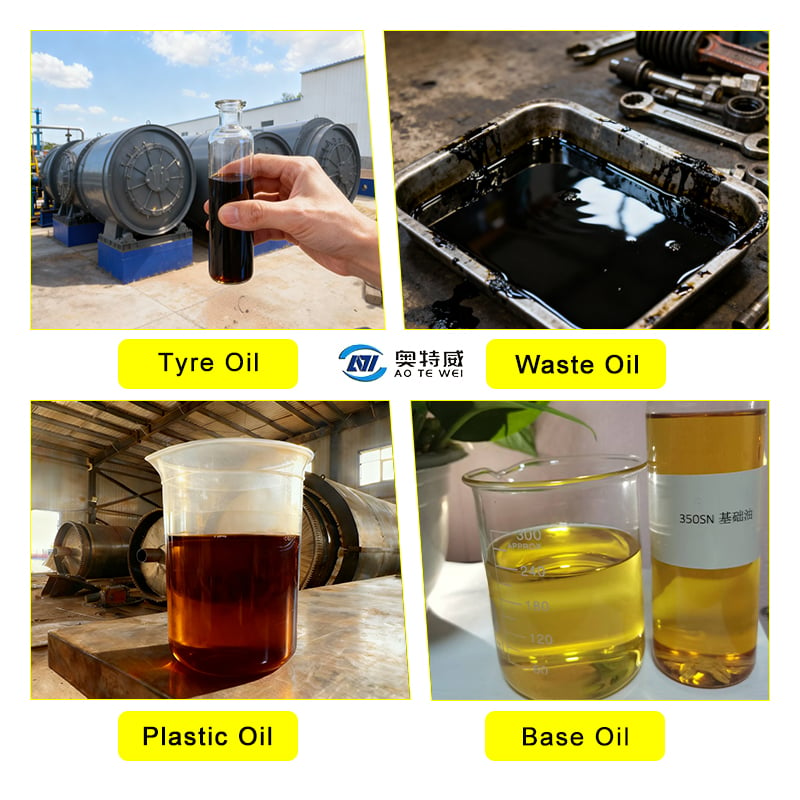
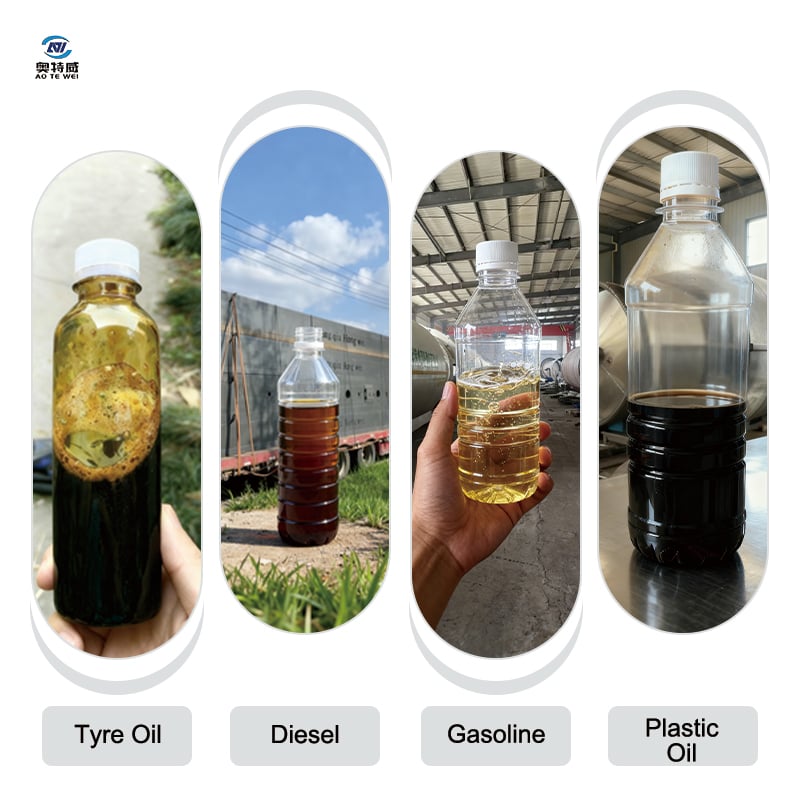
HDPE recycling to oil represents a groundbreaking approach to addressing plastic waste challenges while generating valuable energy resources. High-Density Polyethylene, commonly known as HDPE, constitutes a significant portion of plastic waste found in landfills and oceans worldwide. This innovative recycling technology transforms discarded HDPE materials into usable fuel oil through advanced thermal and catalytic processes. The main function of HDPE recycling to oil systems is to break down long polymer chains present in plastic waste into shorter hydrocarbon molecules that closely resemble conventional petroleum products. This conversion process typically operates through pyrolysis or thermal depolymerization, where plastic materials are heated in oxygen-free environments at controlled temperatures ranging from 300 to 500 degrees Celsius. The technological features of HDPE recycling to oil facilities include automated feeding systems, advanced reactor chambers with precise temperature controls, efficient condensation units, and comprehensive filtration mechanisms. These systems can process various forms of HDPE waste, including bottles, containers, pipes, and packaging materials that would otherwise persist in the environment for centuries. The applications of this technology extend across multiple sectors, providing sustainable fuel alternatives for industrial operations, power generation, and heating purposes. The resulting oil products can be further refined into diesel, gasoline, or other petroleum derivatives, creating a circular economy model that reduces dependence on virgin fossil fuel extraction. Modern HDPE recycling to oil plants incorporate sophisticated emission control systems to minimize environmental impact during processing. The technology addresses two critical global challenges simultaneously: reducing plastic pollution and creating alternative energy sources. As municipalities and industries seek sustainable waste management solutions, this recycling method offers a practical pathway to convert environmental liabilities into valuable assets while supporting carbon footprint reduction goals and promoting resource conservation strategies.

New Products

The advantages of HDPE recycling to oil technology deliver compelling practical benefits that transform waste management economics and environmental sustainability. First and foremost, this solution dramatically reduces the volume of plastic waste destined for landfills and incinerators. By converting HDPE materials into valuable fuel products, businesses and communities can decrease their waste disposal costs while generating revenue from materials previously considered worthless. The economic benefit becomes particularly significant when considering that processing one ton of HDPE can yield approximately 600 to 800 liters of fuel oil, creating a profitable return on investment for facilities implementing this technology. Environmental advantages extend beyond simple waste reduction. HDPE recycling to oil operations prevent harmful plastics from contaminating oceans, rivers, and natural habitats where they would otherwise fragment into microplastics and persist for hundreds of years. This recycling method actively contributes to cleaner ecosystems and healthier communities by removing pollution sources before they cause widespread damage. Energy independence represents another crucial advantage for organizations adopting this technology. Businesses can produce their own fuel supplies from collected plastic waste, reducing vulnerability to fluctuating oil prices and supply chain disruptions. This self-sufficiency proves especially valuable for industrial operations with high energy demands and access to consistent plastic waste streams. The operational flexibility of HDPE recycling to oil systems allows facilities to scale production according to available feedstock and market demand. Unlike traditional recycling methods that require sorted, clean materials, these systems can often process mixed or contaminated plastics, simplifying collection logistics and reducing preprocessing requirements. Installation and maintenance costs continue to decrease as technology advances, making entry into this field increasingly accessible for medium-sized enterprises and municipal waste management operations. The fuel products generated through HDPE recycling to oil processes meet quality standards suitable for various applications, from powering generators to fueling industrial boilers and vehicles. This versatility ensures consistent market demand for output products. Carbon footprint reduction achieved through this recycling method significantly outperforms both landfill disposal and traditional incineration. By displacing virgin petroleum extraction and refining, each ton of recycled HDPE prevents substantial greenhouse gas emissions. Communities implementing this technology demonstrate environmental leadership while creating local employment opportunities in green technology sectors. The closed-loop nature of HDPE recycling to oil supports circular economy principles, transforming linear waste streams into continuous resource cycles that benefit both economic prosperity and planetary health.

Practical Tips

Company Updates Factory Audit Video | On-site Shooting of Aotewei Environmental Protection Equipment, Transparently Showing Manufacturing Strength

08

Apr

Company Updates Factory Audit Video | On-site Shooting of Aotewei Environmental Protection Equipment, Transparently Showing Manufacturing Strength

To further improve supply chain transparency and optimize the factory audit experience for domestic and overseas customers, Shangqiu Aotewei Environmental Protection Equipment Co., Ltd. has recently completed a comprehensive update of its factory aud...
View More

Get a Free Quote

Our representative will contact you soon.
Email
WhatsApp / Mobile
Name
Company Name
Message
0/1000

hdpe recycling to oil

Advanced Thermal Conversion Technology That Maximizes Resource Recovery

Advanced Thermal Conversion Technology That Maximizes Resource Recovery

The core technological advantage of HDPE recycling to oil lies in its sophisticated thermal conversion process that achieves remarkable efficiency in transforming plastic polymers into usable fuel products. This advanced system employs carefully engineered pyrolysis reactors that create oxygen-free environments where HDPE materials decompose at precisely controlled temperatures. The importance of this controlled thermal environment cannot be overstated, as it prevents combustion while promoting molecular breakdown through thermal cracking. Inside the reactor chamber, long polymer chains that form the structure of HDPE plastics systematically break apart into shorter hydrocarbon molecules. This molecular transformation occurs through endothermic reactions that require external heat input initially but become increasingly self-sustaining as the process continues. The resulting hydrocarbon vapors then pass through fractional condensation systems that separate different molecular weight components, allowing operators to collect various fuel grades from a single feedstock. Modern HDPE recycling to oil facilities incorporate continuous feeding mechanisms that maintain steady processing rates without interruption, maximizing throughput and operational efficiency. Temperature monitoring systems positioned throughout the reactor provide real-time data that automated controls use to optimize conversion rates while minimizing energy consumption. The value this technology brings to potential customers manifests in multiple dimensions. Operators gain the ability to process large volumes of HDPE waste that would otherwise require expensive disposal fees, converting a cost center into a profit generator. The quality of oil produced through this thermal conversion process meets specifications for industrial fuel applications, creating immediate market value. Furthermore, the technology accommodates various HDPE forms and contamination levels, eliminating extensive preprocessing requirements that burden traditional mechanical recycling approaches. Customers benefit from relatively simple operational protocols that require minimal specialized training, reducing labor costs and operational complexity. The modular design of contemporary HDPE recycling to oil systems allows businesses to start with smaller capacity installations and expand as waste collection networks grow and market opportunities develop, providing scalability that matches business growth trajectories while managing capital investment risks effectively.
Comprehensive Environmental Impact Reduction With Measurable Benefits

Comprehensive Environmental Impact Reduction With Measurable Benefits

HDPE recycling to oil delivers profound environmental advantages that extend far beyond simple waste diversion, creating measurable positive impacts across multiple ecological dimensions that resonate with increasingly environmentally conscious consumers and regulatory frameworks. The primary environmental benefit stems from preventing HDPE plastics from entering natural ecosystems where they cause extensive damage to wildlife, contaminate water sources, and persist indefinitely as pollution. Every ton of HDPE processed through recycling to oil technology represents plastic materials removed from potential ocean pollution, landfill accumulation, or incomplete incineration that releases toxic compounds into the atmosphere. The importance of this pollution prevention grows as scientific research continues revealing the pervasive presence of microplastics in food chains, drinking water, and even human tissues. By intercepting plastic waste before environmental release, this recycling method protects biodiversity and public health simultaneously. The carbon footprint reduction achieved through HDPE recycling to oil substantially outperforms alternative disposal methods. Lifecycle analyses demonstrate that converting HDPE to fuel oil generates significantly fewer greenhouse gas emissions compared to manufacturing virgin petroleum products or incinerating plastic waste. This carbon advantage results from avoided methane emissions from landfills, eliminated emissions from virgin oil extraction and refining, and reduced transportation impacts from localized processing. Potential customers gain quantifiable sustainability metrics that support corporate environmental goals and satisfy stakeholder expectations for responsible waste management. Companies implementing this technology can document specific tonnage of plastic waste diverted from landfills, calculate equivalent petroleum displacement, and report greenhouse gas emission reductions in their sustainability reports. These concrete environmental achievements enhance brand reputation and demonstrate genuine commitment to circular economy principles beyond superficial greenwashing. Regulatory compliance represents another critical value dimension, as governments worldwide implement stricter plastic waste regulations and extended producer responsibility requirements. Organizations adopting HDPE recycling to oil position themselves ahead of regulatory curves, avoiding future compliance costs and potential penalties. The technology also addresses community concerns about waste facility emissions through integrated pollution control systems that capture and treat process gases before atmospheric release, maintaining air quality standards while processing plastic waste that might otherwise create environmental hazards through less controlled disposal methods.
Economic Viability and Revenue Generation Through Waste Valorization

Economic Viability and Revenue Generation Through Waste Valorization

The economic advantages of HDPE recycling to oil create compelling business cases that transform waste management from pure expense into revenue-generating operations with attractive return on investment profiles. This financial dimension proves particularly valuable for potential customers evaluating sustainability initiatives that must satisfy both environmental objectives and fiscal responsibility requirements. The fundamental economic benefit derives from converting waste materials with negative value into marketable fuel products with positive market value. Facilities implementing this technology eliminate tipping fees paid to landfills or waste management services while simultaneously creating saleable fuel oil inventory. This dual economic impact generates rapid payback periods on capital equipment investments, typically ranging from three to five years depending on feedstock availability, local disposal costs, and fuel market prices. The value proposition strengthens considerably when considering the consistent demand for industrial fuel products across manufacturing, agriculture, transportation, and energy generation sectors. Unlike some recycled materials that face limited or volatile markets, fuel oil maintains stable demand and established pricing mechanisms tied to petroleum markets. Customers benefit from predictable revenue streams that support business planning and financial forecasting. Operational economics favor HDPE recycling to oil through relatively low variable costs once facilities achieve operational status. The primary input consists of plastic waste often available at zero or negative cost from municipal collection programs, commercial waste generators, or material recovery facilities seeking disposal solutions for non-recyclable plastics. Energy consumption represents the main operational expense, but modern systems achieve favorable energy balances where fuel value output significantly exceeds energy input costs. Labor requirements remain modest due to automated processing systems that require monitoring rather than intensive manual intervention. Customers can operate facilities with small technical teams, controlling personnel costs while maintaining consistent production. The scalability of HDPE recycling to oil technology allows businesses to match investment levels with available resources and market opportunities. Small-scale systems suitable for institutional or industrial captive use require modest capital while larger commercial facilities processing community waste streams involve proportionally greater investment but generate correspondingly higher returns. This flexibility enables diverse customer types to participate in the economic and environmental benefits. Additional revenue enhancement opportunities emerge through carbon credit programs, renewable energy incentives, and corporate sustainability procurement preferences that assign premium value to products incorporating recycled content or supporting circular economy models, multiplying the financial benefits beyond direct fuel sales.

Get a Free Quote

Our representative will contact you soon.
Email
WhatsApp / Mobile
Name
Company Name
Message
0/1000
Newsletter
Please Leave A Message With Us