Rubber Recycling Plant: Advanced Solutions for Sustainable Tire and Rubber Waste Processing

Get a Free Quote

Our representative will contact you soon.
Email
WhatsApp / Mobile
Name
Company Name
Message
0/1000

rubber recycling plant

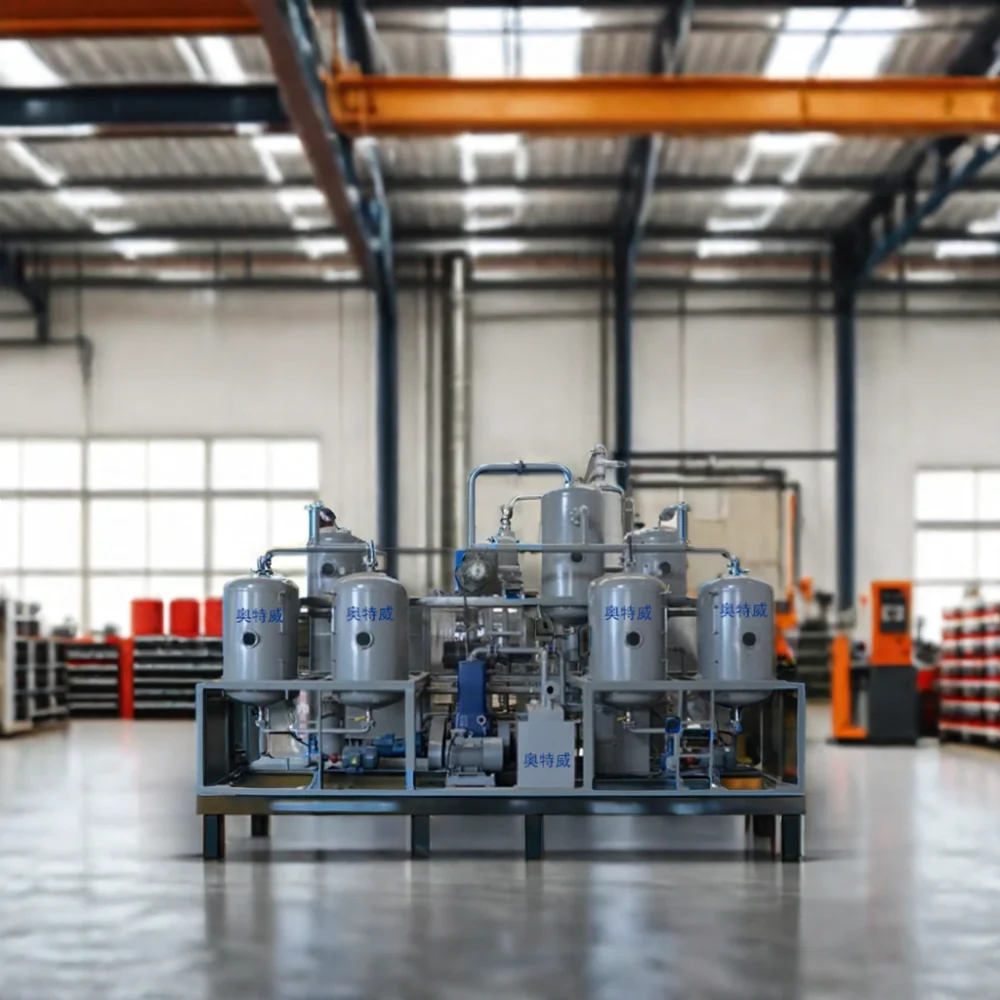
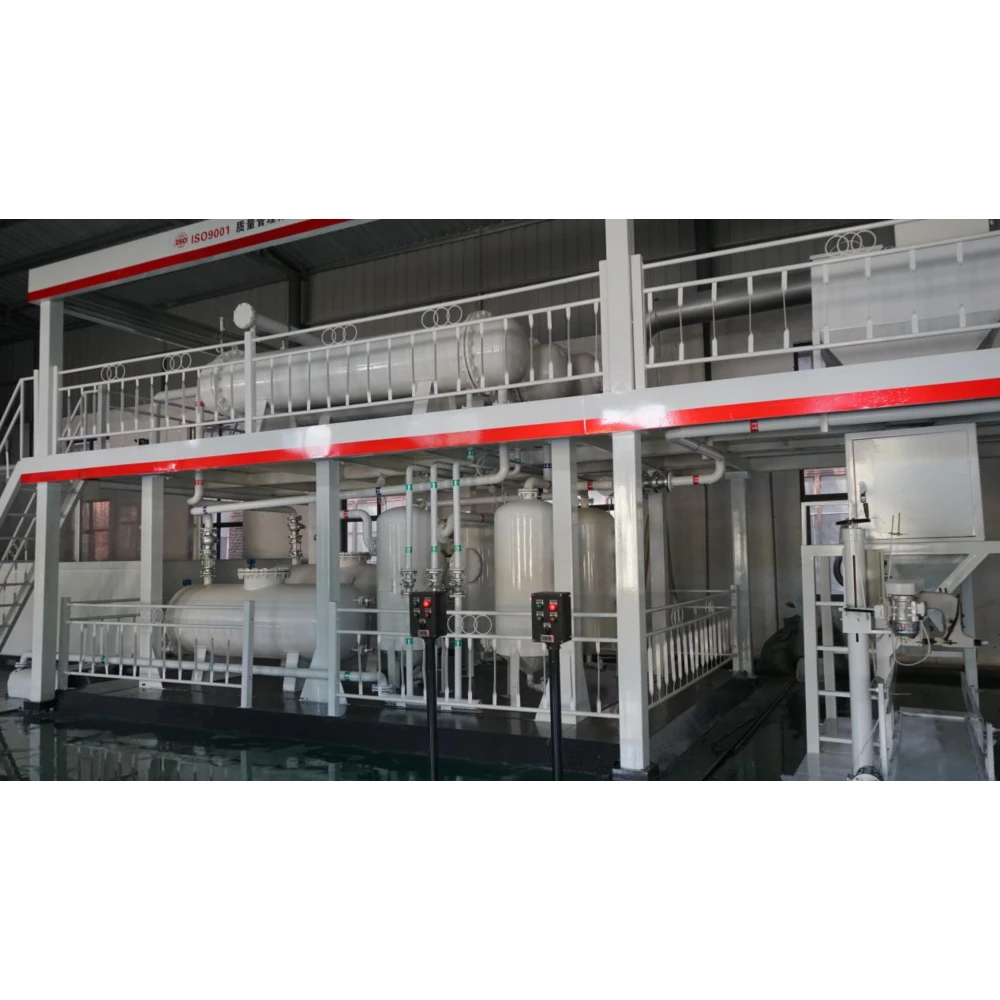
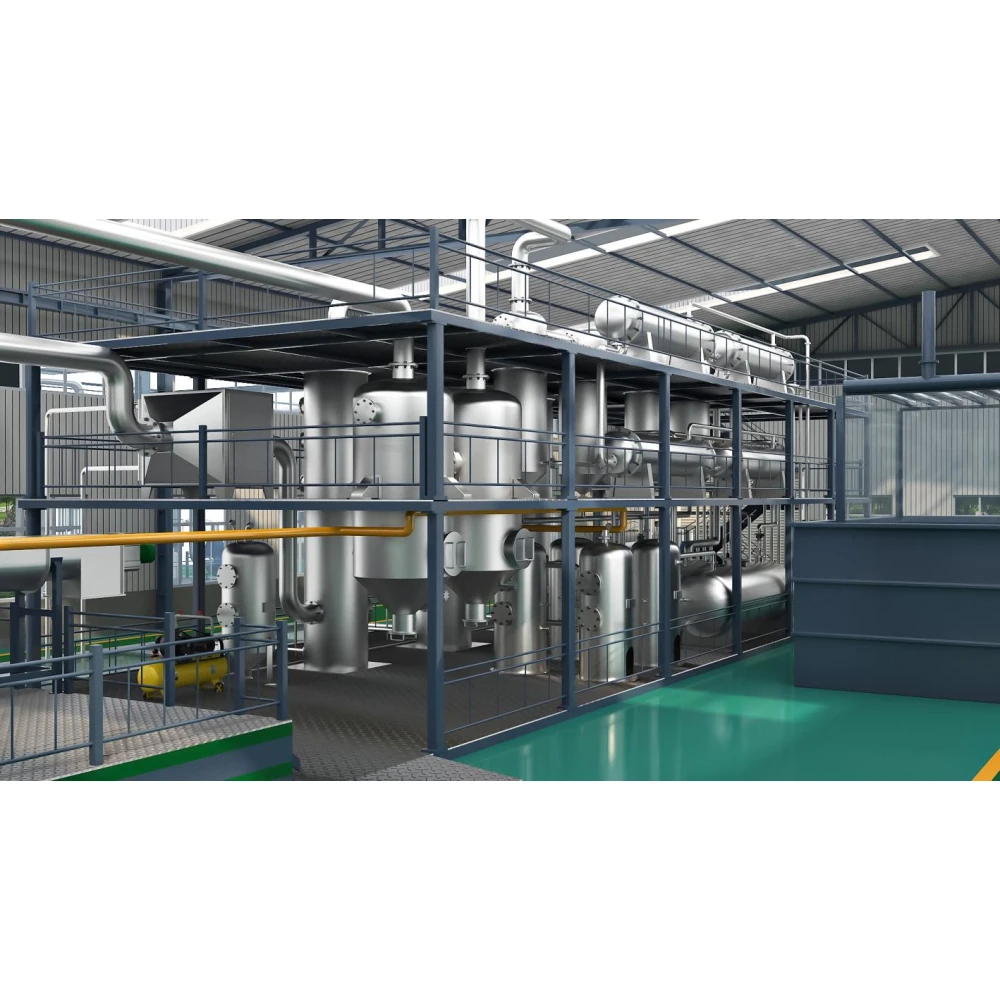
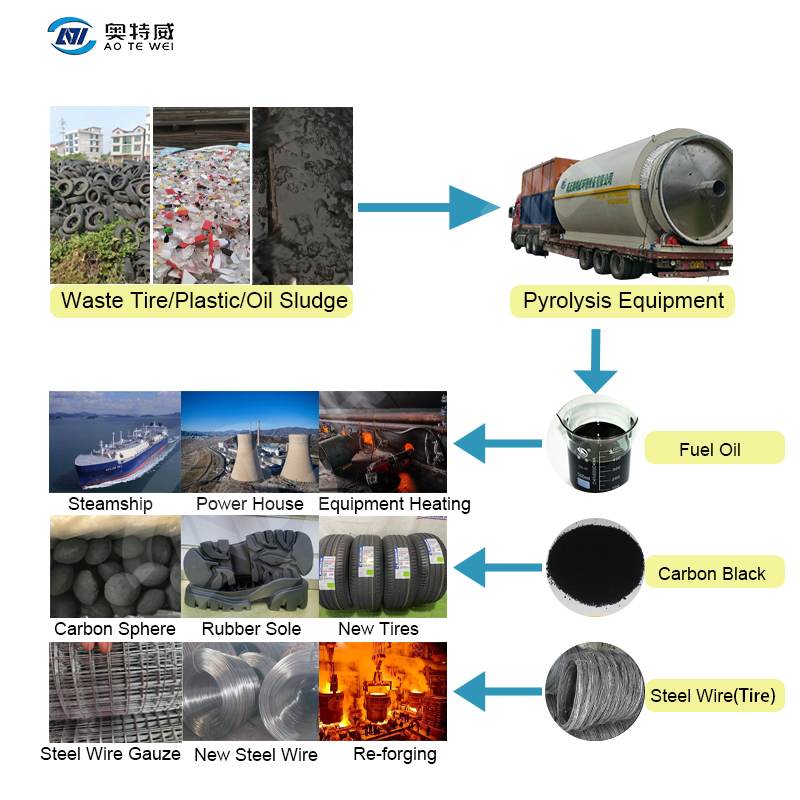
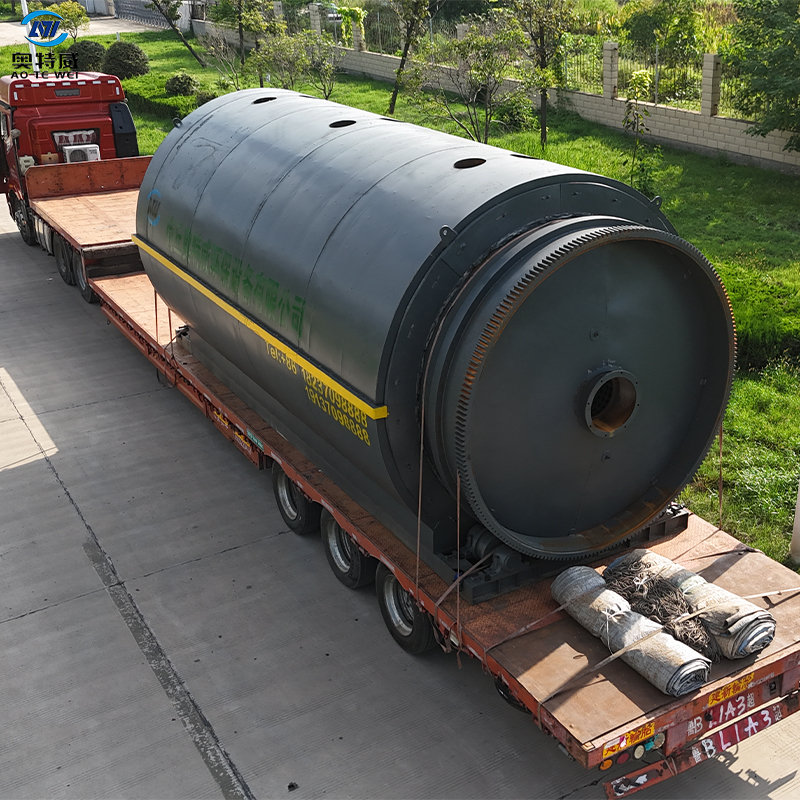
A rubber recycling plant is a purpose-built industrial facility designed to process end-of-life rubber materials, most commonly scrap tires, into reusable raw materials and value-added products. As global rubber waste continues to accumulate at an alarming rate, the rubber recycling plant plays a critical role in reducing landfill pressure, conserving natural resources, and supporting a circular economy model that benefits both industry and the environment. These facilities are engineered to handle large volumes of rubber waste efficiently, transforming what was once considered a disposal problem into a profitable and sustainable resource stream. The core function of a rubber recycling plant centers on breaking down vulcanized rubber into its base components. This is achieved through a series of mechanical, thermal, or chemical processes depending on the specific technology employed. The most widely adopted method is mechanical shredding and granulation, where rubber tires are first cut into smaller pieces, then progressively reduced into crumb rubber of varying mesh sizes. Advanced rubber recycling plants also integrate magnetic separation systems to remove steel wire from tire carcasses, and fiber separation units to extract textile reinforcement materials, ensuring the output crumb rubber meets high purity standards. Technologically, modern rubber recycling plants are equipped with automated control systems, real-time monitoring dashboards, and energy-efficient drive mechanisms that reduce operational costs while maximizing throughput. Some facilities incorporate pyrolysis technology, which uses high-temperature thermal decomposition in an oxygen-free environment to convert rubber into fuel oil, carbon black, and combustible gas, further expanding the range of recoverable materials. The applications of processed rubber from a rubber recycling plant are extensive. Crumb rubber is widely used in playground surfaces, athletic tracks, road asphalt modification, construction materials, and molded rubber products. Recovered carbon black finds use in pigments, coatings, and new rubber compounding. The versatility of output materials makes the rubber recycling plant an indispensable asset for industries seeking sustainable raw material sourcing and waste reduction compliance.

New Product Releases

Choosing to invest in or partner with a rubber recycling plant delivers a wide range of practical benefits that directly impact your bottom line, your environmental responsibilities, and your long-term business competitiveness. Here is a straightforward look at what a rubber recycling plant can do for you. First, it turns waste into revenue. Scrap tires and rubber offcuts that would otherwise cost money to dispose of become feedstock that generates sellable products. Crumb rubber, reclaimed steel, recovered carbon black, and pyrolysis oil all carry real market value. Instead of paying tipping fees or landfill charges, operators of a rubber recycling plant generate income from materials that were previously a liability. This fundamental shift from cost center to profit center is one of the most compelling reasons businesses across the globe are investing in rubber recycling infrastructure. Second, a rubber recycling plant helps you meet environmental regulations without sacrificing productivity. Governments worldwide are tightening restrictions on tire dumping and rubber waste disposal. Operating a compliant rubber recycling plant positions your business ahead of regulatory requirements, reducing the risk of fines, shutdowns, or reputational damage. You demonstrate corporate responsibility in a tangible, measurable way, which increasingly matters to customers, investors, and partners. Third, the operational costs of running a rubber recycling plant are manageable and predictable. Modern equipment is designed for energy efficiency, with variable frequency drives, automated feeding systems, and optimized shredder configurations that keep power consumption in check. Maintenance schedules are straightforward, spare parts are readily available, and the modular design of most rubber recycling plant configurations means you can scale capacity up or down based on market demand without overhauling your entire operation. Fourth, a rubber recycling plant gives you supply chain independence. By producing your own crumb rubber or reclaimed materials in-house, you reduce dependence on virgin rubber suppliers whose prices fluctuate with global commodity markets. This insulation from raw material price volatility gives your business greater financial stability and planning confidence. Fifth, the market for recycled rubber products is growing. Demand for crumb rubber in sports surfaces, playground safety flooring, road construction, and acoustic insulation is rising steadily. Investing in a rubber recycling plant now positions you to capture market share in sectors that are actively seeking sustainable material alternatives. Sixth, a rubber recycling plant supports job creation and community development. These facilities require skilled operators, maintenance technicians, logistics staff, and quality control personnel. Building a rubber recycling plant in your region contributes to local employment and strengthens the economic fabric of the community. Seventh, the technology behind a rubber recycling plant continues to improve. Newer systems offer higher throughput, finer crumb rubber output, better steel and fiber separation, and lower noise and dust emissions. Investing in current-generation equipment means you benefit from years of engineering refinement and can expect continued improvements through software updates and modular upgrades. In summary, a rubber recycling plant is not just an environmental solution. It is a smart, scalable, and financially sound business investment that delivers measurable returns across multiple dimensions of your operation.

Tips And Tricks

Company Updates Factory Audit Video | On-site Shooting of Aotewei Environmental Protection Equipment, Transparently Showing Manufacturing Strength

08

Apr

Company Updates Factory Audit Video | On-site Shooting of Aotewei Environmental Protection Equipment, Transparently Showing Manufacturing Strength

To further improve supply chain transparency and optimize the factory audit experience for domestic and overseas customers, Shangqiu Aotewei Environmental Protection Equipment Co., Ltd. has recently completed a comprehensive update of its factory aud...
View More

Get a Free Quote

Our representative will contact you soon.
Email
WhatsApp / Mobile
Name
Company Name
Message
0/1000

rubber recycling plant

High-Efficiency Mechanical Processing System

High-Efficiency Mechanical Processing System

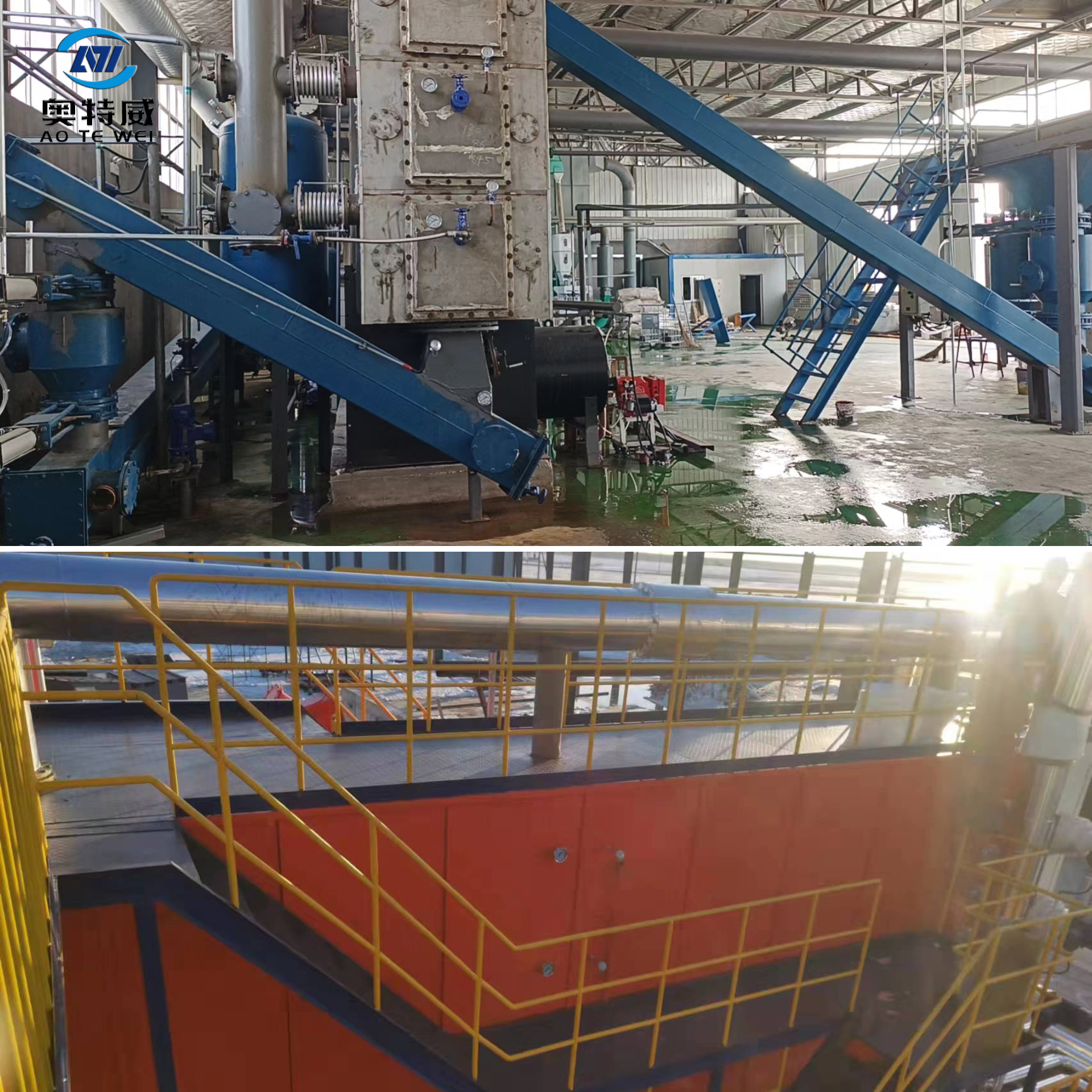
At the heart of every effective rubber recycling plant is its mechanical processing system, and the quality of this system determines everything from output purity to operational uptime. The high-efficiency mechanical processing system found in leading rubber recycling plant configurations is engineered to deliver consistent, high-volume throughput while minimizing energy consumption and maintenance downtime. The process begins with a primary shredder, which reduces whole tires or large rubber pieces into manageable chunks, typically between 50 and 100 millimeters in size. These chunks then pass through a secondary granulator that further reduces particle size to between 10 and 30 millimeters. A final cracker mill or ambient granulator brings the material down to the desired crumb rubber mesh size, which can range from coarse granules used in construction applications to fine powder used in high-performance rubber compounding. What sets a premium rubber recycling plant apart is the precision of its separation technology. After each stage of size reduction, the material passes through vibrating screens that classify particles by size, ensuring uniformity in the final product. Magnetic drum separators extract steel wire with high efficiency, achieving steel purity levels above 99 percent. Air classification systems remove textile fiber, producing crumb rubber that meets the strict purity requirements of sports surface manufacturers, asphalt producers, and molded product fabricators. The mechanical system in a well-designed rubber recycling plant is also built for durability. Shredder blades and granulator rotors are manufactured from high-chromium alloy steel, offering extended service life even when processing the toughest tire compounds. Quick-change tooling systems allow operators to replace worn components in minimal time, keeping production interruptions short. Automated lubrication systems and vibration monitoring sensors further reduce the burden on maintenance teams and extend the intervals between scheduled service stops. From a production capacity standpoint, modular rubber recycling plant designs allow operators to configure systems ranging from 500 kilograms per hour for small-scale operations to over 5,000 kilograms per hour for industrial-scale facilities. This scalability means the mechanical processing system can grow with your business, protecting your initial capital investment while accommodating future expansion. The result is a rubber recycling plant that delivers reliable, high-quality crumb rubber output day after day, giving you the production consistency needed to build long-term supply relationships with demanding customers in sports, construction, and manufacturing sectors.
Integrated Pyrolysis Technology for Maximum Resource Recovery

Integrated Pyrolysis Technology for Maximum Resource Recovery

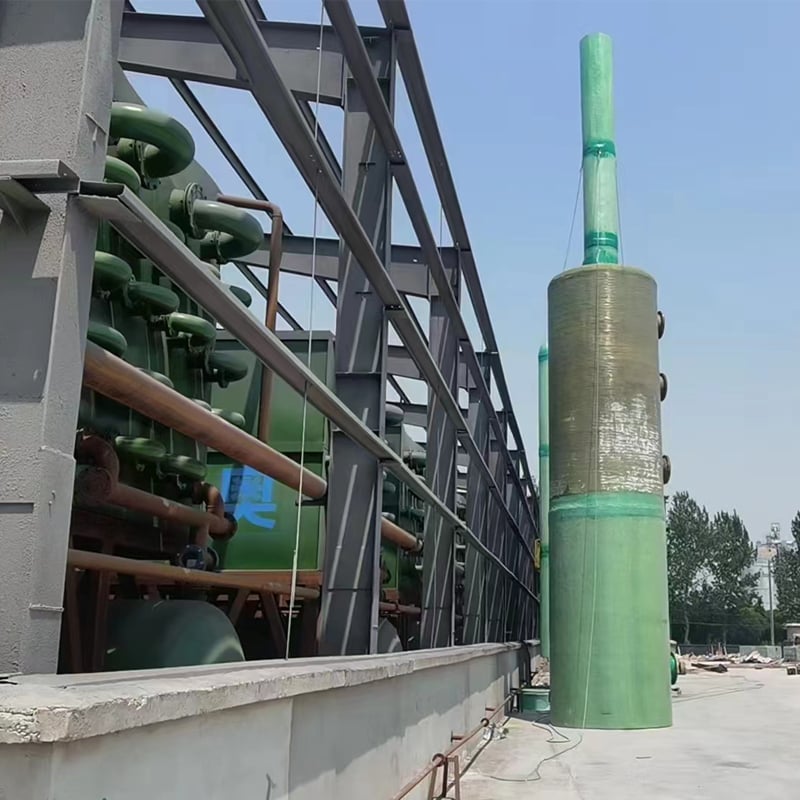
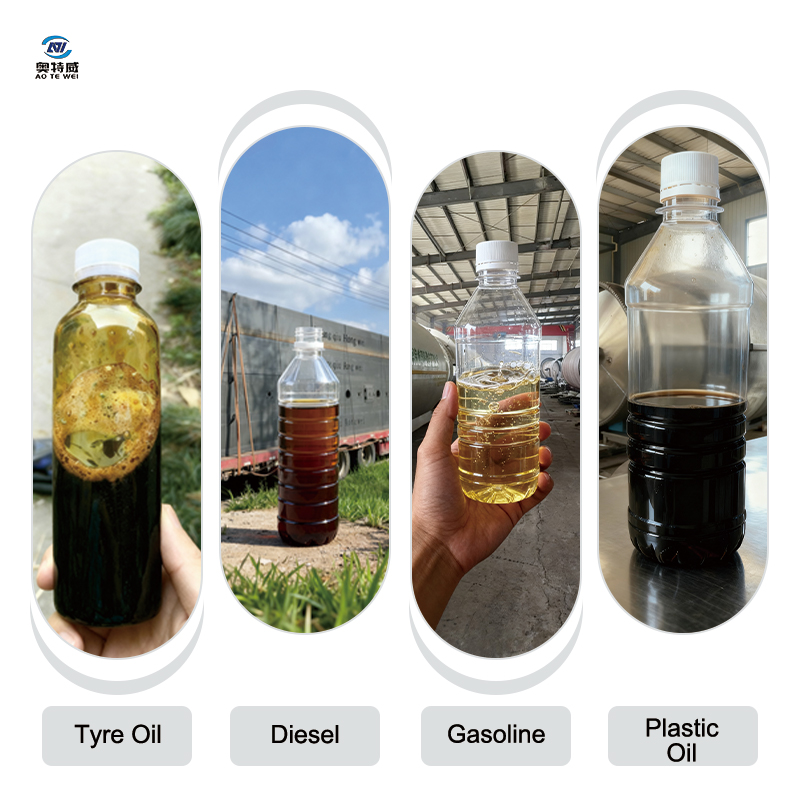
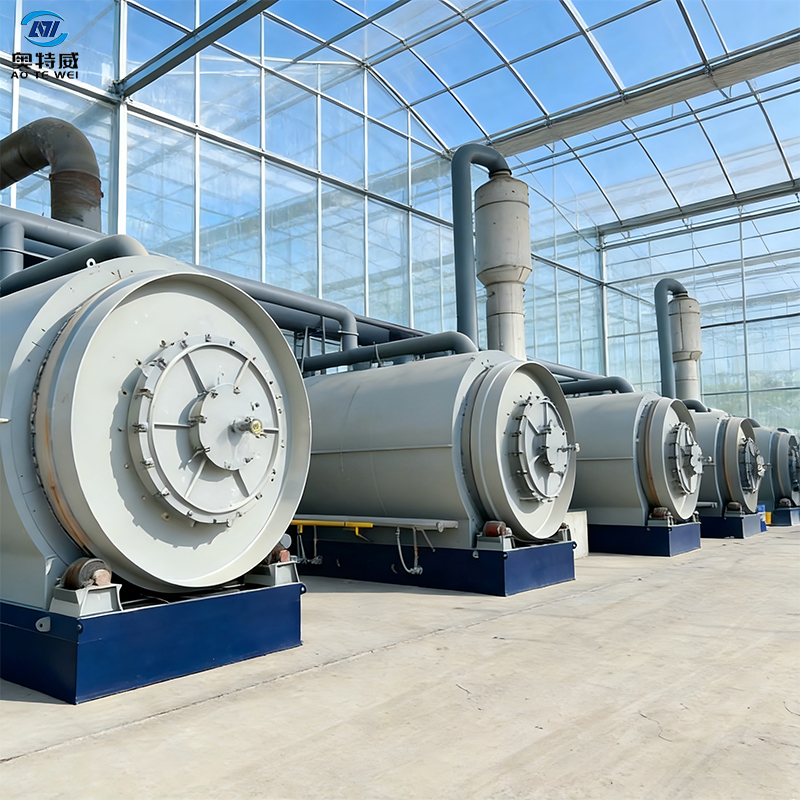
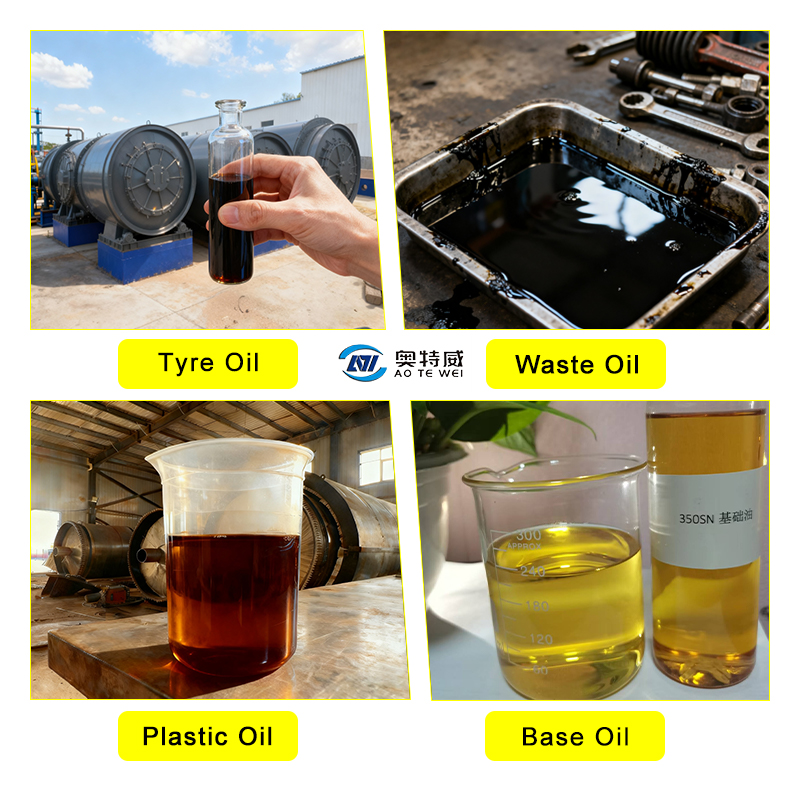
One of the most powerful features available in an advanced rubber recycling plant is integrated pyrolysis technology, a thermal processing method that unlocks the full energy and material value locked inside rubber waste. While mechanical processing recovers crumb rubber, steel, and fiber, pyrolysis goes further by converting the rubber polymer itself into three distinct and commercially valuable outputs: fuel oil, recovered carbon black, and combustible gas. This makes the rubber recycling plant with pyrolysis capability a true zero-waste processing facility, where virtually every component of the input material is converted into a sellable product. The pyrolysis process works by heating rubber in a sealed reactor vessel at temperatures between 300 and 500 degrees Celsius in the complete absence of oxygen. Under these conditions, the long polymer chains in the rubber break down into shorter hydrocarbon molecules, which exit the reactor as vapor and are then condensed into liquid fuel oil. This pyrolysis oil has a calorific value comparable to diesel and can be used directly as industrial fuel, refined into lighter fractions, or sold to fuel blending operations. The non-condensable gases produced during pyrolysis are typically recycled back into the reactor burner system, reducing the external fuel input required to maintain operating temperature and improving the overall energy efficiency of the rubber recycling plant. The solid residue remaining after pyrolysis is recovered carbon black, a material with broad industrial applications in rubber compounding, plastic pigmentation, and coating formulations. While raw pyrolysis carbon black requires further processing to meet the specifications of premium carbon black grades, it serves as a cost-effective substitute in many applications and commands a stable market price. A rubber recycling plant that incorporates pyrolysis alongside mechanical processing therefore offers operators multiple revenue streams from a single feedstock, dramatically improving the economics of the overall operation. Safety and emissions control are central to the design of pyrolysis-equipped rubber recycling plant systems. Modern reactors are fitted with pressure relief valves, temperature monitoring arrays, and automated shutdown protocols that protect operators and equipment. Exhaust gas treatment systems, including condensers, scrubbers, and activated carbon filters, ensure that emissions meet environmental standards. The combination of resource recovery efficiency, revenue diversification, and responsible emissions management makes integrated pyrolysis technology a defining advantage of the most capable rubber recycling plant solutions available today.
Smart Automation and Remote Monitoring for Operational Excellence

Smart Automation and Remote Monitoring for Operational Excellence

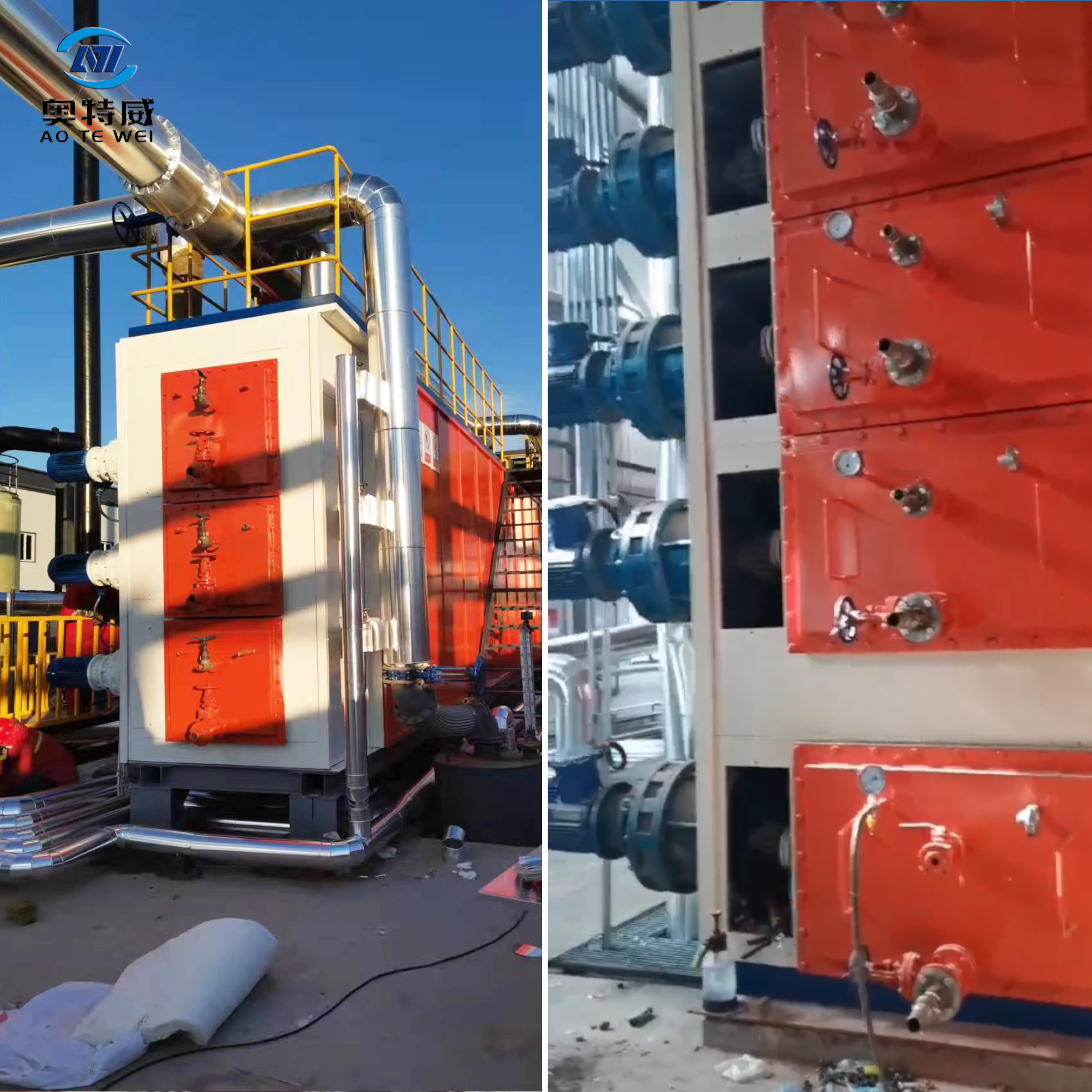
Running a rubber recycling plant efficiently in today's competitive environment requires more than good machinery. It requires intelligent control systems that give operators real-time visibility into every aspect of the production process and the ability to respond quickly to changing conditions. The smart automation and remote monitoring capabilities built into modern rubber recycling plant designs represent a significant leap forward in operational excellence, reducing labor costs, improving product consistency, and extending equipment life through predictive maintenance. The automation system in a state-of-the-art rubber recycling plant is built around a programmable logic controller platform that coordinates all mechanical subsystems, from the primary shredder and granulator to the separation screens, magnetic separators, and conveyor networks. Operators interact with the system through a touchscreen human-machine interface that displays live production data, equipment status, alarm notifications, and historical performance trends. This centralized visibility eliminates the need for manual inspection rounds and allows a small team to manage a high-capacity rubber recycling plant with confidence and precision. Remote monitoring takes this capability further by connecting the rubber recycling plant control system to cloud-based management platforms accessible via desktop or mobile devices. Plant managers can check production rates, energy consumption, and equipment health from anywhere in the world, enabling faster decision-making and reducing the response time to operational issues. When a sensor detects abnormal vibration in a granulator bearing or a temperature excursion in a pyrolysis reactor, the system generates an alert that reaches the responsible technician immediately, often before the issue escalates into a breakdown. Predictive maintenance algorithms analyze sensor data over time to identify wear patterns and forecast component replacement needs before failures occur. This proactive approach to maintenance scheduling reduces unplanned downtime in the rubber recycling plant, which is one of the most significant sources of lost production and unexpected cost in any manufacturing operation. Energy management is another area where smart automation delivers measurable value. The control system continuously optimizes motor speeds, conveyor loads, and shredder feed rates to match actual production demand, avoiding the energy waste associated with running equipment at full power during partial-load conditions. Variable frequency drives on major motors respond dynamically to load signals, keeping power consumption aligned with throughput and reducing electricity costs across the rubber recycling plant. Together, these smart automation and remote monitoring features transform the rubber recycling plant from a collection of individual machines into a cohesive, intelligent production system that delivers consistent output quality, lower operating costs, and the operational transparency that modern businesses demand.

Get a Free Quote

Our representative will contact you soon.
Email
WhatsApp / Mobile
Name
Company Name
Message
0/1000
Newsletter
Please Leave A Message With Us