Tyre Disposal Systems: Advanced Recycling Solutions for End-of-Life Tyres

Get a Free Quote

Our representative will contact you soon.
Email
WhatsApp / Mobile
Name
Company Name
Message
0/1000

tyre disposal

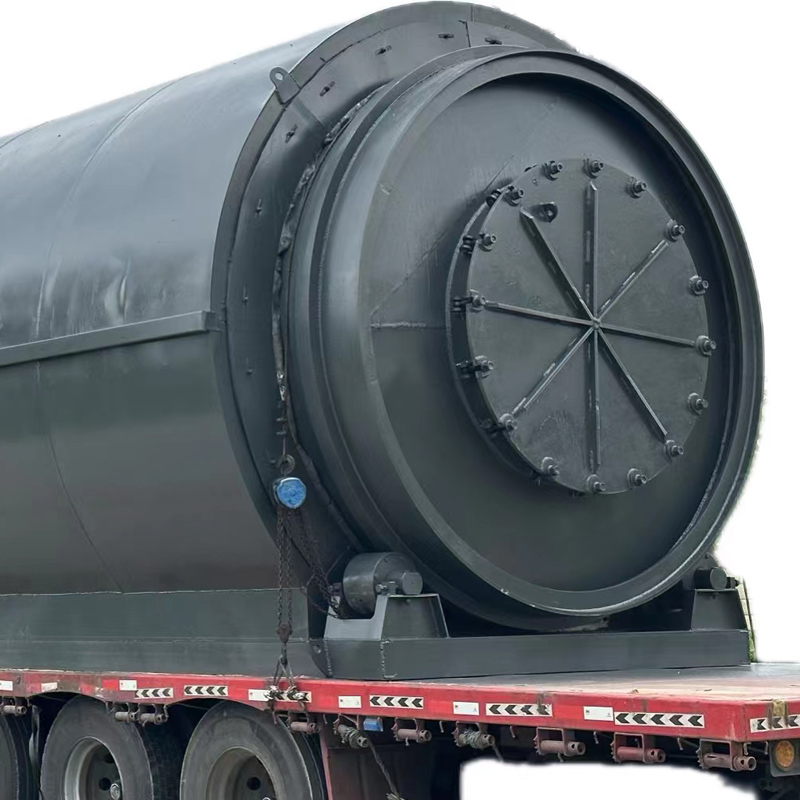
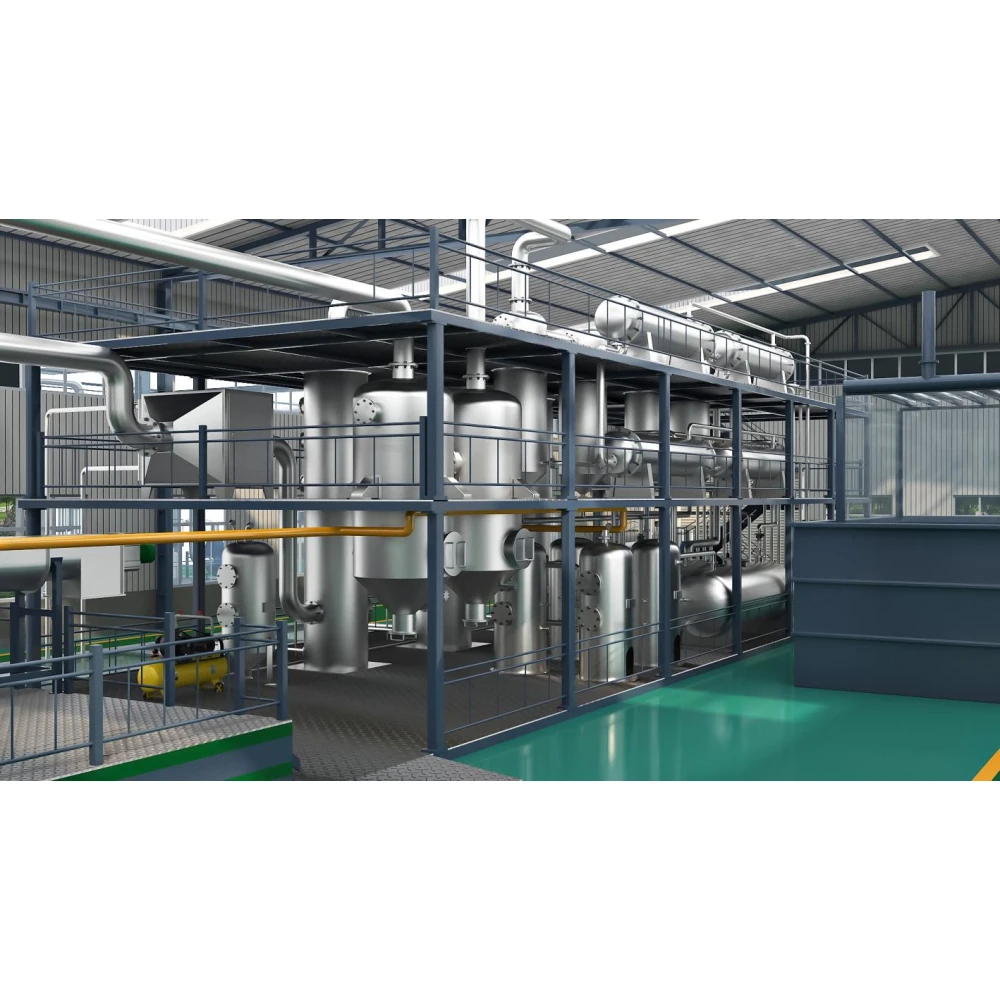
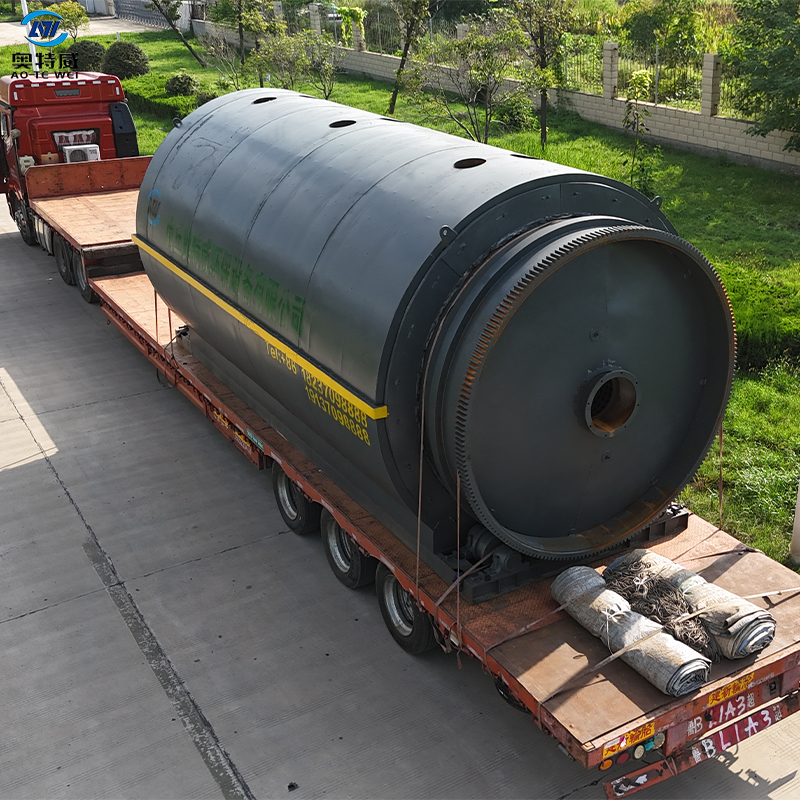
Tyre disposal is a critical process in modern waste management, addressing one of the most persistent environmental challenges facing industries and municipalities worldwide. Every year, hundreds of millions of used tyres reach the end of their service life, creating a significant burden on landfills, open storage sites, and the broader environment. Effective tyre disposal systems are designed to handle this challenge through a combination of mechanical processing, thermal treatment, and material recovery technologies that transform waste tyres into reusable resources. At its core, tyre disposal involves the systematic breakdown of end-of-life tyres using specialized equipment such as shredders, granulators, and pyrolysis units. These machines work together to reduce whole tyres into manageable fragments, then further process them into crumb rubber, steel wire, and textile fiber. Each recovered material carries commercial value and can be redirected into new manufacturing streams, reducing the demand for virgin raw materials. Technologically, modern tyre disposal systems incorporate automated feeding mechanisms, high-torque cutting assemblies, magnetic separation units for steel recovery, and dust suppression systems to maintain safe working environments. Advanced pyrolysis-based tyre disposal solutions go further by converting rubber compounds into fuel oil, carbon black, and combustible gas through controlled thermal decomposition in oxygen-limited chambers. These outputs serve as alternative energy sources and industrial raw materials. The applications of tyre disposal technology span a wide range of industries. Recovered crumb rubber finds use in playground surfaces, athletic tracks, road construction, and noise-dampening materials. Recovered steel is melted down and reintroduced into the steel supply chain. Pyrolysis oil derived from tyre disposal processes is used as industrial fuel or refined further for commercial applications. From municipal waste programs to large-scale industrial recycling operations, tyre disposal systems play an indispensable role in closing the loop on rubber waste and supporting a more circular economy.

New Product Recommendations

Choosing the right tyre disposal solution delivers real, measurable benefits that go far beyond simply getting rid of old tyres. Here is a straightforward look at what effective tyre disposal actually does for businesses, municipalities, and the environment. First, tyre disposal reduces your environmental liability. Stockpiled tyres are a fire hazard, a breeding ground for mosquitoes, and a source of toxic leachate that can contaminate soil and groundwater. By processing tyres through a proper tyre disposal system, you eliminate these risks at the source. You stop the problem before it becomes a regulatory or public health issue. Second, tyre disposal turns waste into revenue. Processed tyres yield crumb rubber, steel wire, and textile fiber, all of which have active markets. Crumb rubber sells into the construction, sports, and automotive sectors. Steel recovered during tyre disposal goes directly to scrap metal buyers. If you operate a pyrolysis-based tyre disposal system, you also generate fuel oil and carbon black, both of which command consistent market prices. Instead of paying to dispose of a problem, you create a product line. Third, tyre disposal helps you meet compliance requirements. Regulations around waste tyre management are tightening in most regions. Governments are imposing stricter rules on storage limits, transportation, and end-of-life processing. Investing in a tyre disposal system positions your operation ahead of these requirements rather than scrambling to catch up. You demonstrate environmental responsibility to regulators, clients, and the public. Fourth, tyre disposal improves operational efficiency. Modern tyre disposal equipment is built for continuous, high-volume processing. Automated feeding, shredding, and separation systems reduce the need for manual labor and minimize downtime. You can process large quantities of tyres consistently without bottlenecks, which matters whether you are running a recycling facility, a tyre retail chain, or a municipal waste program. Fifth, tyre disposal supports sustainability goals. Businesses and organizations across every sector are under pressure to reduce their environmental footprint. Incorporating tyre disposal into your waste management strategy gives you a concrete, quantifiable contribution to sustainability reporting. You divert material from landfill, recover resources, and reduce carbon emissions associated with raw material extraction. Sixth, tyre disposal is scalable. Whether you are processing a few hundred tyres per day or tens of thousands, tyre disposal systems are available in configurations that match your volume and budget. You can start with a basic shredding setup and expand into full granulation or pyrolysis as your operation grows. The technology adapts to your needs rather than forcing you into a fixed model. In summary, tyre disposal is not just a compliance checkbox. It is a practical business decision that reduces risk, generates income, supports regulatory standing, and contributes to a cleaner, more resource-efficient operation.

Tips And Tricks

Company Updates Factory Audit Video | On-site Shooting of Aotewei Environmental Protection Equipment, Transparently Showing Manufacturing Strength

08

Apr

Company Updates Factory Audit Video | On-site Shooting of Aotewei Environmental Protection Equipment, Transparently Showing Manufacturing Strength

To further improve supply chain transparency and optimize the factory audit experience for domestic and overseas customers, Shangqiu Aotewei Environmental Protection Equipment Co., Ltd. has recently completed a comprehensive update of its factory aud...
View More

Get a Free Quote

Our representative will contact you soon.
Email
WhatsApp / Mobile
Name
Company Name
Message
0/1000

tyre disposal

Complete Material Recovery Through Advanced Tyre Disposal Processing

Complete Material Recovery Through Advanced Tyre Disposal Processing

One of the most compelling reasons to invest in a high-quality tyre disposal system is the ability to recover virtually every component of a used tyre and redirect it into productive use. A standard passenger tyre is composed of roughly 47 percent rubber, 22 percent carbon black and other fillers, 15 percent steel, and 16 percent textile and other materials. A well-engineered tyre disposal process captures each of these fractions with precision, ensuring that nothing goes to waste. The rubber fraction, once processed through granulation stages in the tyre disposal line, becomes crumb rubber in various mesh sizes. Fine crumb rubber is used in athletic track surfaces, playground safety flooring, and rubber-modified asphalt. Coarser grades go into molded rubber products, vibration dampening pads, and equestrian surfaces. The versatility of crumb rubber means that the output from your tyre disposal operation can serve multiple end markets simultaneously, giving you flexibility in how you sell and distribute recovered material. Steel recovery is another major advantage of a complete tyre disposal system. Magnetic separation units extract steel wire from the shredded rubber matrix with high efficiency. This recovered steel is clean, dense, and readily accepted by scrap metal processors and steel mills. For high-volume tyre disposal operations, steel recovery alone can generate a meaningful secondary revenue stream that offsets processing costs. Textile fiber, often overlooked, is also recoverable through proper tyre disposal processing. While its market value is lower than rubber or steel, textile fiber finds application as a filler material in construction products and as a fuel supplement in cement kilns. By capturing this fraction, your tyre disposal operation maximizes the value extracted from every tonne of input material. The cumulative effect of complete material recovery is a tyre disposal operation that pays for itself over time. You reduce disposal costs, generate saleable outputs, and build a business model grounded in resource efficiency rather than waste generation.
Pyrolysis-Enhanced Tyre Disposal for Maximum Energy and Chemical Recovery

Pyrolysis-Enhanced Tyre Disposal for Maximum Energy and Chemical Recovery

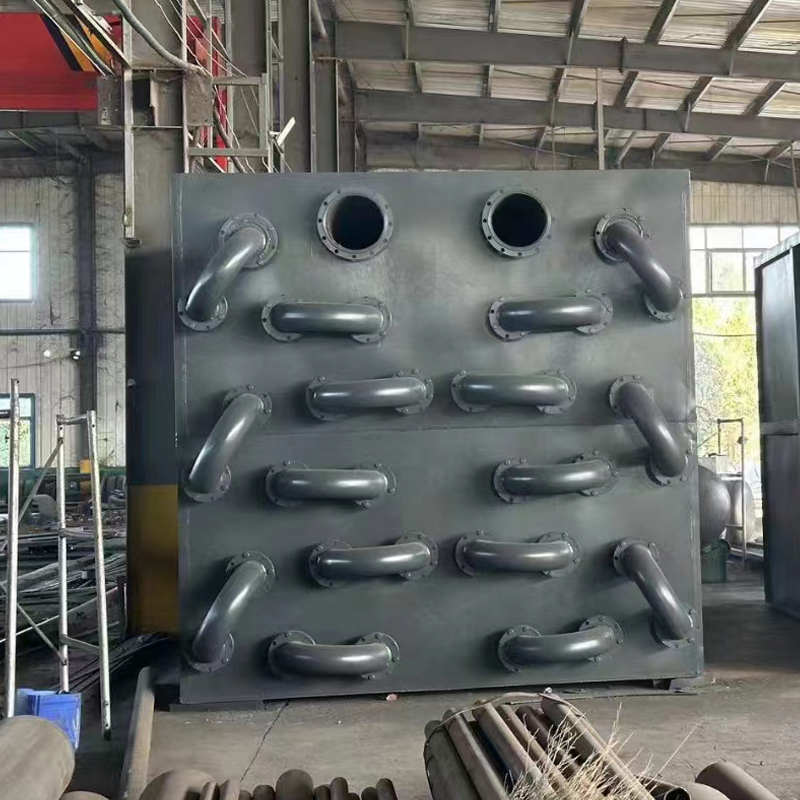
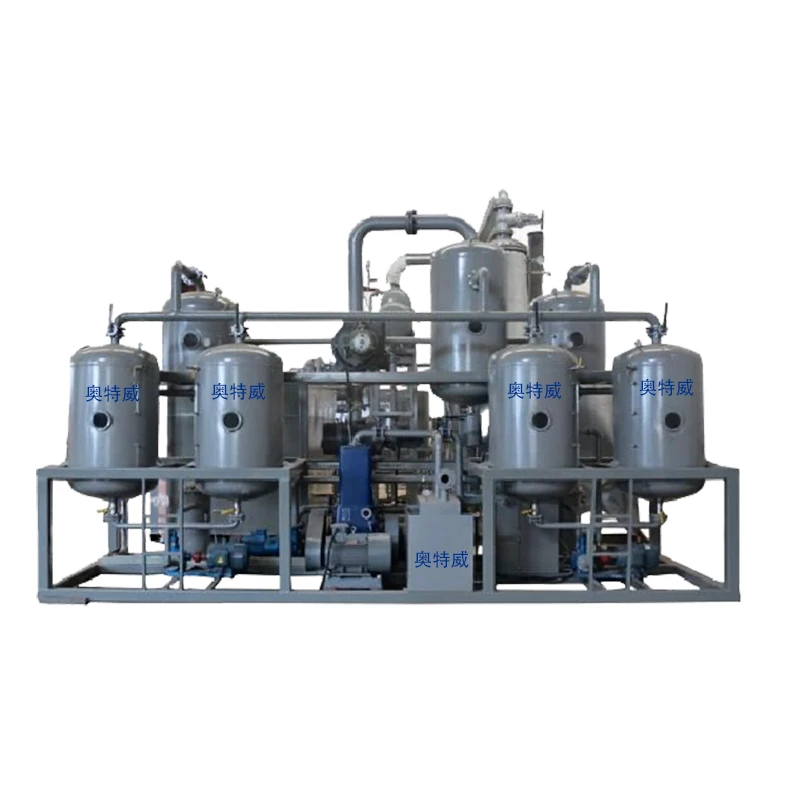
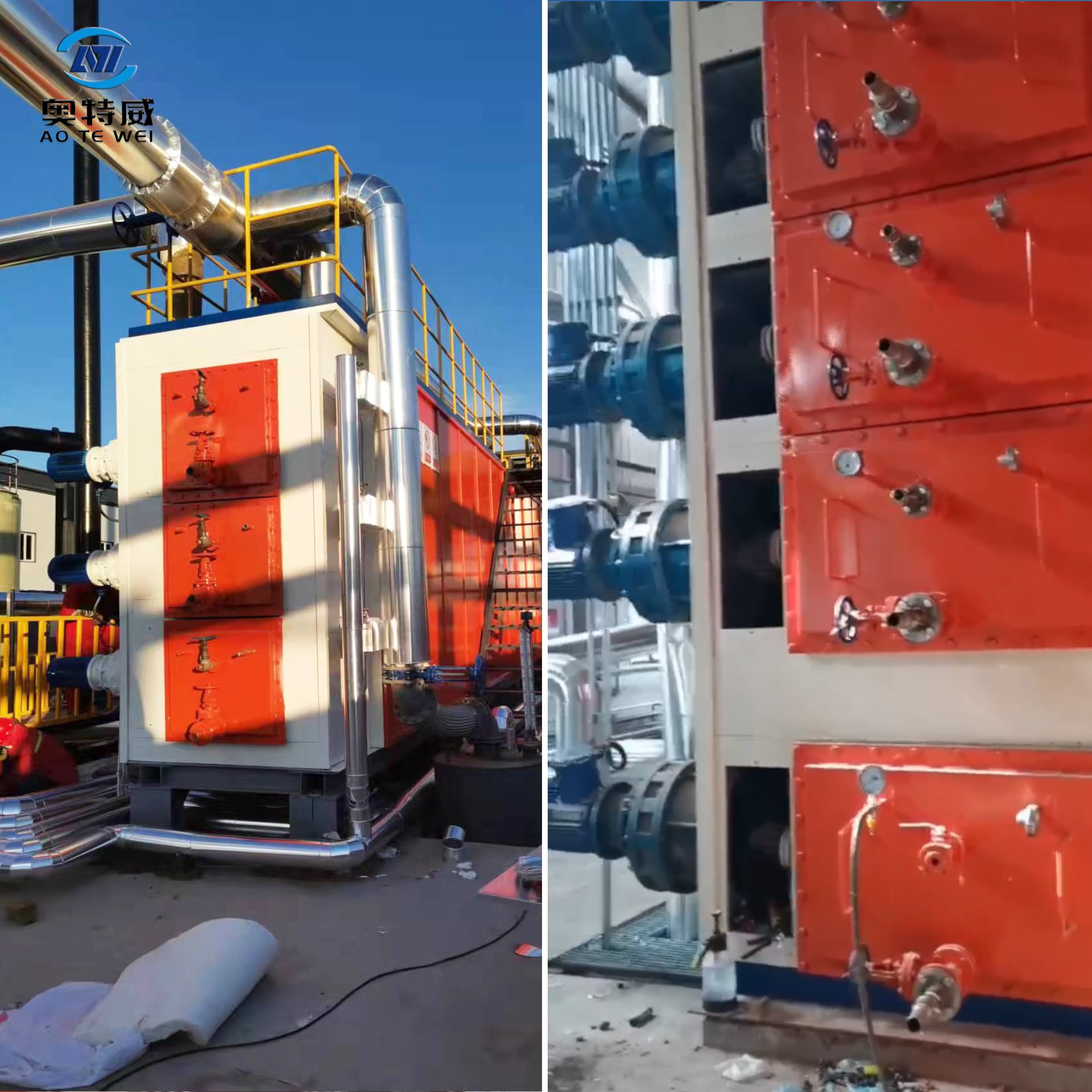
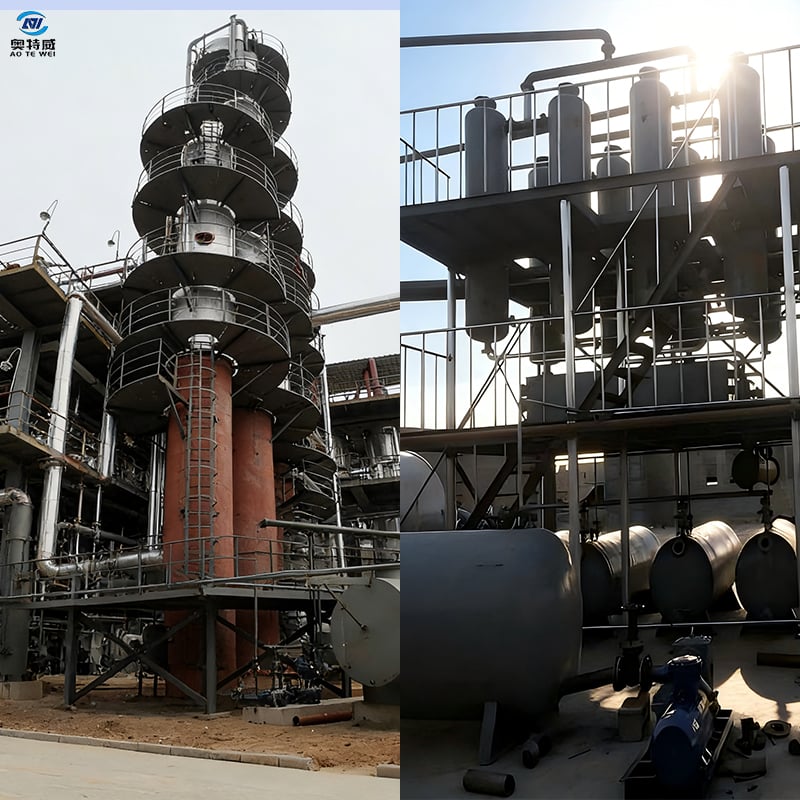
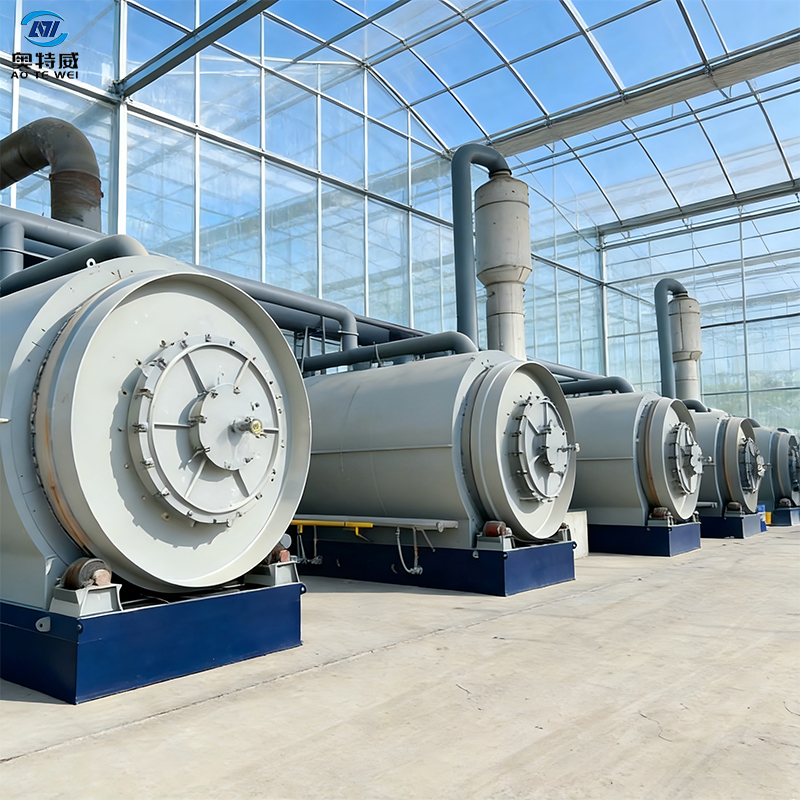
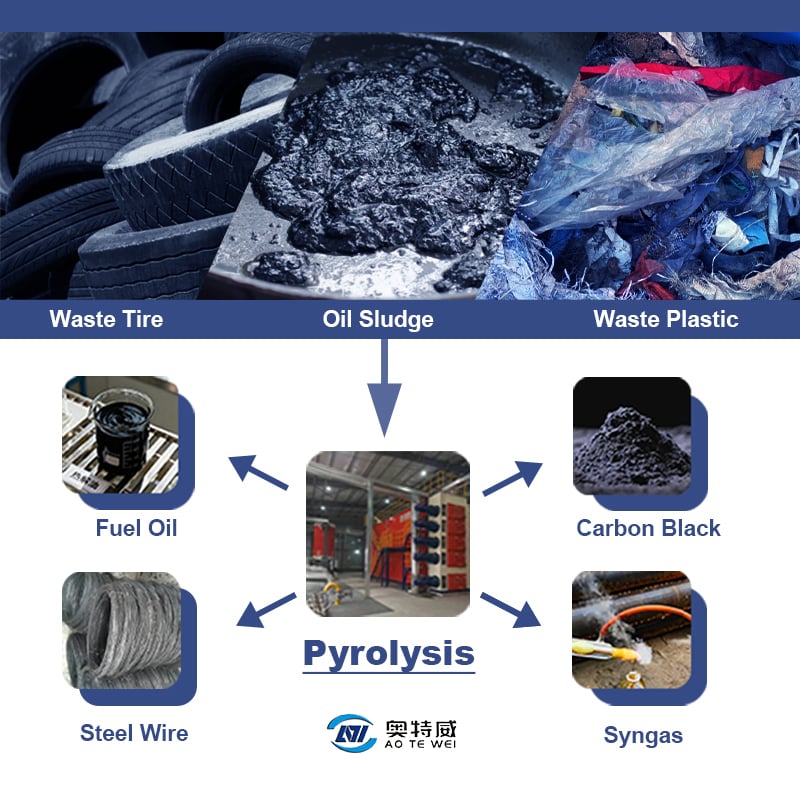
Beyond mechanical processing, pyrolysis-based tyre disposal represents the most advanced and resource-intensive approach to end-of-life tyre management. Pyrolysis is a thermochemical process that heats shredded tyre material in the absence of oxygen, breaking down the rubber polymer chains into smaller molecules that exit the reactor as gas, condense into liquid fuel oil, and leave behind a solid carbon residue known as carbon black. This approach to tyre disposal unlocks energy and chemical value that mechanical processing alone cannot access. The fuel oil produced by pyrolysis tyre disposal systems typically has a calorific value comparable to diesel and can be used directly as industrial fuel in boilers, furnaces, and kilns. With further refining, pyrolysis oil from tyre disposal can be upgraded into transportation-grade fuels, opening additional revenue channels for operators who invest in downstream processing capacity. Carbon black recovered from pyrolysis tyre disposal is another high-value output. While it requires activation or blending to match the performance of virgin carbon black, recovered carbon black finds application in rubber compounding, pigment production, and as a fuel source in its own right. As demand for sustainable raw materials grows, recovered carbon black from tyre disposal is gaining acceptance among manufacturers seeking to reduce their reliance on petroleum-derived inputs. The gas fraction generated during pyrolysis tyre disposal is typically recirculated within the system to fuel the reactor itself, reducing external energy consumption and improving the overall energy balance of the operation. This self-sustaining energy loop is a key feature that makes pyrolysis tyre disposal economically attractive for large-scale operators. Safety and emissions control are central to responsible pyrolysis tyre disposal. Modern systems incorporate sealed reactors, condenser trains, scrubbing units, and continuous emissions monitoring to ensure that the process meets environmental standards. Investing in a properly engineered pyrolysis tyre disposal system means you gain energy recovery capability without compromising on compliance or community relations.
Scalable and Compliant Tyre Disposal Systems Built for Long-Term Operation

Scalable and Compliant Tyre Disposal Systems Built for Long-Term Operation

Effective tyre disposal is not a one-size-fits-all proposition. The volume of tyres you need to process, the space available at your facility, the regulatory environment you operate in, and the markets available for recovered materials all shape the right configuration for your tyre disposal system. Leading tyre disposal equipment manufacturers understand this and offer modular, scalable solutions that can be tailored to match your specific operational context. Entry-level tyre disposal systems typically center on a primary shredder capable of reducing whole tyres to chips of 50 to 100 millimeters. This level of tyre disposal processing is sufficient for volume reduction, transportation cost savings, and compliance with regulations that prohibit whole tyre landfilling. As your operation grows or as market conditions make further processing attractive, you can add secondary shredding, granulation, and separation stages to your tyre disposal line without replacing the core equipment. Mid-scale tyre disposal operations that incorporate full granulation produce crumb rubber suitable for direct sale into end-use markets. At this level, your tyre disposal system becomes a genuine production facility rather than simply a waste processing unit. You set quality specifications, manage output inventory, and engage directly with buyers in the construction, sports, and automotive sectors. Large-scale tyre disposal facilities that integrate pyrolysis alongside mechanical processing represent the most comprehensive approach to end-of-life tyre management. These operations require greater capital investment and more sophisticated permitting, but they also generate the broadest range of saleable outputs and the strongest long-term returns. Compliance is built into every stage of a well-designed tyre disposal system. From dust suppression and noise control at the shredding stage to emissions management at the pyrolysis stage, responsible tyre disposal equipment is engineered to meet the requirements of environmental regulators in major markets. Choosing a tyre disposal partner with a strong compliance track record protects your investment and your operating license over the long term.

Get a Free Quote

Our representative will contact you soon.
Email
WhatsApp / Mobile
Name
Company Name
Message
0/1000
Newsletter
Please Leave A Message With Us