Tire Pyrolysis Plant: Convert Waste Tires Into Fuel Oil, Carbon Black and Steel

Get a Free Quote

Our representative will contact you soon.
Email
WhatsApp / Mobile
Name
Company Name
Message
0/1000

tire pyrolysis plant

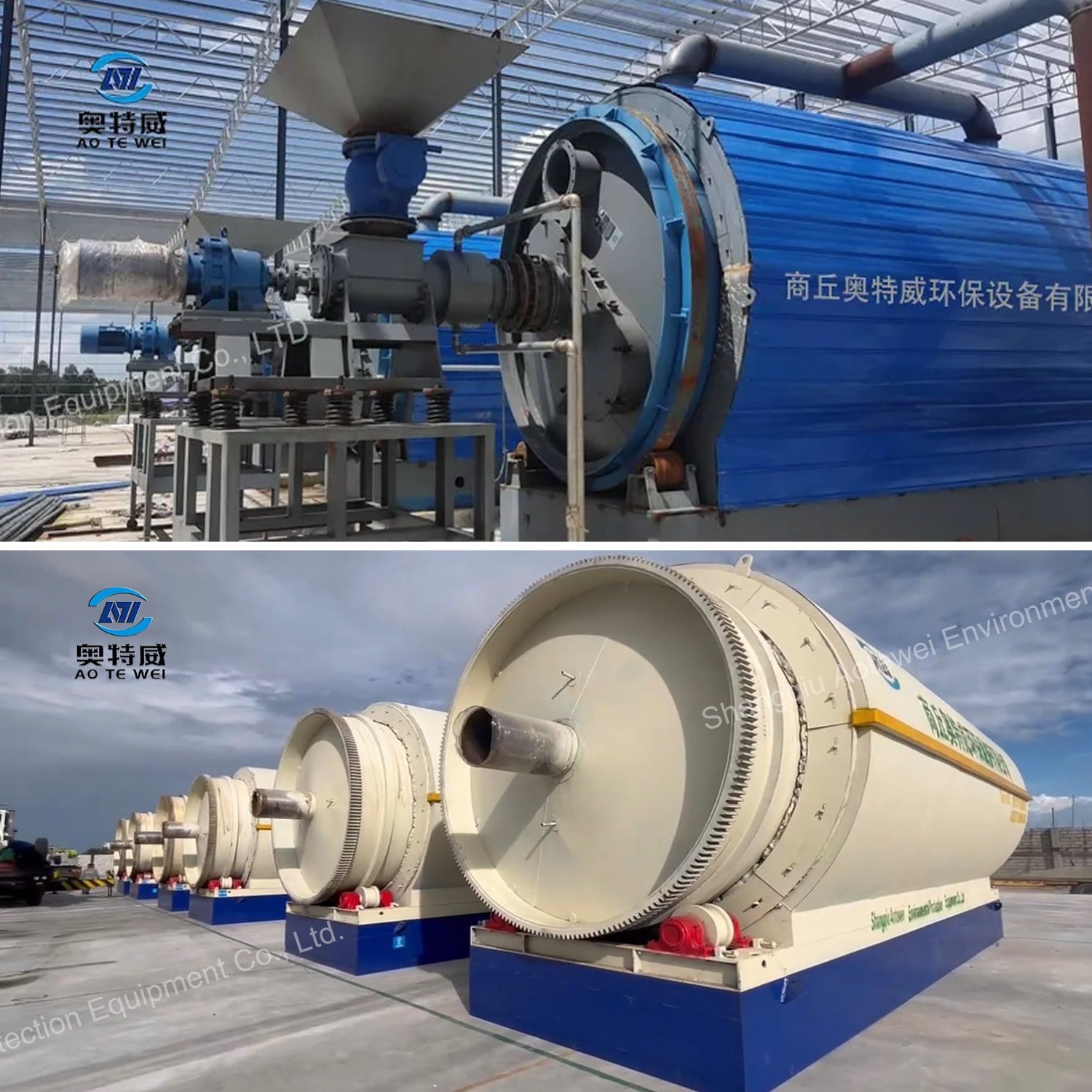
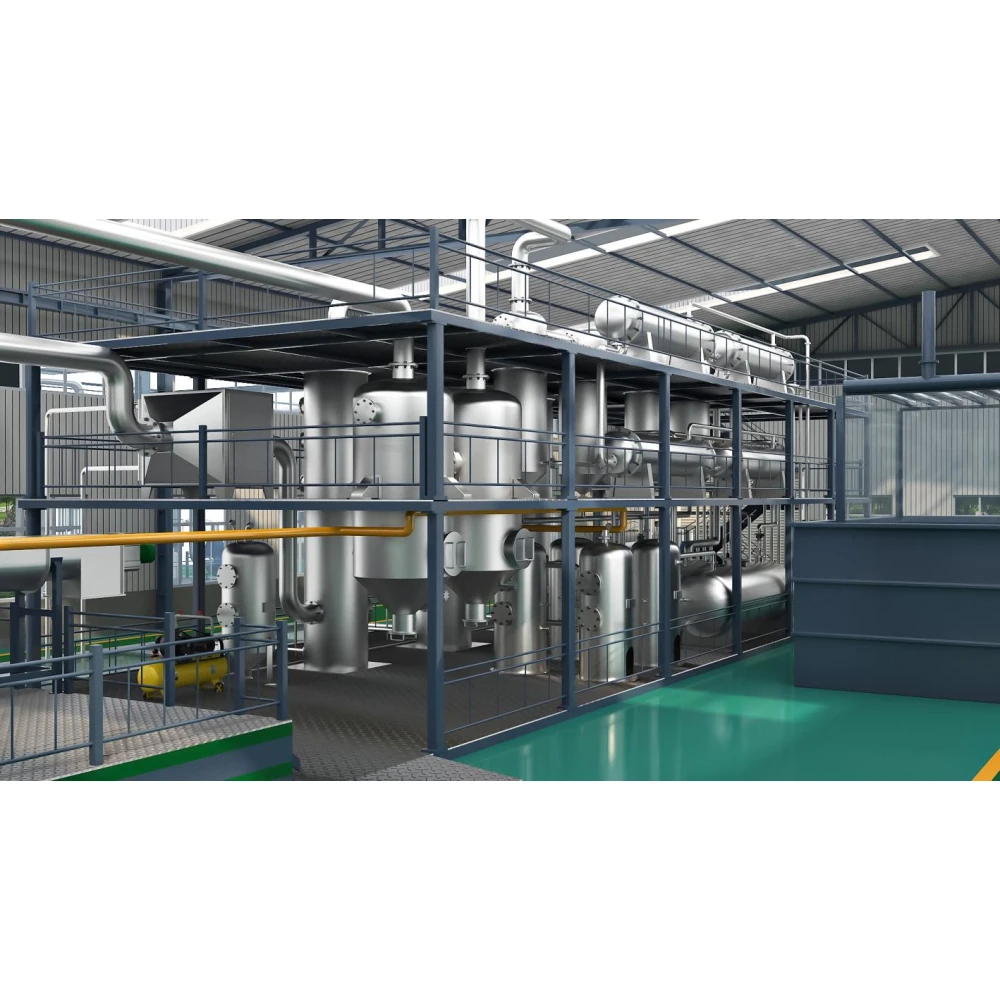
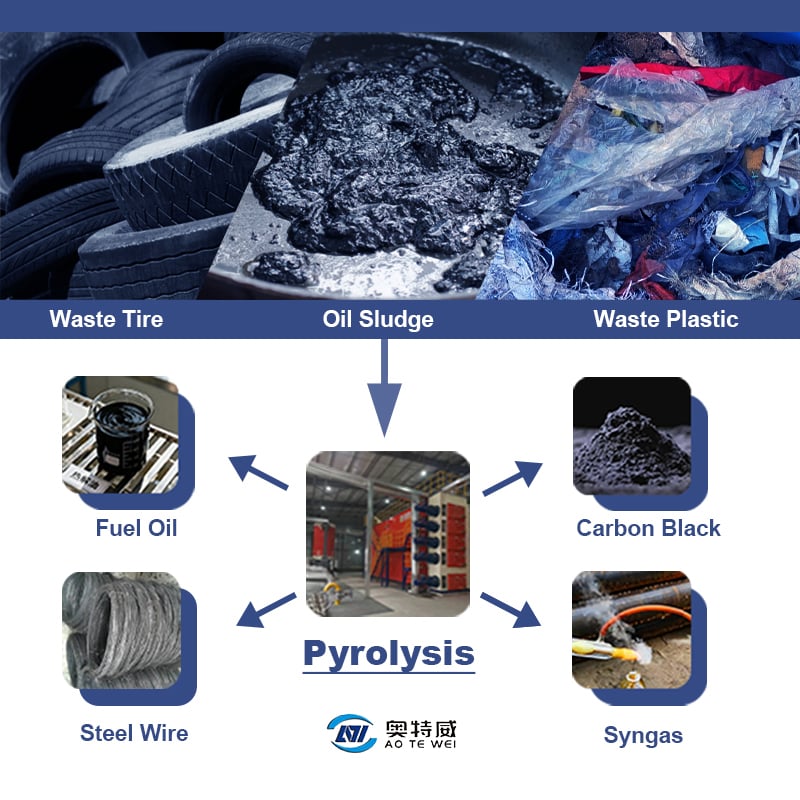
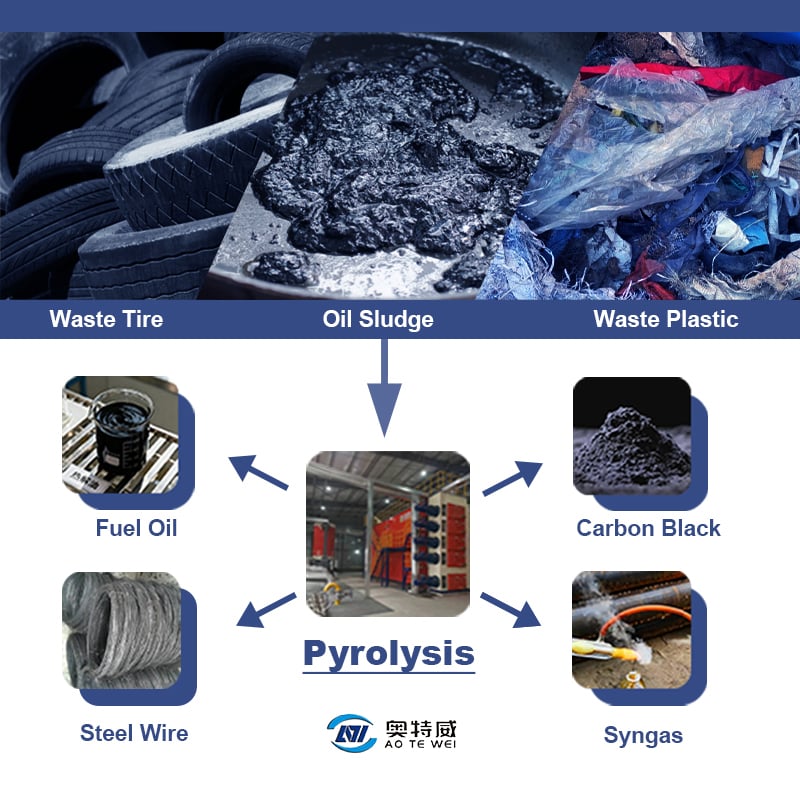
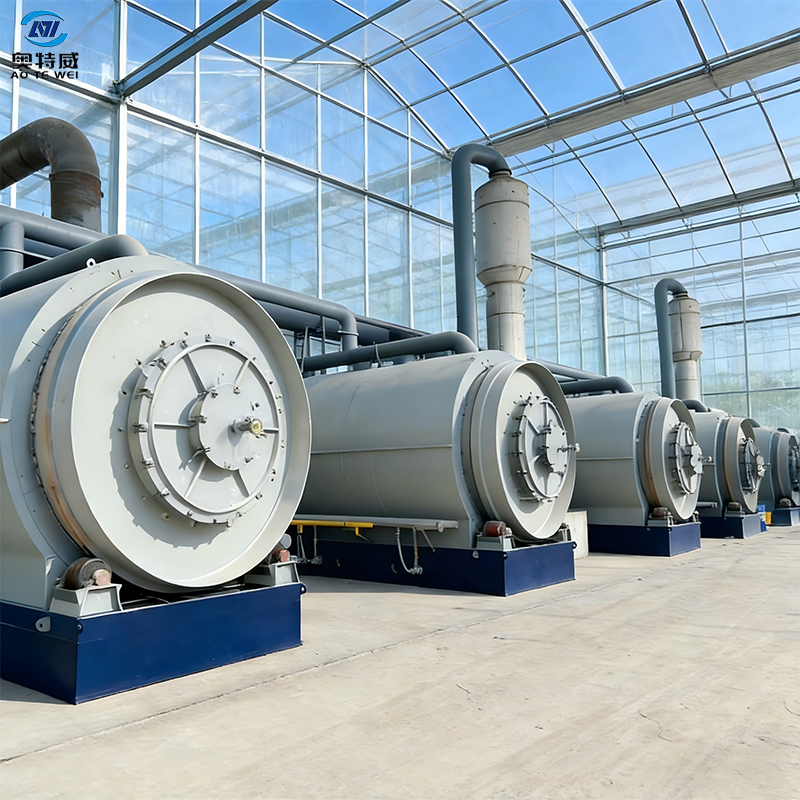
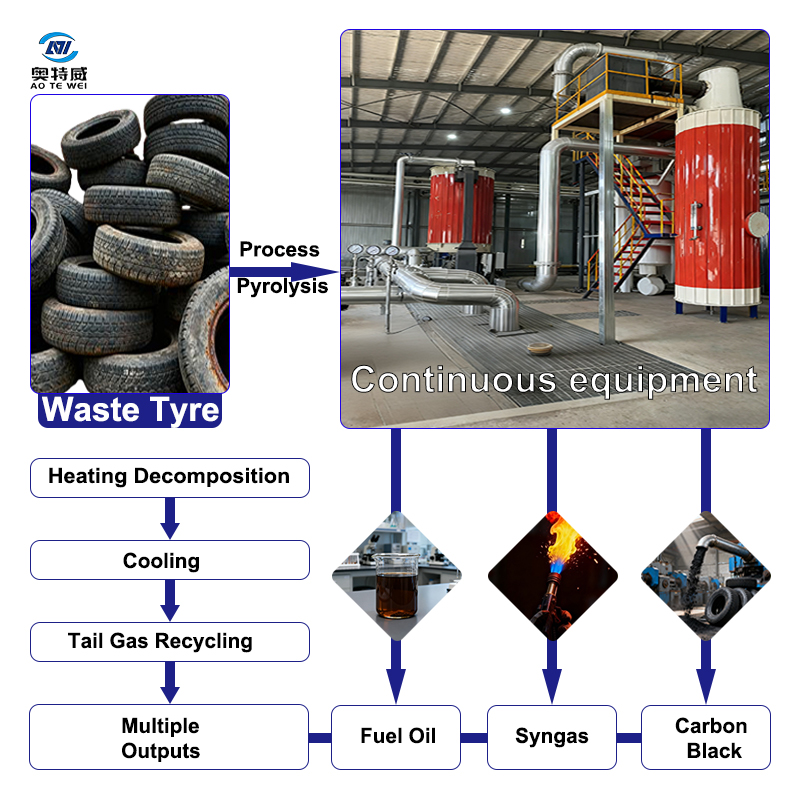
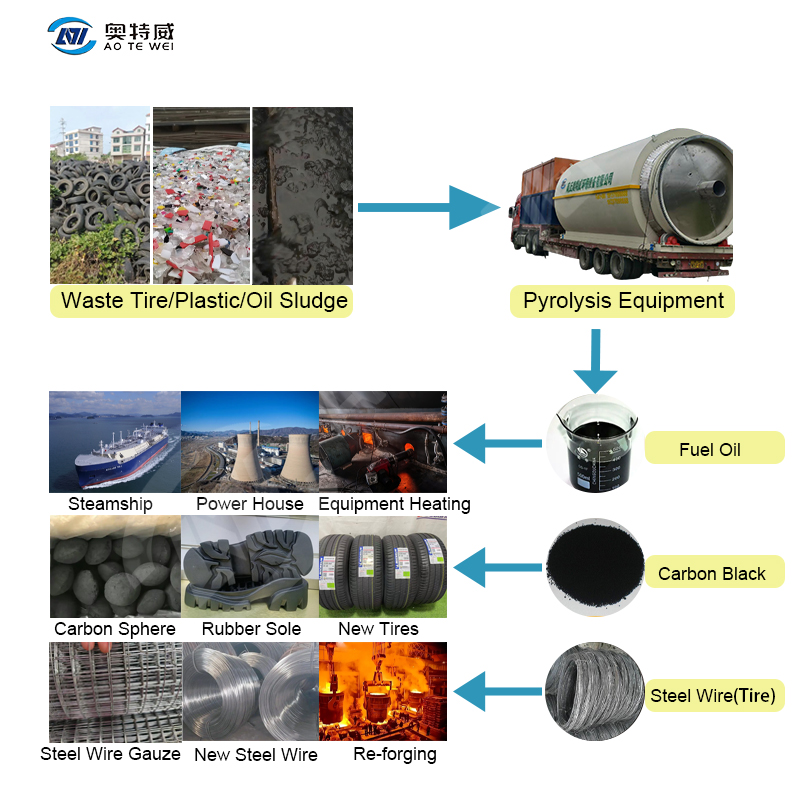
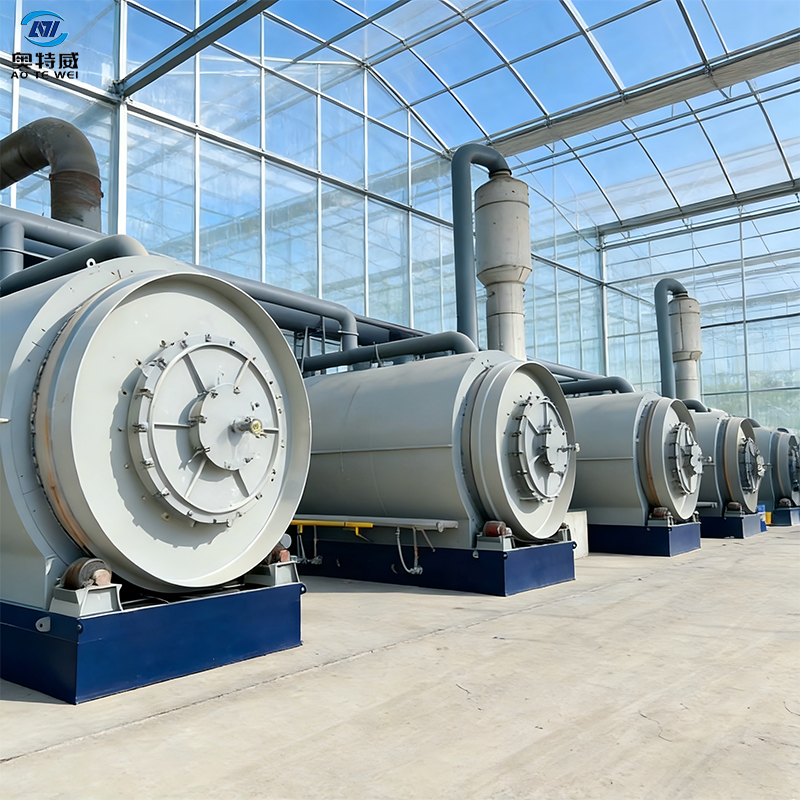
A tire pyrolysis plant is an industrial facility designed to convert waste tires into valuable resources through a thermochemical process called pyrolysis. By heating shredded or whole tires in an oxygen-free environment, the plant breaks down the rubber compounds into four primary outputs: pyrolysis oil, carbon black, steel wire, and combustible gas. These outputs can be sold directly or refined further, making the tire pyrolysis plant a cornerstone of modern waste-to-energy and circular economy strategies. The core technology behind a tire pyrolysis plant relies on a sealed reactor system that maintains precise temperature control, typically between 280 and 450 degrees Celsius. This controlled thermal decomposition prevents combustion and ensures maximum yield from each batch or continuous feed cycle. Advanced models incorporate fully continuous feeding mechanisms, automated pressure monitoring, and integrated condensation systems that efficiently separate liquid oil from non-condensable gases. The non-condensable gases are typically recycled back into the heating system, reducing external fuel consumption and lowering operating costs. From a technological standpoint, modern tire pyrolysis plants feature multi-stage condensers, dust removal systems, and tail gas treatment units that neutralize sulfur compounds and other emissions before release. These systems ensure compliance with increasingly strict environmental regulations across North America, Europe, and Asia. Reactor designs vary from batch-type to fully continuous rotary kilns, with the latter offering higher throughput and reduced labor requirements. Applications for a tire pyrolysis plant span multiple industries. The pyrolysis oil produced serves as a substitute for industrial fuel oil in cement kilns, glass factories, and power generation facilities. Carbon black recovered from the process is used in rubber manufacturing, pigment production, and as a fuel source. Steel wire extracted during processing is sold directly to scrap metal dealers. The versatility of outputs makes the tire pyrolysis plant an attractive investment for waste management companies, recycling entrepreneurs, and industrial manufacturers seeking to reduce raw material costs while addressing the global challenge of end-of-life tire disposal.

New Product Recommendations

Investing in a tire pyrolysis plant delivers a range of practical benefits that directly impact your bottom line and your environmental footprint. Here is a straightforward look at what this technology does for you and your business. First, it turns a disposal problem into a profit center. Waste tires are one of the most persistent solid waste challenges in the world. Landfills reject them, open burning is illegal in most regions, and stockpiles create fire hazards and mosquito breeding grounds. A tire pyrolysis plant takes this liability and converts it into sellable products. Every ton of tires you process yields approximately 45 to 52 percent pyrolysis oil, 30 to 35 percent carbon black, 10 to 15 percent steel wire, and 5 to 10 percent combustible gas. Each of these outputs has a ready market, which means your raw material costs are essentially zero or even negative if you charge a tipping fee for accepting waste tires. Second, operating costs stay low because the plant largely fuels itself. The combustible gas generated during pyrolysis is fed back into the reactor burner system. This self-sustaining energy loop means you spend less on external fuel sources like natural gas or diesel. Some operators report that after the initial startup phase, the plant runs almost entirely on its own byproduct gas, cutting energy expenses significantly. Third, the tire pyrolysis plant gives you multiple revenue streams from a single input. You are not dependent on the price of one commodity. If pyrolysis oil prices dip, carbon black and steel wire sales help maintain cash flow. This diversification reduces financial risk and makes your operation more resilient to market fluctuations. Fourth, modern tire pyrolysis plants are built to meet environmental standards without requiring constant manual intervention. Automated emission control systems handle tail gas treatment, dust suppression, and odor management. This means you spend less time managing compliance issues and more time running your business. Fifth, the scalability of a tire pyrolysis plant means you can start with a smaller batch unit and expand to a continuous system as your feedstock supply and capital allow. You are not locked into a single configuration. Manufacturers offer modular designs that let you add reactor capacity, upgrade condensation systems, or integrate automated feeding lines as your operation grows. Sixth, the technology supports corporate sustainability goals. Businesses across manufacturing, logistics, and retail are under increasing pressure to demonstrate responsible waste management. Partnering with or operating a tire pyrolysis plant provides verifiable data on waste diversion, carbon reduction, and resource recovery that can be reported to stakeholders and regulators. Seventh, the demand for pyrolysis oil and recovered carbon black is growing. Industrial facilities that previously relied on virgin fuel oil are actively seeking lower-cost alternatives, and pyrolysis oil fits that need. Similarly, carbon black producers are exploring recycled sources to reduce dependence on petroleum-derived feedstocks. Getting into the tire pyrolysis plant business now positions you ahead of this demand curve. In summary, a tire pyrolysis plant is not just a piece of equipment. It is a business model that converts a persistent environmental problem into a sustainable, multi-stream revenue operation with low input costs, growing market demand, and a clear environmental value proposition.

Practical Tips

Company Updates Factory Audit Video | On-site Shooting of Aotewei Environmental Protection Equipment, Transparently Showing Manufacturing Strength

08

Apr

Company Updates Factory Audit Video | On-site Shooting of Aotewei Environmental Protection Equipment, Transparently Showing Manufacturing Strength

To further improve supply chain transparency and optimize the factory audit experience for domestic and overseas customers, Shangqiu Aotewei Environmental Protection Equipment Co., Ltd. has recently completed a comprehensive update of its factory aud...
View More

Get a Free Quote

Our representative will contact you soon.
Email
WhatsApp / Mobile
Name
Company Name
Message
0/1000

tire pyrolysis plant

Continuous Feeding System for Maximum Throughput and Efficiency

Continuous Feeding System for Maximum Throughput and Efficiency

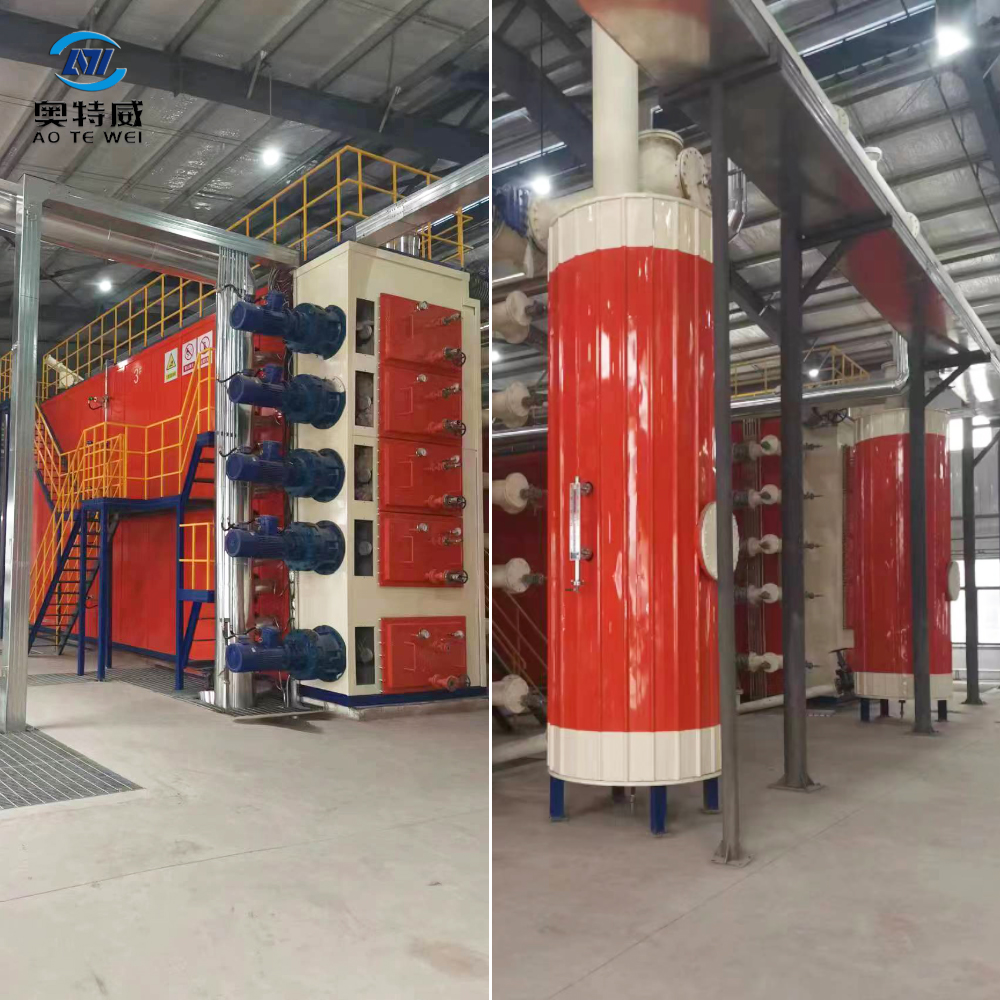
One of the most significant technological advancements in the modern tire pyrolysis plant is the fully continuous feeding and discharging system. Unlike older batch-type reactors that require operators to stop the process, cool the reactor, remove residue, and reload before restarting, a continuous tire pyrolysis plant keeps the reactor running around the clock without interruption. This design change has a profound impact on both productivity and profitability. In a continuous tire pyrolysis plant, shredded tire material is fed into the reactor through a sealed screw conveyor system. The sealing mechanism prevents oxygen from entering the reactor chamber, which is critical for maintaining the pyrolysis reaction rather than triggering combustion. At the discharge end, carbon black and steel wire are removed through a similarly sealed outlet system, again without exposing the reactor interior to air. This continuous loop means the reactor maintains a stable operating temperature at all times, which directly improves the consistency and quality of the pyrolysis oil produced. Temperature fluctuations in batch systems can cause variations in oil yield and composition. A continuous tire pyrolysis plant eliminates these fluctuations, delivering a more uniform product that is easier to market and sell to industrial buyers who require consistent fuel specifications. From a labor perspective, the continuous system requires fewer operators per ton of output. Batch systems demand hands-on attention during loading, unloading, and restart cycles. A continuous tire pyrolysis plant automates these transitions, allowing a small team to manage a high-volume operation. This reduces your payroll costs relative to output and minimizes the risk of human error during critical process transitions. Maintenance is also more predictable with a continuous system. Because the reactor never undergoes the thermal cycling of repeated heat-up and cool-down phases, the mechanical stress on reactor walls, seals, and bearings is significantly lower. This extends the service life of major components and reduces unplanned downtime. For operators processing large volumes of waste tires, whether sourced from municipal collection programs, tire retailers, or automotive service centers, the continuous tire pyrolysis plant is the clear choice for maximizing return on investment. The combination of higher throughput, lower labor costs, better product consistency, and reduced maintenance burden makes it the most cost-effective configuration available in the market today.
Advanced Emission Control Technology That Meets Global Environmental Standards

Advanced Emission Control Technology That Meets Global Environmental Standards

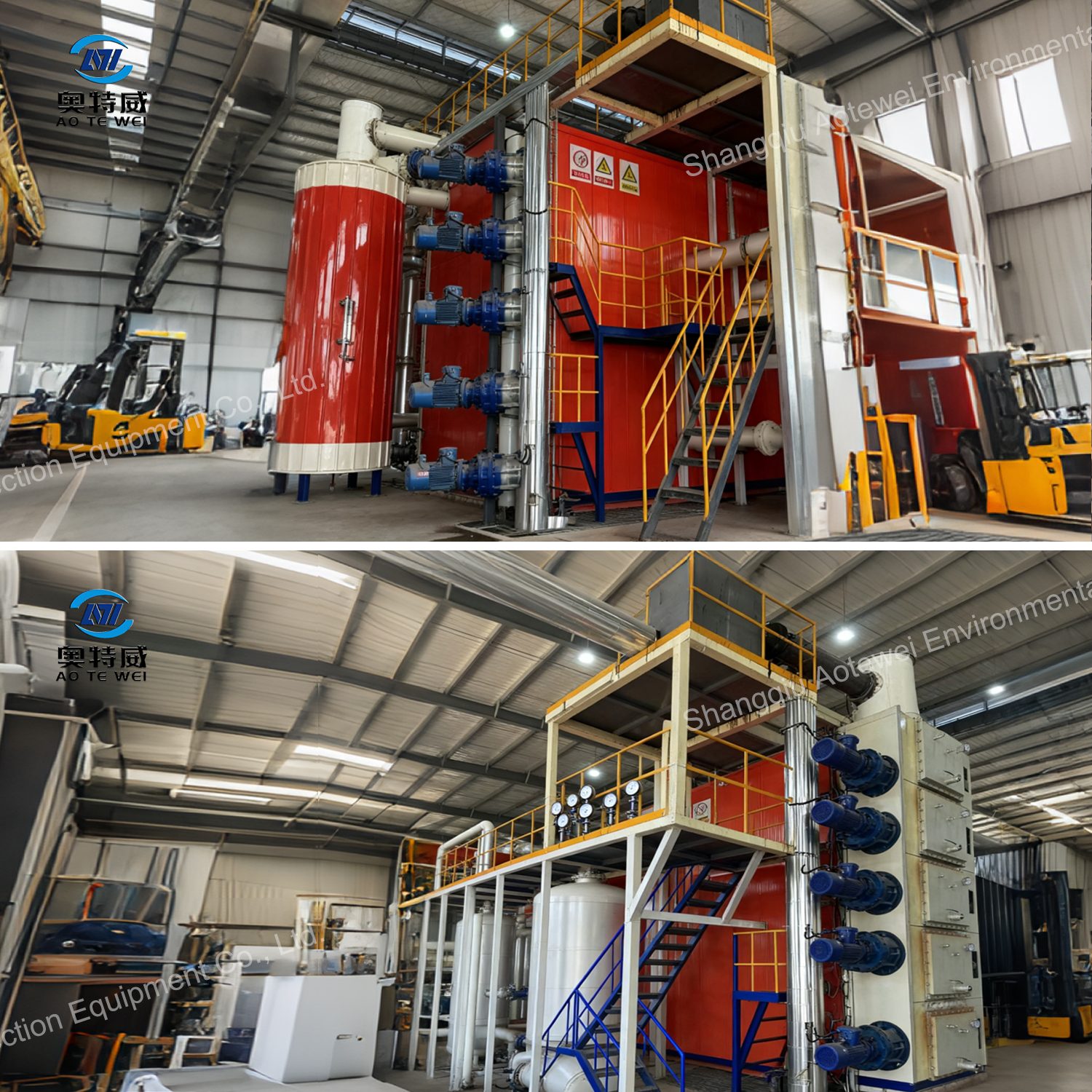
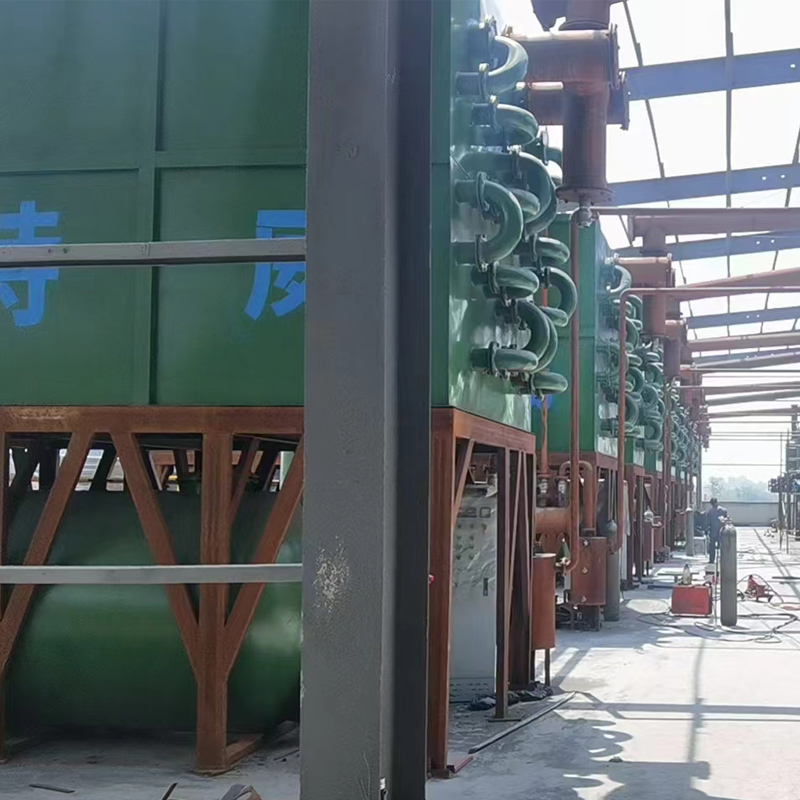
Environmental compliance is not optional for any tire pyrolysis plant operating in today's regulatory environment. Governments across Europe, North America, and Asia have tightened emission standards for industrial facilities, and the penalties for non-compliance range from heavy fines to facility shutdowns. The most competitive tire pyrolysis plant designs address this challenge head-on with integrated, multi-stage emission control systems that handle every category of potential pollutant before it reaches the atmosphere. The emission control process in a well-engineered tire pyrolysis plant begins inside the reactor itself. By maintaining a strictly oxygen-free environment, the system prevents the formation of dioxins and furans, which are the toxic byproducts associated with open burning of rubber. The gases that exit the reactor pass through a series of condensers that progressively cool the vapor stream, separating heavy oil fractions, light oil fractions, and non-condensable gases at different temperature stages. This multi-stage condensation not only maximizes oil recovery but also ensures that the gas stream entering the tail gas treatment unit is as clean as possible before final processing. The tail gas treatment unit in a modern tire pyrolysis plant typically includes a desulfurization tower that removes hydrogen sulfide and sulfur dioxide, a water scrubbing system that captures particulate matter and water-soluble compounds, and in some configurations, an activated carbon adsorption stage for trace organic compounds. The treated gas is either recycled as fuel for the reactor burner or safely vented after meeting emission thresholds. Dust management is another critical component. Carbon black discharge and handling generates fine particulate matter that must be contained. A properly designed tire pyrolysis plant incorporates enclosed conveyors, negative pressure collection systems, and bag filters at transfer points to prevent dust from escaping into the surrounding environment. This protects both worker health and community air quality. For investors and operators, this level of environmental engineering translates into a durable operating license. Facilities that invest in proper emission control from the start avoid the costly retrofits and regulatory battles that plague operators who cut corners. It also opens doors to markets and partnerships that require environmental certification, including municipal waste contracts and corporate sustainability programs that demand verified environmental performance from their supply chain partners.
High-Value Multi-Product Output That Diversifies Your Revenue Streams

High-Value Multi-Product Output That Diversifies Your Revenue Streams

What sets a tire pyrolysis plant apart from most other waste processing technologies is its ability to generate multiple high-value products from a single feedstock. Rather than producing one output that is entirely dependent on a single commodity market, a tire pyrolysis plant simultaneously yields pyrolysis oil, carbon black, steel wire, and combustible gas. Each of these products serves a distinct market, and together they create a diversified revenue structure that protects your business from the volatility of any single commodity price. Pyrolysis oil is typically the highest-value output from a tire pyrolysis plant. It is a dark, viscous fuel oil with a calorific value comparable to standard industrial fuel oil, making it a direct substitute in applications such as cement kilns, ceramic factories, glass manufacturing furnaces, and marine boilers. Some operators invest in further refining equipment to upgrade pyrolysis oil into diesel-range fuel, which commands a premium price in transportation and power generation markets. The carbon black recovered from a tire pyrolysis plant is another commercially significant product. While it requires further processing to meet the specifications of virgin carbon black used in new tire manufacturing, it is widely used as a reinforcing filler in lower-grade rubber products, as a black pigment in construction materials, and as a solid fuel in industrial boilers. The global demand for recovered carbon black is growing as manufacturers seek to reduce their dependence on petroleum-derived raw materials and meet sustainability targets. Steel wire extracted during the tire pyrolysis plant process is sold directly to scrap metal recyclers and steel mills. Although it represents a smaller fraction of the total output by value, it requires no additional processing and provides immediate cash flow. The combustible gas generated during pyrolysis is primarily used on-site to fuel the reactor, but surplus gas can be directed to a gas generator to produce electricity for the facility, further reducing operating costs. This multi-product model means that a tire pyrolysis plant operator is never entirely exposed to the price movement of a single commodity. When oil prices fall, carbon black and steel wire revenues provide a buffer. When steel prices are low, oil and carbon black sales compensate. This built-in diversification is one of the most compelling financial arguments for investing in a tire pyrolysis plant and positions operators for long-term stability in a market that is only growing as global tire waste volumes continue to increase year over year.

Get a Free Quote

Our representative will contact you soon.
Email
WhatsApp / Mobile
Name
Company Name
Message
0/1000
Newsletter
Please Leave A Message With Us