
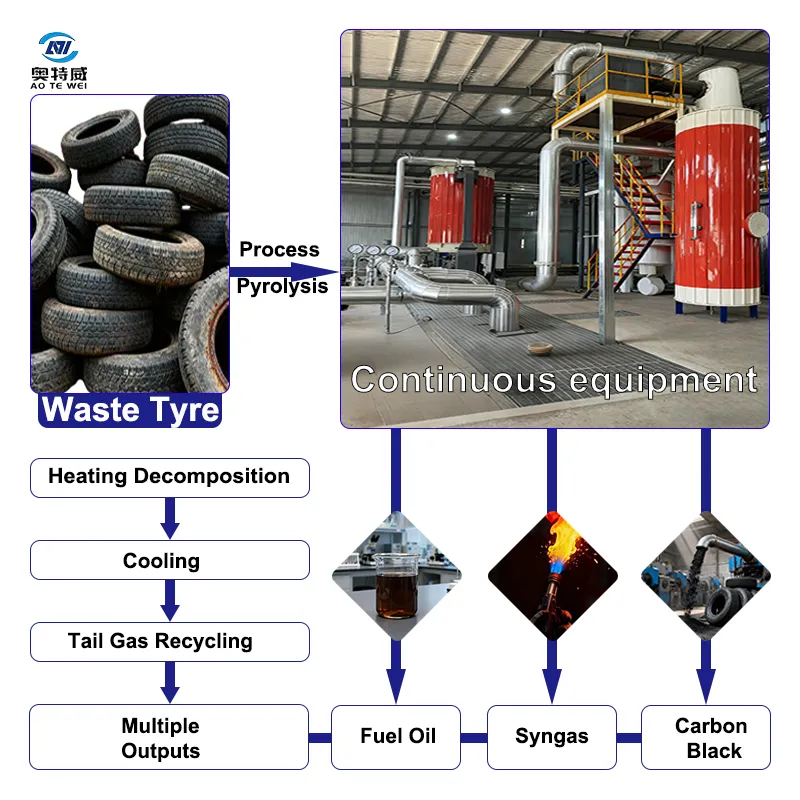
Tire pyrolysis has emerged as one of the most strategically compelling investments in the circular economy landscape. As waste tire volumes continue to grow globally, investors are actively seeking scalable solutions that convert environmental liabilities into profitable commodities. Tire pyrolysis directly addresses this demand by thermally decomposing end-of-life tires into reusable outputs including pyrolysis oil, carbon black, steel wire, and combustible gas. The convergence of tightening waste regulations, rising fuel prices, and ESG-driven capital allocation has made tire pyrolysis a business model that resonates strongly with forward-thinking investors.
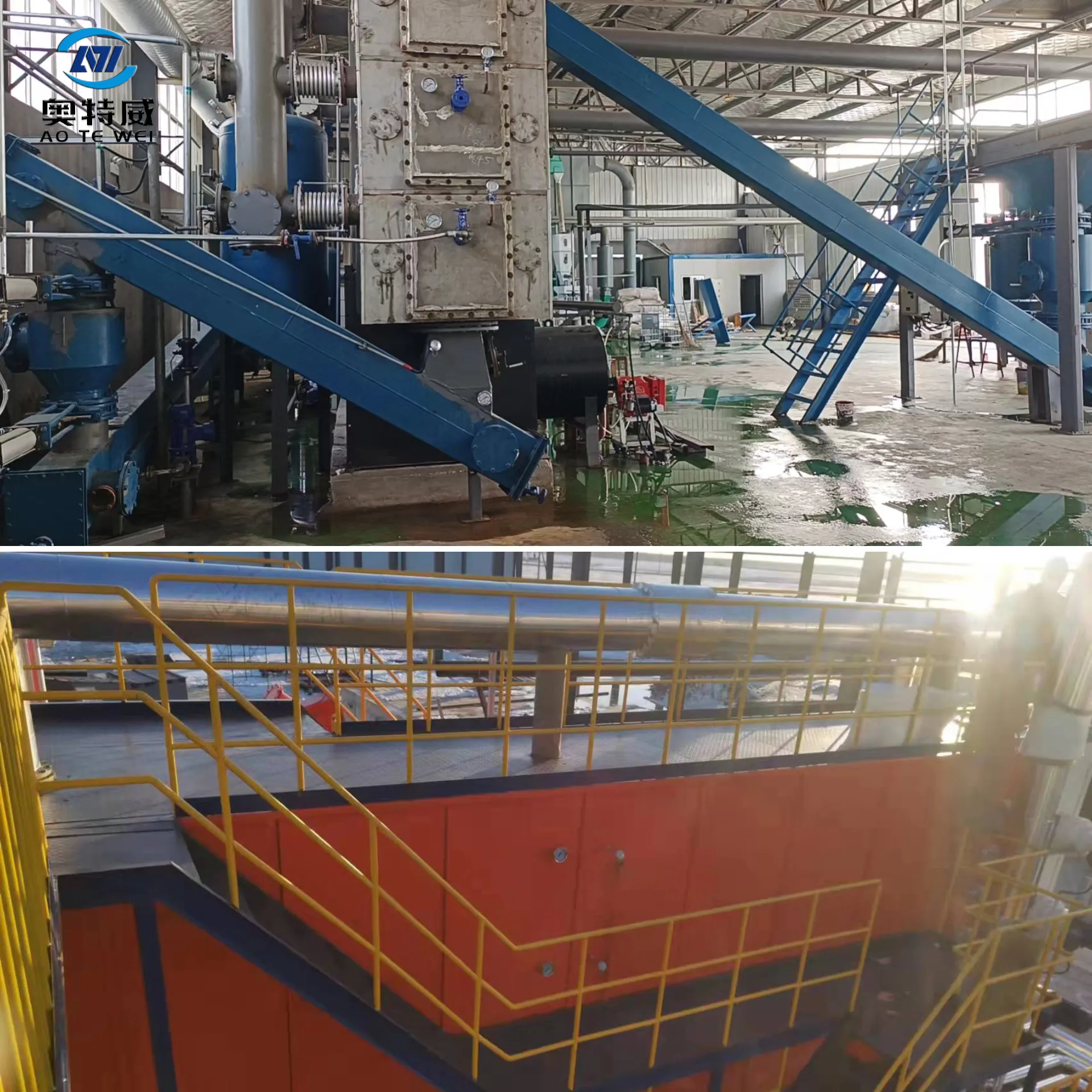
Understanding why tire pyrolysis attracts investor interest requires examining the full business value chain. A single tire pyrolysis plant can process dozens of tons of waste tires per day, generating multiple revenue streams simultaneously. Tire pyrolysis is not simply a waste treatment method — it is a vertically integrated circular economy engine that transforms discarded materials into industrial-grade products. Investors who enter the tire pyrolysis space early benefit from favorable market positioning, regulatory tailwinds, and compounding commodity revenue.
The Circular Economy Logic Behind Tire Pyrolysis
Closing the Loop on Waste Tires
The circular economy model is built on the principle of keeping materials in use for as long as possible. Tire pyrolysis embodies this principle by converting tires that would otherwise enter landfills or illegal dumpsites into recoverable resources. When investors evaluate tire pyrolysis through a circular economy lens, they see a model that simultaneously reduces waste, recovers energy, and generates sellable by-products. This triple-value proposition is rare in traditional industrial investments and is a primary reason tire pyrolysis continues to attract capital from sustainability-focused funds.
Tire pyrolysis produces pyrolysis oil that can be used directly as industrial fuel or refined further into diesel-equivalent products. The carbon black recovered through tire pyrolysis can be sold to rubber manufacturers, pigment producers, or used as a fuel additive. Steel wire extracted during tire pyrolysis is recyclable through conventional scrap metal channels. Because every output of tire pyrolysis has a defined market, the revenue model is diversified and resilient. Investors recognize that tire pyrolysis does not depend on a single commodity price, which reduces financial risk significantly.
Regulatory and Policy Drivers for Tire Pyrolysis
Government policies worldwide are increasingly mandating responsible end-of-life tire management. Many jurisdictions now prohibit tire landfilling entirely, creating a structural demand for alternative processing solutions. Tire pyrolysis benefits directly from these regulatory shifts because it offers a compliant, high-recovery pathway for waste tire disposal. Investors who establish tire pyrolysis operations in regulated markets gain a competitive advantage, as waste tire processors become essential infrastructure rather than optional service providers. Policy alignment is a core reason why institutional investors are now evaluating tire pyrolysis plants as long-term infrastructure assets.
Financial Returns That Drive Tire Pyrolysis Investment
Revenue Streams from a Tire Pyrolysis Plant
A well-designed tire pyrolysis plant generates income from multiple product categories simultaneously. Pyrolysis oil typically represents the highest-value output of tire pyrolysis, accounting for roughly 40 to 50 percent of the total yield by weight. Carbon black from tire pyrolysis can be marketed as a lower-cost alternative to virgin carbon black in various industrial applications. The combustible gas produced during tire pyrolysis is typically recycled internally to fuel the heating system, which significantly reduces the operating cost of the tire pyrolysis process. This self-fueling characteristic makes tire pyrolysis particularly attractive to investors focused on operational efficiency and margin control.
Tire pyrolysis plants with full automation capabilities further enhance profitability by reducing labor costs and improving throughput consistency. Investors evaluating tire pyrolysis at scale understand that each additional processing unit multiplies both capacity and revenue proportionally. The modular scalability of tire pyrolysis infrastructure means that investors can begin with a single plant and expand operations incrementally as market demand grows. This staged investment approach reduces initial capital exposure while preserving upside potential, making tire pyrolysis an accessible entry point for mid-market investors as well as large capital allocators.
Payback Periods and Long-Term Value in Tire Pyrolysis
Tire pyrolysis projects typically demonstrate attractive payback periods relative to other industrial recycling investments. Because tire pyrolysis processes a feedstock — waste tires — that is often available at low or negative cost, the input economics of tire pyrolysis differ favorably from conventional manufacturing. In many markets, tire pyrolysis operators receive a gate fee for accepting waste tires, effectively generating revenue before the tire pyrolysis process even begins. This dual-income structure, combining gate fees with commodity sales, is a distinguishing financial feature that makes tire pyrolysis compelling at multiple investment scales.
ESG Alignment and Market Positioning in Tire Pyrolysis
Tire Pyrolysis as an ESG Investment
Environmental, social, and governance criteria have become central to institutional investment decisions. Tire pyrolysis scores strongly across all three ESG dimensions. From an environmental standpoint, tire pyrolysis reduces landfill waste, lowers open-burning pollution, and recovers carbon-intensive materials for reuse. Socially, tire pyrolysis creates skilled employment in waste management, engineering, and logistics. From a governance perspective, tire pyrolysis operations that comply with emissions standards and hold appropriate permits present low regulatory risk profiles. Investors under ESG mandates find that tire pyrolysis provides a credible, measurable sustainability narrative backed by real industrial output.
Market Growth Signals for Tire Pyrolysis
The global supply of waste tires grows every year in parallel with vehicle production. Tire pyrolysis capacity has not kept pace with this supply growth, meaning that existing and planned tire pyrolysis plants continue to operate in a supply-rich environment. Investors entering the tire pyrolysis market today face limited direct competition relative to the available feedstock volumes. The combination of abundant raw material, growing end-product demand, and rising regulatory pressure creates a market structure that systematically favors tire pyrolysis operators. This structural imbalance is a key signal that savvy investors monitor when evaluating tire pyrolysis as a long-term business opportunity.
FAQ
What outputs does tire pyrolysis produce for sale?
Tire pyrolysis produces pyrolysis oil, carbon black, steel wire, and combustible gas. Each output of tire pyrolysis has established industrial markets, allowing operators to generate diversified revenue from a single tire pyrolysis process. Pyrolysis oil is typically the highest-value product, while carbon black and steel from tire pyrolysis add supplementary income streams.
How does tire pyrolysis fit into a circular economy strategy?
Tire pyrolysis fits the circular economy model by recovering valuable materials from end-of-life tires that would otherwise become waste. Rather than discarding tires, tire pyrolysis reintroduces their material content — oil, carbon, and steel — back into productive supply chains. This closed-loop approach is exactly what circular economy frameworks require, making tire pyrolysis a structurally aligned investment.
Is tire pyrolysis suitable for both small and large-scale investors?
Yes, tire pyrolysis is scalable across investment sizes. Smaller investors can begin with a single tire pyrolysis unit and expand capacity over time. Larger capital allocators can deploy tire pyrolysis at industrial scale by operating multiple units or building centralized tire pyrolysis processing hubs. The modular design of modern tire pyrolysis plants supports phased investment strategies that match capital availability with market growth.