Reconditioned Oil: Cost-Effective, Eco-Friendly Lubrication for Industrial Applications

Get a Free Quote

Our representative will contact you soon.
Email
WhatsApp / Mobile
Name
Company Name
Message
0/1000

reconditioned oil

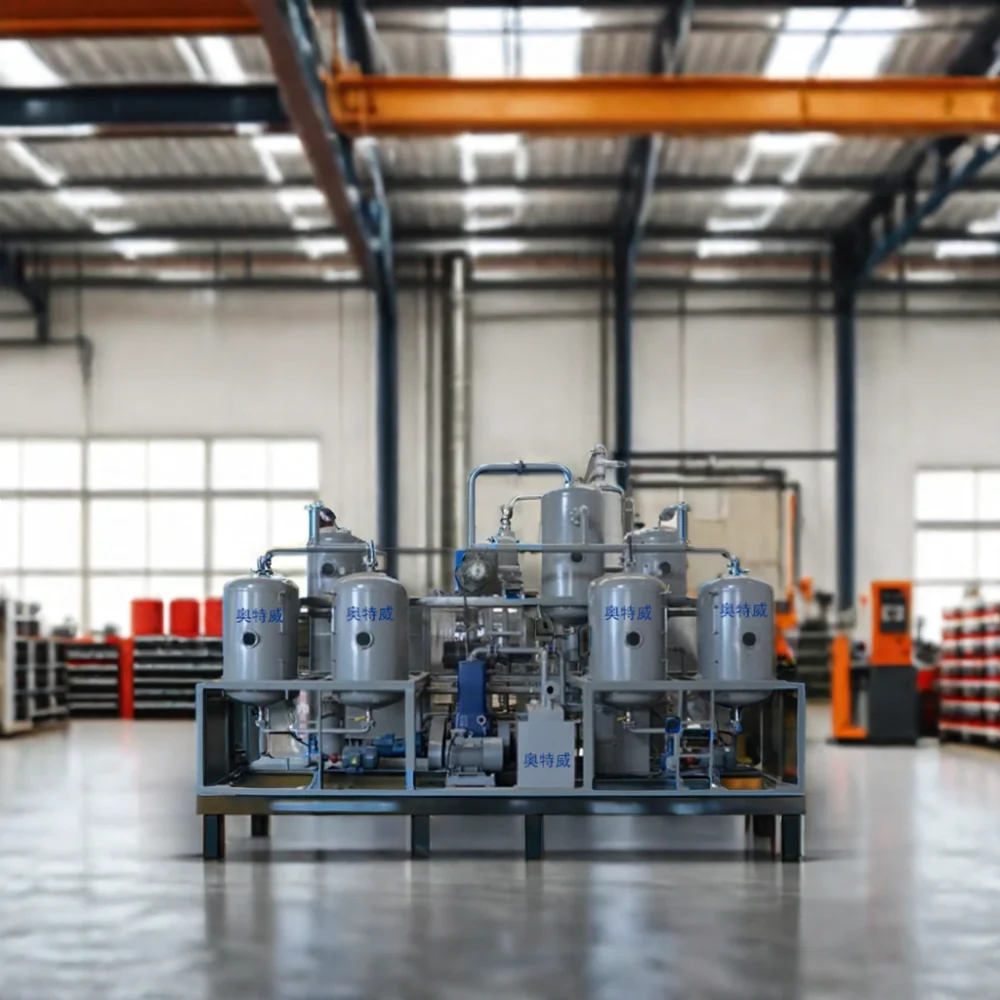
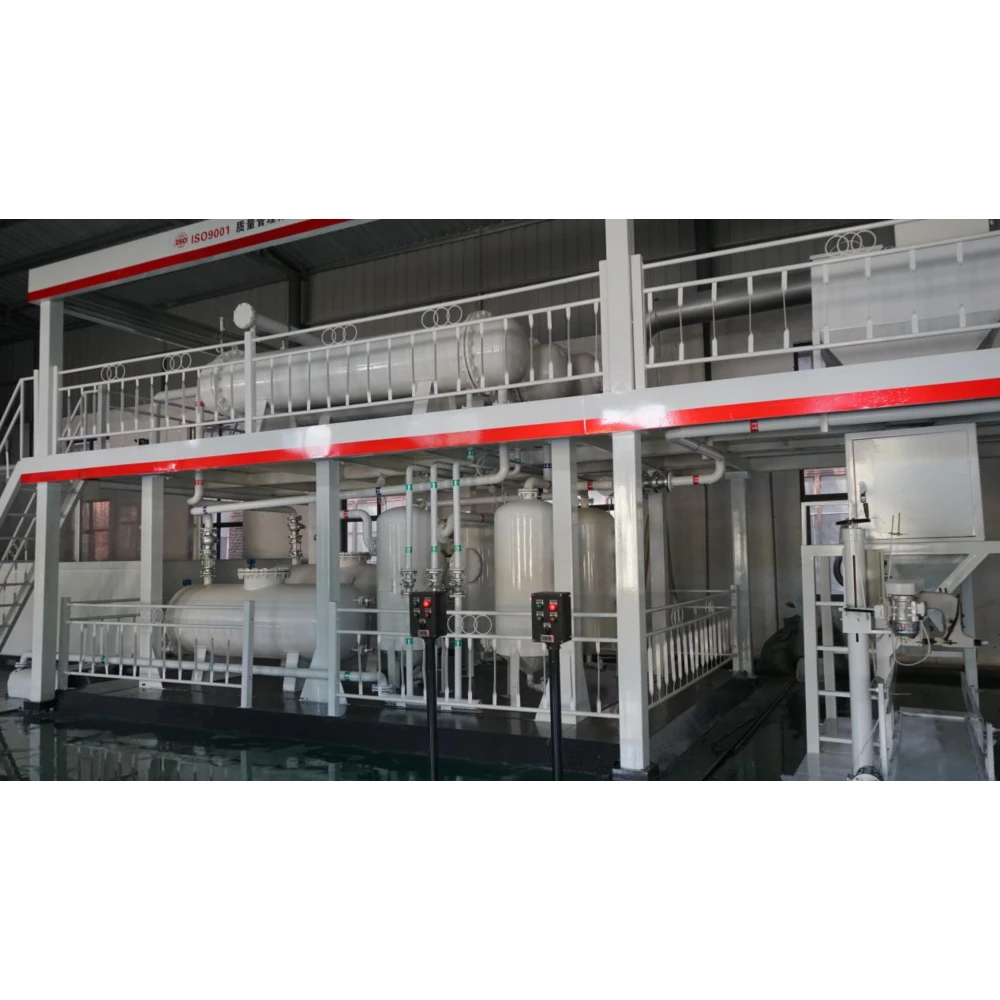
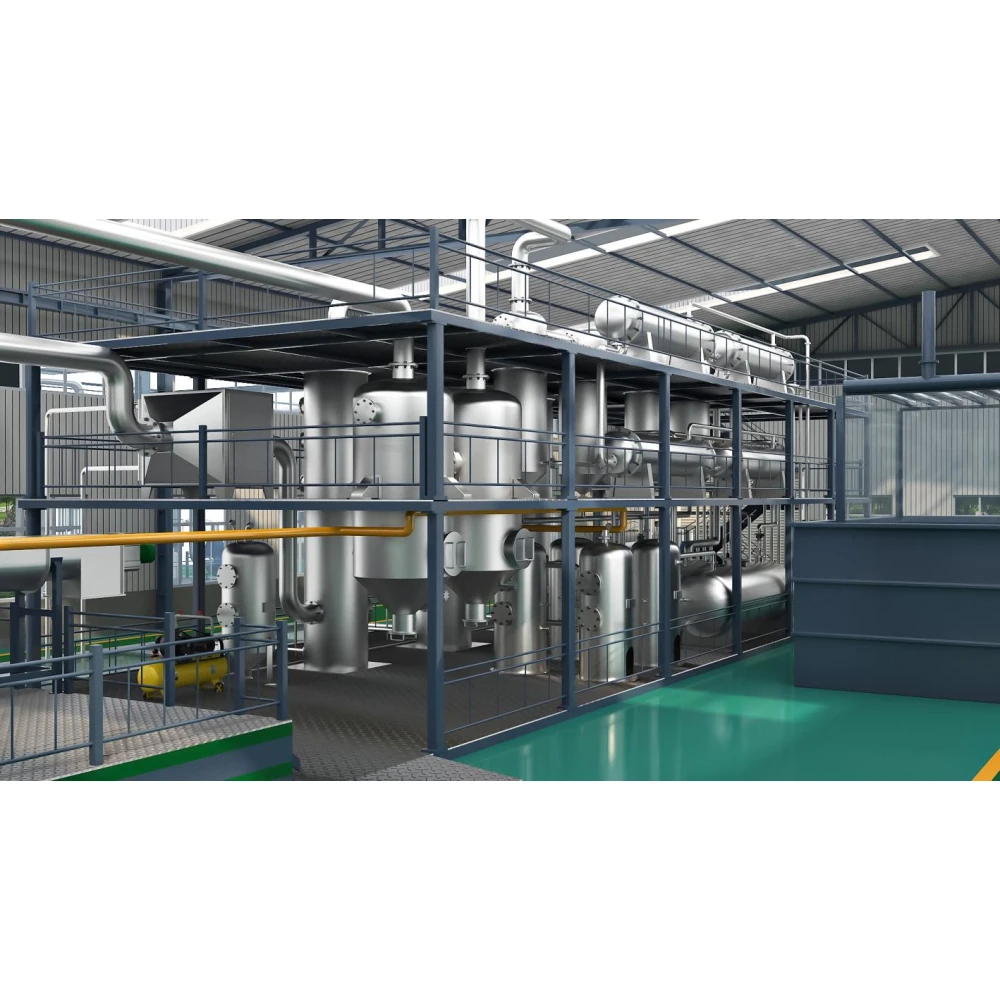
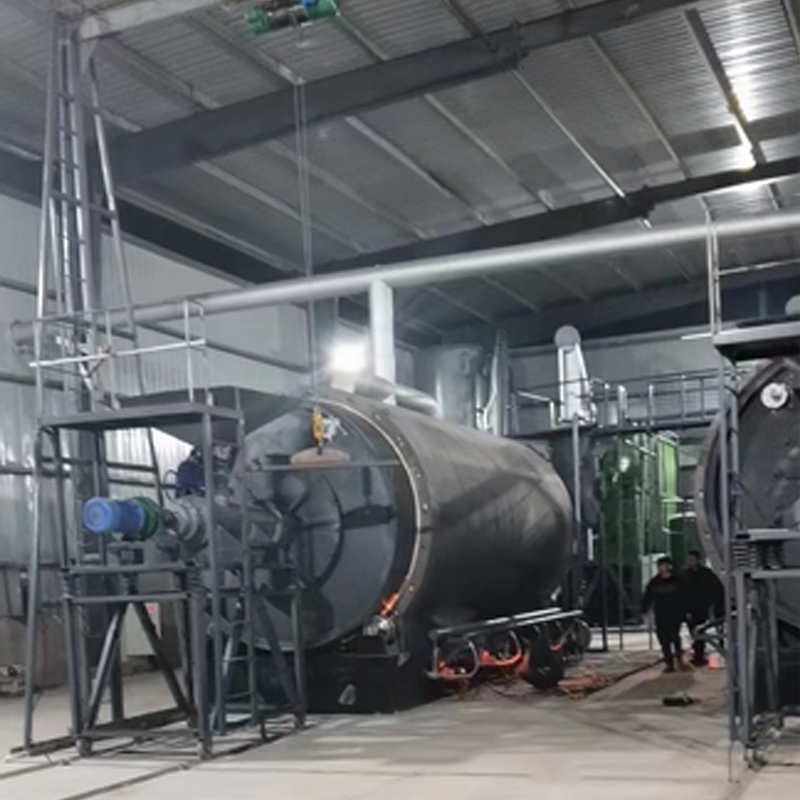
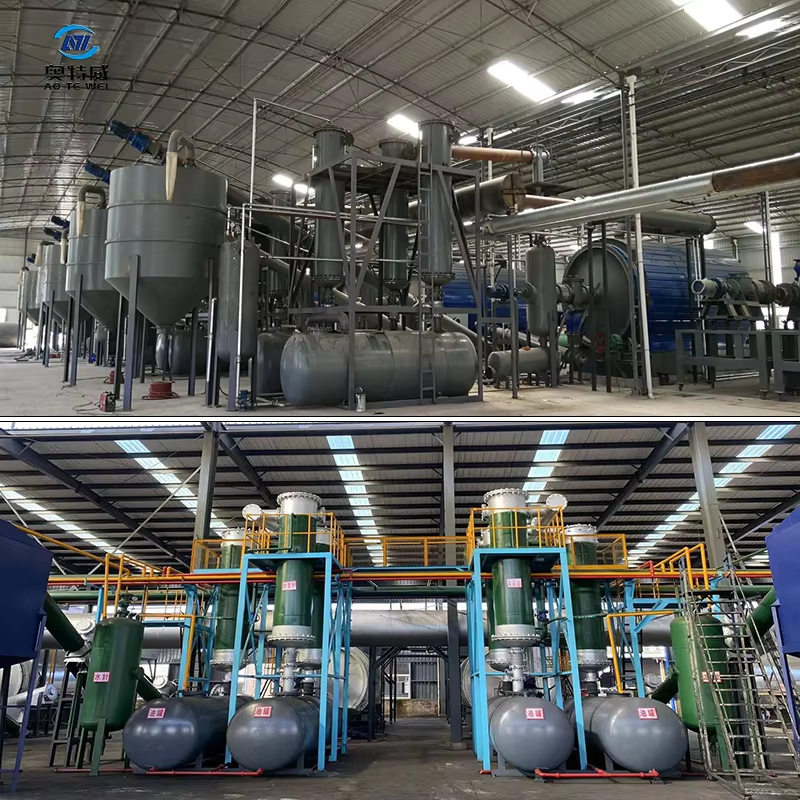
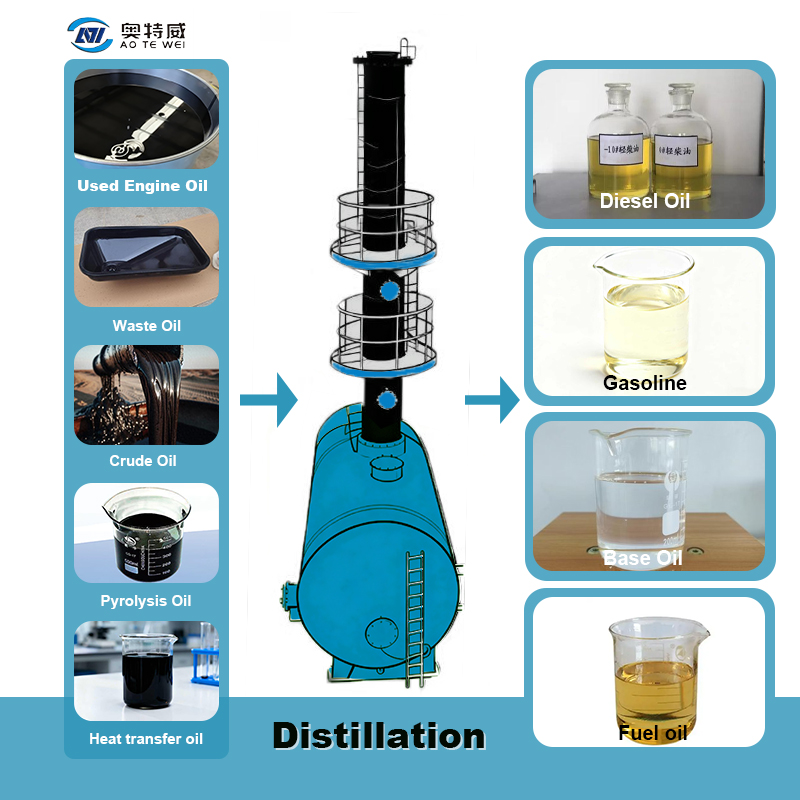
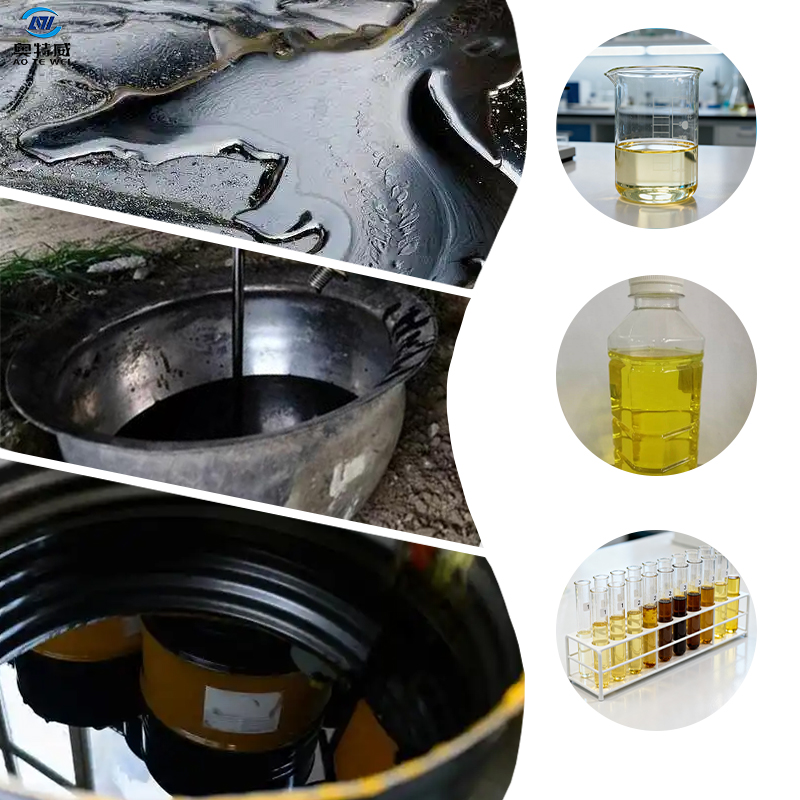
Reconditioned oil is a high-performance lubricant solution that has been carefully processed, purified, and restored to meet or exceed original performance specifications. Unlike virgin oil, reconditioned oil undergoes a rigorous multi-stage treatment process that removes contaminants, oxidation byproducts, water, and degraded additives, resulting in a product that delivers reliable lubrication while supporting sustainable industrial practices. This makes reconditioned oil an increasingly popular choice across a wide range of industries, from manufacturing and heavy machinery to automotive and marine applications. At its core, reconditioned oil serves several critical functions. It reduces friction between moving mechanical components, dissipates heat generated during operation, prevents corrosion and rust on metal surfaces, and carries away particulate contaminants that could otherwise cause premature wear. These functions are essential for maintaining equipment efficiency, extending service life, and reducing unplanned downtime. The technological process behind reconditioned oil typically involves vacuum distillation, filtration through advanced media, chemical treatment to restore additive packages, and rigorous quality testing to verify viscosity, flash point, acid number, and other key performance indicators. Modern reconditioning facilities use state-of-the-art analytical equipment to ensure every batch of reconditioned oil meets strict industry standards such as ISO, ASTM, and OEM specifications. Reconditioned oil finds application in hydraulic systems, gearboxes, turbines, compressors, transformers, and general industrial machinery. It is also widely used in fleet maintenance programs where cost efficiency and environmental responsibility are priorities. The ability to restore used oil to a serviceable condition means that businesses can significantly reduce their lubricant procurement costs without compromising on quality or equipment protection. In summary, reconditioned oil combines advanced processing technology with practical performance benefits, making it a smart, sustainable, and cost-effective lubrication solution for modern industrial and commercial operations.

New Product Releases

Reconditioned oil offers a compelling set of practical benefits that make it a smart choice for businesses and operators who want to get more value from their lubrication programs without cutting corners on quality or equipment protection. Here is a straightforward look at why reconditioned oil deserves serious consideration. First, reconditioned oil saves you money. Purchasing reconditioned oil typically costs significantly less than buying new virgin lubricant, yet it delivers comparable performance across most standard applications. For businesses running large fleets, operating heavy machinery, or managing multiple production lines, the cost savings from switching to reconditioned oil can add up quickly. You get the lubrication performance your equipment needs at a fraction of the price, freeing up budget for other operational priorities. Second, reconditioned oil helps you reduce waste and meet environmental goals. Used oil is classified as a hazardous waste in many jurisdictions, and disposing of it improperly carries serious legal and financial risks. By choosing reconditioned oil, you support a circular economy model that keeps used oil out of landfills and waterways. This directly reduces your operation's environmental footprint and can contribute to sustainability certifications and corporate responsibility reporting. Third, reconditioned oil protects your equipment just as effectively as new oil when it has been properly processed and tested. The reconditioning process restores the oil's viscosity, removes harmful contaminants, and replenishes the additive package that keeps metal surfaces protected. This means your gearboxes, hydraulic systems, compressors, and other critical assets continue to receive the lubrication they need to run smoothly and reliably. Fourth, reconditioned oil gives you supply chain flexibility. In markets where virgin lubricant supply can be disrupted by raw material shortages or price volatility, reconditioned oil provides a stable and locally available alternative. Many reconditioning operations source used oil regionally, which shortens supply chains and reduces lead times. Fifth, using reconditioned oil demonstrates responsible stewardship to your customers, partners, and regulators. As sustainability becomes a key factor in procurement decisions and regulatory compliance, being able to show that your operation uses reconditioned oil sends a clear message that you take environmental responsibility seriously. This can strengthen your brand reputation and open doors to customers who prioritize green supply chains. Sixth, reconditioned oil is versatile. It is available in a wide range of viscosity grades and formulations to suit hydraulic systems, industrial gearboxes, turbines, compressors, and more. This versatility means you can standardize on reconditioned oil across multiple equipment types, simplifying your procurement and inventory management. In short, reconditioned oil delivers real, measurable value: lower costs, reduced environmental impact, reliable equipment protection, supply chain resilience, and a stronger sustainability profile. These are practical benefits that directly improve your bottom line and your operational reputation.

Latest News

Company Updates Factory Audit Video | On-site Shooting of Aotewei Environmental Protection Equipment, Transparently Showing Manufacturing Strength

08

Apr

Company Updates Factory Audit Video | On-site Shooting of Aotewei Environmental Protection Equipment, Transparently Showing Manufacturing Strength

To further improve supply chain transparency and optimize the factory audit experience for domestic and overseas customers, Shangqiu Aotewei Environmental Protection Equipment Co., Ltd. has recently completed a comprehensive update of its factory aud...
View More

Get a Free Quote

Our representative will contact you soon.
Email
WhatsApp / Mobile
Name
Company Name
Message
0/1000

reconditioned oil

Cost-Effective Performance Without Compromise

Cost-Effective Performance Without Compromise

One of the most compelling reasons to choose reconditioned oil is the significant cost advantage it delivers without forcing you to accept lower performance standards. Many businesses assume that a lower price tag automatically means lower quality, but this assumption does not hold when it comes to properly reconditioned oil. The reconditioning process is designed specifically to restore used oil to a condition that meets or exceeds the performance requirements of standard industrial and commercial applications. When oil is reconditioned, it goes through a carefully controlled sequence of processing steps. Contaminants such as water, metal particles, soot, and oxidation byproducts are removed through filtration, centrifugation, and vacuum dehydration. The oil's additive package, which includes anti-wear agents, antioxidants, corrosion inhibitors, and viscosity modifiers, is analyzed and replenished to bring it back to the correct concentration levels. The finished reconditioned oil is then tested against key performance parameters including viscosity index, flash point, pour point, total acid number, and cleanliness level before it is approved for use. This rigorous process means that the reconditioned oil you receive has been verified to perform correctly in your equipment. For businesses managing large fleets of vehicles, extensive hydraulic systems, or multiple industrial machines, the cost savings from using reconditioned oil instead of virgin lubricant can be substantial. Procurement budgets stretch further, maintenance costs stay predictable, and equipment continues to operate within its designed performance envelope. The financial benefit is not just about the purchase price of the oil itself. When equipment is properly lubricated with high-quality reconditioned oil, it experiences less wear, fewer breakdowns, and longer service intervals. This translates directly into reduced maintenance labor costs, lower spare parts consumption, and less unplanned downtime, all of which have a measurable positive impact on your overall operational cost structure. Choosing reconditioned oil is therefore not a compromise. It is a financially intelligent decision that aligns quality with cost efficiency.
Environmental Responsibility Built Into Every Barrel

Environmental Responsibility Built Into Every Barrel

Reconditioned oil is one of the most environmentally responsible lubrication choices available to industrial and commercial operators today. The environmental case for reconditioned oil is strong, well-documented, and increasingly relevant as businesses face growing pressure from regulators, customers, and investors to demonstrate genuine sustainability commitments. Used lubricating oil is a persistent environmental pollutant. A single liter of improperly disposed used oil can contaminate up to one million liters of groundwater. When used oil is collected and reconditioned rather than incinerated or landfilled, this pollution risk is eliminated. The reconditioning process recovers the base oil fraction of used lubricant, which represents the majority of its volume, and returns it to productive use. This recovery process consumes significantly less energy than refining crude oil to produce virgin base stock, resulting in a lower carbon footprint per liter of finished lubricant. By choosing reconditioned oil, your operation directly participates in a circular economy model for lubricants. Used oil that would otherwise become a waste disposal problem is transformed back into a valuable resource. This reduces demand for virgin base oil derived from crude petroleum, conserving non-renewable natural resources and reducing the environmental impact associated with oil extraction and primary refining. For businesses that report on environmental, social, and governance metrics, using reconditioned oil provides concrete, quantifiable data points. You can report on the volume of used oil diverted from waste streams, the reduction in virgin lubricant consumption, and the associated decrease in carbon emissions. These figures support sustainability reporting frameworks and demonstrate to stakeholders that your environmental commitments are backed by real operational choices. Regulatory compliance is another important dimension. Many jurisdictions have strict rules governing the storage, handling, and disposal of used oil. Partnering with a reputable reconditioned oil supplier who manages used oil collection and processing in full compliance with environmental regulations reduces your compliance burden and eliminates the legal and financial risks associated with improper used oil disposal. Reconditioned oil is not just a lubricant. It is a statement of environmental values put into practice.
Proven Reliability Across Demanding Industrial Applications

Proven Reliability Across Demanding Industrial Applications

Reconditioned oil has earned a strong track record of reliable performance across a broad spectrum of demanding industrial and commercial applications. From high-pressure hydraulic systems and precision gearboxes to large industrial turbines and heavy-duty compressors, reconditioned oil consistently demonstrates the performance characteristics that equipment operators depend on to keep their assets running safely and efficiently. The reliability of reconditioned oil begins with the quality of the reconditioning process itself. Reputable reconditioning operations follow documented quality management systems and apply standardized testing protocols at every stage of production. Incoming used oil is analyzed to determine its base oil type, contamination level, and remaining additive content. This analysis informs the specific treatment sequence required to restore the oil to the correct specification. After processing, every batch of reconditioned oil is tested against a comprehensive panel of performance parameters before it is released for sale or use. These tests verify that the oil meets the viscosity grade requirements for its intended application, that harmful contaminants have been reduced to acceptable levels, that the additive package is functioning correctly, and that the oil will perform reliably across the full range of operating temperatures and pressures it will encounter in service. This systematic approach to quality assurance means that reconditioned oil is not a gamble. It is a verified, tested product with documented performance credentials. Equipment manufacturers and maintenance engineers who have evaluated reconditioned oil in controlled trials consistently report that properly reconditioned oil performs comparably to virgin lubricant in standard operating conditions. For operators of hydraulic systems, this means consistent pressure response, reliable seal compatibility, and effective protection against pump wear. For gearbox applications, it means stable viscosity under load, effective anti-wear protection, and resistance to foam formation. For turbine and compressor operators, it means oxidation stability, water separation performance, and corrosion protection that keeps critical rotating equipment running at peak efficiency. The versatility of reconditioned oil across these diverse application types makes it a practical, reliable, and trusted lubrication solution for modern industrial operations.

Get a Free Quote

Our representative will contact you soon.
Email
WhatsApp / Mobile
Name
Company Name
Message
0/1000
Newsletter
Please Leave A Message With Us