Recycled Base Oil: High-Performance, Sustainable Lubricant Base Stock for Industrial and Commercial Use

Get a Free Quote

Our representative will contact you soon.
Email
WhatsApp / Mobile
Name
Company Name
Message
0/1000

recycled base oil

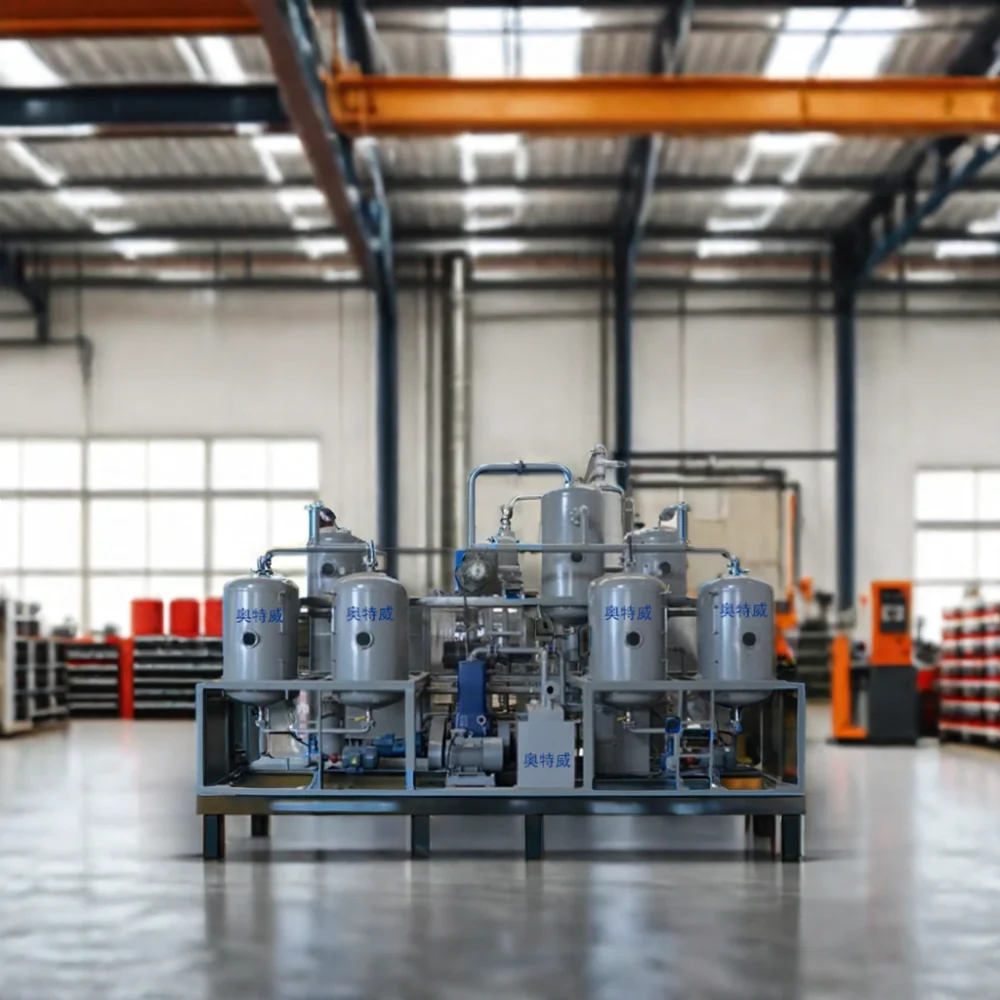
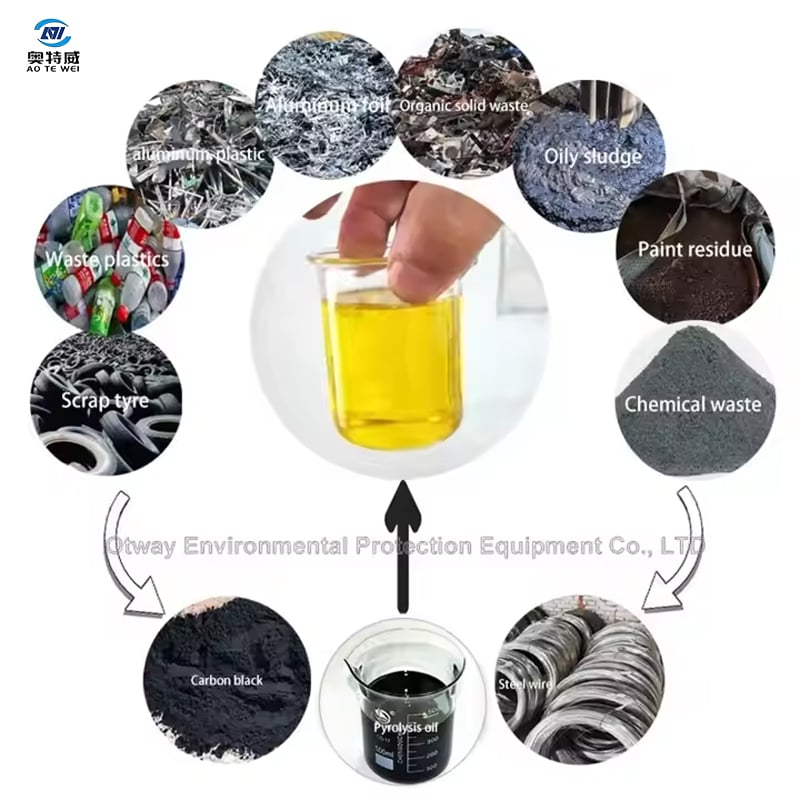
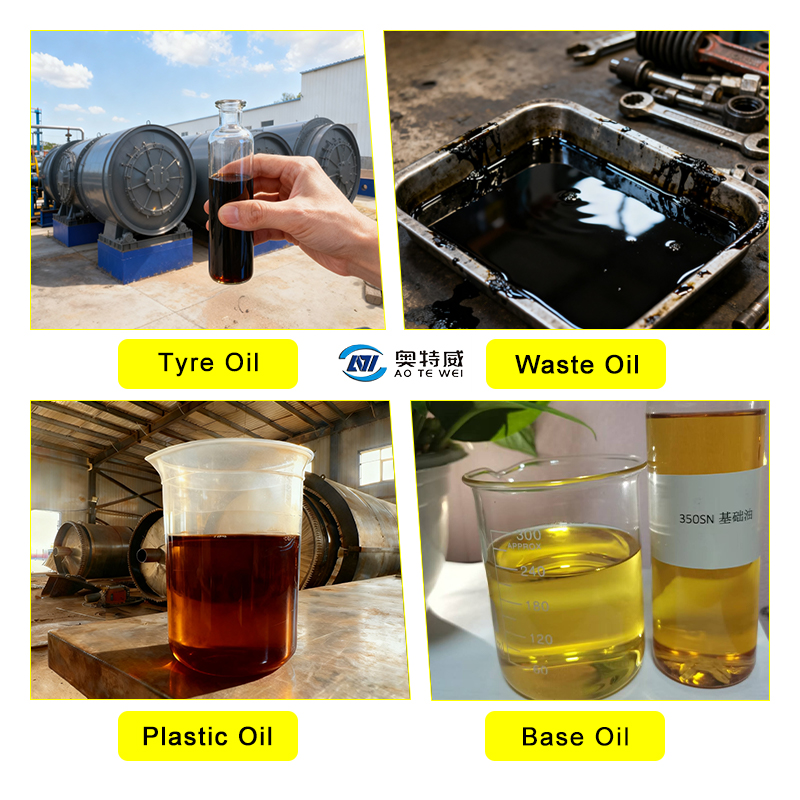
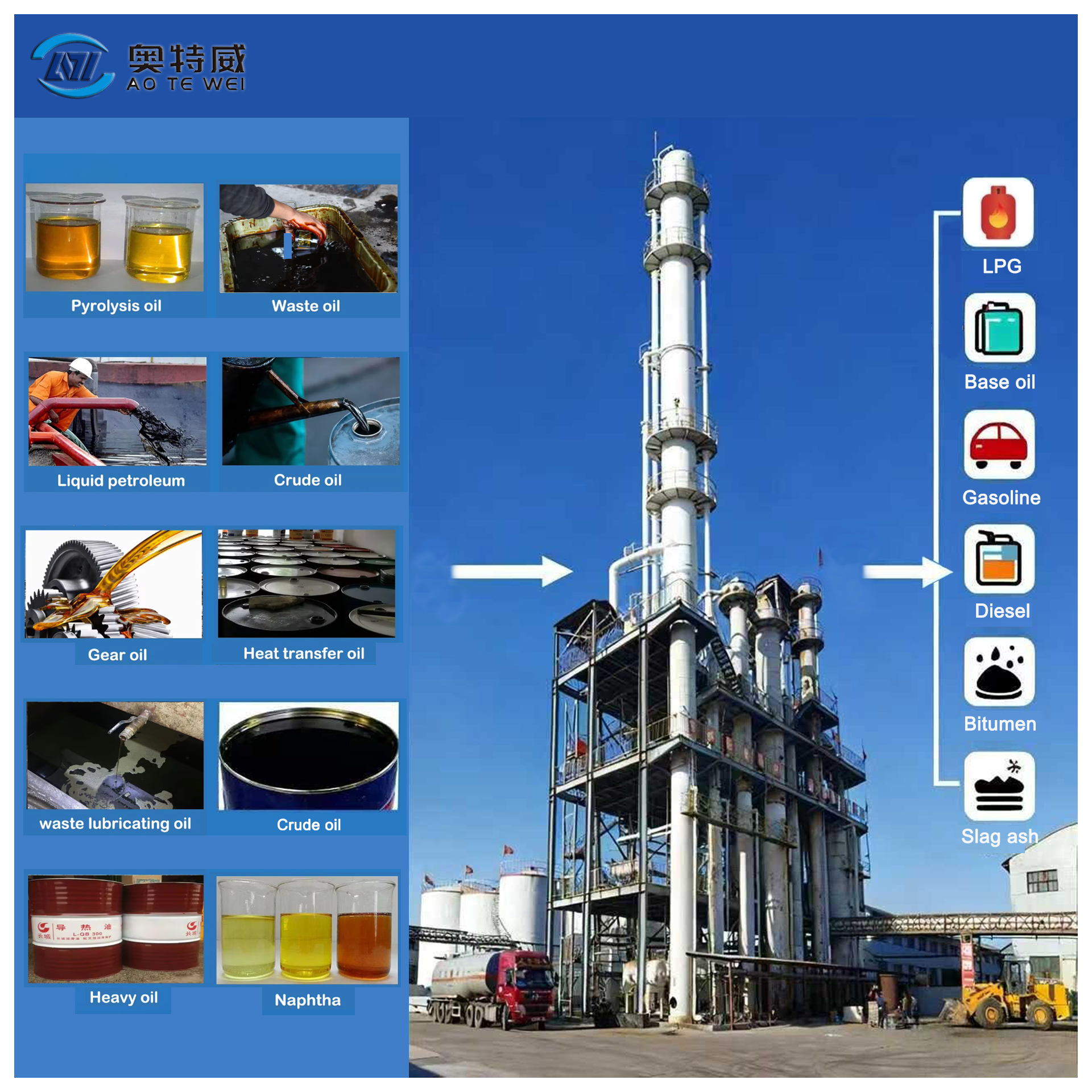
Recycled base oil is a high-quality lubricant base stock produced through the re-refining of used or waste mineral oils. Rather than discarding spent lubricants, advanced processing technologies recover and purify the base oil fraction, yielding a product that meets or exceeds the performance standards of virgin base oils. The production of recycled base oil typically involves several key stages: collection and pre-treatment of used oil, removal of water and light hydrocarbons, vacuum distillation to separate base oil fractions, and finishing processes such as hydrotreatment or solvent extraction to remove contaminants, color bodies, and residual additives. The result is a clean, stable, and consistent base oil that serves as the foundation for a wide range of lubricant formulations. From a technological standpoint, modern re-refining facilities employ hydrofinishing and catalytic processes that bring recycled base oil into compliance with API Group I, II, and in some cases Group III specifications. These advancements ensure that the viscosity index, oxidation stability, and sulfur content of recycled base oil align with industry benchmarks, making it a technically sound substitute for conventionally refined base oils. The applications of recycled base oil span numerous industries and product categories. It is widely used in the formulation of engine oils, gear oils, hydraulic fluids, metalworking fluids, industrial lubricants, and transformer oils. Automotive workshops, manufacturing plants, marine operations, and agricultural equipment fleets all rely on lubricants derived from recycled base oil. Beyond its technical performance, recycled base oil carries significant environmental value. Re-refining used oil consumes considerably less energy than refining crude oil from scratch, and it prevents hazardous waste from entering landfills or waterways. For businesses seeking to reduce their carbon footprint while maintaining operational efficiency, recycled base oil represents a responsible and cost-effective raw material choice that supports both sustainability goals and bottom-line performance.

New Product Releases

Recycled base oil gives businesses a smarter way to source lubricant raw materials without sacrificing quality or reliability. Here is a straightforward look at the practical benefits that make recycled base oil a compelling choice for manufacturers, blenders, and end users alike. First, recycled base oil costs less than virgin base oil in most market conditions. Because re-refining used oil requires fewer raw material inputs than processing crude petroleum, producers can offer recycled base oil at a more competitive price point. For lubricant blenders and industrial buyers who purchase base oil in large volumes, this price advantage translates directly into lower production costs and stronger profit margins. You get a product that performs comparably to conventional base oil while spending less per liter or per barrel. Second, recycled base oil helps your business meet environmental targets without changing your product formulations. Regulators, customers, and investors increasingly expect companies to demonstrate sustainable sourcing practices. By switching to recycled base oil, you reduce your reliance on virgin petroleum, cut greenhouse gas emissions associated with your supply chain, and divert waste oil from improper disposal. This is not just good for the planet. It is a tangible selling point that strengthens your brand reputation and opens doors to environmentally conscious customers and procurement programs. Third, the quality of recycled base oil has improved dramatically over the past decade. Modern re-refining technology produces base oil that passes the same performance tests as virgin alternatives. Whether you need a base oil for engine oil blending, hydraulic fluid production, or industrial gear oil formulation, recycled base oil delivers the viscosity stability, oxidation resistance, and thermal performance your applications demand. You do not have to accept a performance trade-off to go green. Fourth, recycled base oil supports supply chain resilience. Virgin base oil supply is tied to crude oil production cycles, geopolitical factors, and refinery capacity constraints. Recycled base oil draws from a more locally distributed feedstock, namely used oil collected from workshops, fleets, and industrial facilities. This means supply disruptions that affect crude-derived base oils have less impact on recycled base oil availability. Diversifying your base oil sourcing to include recycled base oil reduces your exposure to price volatility and supply shortages. Fifth, using recycled base oil simplifies compliance with waste management regulations in many jurisdictions. Governments around the world are tightening rules around used oil disposal and encouraging re-refining as the preferred end-of-life pathway. Partnering with a recycled base oil supplier aligns your procurement strategy with the direction of regulatory policy, reducing the risk of future compliance costs or supply disruptions caused by tightening environmental rules. In summary, recycled base oil delivers cost savings, environmental credentials, reliable quality, supply chain stability, and regulatory alignment all in one product. These are practical, measurable benefits that directly support your operational and business goals.

Practical Tips

Company Updates Factory Audit Video | On-site Shooting of Aotewei Environmental Protection Equipment, Transparently Showing Manufacturing Strength

08

Apr

Company Updates Factory Audit Video | On-site Shooting of Aotewei Environmental Protection Equipment, Transparently Showing Manufacturing Strength

To further improve supply chain transparency and optimize the factory audit experience for domestic and overseas customers, Shangqiu Aotewei Environmental Protection Equipment Co., Ltd. has recently completed a comprehensive update of its factory aud...
View More

Get a Free Quote

Our representative will contact you soon.
Email
WhatsApp / Mobile
Name
Company Name
Message
0/1000

recycled base oil

Cost-Effective Performance Without Compromise

Cost-Effective Performance Without Compromise

One of the most compelling reasons to choose recycled base oil is the combination of competitive pricing and genuine technical performance. Many buyers assume that a lower-cost base oil must come with performance trade-offs, but modern re-refining technology has fundamentally changed that equation. Today, recycled base oil produced through advanced hydrofinishing and vacuum distillation processes consistently meets API Group I and Group II specifications, and leading re-refiners are pushing into Group III territory as well. This means the viscosity index, pour point, flash point, and oxidation stability of recycled base oil are fully comparable to virgin base oils refined from crude petroleum. For lubricant blenders, this is significant. Your additive packages are formulated to work with base oils of specific quality parameters. When recycled base oil meets those same parameters, you can substitute it into your existing formulations without reformulating or retesting from scratch. The finished lubricant, whether it is an engine oil, a hydraulic fluid, or an industrial gear oil, performs the same way in the field. Your customers experience no difference in equipment protection, drain intervals, or product reliability. The cost advantage comes from the economics of re-refining. Processing used oil into recycled base oil requires less energy and fewer raw material inputs than refining crude oil. Those savings flow through to the price of the base oil itself. For high-volume buyers, the per-unit savings on recycled base oil can be substantial, improving margins on finished lubricant products or allowing more competitive pricing in the market. Beyond direct cost savings, using recycled base oil can also reduce your exposure to crude oil price volatility. Virgin base oil prices move in close correlation with crude oil markets. Recycled base oil pricing is influenced by used oil collection economics, which tend to be more stable and regionally grounded. By incorporating recycled base oil into your sourcing mix, you build a natural hedge against the price swings that can squeeze margins when crude markets spike. In practical terms, recycled base oil gives procurement teams a lever to manage costs without asking the technical team to accept a lower-quality input. That alignment between cost management and quality assurance is rare and valuable, and it is one of the defining advantages that recycled base oil brings to modern lubricant supply chains.
A Genuine Environmental Advantage Backed by Data

A Genuine Environmental Advantage Backed by Data

Recycled base oil is one of the most environmentally responsible raw materials available to the lubricant industry, and the environmental case for it is grounded in measurable data rather than marketing claims. The re-refining process that produces recycled base oil uses significantly less energy than refining virgin base oil from crude petroleum. Studies conducted by re-refining industry groups and independent researchers consistently show that producing one liter of recycled base oil generates a fraction of the carbon dioxide emissions associated with producing the same volume of virgin base oil. For companies tracking Scope 3 emissions or working toward science-based climate targets, switching to recycled base oil is one of the most direct ways to reduce the carbon intensity of your product portfolio. The environmental benefit extends beyond carbon. Used oil is classified as hazardous waste in most regulatory frameworks. When used oil is not properly collected and re-refined, it risks contaminating soil and groundwater, damaging ecosystems, and creating public health hazards. Every liter of recycled base oil produced represents a liter of used oil that was diverted from improper disposal. At scale, the re-refining industry prevents millions of liters of hazardous waste from entering the environment each year. By sourcing recycled base oil, your business becomes part of that positive environmental outcome. This matters increasingly to your customers. Corporate procurement policies at major manufacturers, fleet operators, and industrial companies are incorporating environmental criteria into supplier selection. Offering lubricants formulated with recycled base oil gives you a credible, verifiable sustainability story to tell those customers. It is not a vague claim about being eco-friendly. It is a specific, documentable choice about raw material sourcing that reduces waste, lowers emissions, and supports circular economy principles. Regulatory trends are also moving in the direction of recycled base oil. The European Union, the United States, and many other jurisdictions are strengthening used oil collection mandates and re-refining incentives. Aligning your supply chain with recycled base oil now positions your business ahead of regulatory requirements rather than scrambling to catch up later. The environmental advantage of recycled base oil is real, quantifiable, and increasingly important to the customers and regulators your business depends on.
Reliable Supply and Consistent Quality for Industrial Scale

Reliable Supply and Consistent Quality for Industrial Scale

For industrial buyers and lubricant manufacturers who depend on a steady, consistent supply of base oil, recycled base oil offers structural advantages that virgin base oil cannot always match. Understanding these supply chain benefits helps procurement and operations teams make more informed sourcing decisions. The feedstock for recycled base oil is used oil, which is generated continuously by the vehicles, machinery, and industrial equipment that keep economies running. Unlike crude oil, which is extracted from a finite number of large production sites concentrated in specific geographies, used oil is collected from thousands of local sources including automotive workshops, fleet maintenance depots, manufacturing plants, and industrial facilities. This distributed feedstock base means that recycled base oil supply is less vulnerable to the geopolitical disruptions, shipping bottlenecks, and refinery outages that periodically constrain virgin base oil availability. Re-refiners who operate robust used oil collection networks can maintain more stable output volumes even when global oil markets are under stress. For buyers, this translates into more predictable supply and fewer emergency sourcing situations. Quality consistency is another area where recycled base oil has made major strides. Early re-refining technologies produced base oil with variable quality, which made some buyers hesitant to rely on it for critical applications. Modern re-refining plants use continuous process monitoring, advanced hydrotreatment systems, and rigorous quality testing protocols to ensure that every batch of recycled base oil meets defined specifications. Reputable suppliers provide full certificates of analysis with each shipment, covering viscosity, viscosity index, flash point, pour point, color, and other key parameters. This level of quality documentation gives industrial buyers the confidence to incorporate recycled base oil into their formulations and manufacturing processes with the same assurance they expect from virgin base oil suppliers. Long-term supply agreements with recycled base oil producers also offer pricing stability benefits. Because recycled base oil pricing is less directly tied to crude oil benchmarks, multi-year supply contracts can provide more predictable input costs for lubricant manufacturers. This supports better financial planning and reduces the budget uncertainty that comes with sourcing materials whose prices track volatile commodity markets. For operations teams, consistent quality and reliable supply mean fewer production interruptions, less time spent qualifying alternative materials, and greater confidence in finished product performance. Recycled base oil delivers all of these operational benefits while also supporting your sustainability commitments, making it a strategically sound choice for industrial-scale lubricant production.

Get a Free Quote

Our representative will contact you soon.
Email
WhatsApp / Mobile
Name
Company Name
Message
0/1000
Newsletter
Please Leave A Message With Us