Professional Oil Recycling and Disposal Solutions - Sustainable Waste Management Services

Get a Free Quote

Our representative will contact you soon.
Email
WhatsApp / Mobile
Name
Company Name
Message
0/1000

oil recycling and disposal

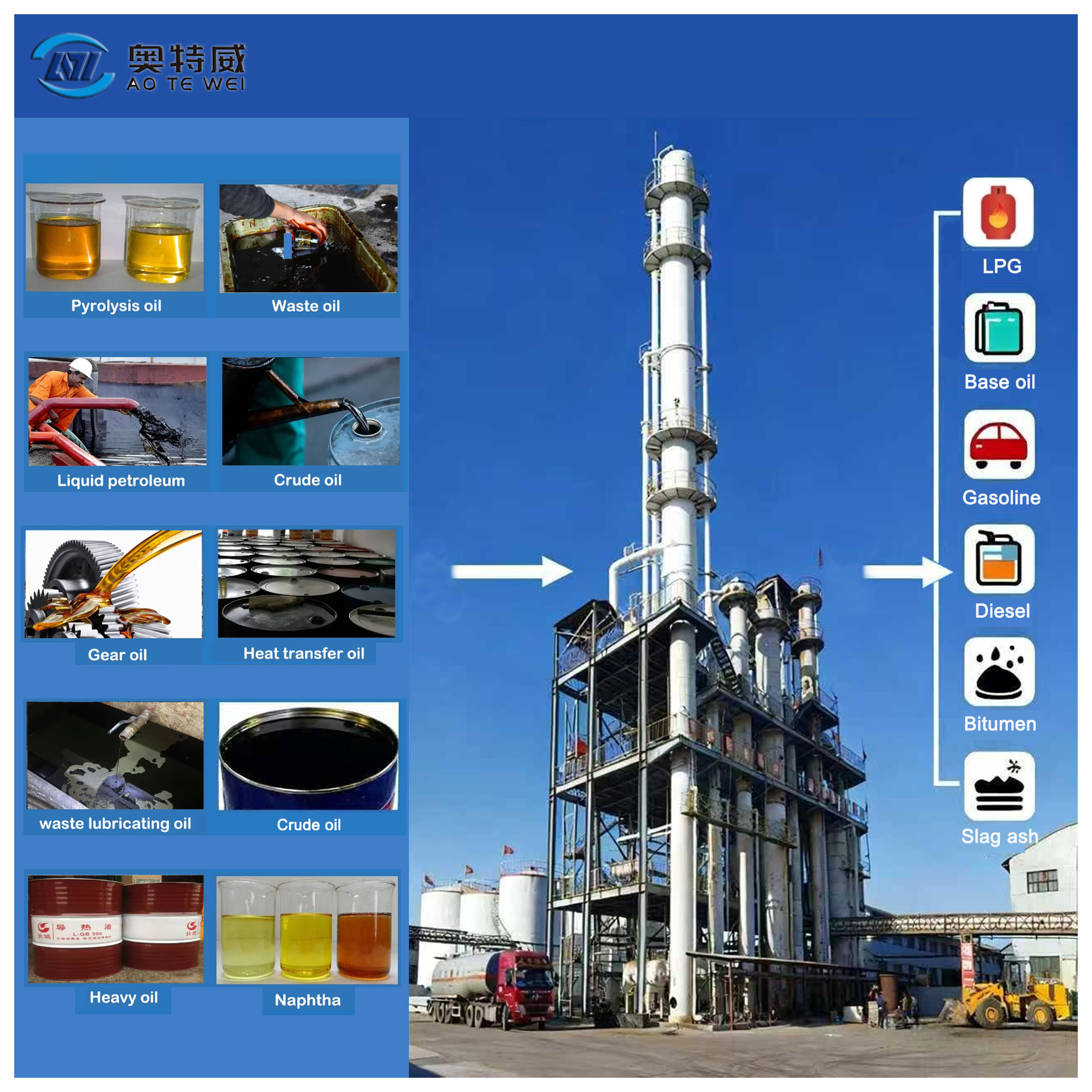
Oil recycling and disposal represents a critical environmental solution designed to manage used petroleum products responsibly while recovering valuable resources. This comprehensive process involves collecting, treating, and repurposing waste oils from various sources including automotive engines, industrial machinery, hydraulic systems, and manufacturing facilities. The primary functions of oil recycling and disposal systems encompass the removal of contaminants such as water, dirt, metal particles, and chemical additives from used oil, followed by either re-refining the oil to its original quality or converting it into alternative energy sources. Modern oil recycling and disposal technology employs advanced filtration methods, centrifugal separation, vacuum distillation, and chemical treatment processes to restore oil properties. These systems feature automated monitoring capabilities that ensure consistent quality control throughout the treatment cycle. The technological infrastructure typically includes pre-treatment tanks, dehydration units, filtration assemblies, and purification chambers that work in sequence to remove impurities systematically. Applications for oil recycling and disposal span multiple industries, from automotive service centers and transportation fleets to power generation plants and heavy manufacturing operations. Marine vessels, mining operations, and agricultural equipment also rely heavily on effective oil management solutions. The recovered oil can serve as base stock for new lubricants, fuel for industrial boilers, or raw material for asphalt production. Environmental regulations increasingly mandate proper oil recycling and disposal practices, making these systems essential for legal compliance. The technology also addresses the growing concern over petroleum resource depletion by extending the useful life of oil products. By implementing professional oil recycling and disposal solutions, organizations not only protect groundwater and soil from contamination but also contribute to circular economy principles that minimize waste generation and maximize resource utilization in petroleum-dependent operations.

New Product Recommendations

Implementing professional oil recycling and disposal systems delivers substantial cost savings by reducing the need to purchase virgin oil products continuously. Organizations can cut their lubricant expenses by up to seventy percent when they recycle and reuse processed oil instead of disposing of it and buying new supplies. This financial benefit becomes particularly significant for operations that consume large volumes of oil regularly, such as transportation companies, manufacturing plants, and equipment rental businesses. The environmental advantages prove equally compelling, as proper oil recycling and disposal prevents millions of gallons of hazardous waste from entering ecosystems each year. A single gallon of improperly disposed oil can contaminate one million gallons of fresh water, making responsible management absolutely essential for protecting natural resources. Companies that adopt effective oil recycling and disposal practices demonstrate corporate social responsibility, which enhances their reputation among environmentally conscious customers and stakeholders. Regulatory compliance becomes straightforward when businesses use certified oil recycling and disposal services, helping them avoid substantial fines and legal complications associated with environmental violations. The process also reduces carbon footprint significantly because re-refining used oil requires only one-third of the energy needed to produce oil from crude petroleum. Operational efficiency improves as well, since systematic oil recycling and disposal eliminates the logistics challenges of storing and transporting hazardous waste to distant disposal facilities. Employees work in safer conditions when proper oil management systems handle contaminated materials through controlled processes rather than allowing manual handling of toxic substances. Equipment longevity increases when clean, recycled oil maintains proper lubrication properties, reducing wear on expensive machinery and extending service intervals. The recovered materials from oil recycling and disposal can generate additional revenue streams when sold to refineries or used as supplemental fuel sources. Insurance premiums often decrease for facilities that implement comprehensive environmental management systems, including professional oil recycling and disposal protocols. Businesses gain competitive advantages by marketing their sustainable practices to clients who prioritize environmental stewardship in their supply chain decisions. The scalability of modern oil recycling and disposal systems allows operations of any size to participate, from small automotive shops to massive industrial complexes. Resource independence grows as organizations rely less on volatile petroleum markets and more on their own recycled oil supplies, providing budget predictability and supply chain stability.

Latest News

Company Updates Factory Audit Video | On-site Shooting of Aotewei Environmental Protection Equipment, Transparently Showing Manufacturing Strength

08

Apr

Company Updates Factory Audit Video | On-site Shooting of Aotewei Environmental Protection Equipment, Transparently Showing Manufacturing Strength

To further improve supply chain transparency and optimize the factory audit experience for domestic and overseas customers, Shangqiu Aotewei Environmental Protection Equipment Co., Ltd. has recently completed a comprehensive update of its factory aud...
View More

Get a Free Quote

Our representative will contact you soon.
Email
WhatsApp / Mobile
Name
Company Name
Message
0/1000

oil recycling and disposal

Advanced Purification Technology Ensures Maximum Oil Recovery

Advanced Purification Technology Ensures Maximum Oil Recovery

The cornerstone of effective oil recycling and disposal lies in sophisticated purification technology that maximizes the recovery rate of usable petroleum products while minimizing waste. Modern systems employ multi-stage processing that begins with pre-filtration to remove large particulate matter, followed by thermally controlled dehydration that eliminates water content without degrading oil molecules. Advanced centrifugal separators spin contaminated oil at high velocities, using centrifugal force to separate materials of different densities, effectively removing metal shavings, carbon deposits, and other solid contaminants. Vacuum distillation chambers then operate at reduced atmospheric pressure, allowing oil components to vaporize at lower temperatures than conventional distillation, preserving the chemical integrity of valuable hydrocarbon chains. This careful temperature management prevents thermal cracking that would otherwise destroy the oil's lubricating properties. Chemical treatment processes follow, where specialized additives neutralize acids, remove oxidation products, and restore the oil's original additive package. Molecular filtration using clay or synthetic media provides final polishing, capturing microscopic particles down to one micron in size. The result of this comprehensive oil recycling and disposal process is regenerated oil that meets or exceeds specifications for virgin petroleum products. Quality testing laboratories analyze samples throughout the treatment cycle, measuring viscosity, flash point, pour point, and contamination levels to ensure consistency. This technological sophistication translates directly into economic value for users, as higher recovery rates mean more usable oil extracted from each batch of waste material. The automated nature of modern oil recycling and disposal equipment reduces labor requirements while improving safety by minimizing human contact with hazardous materials. Real-time monitoring systems track process parameters continuously, adjusting treatment variables automatically to compensate for variations in feedstock quality. This adaptive processing capability means the system maintains optimal performance regardless of whether it processes synthetic motor oil, hydraulic fluid, or industrial lubricants. The modular design of contemporary oil recycling and disposal systems allows facilities to scale capacity according to their specific needs, adding processing units as waste oil volumes increase. Energy efficiency features such as heat recovery systems capture thermal energy from one process stage to pre-heat incoming materials, substantially reducing overall energy consumption and operational costs while supporting sustainability objectives.
Comprehensive Environmental Protection and Regulatory Compliance

Comprehensive Environmental Protection and Regulatory Compliance

Environmental safeguarding stands as a paramount benefit of professional oil recycling and disposal systems, protecting soil, groundwater, and surface water from petroleum contamination that can persist for decades. Improper disposal methods such as pouring used oil into drains, onto ground surfaces, or into regular trash containers create severe ecological damage that affects entire watersheds and ecosystems. Professional oil recycling and disposal eliminates these risks by containing all waste materials within sealed processing systems that prevent environmental release. The closed-loop design captures not only the oil itself but also secondary contaminants like wash water and filter media, treating each waste stream appropriately before any discharge occurs. Vapor recovery systems prevent volatile organic compounds from escaping into the atmosphere, reducing air pollution and protecting worker health in processing facilities. Spill containment infrastructure surrounding oil recycling and disposal equipment provides multiple layers of protection against accidental releases, with collection sumps, emergency shutoff valves, and alarm systems that activate immediately if leaks occur. Regulatory compliance becomes straightforward when organizations partner with certified oil recycling and disposal providers who maintain all necessary permits and documentation. Environmental agencies worldwide have established strict standards for petroleum waste management, with penalties for non-compliance ranging from substantial fines to criminal prosecution and facility closure. Professional oil recycling and disposal services handle all compliance paperwork, including manifests, chain-of-custody documentation, and certificates of proper disposal or recycling. This administrative support proves invaluable during environmental audits or inspections, demonstrating due diligence in hazardous waste management. The traceability features of modern oil recycling and disposal systems create detailed records of every batch processed, documenting the source, volume, contamination levels, and final disposition of materials. These records satisfy regulatory requirements while providing valuable data for environmental reporting and sustainability metrics. Companies can quantify their environmental impact reduction, calculating precisely how many gallons of oil they diverted from landfills or how much virgin petroleum their recycling efforts replaced. This data supports corporate sustainability reports, environmental certifications, and green building standards that increasingly influence business opportunities. The circular economy model embodied by oil recycling and disposal aligns perfectly with global sustainability initiatives, helping organizations meet their environmental commitments while demonstrating leadership in resource stewardship to customers, investors, and community stakeholders who prioritize ecological responsibility.
Economic Efficiency Through Resource Conservation and Cost Reduction

Economic Efficiency Through Resource Conservation and Cost Reduction

The financial advantages of oil recycling and disposal extend far beyond simple waste management, creating substantial economic value through resource conservation and operational cost reduction. Organizations that implement systematic oil recycling and disposal programs typically recover sixty to eighty percent of their waste oil as usable product, dramatically reducing their purchasing requirements for new lubricants and hydraulic fluids. This conservation translates directly to bottom-line savings, particularly for operations with significant oil consumption such as transportation fleets, manufacturing facilities, and power generation stations. The cost comparison becomes striking when considering that re-refined oil typically costs thirty to fifty percent less than virgin petroleum products while delivering equivalent or superior performance characteristics. Oil recycling and disposal also eliminates the disposal fees associated with hazardous waste management, which can range from several dollars per gallon for standard used oil to much higher rates for contaminated or mixed petroleum products. Transportation costs decrease as well, since on-site oil recycling and disposal systems eliminate the need to ship waste materials to distant processing facilities and then purchase replacement oil from suppliers. The return on investment for oil recycling and disposal equipment typically occurs within eighteen to thirty-six months, depending on the volume of oil processed and local disposal costs. After this payback period, the ongoing savings accumulate as pure profit contribution, improving operational margins substantially. Equipment maintenance costs decline when facilities use properly recycled oil, as the thorough purification process removes abrasive particles and corrosive contaminants that accelerate wear on bearings, seals, and precision surfaces. Extended drain intervals become possible with high-quality recycled oil, reducing both the labor costs associated with oil changes and the downtime required for maintenance procedures. Energy consumption patterns improve as well, since recycled oil with proper viscosity characteristics reduces friction in mechanical systems, lowering power requirements for pumps, compressors, and drive mechanisms. The strategic value of oil recycling and disposal includes supply chain resilience, insulating operations from petroleum market volatility and supply disruptions that can halt production or inflate operating costs unpredictably. This independence proves particularly valuable during periods of geopolitical instability or natural disasters that affect oil production and distribution networks. Organizations with established oil recycling and disposal capabilities maintain operational continuity even when external supply chains face challenges. The residual materials from oil recycling and disposal processes also generate value, as waste streams like filter media containing trapped oil can serve as fuel supplements in cement kilns or industrial boilers, creating additional revenue or energy cost offsets that further enhance the economic benefits of comprehensive petroleum waste management programs.

Get a Free Quote

Our representative will contact you soon.
Email
WhatsApp / Mobile
Name
Company Name
Message
0/1000
Newsletter
Please Leave A Message With Us