Recycle Old Motor Oil: Professional Solutions for Sustainable Lubrication and Environmental Protection

Get a Free Quote

Our representative will contact you soon.
Email
WhatsApp / Mobile
Name
Company Name
Message
0/1000

recycle old motor oil

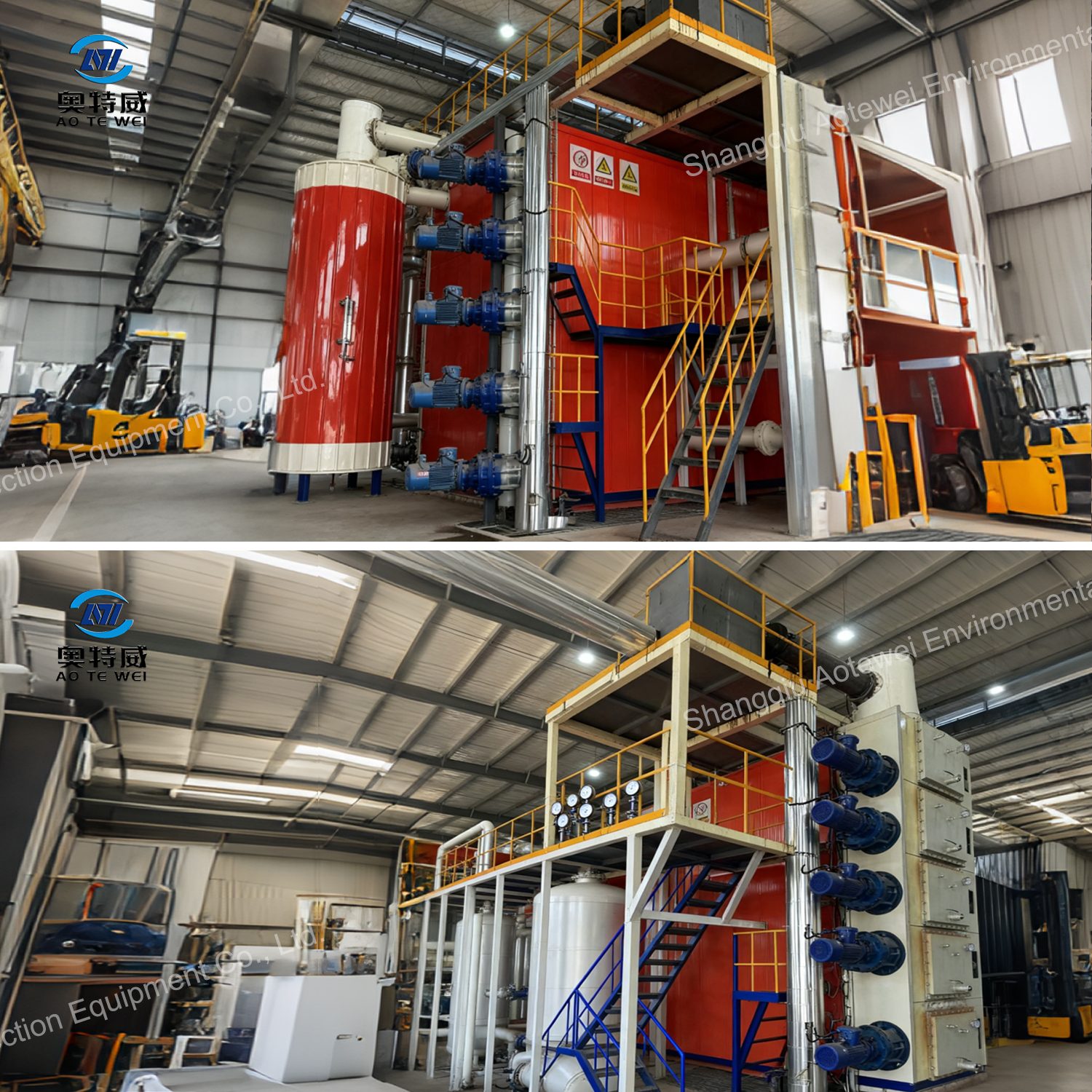
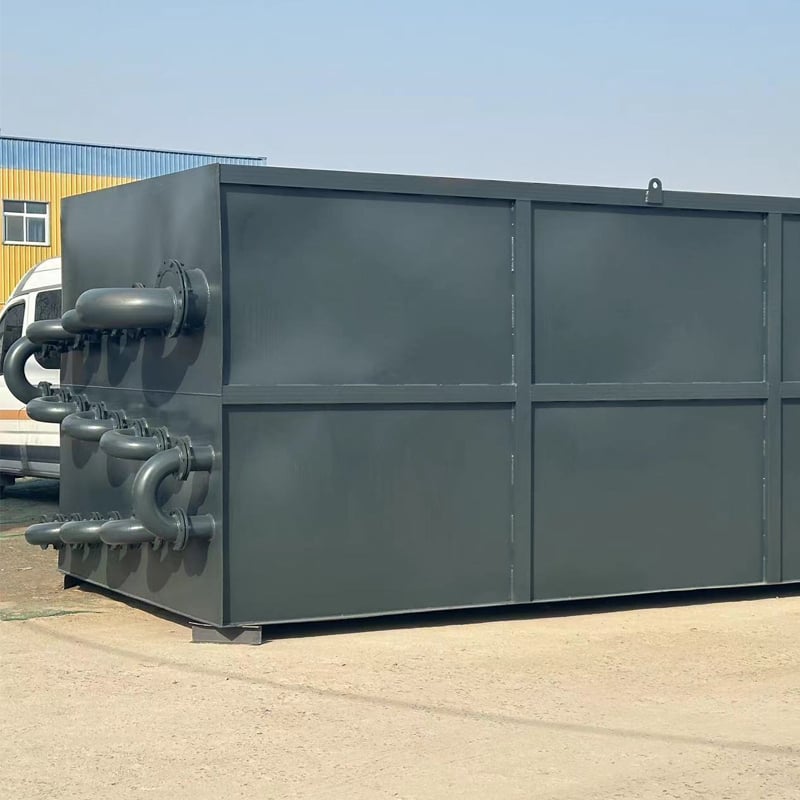
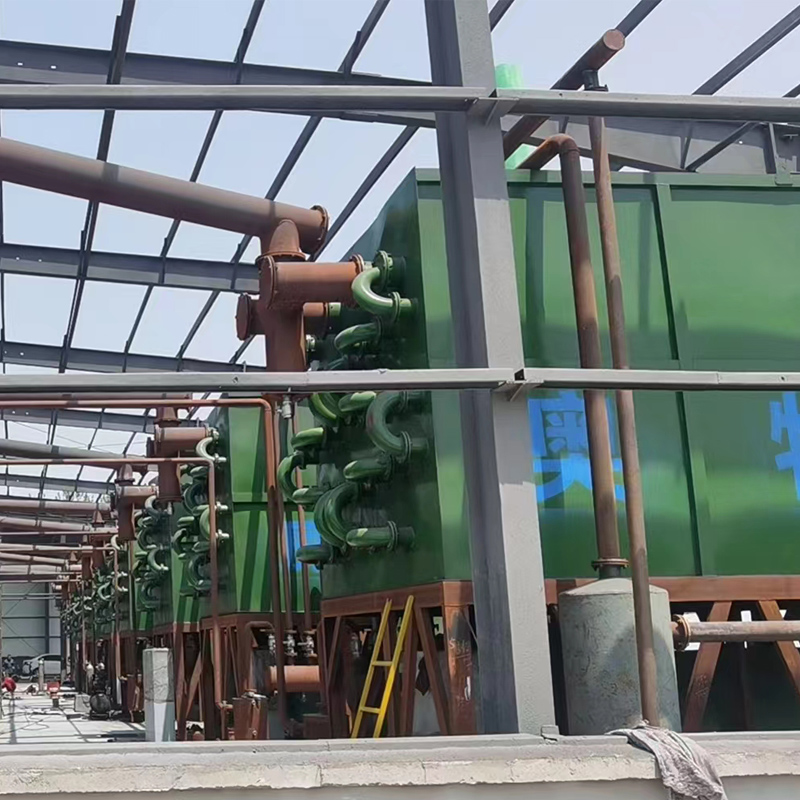
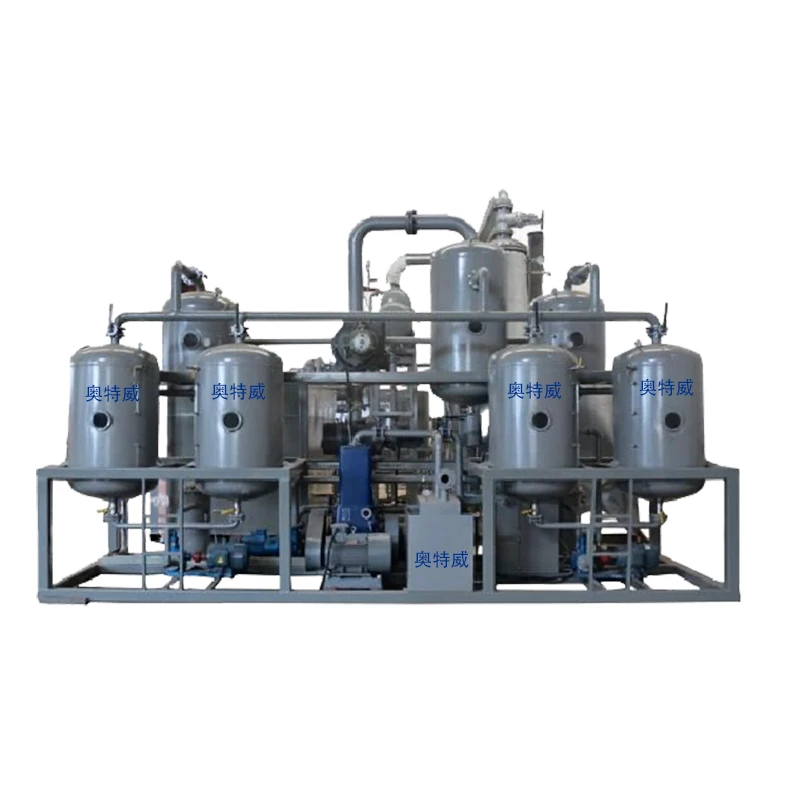
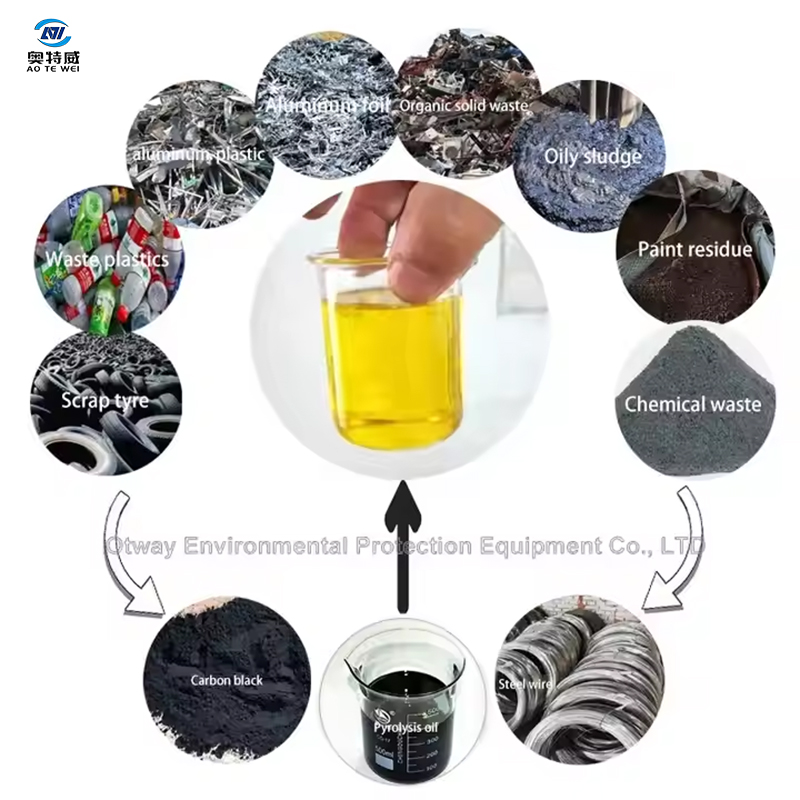
Recycling old motor oil represents a critical environmental and economic solution that transforms used lubricants into valuable resources while preventing ecological damage. When you recycle old motor oil, you participate in a sustainable process that recovers petroleum-based products which would otherwise contaminate soil and water systems. Motor oil never wears out; it simply gets dirty during use, accumulating contaminants like dirt particles, metal shavings, water, and chemical byproducts from combustion. The recycling process employs advanced technological methods to remove these impurities and restore the oil to usable condition. This regeneration system utilizes filtration, vacuum distillation, and chemical treatment to separate contaminants from base oil molecules. The main functions of motor oil recycling include environmental protection by preventing groundwater pollution, resource conservation by reducing dependence on crude oil extraction, and economic efficiency by providing cost-effective lubricant alternatives. The technological features encompass multi-stage purification systems that can process various grades of used oils, from automotive engine oils to industrial hydraulic fluids. Modern recycling facilities employ sophisticated equipment capable of removing water through dehydration units, eliminating solid particles via centrifugal separators, and extracting chemical additives using solvent extraction or hydro-treating processes. Applications for recycled motor oil span numerous industries including automotive manufacturing, marine operations, agriculture, construction equipment maintenance, and industrial machinery lubrication. The recycled product meets stringent quality standards and performs comparably to virgin oil in most applications. Furthermore, the process generates secondary materials like fuel oils and asphalt flux extenders, maximizing resource utilization. Environmental agencies worldwide advocate for motor oil recycling programs because a single gallon of improperly disposed oil can contaminate one million gallons of freshwater. By choosing to recycle old motor oil, businesses and individuals contribute to circular economy principles while accessing affordable lubrication solutions.

New Product Recommendations

Choosing to recycle old motor oil delivers substantial practical benefits that directly impact your operational costs and environmental footprint. First and foremost, you gain significant cost savings because recycled oil typically sells at lower prices than newly refined petroleum products, reducing your maintenance budget without sacrificing quality. This economic advantage becomes particularly valuable for businesses operating vehicle fleets, manufacturing facilities, or heavy equipment where lubrication represents a major ongoing expense. Additionally, you protect natural resources because recycling just two gallons of used oil produces enough lubricant to run an average car for nearly three thousand miles, whereas refining the same amount from crude oil would require forty-two gallons of raw petroleum. This conservation aspect means you actively reduce the environmental burden of oil extraction, which involves habitat disruption, energy-intensive drilling operations, and transportation emissions. Another major advantage involves compliance with environmental regulations, as proper oil recycling helps you avoid costly fines and legal complications associated with hazardous waste disposal. Many jurisdictions impose strict penalties for improper oil disposal, making recycling not just environmentally responsible but legally prudent. You also minimize pollution risks because recycling facilities handle the collection and processing, eliminating the danger of accidental spills or contamination that could occur during amateur disposal attempts. The quality of modern recycled motor oil has improved dramatically through technological advancement, meaning you receive products that meet industry specifications and provide equivalent engine protection compared to virgin oils. Performance testing confirms that properly recycled oil maintains viscosity grades, thermal stability, and additive packages necessary for demanding applications. Your brand reputation benefits as well when you adopt sustainable practices, as consumers increasingly favor businesses demonstrating environmental stewardship. This positive perception can translate into competitive advantages and customer loyalty. Furthermore, recycling programs often provide convenient collection services, simplifying logistics for oil disposal and freeing your staff from handling hazardous materials. The process supports local economies by creating jobs in collection, transportation, and processing sectors while reducing dependence on foreign oil imports. Energy efficiency represents another compelling benefit because re-refining used oil requires approximately one-third the energy needed to refine crude oil into lubricants. This reduced energy consumption lowers carbon emissions associated with your oil usage. Finally, participating in oil recycling contributes to a circular economy model where materials continuously cycle through use and regeneration rather than following a linear path from extraction to disposal, ensuring sustainable resource availability for future generations while addressing immediate practical needs.

Latest News

Company Updates Factory Audit Video | On-site Shooting of Aotewei Environmental Protection Equipment, Transparently Showing Manufacturing Strength

08

Apr

Company Updates Factory Audit Video | On-site Shooting of Aotewei Environmental Protection Equipment, Transparently Showing Manufacturing Strength

To further improve supply chain transparency and optimize the factory audit experience for domestic and overseas customers, Shangqiu Aotewei Environmental Protection Equipment Co., Ltd. has recently completed a comprehensive update of its factory aud...
View More

Get a Free Quote

Our representative will contact you soon.
Email
WhatsApp / Mobile
Name
Company Name
Message
0/1000

recycle old motor oil

Environmental Protection and Contamination Prevention

Environmental Protection and Contamination Prevention

When you recycle old motor oil, you engage in one of the most impactful environmental protection activities available to consumers and businesses alike. The environmental significance cannot be overstated because used motor oil contains numerous hazardous substances that pose severe threats to ecosystems if released into the environment. These contaminants include heavy metals such as lead, cadmium, chromium, and arsenic, which accumulate during engine operation as metal parts wear down. Additionally, polycyclic aromatic hydrocarbons and other toxic organic compounds form during the combustion process and dissolve into the lubricant. When even small quantities of contaminated oil enter soil or water systems, they create persistent pollution that damages plant life, poisons aquatic organisms, and potentially enters human food chains. A single oil change from a typical passenger vehicle produces approximately five quarts of used oil, and if this quantity reaches a water source, it can create a surface film covering several acres, blocking oxygen transfer and sunlight penetration essential for aquatic life. Recycling eliminates this risk entirely by capturing used oil before it can cause harm. The recycling infrastructure includes collection centers at automotive service facilities, retail locations, and municipal waste sites, making proper disposal convenient and accessible. Once collected, the oil undergoes systematic treatment that neutralizes harmful components and recovers valuable base oils. This process prevents soil contamination that would otherwise persist for decades, as petroleum products degrade extremely slowly in natural conditions. The environmental benefits extend beyond pollution prevention to include habitat preservation, because reduced demand for crude oil extraction means fewer drilling operations in sensitive ecosystems like offshore marine environments, arctic regions, and wildlife habitats. Furthermore, the energy savings achieved through recycling translate to reduced greenhouse gas emissions, contributing to climate change mitigation efforts. Recycling facilities employ closed-loop systems that minimize air emissions and manage waste byproducts responsibly, ensuring the entire process maintains high environmental standards. By choosing to recycle old motor oil, you actively participate in protecting groundwater supplies that communities depend on for drinking water, preserving biodiversity in natural habitats, and reducing the overall environmental burden of petroleum consumption. This simple action creates measurable positive impacts that extend far beyond the immediate disposal of a single container of used oil.
Superior Resource Efficiency and Economic Value

Superior Resource Efficiency and Economic Value

The economic and resource efficiency advantages of recycling old motor oil create compelling value propositions for both individual consumers and large-scale commercial operations. From a resource perspective, motor oil recycling represents an exceptional example of materials recovery because the base oil molecules remain viable indefinitely with proper treatment. Unlike many materials that degrade during recycling, petroleum base stocks maintain their fundamental molecular structure and can be restored to original specifications through contaminant removal. This characteristic means recycling yields products virtually identical to virgin oils in chemical composition and performance characteristics. The resource efficiency becomes evident when comparing inputs required for recycling versus new oil production. Re-refining used oil requires only about thirty percent of the energy needed to refine crude petroleum into lubricants, representing substantial energy conservation. This efficiency stems from the fact that the most energy-intensive refining steps have already occurred, and recycling focuses primarily on purification rather than complete molecular restructuring. For businesses managing substantial lubrication needs, the economic benefits manifest in reduced procurement costs because recycled oil products typically price fifteen to thirty percent below equivalent virgin oil products. These savings accumulate significantly for operations consuming hundreds or thousands of gallons annually, such as transportation companies, manufacturing plants, and agricultural enterprises. Additionally, organizations can often generate revenue by selling their used oil to recycling operations rather than paying disposal fees, creating a dual economic benefit. The broader economic value extends to energy security and price stability because increased recycling reduces market dependence on crude oil supplies subject to geopolitical disruptions and price volatility. Communities with robust oil recycling programs develop local circular economies where materials cycle within regional boundaries, keeping economic value local rather than exporting it through waste disposal or virgin material purchases. Investment in recycling infrastructure creates employment opportunities in collection logistics, processing operations, quality control, and distribution networks. These jobs tend to be relatively stable and distributed across geographic areas rather than concentrated in extraction regions. The technological advancement in recycling processes continues improving recovery rates and product quality, meaning the economic case for recycling strengthens over time as operational efficiencies increase and market acceptance grows. For environmentally conscious businesses, adopting recycled oil can qualify for green procurement preferences, sustainability certifications, and potentially favorable financing terms from lenders prioritizing environmental performance. The total economic value calculation must include avoided environmental remediation costs, regulatory compliance benefits, and reputation advantages that accompany demonstrated environmental responsibility.
Advanced Technological Processes Ensuring Quality and Performance

Advanced Technological Processes Ensuring Quality and Performance

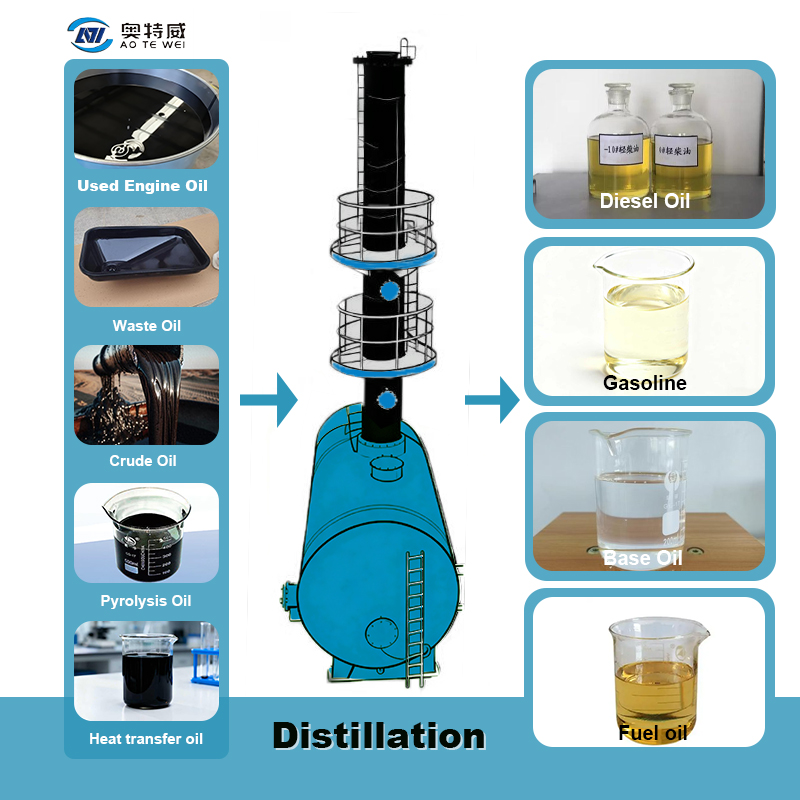
Modern systems designed to recycle old motor oil employ sophisticated technological processes that guarantee output quality matching or exceeding industry performance standards. Understanding these advanced methods helps dispel concerns about recycled oil quality and demonstrates why these products perform reliably in demanding applications. The recycling process begins with collection and initial assessment, where oils are tested to identify contamination types and determine appropriate processing pathways. Different oil grades and contamination levels require customized treatment approaches, and modern facilities use analytical equipment to optimize processing for each batch. The first major processing stage involves dehydration, where specialized equipment removes water that accumulates in used oil through condensation, combustion byproducts, and coolant leaks. Vacuum distillation units heat the oil under reduced pressure, allowing water to evaporate at lower temperatures that preserve oil quality while achieving thorough moisture removal. Following dehydration, the oil passes through advanced filtration systems incorporating multiple stages with progressively finer filter media. These systems capture solid particles including metal wear debris, dirt, carbon deposits, and other particulate contaminants. Centrifugal separators spinning at high speeds use density differences to separate particles and remaining water droplets from oil molecules. The next critical phase employs chemical treatment or solvent extraction to remove oxidation products, acidic compounds, and depleted additive packages. Some facilities use clay contactors where the oil flows through beds of absorbent materials that capture polar contaminants through chemical attraction. More advanced operations utilize hydro-treating processes similar to those in petroleum refineries, where hydrogen gas reacts with contaminants at elevated temperatures and pressures in the presence of catalysts, breaking down complex molecules and removing sulfur, nitrogen, and oxygen compounds. The final processing stage involves blending the purified base oil with fresh additive packages formulated to meet specific performance requirements. These additives include detergents that keep engines clean, dispersants that suspend contaminants, antioxidants that resist degradation, anti-wear agents that protect metal surfaces, viscosity modifiers that maintain proper thickness across temperature ranges, and corrosion inhibitors that prevent rust formation. Quality control laboratories test finished products using the same standardized methods applied to virgin oils, verifying properties like viscosity index, flash point, pour point, total acid number, and additive concentrations. Products meeting specifications receive appropriate industry certifications and can be marketed with confidence. The technological sophistication of modern recycling ensures that when you use recycled motor oil, you receive a product engineered for optimal performance with environmental benefits as an added advantage rather than a quality compromise.

Get a Free Quote

Our representative will contact you soon.
Email
WhatsApp / Mobile
Name
Company Name
Message
0/1000
Newsletter
Please Leave A Message With Us