rubber waste
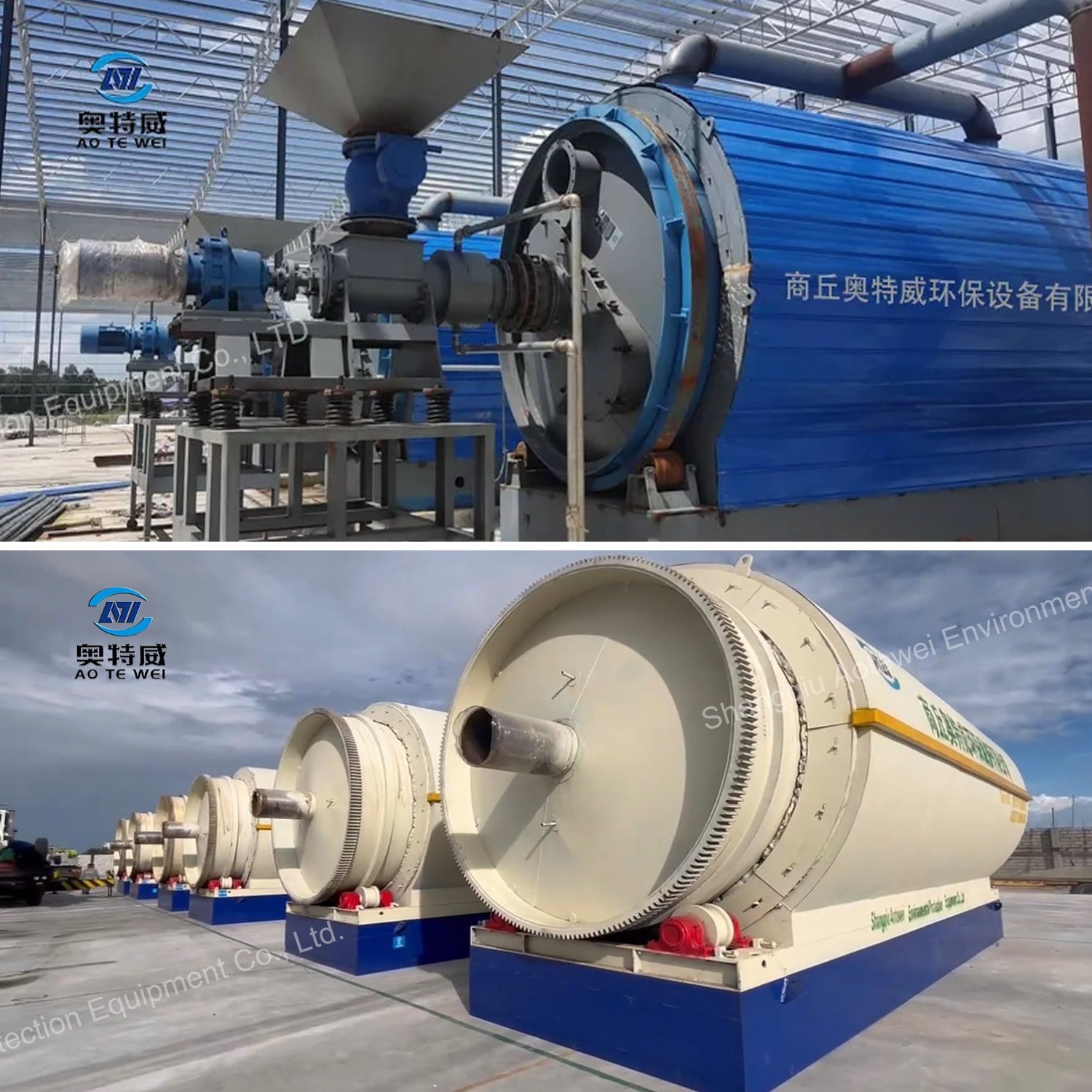
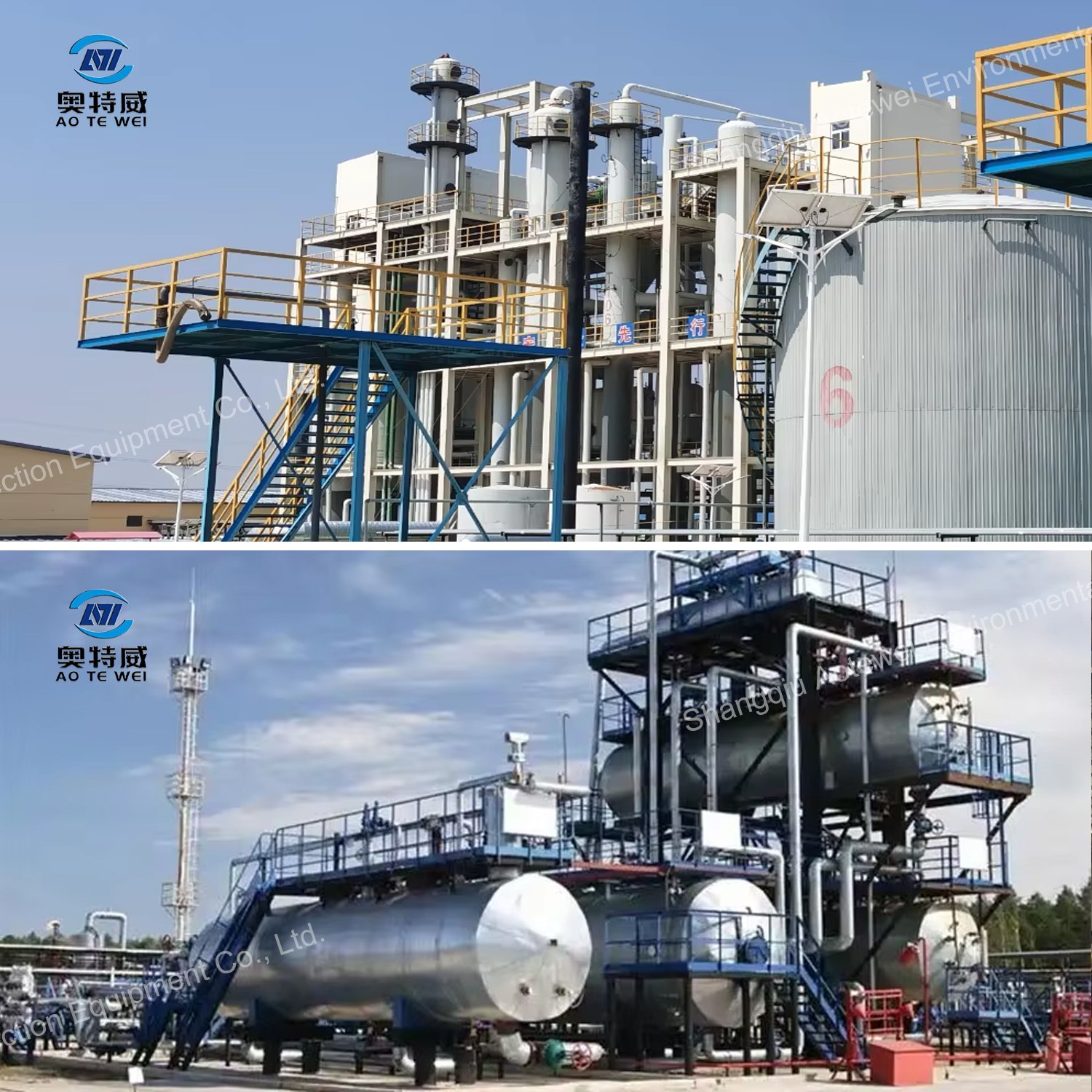
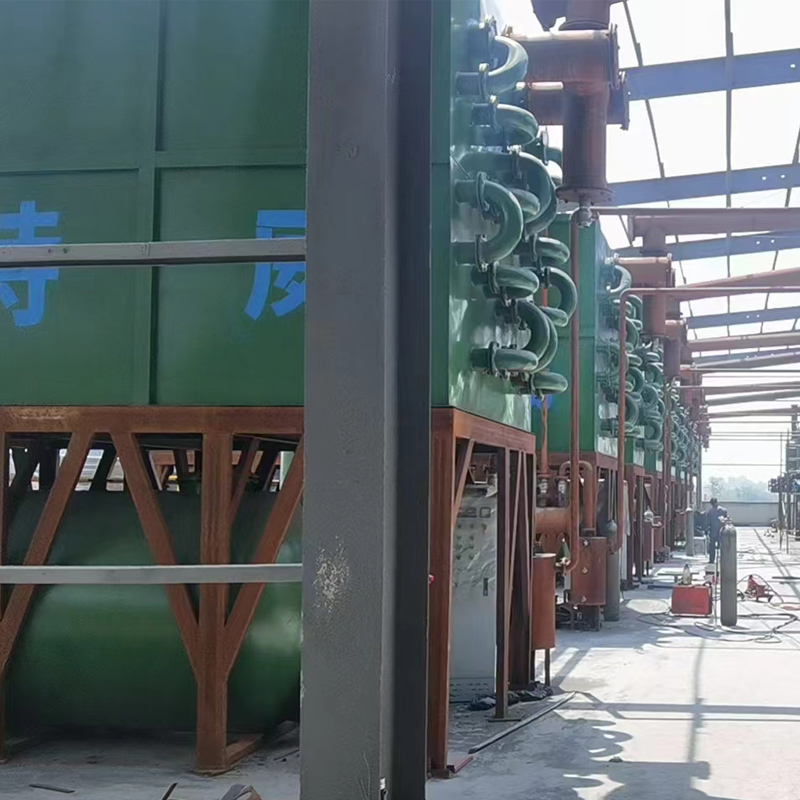
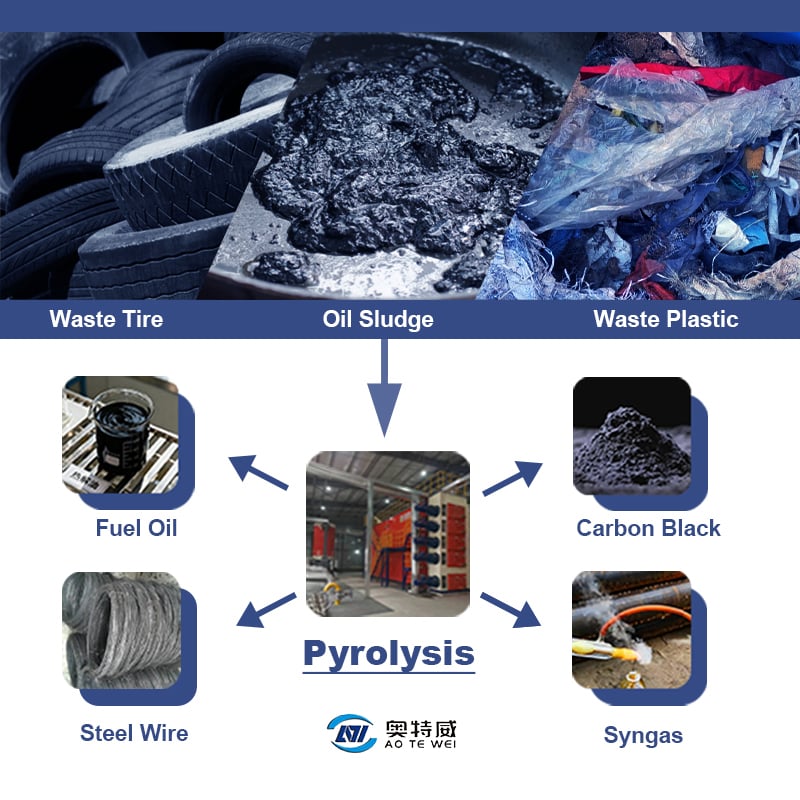
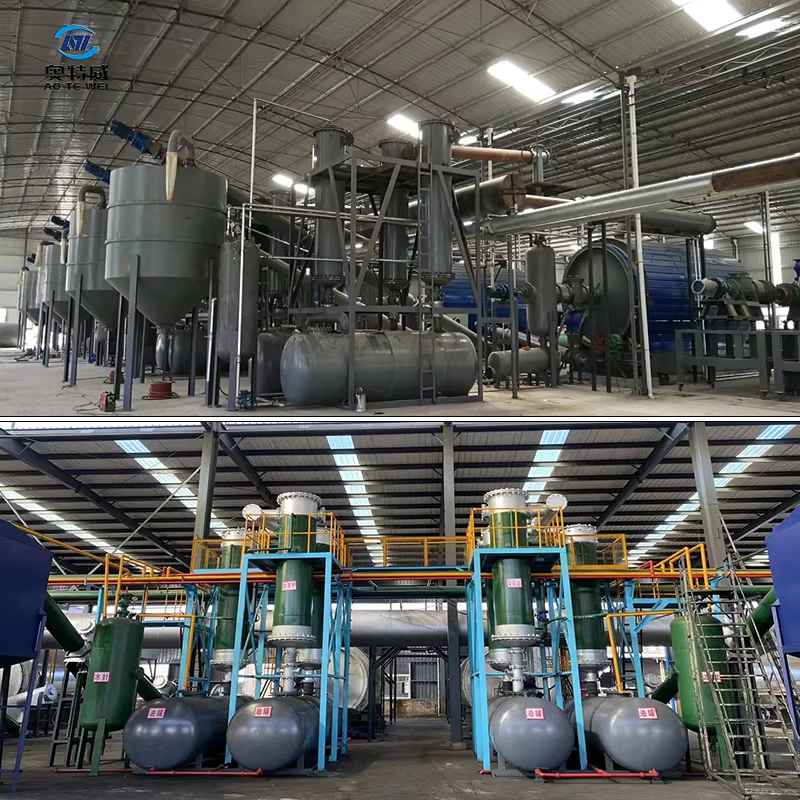
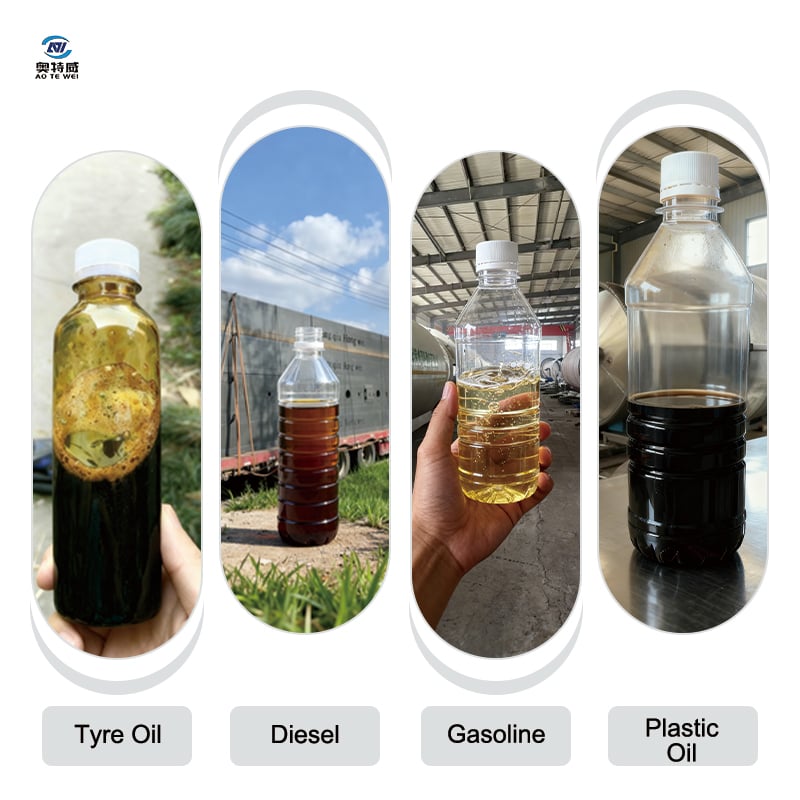
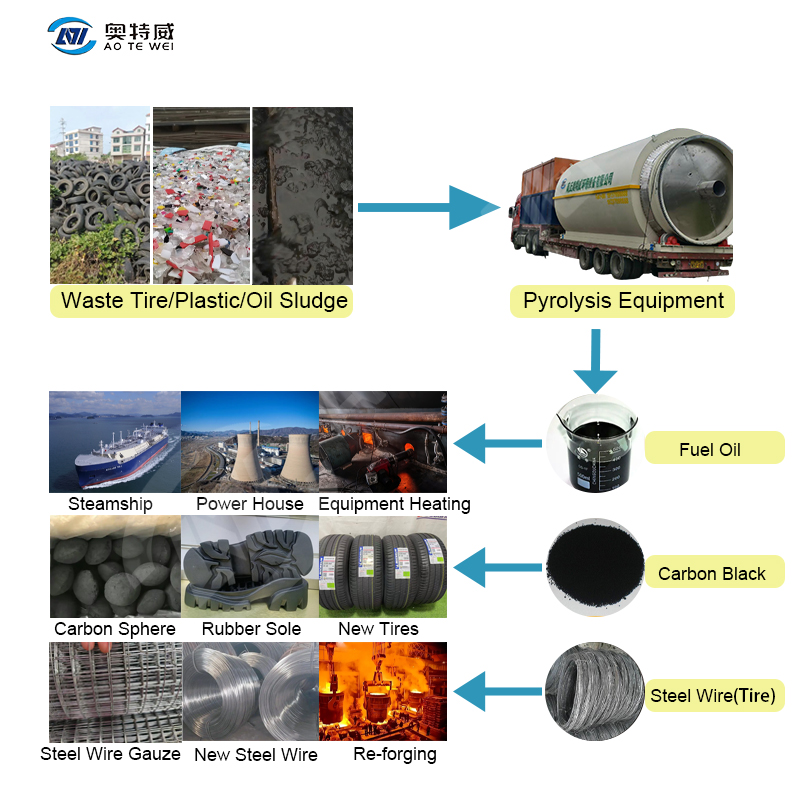
Rubber waste represents a significant resource recovery opportunity in today's circular economy. This material comprises discarded rubber products, including worn tires, industrial rubber scraps, and obsolete rubber components that would otherwise end up in landfills. Rubber waste possesses remarkable durability and flexibility, making it valuable for numerous applications across multiple industries. The main function of rubber waste processing involves transforming these materials into reusable resources through mechanical, chemical, or thermal recycling methods. Technological features of modern rubber waste management include advanced sorting systems, granulation equipment, and devulcanization technology that restores rubber waste to usable forms. These innovations enable effective separation of rubber waste from contaminants and conversion into useful materials. Applications for processed rubber waste span construction, automotive, manufacturing, and consumer goods sectors. Playground surfaces, athletic tracks, and asphalt modifications frequently incorporate recycled rubber waste. The automotive industry utilizes rubber waste in vibration dampeners and fuel systems. Industrial applications extend to conveyor belts, seals, and gaskets. Rubber waste also finds purpose in manufacturing mats, tiles, and protective equipment. This versatile material addresses environmental concerns while providing cost-effective solutions for businesses seeking sustainable alternatives to virgin materials. Modern facilities processing rubber waste employ cutting-edge technology to maximize material recovery and minimize environmental impact throughout the recycling process.