Scrap Tire Disposal Systems: Advanced Recycling Technology for Sustainable Tire Waste Management

Get a Free Quote

Our representative will contact you soon.
Email
WhatsApp / Mobile
Name
Company Name
Message
0/1000

scrap tire disposal

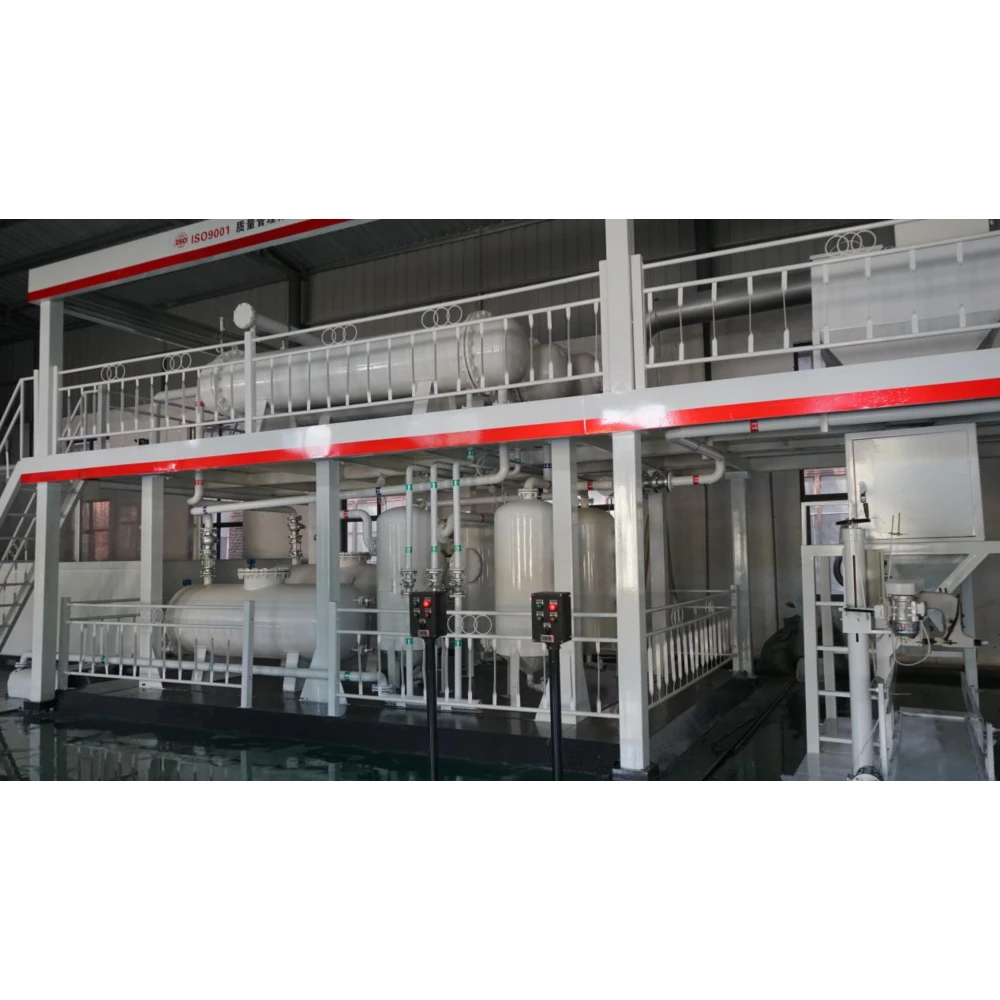
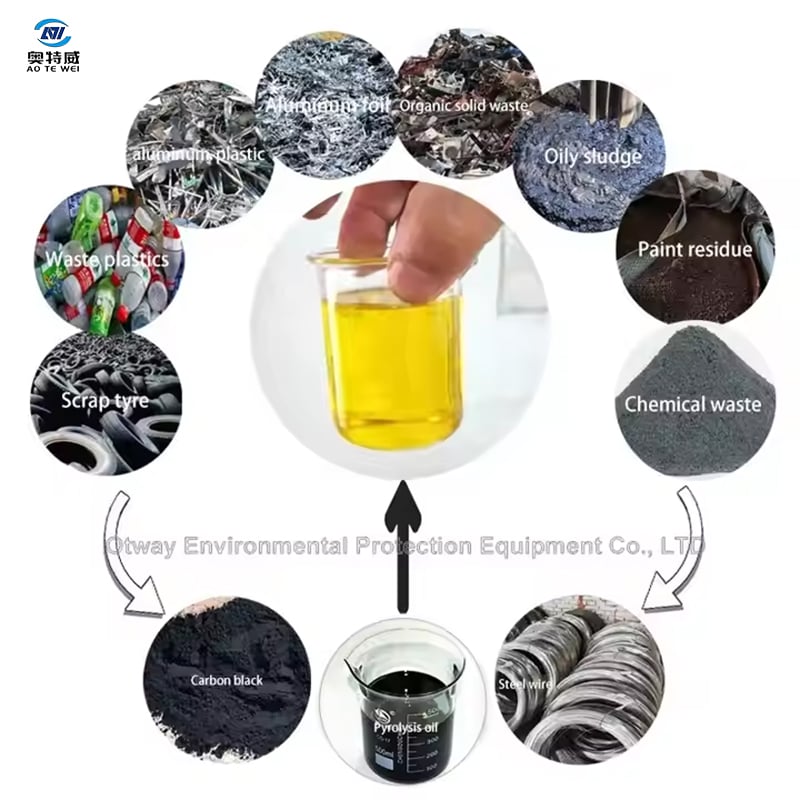
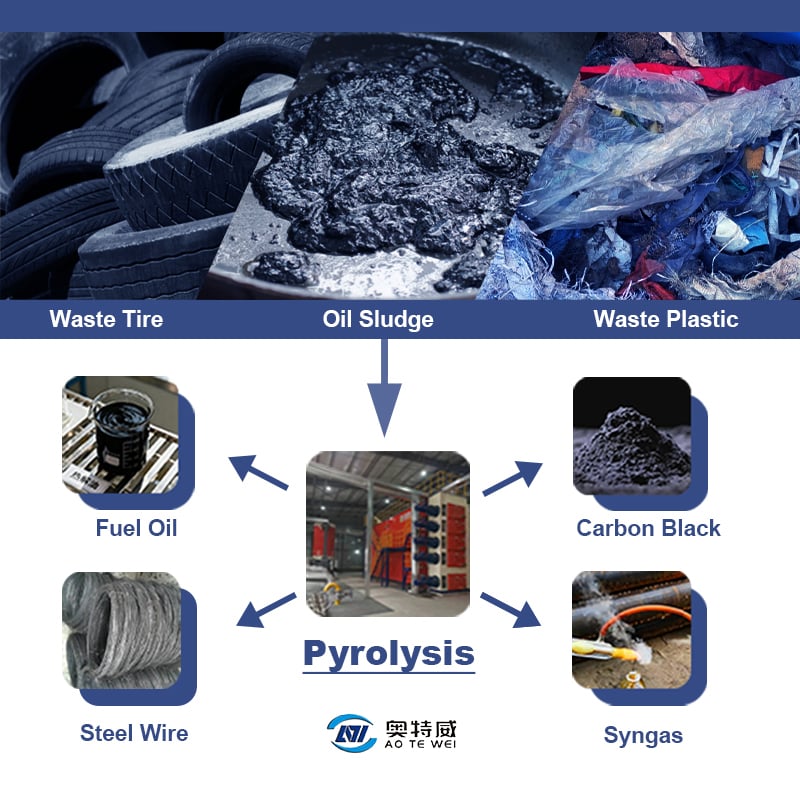
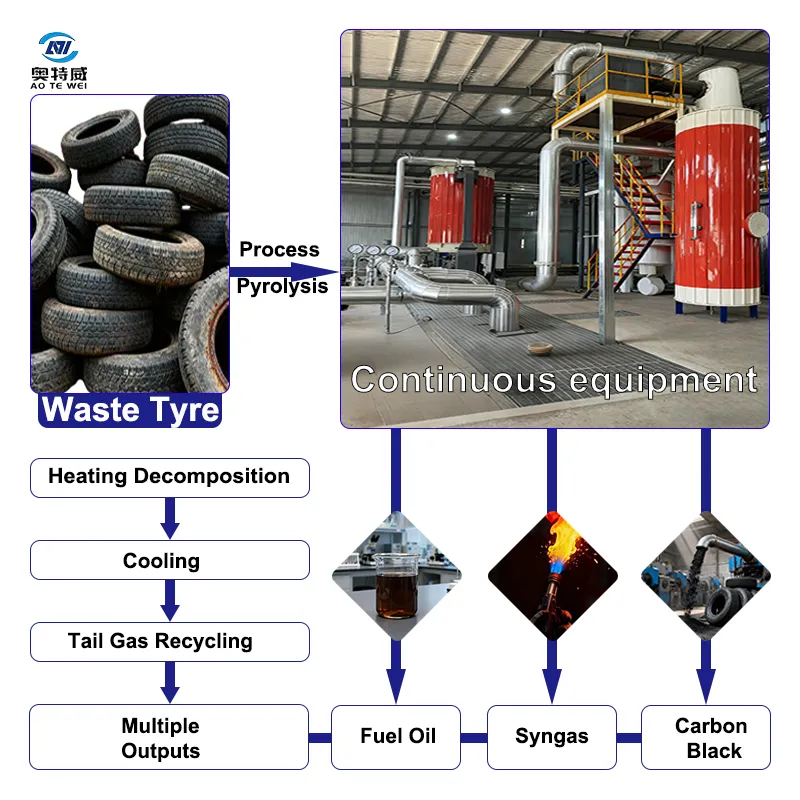
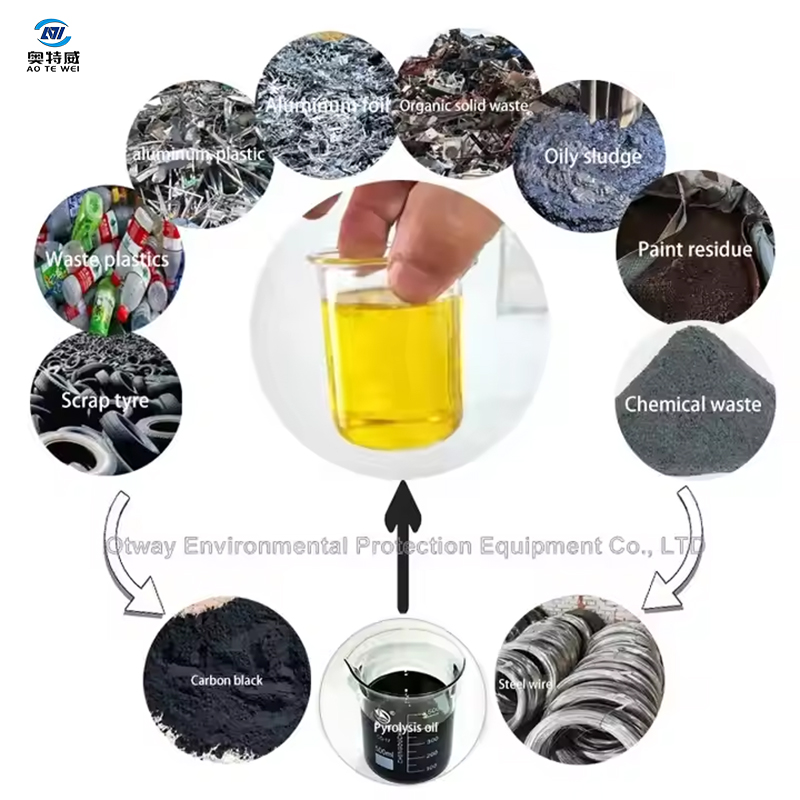
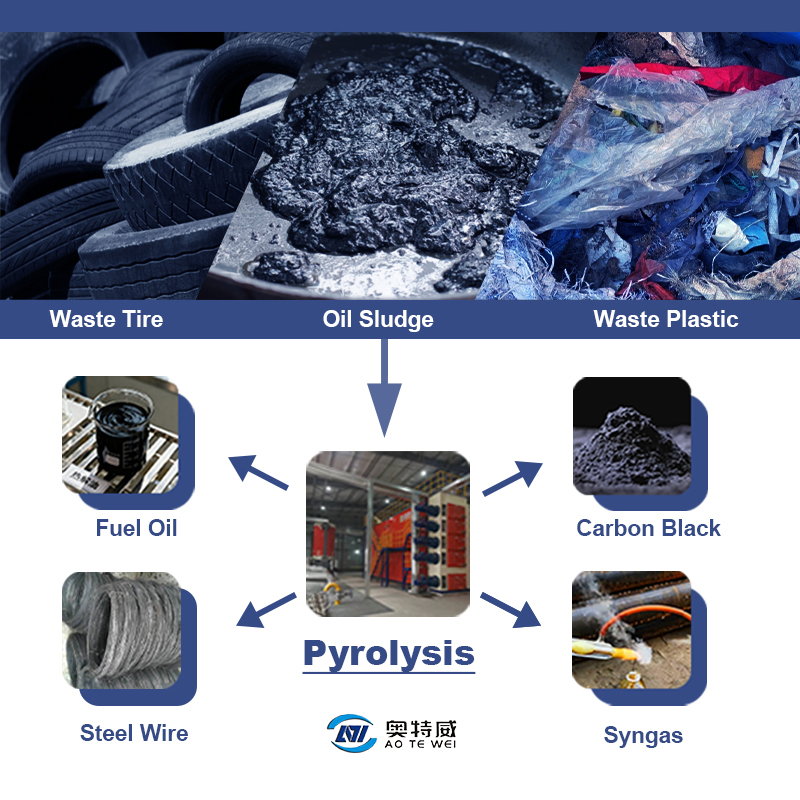
Scrap tire disposal is a critical process in modern waste management, designed to handle the growing challenge of end-of-life tires in an environmentally responsible and economically viable way. Every year, billions of tires reach the end of their usable life, creating a massive waste stream that poses serious environmental and public health risks if left unmanaged. Scrap tire disposal systems provide structured, efficient, and scalable solutions to convert these waste materials into reusable resources or safely eliminate them from the environment. The primary function of scrap tire disposal is to process used tires through mechanical, thermal, or chemical methods, breaking them down into raw materials such as crumb rubber, steel wire, and textile fiber. These recovered materials can then be repurposed across multiple industries, including construction, sports surfaces, playground equipment, and road paving. Advanced scrap tire disposal technologies also include pyrolysis systems, which thermally decompose tires in the absence of oxygen to produce fuel oil, carbon black, and combustible gas, all of which carry significant commercial value. Technologically, modern scrap tire disposal equipment features high-capacity shredders, granulators, magnetic separators, and fiber separators that work in sequence to maximize material recovery rates. Automated control systems ensure consistent output quality while minimizing labor requirements and operational downtime. Many systems are engineered for energy efficiency, reducing the carbon footprint of the disposal process itself. Applications for scrap tire disposal span municipal waste programs, industrial recycling facilities, tire manufacturing plants, and private recycling enterprises. Governments and regulatory bodies worldwide increasingly mandate proper scrap tire disposal to prevent illegal dumping, reduce fire hazards, and eliminate mosquito breeding grounds in stagnant water collected in discarded tires. Whether operating at small-scale community levels or large industrial capacities, scrap tire disposal systems deliver measurable environmental, social, and economic benefits that make them indispensable tools in the global push toward a circular economy.

New Product Recommendations

Scrap tire disposal brings real, tangible benefits to businesses, communities, and the environment. Understanding these advantages helps decision-makers choose the right solution and invest with confidence. Here is a straightforward look at what makes scrap tire disposal a smart choice for anyone dealing with end-of-life tire waste. First, scrap tire disposal turns a liability into an asset. Used tires are not just waste. They contain valuable materials including rubber, steel, and fiber. When you process them through a proper scrap tire disposal system, you recover these materials and sell them back into the market. Crumb rubber goes into athletic tracks, playground surfaces, and asphalt. Steel wire gets recycled into new metal products. This material recovery transforms disposal costs into revenue streams, improving the financial performance of your recycling operation. Second, scrap tire disposal protects the environment in measurable ways. Tires left in open dumps leach toxic chemicals into soil and groundwater. They trap rainwater and become breeding grounds for mosquitoes that carry disease. They are highly flammable and tire fires release toxic smoke that contaminates air for miles. A reliable scrap tire disposal process eliminates these risks by keeping tires out of landfills and illegal dump sites. You reduce pollution, protect ecosystems, and contribute to cleaner communities. Third, scrap tire disposal helps businesses stay compliant with environmental regulations. Governments around the world are tightening rules on tire waste. Fines for improper disposal are increasing. By investing in a certified scrap tire disposal system, your operation meets legal requirements and avoids costly penalties. You also build a reputation as a responsible business, which matters to customers, partners, and investors who prioritize sustainability. Fourth, modern scrap tire disposal equipment is built for efficiency and low operating costs. Automated shredding and granulating lines run with minimal manual labor. Energy-efficient motors and smart control systems reduce power consumption. High throughput rates mean you process more tires in less time, lowering your cost per ton and increasing profitability. Maintenance schedules are predictable, and spare parts are readily available, keeping downtime to a minimum. Fifth, scrap tire disposal creates jobs and supports local economies. Recycling facilities need operators, technicians, logistics staff, and sales teams. Building a scrap tire disposal operation in your region generates employment and keeps economic activity local. Communities benefit from cleaner environments and stronger job markets at the same time. Sixth, scrap tire disposal supports the circular economy by keeping materials in productive use. Rather than burying resources in landfills, you feed recovered rubber and steel back into manufacturing supply chains. This reduces the demand for virgin raw materials, lowers energy consumption in production, and cuts greenhouse gas emissions across multiple industries. The practical benefits of scrap tire disposal are clear. It saves money, generates revenue, protects the environment, ensures regulatory compliance, and builds stronger communities. For any business or municipality managing tire waste, investing in a quality scrap tire disposal system is one of the most impactful decisions you can make.

Practical Tips

Company Updates Factory Audit Video | On-site Shooting of Aotewei Environmental Protection Equipment, Transparently Showing Manufacturing Strength

08

Apr

Company Updates Factory Audit Video | On-site Shooting of Aotewei Environmental Protection Equipment, Transparently Showing Manufacturing Strength

To further improve supply chain transparency and optimize the factory audit experience for domestic and overseas customers, Shangqiu Aotewei Environmental Protection Equipment Co., Ltd. has recently completed a comprehensive update of its factory aud...
View More

Get a Free Quote

Our representative will contact you soon.
Email
WhatsApp / Mobile
Name
Company Name
Message
0/1000

scrap tire disposal

Complete Material Recovery Through Advanced Scrap Tire Disposal Technology

Complete Material Recovery Through Advanced Scrap Tire Disposal Technology

One of the most compelling reasons to invest in a high-quality scrap tire disposal system is the ability to achieve complete material recovery from every tire processed. A standard passenger tire contains approximately 65 percent rubber, 15 percent steel, and 10 percent textile fiber, along with various chemical compounds. Without proper scrap tire disposal infrastructure, all of these valuable materials end up wasted in landfills or illegal dump sites. With the right system in place, every component is separated, cleaned, and prepared for resale into active markets. The rubber recovered through scrap tire disposal is processed into crumb rubber of varying mesh sizes. Fine crumb rubber is used in athletic track surfaces, artificial turf infill, and rubber flooring products. Coarser grades go into asphalt modification, where they improve road durability and reduce road noise. The demand for recycled crumb rubber continues to grow as construction and infrastructure industries seek sustainable material alternatives. Steel wire extracted during scrap tire disposal is compacted and sold to steel mills and metal recyclers. This steel is clean, consistent in quality, and commands competitive market prices. Textile fiber, often overlooked, finds use as a fuel supplement in cement kilns and as a reinforcing material in composite products. The scrap tire disposal process uses a sequence of industrial shredders, granulators, magnetic separators, and fiber separation units to achieve high purity levels in each recovered stream. Automated screening systems sort particles by size, ensuring that output meets the specifications required by downstream buyers. Modern scrap tire disposal lines are designed to minimize material loss at every stage, maximizing the yield from each ton of input tires. This comprehensive approach to material recovery means that scrap tire disposal is not simply a waste management cost. It is a production process that generates multiple saleable products from a feedstock that is often available at low or zero cost. For recycling entrepreneurs and industrial operators alike, the material recovery capability of advanced scrap tire disposal technology represents a genuine and sustainable business opportunity with strong long-term market fundamentals.
Environmental Protection and Regulatory Compliance Powered by Scrap Tire Disposal

Environmental Protection and Regulatory Compliance Powered by Scrap Tire Disposal

The environmental case for scrap tire disposal is both urgent and well-documented. Improperly managed tire waste creates a cascade of environmental problems that affect air quality, water systems, soil health, and public safety. Scrap tire disposal systems directly address each of these issues by removing tires from the waste stream and processing them in controlled, monitored conditions that meet or exceed environmental standards. Tires stockpiled in open areas are a persistent fire hazard. Tire fires are notoriously difficult to extinguish and can burn for days or weeks, releasing thick black smoke laden with toxic compounds including polycyclic aromatic hydrocarbons, carbon monoxide, and sulfur dioxide. Communities near tire fires experience serious respiratory health impacts. Scrap tire disposal eliminates stockpiles before they become fire risks, protecting both human health and surrounding ecosystems. Standing water inside discarded tires creates ideal breeding conditions for Aedes and Culex mosquitoes, which transmit diseases including dengue fever, Zika virus, and West Nile virus. Public health agencies in tropical and subtropical regions consistently identify tire dumps as major contributors to mosquito-borne disease outbreaks. Systematic scrap tire disposal removes this breeding habitat and reduces disease transmission risk in affected communities. From a regulatory standpoint, scrap tire disposal helps businesses and municipalities stay ahead of increasingly strict environmental legislation. Extended producer responsibility laws in Europe, North America, and Asia-Pacific regions require tire manufacturers, importers, and retailers to fund and facilitate end-of-life tire management. Certified scrap tire disposal operations are recognized partners in these compliance frameworks, enabling clients to meet their legal obligations efficiently. Investing in scrap tire disposal also positions organizations favorably in environmental, social, and governance assessments, which are becoming standard criteria for investment decisions, procurement contracts, and public tenders. Demonstrating a commitment to responsible scrap tire disposal signals environmental leadership and builds trust with regulators, customers, and the broader public. The environmental and compliance benefits of scrap tire disposal are not abstract. They translate directly into reduced liability, lower regulatory risk, and stronger community relationships that support long-term operational success.
Scalable and Profitable Business Models Built on Scrap Tire Disposal Systems

Scalable and Profitable Business Models Built on Scrap Tire Disposal Systems

Scrap tire disposal is not a one-size-fits-all industry. The diversity of available technologies and system configurations means that operators can build profitable businesses at virtually any scale, from small regional collection and processing centers to large industrial recycling complexes handling hundreds of tons per day. Understanding the scalability and profitability of scrap tire disposal helps investors and operators design systems that match their market conditions and growth ambitions. Entry-level scrap tire disposal operations typically focus on mechanical shredding and granulation, producing crumb rubber and steel for local and regional markets. These systems require relatively modest capital investment and can achieve profitability within a reasonable payback period when feedstock supply and product offtake agreements are properly structured. As volumes grow, operators can add downstream processing equipment to produce higher-value products such as fine mesh crumb rubber or devulcanized rubber, which commands premium prices in specialty applications. At larger scales, scrap tire disposal operations can integrate pyrolysis technology to process tire-derived fuel oil, recovered carbon black, and combustible gas. Tire-derived fuel oil is a versatile energy product used in industrial furnaces, marine engines, and power generation. Recovered carbon black from pyrolysis-based scrap tire disposal is increasingly accepted as a substitute for virgin carbon black in rubber compounding and pigment applications, opening access to high-value chemical markets. The revenue model for scrap tire disposal is attractive because it combines gate fees charged for accepting tires with product sales revenue from recovered materials. This dual income structure provides financial resilience, as operators earn income from both the input and output sides of the process. Gate fees are particularly stable because tire generators, including automotive workshops, fleet operators, and tire retailers, have a legal and practical obligation to dispose of tires responsibly and will pay for reliable service. Scrap tire disposal businesses also benefit from long-term supply security. The global vehicle fleet continues to grow, and tire replacement cycles are predictable, ensuring a consistent and growing feedstock supply for decades to come. For investors seeking a business with strong environmental credentials, stable raw material supply, and multiple revenue streams, scrap tire disposal represents one of the most resilient opportunities in the recycling sector today.

Get a Free Quote

Our representative will contact you soon.
Email
WhatsApp / Mobile
Name
Company Name
Message
0/1000
Newsletter
Please Leave A Message With Us