Tyre Recycling Business: Complete Guide to Sustainable Waste Management and Profitable Solutions

Get a Free Quote

Our representative will contact you soon.
Email
WhatsApp / Mobile
Name
Company Name
Message
0/1000

tyre recycling business

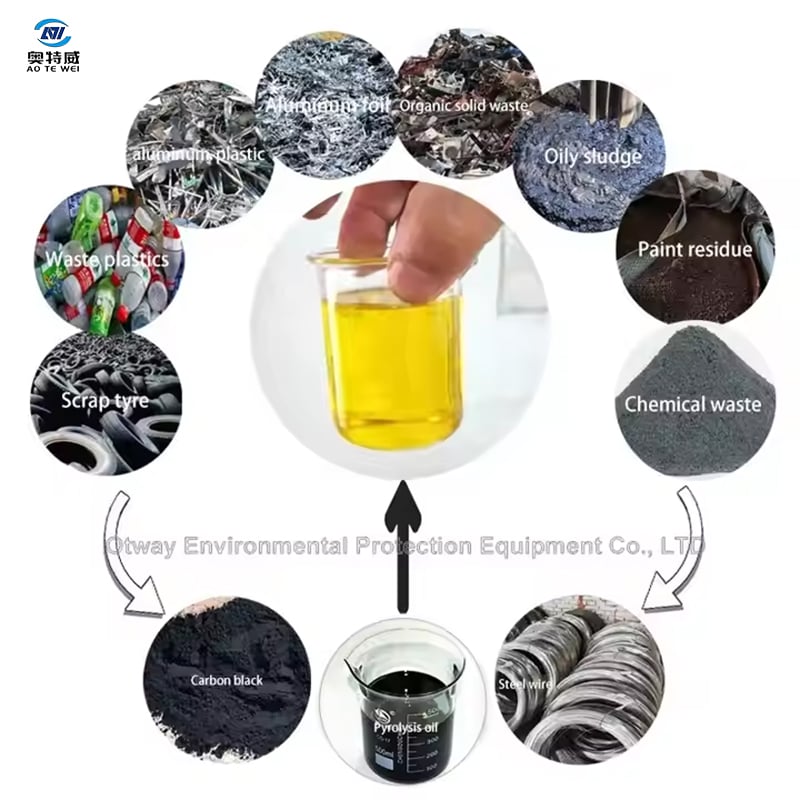
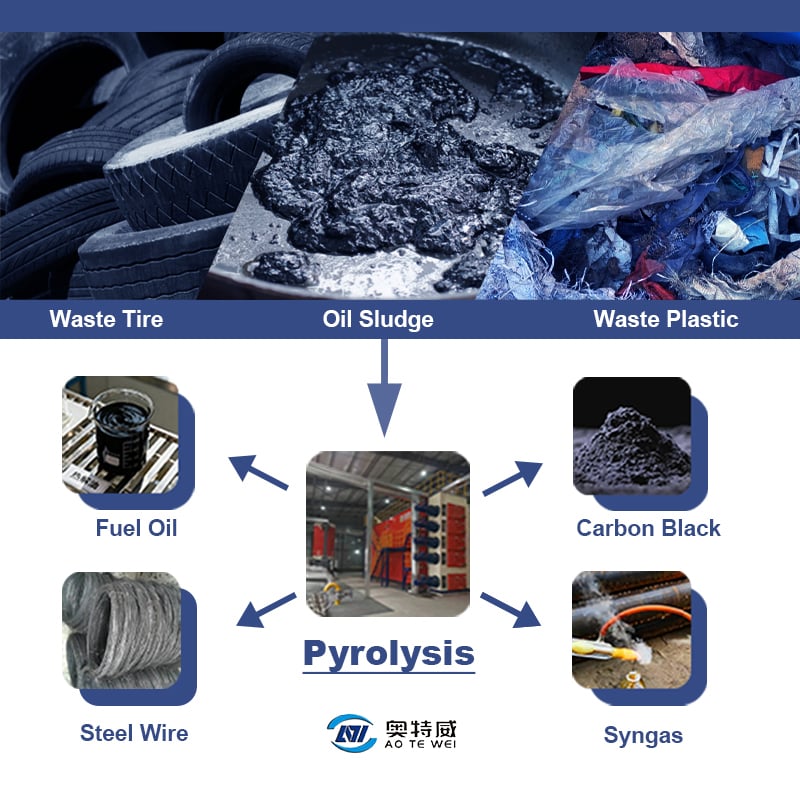
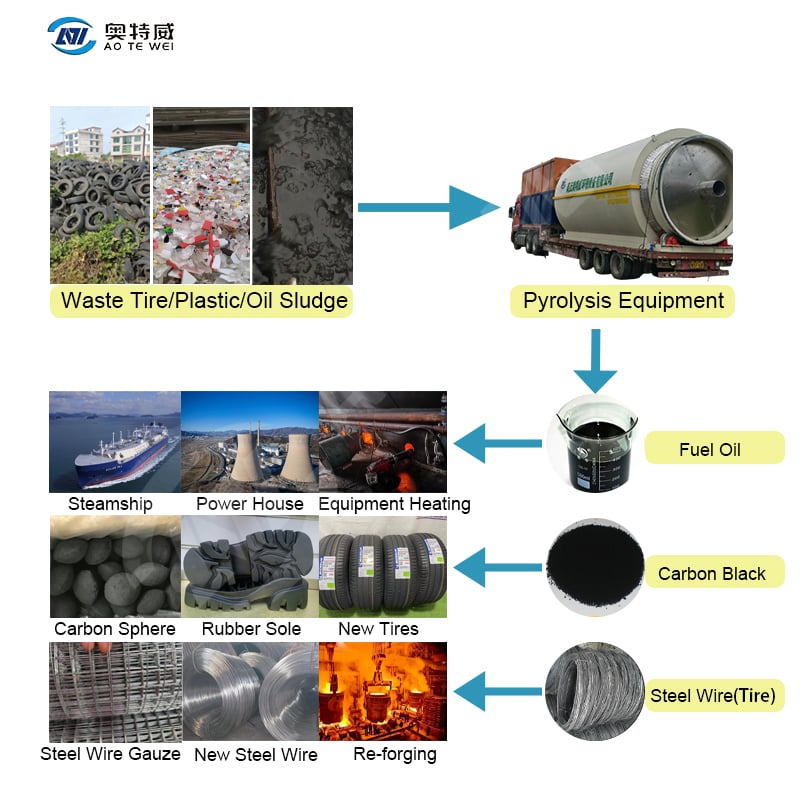
The tyre recycling business represents a vital industry that transforms end-of-life tyres into valuable raw materials and products, addressing both environmental concerns and resource scarcity. This sector operates through sophisticated processing systems that handle millions of discarded tyres annually, preventing them from accumulating in landfills or being illegally dumped. The main functions of the tyre recycling business encompass collection, sorting, shredding, and converting waste tyres into various usable materials such as rubber crumb, steel wire, and carbon black. Modern tyre recycling facilities employ advanced mechanical and thermal processing technologies to maximize material recovery rates while minimizing environmental impact. The technological features include automated feeding systems, primary shredders that reduce whole tyres into strips, secondary granulators that produce fine rubber particles, magnetic separators for steel extraction, and air classification systems for fiber removal. Many facilities now integrate pyrolysis technology, which uses controlled heating in oxygen-free environments to break down rubber polymers into oil, gas, and char. The applications of recycled tyre materials span numerous industries and sectors. Rubber crumb finds extensive use in playground surfaces, athletic tracks, equestrian arenas, and as a modifier in asphalt for road construction, improving durability and reducing road noise. Steel wire recovered from tyres enters the metallurgical industry for remelting and manufacturing new steel products. Carbon black serves as a reinforcing agent in new rubber products or as a pigment in various applications. Pyrolysis oil can be refined into diesel fuel or used as industrial heating fuel, while the gas produced powers the recycling process itself, creating energy self-sufficiency. The tyre recycling business also produces rubberized asphalt, molded rubber products, and engineered fuel for cement kilns and power plants. This comprehensive approach ensures that nearly every component of a waste tyre finds a second life, contributing to circular economy principles and sustainable resource management.

Popular Products

The tyre recycling business offers substantial environmental benefits that directly address pressing global concerns about waste management and pollution. By diverting millions of tyres from landfills each year, this industry prevents toxic leachates from contaminating soil and groundwater, eliminating breeding grounds for disease-carrying mosquitoes and reducing fire hazards associated with tyre stockpiles. The business generates significant economic opportunities through job creation across collection, transportation, processing, and sales operations, supporting local economies while establishing profitable revenue streams from selling recycled materials. Operators benefit from increasingly favorable regulatory environments as governments worldwide implement stricter waste management policies and offer incentives for sustainable businesses, creating stable market conditions with growing demand. The tyre recycling business requires relatively modest initial investment compared to other industrial operations, particularly for mechanical processing setups, making it accessible to entrepreneurs and small-to-medium enterprises seeking entry into the green economy. Material recovery rates have improved dramatically with modern technology, allowing businesses to extract maximum value from each tyre processed, with steel, rubber, and fiber all commanding market prices that ensure profitability. The industry enjoys diverse revenue streams from multiple products, reducing business risk by not depending on a single market or customer base, as different recycled materials serve varied industries from construction to manufacturing. Energy independence represents another practical advantage, especially for facilities using pyrolysis technology that generates its own power from waste tyre gas, significantly reducing operational costs and insulating the business from energy price fluctuations. The tyre recycling business benefits from consistent raw material supply since tyres wear out predictably and continuously worldwide, with approximately 1.5 billion tyres reaching end-of-life annually, ensuring steady feedstock availability without seasonal variations. Companies in this sector enhance their corporate reputation and brand value by demonstrating environmental responsibility, which increasingly influences consumer preferences and business partnerships in today's sustainability-conscious marketplace. The business model proves scalable, allowing operators to start small with basic mechanical processing and gradually expand into more sophisticated technologies like pyrolysis or specialized product manufacturing as capital and expertise grow. Low competition in many regional markets presents opportunities for early movers to establish dominant positions before markets mature, while technological advancements continue reducing processing costs and improving efficiency. The tyre recycling business aligns perfectly with circular economy principles that governments and international organizations actively promote, positioning operators favorably for grants, subsidies, and preferential treatment in procurement processes.

Latest News

Company Updates Factory Audit Video | On-site Shooting of Aotewei Environmental Protection Equipment, Transparently Showing Manufacturing Strength

08

Apr

Company Updates Factory Audit Video | On-site Shooting of Aotewei Environmental Protection Equipment, Transparently Showing Manufacturing Strength

To further improve supply chain transparency and optimize the factory audit experience for domestic and overseas customers, Shangqiu Aotewei Environmental Protection Equipment Co., Ltd. has recently completed a comprehensive update of its factory aud...
View More

Get a Free Quote

Our representative will contact you soon.
Email
WhatsApp / Mobile
Name
Company Name
Message
0/1000

tyre recycling business

Advanced Processing Technology That Maximizes Material Recovery and Profitability

Advanced Processing Technology That Maximizes Material Recovery and Profitability

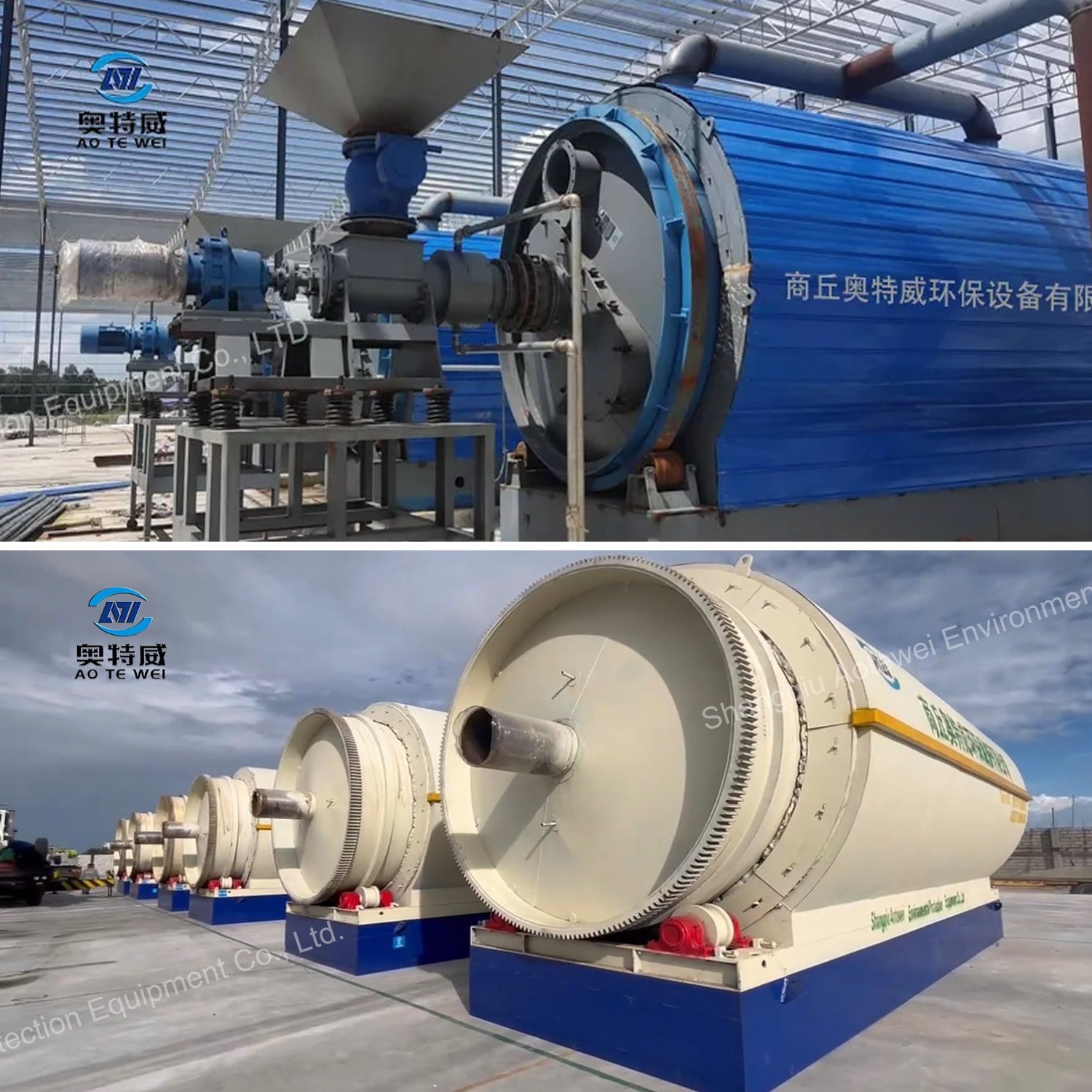
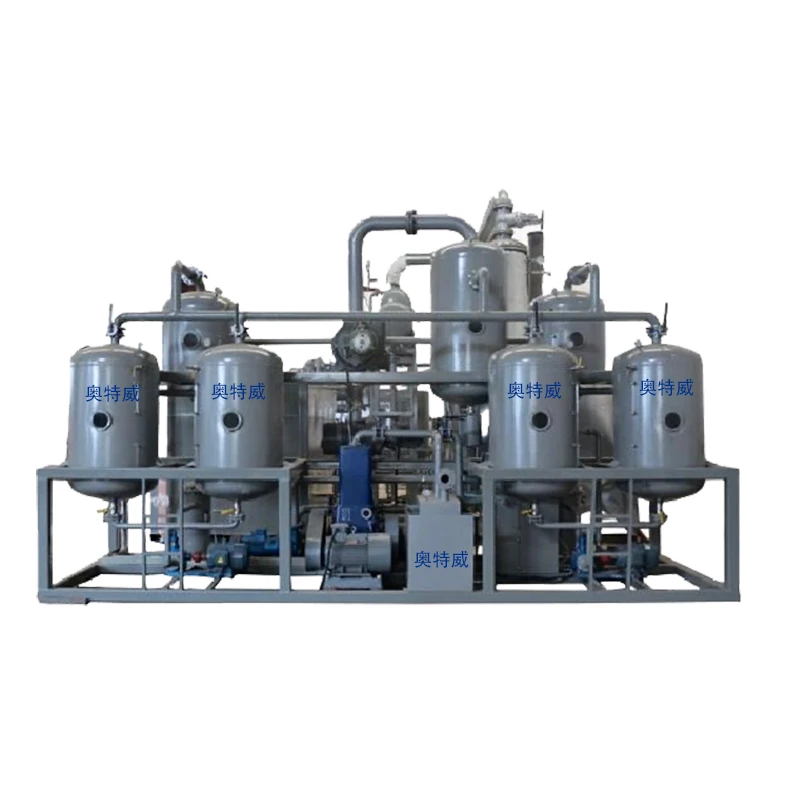
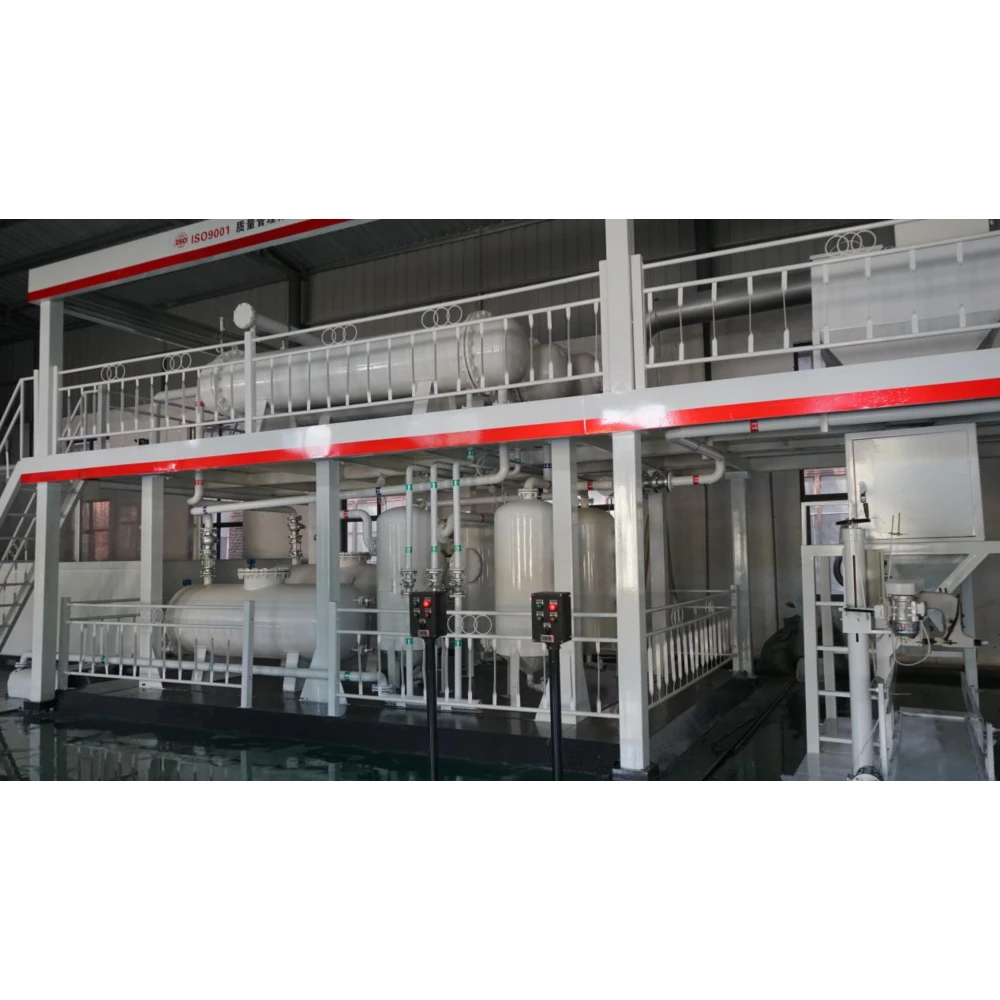
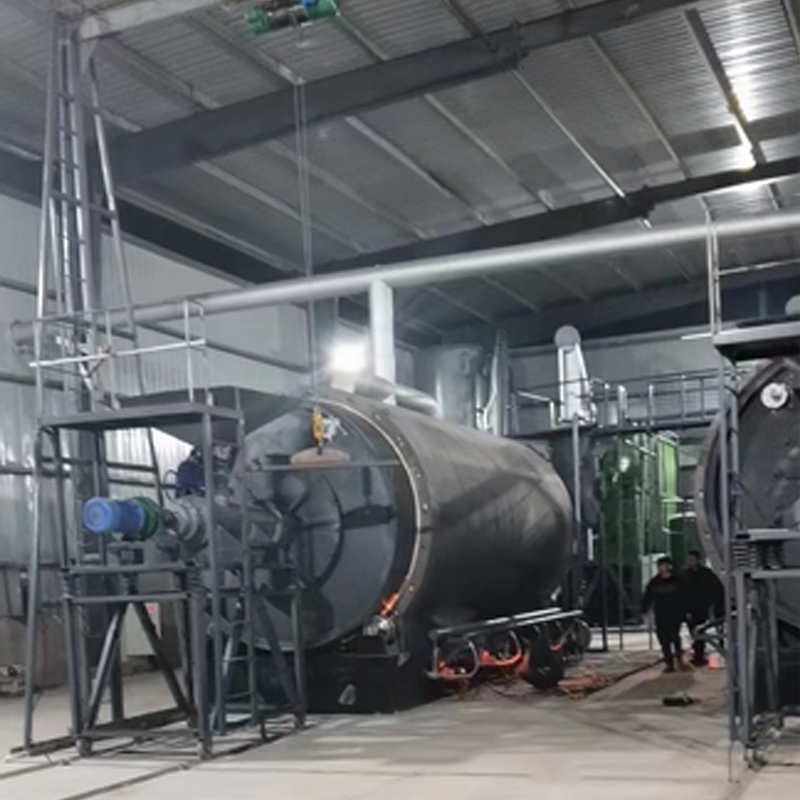
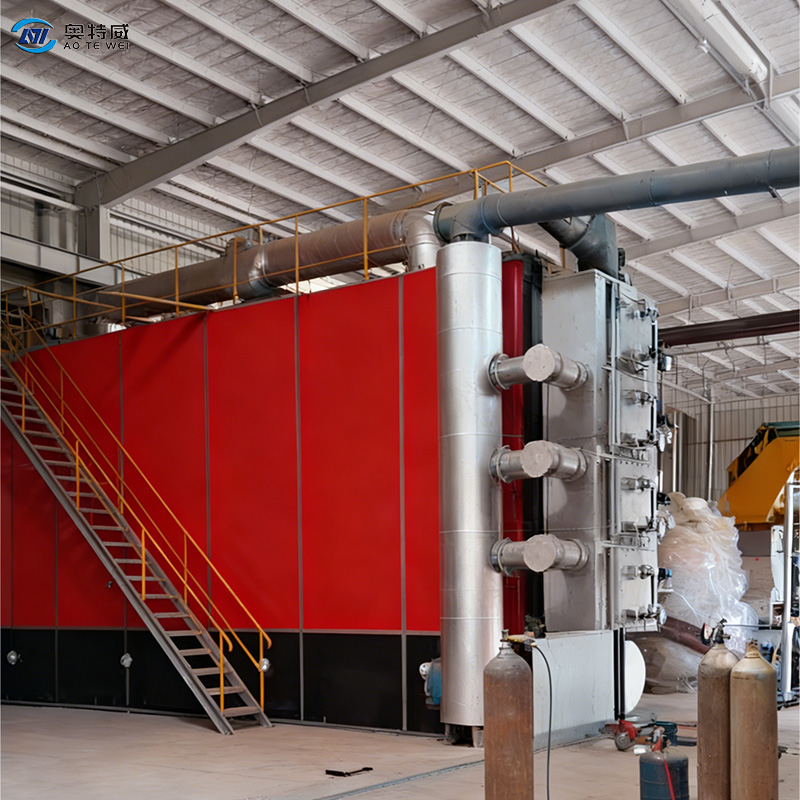
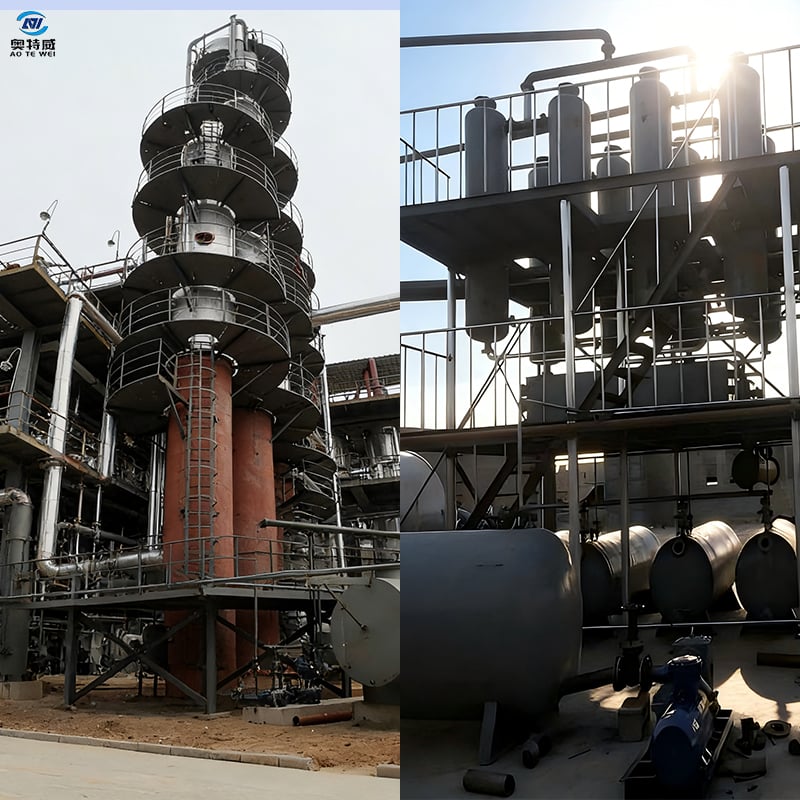
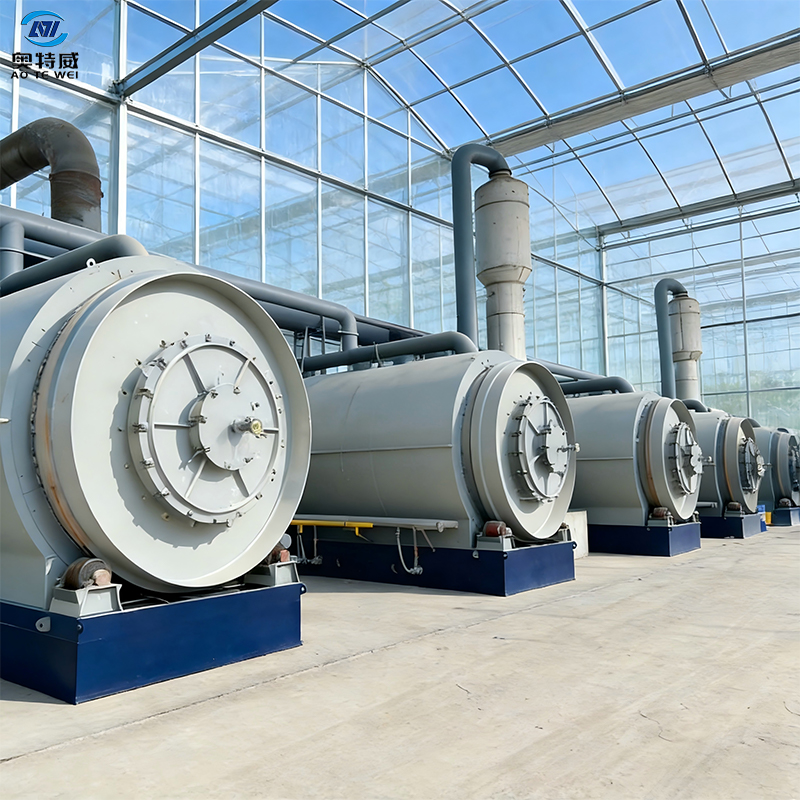
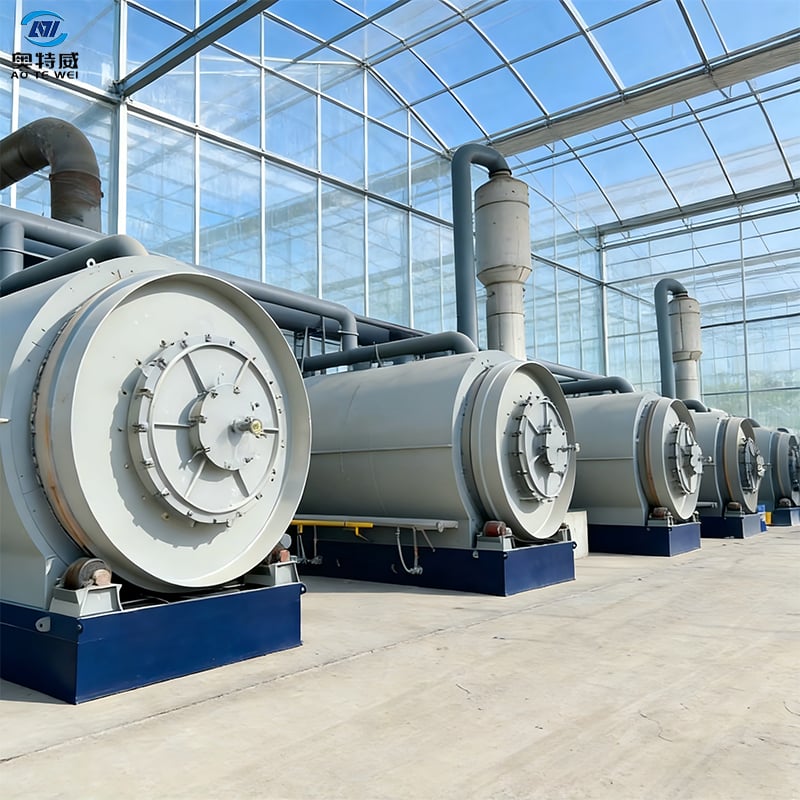
The tyre recycling business employs cutting-edge processing technology that transforms waste tyres into multiple high-value products with exceptional efficiency and minimal waste. Modern facilities utilize integrated processing lines that begin with automated feeding systems capable of handling various tyre sizes from passenger vehicles to massive industrial and agricultural tyres, ensuring operational flexibility and continuous throughput. The primary shredding stage uses powerful hydraulic shears or rotating blades to cut whole tyres into manageable strips, removing the need for labor-intensive manual preparation while dramatically increasing processing speed. Secondary granulation equipment then reduces these strips into precise particle sizes ranging from coarse chips to fine powder, with sophisticated screening systems separating materials into specific size grades that command different market prices based on their applications. Magnetic separation technology extracts steel wire with remarkable purity levels exceeding 99 percent, producing clean steel scrap that metallurgical industries readily purchase at premium prices, while advanced air classification systems remove textile fibers through density differences, ensuring rubber products meet quality specifications. The most advanced tyre recycling business operations now incorporate pyrolysis technology that represents a quantum leap in value extraction, using controlled thermal decomposition at temperatures between 400 and 500 degrees Celsius in oxygen-free chambers to break down rubber polymers into their constituent elements. This process yields pyrolysis oil comprising 40 to 45 percent of tyre weight, which can be refined into diesel fuel or sold directly to industries requiring heating fuel, plus combustible gas accounting for 10 to 15 percent that powers the pyrolysis reactor itself, creating energy self-sufficiency. The solid residue contains carbon black at 30 to 35 percent and steel wire at 10 to 15 percent, both valuable commodities with established markets. Continuous pyrolysis systems operate 24 hours daily with minimal supervision, dramatically improving productivity compared to batch processes while reducing labor costs. Automated control systems monitor temperature, pressure, and material flow throughout the tyre recycling business operation, optimizing conditions for maximum yield and quality while ensuring worker safety and environmental compliance. Environmental controls including water cooling systems, gas purification units, and dust collection equipment prevent emissions and maintain clean operations that satisfy regulatory requirements. The technological sophistication of modern tyre recycling business facilities enables operators to process 50 to 100 tyres per hour in mechanical systems or 10 to 20 tons daily in pyrolysis plants, generating substantial material volumes that support profitable operations even in competitive markets.
Diverse Product Portfolio Serving Multiple Industries and Revenue Streams

Diverse Product Portfolio Serving Multiple Industries and Revenue Streams

The tyre recycling business creates an impressive array of products that serve numerous industries, establishing multiple revenue channels that provide financial stability and growth opportunities while reducing dependence on any single market sector. Rubber crumb represents the primary product category, available in various particle sizes from coarse 10-millimeter chips down to fine powder measuring less than 1 millimeter, with each size grade targeting specific applications and customer segments. Coarse rubber chips find extensive use in civil engineering projects as lightweight fill material for road embankments, drainage layers, and insulation applications, where their excellent drainage properties and low weight reduce construction costs while solving waste management problems. Medium-grade rubber granules dominate the sports surfacing market, providing cushioning and shock absorption for running tracks, playgrounds, artificial turf infill, and equestrian arenas, where their durability and weather resistance deliver long service life with minimal maintenance. Fine rubber powder serves as a modifier in asphalt concrete, improving pavement flexibility, reducing cracking, and lowering road noise, with rubberized asphalt extending road life by 50 percent compared to conventional pavement while using recycled materials that benefit the environment. The manufacturing sector consumes rubber powder in molded products including automotive parts, flooring tiles, roofing materials, and industrial goods, where it reduces raw material costs while maintaining performance specifications. Steel wire recovered through the tyre recycling business enters the metallurgical industry for remelting into new steel products, with high purity levels ensuring premium prices that contribute significantly to overall profitability, particularly as steel prices remain strong globally. Textile fiber extracted from tyres finds applications in construction materials, insulation products, and composite manufacturing, though it typically represents the smallest revenue contributor. Pyrolysis-equipped tyre recycling business operations produce additional high-value products including pyrolysis oil that industries use as heating fuel or feedstock for refineries, with energy content comparable to conventional diesel making it attractive for cement plants, steel mills, and power generation facilities. Carbon black recovered from pyrolysis serves rubber manufacturers as a reinforcing agent, paint producers as a pigment, and plastics companies as a functional additive, commanding market prices that make it one of the most valuable outputs per unit weight. The product diversity inherent in the tyre recycling business provides strategic advantages by allowing operators to shift production emphasis based on market conditions, focusing on whichever products offer the best margins at any given time while maintaining relationships across multiple customer industries that provide business intelligence and market insights.
Sustainable Business Model Aligned With Global Environmental Priorities

Sustainable Business Model Aligned With Global Environmental Priorities

The tyre recycling business operates at the intersection of profitability and environmental stewardship, creating a sustainable business model that addresses critical global challenges while generating attractive returns for operators and investors. Environmental sustainability forms the foundation of this industry, as each tyre diverted from landfills or illegal dumping prevents approximately 20 liters of space occupation, eliminates toxic leachate production that contaminates groundwater, and removes fire hazards that create massive pollution events when tyre stockpiles ignite and burn for weeks or months. The tyre recycling business directly contributes to reducing virgin material consumption by providing recycled rubber that substitutes for natural and synthetic rubber in manufacturing, conserving petroleum resources and reducing the environmental footprint of rubber production which involves energy-intensive processing and chemical treatments. Carbon footprint reduction represents a significant environmental advantage, as producing rubber crumb from waste tyres requires 70 percent less energy than manufacturing virgin rubber, while using recycled steel saves 95 percent of the energy needed for primary steel production, translating into substantial greenhouse gas emission reductions. Regulatory trends worldwide increasingly favor the tyre recycling business through extended producer responsibility legislation that requires tyre manufacturers to fund collection and recycling programs, creating stable financing mechanisms and guaranteed feedstock supply that reduce business risk. Government incentives including tax credits, grants, and subsidized loans support tyre recycling business development in many jurisdictions, recognizing its environmental benefits and job creation potential, particularly in regions seeking to develop green industries and circular economy infrastructure. Consumer preference shifts toward sustainable products benefit companies using recycled tyre materials, as corporations increasingly prioritize environmental criteria in procurement decisions and consumers reward brands demonstrating environmental responsibility, expanding markets for recycled products. The tyre recycling business aligns perfectly with circular economy principles that envision perpetual material cycling without waste, positioning operators as environmental leaders and attracting partnerships with progressive corporations, municipalities, and organizations committed to sustainability. Social benefits complement environmental advantages, as the tyre recycling business creates employment opportunities across skill levels from manual labor to engineering positions, often in communities affected by industrial decline where new economic activities bring revitalization. The industry contributes to energy security by converting waste into fuel products that reduce dependence on imported petroleum, particularly valuable for countries seeking to diversify energy sources and improve trade balances. Long-term business viability appears strong as environmental regulations tighten globally and societies increasingly prioritize sustainability, ensuring that the tyre recycling business will continue growing and evolving with technological improvements that enhance efficiency and expand product applications.

Get a Free Quote

Our representative will contact you soon.
Email
WhatsApp / Mobile
Name
Company Name
Message
0/1000
Newsletter
Please Leave A Message With Us