Used Motor Oil Recycling and Re-refining Solutions | Environmental and Economic Benefits

Get a Free Quote

Our representative will contact you soon.
Email
WhatsApp / Mobile
Name
Company Name
Message
0/1000

used motor oil

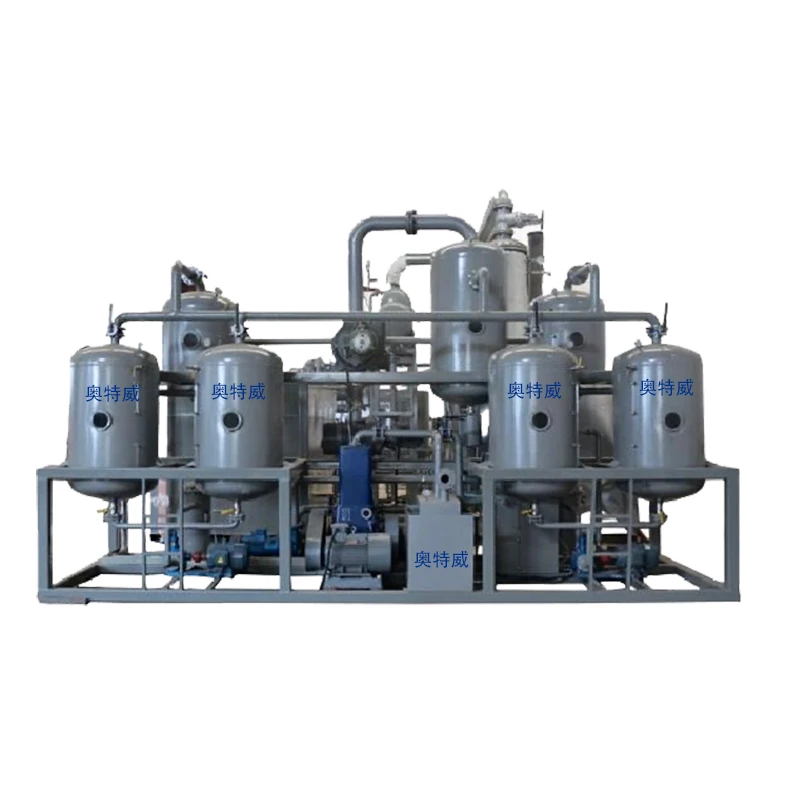
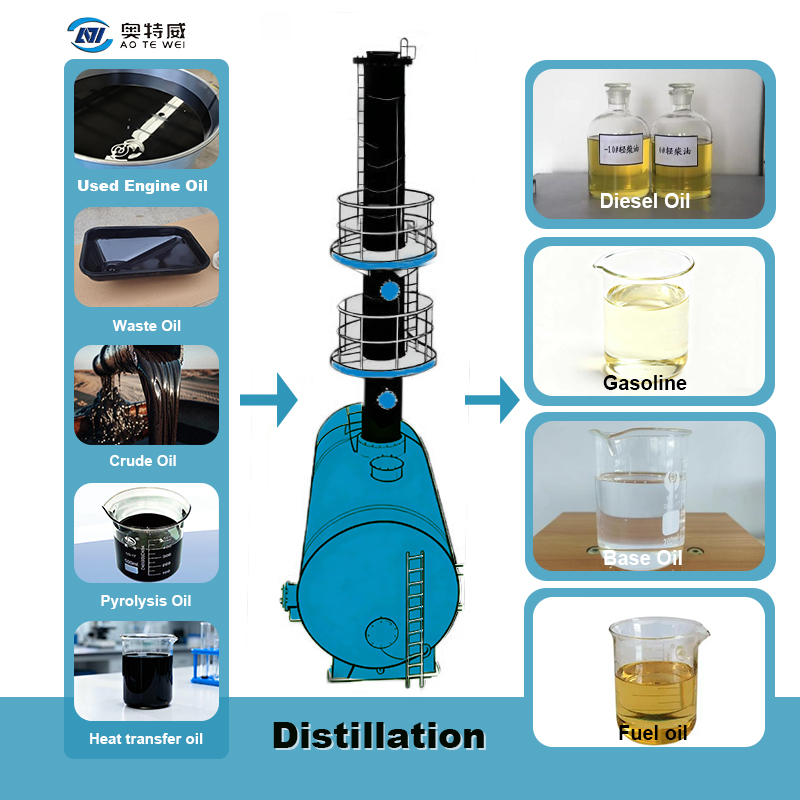
Used motor oil represents a valuable resource in the automotive and industrial sectors, serving as a critical material that undergoes proper collection, recycling, and reprocessing. This previously utilized lubricant comes from various sources including passenger vehicles, commercial trucks, industrial machinery, and marine engines. After serving its primary purpose in engines, used motor oil retains significant properties that make it suitable for recycling and repurposing into new products. The main functions of used motor oil extend beyond its initial application, as it can be refined into base oils for manufacturing fresh lubricants, processed into fuel products for industrial heating, or utilized in various industrial applications. The technological features of used motor oil recycling involve sophisticated filtration systems that remove contaminants such as metal particles, dirt, and chemical additives that accumulated during engine operation. Advanced re-refining processes employ vacuum distillation, hydrotreatment, and chemical extraction methods to restore the oil to near-virgin quality. These technological advancements ensure that used motor oil can be transformed into high-quality products that meet stringent industry standards. Applications for properly processed used motor oil span multiple industries, including the production of new automotive lubricants, industrial hydraulic fluids, and asphalt release agents. The collection and recycling of used motor oil also serves environmental protection functions by preventing soil contamination and water pollution that would occur from improper disposal. Modern recycling facilities can process thousands of gallons daily, converting this waste material into valuable commodities. The economic and environmental significance of used motor oil cannot be overstated, as it represents both a potential pollutant when mishandled and a renewable resource when properly managed through established collection networks and processing facilities.

New Product Releases

The advantages of properly managed used motor oil create substantial benefits for businesses, environmental conservation efforts, and economic sustainability. First and foremost, utilizing used motor oil through recycling programs significantly reduces environmental impact by preventing harmful chemicals from entering groundwater systems and contaminating soil ecosystems. When you participate in used motor oil collection programs, you contribute to protecting natural resources while potentially earning revenue from this material that would otherwise require costly disposal. The recycling process transforms used motor oil into products that perform comparably to virgin oils, yet require far less energy to produce, resulting in reduced carbon emissions and decreased dependency on crude oil extraction. Businesses that collect and sell used motor oil can establish additional revenue streams while demonstrating environmental responsibility to customers and regulatory agencies. The re-refining industry has developed efficient technologies that remove impurities and restore lubricating properties, making recycled products cost-effective alternatives for many applications. Another significant advantage lies in regulatory compliance, as proper handling of used motor oil helps businesses meet environmental regulations and avoid substantial fines associated with improper disposal. Companies that implement systematic collection programs often qualify for environmental certifications and recognition that enhance their market reputation. From a practical standpoint, storing used motor oil for recycling proves simpler and safer than managing hazardous waste disposal logistics. The established infrastructure for used motor oil collection includes convenient pickup services and drop-off locations that minimize handling complexity for generators. Financial incentives often accompany used motor oil recycling, with some processors paying competitive rates based on volume and quality of the material provided. The versatility of recycled products derived from used motor oil extends their utility across industrial heating applications, where the fuel value provides cost savings compared to conventional energy sources. Conservation benefits become apparent when considering that recycling just two gallons of used motor oil can generate enough electricity to power an average home for nearly twenty-four hours. These practical advantages demonstrate that used motor oil management delivers tangible returns through cost reduction, revenue generation, environmental protection, and operational efficiency improvements that benefit organizations of all sizes across diverse industries.

Latest News

Company Updates Factory Audit Video | On-site Shooting of Aotewei Environmental Protection Equipment, Transparently Showing Manufacturing Strength

08

Apr

Company Updates Factory Audit Video | On-site Shooting of Aotewei Environmental Protection Equipment, Transparently Showing Manufacturing Strength

To further improve supply chain transparency and optimize the factory audit experience for domestic and overseas customers, Shangqiu Aotewei Environmental Protection Equipment Co., Ltd. has recently completed a comprehensive update of its factory aud...
View More

Get a Free Quote

Our representative will contact you soon.
Email
WhatsApp / Mobile
Name
Company Name
Message
0/1000

used motor oil

Environmental Protection Through Responsible Used Motor Oil Management

Environmental Protection Through Responsible Used Motor Oil Management

The environmental advantages of proper used motor oil handling represent one of the most compelling reasons for businesses and individuals to participate in recycling programs. When used motor oil enters the environment through improper disposal, it poses severe threats to ecosystems and human health. A single gallon of improperly discarded used motor oil can contaminate one million gallons of freshwater, creating long-lasting damage to aquatic life and rendering water sources unusable for consumption or recreation. By contrast, collecting and recycling used motor oil prevents this contamination while conserving precious natural resources. The recycling process removes harmful contaminants including heavy metals like lead, zinc, and cadmium that accumulate during engine operation, ensuring these toxins do not leach into soil or water systems. Modern re-refining facilities employ advanced separation technologies that extract these pollutants safely, allowing for proper disposal or secondary recovery of valuable metals. The environmental benefits extend to reducing greenhouse gas emissions, as producing lubricants from used motor oil requires approximately sixty-five percent less energy than manufacturing the same products from crude oil. This energy savings translates directly into reduced carbon dioxide emissions and decreased air pollution. Furthermore, recycling used motor oil reduces the demand for crude oil extraction, an activity associated with habitat disruption, water consumption, and potential spill risks during transportation. The circular economy model enabled by used motor oil recycling demonstrates how waste materials can become valuable inputs for new products, reducing the overall environmental footprint of the lubrication industry. Organizations that establish systematic used motor oil collection programs contribute measurably to sustainability goals while protecting local watersheds and ecosystems. The environmental protection benefits also include preventing soil contamination in areas where used motor oil might otherwise be dumped or buried, practices that create long-term remediation challenges and pose health risks to nearby communities. Through participation in certified recycling programs, generators of used motor oil ensure their material enters legitimate processing channels where environmental safeguards are maintained throughout the handling and transformation processes.
Economic Value Recovery and Revenue Generation from Used Motor Oil

Economic Value Recovery and Revenue Generation from Used Motor Oil

The economic dimensions of used motor oil management reveal significant opportunities for cost savings and revenue generation that many businesses overlook. Unlike typical waste materials that incur disposal costs, used motor oil possesses inherent value that can be monetized through proper collection and sale to licensed recyclers or re-refiners. The hydrocarbon content of used motor oil retains substantial energy value, making it attractive for reprocessing into heating fuels or re-refining into base oils for new lubricant production. Businesses that generate used motor oil regularly, such as automotive repair shops, fleet maintenance facilities, and industrial operations, can establish profitable relationships with collectors who pay competitive rates based on volume and contamination levels. The pricing for used motor oil fluctuates based on crude oil markets and regional demand, but consistently provides better economic returns than treating it as waste requiring disposal fees. By implementing efficient collection systems with proper storage tanks and containment measures, organizations maximize the value of their used motor oil while ensuring quality standards that command premium prices. The re-refining industry has invested heavily in processing infrastructure capable of transforming used motor oil into Group II and Group III base oils that meet stringent specifications for modern engine lubricants. This technological advancement means recycled products compete directly with virgin materials on performance characteristics while offering cost advantages to manufacturers. The economic value chain extends to consumers who purchase products made from recycled used motor oil, as these items typically retail at lower prices than equivalent products derived entirely from crude oil. Fleet operators and industrial facilities realize substantial savings by using re-refined lubricants that deliver comparable performance at reduced costs. The collection infrastructure for used motor oil creates employment opportunities and supports regional economies through transportation, processing, and manufacturing activities. Tax incentives and grants in many jurisdictions further enhance the economic benefits of used motor oil recycling, rewarding businesses that implement best practices. The stable demand for used motor oil as a feedstock ensures reliable markets for generators, providing predictable revenue streams that improve financial planning. Investment in proper storage and handling equipment for used motor oil typically achieves rapid payback through avoided disposal costs and sales revenue, making the business case compelling even for smaller operations.
Quality Assurance and Performance Reliability in Recycled Used Motor Oil Products

Quality Assurance and Performance Reliability in Recycled Used Motor Oil Products

The quality and performance characteristics of products derived from used motor oil have reached levels that challenge preconceptions about recycled materials, delivering reliability that meets or exceeds industry standards across diverse applications. Advanced re-refining technologies employ sophisticated processes including vacuum distillation, hydrotreatment, and solvent extraction to remove contaminants and restore molecular structures that provide essential lubrication properties. Modern processing facilities test used motor oil feedstock rigorously to ensure appropriate quality inputs, then monitor product specifications throughout manufacturing to guarantee consistency and performance. The resulting re-refined base oils demonstrate viscosity stability, oxidation resistance, and thermal properties comparable to virgin oils produced from crude petroleum, enabling their use in demanding applications including passenger car motor oils, heavy-duty diesel lubricants, and industrial hydraulic fluids. Quality assurance protocols in the used motor oil recycling industry have evolved substantially, with certified laboratories conducting comprehensive analysis of finished products to verify they meet American Petroleum Institute specifications, Original Equipment Manufacturer approvals, and international quality standards. This rigorous testing ensures that lubricants made from recycled used motor oil provide adequate engine protection, extended drain intervals, and fuel efficiency benefits expected by consumers and fleet operators. The performance reliability of these products stems from the fundamental chemistry of hydrocarbon base oils, which retain their molecular structure through engine use despite contamination from combustion byproducts and additive depletion. Re-refining processes effectively reverse this contamination, restoring the oil to a purified state suitable for blending with fresh additive packages. Independent testing by automotive manufacturers and industry research organizations consistently validates that properly re-refined used motor oil products deliver equivalent wear protection, deposit control, and viscosity retention compared to conventional lubricants. The quality assurance extends to regulatory oversight, with environmental agencies and industry associations maintaining certification programs that audit recycling facilities and verify product specifications. Consumers and businesses can confidently select products made from used motor oil, knowing they receive proven performance backed by extensive testing and real-world validation. The transparency of modern recycling operations, with documented chains of custody and quality control records, provides assurance that used motor oil undergoes proper processing and contamination removal. This commitment to quality has transformed used motor oil from a waste disposal challenge into a valuable resource supporting sustainable manufacturing while delivering dependable performance across countless applications.

Get a Free Quote

Our representative will contact you soon.
Email
WhatsApp / Mobile
Name
Company Name
Message
0/1000
Newsletter
Please Leave A Message With Us